In recent years, the term “superfood” has appeared more and more frequently on health websites, social media, and in our daily eating habits. From chia seeds and berries to spirulina, it is easy to find foods labeled as “nutrient-dense” and “healthy.”
The notable thing is that this trend goes beyond just eating to be full or eating for taste. Modern people are starting to care more about how to eat for long-term health, supporting the body from within and reducing the risk of disease. Consequently, proactively adding micronutrient-rich foods is gradually becoming part of a new lifestyle.
So, what has made superfoods so popular? And are they truly a necessary choice for a modern diet?
What are superfoods?
Defining superfoods
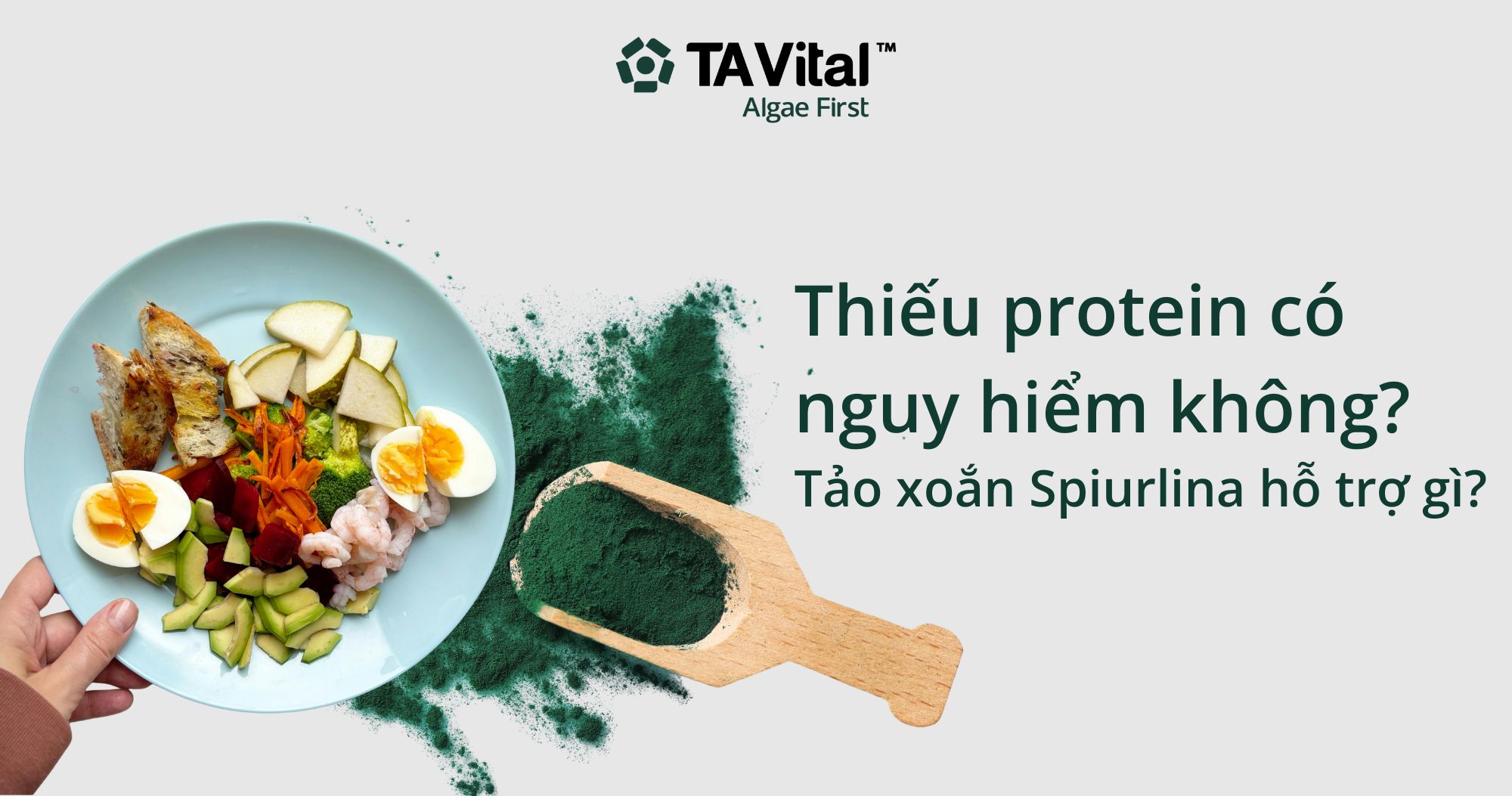
Superfood is a term used to describe foods with high nutrient density. Simply put, these are foods that contain a high concentration of vitamins, minerals, and beneficial bioactive compounds, without requiring large portions to be consumed.
The special thing about superfoods is that even in small amounts, they can provide a significant amount of nutrients to the body. This makes them a suitable choice for busy people who still want to maintain a healthy diet.
Popular types of superfoods
When it comes to superfoods, many people immediately think of a few familiar names.
Among them, spirulina is considered a prime example due to its high nutritional content. Other examples include chia seeds, blueberries, and green tea—all of which are rich in antioxidants and essential micronutrients.
Each type has its own unique characteristics, but they all share the common goal of supporting overall health through natural nutrition.
.png)
Why are superfoods becoming increasingly popular?
It is no coincidence that superfoods have become a global trend. Behind it lies a clear shift in how people perceive health and nutrition.
The growing demand for healthcare
While people once only paid attention to their health when their bodies showed signs of trouble, the trend has gradually shifted. More and more people are choosing to take care of their health early on through their diet and lifestyle.
The philosophy that "prevention is better than cure" is no longer just a theory; it has become a habit for a large segment of consumers. In this context, superfoods are seen as a proactive way to supplement nutrition.
Modern diets are prone to micronutrient deficiencies
Busy lives lead many to rely on processed foods or fast meals. While convenient, these options often fail to provide the essential micronutrients the body needs.
A lack of green vegetables, fruits, or fresh food in one's diet can lead to nutritional deficiencies that often go unnoticed. This is why many are turning to superfoods as a way to "make up" for missing nutrients.
Superfoods are nutrient-dense in small portions
One reason superfoods are so appealing is their convenience. Instead of preparing a wide variety of different foods, adding just a small amount of superfoods can provide the body with extra nutrients.
This is especially suitable for those with busy schedules or those who do not have much time to plan elaborate meals.
The trend toward green and sustainable living
Along with an interest in health, many people are also becoming more mindful of the environmental impact of their food.
Plant-based superfoods, especially microalgae like spirulina, are often highly regarded because they can be cultivated using fewer resources than traditional food sources.
This factor makes superfoods not only good for the body but also aligned with the increasingly popular green lifestyle.
The influence of media and science
It is undeniable that the growth of media and social networks has contributed to the spread of the superfood trend.
Nutritional research, combined with information sharing on digital platforms, has made it easier for many people to access knowledge about the benefits of superfoods.
However, it remains important to understand correctly and make informed choices, rather than blindly following trends.
Spirulina – a quintessential superfood
.jpg)
Outstanding nutritional value
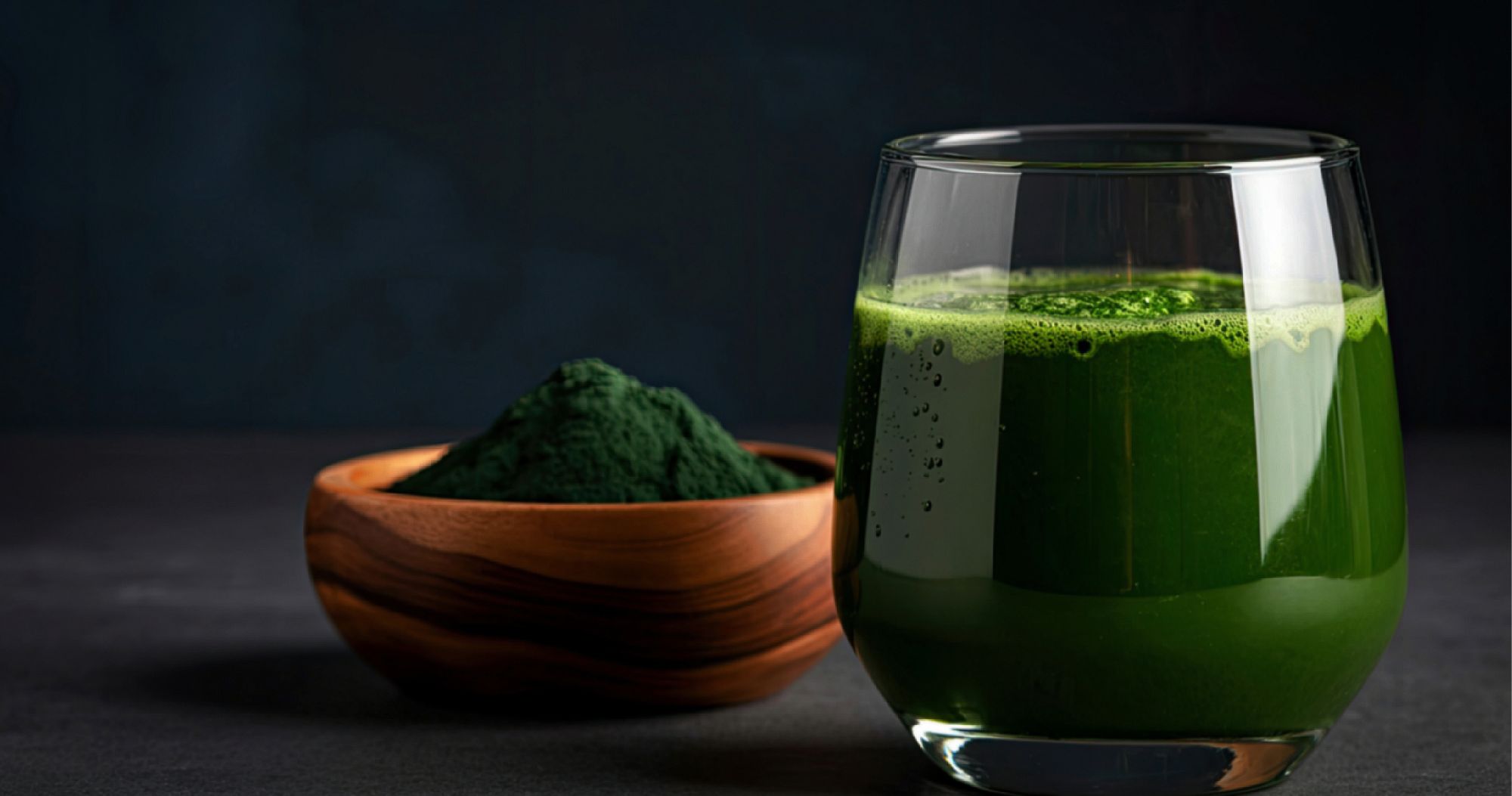
Among the superfoods available today, Spirulina is frequently cited as an exceptional source of nutrition.
This type of microalgae contains a high protein content, along with many essential vitamins and minerals. Additionally, spirulina contains phycocyanin – a natural pigment studied for its antioxidant properties.
It is this combination of multiple nutrients in a small serving that makes spirulina a popular choice for many people.
Why is Spirulina a popular choice?
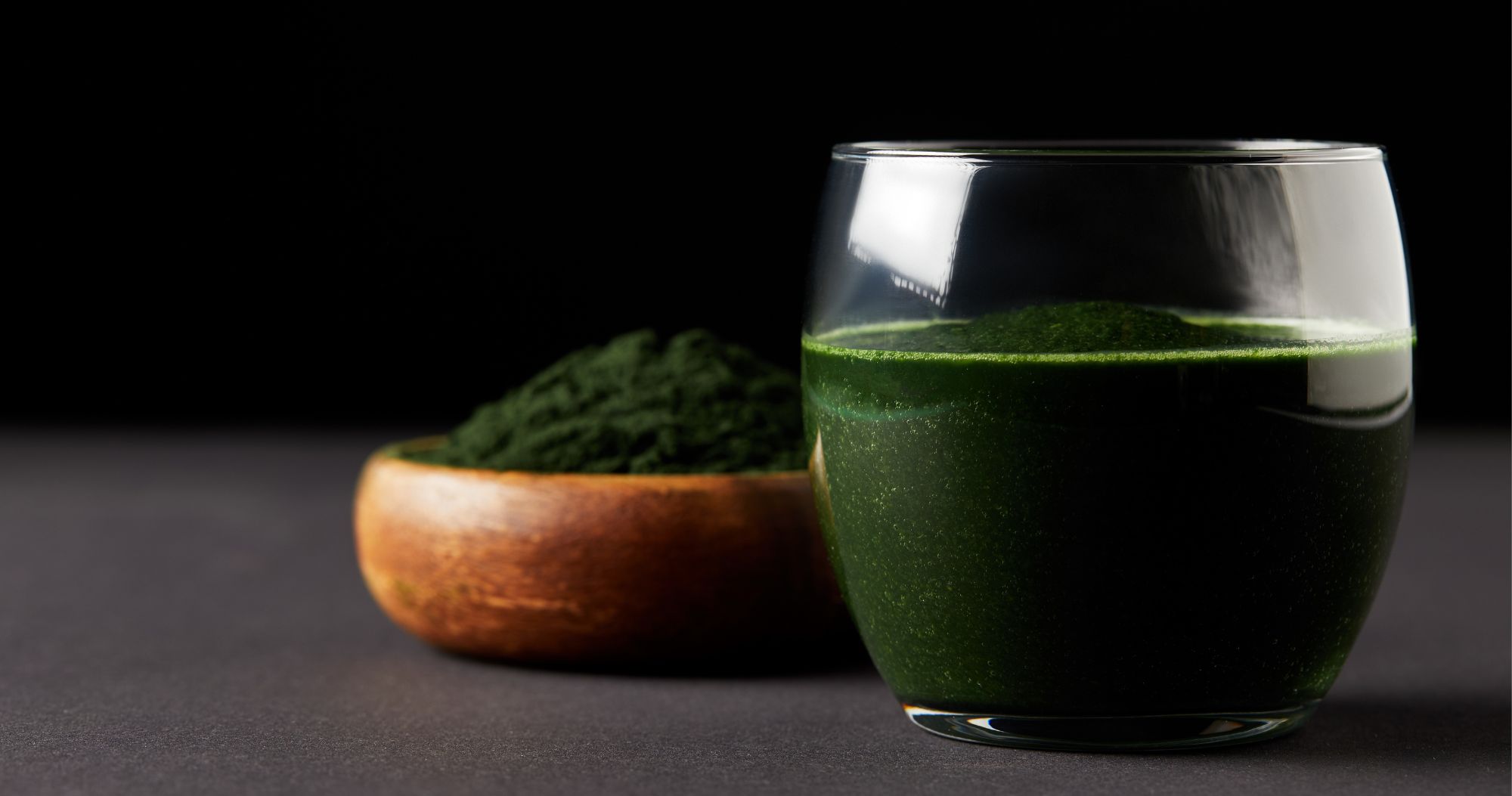
One of the advantages of spirulina is its ease of use. Users can supplement it in tablet or powder form, depending on their personal needs and habits.
Furthermore, its natural origin and suitability for a wide range of people have helped spirulina become increasingly popular in modern diets.
The benefits of adding superfoods to your diet
When used correctly, superfoods can provide significant health benefits.
First and foremost, they help supplement essential micronutrients that may be lacking in your daily diet. This is a crucial factor in maintaining the body's normal functions.
Additionally, many superfoods contain antioxidant compounds that contribute to strengthening the immune system and supporting the body against harmful environmental factors.
In the long run, maintaining a nutrient-rich diet can support overall health, especially when combined with a healthy lifestyle. And in the context of an increasingly busy life, superfoods are also a flexible solution that fits the modern pace of life.
How to properly supplement with superfoods
To make the most of the benefits of superfoods, it is important to use them reasonably.
First, you should choose the type of superfood that suits your personal needs, rather than following trends. Everyone has different physical conditions and health goals, so the approach should be flexible.
Furthermore, using them in appropriate dosages will help the body absorb them better without causing excess. Ultimately, superfoods are only truly effective when combined with a healthy lifestyle, including a balanced diet, regular exercise, and adequate rest.
Conclusion
Superfoods are gradually becoming a familiar part of many modern people's diets. This popularity stems not only from their nutritional value but also reflects a shift in how people prioritize their health and lifestyle.
Properly supplementing with superfoods can help improve nutritional quality and support long-term health. However, the key remains maintaining balance and making smart choices in your diet.
Among the current options, foods like Spirulina continue to attract attention as a natural nutritional supplement solution. And perhaps, this trend will continue to grow in the future as the demand for healthy living becomes increasingly important.

.png)
.png)



.jpg)






.jpg)

.jpg)



.jpg)


.png)
.png)
.jpg)
.jpg)






.jpg)

.jpg)


.jpg)
.jpg)


.jpg)




.jpg)




.png)






.jpg)



.jpg)