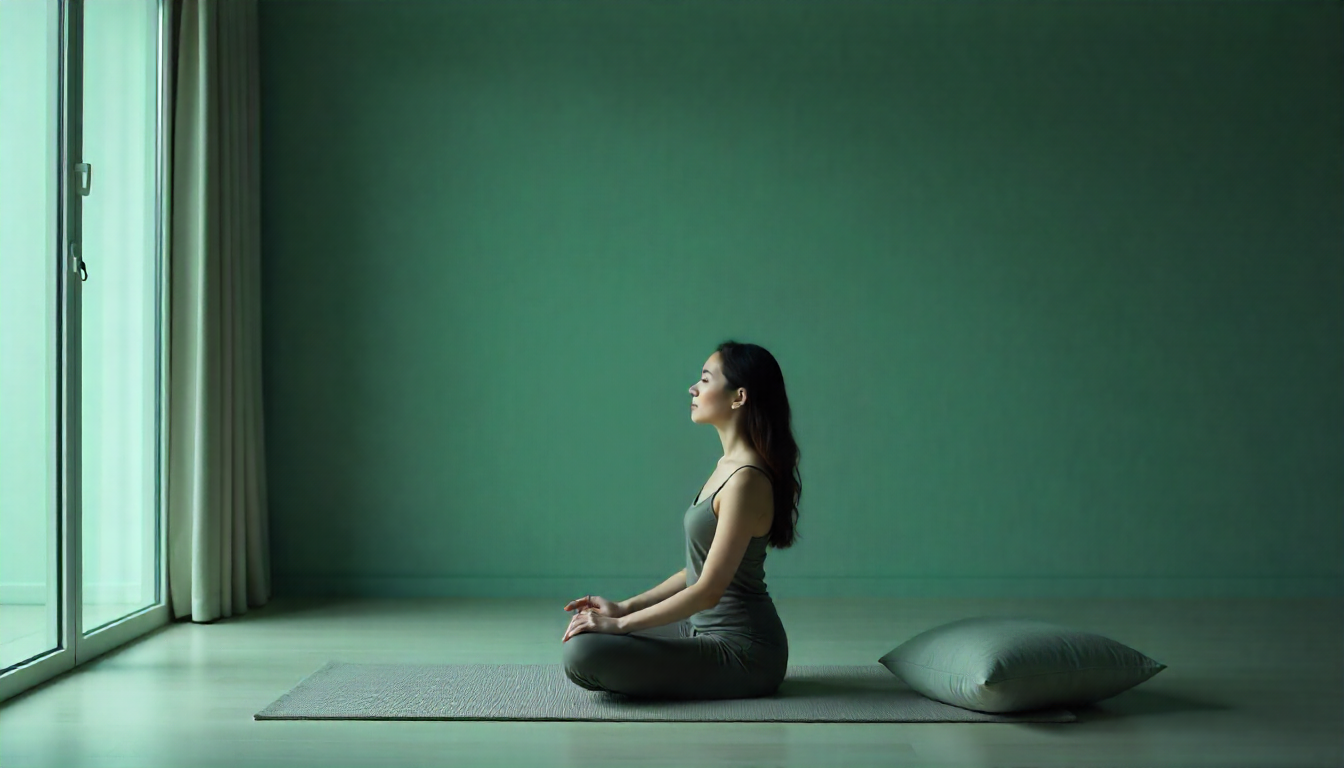
Sleep is not simply a rest, but also a time for the body to recover and “regenerate” energy for the next day. However, in the modern rhythm of life, many people experience difficulty falling asleep, falling asleep or waking up and still feeling tired.
In addition to adjusting their lifestyle habits, many people are becoming interested in nutritional solutions, among them Spirulina (spirulina) - a nutrient-rich microalgae.
So the question is: does spirulina really help you sleep better, or is it merely a food supplement for overall health?
What is Spirulina?
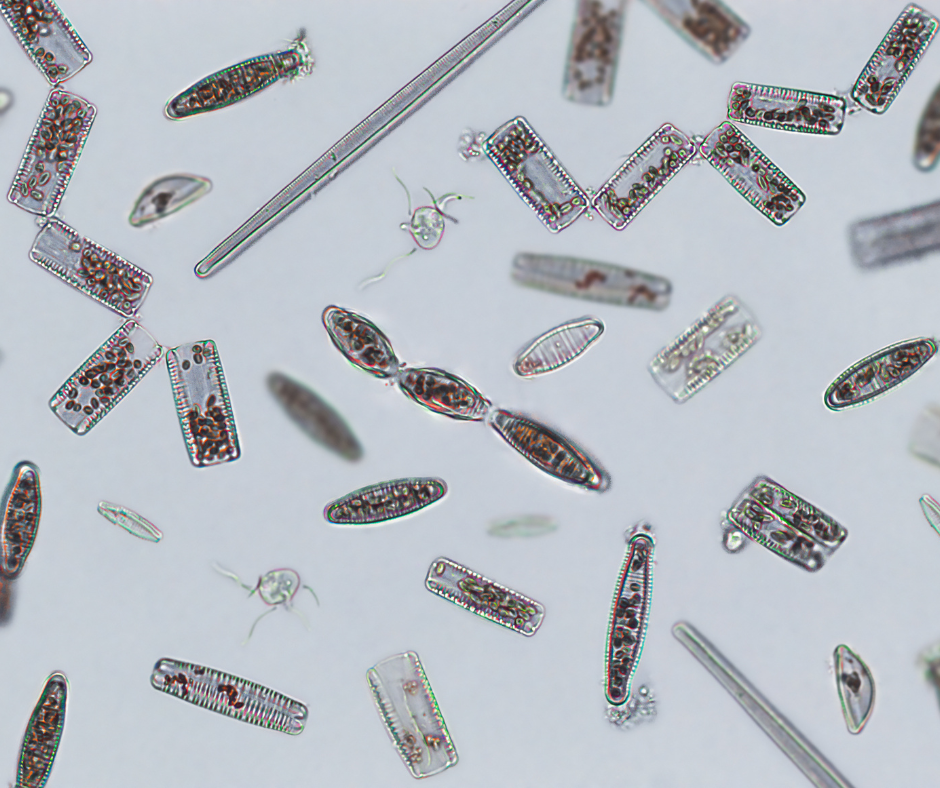
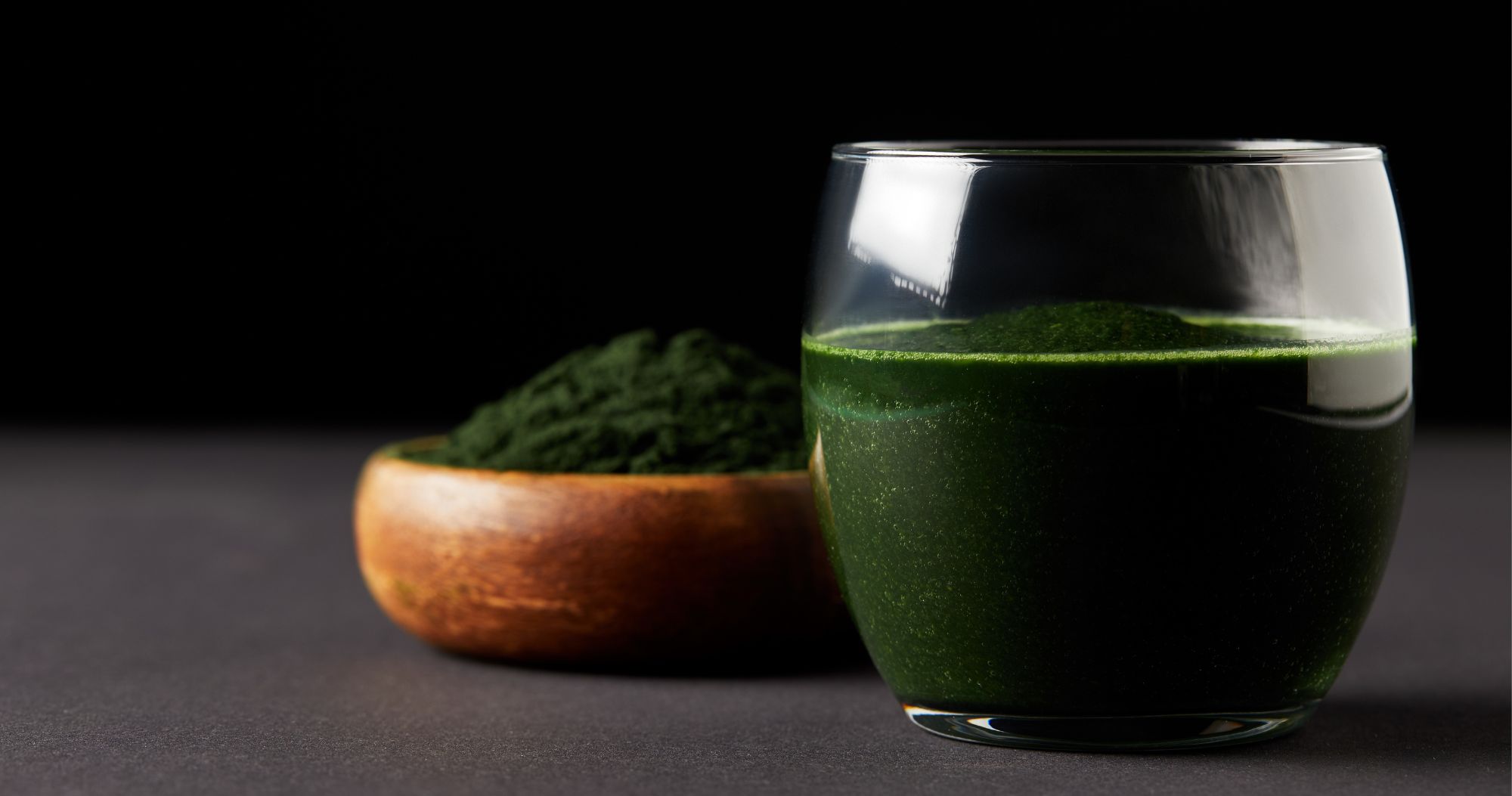
Spirulina - nutrient-rich microalgae
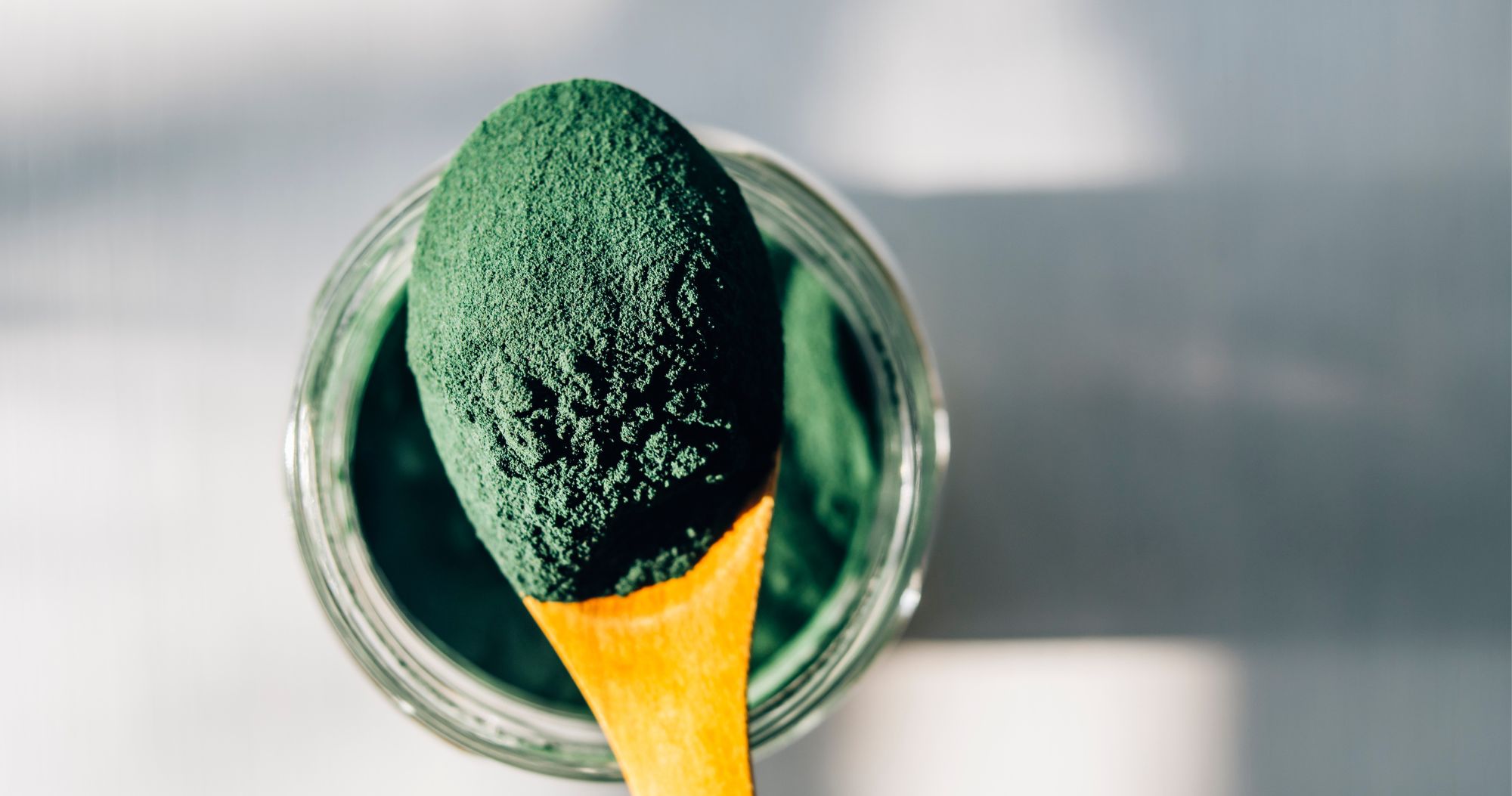
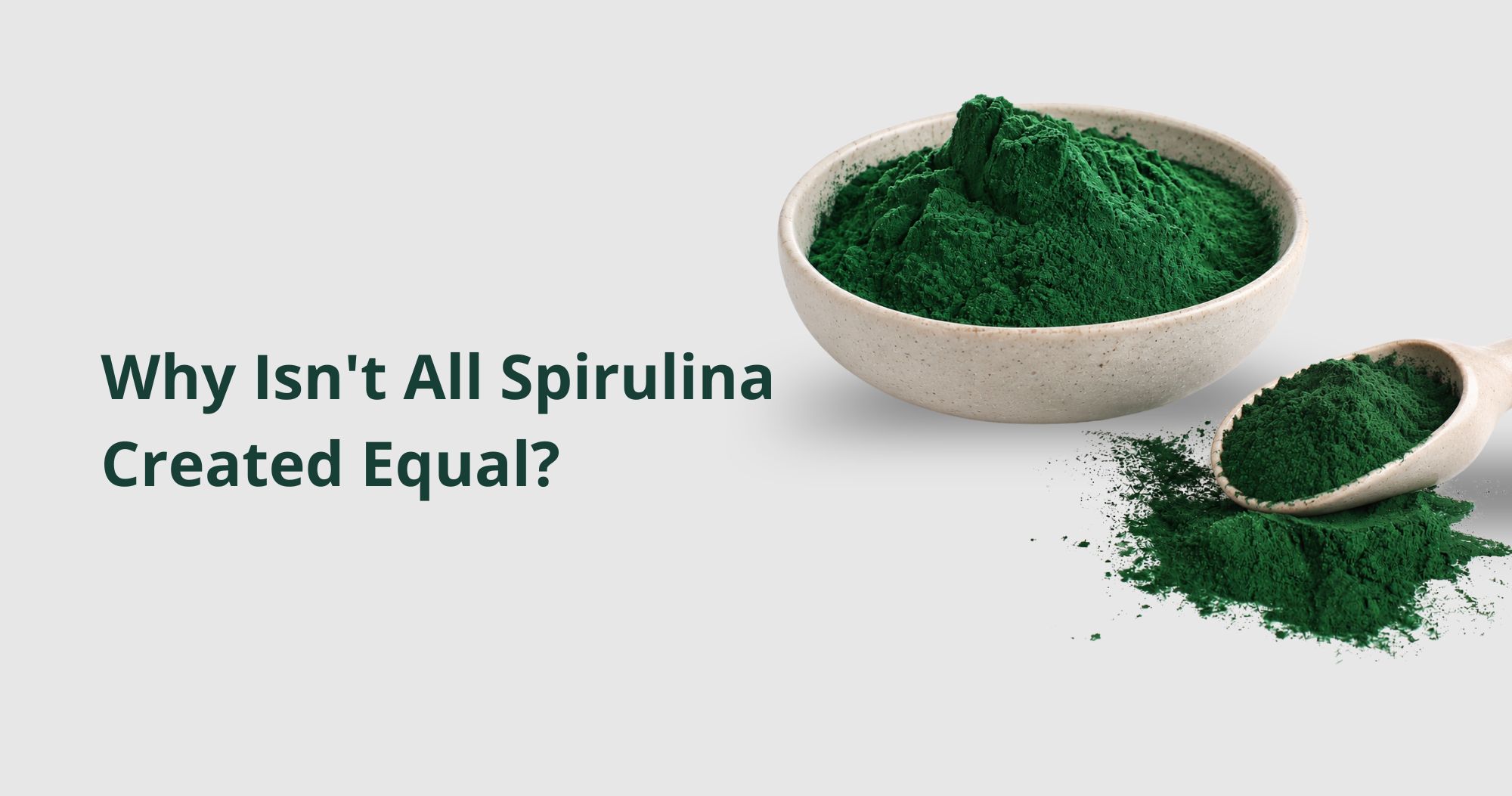
Spirulina is a microalgae with a high nutritional content, containing proteins, B vitamins, minerals and antioxidant compounds such as phycocyanins.
Thanks to its “concentrated” nutritional density, spirulina is often used as a micronutrient supplement in the daily diet.
Why is spirulina important in overall health?
Unlike conventional foods, spirulina provides many nutrients in small amounts. This helps support many functions in the body, from energy metabolism to the immune system.
For this reason, some people believe that as the body gets stronger, sleep also improves.
Does Spirulina Help Improve Sleep?
Spirulina is not a “sleeping pill,” but it can support sleep indirectly.
In other words, it doesn't make you sleepy right away, but can contribute to improving sleep quality through supporting body balance.
Why Spirulina Can Affect Sleep?
Sleep is influenced by many factors, among which are the state of nutrition and the nervous system. When the body lacks micronutrients or works poorly, sleep is also vulnerable.
Spirulina, as a source of nutritional supplements, can help the body function more steadily, thereby indirectly supporting sleep.
Elements in Spirulina May Assist Sleep
Vitamins of group B
Vitamins of group B play an important role in the functioning of the nervous system. When adequately supplied, the body can maintain a more stable state, which in turn supports the process of relaxation and rest.
Magnesium and minerals
Magnesium is often mentioned for its role in aiding muscle and nerve relaxation. Although spirulina is not the only source of magnesium, the presence of this mineral still contributes to the body's balance.
Proteins and Amino Acids
Protein does not directly cause drowsiness, but plays a fundamental role in maintaining body function. When the body is working efficiently, sleep also tends to be more stable.
Antioxidants (phycocyanins)
Oxidative stress is one of the factors that affect overall health. The antioxidants in spirulina help protect cells, which in turn indirectly support the state of balance - an important factor for sleep.
Does Spirulina Cause Insomnia?
Spirulina does not contain caffeine or strong neurostimulants. So, in essence, it is not a direct cause of insomnia.
Why do some people find it hard to sleep?
However, some people still reflect a feeling of difficulty sleeping when taking spirulina. This is usually related to the usage rather than the product itself.
If taken late in the evening, especially when the body is sensitive, the nutritional supplement can make you feel slightly more alert. In addition, each person has a different basis, so the reaction is not exactly the same either.
At what time should Spirulina be taken for good sleep?
The time of use can affect your experience. Usually, spirulina is most suitable when taken in the morning or at noon, when the body needs energy to function.
Avoiding use too close to bedtime is a simple way to limit the feeling of difficulty falling asleep, especially with sensitive people.
More important factors that help to sleep well
Although spirulina can help to a certain extent, sleep depends primarily on lifestyle.
A stable sleep schedule, limiting the use of electronic devices before bedtime, and a balanced diet will have a much more pronounced impact. In addition, reducing stress and maintaining a relaxed spirit also play an equally important role.
Who might consider taking Spirulina to aid sleep?
People who are frequently tired, undernourished, or have a busy lifestyle may consider taking spirulina as a way to improve their fitness.
When the body is stronger and more balanced, sleep also tends to improve accordingly.
Precautions when using Spirulina
Spirulina is not an alternative to insomnia treatments. If you have serious sleep problems, a specialist consultation is still necessary.
In addition, it is recommended to avoid taking it close to bedtime and monitor the body's reaction at the beginning of use.
Conclusion
Spirulina is not the “direct key” to better sleep. However, thanks to its nutritional supplement and support body balance, it can contribute to improving sleep in an indirect and sustainable way.
In the end, good sleep does not come from a single food, but from a combination of nutrition, lifestyle and mental state. Spirulina, if used properly, can be a small but useful part of that overall picture.


.png)
.png)




.jpg)




.jpg)
.jpg)


.jpg)


.png)
.png)
.jpg)
.jpg)




.jpg)

.jpg)


.jpg)
.jpg)


.jpg)




.jpg)




.png)




.jpg)


.jpg)