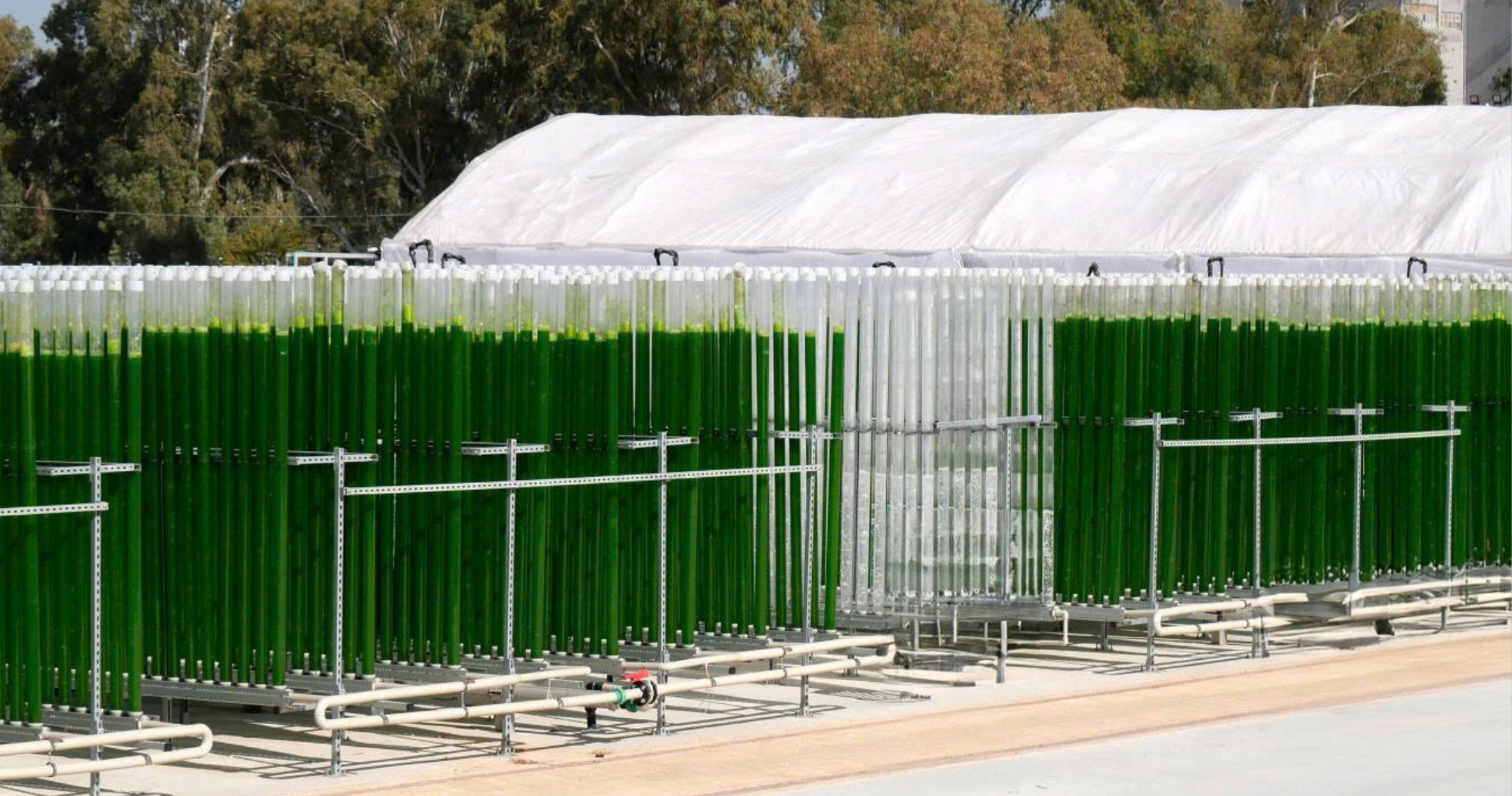
Microalgae Materials and Low-Emission Construction
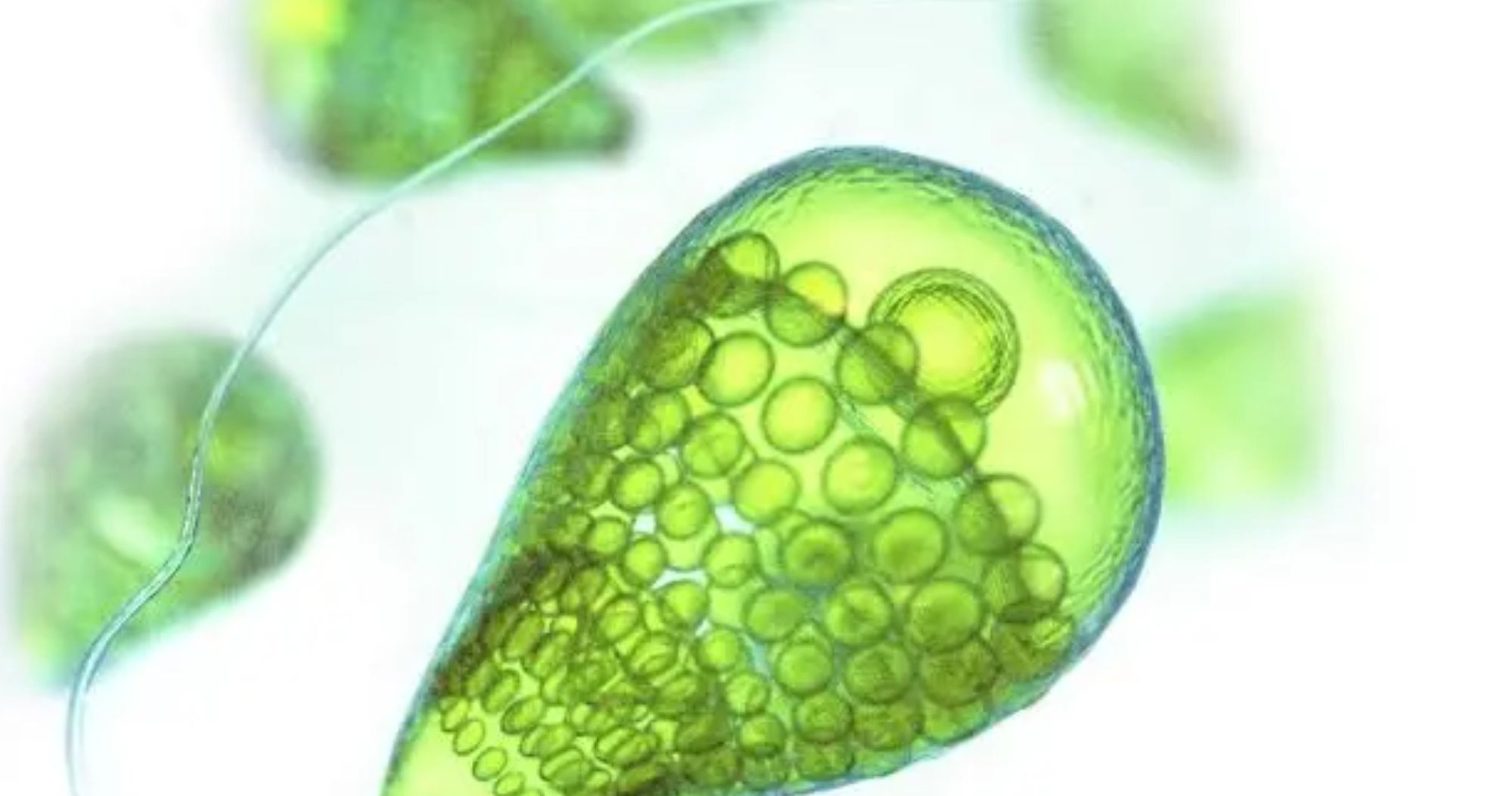
Microalgae-derived construction materials are being explored for their ability to absorb carbon dioxide during growth, helping offset emissions generated by traditional building processes. Unlike cement-one of the world's largest industrial carbon emitters-microalgae can be cultivated using natural light, water, and minimal land area.
Several pilot projects have investigated the use of dried algal biomass combined with bio-composites, insulation panels, and bio-bricks. While still largely in the research and testing phase, these approaches signal a clear shift toward construction systems that align more closely with natural biological processes.
Microalgae Bio-Cement: An Alternative to Traditional Cement
Conventional cement production accounts for approximately 8% of global CO₂ emissions annually and consumes nearly 9% of industrial water usage worldwide. As a result, cement has become a focal point in decarbonization strategies within the construction sector.
At the University of Colorado Boulder (USA), research teams and startups such as Prometheus Materials are tackling this challenge by developing bio-cement and bio-concrete derived from microalgae. These materials leverage the algae's ability to capture carbon dioxide and convert it into mineralized binding agents.
Instead of relying on high-temperature kilns and fossil fuels, this process utilizes biomineralization mechanisms, significantly reducing emissions while maintaining essential structural properties.
Performance of Microalgae-Based Bio-Concrete
When combined with aggregates, microalgae bio-cement forms bio-concrete with mechanical, physical, and thermal properties comparable to conventional concrete. Experimental results indicate that the material meets structural requirements while delivering clear environmental advantages.
Notably, the production process is nearly carbon-neutral and can reuse up to 95% of the water consumed, making it highly attractive from a sustainability standpoint.

Microalgae as an Active Component of Buildings
Beyond static materials, microalgae are also being integrated into concepts of "living architecture". In these systems, microalgae are cultivated within transparent facades or panel systems, where they help regulate light and temperature while simultaneously generating biomass.
Recent scientific reviews highlight the significant potential of microalgae-based construction materials in terms of emission reduction, resource efficiency, and circular design. However, challenges remain, including scalability, long-term durability, regulatory frameworks, and cost competitiveness.
Although microalgae-based construction technologies have yet to reach widespread commercialization, current research points to strong long-term potential. As urbanization, integrating biological systems into the built environment may help cities reduce environmental impact and improve climate resilience.
Conslusion
The development of microalgae-based bio-cement reflects a fundamental shift in how future construction is envisioned. Rather than being a source of emissions, building materials themselves can become part of the carbon reduction solution.
In this context, microalgae are no longer viewed solely as a nutritional resource, but as a powerful intersection of biology, materials science, and sustainable development - opening new pathways for low-carbon cities of the future.
References: www.colorado.edu/coloradan/2023/07/10/microalgae-bio-cement

.png)
.png)





.jpg)






.jpg)

.jpg)



.jpg)


.png)
.png)
.jpg)
.jpg)







.jpg)

.jpg)


.jpg)
.jpg)


.jpg)



.jpg)





.png)





.jpg)



.jpg)