Many people start their workday with a simple breakfast, have a rushed lunch, and by mid-afternoon, find themselves feeling hungry, struggling to focus, or craving coffee or sweets. This isn't always just a result of overworking.
In many cases, the composition of your lunch is worth re-evaluating.
A meal that leaves you feeling full isn't necessarily a nutritious one. If your portion is primarily carbohydrates but lacks protein and vegetables, you may still feel tired or hungry shortly after eating.
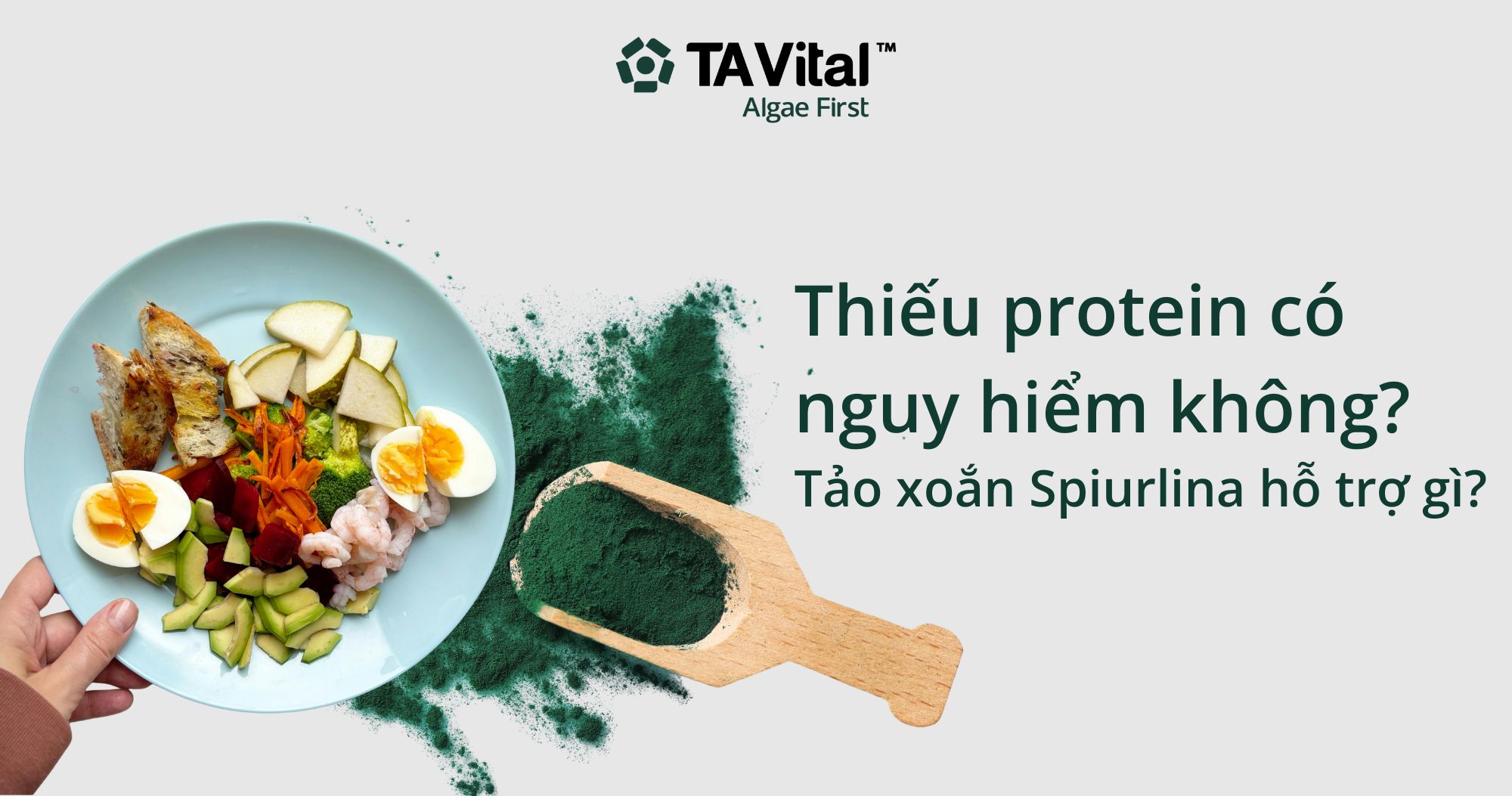
What role does protein play in your lunch?
Protein is one of the three main macronutrients, alongside carbohydrates and fats.
Beyond providing the amino acids necessary for the body to build muscle, enzymes, and other structures, protein also contributes to a more nutritionally complete meal.
This is especially important for office workers, who often need to maintain focus for several hours after lunch.
Instead of focusing solely on how much you eat, many current nutritional guidelines emphasize eating a balanced variety of food groups, including protein.
Why is protein at the heart of every diet?
What are the common characteristics of a lunch lacking in protein?
Some common lunches for office workers might include:
- Rice with very little meat or fish.
- Noodles or vermicelli with negligible amounts of protein.
- Bread with only pâté or sauce.
- Milk tea and pastries as a meal replacement.
These meals might make you feel full immediately after eating, but their nutritional profile is not truly balanced.
Conversely, a balanced lunch typically includes:
- An adequate source of protein.
- Vegetables or fiber-rich foods.
- Carbohydrates in reasonable portions.
- Moderate amounts of fat.
Does a lack of protein make you tired in the afternoon?
Afternoon fatigue is influenced by many factors, such as:
- Circadian rhythms.
- Sleep.
- Activity levels.
- Hydration.
- Total dietary intake.
However, when lunch lacks protein and is unbalanced in general, many people may get hungry faster or find it difficult to stay focused throughout the afternoon.
A meal consisting only of meat without vegetables, carbohydrates, or fats is not a balanced choice either. What the body needs is variety.
Protein sources can include: fish, meat, eggs, dairy, beans, nuts, and certain plant-based sources. Therefore, it is best to look at your overall diet and lifestyle habits.

How does protein from Spirulina differ from other protein sources?
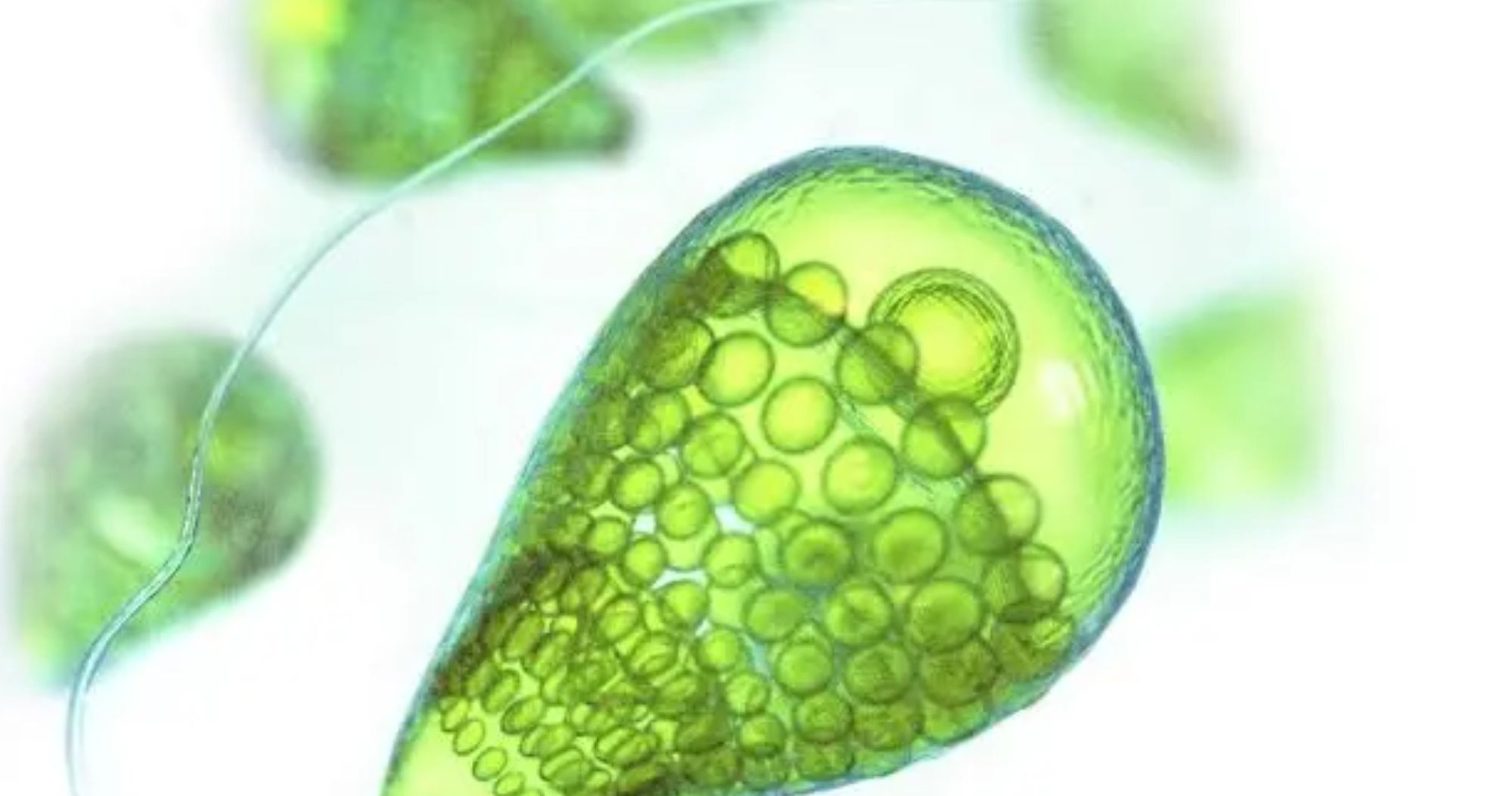
When learning about Spirulina, many people often focus on the protein content of this microalgae.
However, Spirulina is not intended to completely replace protein sources like meat, fish, eggs, or dairy.
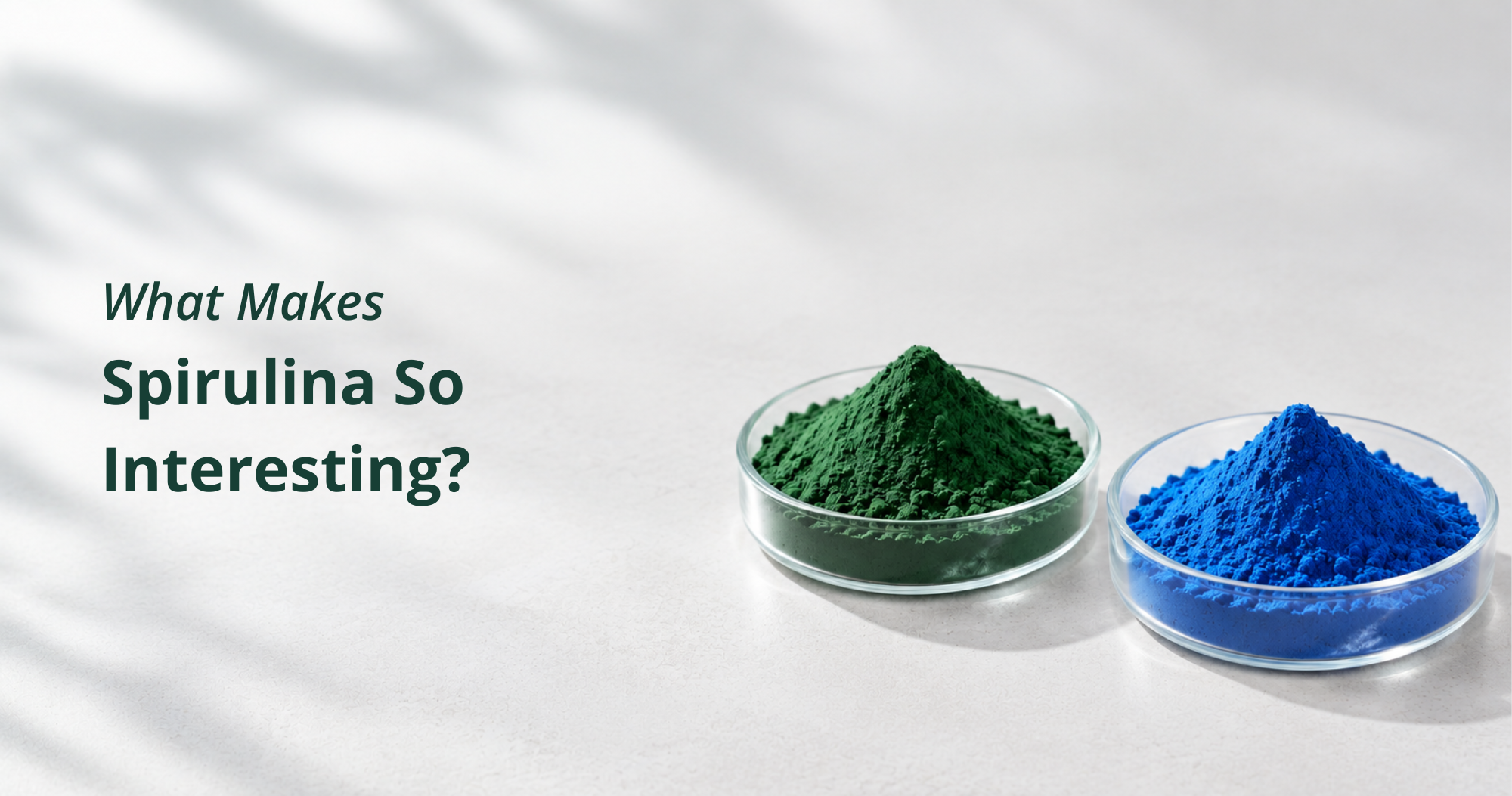
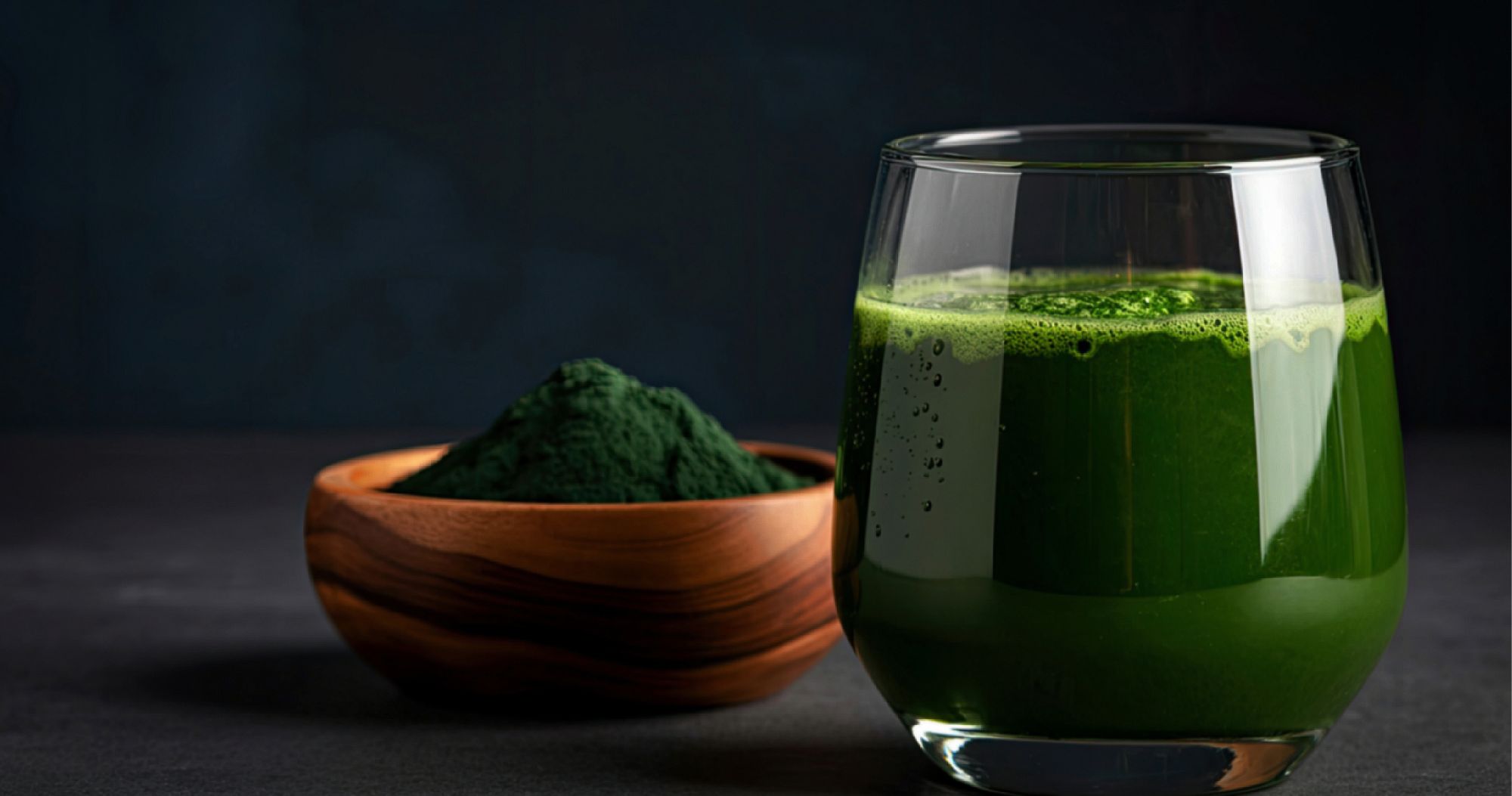
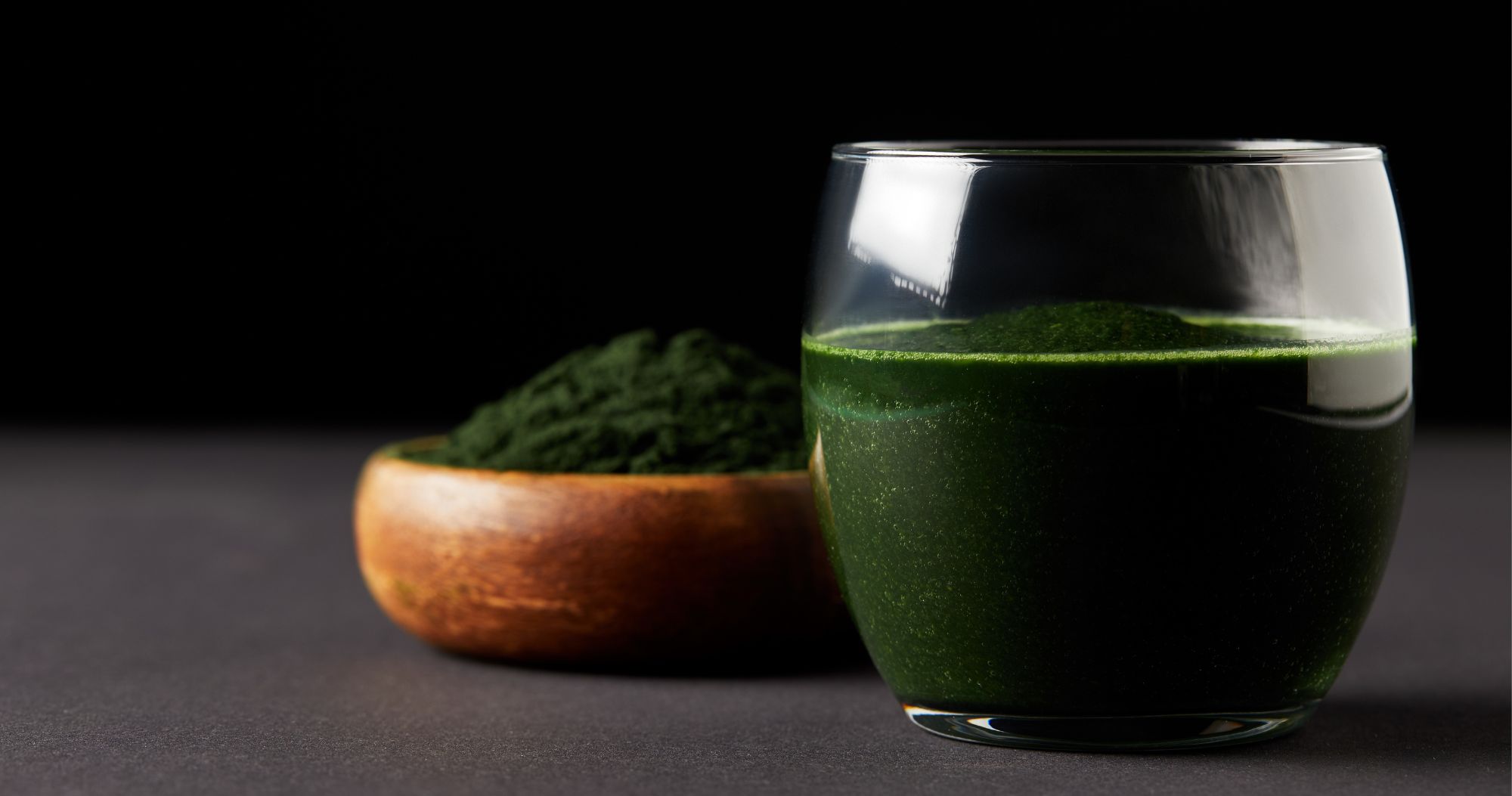
Instead, it is a supplemental nutrient source derived from microalgae that also contains many other natural compounds, such as phycocyanin.
It is this combination that makes Spirulina an ingredient studied in many fields related to nutrition and food science.
Related article: What is special about protein from Spirulina?
When might Spirulina be a suitable choice?
For many busy people, maintaining a diet that includes all necessary food groups every day is not always easy. A balanced diet remains the best way to provide the body with protein and essential nutrients.
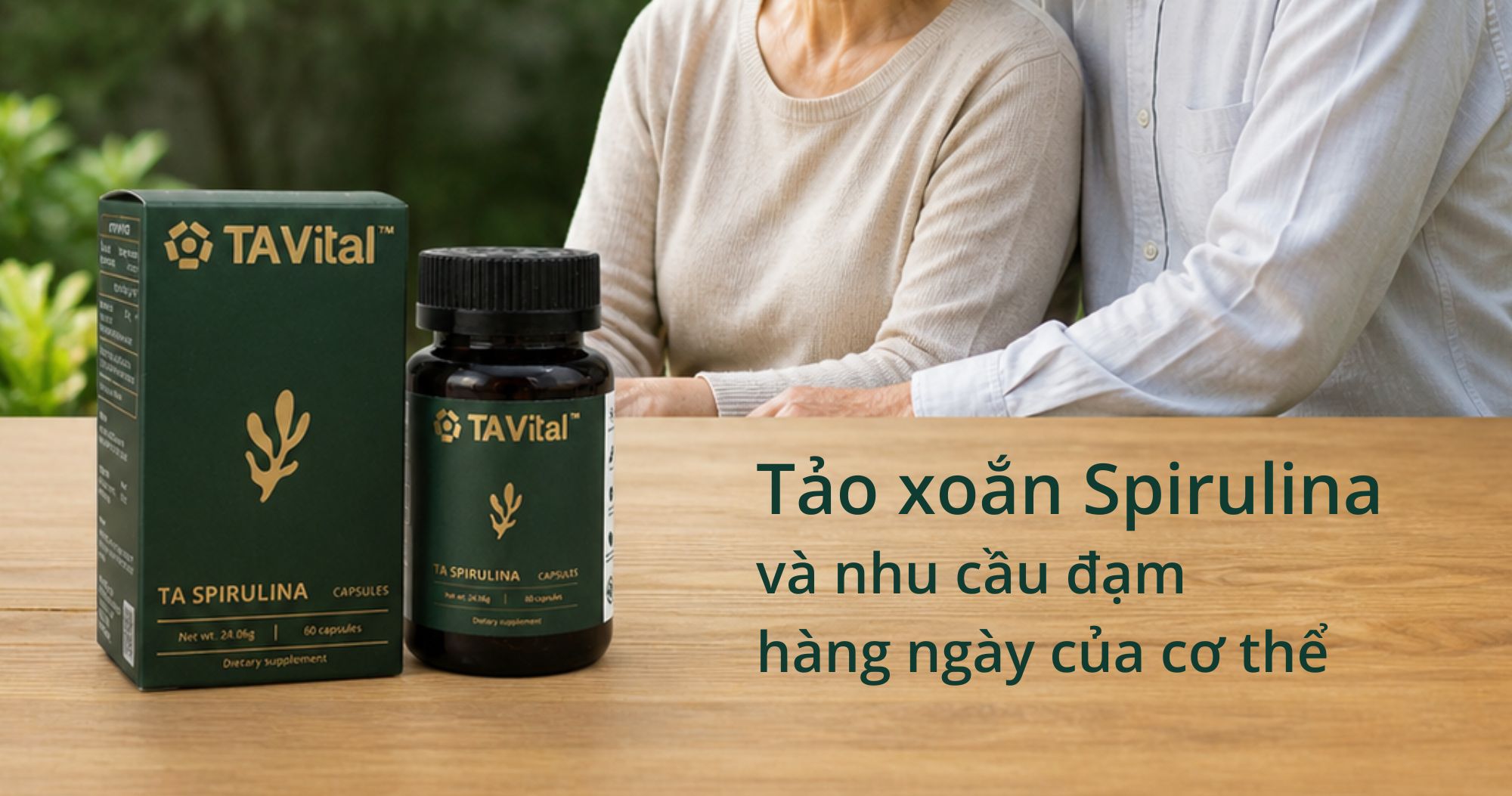
In reality, our daily meals do not always meet all our nutritional needs. Spirulina can be an option to help bridge that gap by supplementing your daily diet with protein and natural compounds from microalgae.
Use Spirulina alongside:
- A balanced diet.
- Adequate sleep.
- Proper hydration.
- Regular exercise.
Conclusion
A balanced diet is always built from many small choices maintained every day. Getting enough protein at lunch is one of those simple yet meaningful habits for the quality of your overall nutrition.
We don't always eat as well as we would like every day. Therefore, alongside familiar food sources, Spirulina can become part of your daily nutrition, helping to supplement protein and natural nutrients from microalgae when your meals fall short. The value of Spirulina lies not in replacing meals, but in its role as a companion to a healthy lifestyle and a varied diet.

.png)
.png)

.jpg)



.jpg)
.jpg)



.jpg)


.png)
.png)
.jpg)
.jpg)





.jpg)

.jpg)


.jpg)
.jpg)


.jpg)



.jpg)




.png)




.jpg)

.jpg)