For many years, the digestive system has often been seen simply as the food processing apparatus. But modern science has radically changed this perspective. The digestive system—especially the gut—is today seen as a “health coordination center” that influences immunity, metabolism, and even mental state.
The emergence of concepts such as the microbiome or “gut health” has ushered in a new era in nutrition. People care not only about what to eat to be full, but what to eat to nourish the intestinal microflora.
Besides probiotics or fiber, one food group that is gradually gaining more attention is microalgae - especially Spirulina. Not a temporary trend, microalgae are being studied as a potential link in modern digestive ecosystems.
So what is the real role of microalgae in the digestive system?
Modern digestive system when eating a lot but still lacking
A paradox is unfolding when people in modern times have more food choices than ever before, but digestive problems are increasingly common.
Flatulence, indigestion, intestinal upset or a feeling of “weak belly” are no stranger. The cause lies not only in the amount of food, but in the quality and way we eat.
A diet rich in processed foods, low in fiber, rich in sugars and bad fats unbalances the intestinal microflora. In addition to this is prolonged stress - a factor that has a direct impact on the gut-brain axis
As a result, the digestive system no longer functions optimally, which entails a host of other health problems.
Microbiome: the “ecosystem” that determines gut health
Inside each person's gut exist trillions of microorganisms - forming a complex ecosystem called the Microbiome
This microflora is not only involved in digestion, but also affects:
- Nutrient absorption capacity
- Immune system
- Inflammatory reactions
- Even mood and energy
A balanced microbiome is the foundation of a healthy digestive system. On the contrary, when this balance is broken (dysbiosis), digestive problems and pathologies may appear.
Therefore, modern nutritional trends are no longer focused only on eating enough substances, but on proper nutrition of microflora.
Microalgae are a small but high-impact nutrient source
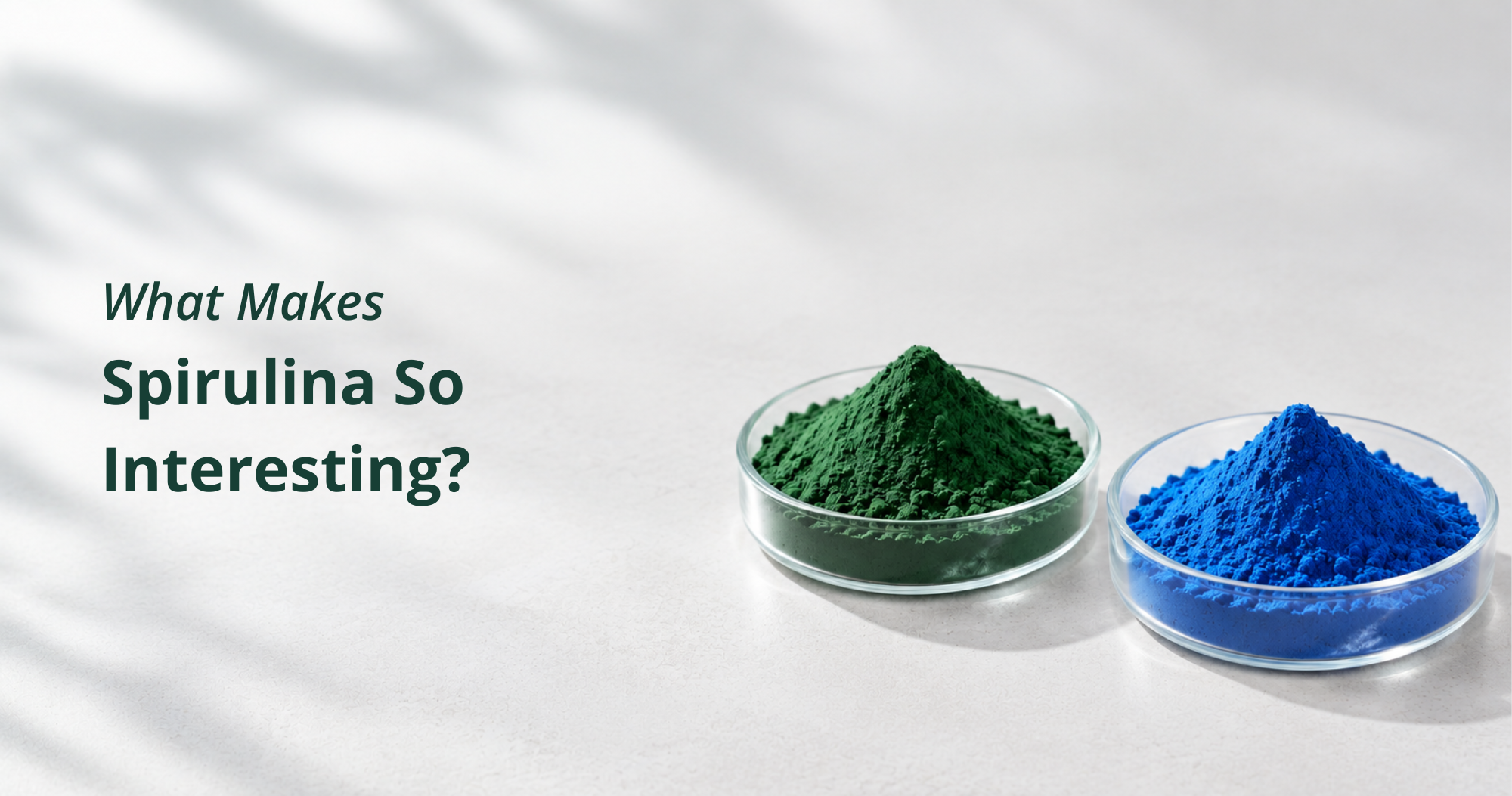
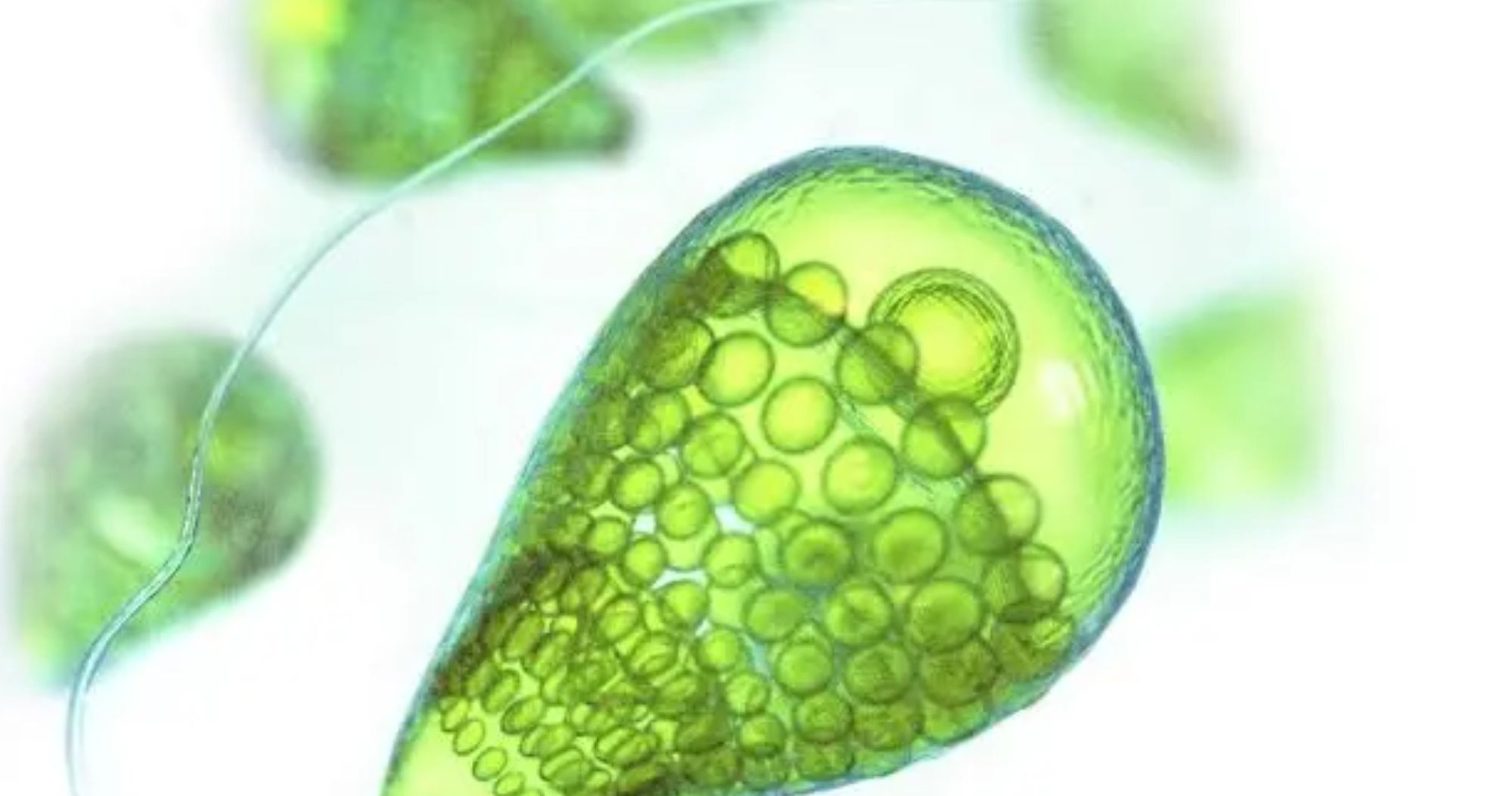
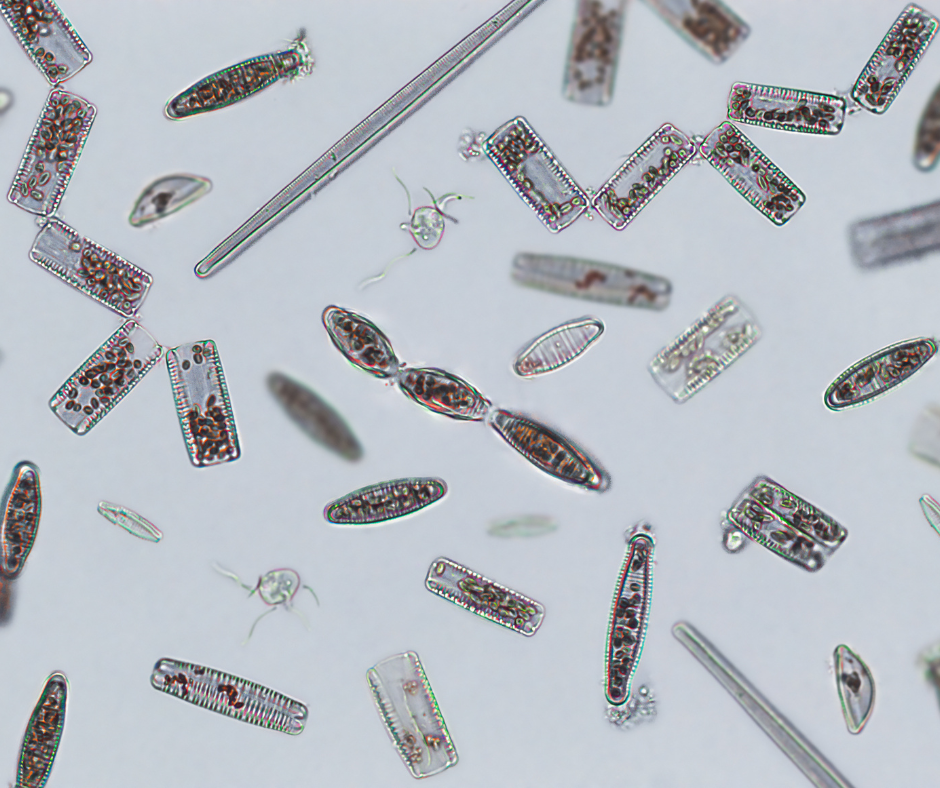
Microalgae are the group of unicellular organisms that live in a baking environment, with two common representatives being Spirulina and Chlorella.
The peculiarity of microalgae lies in the high density of nutrients in a very small amount. They provide proteins, vitamins, minerals and biological compounds such as Phycocyanin - a characteristic antioxidant.
More importantly, the structure of the microalgae makes it easier for the body to digest and absorb, not placing a huge burden on the digestive system like some other food sources.
The real role of microalgae in the digestive system
Unlike probiotics - which directly supplement beneficial bacteria - microalgae work in a more subtle way: supporting the environment and the functioning of the digestive system
First of all, microalgae can contribute to the creation of favorable conditions for the intestinal microflora. Instead of “adding bacteria”, they make the environment in the gut more stable, thereby supporting the growth of beneficial bacteria.
In addition, thanks to its rich nutrients and easy absorption, microalgae help reduce pressure on the digestive system. When the body does not have to work too hard to process food, digestion and absorption take place more efficiently.
Another important factor is antioxidant capacity. Compounds such as phycocyanin can help reduce oxidative stress - one of the causes that contribute to mild inflammation in the gut.
Combined, these effects help improve digestive function in an indirect but sustainable way.
Spirulina and the digestive system: a scientific perspective
The point that needs to be clarified and also the point that many contents on the market are often confused - is that Spirulina is not a probiotic.
It does not supply live bacteria to the intestines.
However, that does not mean that Spirulina is not related to the microbiome. In contrast, studies show that spirulina can affect the microbiota through nutritional and antioxidant mechanisms, thereby supporting the balance of the intestinal environment.
In other words, spirulina does not directly build the microbiota, but can help the microbiota function better.
Microalgae, probiotics and prebiotics: where do they differ?
To properly understand the role of microalgae, it is necessary to place it in the overall picture of intestinal nutrition.
Probiotics are beneficial live bacteria. Prebiotics are “food” for those bacteria, usually fiber.
Microalgae are in a different position: neither a source of bacteria, nor the typical fiber, but a source of nutrients and biological compounds that optimize the intestinal environment.
It is this difference that makes microalgae not a substitute for probiotics or prebiotics, but can complement both.
Who can benefit from microalgae?
In fact, microalgae are especially suitable for people with a sensitive digestive system, who often feel tired or have an unbalanced diet.
Those interested in “gut health” — especially in the context of modern lifestyles — may also see microalgae as an adjunct in nutrition.
How to use microalgae to aid digestion?
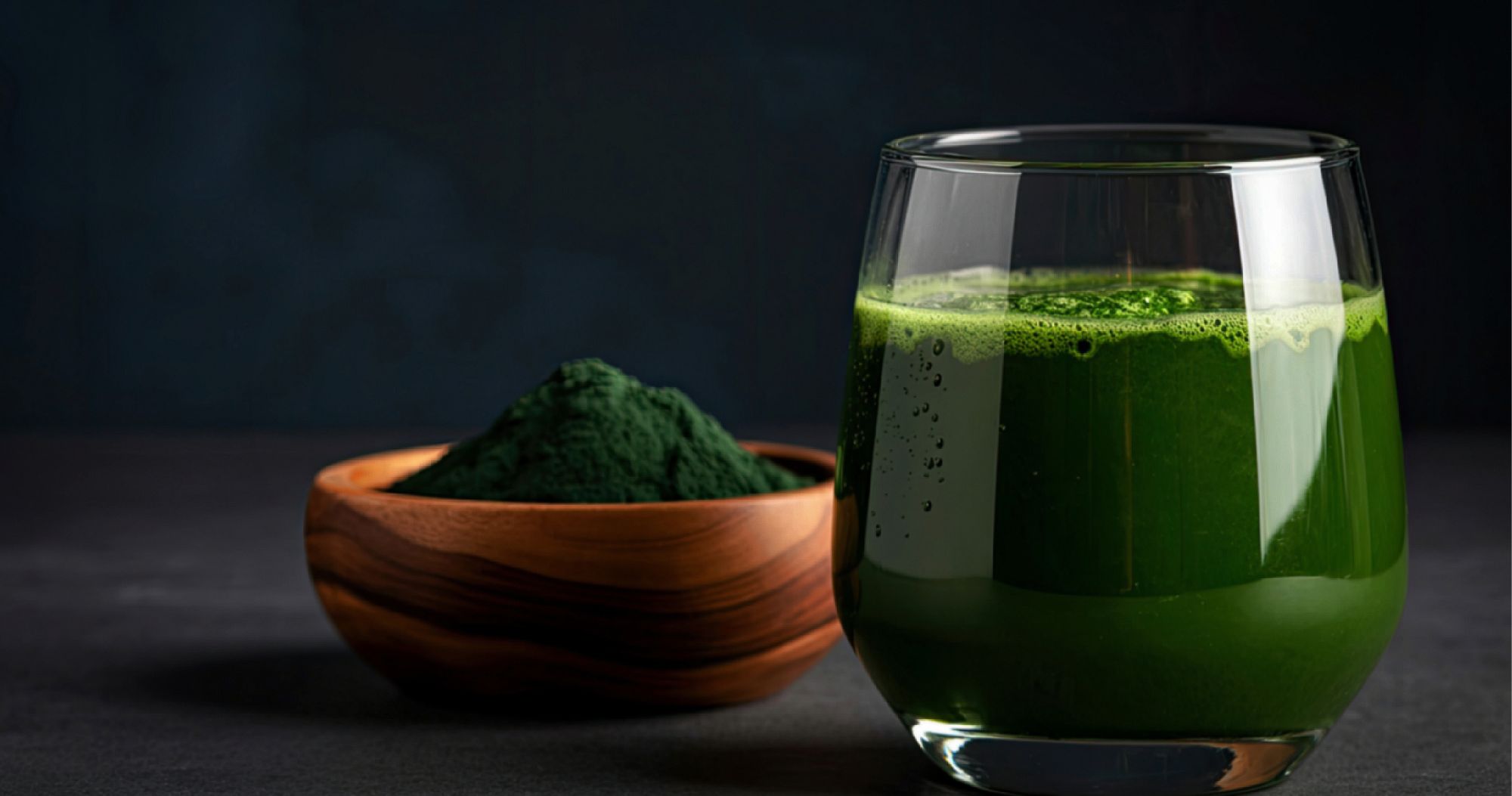
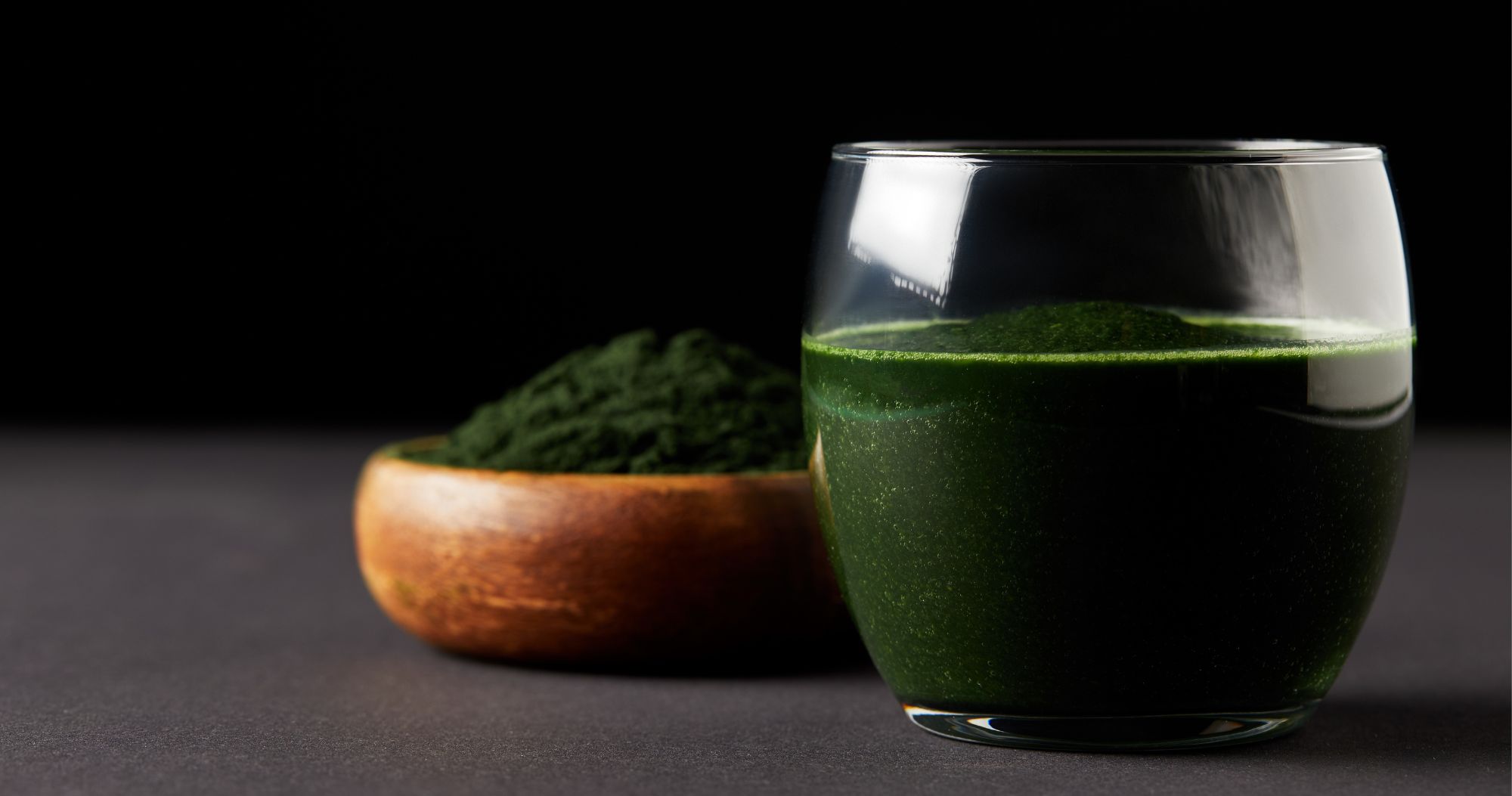
Microalgae are usually used in small doses, about 1—3g per day, depending on needs and physical condition. Flexible timing, can be taken after meals or during the day.
What is more important than dosage is regularity. Since the effects of microalgae are not “instantaneous”, but accumulate over time.
When combined with a diet rich in fiber, probiotics and a healthy lifestyle, the effect of aiding digestion is more evident.
Misunderstandings to avoid
One of the common mistakes is to assume that microalgae can replace probiotics or “cure” digestive problems.
In fact, microalgae are not a therapeutic solution. It is also not a “panacea” that can improve digestion immediately.
The use of an overdose with the expectation of a quick effect also does not bring the corresponding benefit.
Understanding the right role — supporting, not replacing — is important for effective use.
The future: microalgae in the “gut health” ecosystem
As research on the microbiome grows, the role of functional foods also expands.
Microalgae are gradually being seen as a potential ingredient in products aimed at gut health. Not only do they stop in supplement form, they could become part of a new nutritional ecosystem — where food not only provides energy, but also regulates biological function.
Conclusion
Microalgae are not a direct solution to digestive problems, but play an important supporting role through nutrition, antioxidants, and balancing the intestinal environment.
In the context of modern digestive systems under a lot of stress from lifestyle and diet, lightweight yet durable solutions such as spirulina can become part of a long-term health care strategy.
Proper understanding and proper use is the key to harnessing the true value of microalgae in today's digestive system.
.png)



.png)
.png)





.jpg)




.jpg)
.jpg)



.jpg)


.png)
.png)
.jpg)
.jpg)




.jpg)

.jpg)


.jpg)
.jpg)


.jpg)



.jpg)




.png)





.jpg)



.jpg)