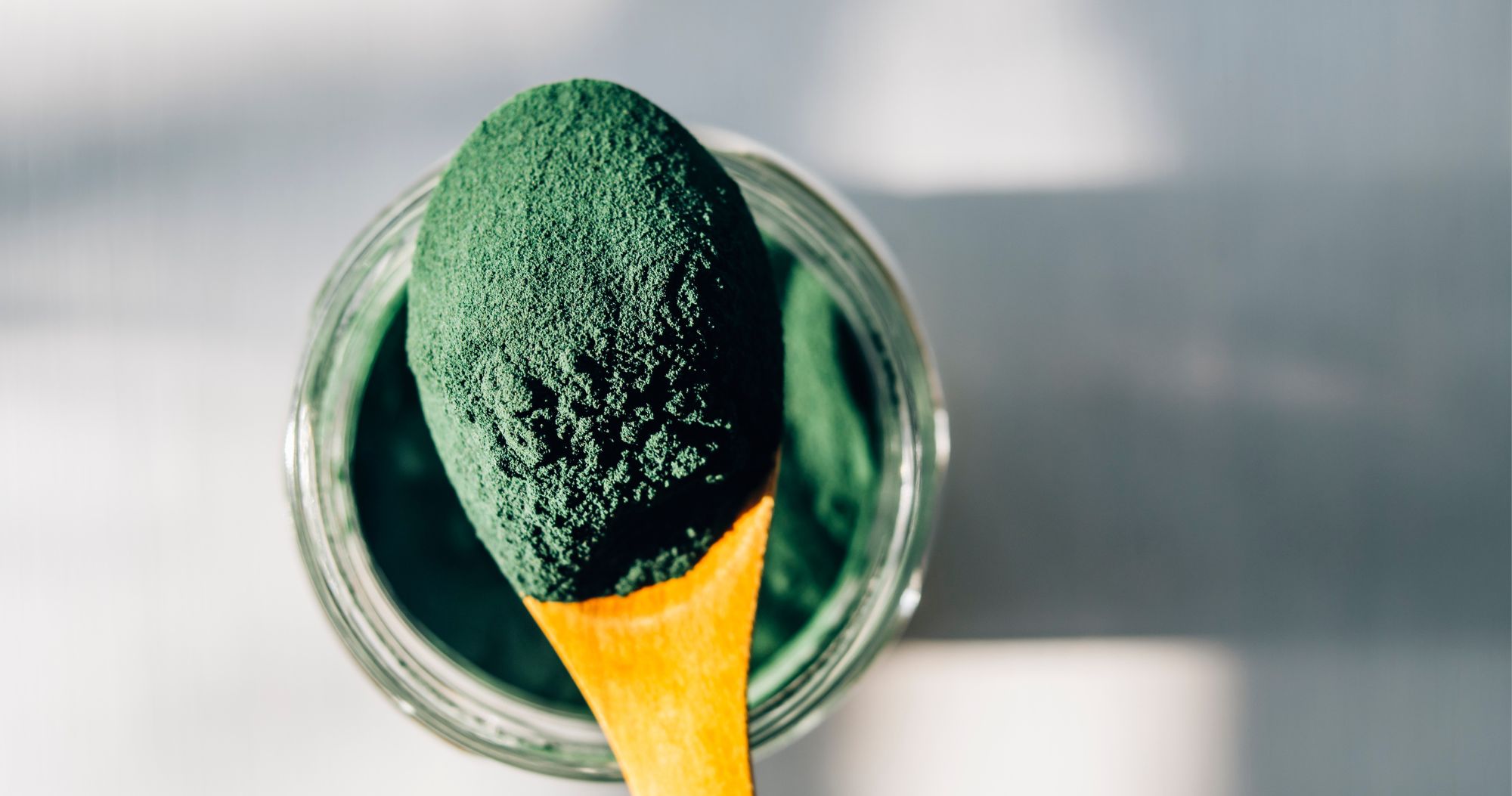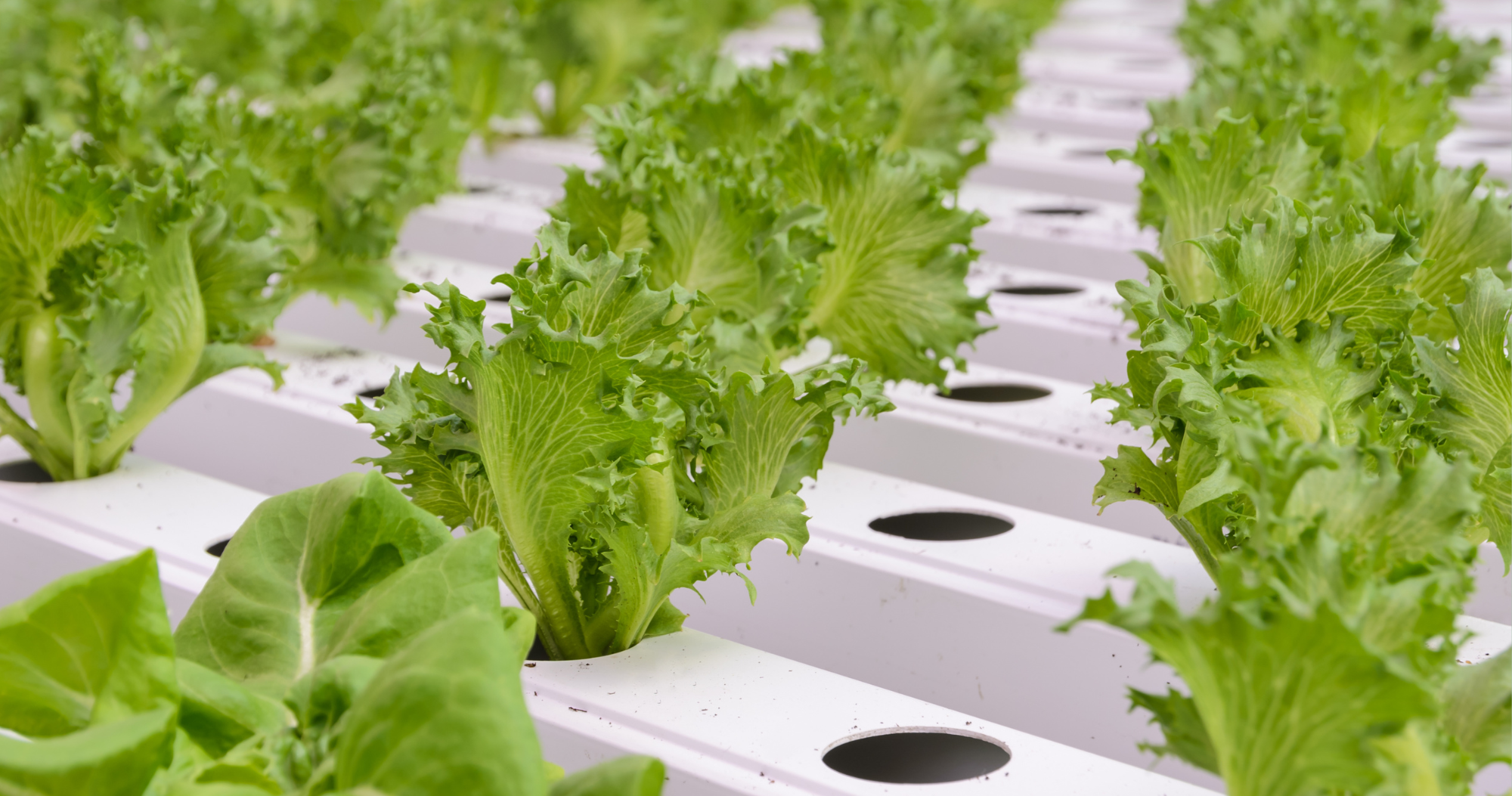
As the global food system moves toward more sustainable and resource-efficient models, spirulina is no longer viewed solely as a nutrient-dense superfood for human consumption. In recent years, scientists have begun exploring spirulina’s role within agricultural ecosystems, particularly in circular farming and low-impact food production systems.
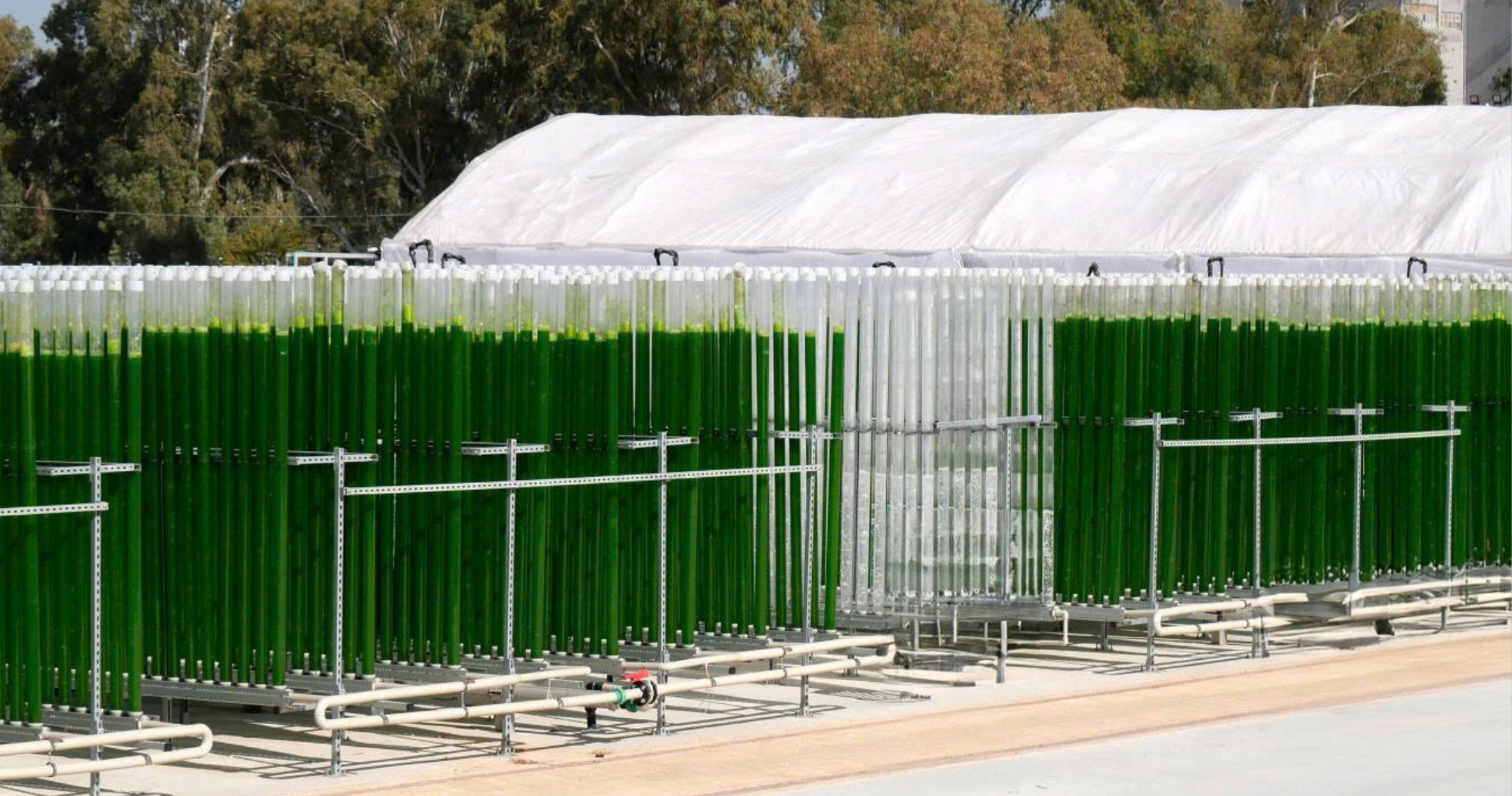
A notable case study conducted by researchers at the University of Rome Tor Vergata (Italy) provides concrete evidence of this potential. The study demonstrated how industrial spirulina waste biomass can be repurposed as an organic biofertilizer in aquaponics systems, improving both the growth and nutritional quality of lettuce (Lactuca sativa L.).
Spirulina in Aquaponics and Circular Food Systems
Aquaponics is a farming system that combines aquaculture and hydroponics, allowing nutrients from fish waste to be reused for plant growth. However, optimizing nutrient balance remains a challenge. Researchers from the University of Rome Tor Vergata investigated whether spirulina biomass, a by-product of microalgae cultivation, could enhance plant growth while reinforcing the principles of a circular economy.
Instead of discarding residual spirulina biomass, the study explored its application as a foliar fertilizer for lettuce grown in aquaponic systems. This approach reflects a broader sustainability mindset: turning biological by-products into valuable agricultural inputs.
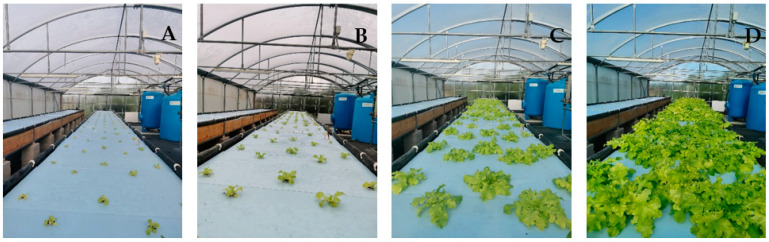
Reusing Spirulina Biomass as an Organic Foliar Fertilizer
The study revealed that lettuce treated with spirulina-based fertilizer, particularly at a 75% concentration, demonstrated improved growth performance and increased levels of beneficial compounds such as chlorophyll and carotenoids. These compounds are closely linked to plant vitality and nutritional quality.
According to the researchers, the bioactive components in spirulina may stimulate plant metabolism and enhance photosynthetic efficiency. This suggests that spirulina is not only beneficial for human health but can also contribute positively to plant health when integrated into sustainable farming systems.
Spirulina and the Future of Regenerative Agriculture
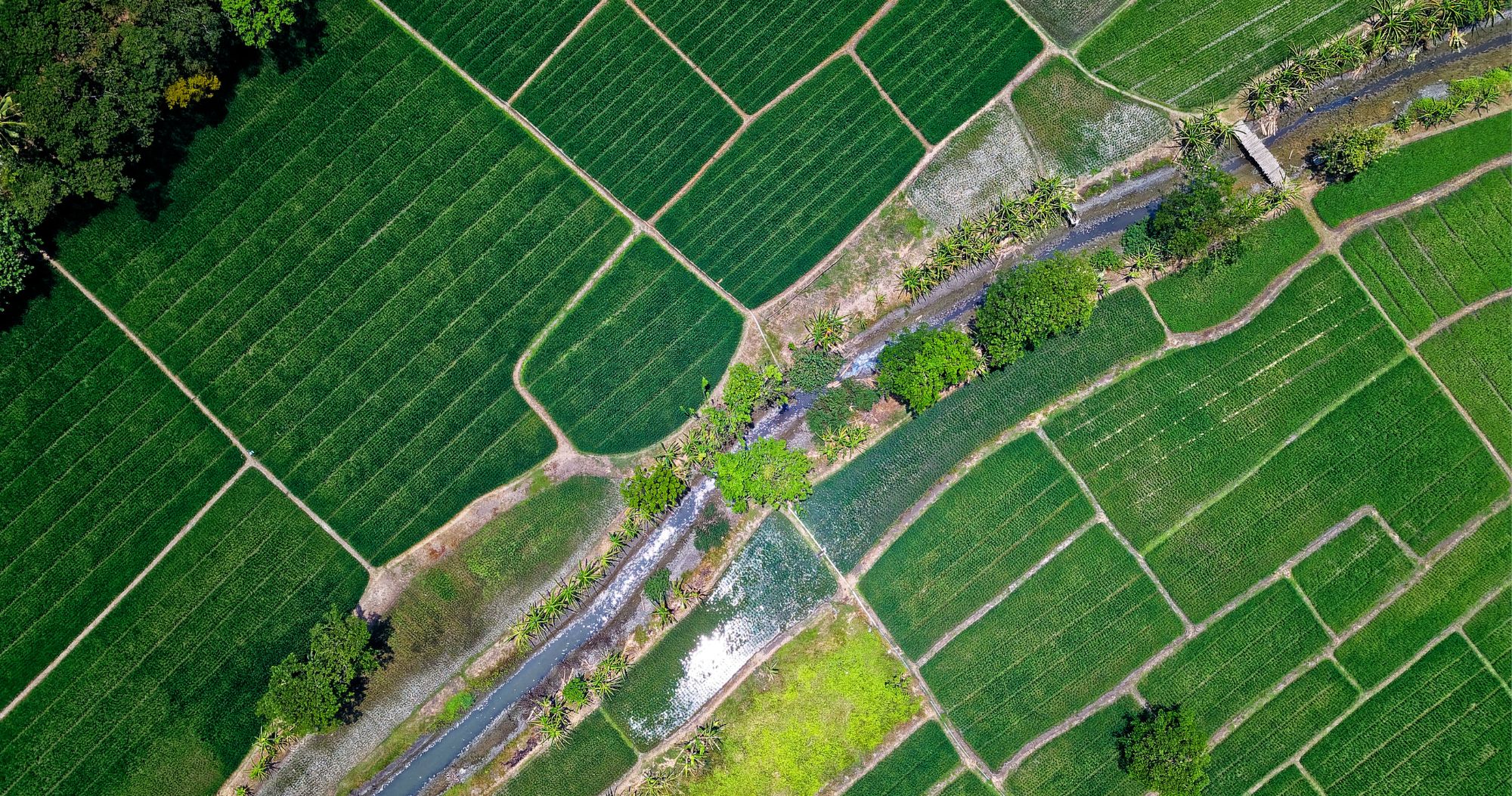
The integration of spirulina into sustainable farming reflects a larger shift toward regenerative agriculture. Spirulina supports nutrient recycling, enhances crop quality, and contributes to resilient food systems capable of adapting to environmental and climate-related challenges.
Rather than serving a single purpose, spirulina functions as a connecting element between nutrition, agriculture, and environmental stewardship. Its versatility positions spirulina as a valuable component in the development of future-ready food systems.
Spirulina as Part of a Sustainable Food Ecosystem
The role of spirulina is evolving from a health-focused superfood to a multifunctional resource within sustainable agriculture. By supporting plant growth, reducing waste, and promoting circular resource use, spirulina demonstrates how nutrition, sustainability, and environmental responsibility can coexist within a single ecosystem.
As sustainable food systems continue to develop, spirulina stands out as a practical and scalable solution that benefits both human health and the planet.
Reference: Colantoni et al., Journal of Agriculture and Food Research, 2023 – Study on spirulina biomass reuse in aquaponics.

.png)
.png)




.jpg)





.jpg)

.jpg)



.jpg)


.png)
.png)
.jpg)
.jpg)







.jpg)

.jpg)


.jpg)
.jpg)


.jpg)



.jpg)




.png)




.jpg)



.jpg)