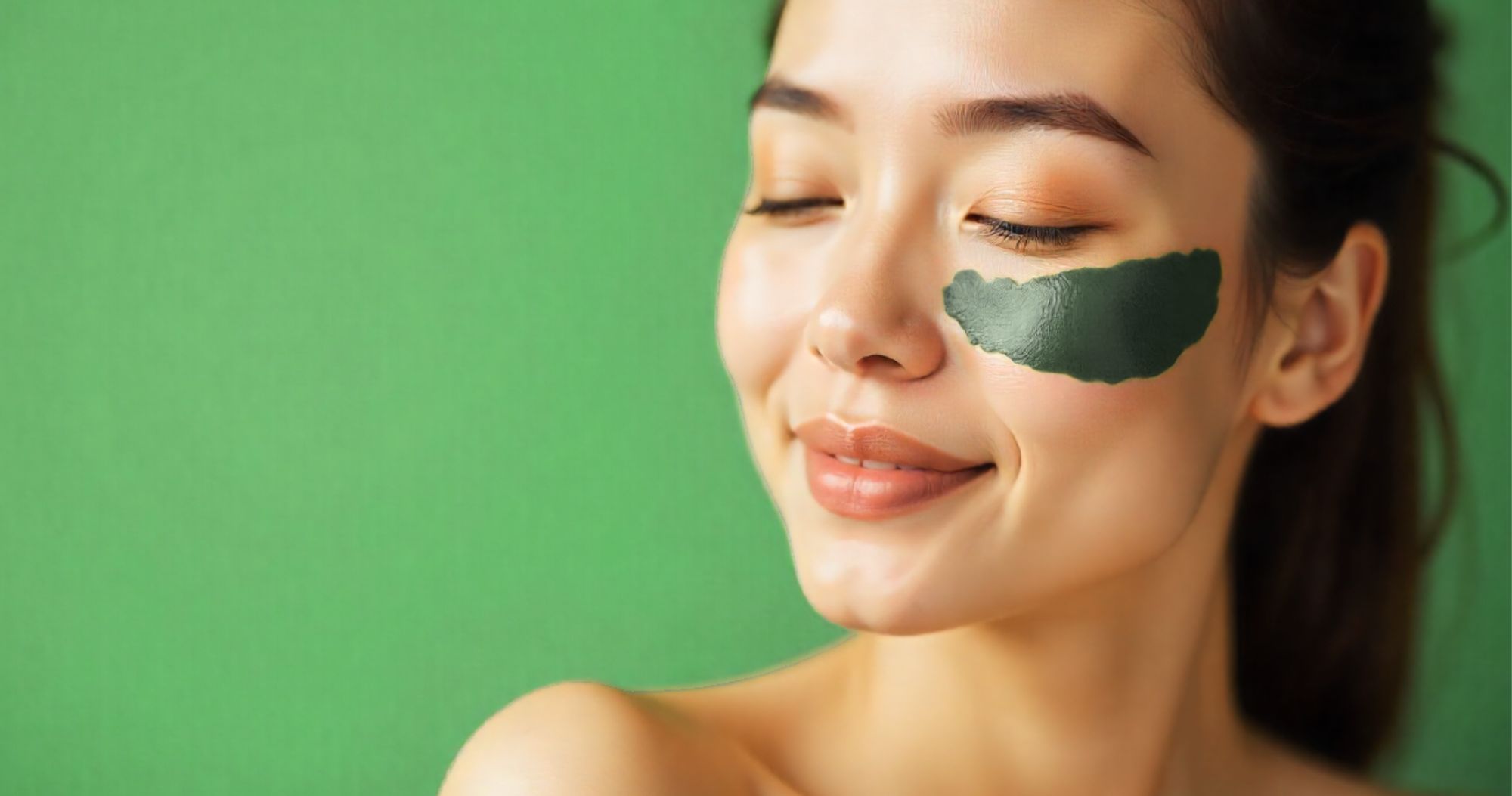
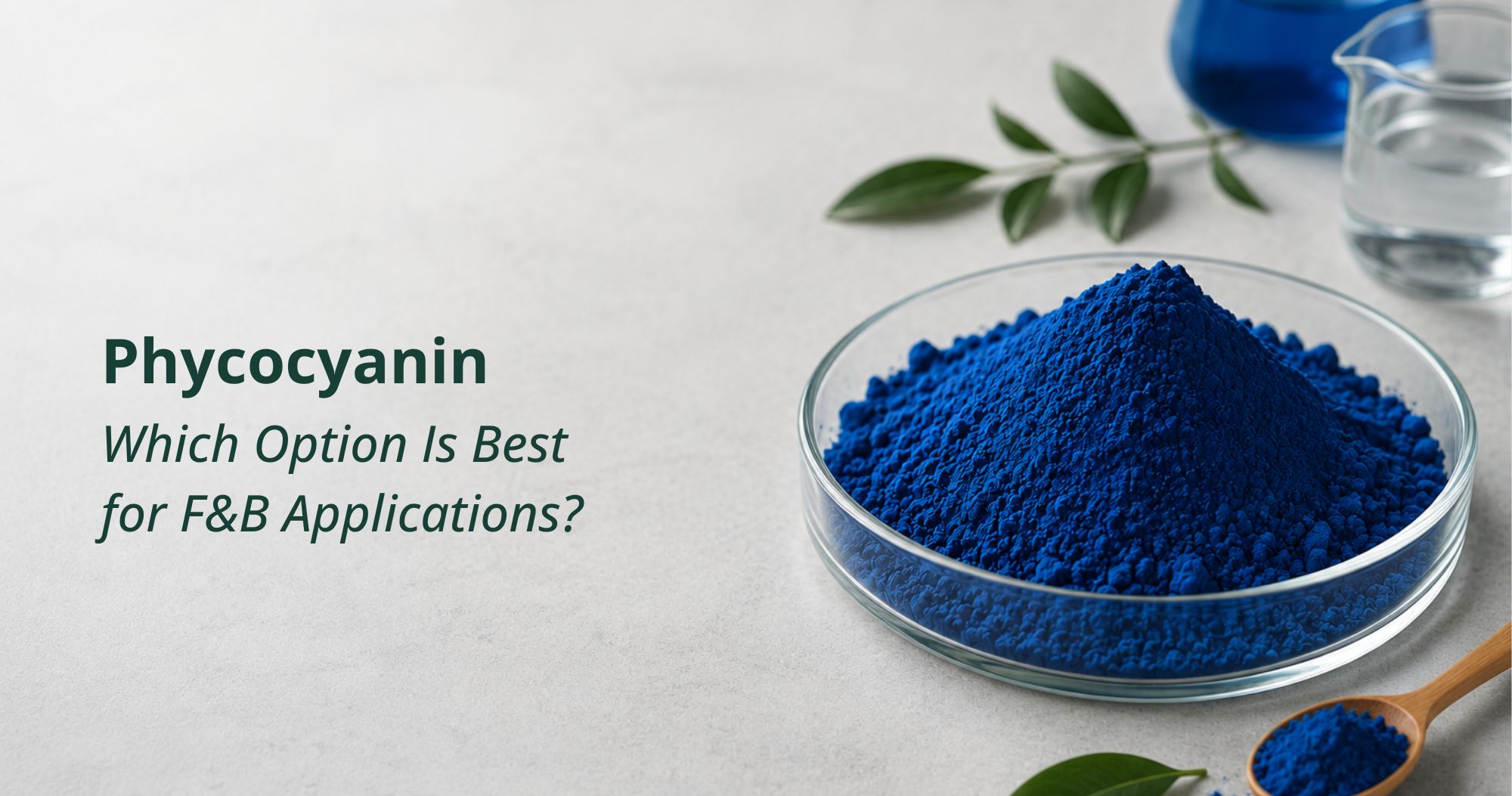
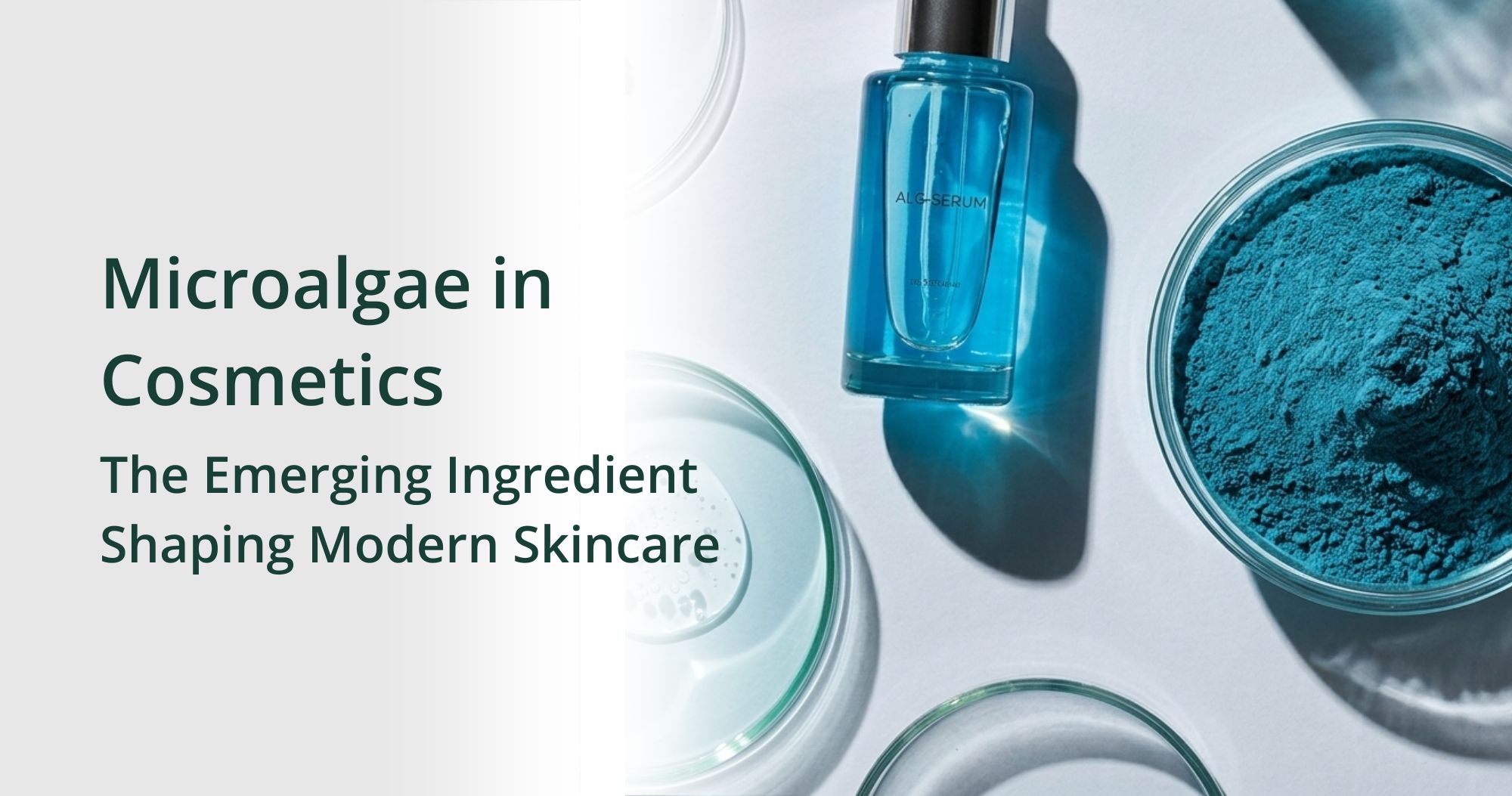
In the beauty and wellness industry, Phycocyanin is rapidly emerging as a next-generation active ingredient for skin health. The "Nutricosmetics" and "Beauty-from-within" trends are witnessing the rise of this powerful antioxidant.
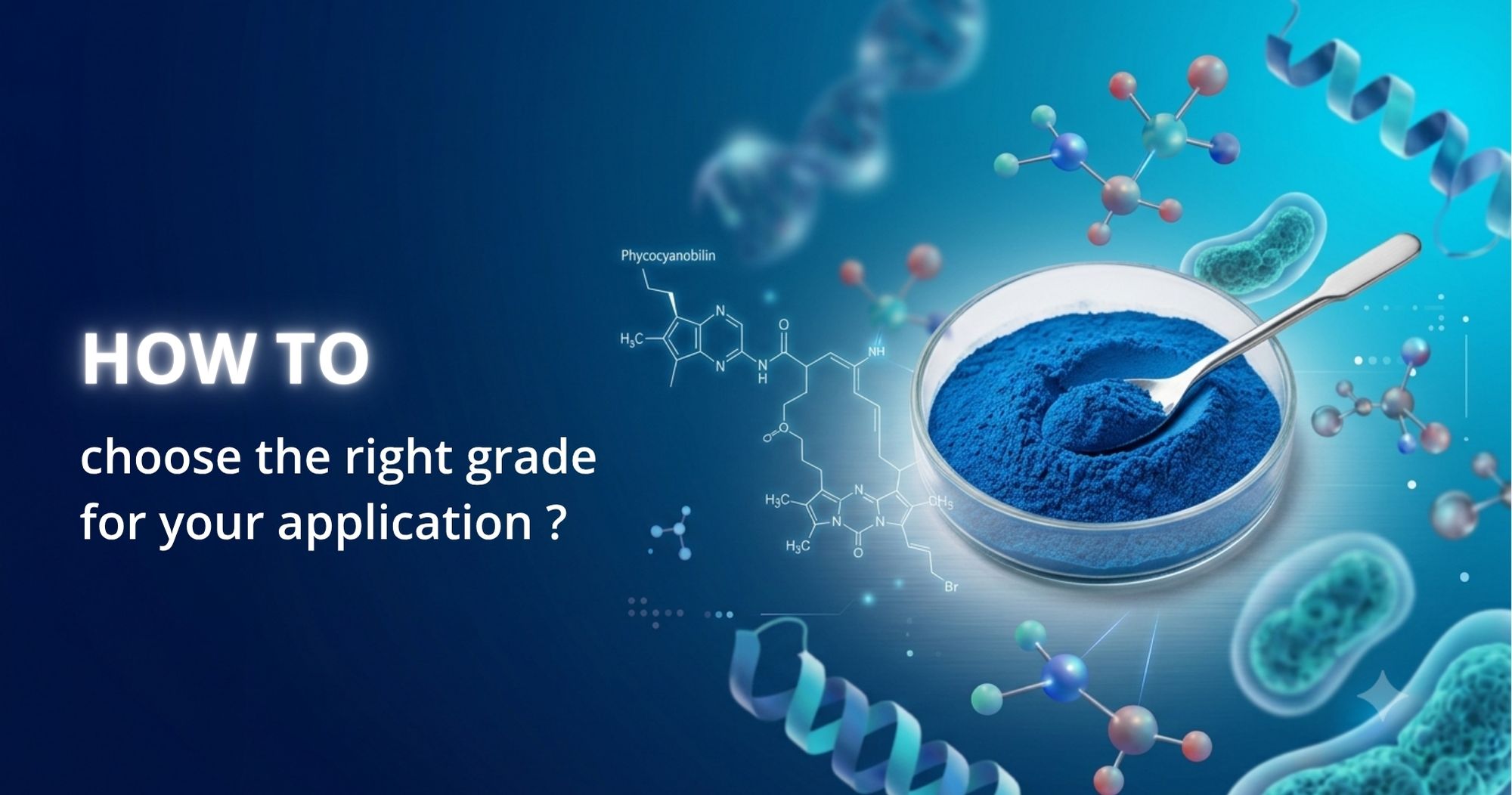
However, there is a challenging reality for product developers: The actual efficacy of a Phycocyanin formulation depends less on the nature of the ingredient itself and entirely on the grade you choose.
Many brands today are investing significant budgets into Phycocyanin but inadvertently using the wrong grade, resulting in products that fail to meet performance expectations.
1. Not all Phycocyanin grades deliver the same performance
When developing nutricosmetic product lines, the two core factors that determine success are purity and concentration.
Lower Phycocyanin grades (such as E3) often provide enough visual color (a blue hue) but completely fail to deliver the antioxidant activity and biological benefits that formulators expect. Therefore, choosing the right Phycocyanin grade is no longer just a technical matter for the lab—it is a strategic decision that directly impacts clinical efficacy and brand reputation.
2. Performance comparison table of Phycocyanin grades
To provide product developers with the clearest perspective, let's compare the most common grades based on their actual active ingredient content:
The core of the issue: Consumer trends are shifting strongly toward beauty ingredients with clear, clinically proven functions. If your formula uses a low-grade ingredient, your product will be nothing more than "colored water" rather than an "intensive anti-aging treatment."
3. What is the optimal choice for product developers?
To answer this, you need to clearly define your product positioning and the efficacy commitment your brand wants to deliver to customers:
- If you are optimizing costs and want dual functionality (vibrant color + foundational antioxidant support): E18 is the perfect starting point. With an active content of
- 30-42%, E18 ensures the skin receives genuine protection against free radicals, far surpassing standard raw extract powders.
- If you are positioning your product in the Premium / Clinical-grade segment: E40 (or E25 as a stepping stone) is the answer. With a concentrated purity level of 70-90%, this is the optimal grade for creating biological breakthroughs in the skin, helping to reduce oxidative stress, protect cellular structure, and visibly reverse aging at the source.
Conclusion
Choosing a Phycocyanin grade is no longer just a sourcing decision; it has become a core formulation decision.
Many major brands out there are pouring money into marketing campaigns for Phycocyanin, but the real question that sets your brand apart from the rest is: Are you using a Phycocyanin grade that is truly optimized for skin performance?
.png)
.png)
.jpg)


.jpg)
.jpg)
.jpg)


.png)
.png)
.jpg)
.jpg)




.jpg)

.jpg)


.jpg)
.jpg)


.jpg)



.jpg)




.png)




.jpg)


.jpg)