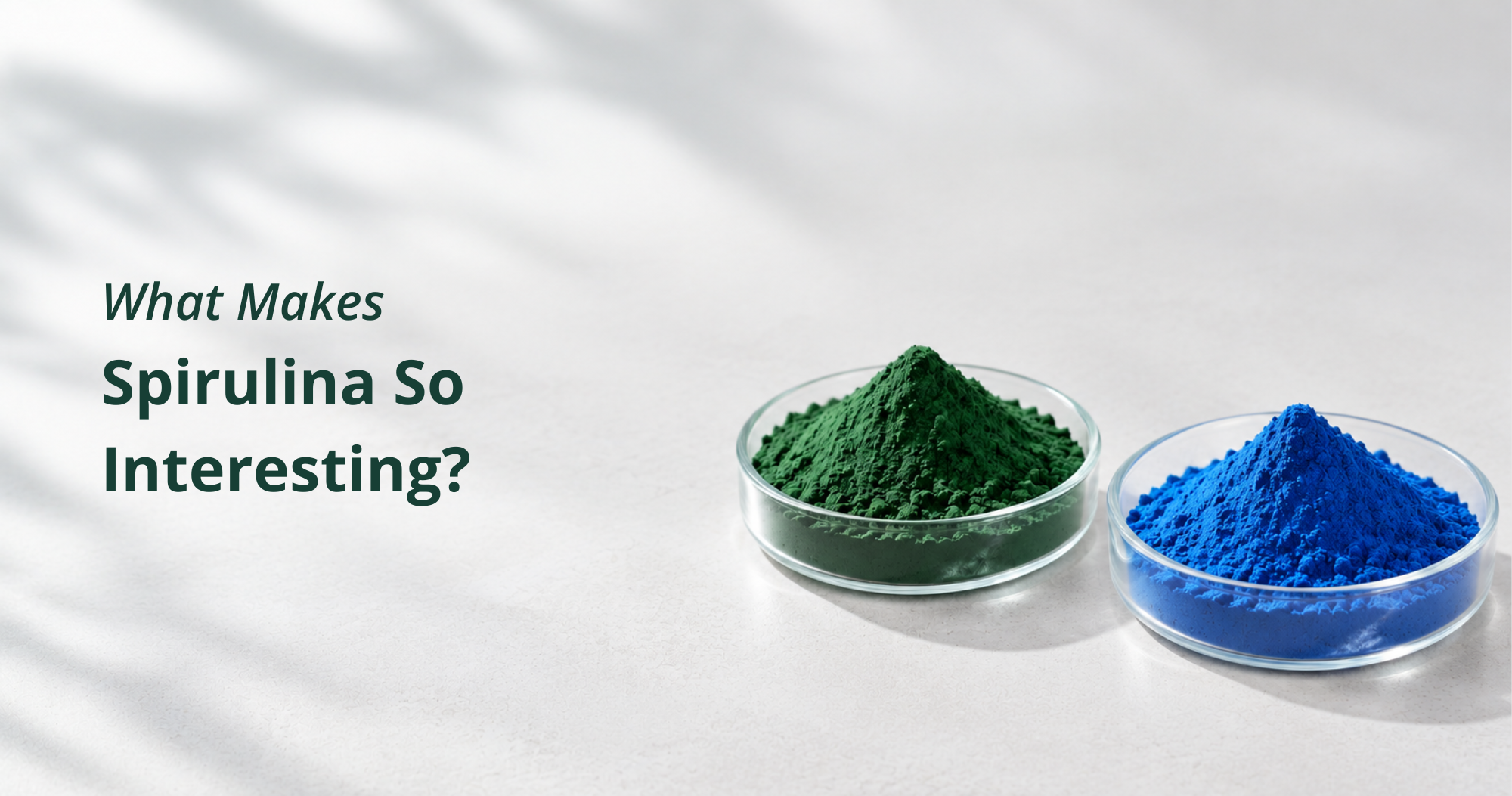
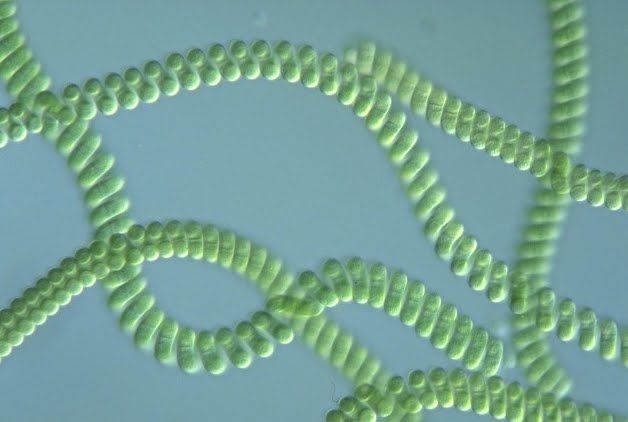
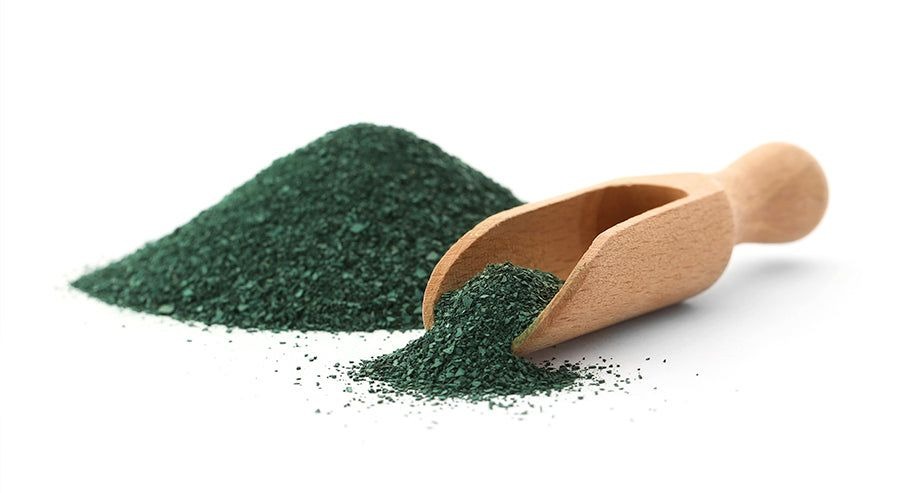
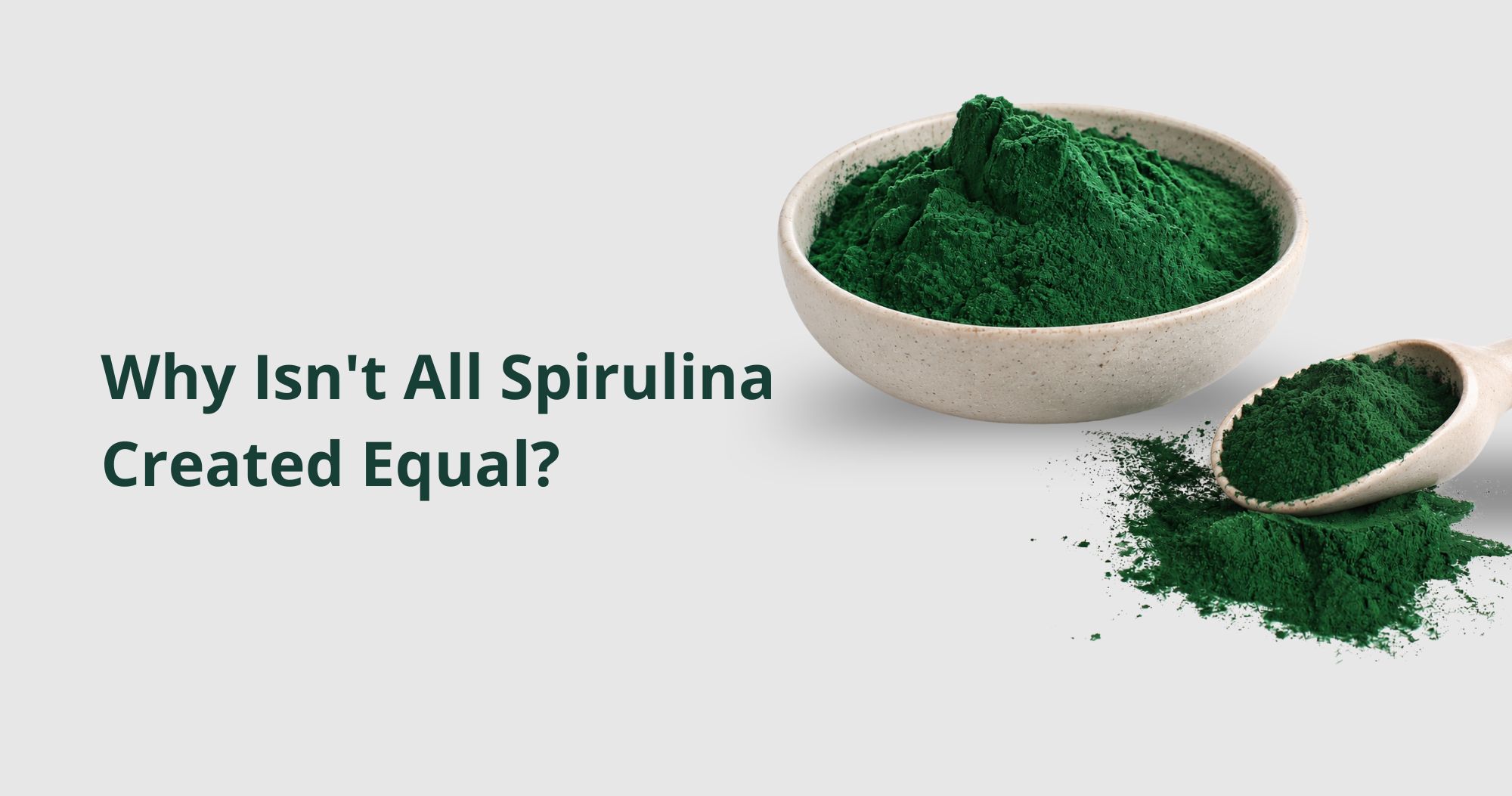
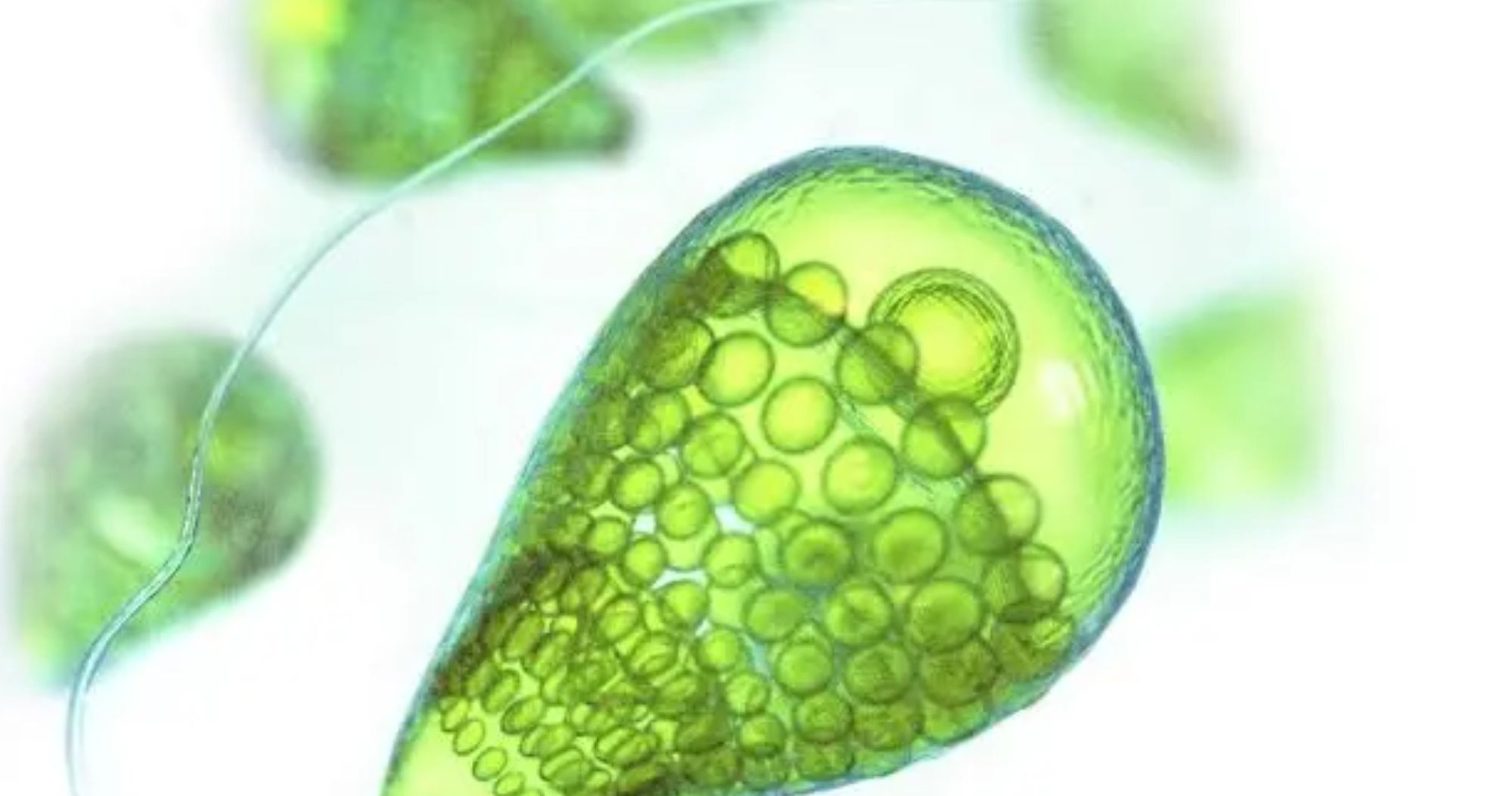
Spirulina is a common name for a group of photosynthetic cyanobacteria, widely used in the form of dried biomass or extracts across various industrial sectors. Thanks to its rich nutritional composition and the presence of bioactive compounds, Spirulina has attracted interest not only in the food industry but also in cosmetics, pharmaceuticals, animal feed, and aquaculture.
What makes Spirulina particularly noteworthy is not only its high protein content, but also the potential to obtain different valuable components from the same biomass source. Depending on the intended application, businesses can use whole Spirulina powder or opt for specific compounds that have been separately extracted and purified.
1. Protein: The Foundation of Nutritional Applications
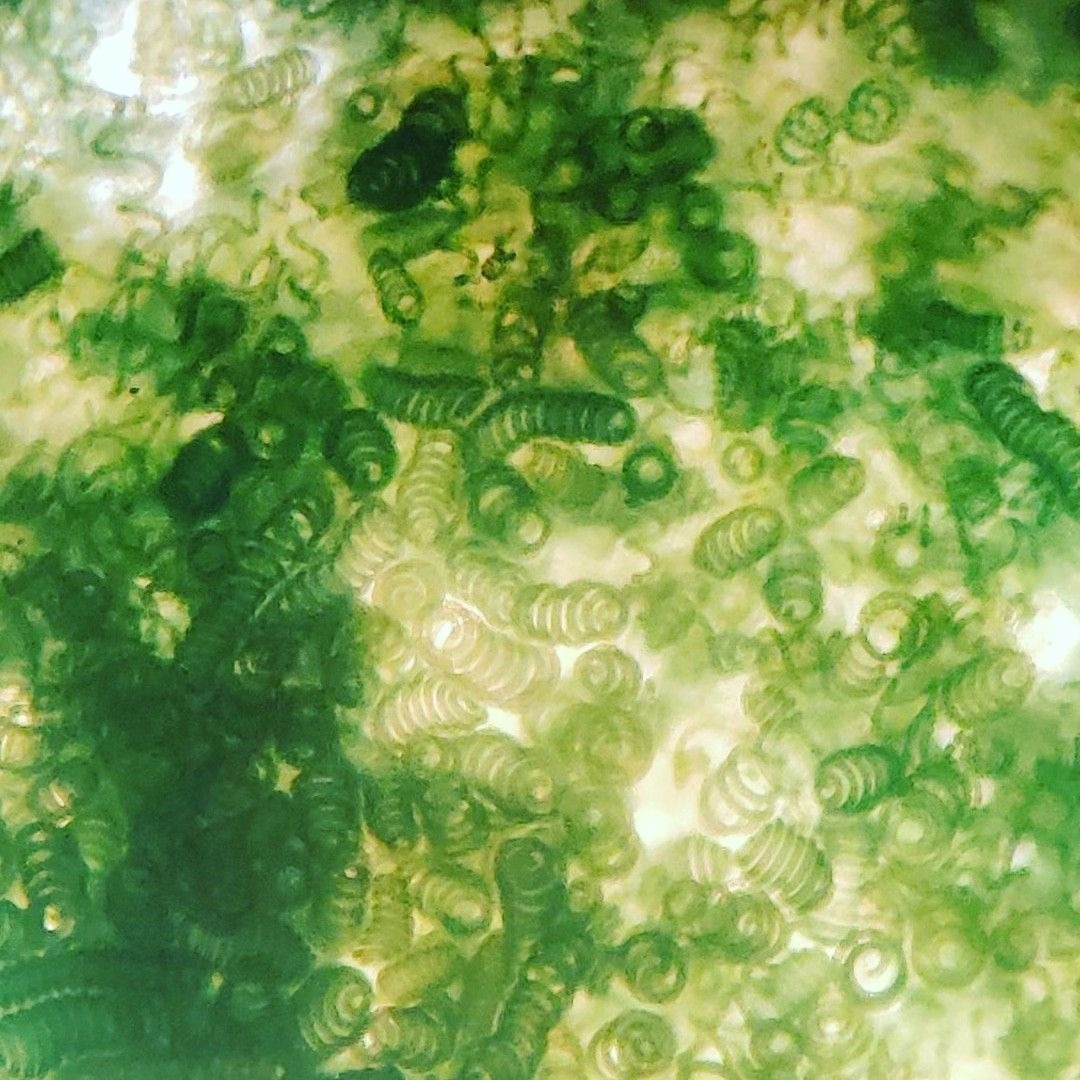
Spirulina stands out for its protein content, which can reach approximately 60–70% of its dry weight, depending on the strain, cultivation conditions, and processing methods. Spirulina protein contains a range of essential amino acids, including leucine, lysine, threonine, valine, phenylalanine, and tryptophan.
This makes Spirulina a promising ingredient for developing protein supplements, nutritional powders, functional beverages, and products designed to meet specific nutritional needs.
However, a high protein content does not automatically make an ingredient suitable for every formulation. Its characteristic color and flavor, dispersibility, stability, and compatibility with other ingredients must also be considered during product development.
2. Phycocyanin: A Blue Pigment with Diverse Applications
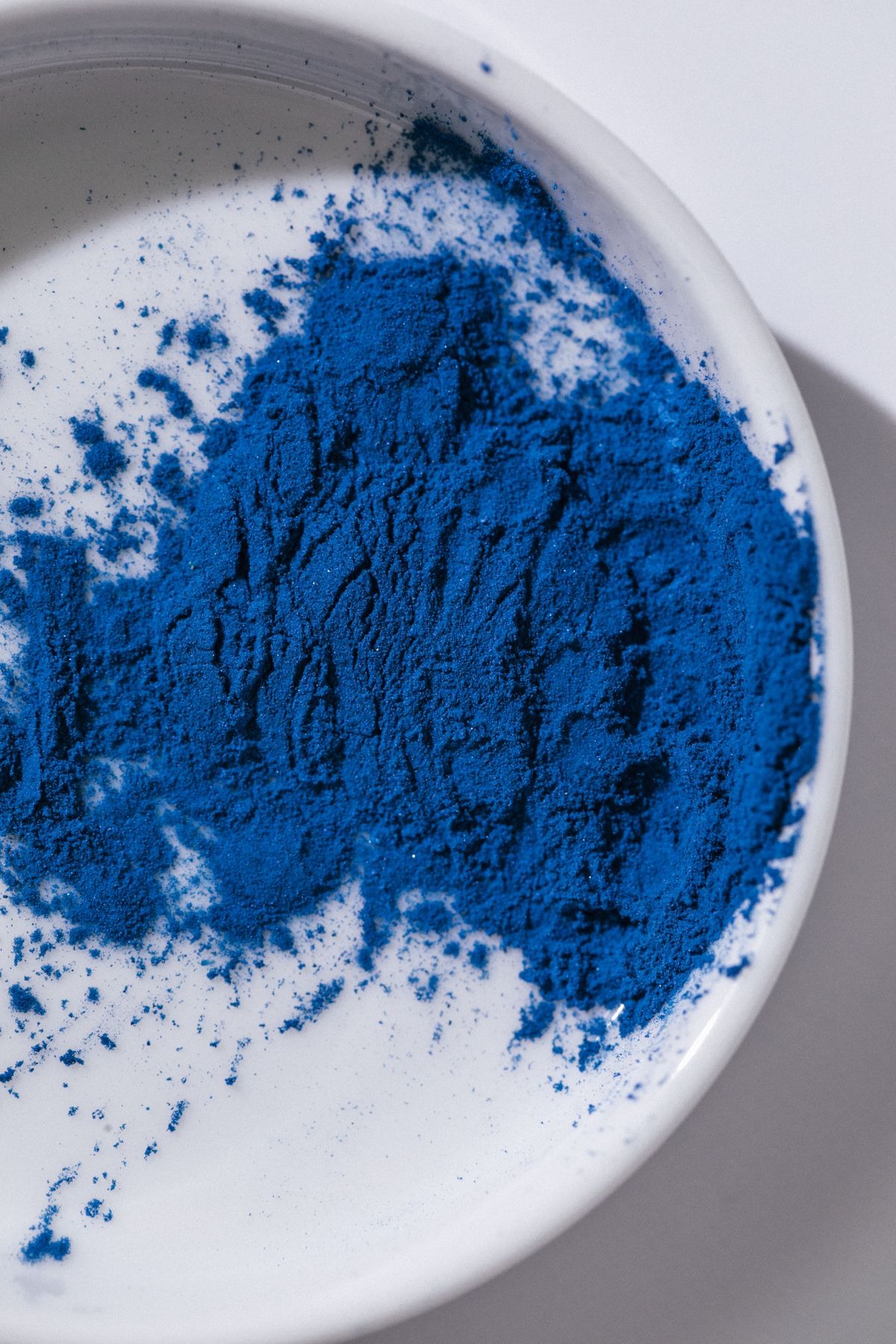
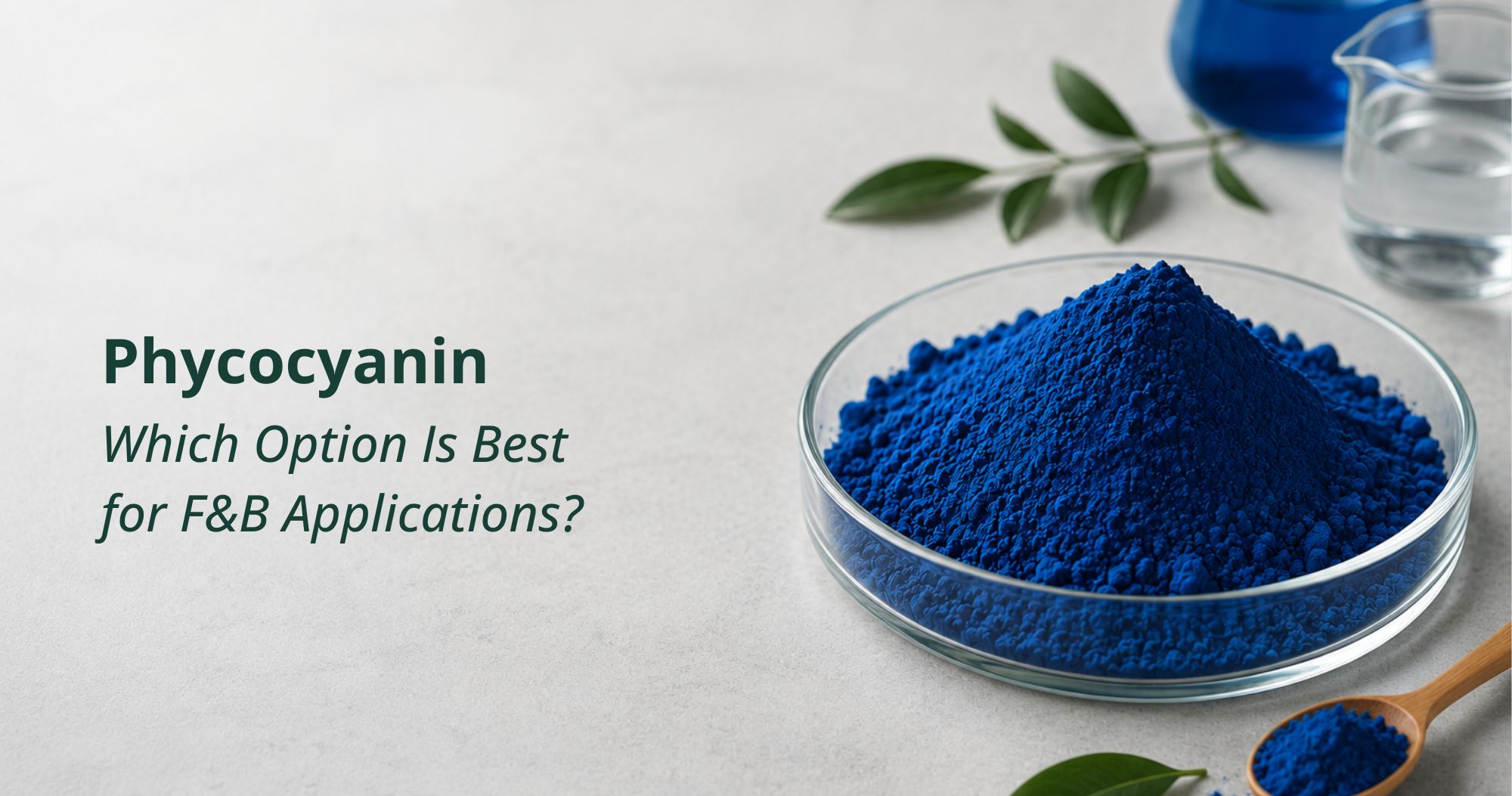
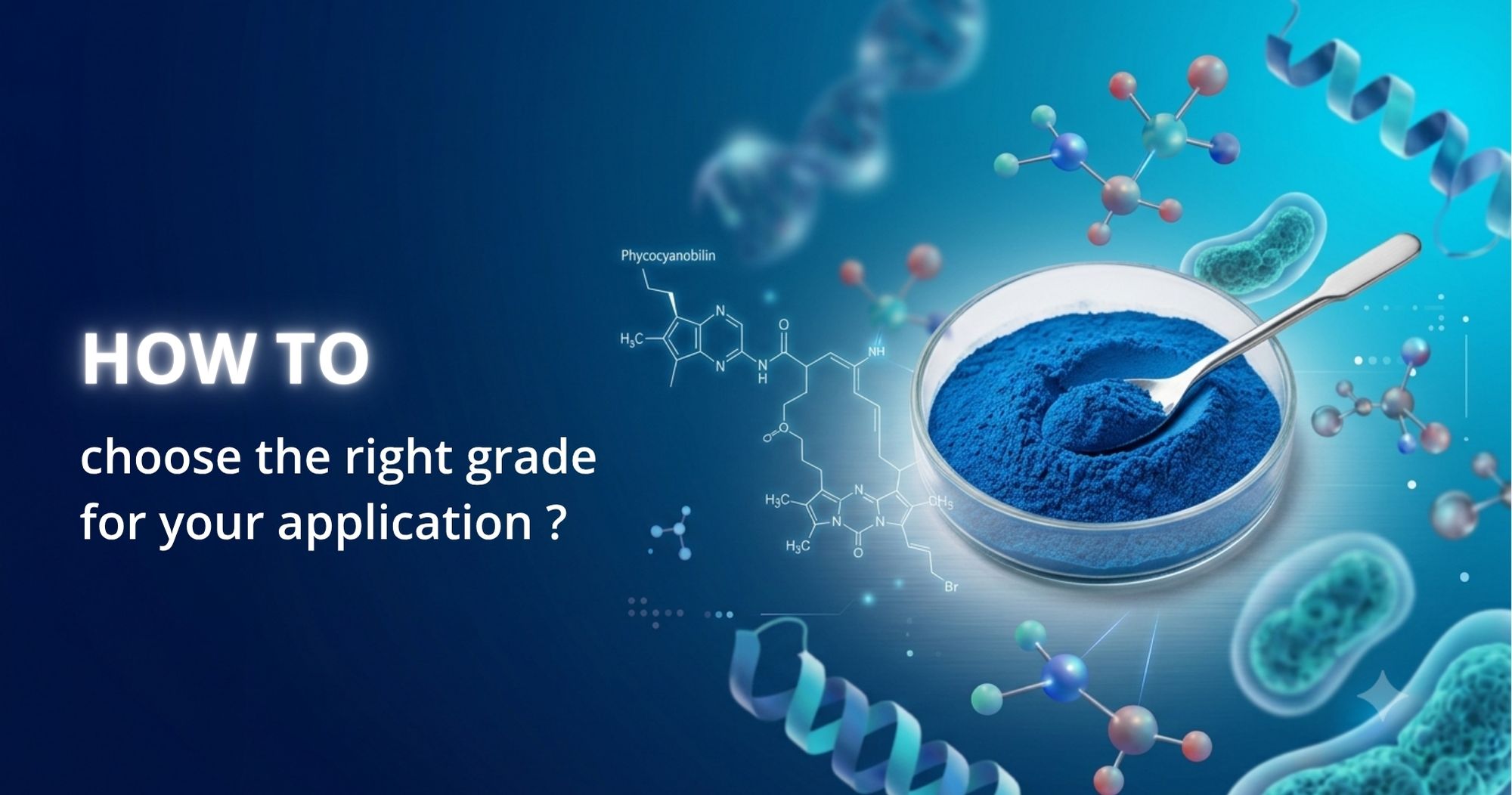
Phycocyanin is a blue protein pigment extracted from Spirulina biomass. Beyond its role as a coloring agent, this compound has also been studied for its potential bioactive properties, expanding its applications into various fields beyond food.
In the food industry, phycocyanin is gaining attention as a naturally derived blue colorant, with potential applications in products such as ice cream, yogurt, and confectionery. In cosmetics, it is also used or investigated as a coloring agent and bioactive ingredient in personal care formulations.
On the market, phycocyanin can be classified into different color grades, such as E3, E6, E10, E18, E25, and E40. These grades generally reflect the color intensity or characteristics of the ingredient according to the supplier's classification system. Therefore, a higher color grade does not automatically mean it is the better choice for every application.
Another important factor is stability. Phycocyanin is sensitive to temperature, light, and pH conditions, which can affect its color during processing and storage. Selecting the appropriate grade should therefore take into account manufacturing conditions, sensory requirements, and the cost objectives of the final product.
3. Vitamins, Minerals, and Bioactive Compounds
Beyond protein and phycocyanin, Spirulina contains a range of other nutritional components. Reviews have documented the presence of B vitamins, including B1, B2, B3, and B9, as well as vitamin E, provitamin A carotenoids, and minerals such as iron, magnesium, calcium, zinc, and potassium. Actual nutrient levels may vary depending on the raw material source and production conditions.
Spirulina also contains compounds such as polysaccharides and carotenoids, which have been studied for their potential bioactive properties. These compounds provide a basis for further exploring the use of Spirulina biomass and its extracts in formulations designed for specific applications.
Nevertheless, it is important to distinguish between laboratory findings, evidence from human studies, and benefits confirmed in commercial products. For example, Spirulina should not automatically be considered a reliable source of vitamin B12 based solely on the total corrinoid content detected, as not all forms have suitable biological activity in humans.
4. How Is Spirulina Expanding Its Applications Beyond the Food Industry?
a) Cosmetics and Personal Care
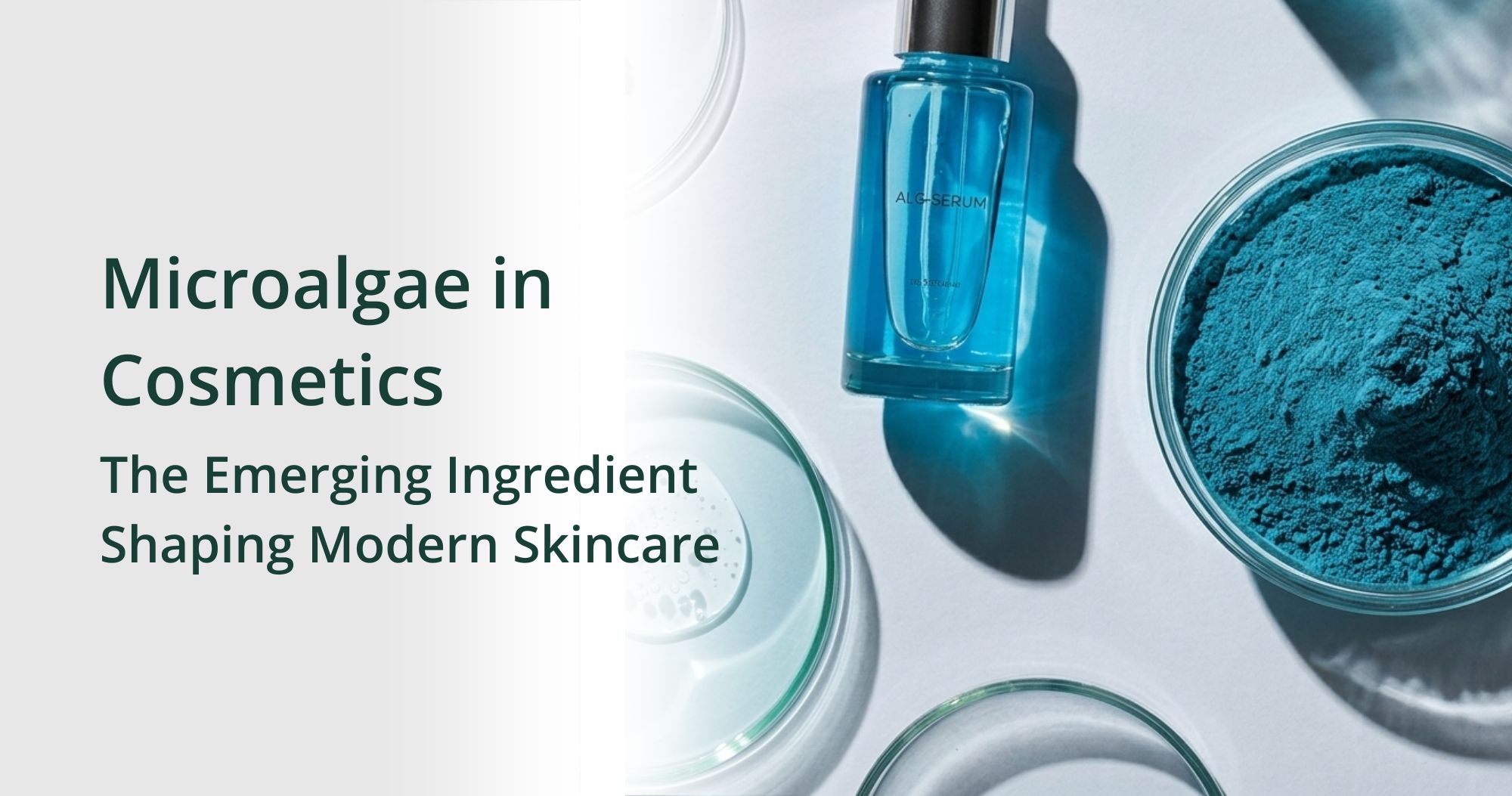
Spirulina and its extracts are attracting interest in the development of skincare and haircare products. Potential applications under investigation include moisturizing, antioxidant, and skin-protective formulations designed to help protect against environmental stressors. Phycocyanin and other bioactive compounds further contribute to the growing interest in Spirulina as an ingredient in the beauty industry.
However, the efficacy of each formulation depends on the type of extract, concentration, stability, and safety assessment data. Benefits reported in research cannot be generalized to all Spirulina-containing products as proven effects.
b) Pharmaceuticals and Dietary Supplements
Compounds derived from Spirulina, particularly phycocyanin, are being studied for their antioxidant, inflammation-modulating, and other bioactive properties. These findings provide a basis for exploring their potential applications in dietary supplements and pharmaceutical development.
Despite promising preliminary findings, most research areas still require further evidence regarding efficacy, dosage, safety, and practical applications at scale. Spirulina or phycocyanin should not be considered a treatment for diseases based solely on preclinical research findings.
c) Animal Feed and Aquaculture
In animal feed, Spirulina is being studied as a supplementary ingredient to improve the nutritional value of feed formulations. Research involving livestock, poultry, and aquatic species has investigated its effects on growth performance, immune responses, and animal health.
Its practical application depends on the species, inclusion rate, biomass quality, ingredient cost, and overall feed economics. Therefore, the use of Spirulina should be evaluated according to the specific animal species and farming conditions.
d) Agriculture and Biomass Valorization
Beyond these fields, microalgal biomass and its derived compounds are also being investigated for applications in agriculture and biological resource valorization. However, the commercial maturity of each application must be evaluated individually, as not all research findings have been translated into solutions that deliver consistent performance at an industrial scale.
Overall, Spirulina's potential lies not in a single application, but in the ability to utilize its different components for specific purposes. Clearly distinguishing between whole biomass, extracts, and purified compounds is an important step in identifying suitable development pathways.
5. Choosing Spirulina Ingredients: Key Factors Businesses Should Consider
When incorporating Spirulina into product development, protein or phycocyanin content is only one part of the evaluation process. Depending on the intended application, businesses should consider the following factors:
- Quality standards: Technical documentation, safety parameters, and quality control specifications must meet the requirements of the final product.
- Target component content: Clearly define the required levels of protein, phycocyanin, or other relevant parameters rather than relying solely on the ingredient name.
- Batch-to-batch consistency: Consistency in composition and sensory characteristics affects the ability to maintain finished product quality.
- Formulation compatibility: Evaluate color, flavor, dispersibility, and stability under actual processing and storage conditions.
- Supply reliability: Packaging specifications, supply capacity, lead times, and continuity of raw material availability must align with production plans.
For phycocyanin, businesses should also consider color grade, purity, and the ability to retain color under specific application conditions. These factors help identify ingredients that better meet formulation objectives, rather than automatically selecting the grade with the highest specifications.
6. Conclusion
Spirulina is a versatile biological resource with diverse application potential, driven by its rich nutritional composition and valuable bioactive compounds. From food, cosmetics, and dietary supplements to animal feed and aquaculture, each industry has distinct requirements for ingredient properties, quality, and performance.
For businesses, unlocking Spirulina's potential begins with defining the intended application, selecting the appropriate ingredient form, and evaluating technical specifications under real-world conditions. This provides a foundation for developing products with clear objectives, improving quality control, and optimizing ingredient selection over the long term.
Contact TA Vital to discuss your Spirulina ingredient requirements and explore suitable ingredient solutions for your product development needs.

.png)
.png)


.jpg)


.jpg)
.jpg)

.jpg)


.png)
.png)
.jpg)
.jpg)





.jpg)

.jpg)


.jpg)
.jpg)


.jpg)



.jpg)




.png)




.jpg)



.jpg)