In recent years, Spirulina and Phycocyanin have become increasingly sought-after ingredients across the food, beverage, dietary supplement, and cosmetics industries. However, not all Spirulina sources deliver the same level of quality. Beyond the strain of microalgae and production technology, cultivation conditions play a critical role in determining pigment concentration, purity, and nutritional value.
Factors such as high altitude, cold water sources, and mineral-rich environments are widely recognized as ideal natural conditions that enable Spirulina to thrive while accumulating higher levels of valuable bioactive compounds. But how exactly do these environmental factors influence Spirulina pigment quality?
1. What are Spirulina pigments and why does pigment quality matter?
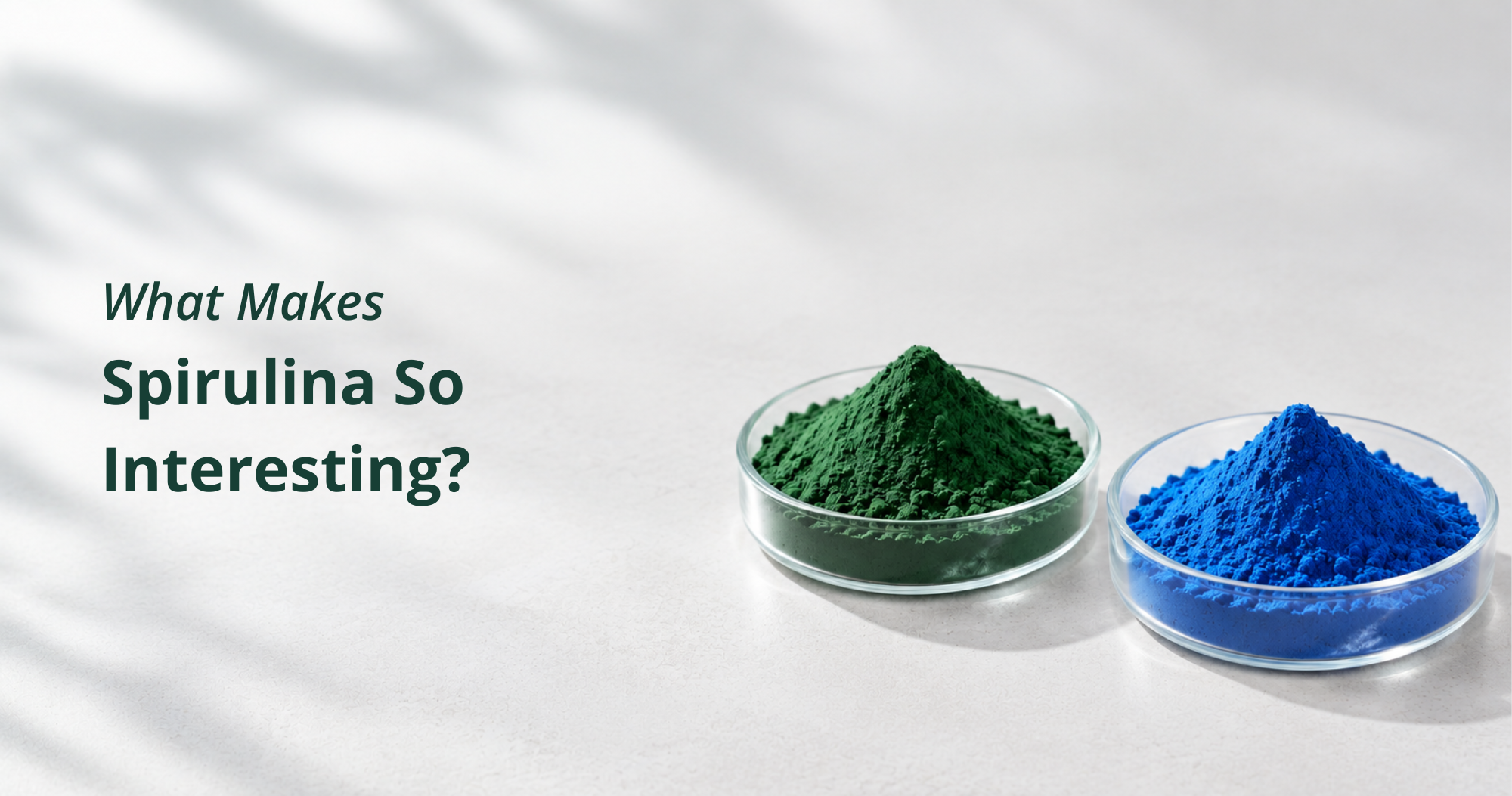
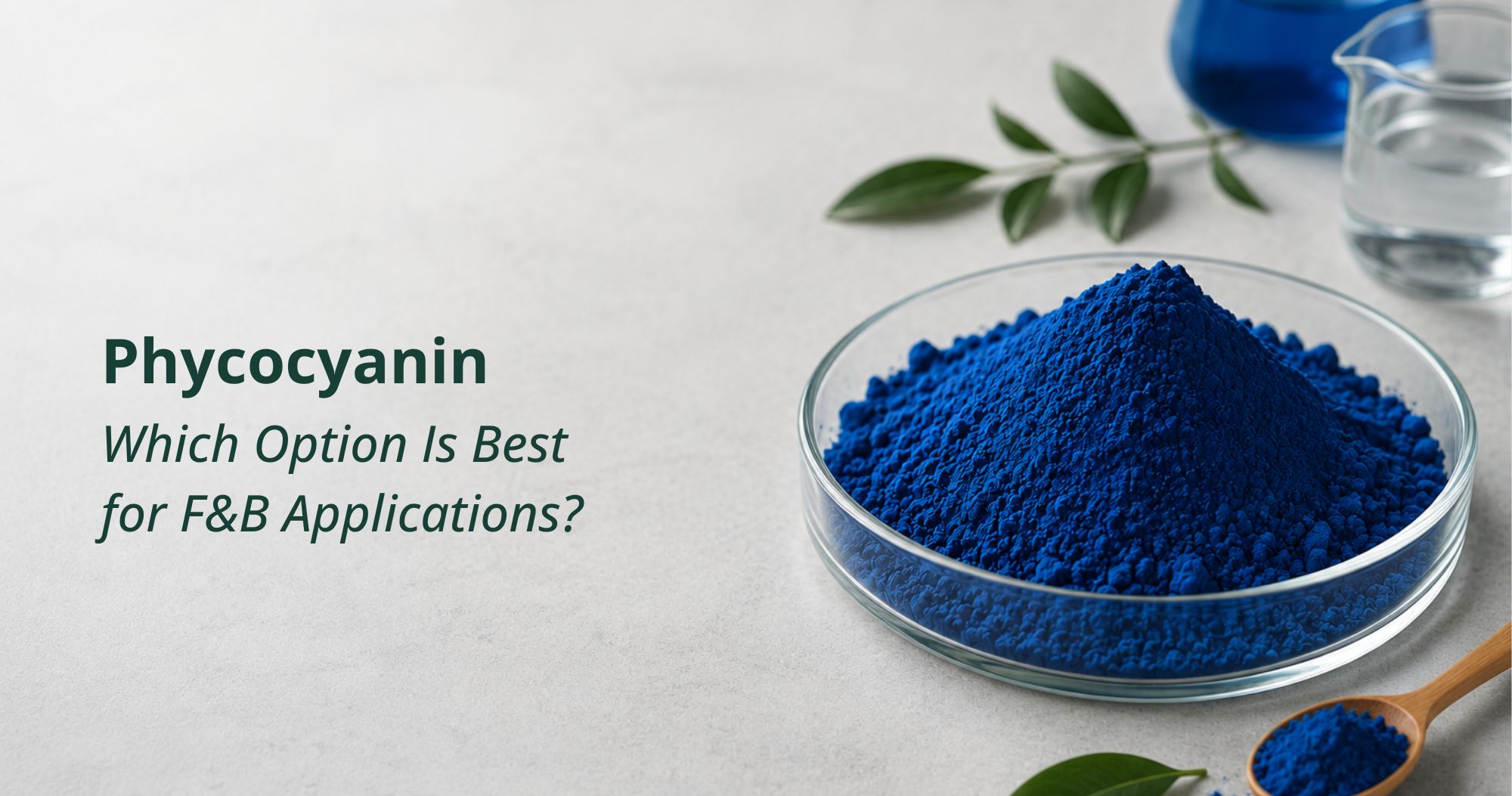
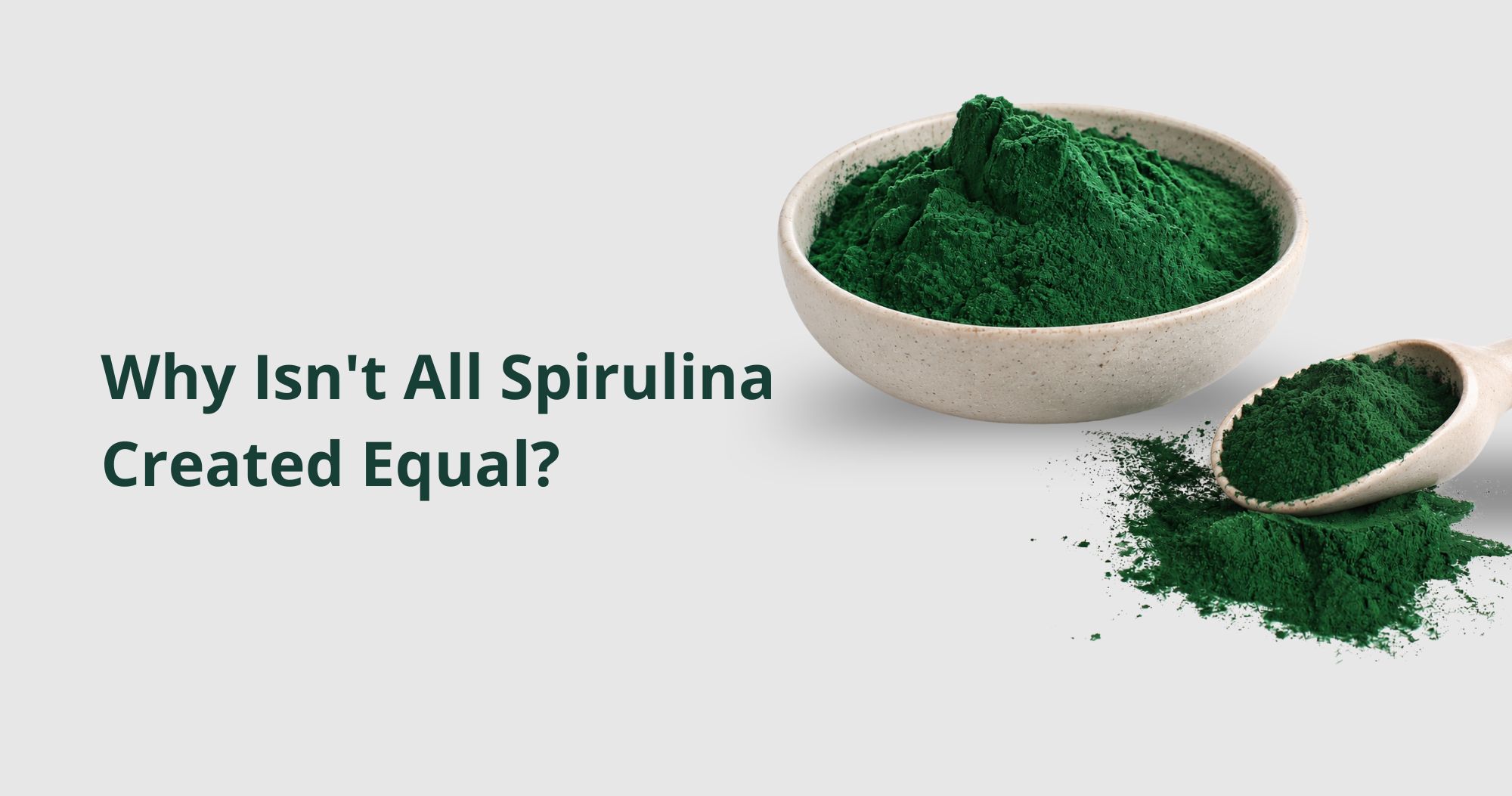
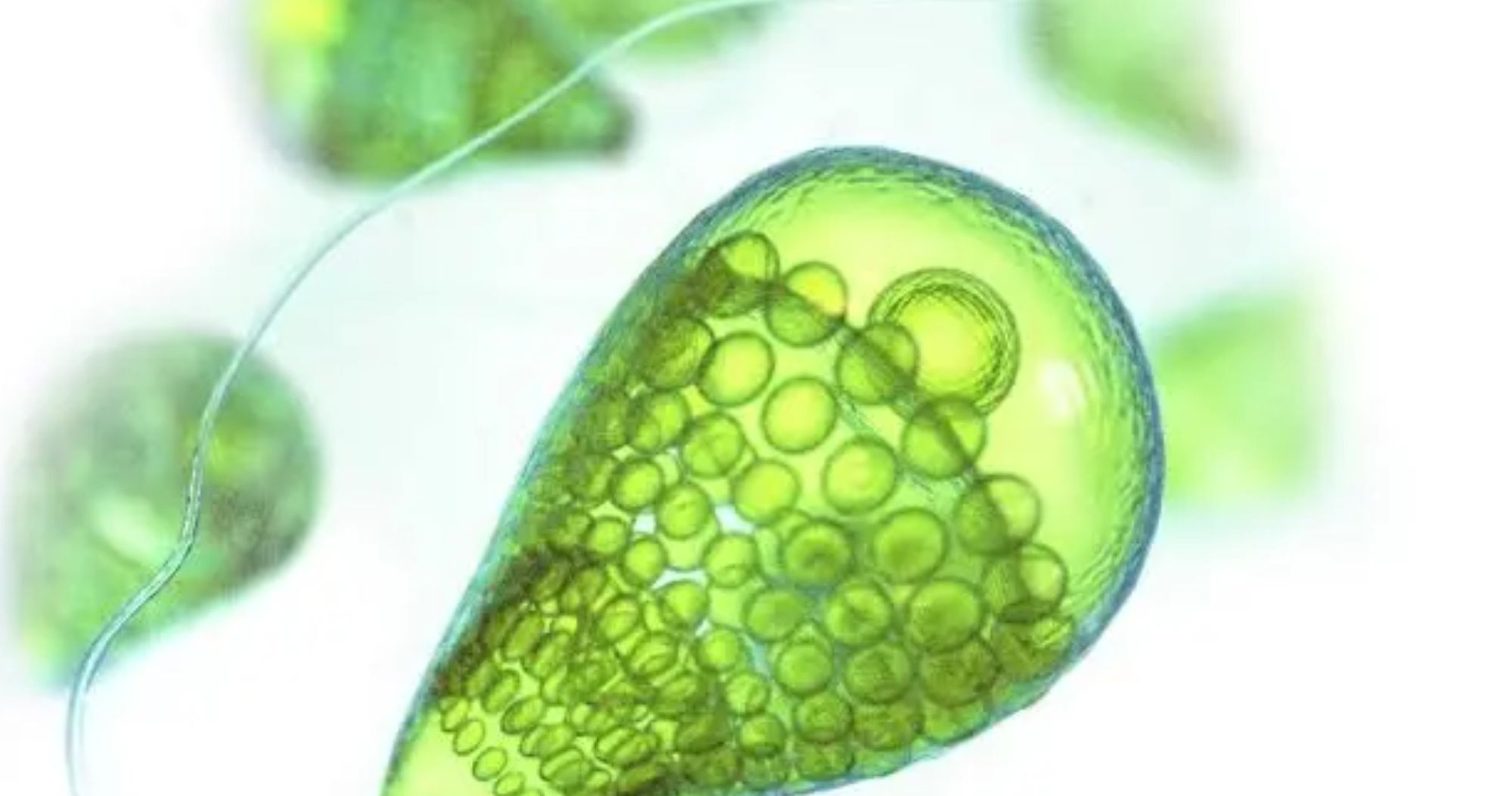
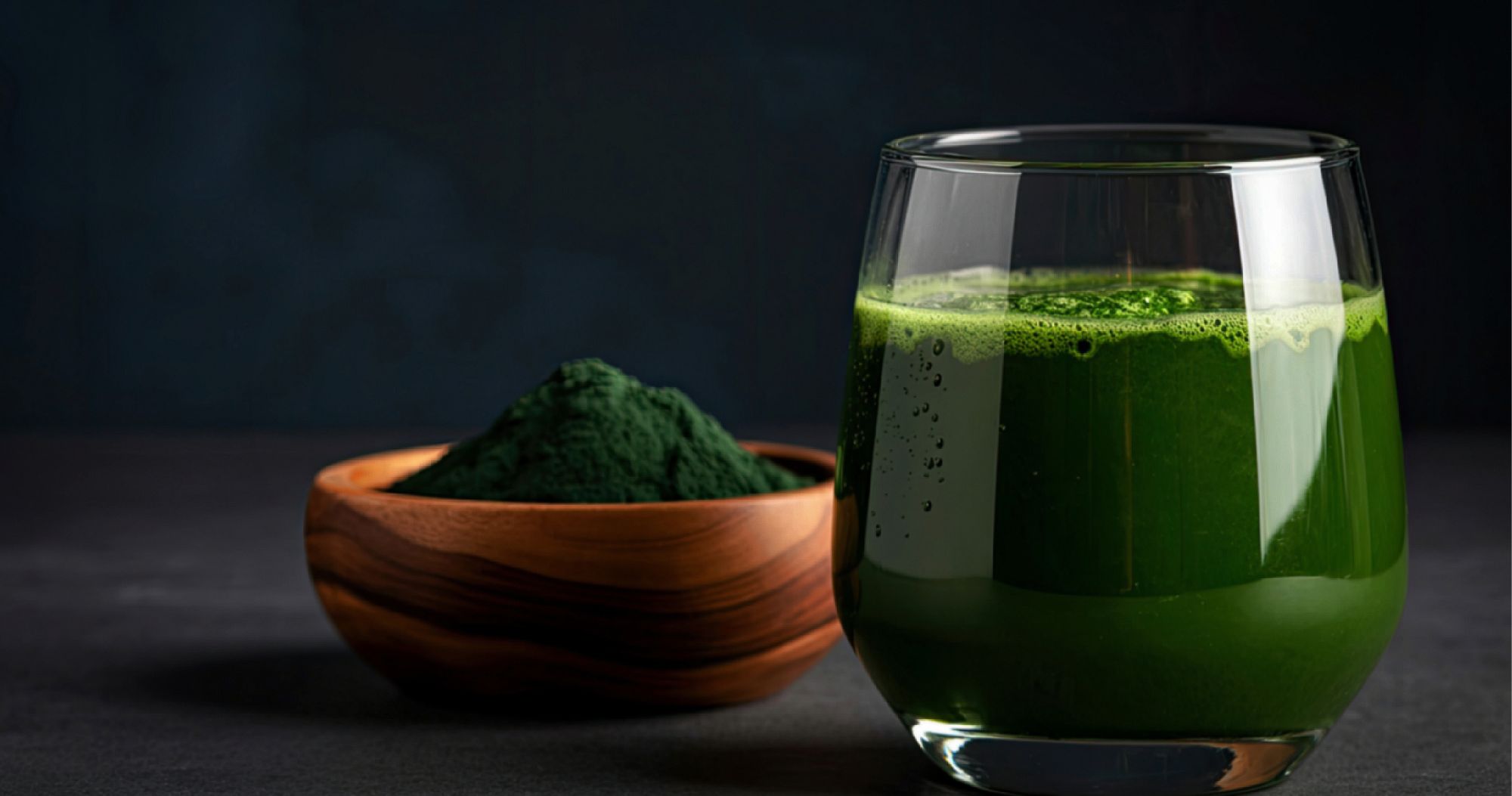
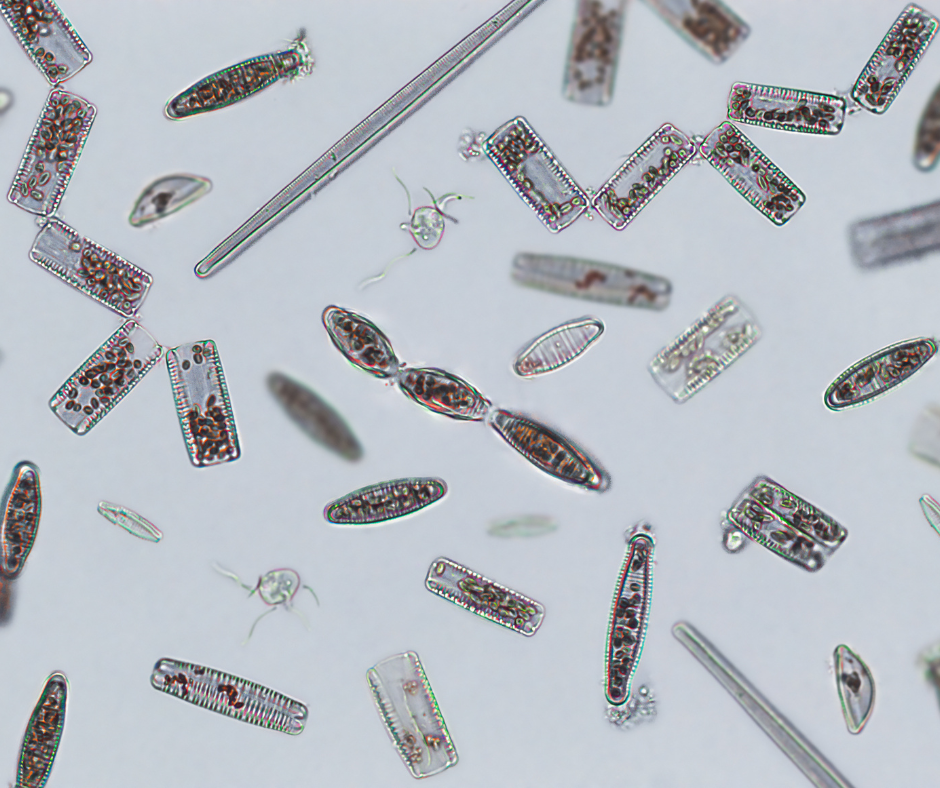
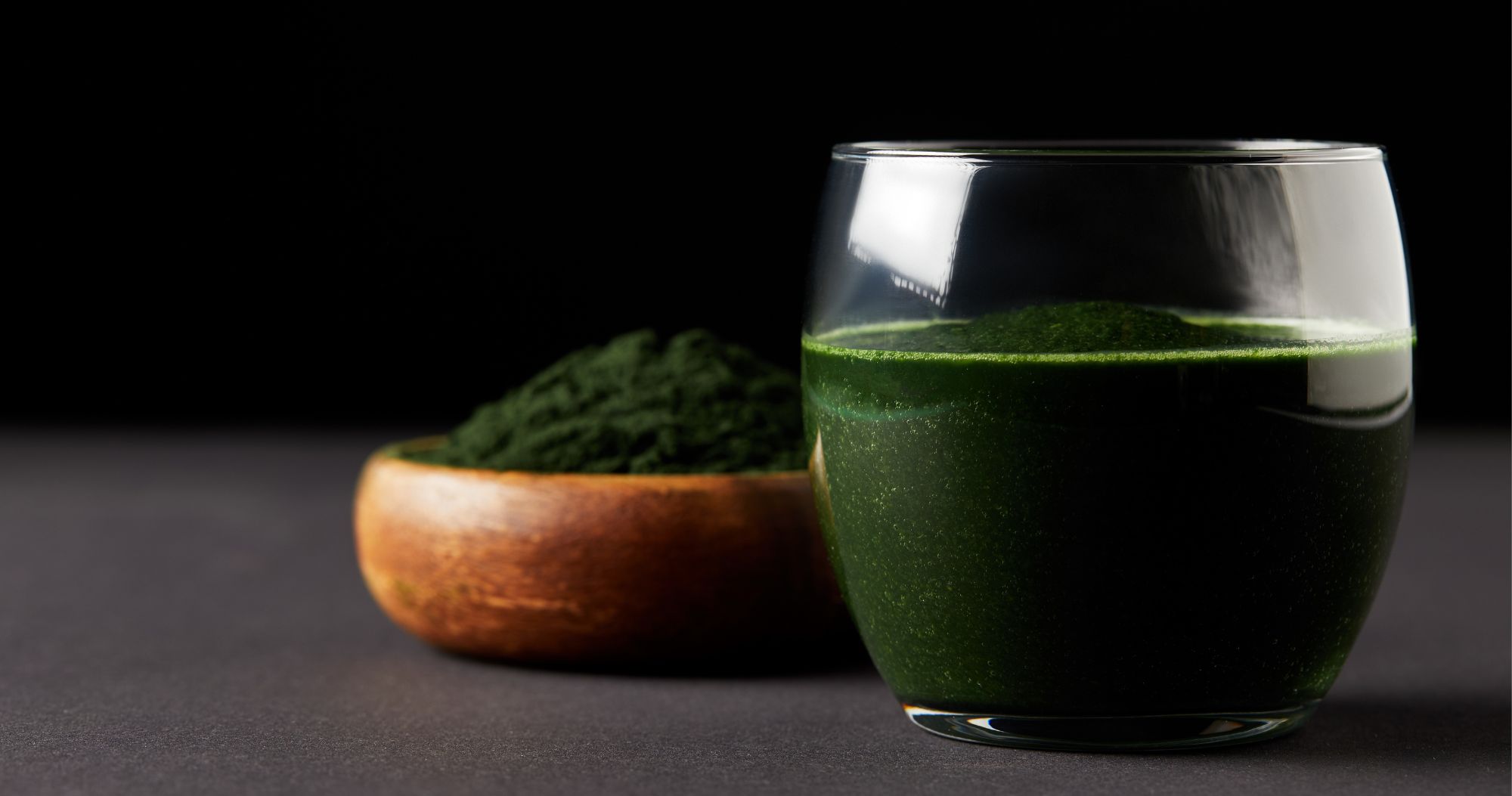
Spirulina is a nutrient-dense blue-green microalga rich in protein, vitamins, minerals, and antioxidant compounds. Among its most valuable components is Phycocyanin, the distinctive blue pigment that gives Spirulina much of its commercial value. Today, Phycocyanin is widely used as a natural blue colorant in food and beverages, as well as a functional ingredient in dietary supplements, health products, and cosmetic formulations.
For manufacturers, pigment quality is not determined solely by Phycocyanin concentration. Other equally important factors include purity, color stability during formulation, nutritional value, and batch-to-batch consistency. Together, these characteristics directly impact application performance and the quality of the final product.
2. How does high altitude influence Spirulina quality?
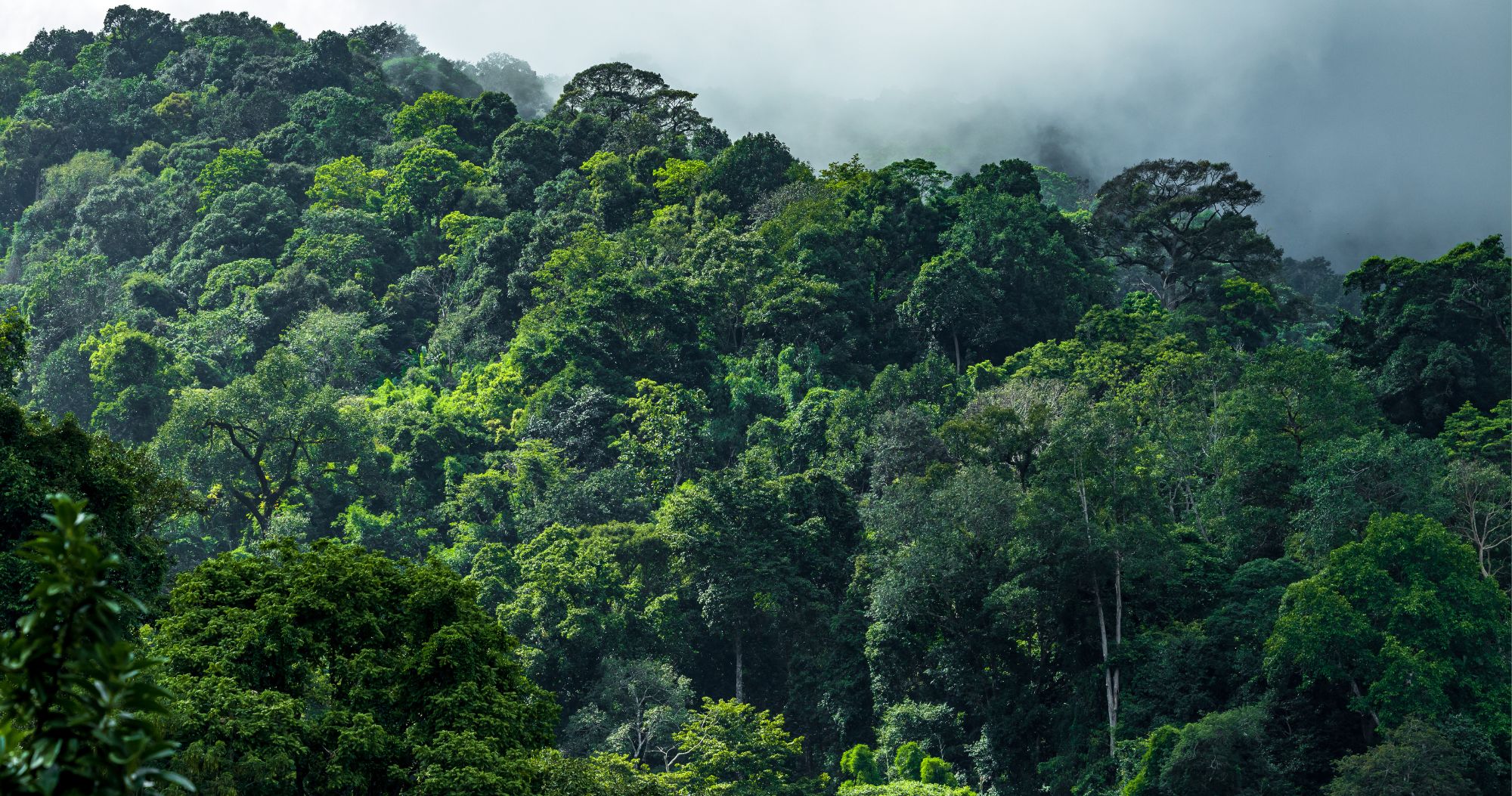
Spirulina cultivated at higher elevations is often regarded as superior due to the favorable natural environment that supports healthy microalgal growth.
Optimal sunlight for photosynthesis
High-altitude regions typically receive more stable sunlight with lower levels of air pollution. These conditions allow Spirulina to perform photosynthesis more efficiently, promoting the biosynthesis of natural pigments such as Phycocyanin and Chlorophyll. Under optimal light exposure, Spirulina cells tend to accumulate more pigments to maximize energy absorption.
Balanced day-night temperature variation
Many high-altitude cultivation areas experience moderate temperature differences between day and night. This helps reduce environmental stress on microalgae, allowing Spirulina to grow more consistently while maintaining higher-quality biomass.
Cleaner growing environment
Remote cultivation sites are generally less exposed to industrial pollution, reducing the risk of contamination by heavy metals and other undesirable substances. For businesses with stringent food safety requirements, sourcing raw materials from clean environments offers a significant advantage.
3. Why does cold water promote higher pigment production?
Temperature is one of the most important factors affecting microalgal growth and metabolism.
Preserving pigment structure
Excessively high temperatures may inhibit pigment synthesis or accelerate the degradation of certain bioactive compounds within Spirulina cells. In contrast, consistently cool water provides a more favorable environment for sustainable growth, helping maintain higher pigment levels throughout the cultivation cycle.
Reducing oxidative degradation
Lower temperatures generally slow down oxidation processes that can damage sensitive biological compounds. As a result, valuable components within Spirulina biomass are better preserved before harvesting - an important consideration for manufacturers seeking consistent, premium-quality ingredients.
Improving raw material quality
When Spirulina biomass retains its biological integrity, downstream extraction of Phycocyanin and other functional compounds becomes more efficient. This can improve production yield while helping businesses optimize manufacturing costs.
4. The role of mineral-rich lakes in Spirulina cultivation
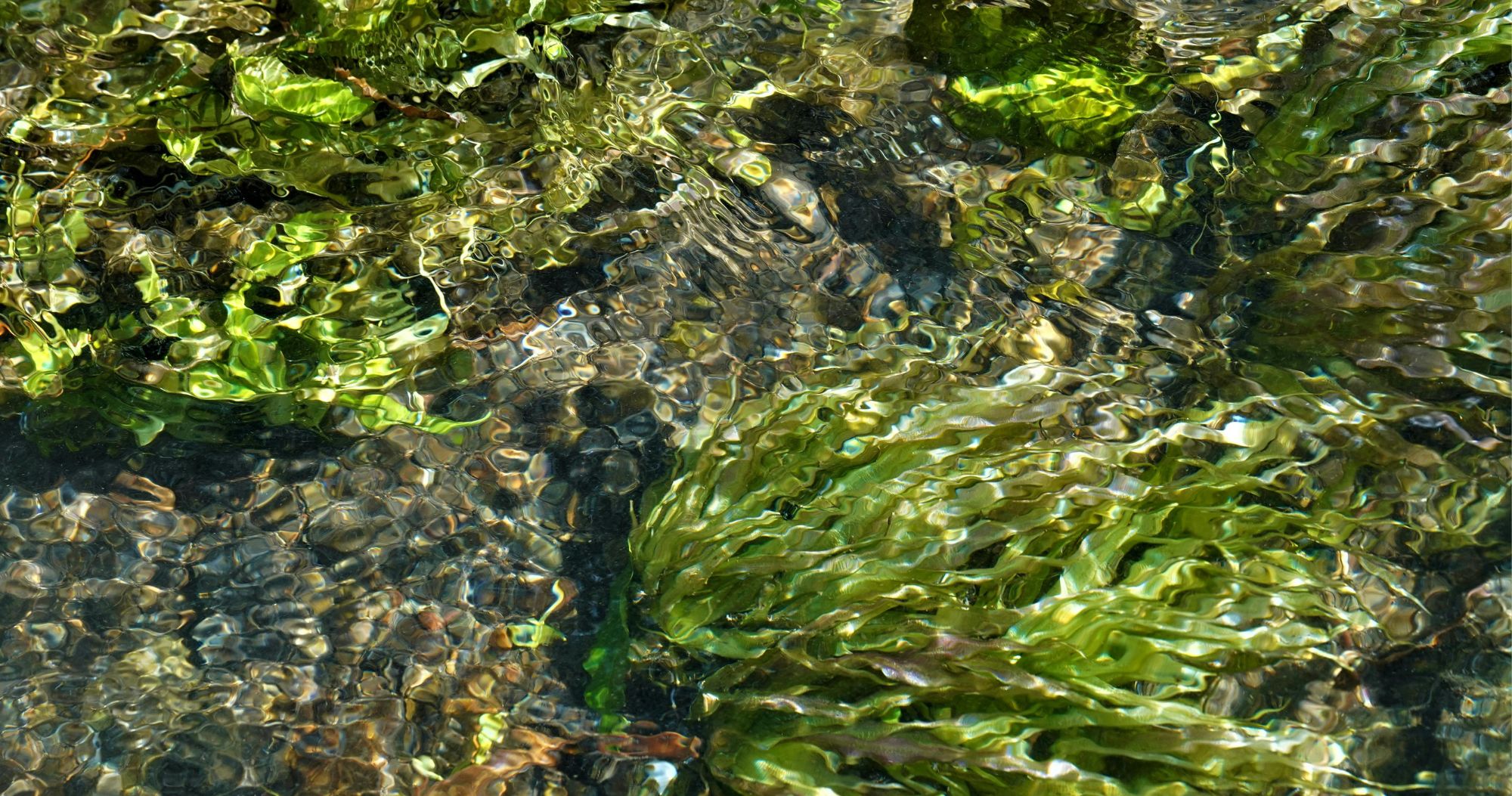
Minerals are essential nutrients required for Spirulina growth and metabolism. Naturally mineral-rich lakes provide several advantages for cultivation.
A natural nutrient source
Minerals such as magnesium, potassium, calcium, iron, and trace elements are directly involved in numerous metabolic processes within Spirulina cells. These nutrients support healthy growth and enable the synthesis of valuable bioactive compounds.
Supporting Phycocyanin biosynthesis
Protein and pigment production in Spirulina depends heavily on nutrient availability. Mineral-rich environments promote healthier microalgal growth and enhance the accumulation of Phycocyanin within the cells.
Increasing biomass productivity
Beyond improving pigment quality, abundant mineral availability also contributes to higher biomass yields. This is particularly valuable for companies that require reliable supply and scalable production capacity.
5. What should businesses evaluate beyond phycocyanin content?
Although Phycocyanin concentration is an important quality indicator, it should not be the sole criterion for evaluating Spirulina ingredients. A high-quality Spirulina source should also be assessed based on safety, consistency, and application performance.
First, traceability is essential for verifying the origin and authenticity of the raw material. Suppliers should also implement comprehensive quality control systems covering every stage of cultivation and processing to ensure consistent quality across production batches.
Businesses should request technical documentation such as Certificates of Analysis (COAs), heavy metal testing reports, microbiological test results, and traceability records to verify compliance with quality standards. In addition, suppliers with strong application support can help manufacturers select the most suitable Phycocyanin grade for different product formulations, improving both product development efficiency and commercialization success.
6. Why are brands prioritizing premium Spirulina sources?
The growing demand for Clean Label products, naturally derived ingredients, and higher-quality formulations is encouraging brands to source superior Spirulina. Rather than focusing solely on cost, many companies now evaluate ingredient origin, quality consistency, and compliance with international standards.
As a result, cultivation regions characterized by appropriate altitude, clean water sources, and mineral-rich environments are becoming increasingly valuable for producing premium Spirulina and high-quality Phycocyanin.
7. Conclusion
The quality of Spirulina is influenced not only by the microalgal strain or manufacturing technology but also, to a significant extent, by its cultivation environment. High altitude, cold water, and mineral-rich lakes together create favorable conditions that enable Spirulina to grow efficiently, accumulate higher levels of Phycocyanin, and maintain consistent biomass quality.
For businesses operating in the food, beverage, dietary supplement, and cosmetics industries, understanding the cultivation origin of Spirulina is essential for selecting the right raw materials, ensuring product quality, and meeting the evolving expectations of today's market.


.png)
.png)

.jpg)



.jpg)
.jpg)

.jpg)


.png)
.png)
.jpg)
.jpg)







.jpg)

.jpg)


.jpg)
.jpg)


.jpg)



.jpg)




.png)




.jpg)


.jpg)