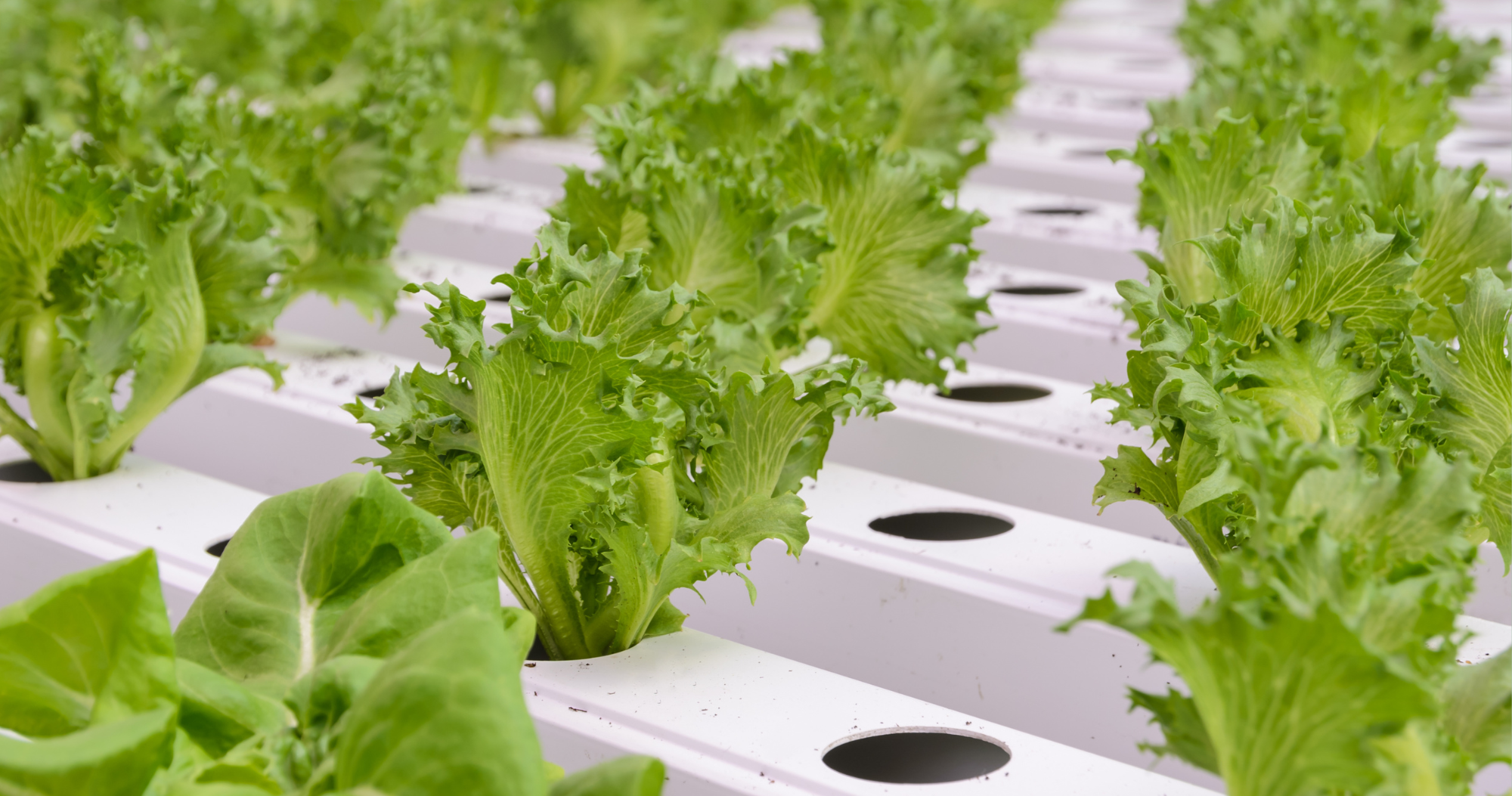
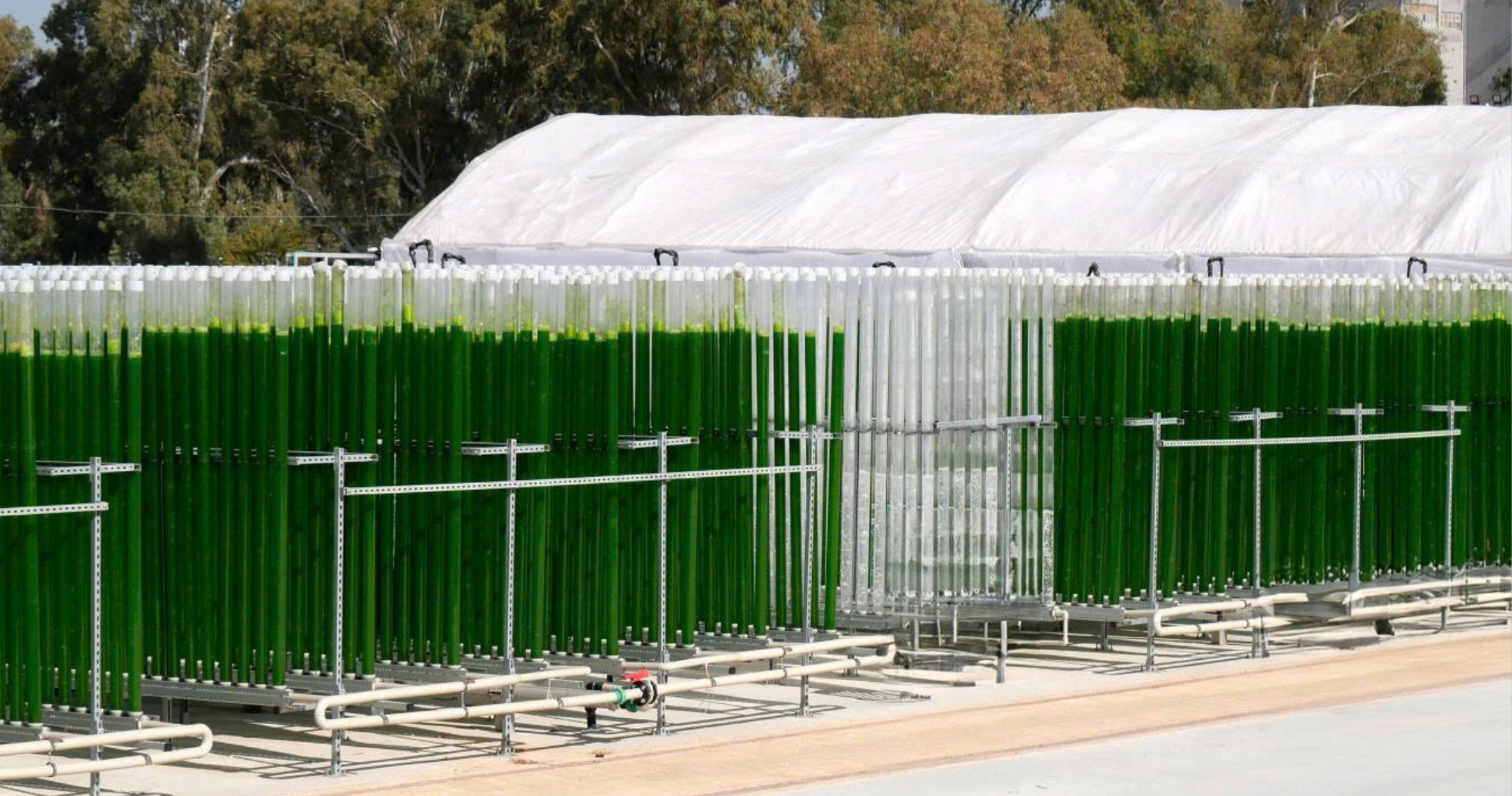
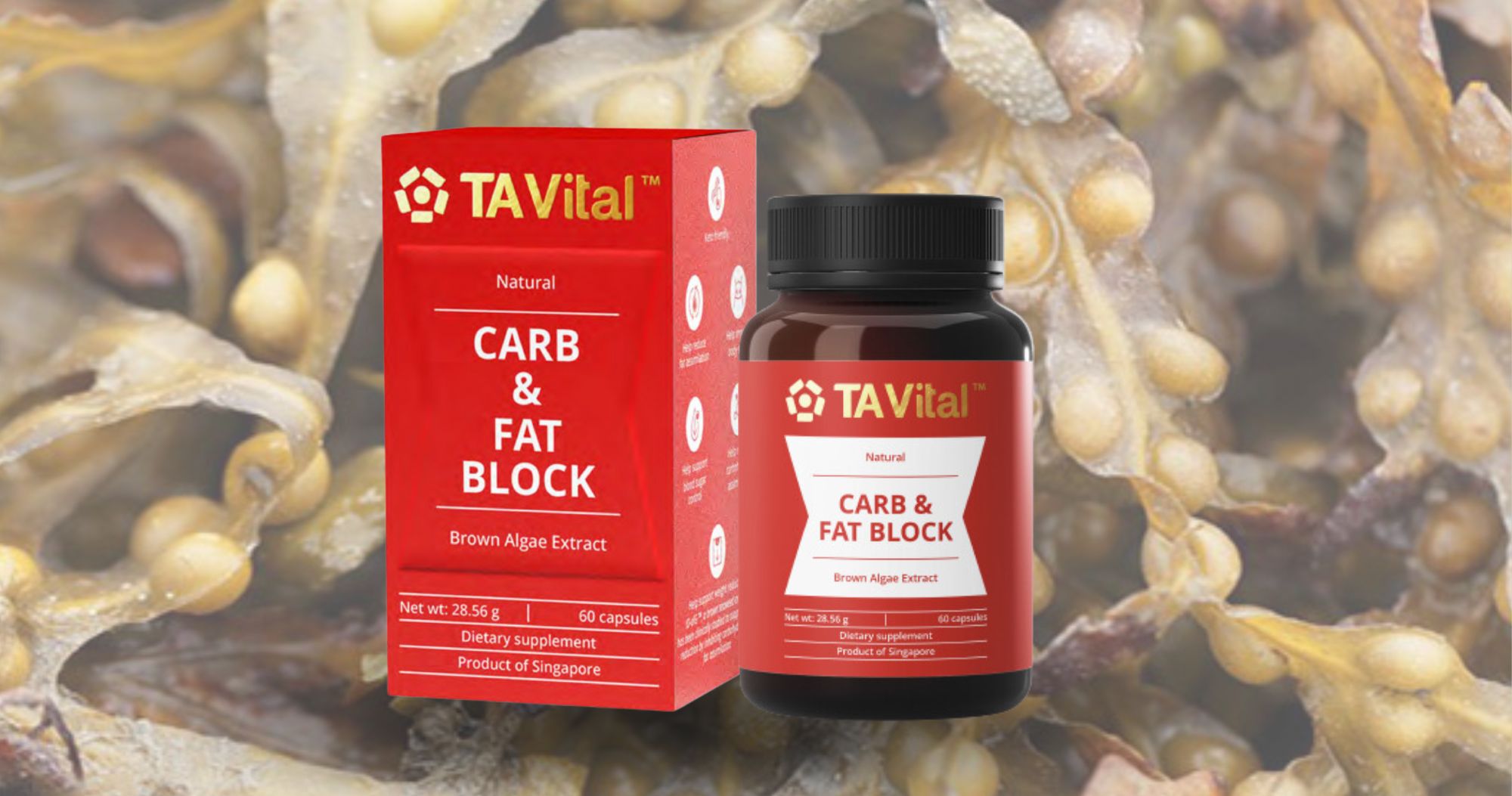
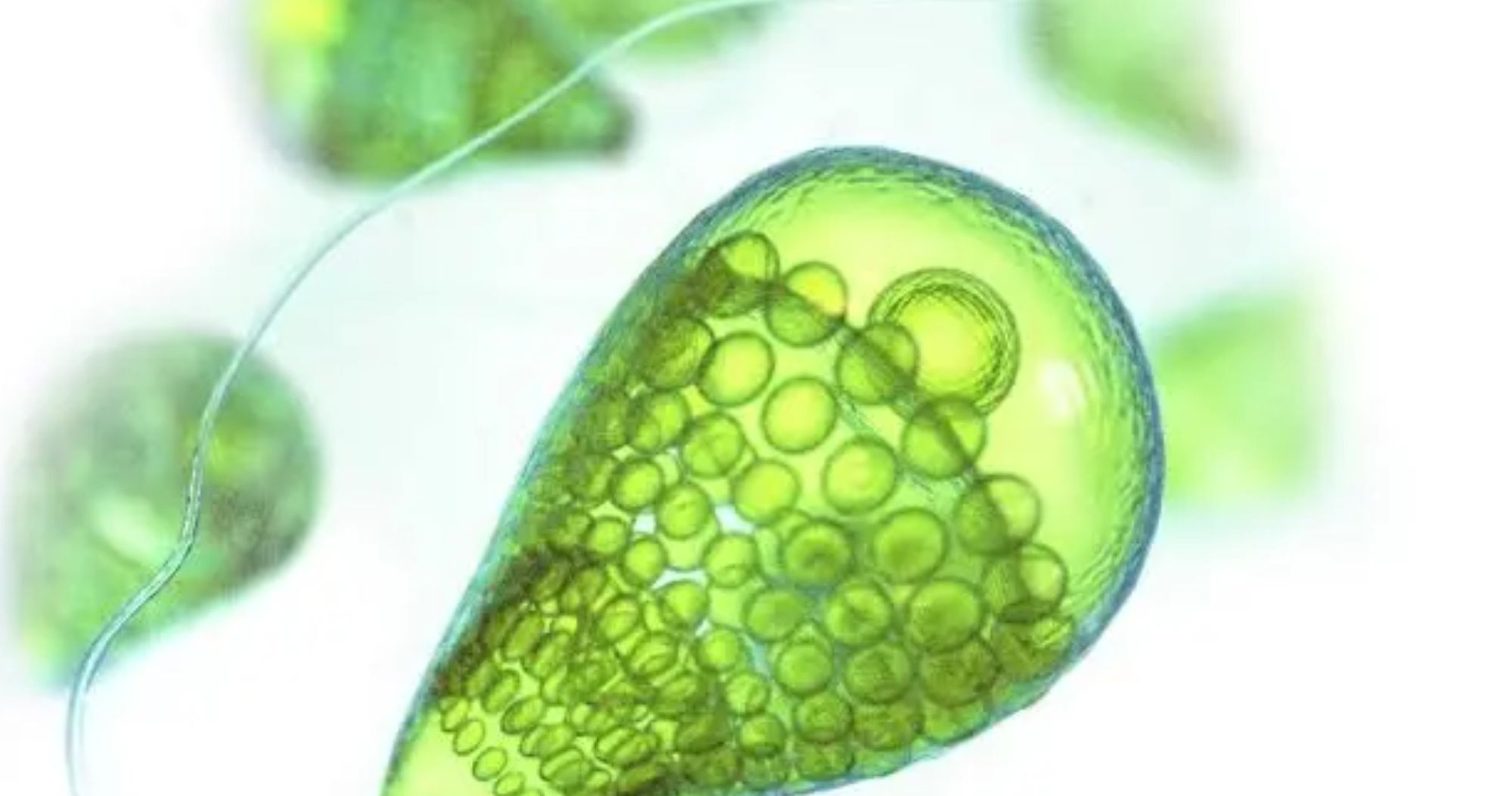
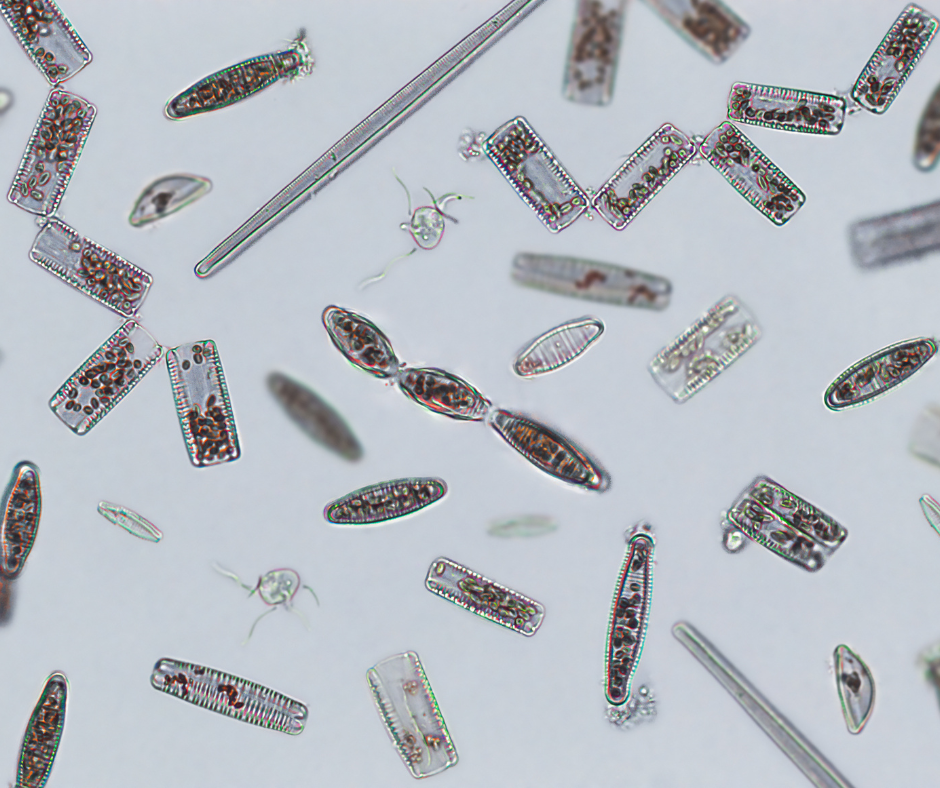
Microalgae are a group of microscopic photosynthetic organisms capable of rapid growth, rich in proteins and micronutrients. Thanks to the need for less land, less fresh water and efficient absorption of CO2, microalgae are seen as a potential solution to the problem of sustainable nutrition and global food security.
Microalgae and the problem of sustainable human nutrition
The world's population is approaching the 10 billion mark by 2050. Meanwhile, farmland is shrinking, fresh water supplies are becoming scarce, and climate change is upending centuries of traditional farming. Livestock emits greenhouse gas emissions at high levels. Against that backdrop, many scientists began to look at a source of biomass lurking beneath the water — in organisms so tiny that the naked eye could not see, but the potential was enormous: microalgae.
What are microalgae And why should we care
Microalgae are single-celled organisms or photosynthetic cell chains that live primarily in aquatic environments. They appeared on Earth more than 3.5 billion years ago - even before there were any terrestrial plants. Currently, about 300,00 to 1 million species of microalgae have been identified, of which spirulina and the unicellular green alga chlorella are the two most studied and applied species in human nutrition.
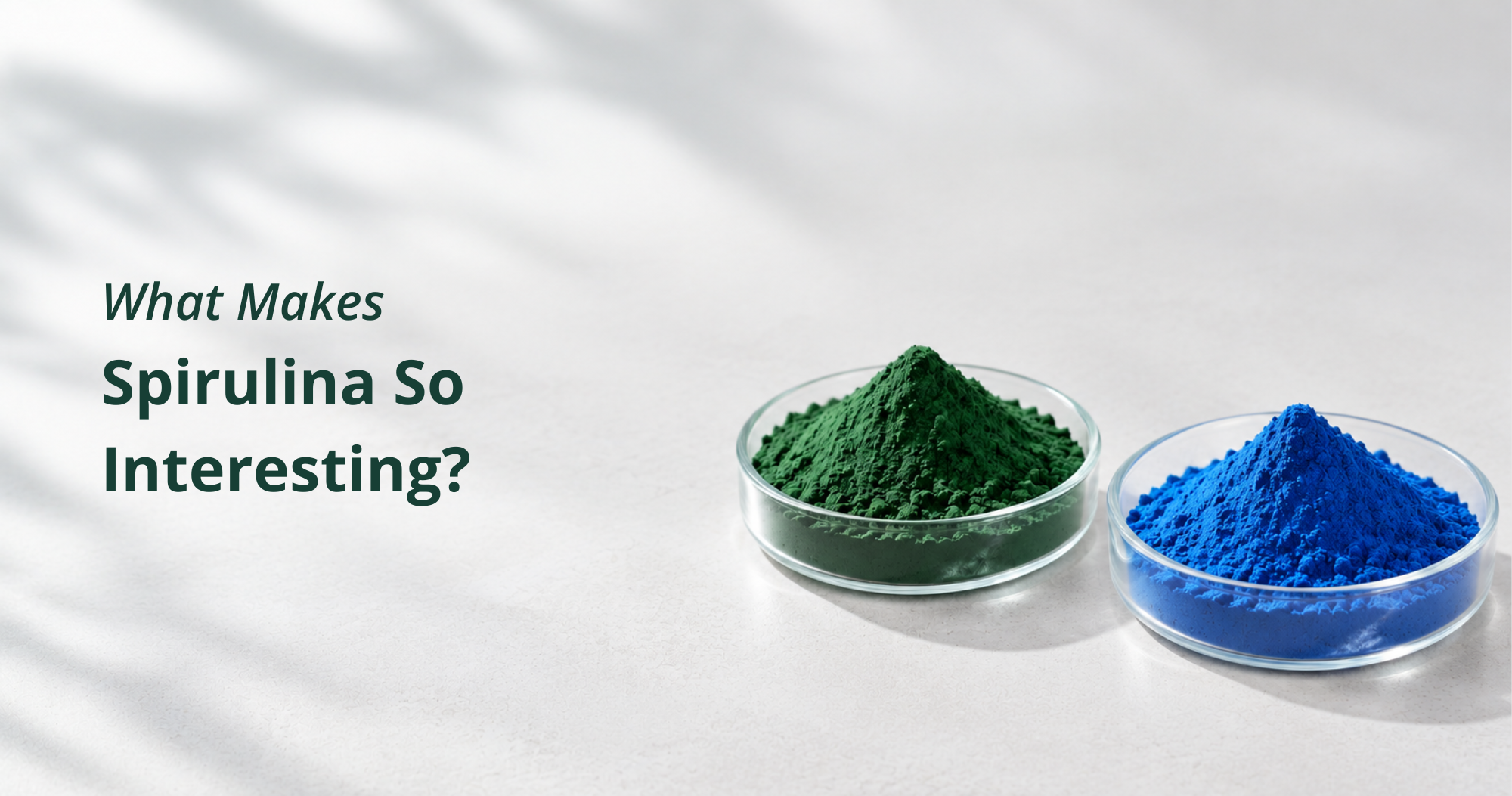
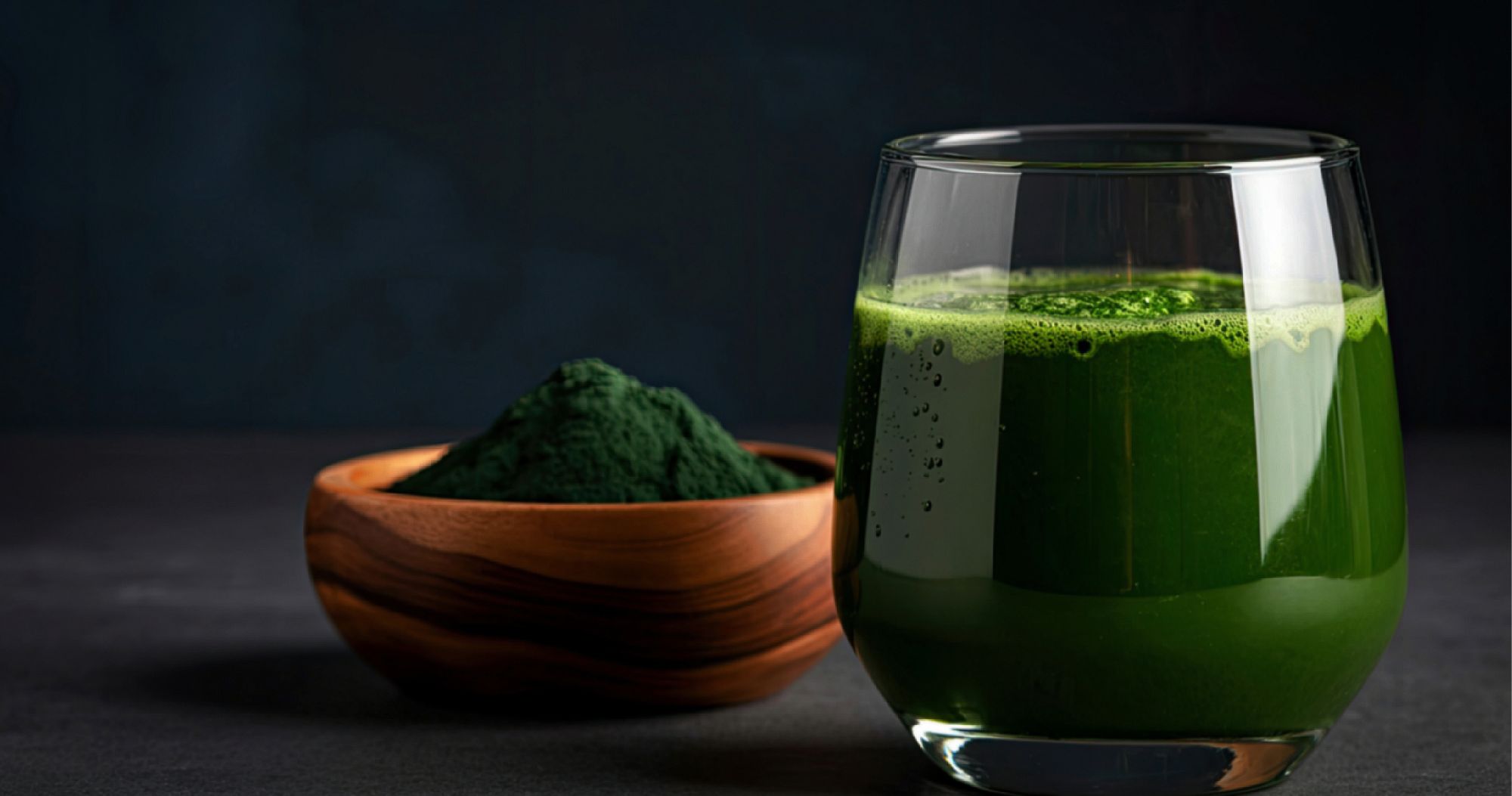
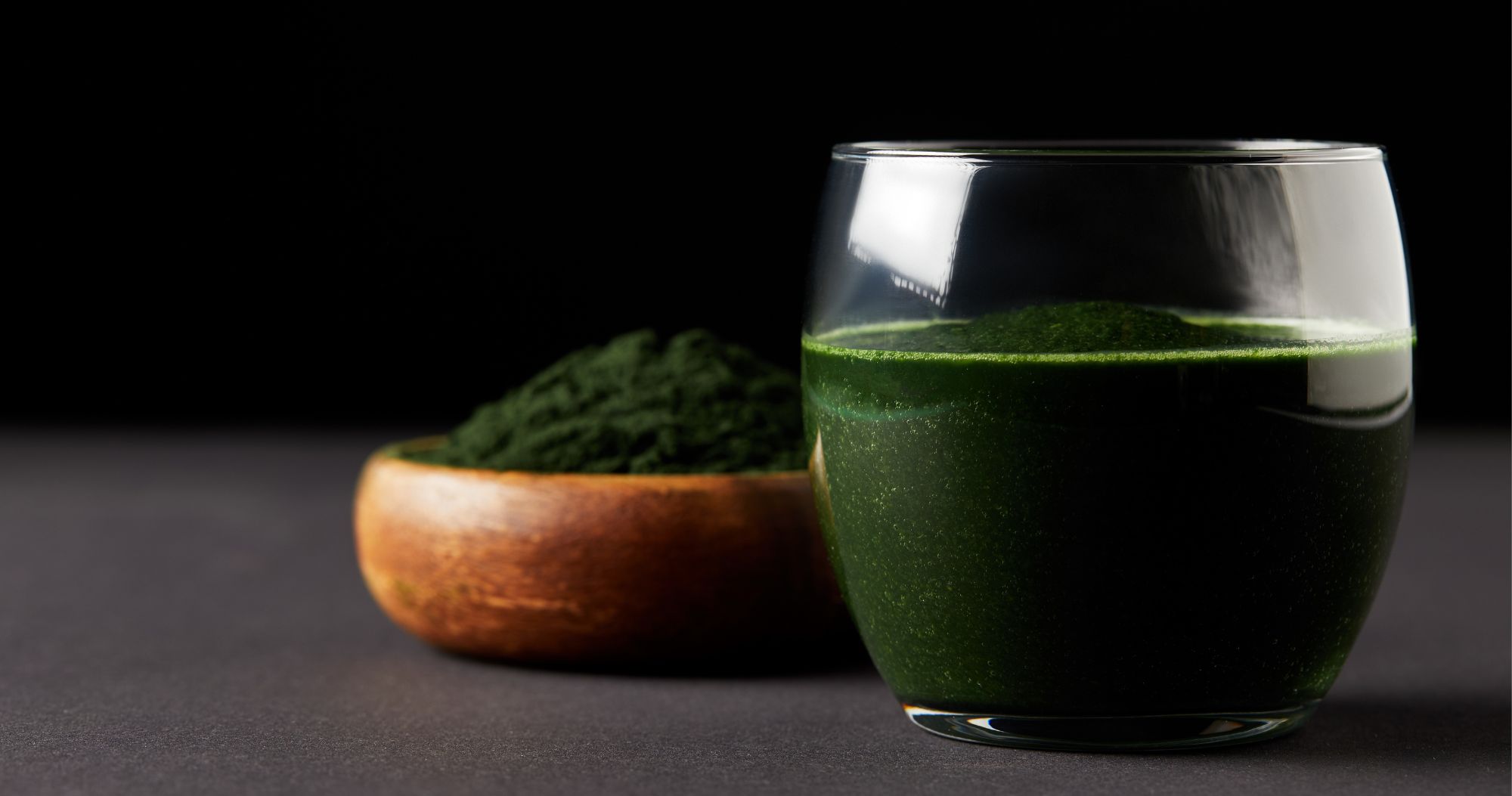
What makes microalgae special is not only their species richness, but also their incredible nutritional profile. By dry weight, spirulina contains 60-70% protein — higher than beef, eggs or any known source of vegetable protein. This is no ordinary protein: spirulina provides 9 essential amino acids that the human body cannot synthesize on its own.
Outstanding nutritional content in 10g of dried spirulina: ~7g complete protein, vitamin B12, iron, beta-carotene, phycocyanin (a characteristic antioxidant), omega-6, and many other important microminerals.
Global food pressures are on the rise
An increased population means an increased need for protein. However, the production of protein from animals consumes a lot of resources.
Livestock requires large areas of land to grow food, uses significant amounts of water and emits greenhouse gases. Even vegetable protein sources such as soybeans require large areas of cultivation.
Meanwhile, climate change makes agricultural productivity more difficult to predict. This is why many countries and international organizations are beginning to look for more sustainable alternative sources of protein.
The modern system is under tremendous pressure from many sides. Traditional agriculture is faced with limitations:
- Cultivated land:About 33% of global farmland has been degraded by erosion, loss of fertility and desertification.
- Water Resources:Agriculture currently accounts for ~ 70% of total freshwater consumption, while more than 2 billion people live in severe water shortages.
- Carbon emissions:The livestock sector contributes about 14.5% of total global greenhouse gas emissions - the equivalent of the entire transport industry.
- Energy Conversion Efficiency:To produce 1kg of protein from beef, 20-25kg of grain and thousands of litres of water are required.
Spirulina is a sustainable solution from nature
Amongst microalgae, spirulina— or spirulina — stands out like a real star. Researched by NASA as a nutritional source for astronauts aboard the International Space Station, recognized by the WHO as one of the most nutrient-rich foods known to man, spirulina is not just a “superfood” in the marketing sense — it is a scientific answer to the problem of sustainable nutrition.
What makes spirulina a superior sustainable choice?
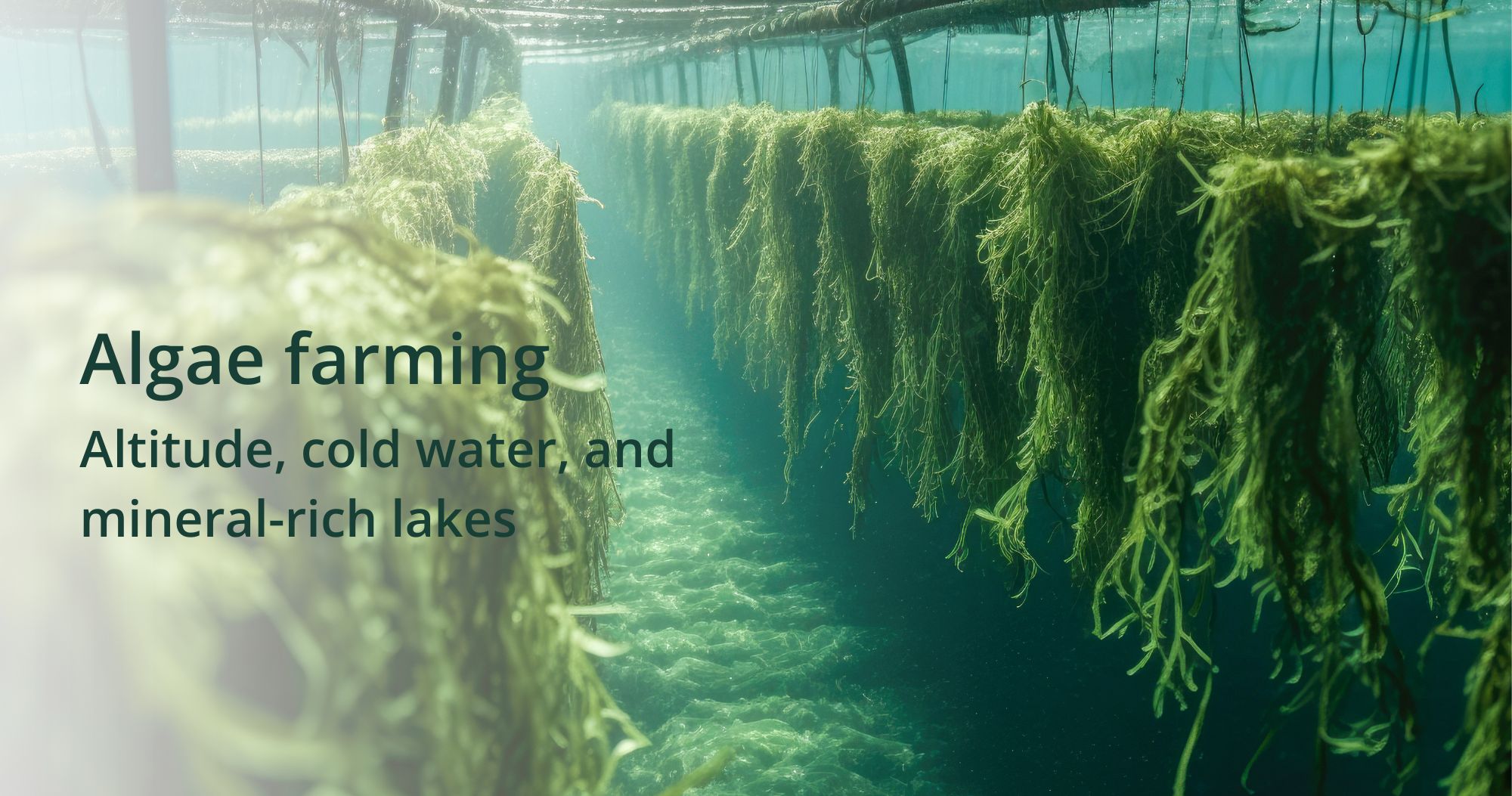
1. Extraordinary land use efficiency: Spirulina can be grown in open tanks or ponds, without the need for fertile arable soil. On the same area, protein production from spirulina is 200 times more than beef.
2. Minimum water consumptionMicroalgae cultivation uses 95% less water than equivalent animal protein production, and much of this water can be reused.
3. No need for pesticides or chemical fertilizersMicroalgae grow naturally thanks to sunlight and CO₂ — they even absorb CO₂ during photosynthesis, contributing to reduced greenhouse gas emissions.
4. Superior growth rateSpirulina can double its biomass within 24 hours — faster than any other food crop on land.
Microalgae in modern science
The global scientific community is investing more and more in microalgae research, and the results are encouraging:
- Fight against malnutritionStudies in Africa and South Asia show that spirulina supplements significantly improve malnutrition in children within 6-8 weeks, thanks to their high protein and micromineral content.
- Immune support: Phycocyanin - the characteristic pigment of spirulina has been shown to have anti-inflammatory properties and support the functioning of the immune system in numerous clinical trials.
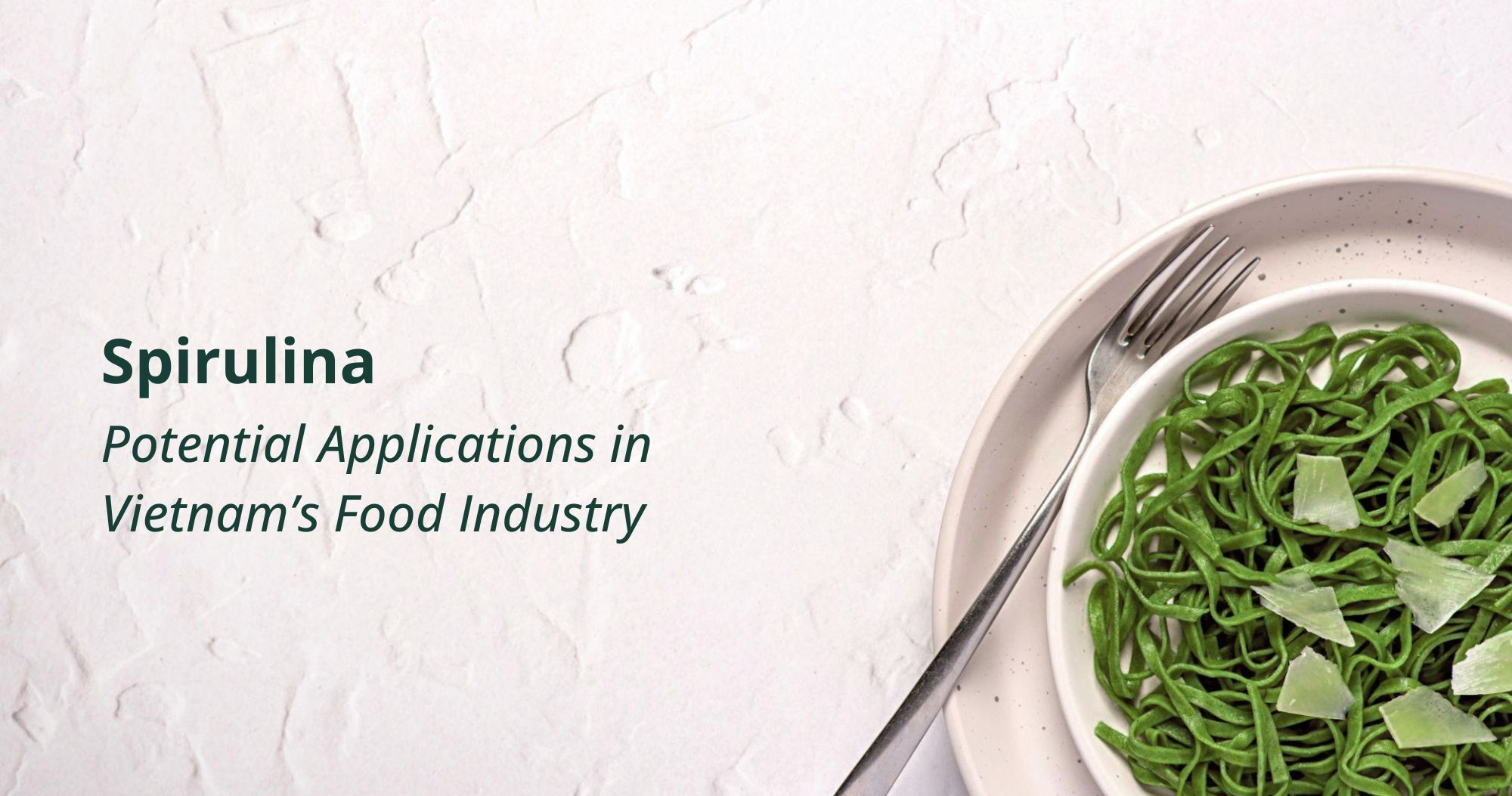
- Application in food industry: From green pasta to protein shakes, from bread to energy drinks - microalgae are finding their way into everyday meals in many innovative forms.
- Biofuels and Pharmaceuticals:In addition to nutrition, microalgae are also potential raw materials for new generation biofuels, and many compounds learned are of high value
Without stopping in the laboratory, microalgae are being grown on a large scale in the United States, China, India, and many European countries - with total global production reaching tens of thousands of tons per year and strong growth trends.
Conclusion
Microalgae opens up a new perspective for the global food problem. Thanks to their rapid growth, high nutritional value and potential to reduce resource pressure, they are seen as one of the supporting solutions for the future.
Not completely replacing traditional agriculture, but microalgae - especially spirulina, are undoubtedly one of the most important pieces of the puzzle
The future of nutrition does not necessarily have to be a trade-off between personal health and planetary health. Microalgae prove that what is best for you, can also be good for the Earth.


.png)
.png)



.jpg)





.jpg)

.jpg)



.jpg)


.png)
.png)
.jpg)
.jpg)







.jpg)

.jpg)


.jpg)
.jpg)


.jpg)



.jpg)



.png)




.jpg)


.jpg)