If you have ever found yourself losing focus around 2 PM, having to re-read an email multiple times, or mindlessly reaching for your second cup of coffee of the day, you are not alone.
This is a common experience for many office workers and is often referred to as the afternoon slump (afternoon slump). Many people assume the cause is simply eating too much or working too hard, but in reality, that tired feeling in the early afternoon is the result of several factors occurring at once.
Circadian rhythms, sleep quality, lunch composition, hydration levels, and prolonged sitting can all affect your alertness. Therefore, before looking for a solution, it is important to understand how your body is reacting.
Why alertness often drops in the early afternoon
It is no coincidence that many people feel tired at the same time of day.
According to research on circadian rhythms, the body does not maintain a constant level of alertness from morning to night. After a productive morning, many people's alertness tends to dip slightly in the early or mid-afternoon.
This can happen even if you have had enough sleep and haven't eaten lunch yet.
In other words, feeling sleepy at 2 PM is not always a sign of a health issue. It is a perfectly normal physiological response.
However, if you are sleep-deprived, working under stress, or eating an unbalanced diet, this feeling will be more pronounced.
Does lunch affect the afternoon slump?

Yes, but not in the way many people think. What matters more is the composition of the meal.
A lunch high in refined carbohydrates but low in protein and vegetables might make you feel full quickly, but it can also leave you hungry again or struggling to focus shortly after.
Conversely, a balanced lunch typically includes:
- An adequate source of protein.
- Vegetables or fiber-rich foods.
- A moderate amount of carbohydrates tailored to your needs.
- A reasonable amount of healthy fats.
The goal isn't to cut out carbohydrates, but to ensure your meal is diverse and meets your nutritional needs.
What does protein have to do with maintaining energy levels?
Protein is not a quick energy source like sugar or caffeine.
The primary role of protein is to provide the essential amino acids the body needs to build and maintain vital structures such as muscles, enzymes, hormones, and components of the immune system.
In your diet, protein also makes meals more satisfying and helps you feel full for longer.
That is why many nutritionists recommend including a proper source of protein in every main meal rather than focusing solely on carbohydrates.
For office workers, this is especially important since lunch is often rushed and easily becomes unbalanced.
Related articles: Why is protein the centerpiece of every diet?
What makes you tired at 2 PM?
Are you drinking enough water?
In air-conditioned environments, many people don't feel thirsty and often forget to drink water.
Even mild dehydration can affect your ability to concentrate and stay alert.
How long have you been sitting?
After lunch, many people return to their desks and barely stand up for several hours.
Changing your posture, taking a short walk, or getting some natural light can help your body transition better than staying glued to your screen.
Are you sleep-deprived?
If you stayed up late the night before, your body usually shows the most signs of sleep deprivation in the early afternoon.
In this case, an extra cup of coffee might help you stay alert for a short time, but it cannot replace sleep.
What are the benefits of Spirulina?

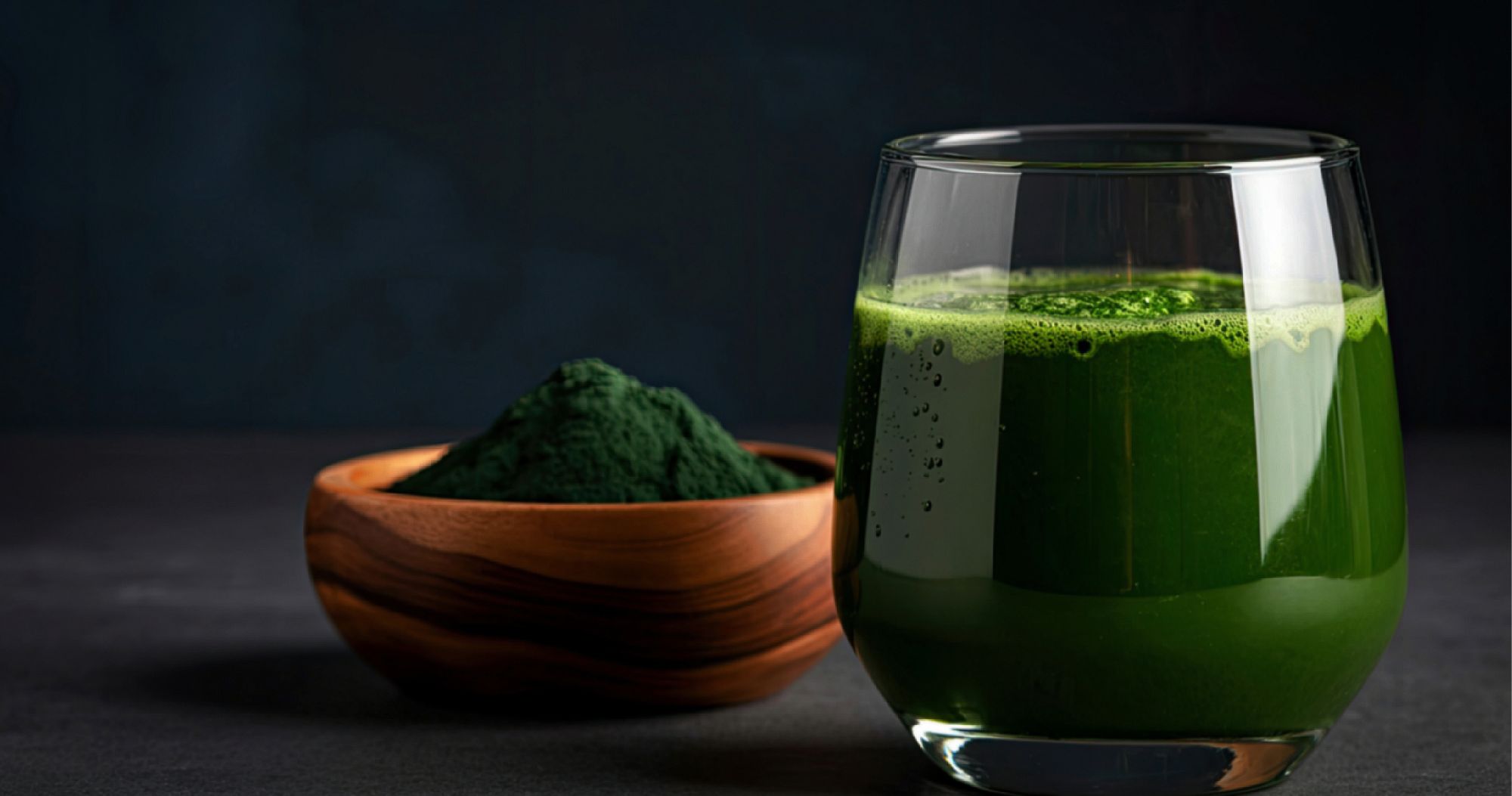
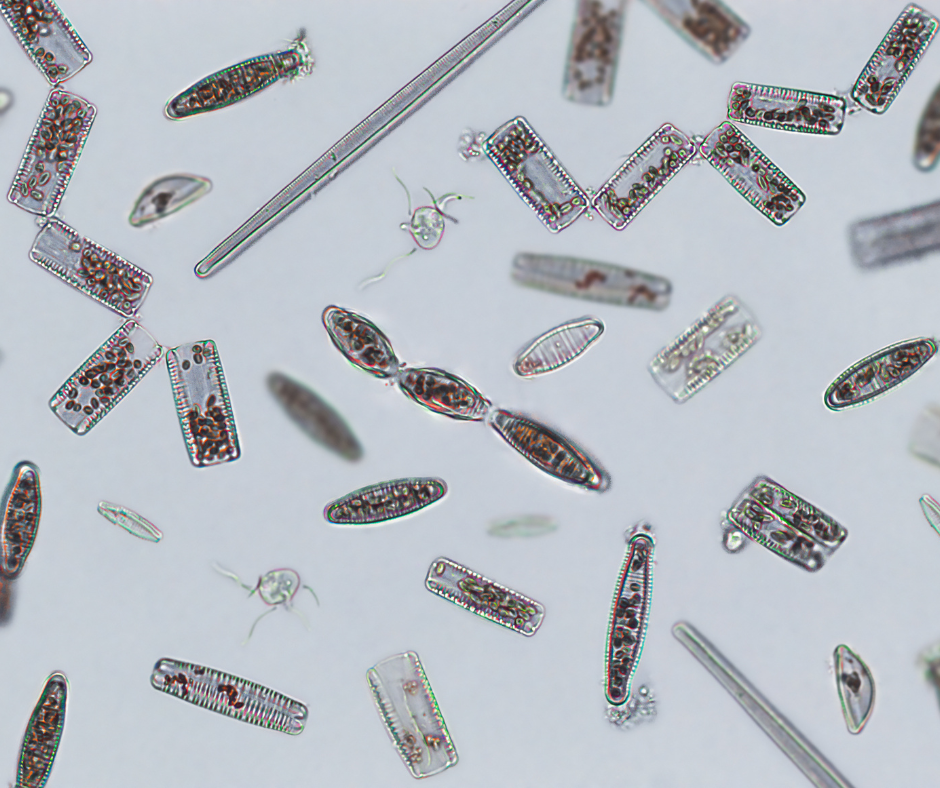
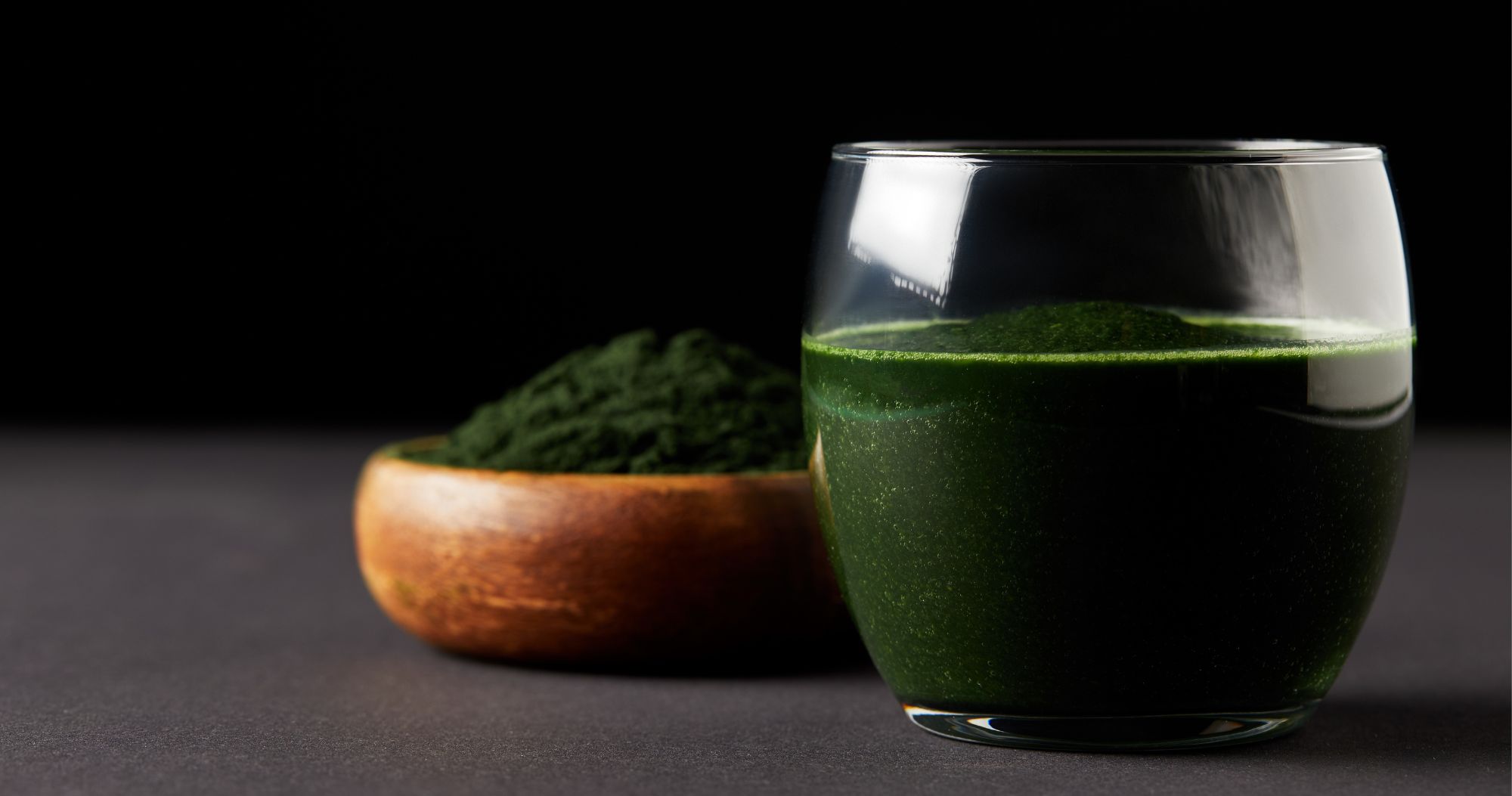
Spirulina (also known as blue-green algae) is gaining attention as a microalgae with a diverse nutritional profile.
In addition to protein, Spirulina contains natural compounds like phycocyanin, along with various vitamins and minerals.
For those with busy schedules, adding Spirulina to your routine can be a way to diversify your nutrient intake alongside your daily diet.
It is important to view Spirulina as part of a healthy lifestyle rather than a quick-fix energy booster.
Related article: What is phycocyanin?
A routine for a more productive afternoon
If you often feel tired in the early afternoon, you can start with these small changes:
- Get enough sleep and maintain a consistent sleep schedule.
- Eat a balanced lunch.
- Stay hydrated throughout the day.
- Get up and move around every 60–90 minutes of work.
- Limit your reliance on coffee.
- Maintain a varied diet with appropriate protein sources.
In this routine, Spirulina can be a nutritional supplement option if it aligns with your individual needs and usage.
Conclusion
Feeling tired around 2 PM is a common phenomenon often linked to several factors, ranging from your circadian rhythm and sleep quality to your lunch choices.
No single food can replace sleep or instantly restore your alertness.
The value of Spirulina does not lie in providing an immediate energy boost, but in its role as a microalgae-based nutrient source that supports a balanced diet and a healthy long-term lifestyle.
This is also how TA Vital approaches its products: providing science-based Spirulina nutrition while encouraging users to build sustainable habits rather than seeking a quick fix.

.png)
.png)





.jpg)





.jpg)

.jpg)



.jpg)


.png)
.png)
.jpg)
.jpg)







.jpg)

.jpg)


.jpg)
.jpg)


.jpg)




.jpg)




.png)





.jpg)



.jpg)