.jpg)
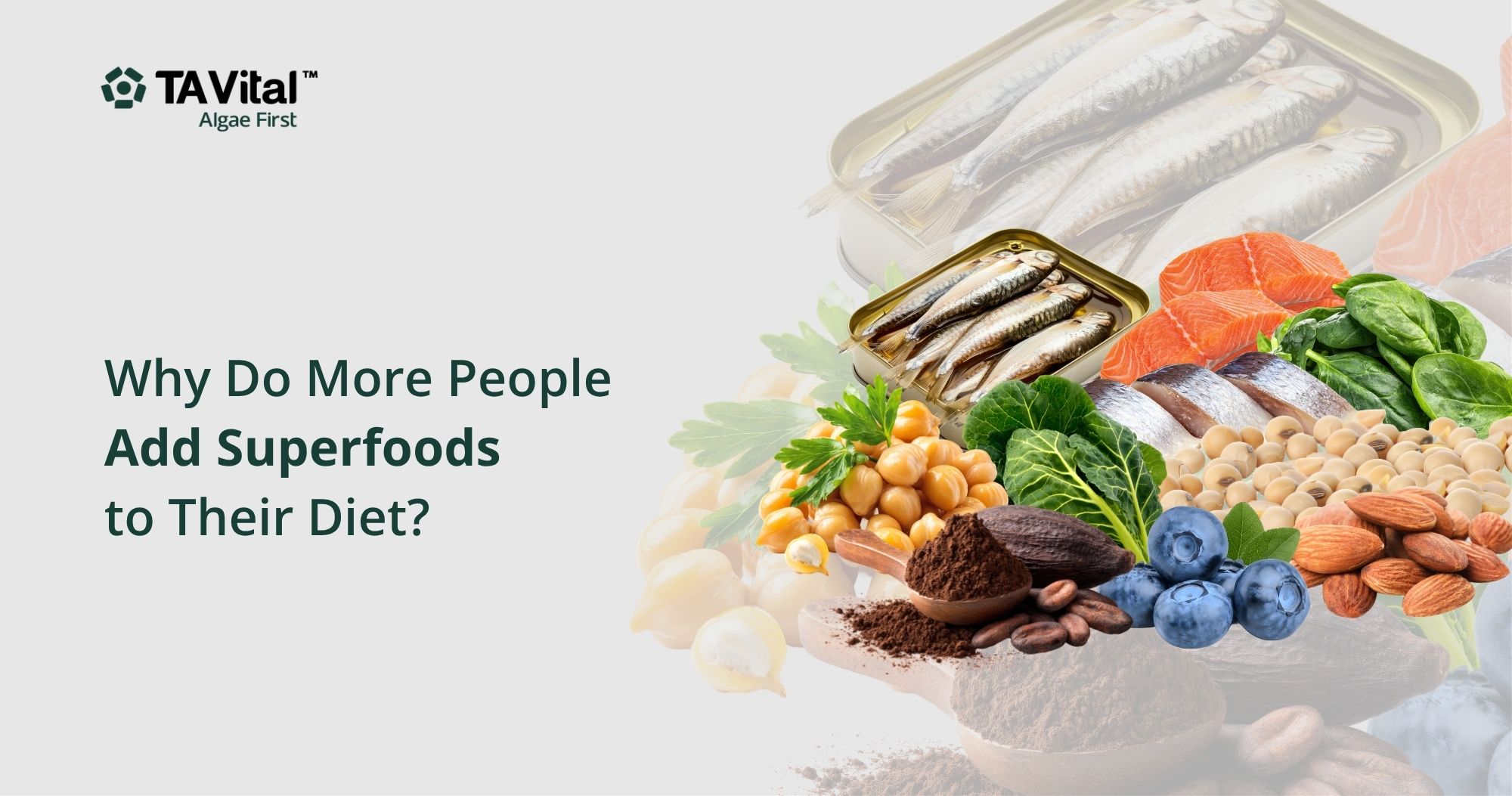
Protein has long been the basis of a healthy diet. But as nutritional trends change, the question is no longer just “eating enough protein”, but “from which source is better to eat protein?”
While meat is still a familiar option, soy is seen as a popular solution for vegans, spirulina is emerging as a “new candidate” with its extremely high nutrient density.
So if you put these three sources of protein on the scales, is Spirulina really superior? Or is each one suited to a different goal? This article will help you to clearly see the overall picture to make a more suitable choice for your diet.
Overview of 3 Common Protein Sources

Before going into a detailed comparison, it should be understood that each protein source has its “own role” in nutrition.
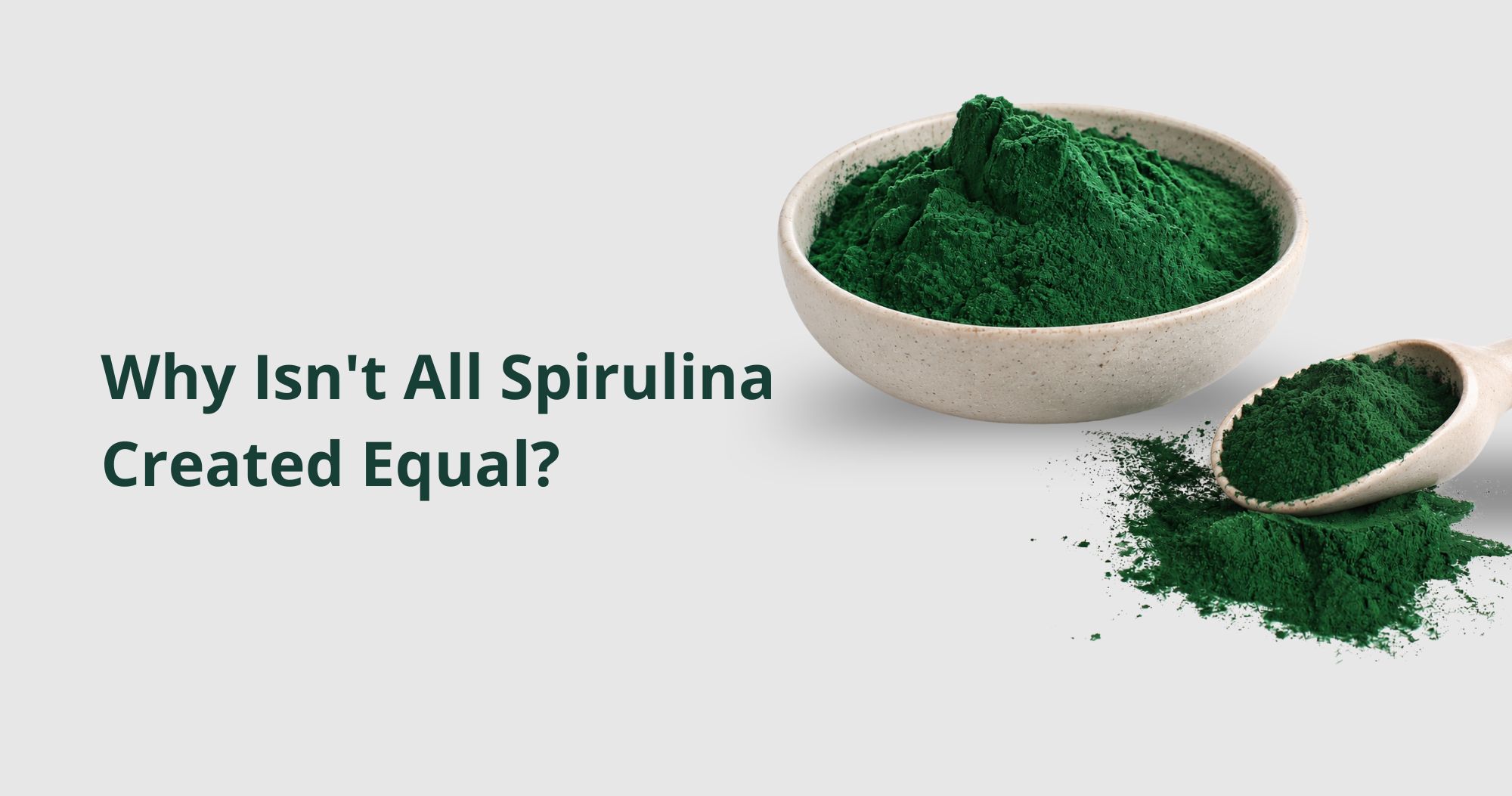
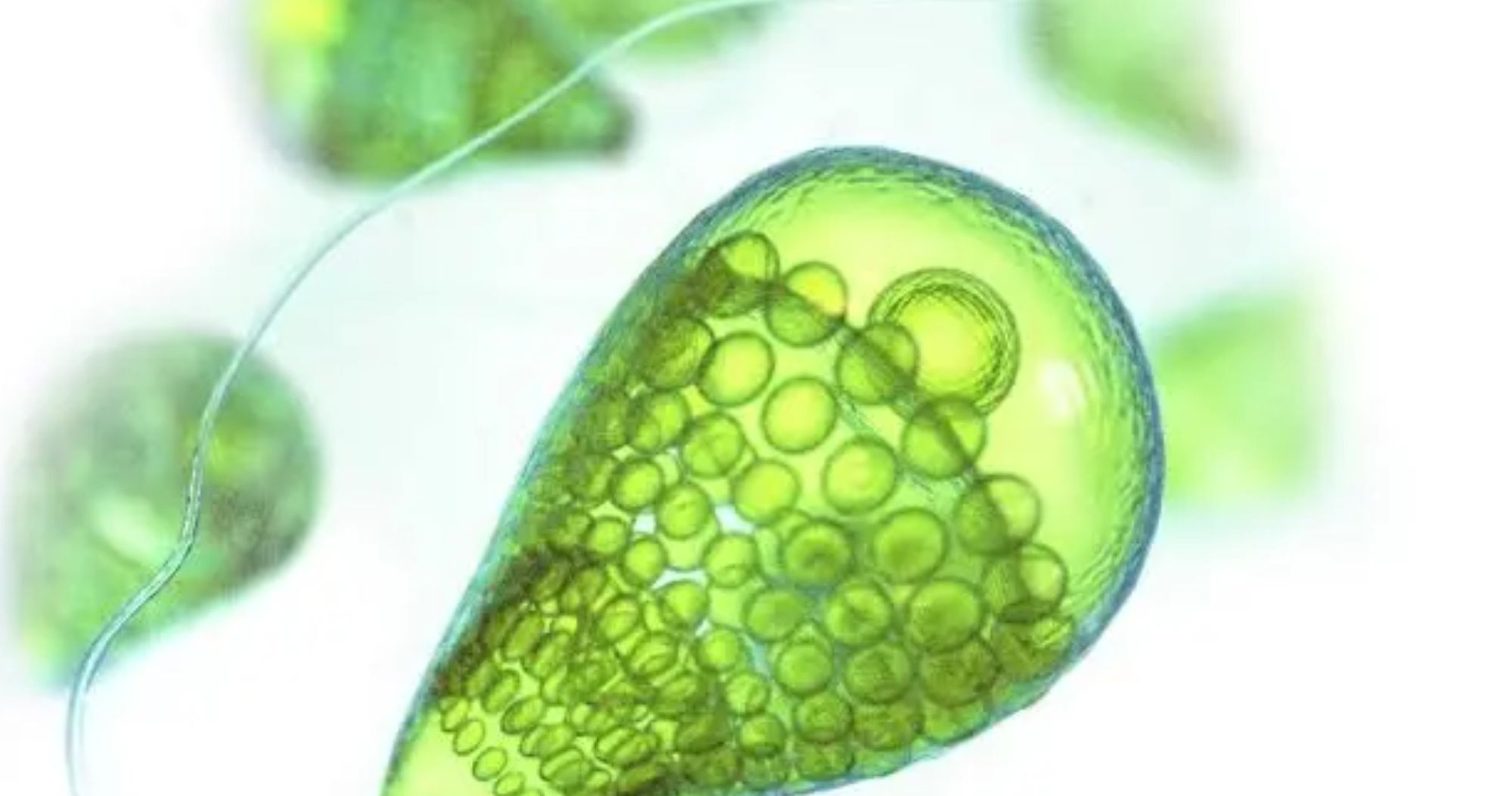
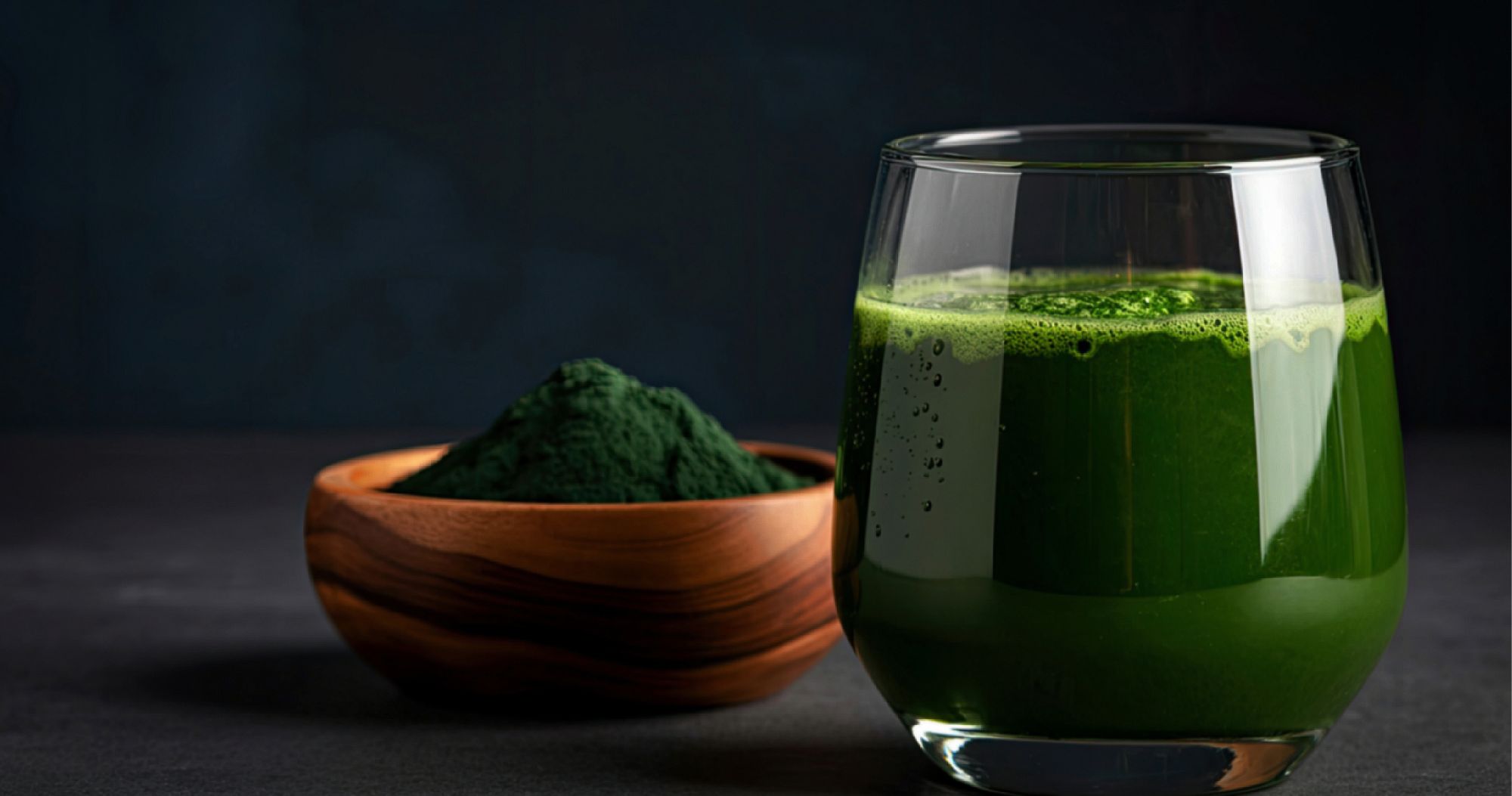
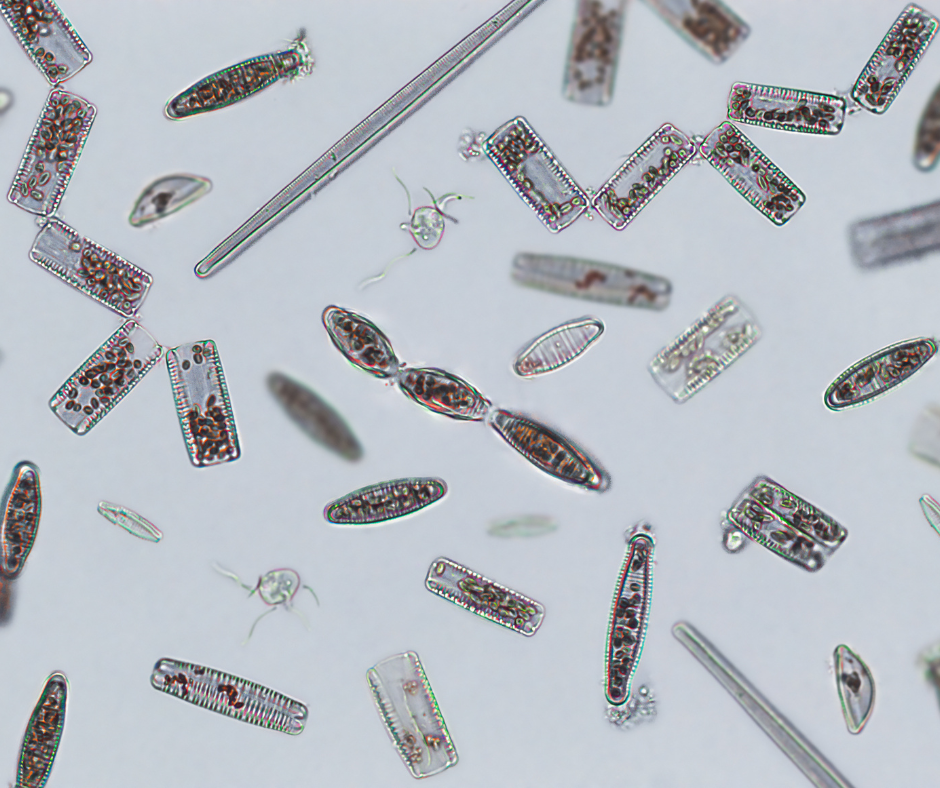
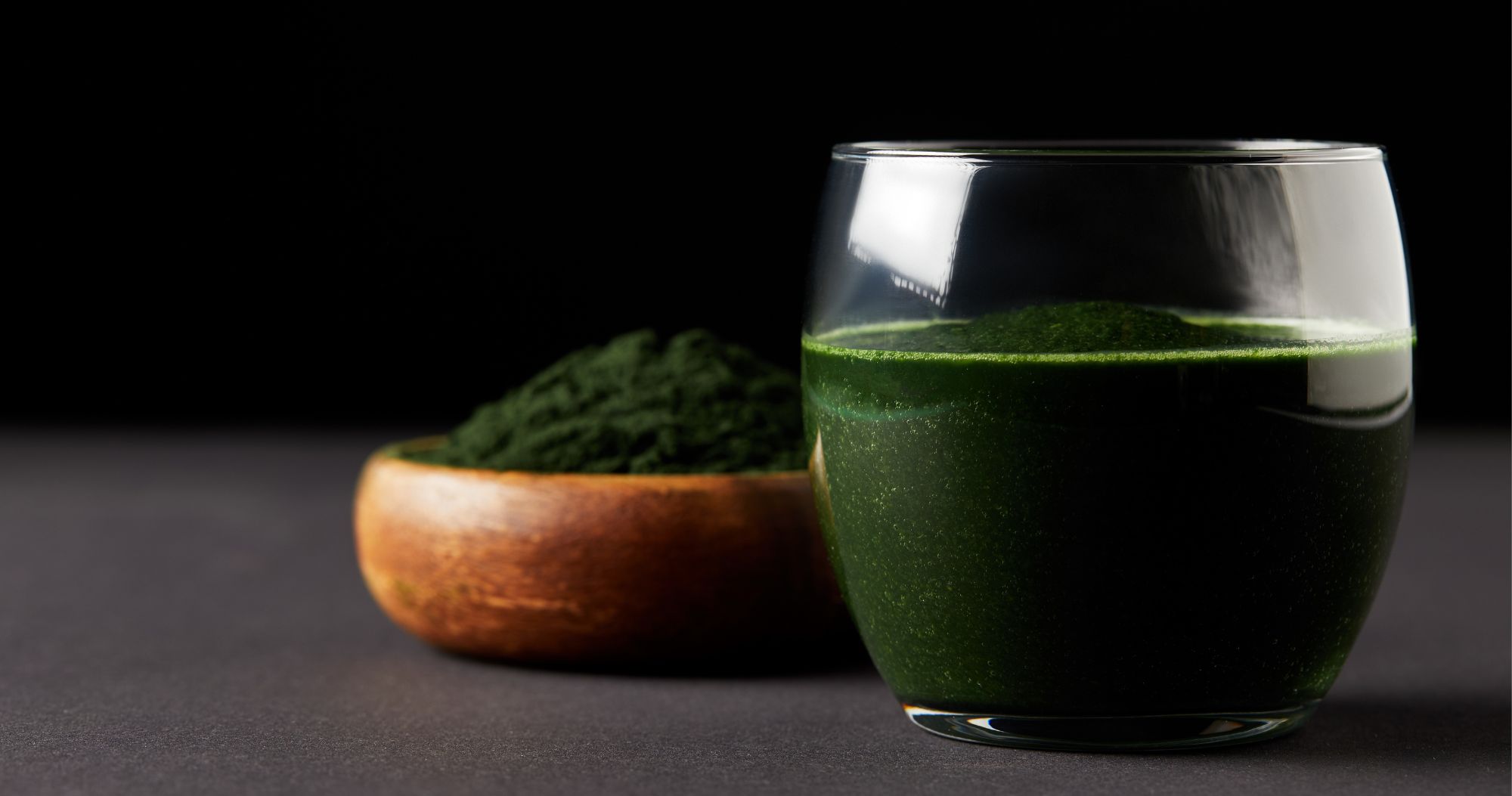
Spirulinais a cyanobacterial microalgae, which stands out for its concentrated nutritional content. Just a small amount already provides significant protein, vitamins and minerals.
Meatis a traditional source of animal protein, familiar in the daily meal. It provides complete protein along with many important micronutrients such as vitamin B12.
Soy beansagain represents the most common group of vegetable proteins, especially in vegetarian diets or healthy eating.
The interesting point is that all three are “good,” but good in very different ways.
Protein Content Comparison: Is Spirulina Really Superior?
When considered on the same dry weight unit, Spirulina is almost “unmatched”.
The protein content of spirulina can reach about 60— 70%, while meat usually ranges from 20— 30% and soy to about 30— 40%.
This means that, if you only look at nutrient density, Spirulina provides significantly higher amounts of protein than the other two sources.
However, there is a point to look more realistically: we do not eat spirulina in large quantities like meat or soy. Spirulina is usually taken only a few grams per day, so the total protein intake will actually be lower.
In other words, Spirulina is “concentrated”, while meat and soy are “abundant in portions”.
Protein Quality Comparison: Are Amino Acids Enough?
Not only the quantity, but also the quality of the protein is an important factor.
Meat is a complete source of protein, that is, it is full of essential amino acids that the body cannot synthesize on its own.
Soy is also considered one of the few almost complete vegetable proteins, so it is often used in vegetarian diets.
Spirulina contains many essential amino acids, but the content of some may be lower than animal protein. However, in its role as a food supplement, Spirulina is still a high-quality source of protein.
The bottom line here is: Spirulina does not necessarily completely replace the main protein, but it is very suitable for “enhancing” the overall nutritional quality.
Comparison of vitamins and minerals
This is where the difference becomes more apparent.
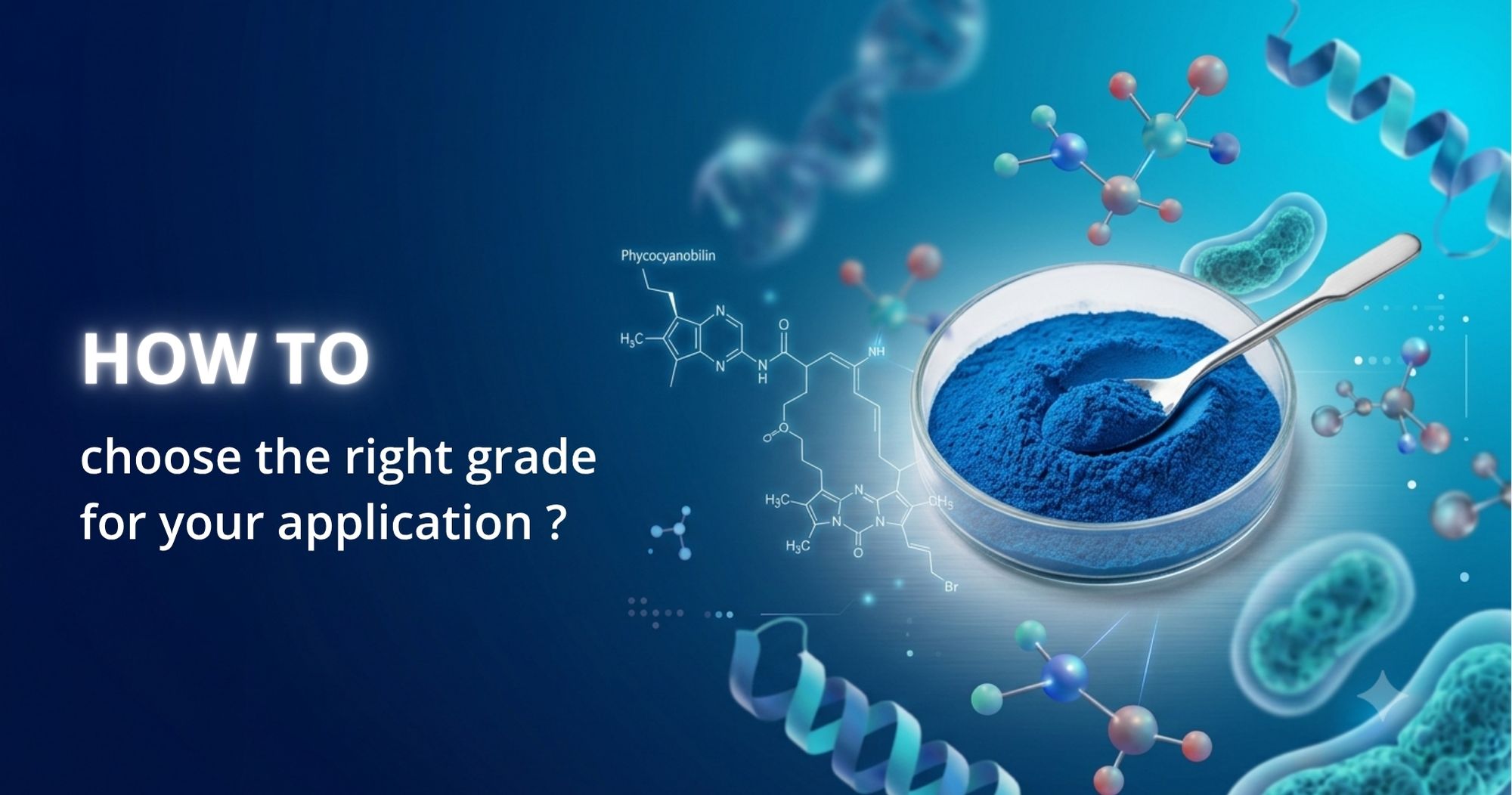
Spirulina stands out for its iron content, B vitamins and especially phycocyanin — an antioxidant that gives it its characteristic blue color. This is an ingredient that you can't find in meat or soy.
Meat has the advantage of vitamin B12 and heme iron, which is more easily absorbed, which is especially important for people with anemia.
Meanwhile, soybeans contain isoflavones — a plant compound that benefits the heart and hormones, especially in women.
Taken as a whole, Spirulina is like a “natural nutritional tablet”, while meat and soy are sources of micronutrients in large portions.
Comparison of absorbability
A little-noticed factor that directly affects nutritional efficiency is absorption.
Spirulina has the advantage of not having a hard cellulose wall, so it can be digested and absorbed by the body relatively easily.
Meat is also well absorbed, but for some people (especially the elderly), the digestion of animal protein can sometimes cause heaviness in the abdomen.
Soybeans, if not processed properly, may contain some compounds that interfere with mineral absorption. However, methods such as fermentation (miso, tempeh) can improve this significantly.
Comparison of the impact on health
Each protein source not only provides nutrition, but also affects health in different ways.
Spirulina is often mentioned for its antioxidant and immune support, thanks to compounds such as phycocyanins. This makes it the right choice for those who want to supplement nutrition and improve their fitness.
Meat helps provide energy and maintain muscle mass, but if consumed in excess, especially red or processed meat, can be associated with several health problems.
Soy is again valued for its cardiovascular support and is suitable for a plant-based diet.
There is no “absolute best” option, only the one that suits your goals.
Sustainability Comparison: Is Spirulina in the Lead?
In the context of the world's increasing concern for the environment, the sustainability factor becomes an important criterion.
Spirulina has the great advantage of requiring very little water, little soil, and being able to grow in a controlled environment. This is why it is often mentioned as a protein source of the future.
In contrast, animal husbandry for meat production consumes a lot of resources and generates significant emissions.
Soy is located at an intermediate level. Even though it is a plant, large-scale cultivation can still affect the environment if it is not well managed.
In terms of the long term, Spirulina is clearly a remarkable option.
Can spirulina replace meat and soy?
The short answer is: non completamente.
Spirulina is not designed to completely replace traditional protein sources. Instead, it works better as a “complementary piece”, which increases the nutrient density of the diet.
You still need protein from major foods like meat or soy, but adding Spirulina can help improve overall nutritional quality significantly.
Which protein source should I choose?
The choice depends a lot on personal goals.
If you need to gain muscle or do a lot of physical activity, meat is still an effective source of protein.
If you follow a vegetarian diet, soy is a versatile and accessible option.
And if you want a fast, compact and micronutrient-rich nutritional supplement, Spirulina is a good choice.
In fact, the smartest approach is not to “pick one,” but to combine diversity.
Conclusion
Each protein source has its own value and cannot be completely replaced.
Spirulina stands out for its high nutrient density and sustainable potential. Meat provides complete protein and energy. Soy, on the other hand, is a versatile option for a plant-based diet.
Instead of looking for the “best source”, it is more important to build a balanced, varied and tailored diet to the needs of the body.
And in that picture, Spirulina may not be central, but certainly a very worthwhile piece.

.png)
.png)


.jpg)



.jpg)
.jpg)


.jpg)


.png)
.png)
.jpg)
.jpg)





.jpg)

.jpg)


.jpg)


.jpg)



.jpg)




.png)





.jpg)



.jpg)