In recent years, protein has become one of the most discussed topics in nutrition. Beyond its presence in athletes' diets, protein is also a key focus in recommendations for adults, seniors, vegetarians, and those aiming to maintain a healthy lifestyle.
This shift reflects a general trend in modern nutrition. Instead of solely focusing on daily calorie intake, many studies are now concentrating more on the quality of the diet, with protein being one of the critically important factors.
So, what makes protein an almost ubiquitous component in all recommended diets today?
What is Protein?
Protein is one of the three macronutrients, alongside carbohydrates and fats. The body uses protein to build many important structures and components such as muscles, skin, enzymes, hormones, and antibodies.
Structurally, protein is formed from amino acids. Approximately 20 types of amino acids are involved in protein synthesis, including 9 essential amino acids that the body cannot produce on its own and must obtain through food.
This means protein is not merely a nutrient source, but also the raw material the body uses to sustain numerous daily physiological activities.
What is Spirulina?
Protein's role in the body extends beyond muscle development
When protein is mentioned, many people immediately think of muscle gain or athletic support. In reality, this is just one of protein's many functions.
Protein is involved in the formation and maintenance of most tissues in the body. Enzymes that aid food digestion, many hormones that regulate physiological activities, and immune system antibodies are all composed of protein.
Furthermore, protein plays a role in tissue repair after exercise, replacing old cells, and helping maintain muscle mass as we age.
Because it participates in so many different functions, protein intake is always considered a crucial part of a balanced diet.
Why is protein gaining increasing attention in modern nutrition?
For many years, nutritional discussions primarily revolved around fats or carbohydrates. However, as our understanding of metabolism and health has become more comprehensive, the focus has gradually shifted.
Today, many nutrition experts don't just ask " how much to eat?" but also care about " "what to eat to meet the body's nutritional needs?"
Protein has become a focus for several reasons:
- Contributes to maintaining muscle mass during aging.
- Supports post-exercise recovery.
- Participates in numerous metabolic processes.
- Is an essential component in the diets of various groups.
Notably, this interest extends beyond the health sector, appearing also in the food, nutrition, and biotechnology industries. Businesses and research organizations are actively seeking new protein sources to meet growing consumer demand and move towards more sustainable food systems.

Not all protein sources are created equal
Protein can be sourced from a variety of foods.
Animal protein sources include meat, fish, eggs, and dairy. Meanwhile, plant protein can come from legumes, grains, nuts, and microalgae.
Each protein source has unique characteristics regarding its amino acid profile, digestibility, and accompanying nutrients.
For example, legumes often come with fiber. Nuts provide additional unsaturated fats. Some protein sources from microalgae also contain natural pigments and various other micronutrients.
Therefore, when evaluating a protein source, it's important not only to consider its protein content but also the overall nutritional value of the food.
Is protein important?
Plant-based protein is becoming a new trend
In recent years, the demand for plant-based protein has significantly increased.
This shift stems from various factors, including a trend towards more balanced eating, growing concern for food sustainability, and a desire to diversify nutritional sources.
Plant-based protein is not intended to completely replace animal protein. Instead, many experts recommend incorporating a variety of protein sources into the diet to ensure the body receives all necessary nutrients.
This is also why an increasing number of new ingredients are being researched and applied in the food industry, including microalgae.
How is Spirulina viewed in the plant protein category?
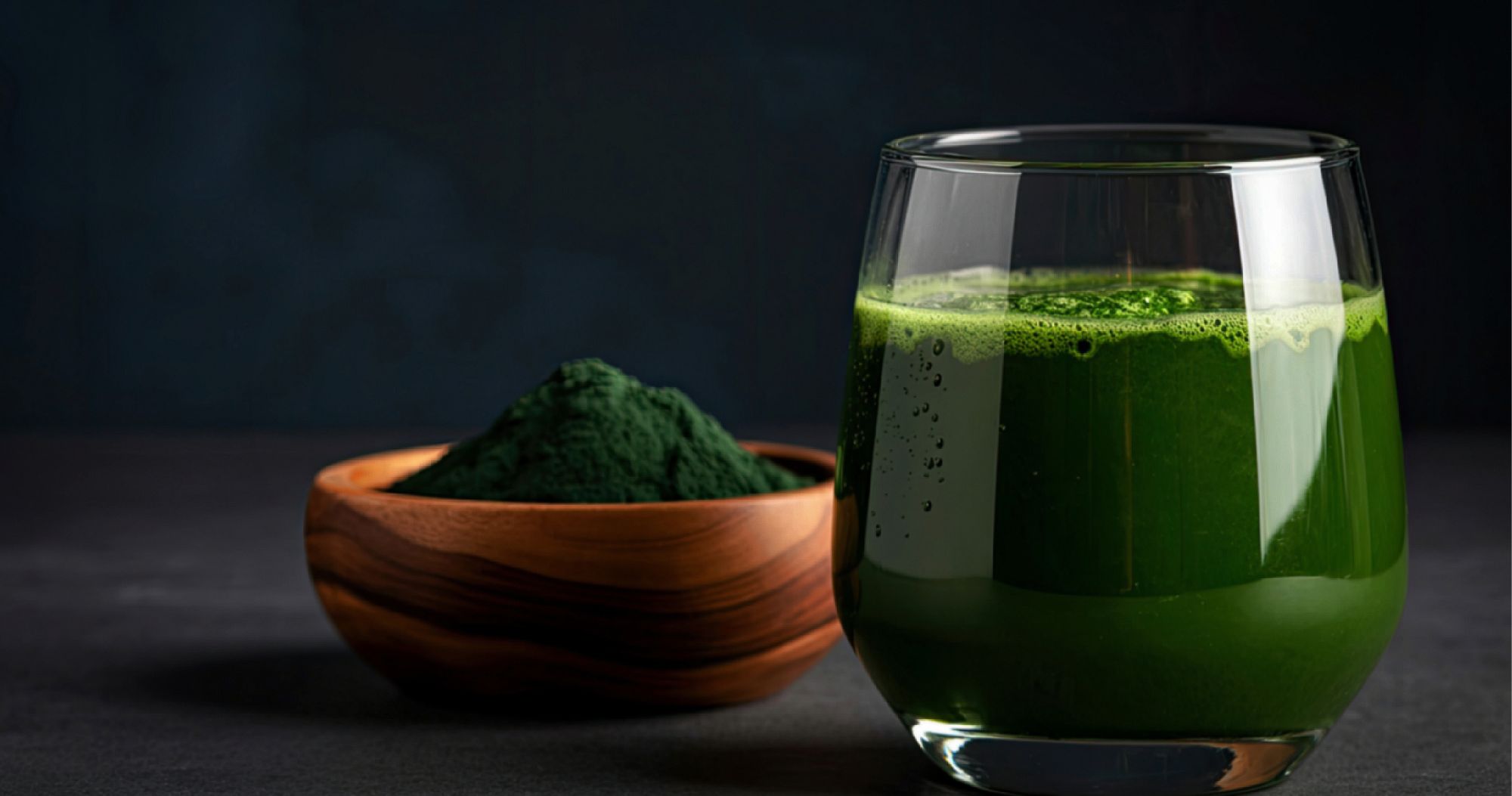
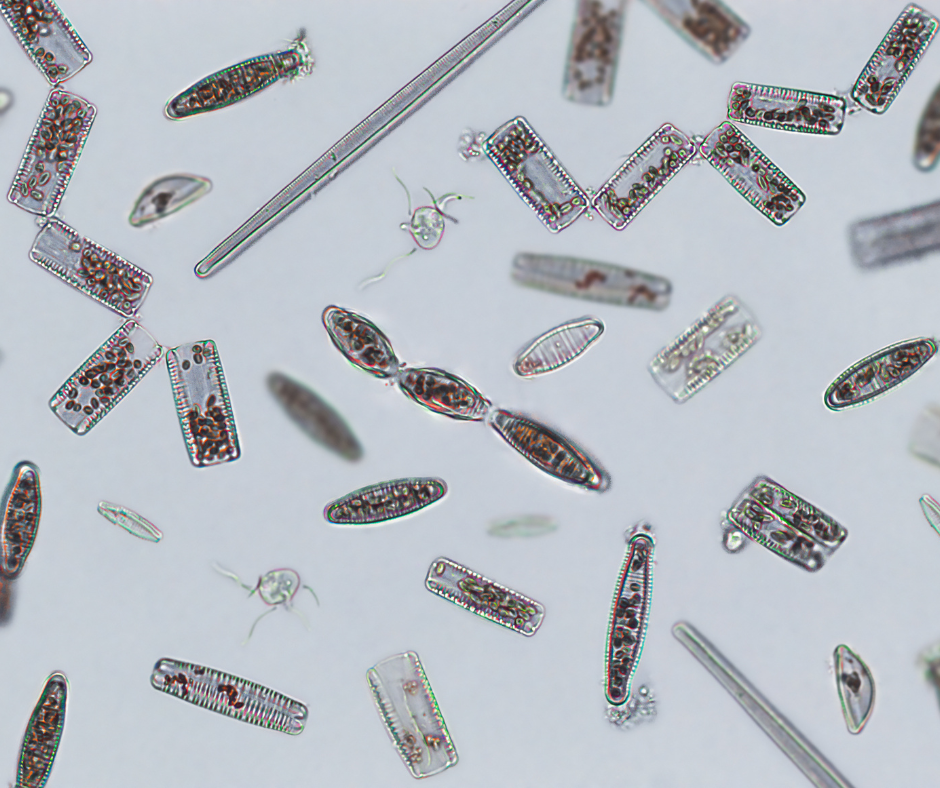
Spirulina is a type of microalgae that has been researched and used in food for many years.
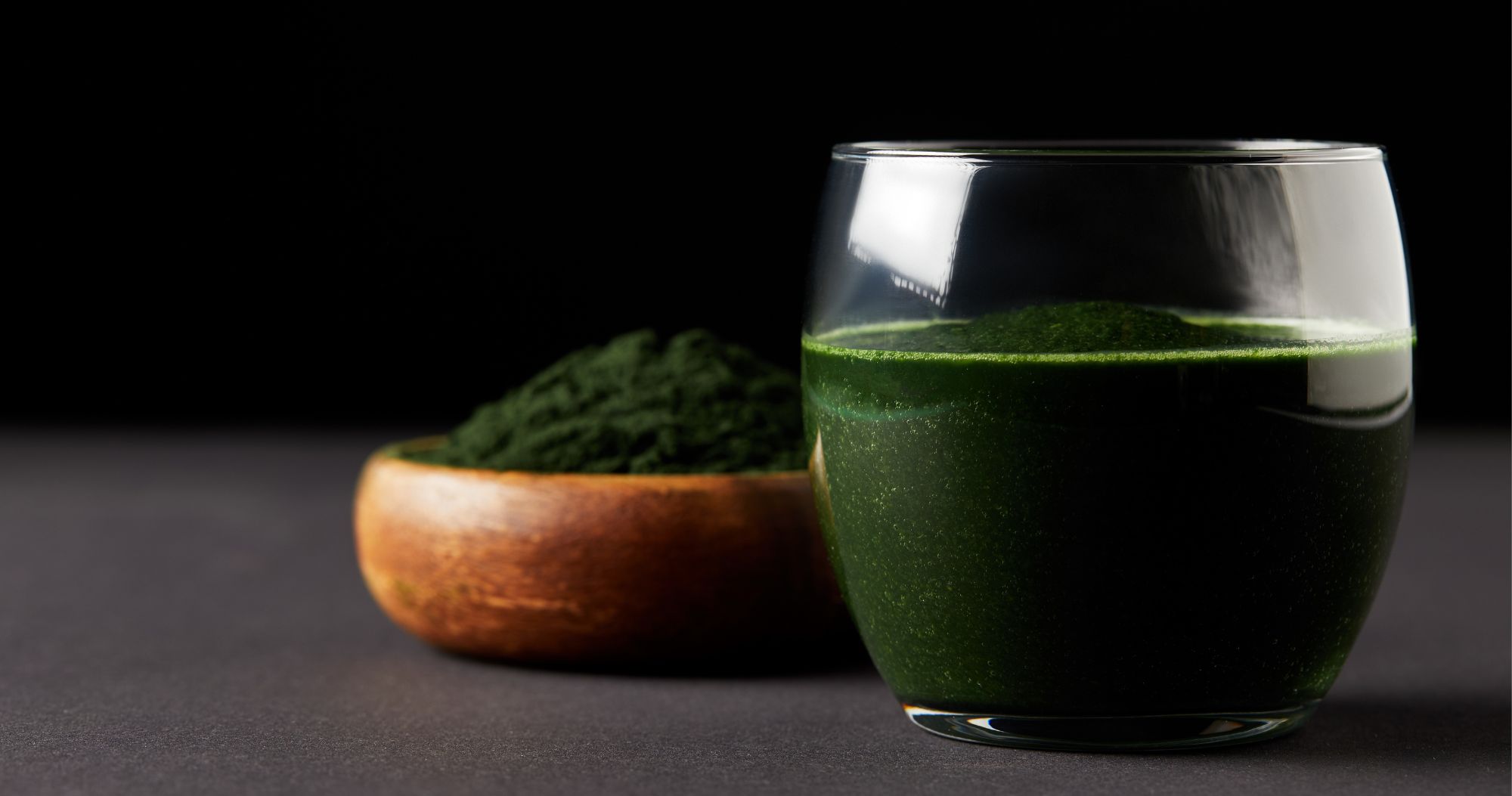
One of Spirulina's notable characteristics is its relatively high protein content compared to many other plant sources when measured on a dry weight basis. In addition to protein, Spirulina also contains numerous natural compounds such as phycocyanin pigment, vitamins, and minerals.
Therefore, Spirulina is not only studied as a dietary supplement but is also applied in the food and beverage industry as a nutrient-rich ingredient.
However, like other food sources, Spirulina should not be considered the sole solution for protein supplementation. A diverse diet remains an important foundation for meeting the body's nutritional needs.
What's special about protein from Spirulina?
.png)
Who should pay attention to their protein intake?
Protein is an essential nutrient for all ages. However, certain groups are often advised to pay closer attention to their daily protein intake, including:
- Individuals who exercise or train regularly.
- Older adults looking to maintain muscle mass.
- Vegetarians or those who consume little animal-based food.
- Individuals needing recovery after exercise or after periods of intense work.
Choosing appropriate protein sources should be based on individual needs, overall diet, and lifestyle, rather than focusing on a single food type.
It's not about consuming excessive protein
Protein plays an important role, but that doesn't mean more is always better.
A balanced diet requires a combination of protein, carbohydrates, fats, vitamins, minerals, and fiber. Additionally, distributing protein appropriately across meals is considered a factor in optimizing nutritional intake.
Instead of searching for a "perfect" food, the current trend is to build a diverse diet with various protein sources to meet the body's needs at each stage.
Conclusion
Protein is not just a nutrient for athletes; it's involved in many important bodily functions. From tissue formation and muscle mass maintenance to the activity of enzymes, hormones, and the immune system, protein plays a specific role in all.
As nutritional science continues to advance, the focus is no longer solely on the quantity of protein consumed, but also on the quality of protein sources and how they are incorporated into the daily diet.
Beyond familiar protein sources, ingredients like Spirulina are opening up more options to diversify nutritional intake. This is also a direction of research and development that many businesses in the biotechnology and food sector, including TA Vital, are pursuing to deliver valuable nutritional solutions derived from microalgae.

.png)
.png)




.jpg)






.jpg)
.jpg)



.jpg)


.png)
.png)
.jpg)
.jpg)





.jpg)

.jpg)


.jpg)
.jpg)


.jpg)




.jpg)




.png)





.jpg)



.jpg)