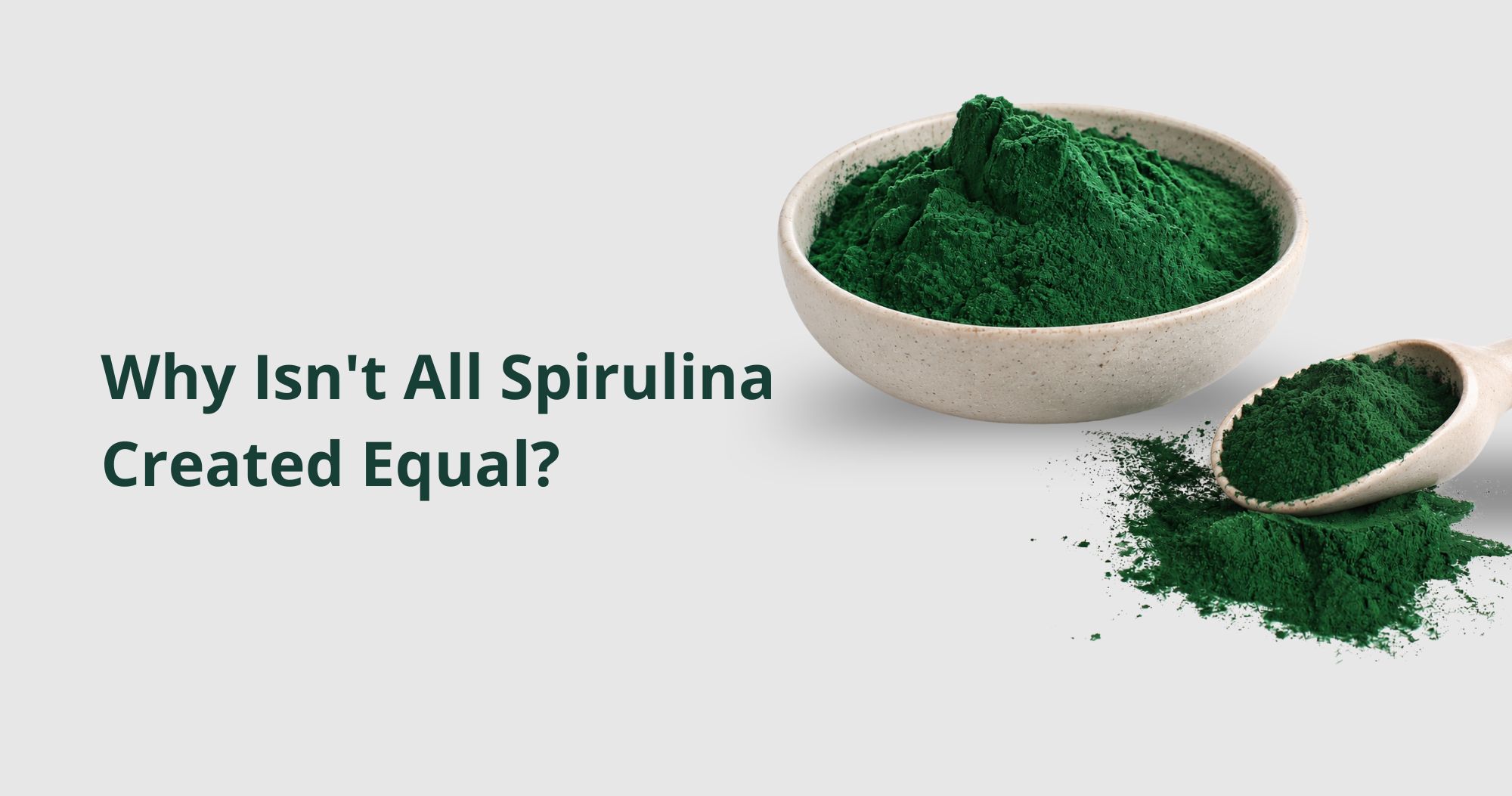
As consumer trends increasingly shift toward healthy, natural, and sustainable products, protein-rich ingredients have become essential in the food, beverage, and supplement industries. While Whey Protein Isolate is renowned for its high protein content, Spirulina powder is gaining significant attention from manufacturers for its ability to provide value that extends far beyond a simple protein source.
So, when developing new products, should businesses focus solely on protein percentage, or should they evaluate the overall value an ingredient can offer?
Protein content: Only part of the picture
If we look strictly at protein percentage, Whey Protein Isolate clearly has the advantage. According to the USDA, Whey Protein Isolate typically contains over 90% protein, whereas dried Spirulina contains approximately 60–70% protein by dry weight, depending on cultivation conditions and processing methods.
However, in research and development (R&D), protein content is not the only factor that determines an ingredient's value. An ingredient with a lower protein percentage can still offer greater economic efficiency and application value if it simultaneously meets multiple objectives within a single formulation.
Spirulina – More than just a protein source

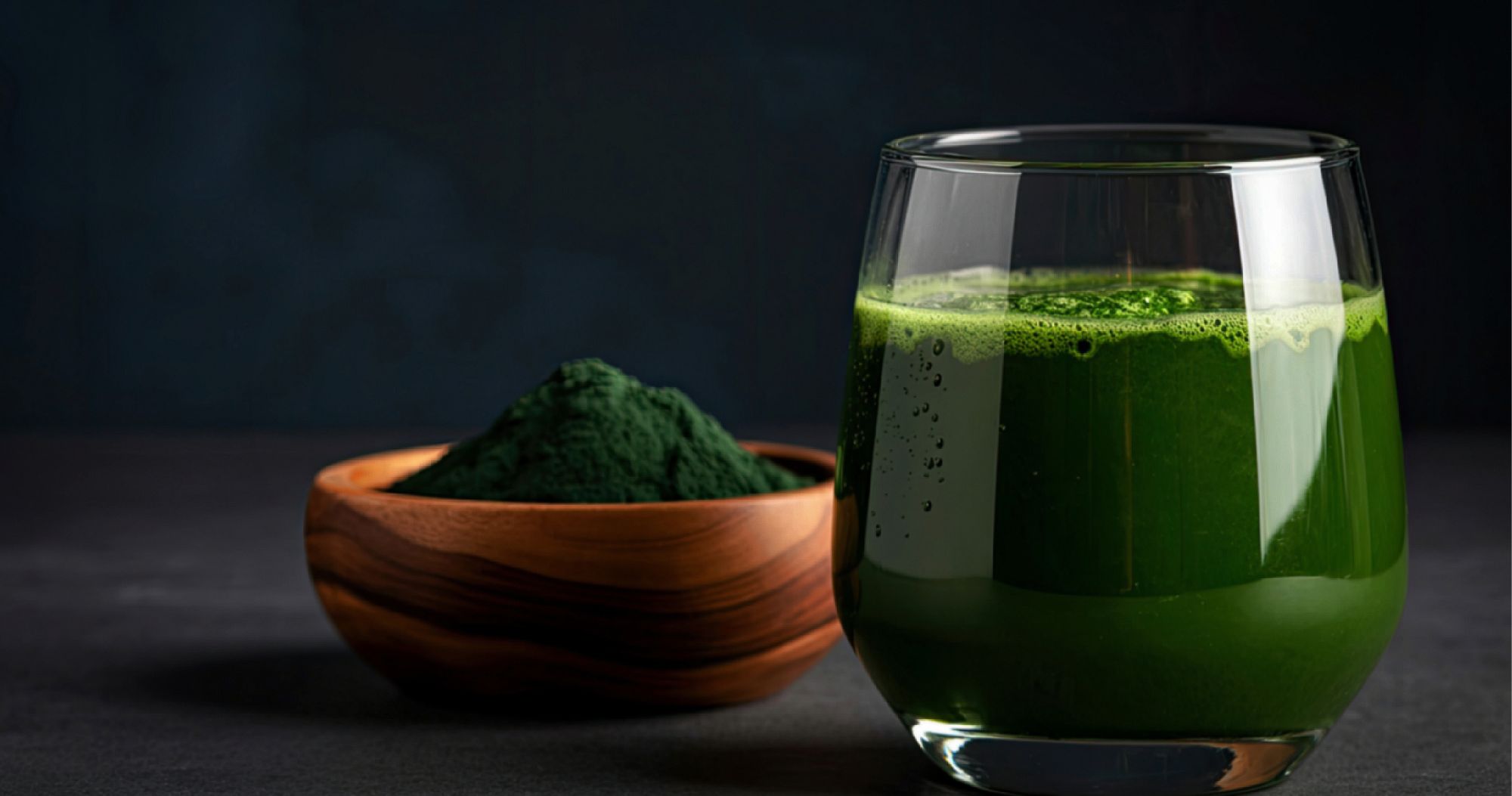
The biggest differentiator for Spirulina is that it is not just a protein-rich ingredient, but a multifunctional one. Beyond its 60–70% protein content, Spirulina contains numerous natural compounds that are valuable for both nutrition and food technology.
It can be said that, in addition to protein, Spirulina offers many other benefits, such as:
- Natural pigments.
- Antioxidant compounds.
- Essential vitamins and minerals.
- Sustainable value in product development.
It is this combination that has helped Spirulina become an increasingly widely used ingredient in the food and supplement industries.
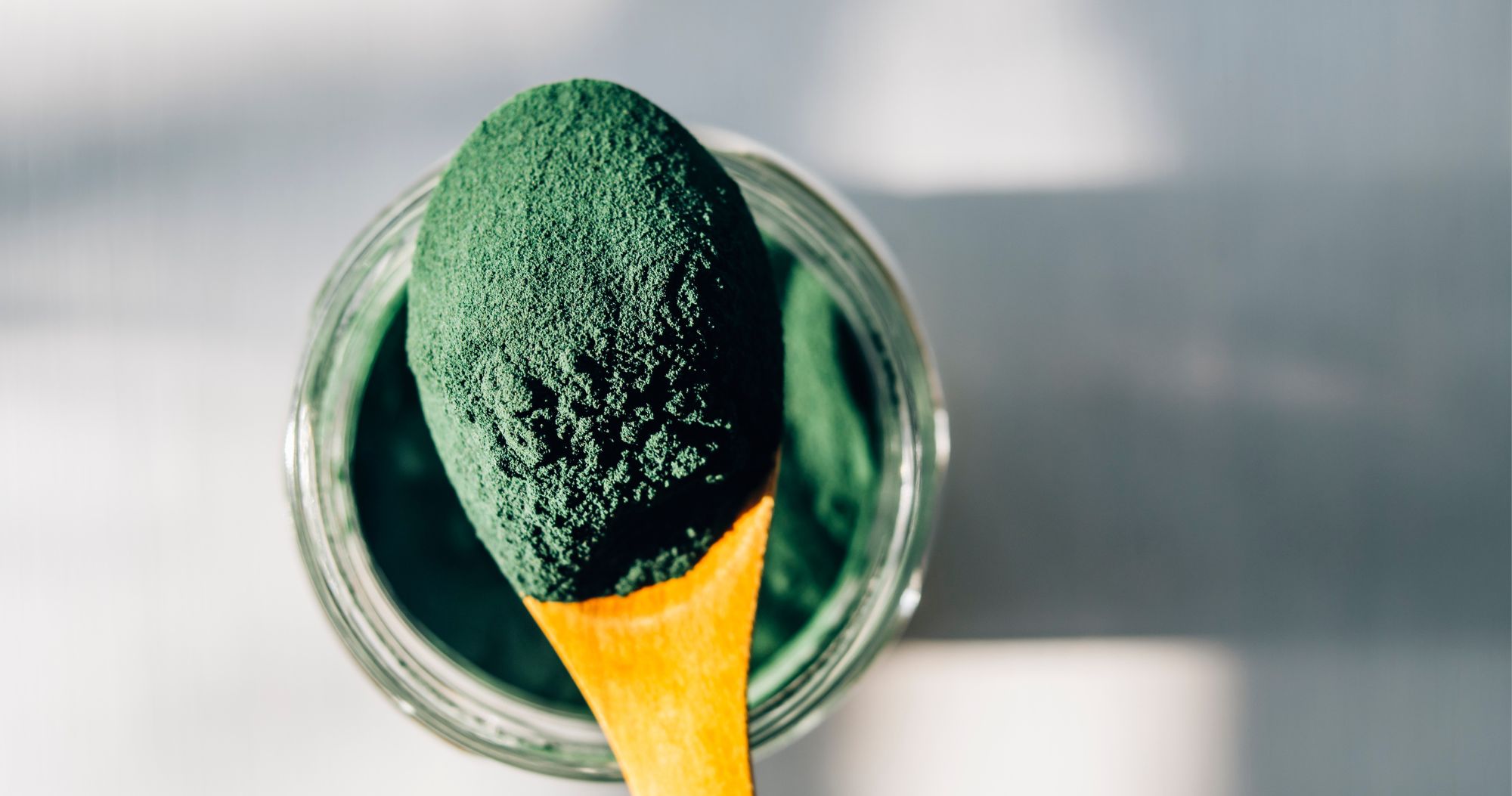
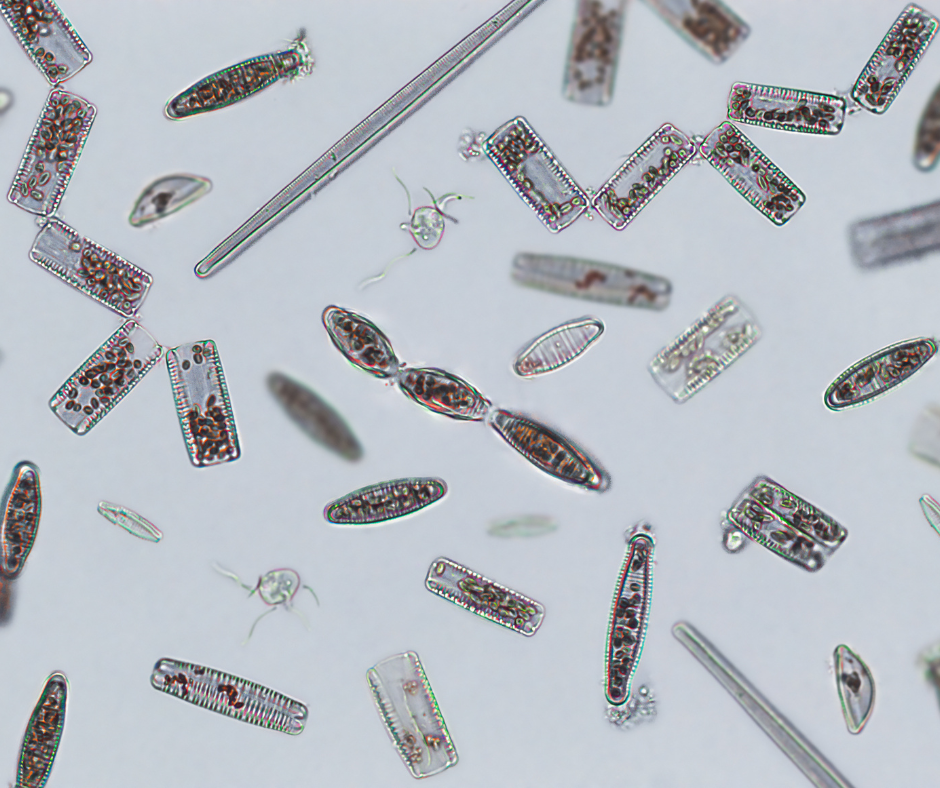
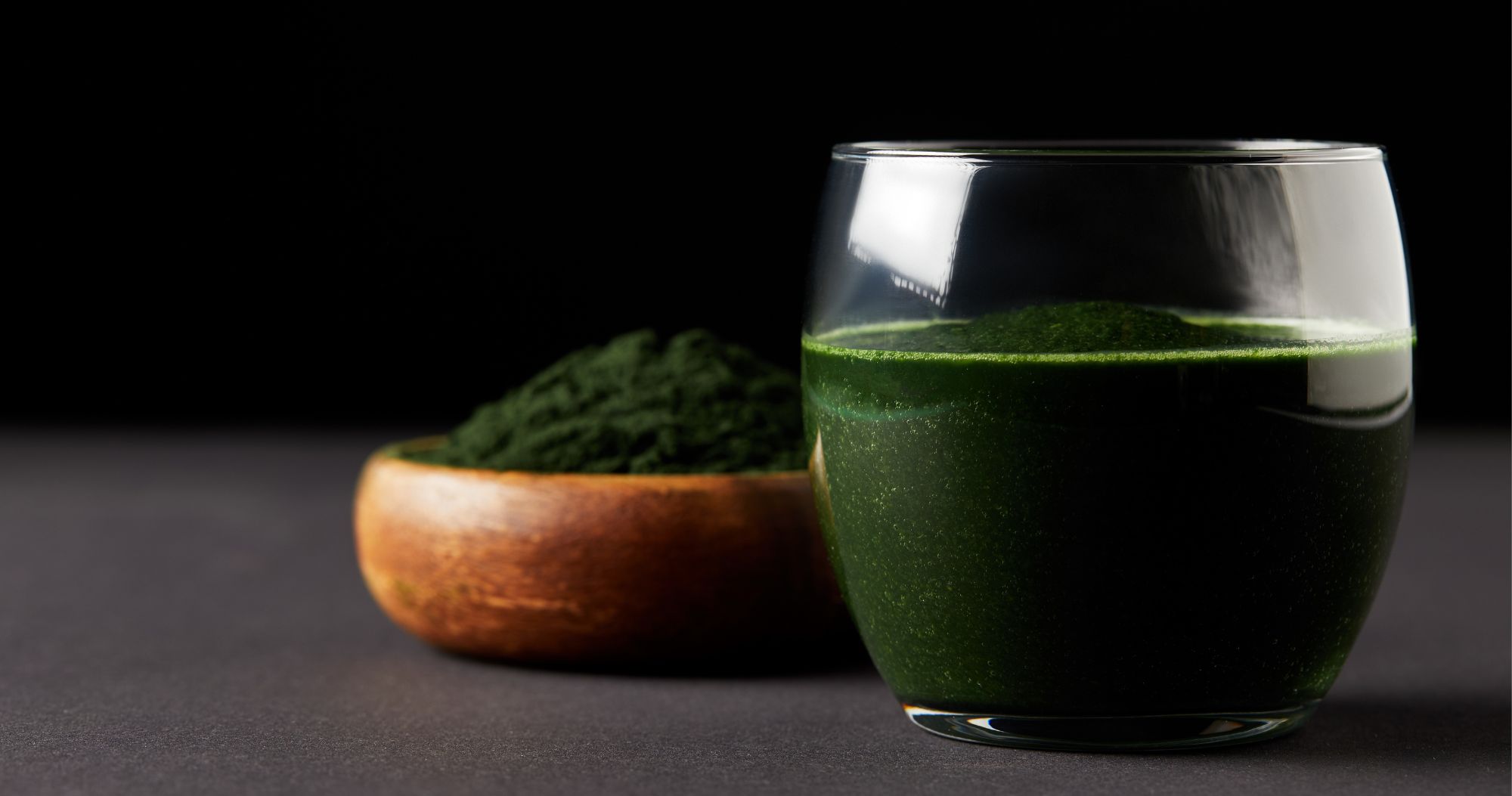
What is spirulina
Spirulina and Whey Protein: Two ingredients serving different goals
In reality, Spirulina and Whey Protein are not direct competitors; rather, they serve different product development goals.
Whey Protein Isolate is typically chosen for products aimed at maximizing protein content, such as protein shakes, foods for athletes, or sports nutrition products. In these cases, the primary goal is to provide the highest possible amount of protein.
Meanwhile, Spirulina is the choice for businesses looking to create products that offer multiple benefits from a single ingredient. Beyond protein supplementation, Spirulina contributes natural color, provides antioxidant compounds, boosts nutritional value, and supports the growing trend toward natural, plant-based ingredients.
Therefore, instead of asking "which ingredient has more protein," businesses are increasingly focused on the question "which ingredient creates more value for the final product."
Why are more and more businesses choosing Spirulina?
The global food market is undergoing a significant shift in consumer behavior. Consumers are no longer just looking for nutritious products; they are also concerned about natural ingredients, sourcing, and environmental impact.
In this context, Spirulina addresses multiple market trends simultaneously. It is a natural source of protein that aligns with clean-label product lines, while also helping businesses reduce their reliance on synthetic colors thanks to its inherent natural pigments.
Furthermore, Spirulina is considered a sustainable ingredient due to its high cultivation efficiency and ability to produce large amounts of biomass on a relatively small footprint. This helps brands build a narrative around sustainability and enhance their brand value in the eyes of consumers.
Beyond its nutritional value, Spirulina helps differentiate products in an increasingly competitive market.
Applications of Spirulina in the food and supplement industry
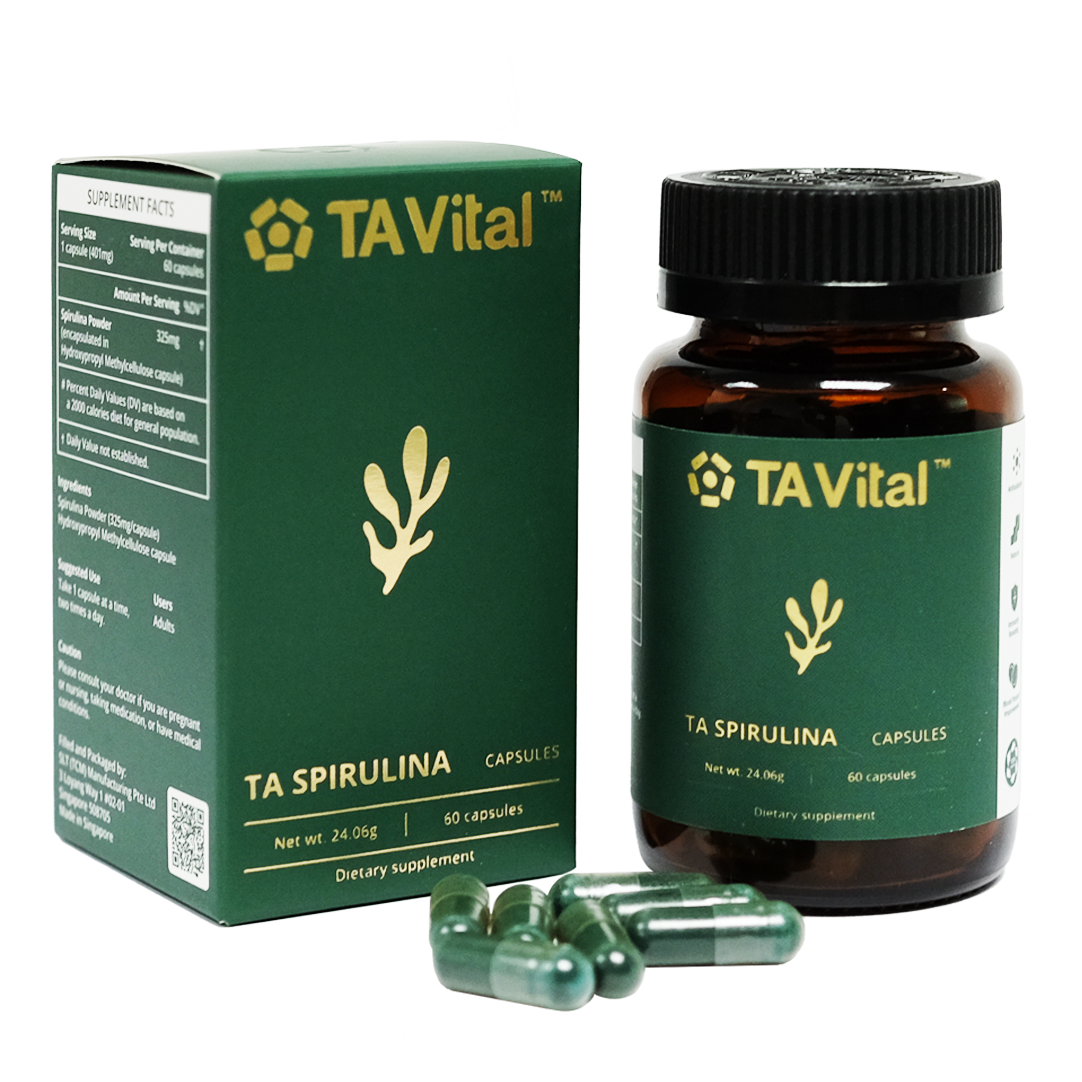
Thanks to its multifunctionality, Spirulina is now used across various sectors. It is an ideal ingredient for businesses developing functional foods, nutritional beverages, dietary supplements, protein bars, smoothies, baked goods, and plant-based products.
Its ability to provide protein, improve natural color, and boost nutritional value makes Spirulina easy to integrate into various formulations while meeting the rising demands of modern consumers.
For manufacturers, using a multi-functional ingredient in a single formulation also helps optimize product development and creates a competitive advantage in the market.
Choosing the right ingredient for product development
There is no single "best" ingredient for every situation. The choice between Spirulina and Whey Protein should be based on the specific goals of each product.
If the goal is to maximize protein content, Whey Protein Isolate remains the appropriate choice. However, if a business needs an ingredient that offers multiple benefits at once—such as protein supplementation, natural coloring, antioxidant properties, micronutrient enrichment, and alignment with sustainability trends—Spirulina is a solution worth considering.
For manufacturers, the critical question is no longer which ingredient has the highest protein percentage, but which ingredient can create the most value for the final product.
.png)
.png)


.jpg)



.jpg)
.jpg)


.jpg)


.png)
.png)
.jpg)
.jpg)





.jpg)

.jpg)


.jpg)
.jpg)


.jpg)




.jpg)




.png)





.jpg)



.jpg)