When self-care is more than just skincare
Self-care today is no longer wrapped up in masks, serums or weekend spas. For many people, self-care has shifted to a broader concept: holistic care from the physical and mental to the daily rhythm of life.
You can get enough sleep, exercise regularly, meditate or journaling every morning. But if the body lacks basic nutrition, any other self-care routine is difficult to fully work. This is why foods with a high density of micronutrients such as spirulina are starting to appear in many people's self-care routines.
What is Spirulina and why is it related to self-care?
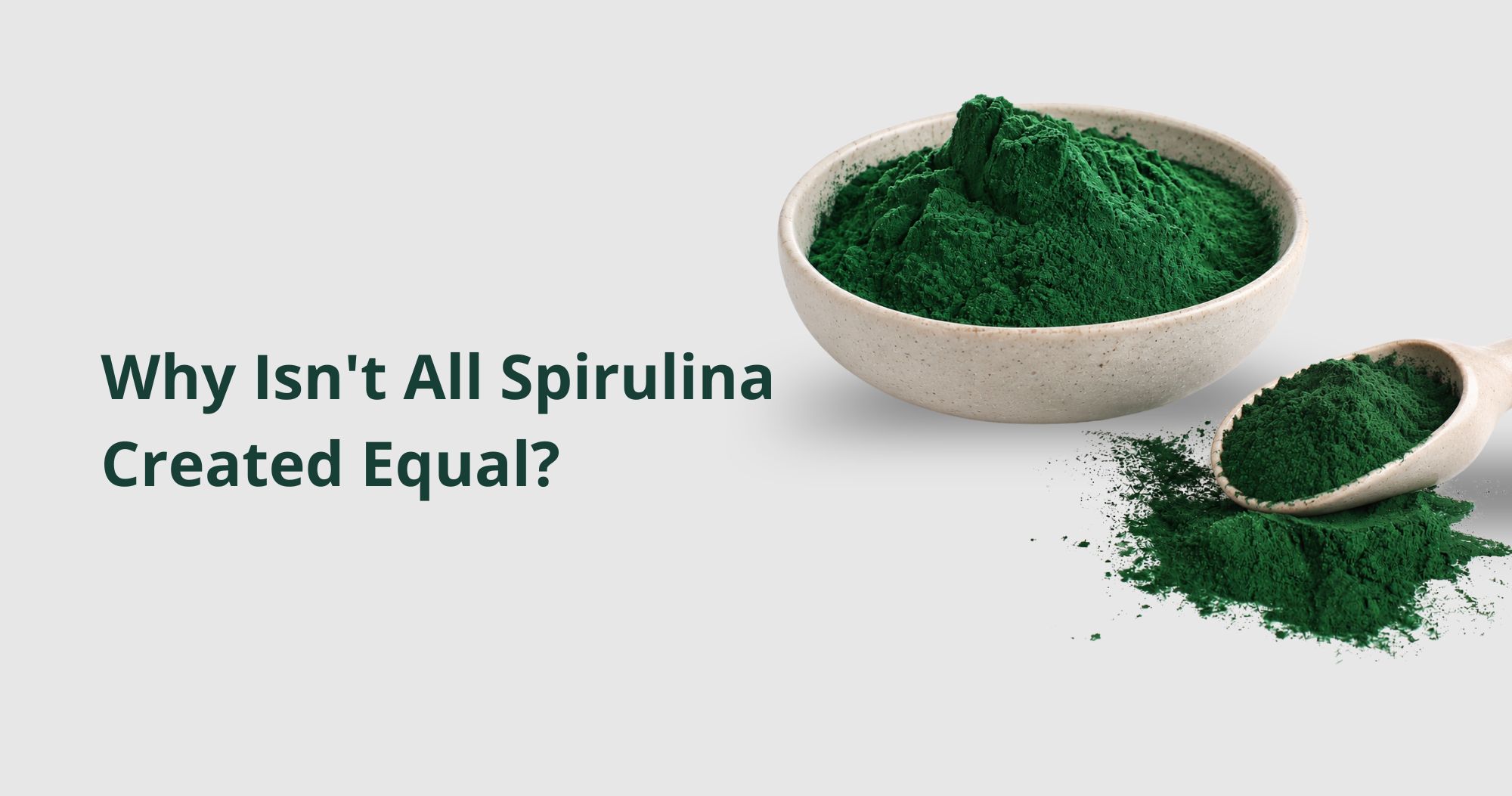
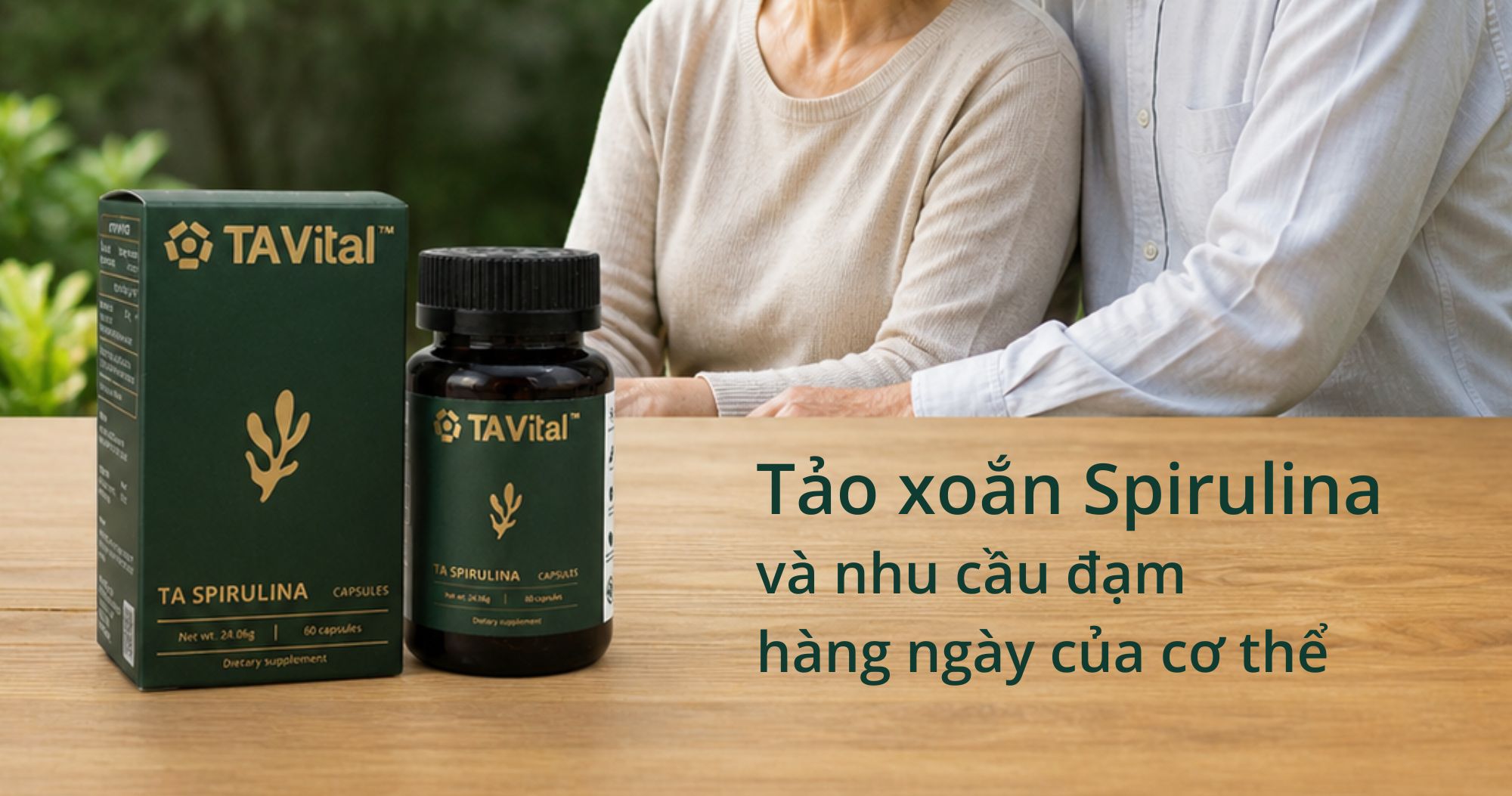
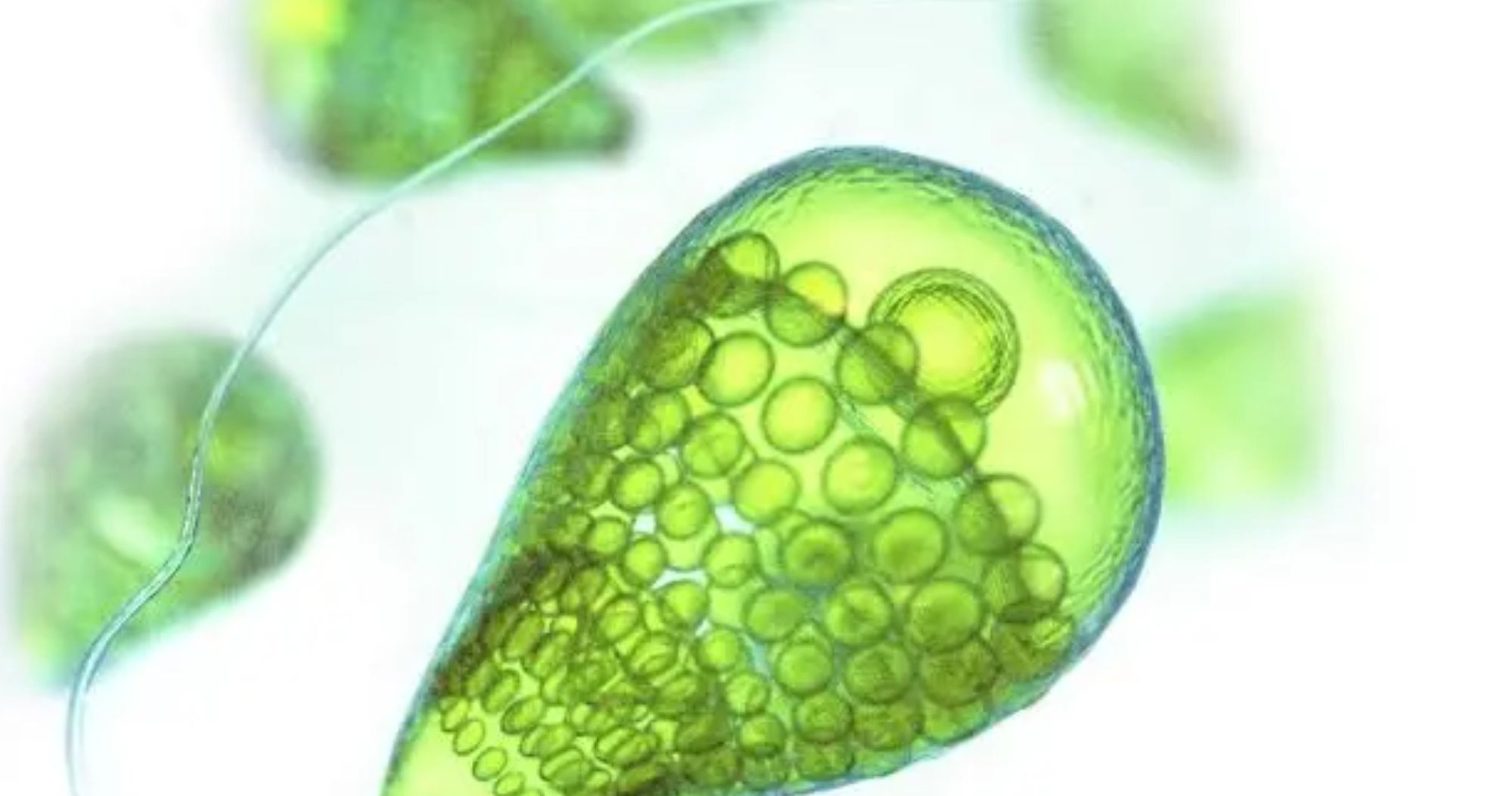
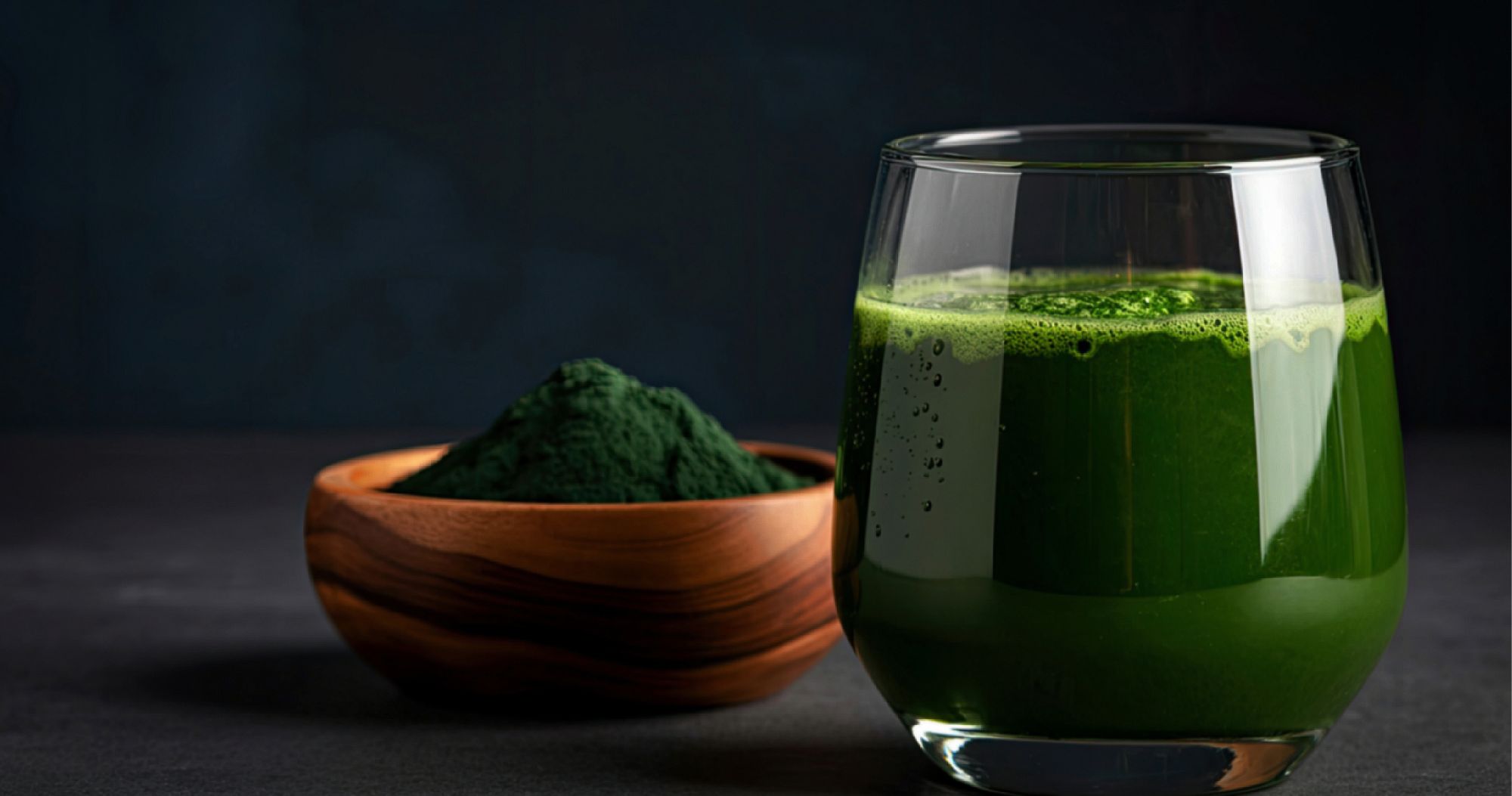
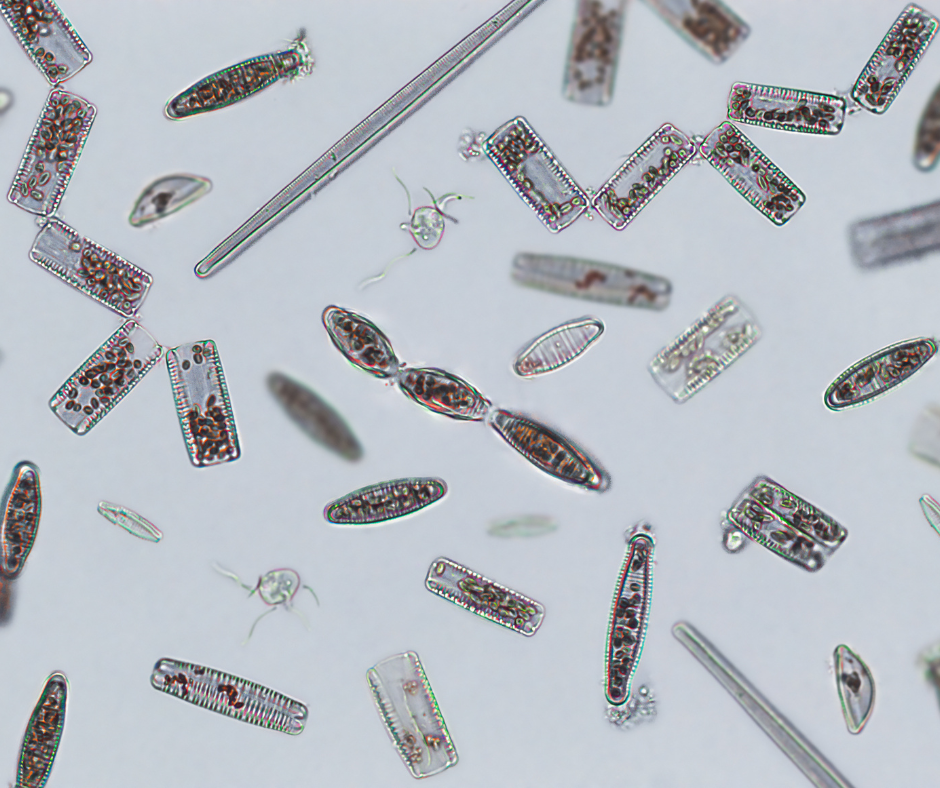
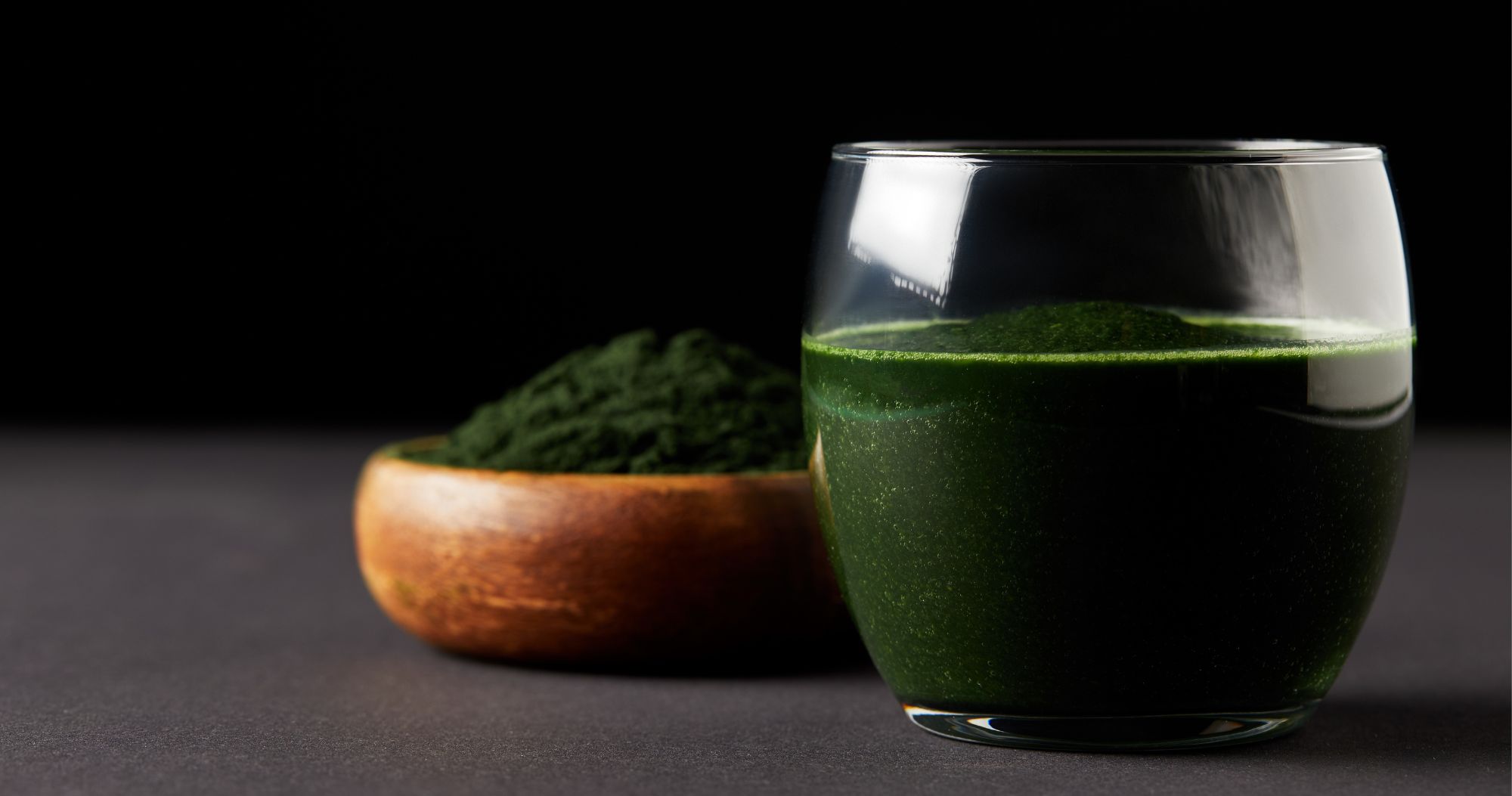
Spirulina is a photosynthetic cyanobacteria that has long been used by humans as a natural source of nutrition. The peculiarity of spirulina is not in its “healing”, but in the high density of microelements in a small amount, which is easy to use and easily absorbed.
In a self-care routine, spirulina is often referred to as:
- A step to supplement background nutrition
- A small but regular routine
- A way to “take care of the body silently” every day
Unlike instant products, spirulina fits the modern self-care philosophy of slow - durable - long lasting.
Why is spirulina so easy to get into your daily self-care routine?
- Easy to use, convenient, does not disturb the rhythm of life
One of the reasons that many people maintain the habit is that because it is not too complicated, Spirulina is usually taken in the form of tablets or powder, or it can be:
- Drink with water in the morning
- Brews and smoothies, juices
- Take before or after a snack
No need for elaborate preparation, does not take much time.
- Feed background energy, not instantaneous energy
Unlike coffee or other size substances, spirulina does not produce a sudden sense of alertness. Instead, many people feel:
- More stable energy during the day
- Less feeling sluggish in the middle of the session
- The body is “lighter” when maintained at regular intervals
This is very consistent with the spirit of self-care: not forcing the body to run fast, but helping the body to run more smoothly.
- Support the digestive system - the foundation of self-care
In many modern wellness concepts, wellness digestion is seen as the root of health and mood. When the digestive system works stably, the body absorbs nutrients better and the feeling of discomfort decreases.
Spirulina is often referred to as a food:
- Easier to digest than many other protein sources
- Does not cause heaviness in the stomach if used correctly
- Suitable for people with sensitive digestive systems
For those who see self-care as listening to the body, this is a big plus.
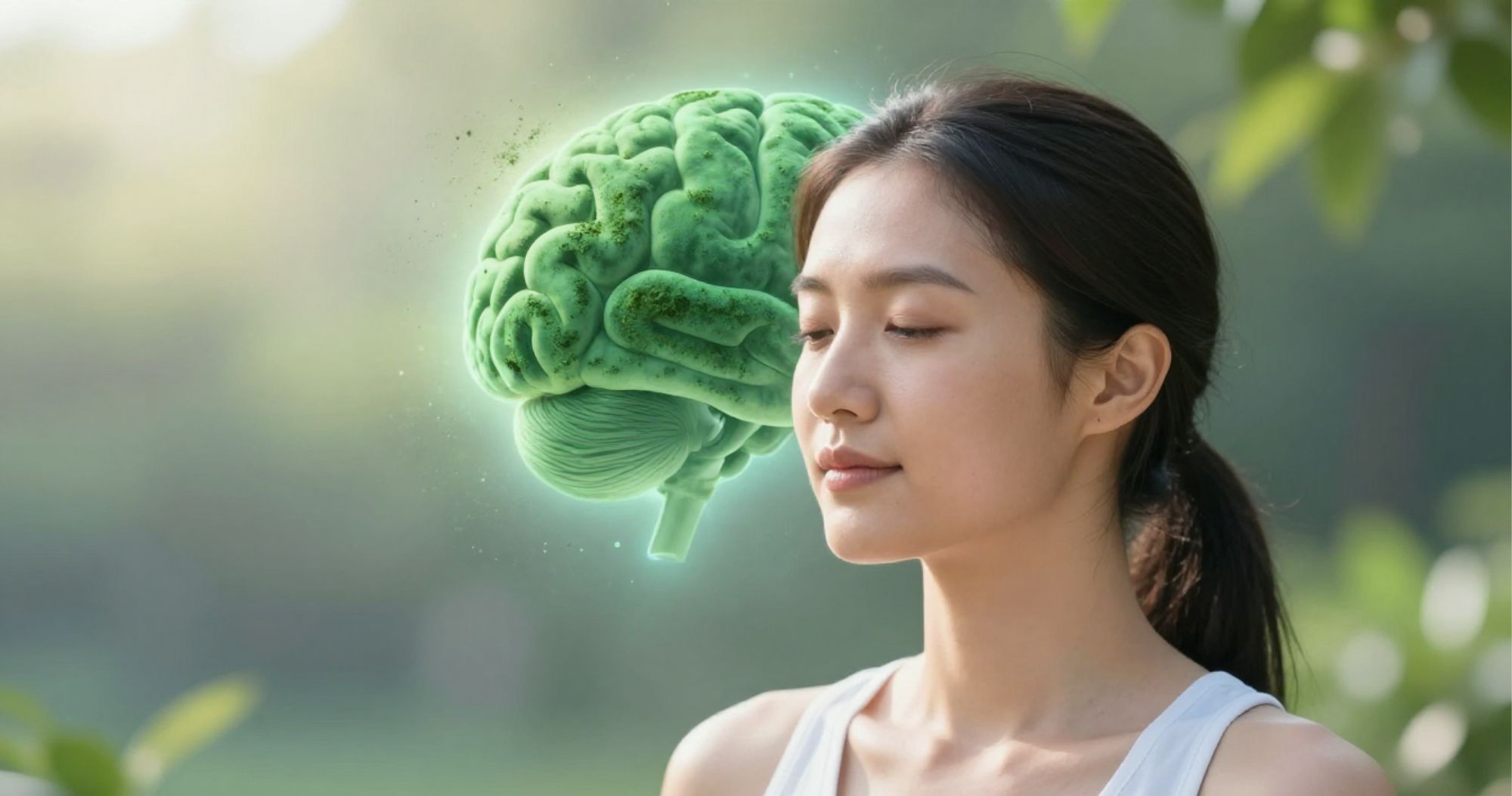
- Spirulina tied to mental care indirectly
Mood comes not only from emotions, but is also closely related to energy metabolism, the nervous system, and the digestive system.
An organism that lacks microelements easily falls into a state of lethargy, tension and difficulty in emotional balance. As nutrition improves, many people find they are more focused, less irritable, and have a greater sense of mental stability

Taking care of yourself from the inside is a long-term decision
Taking care of yourself from the inside is a long-term decision, as is how you choose to treat your body every day, even if everything is still fine.
When you maintain it regularly, you're sending your body a very clear message: “I want you to be healthy, not just today but in the long run.”
Self-care does not always produce results that are visible just before the coolness. Sometimes it's just small signs that make you feel a little less tired, a little healthier, wake up a little lighter in the morning, your skin a little more stable. But it is that “little”, accumulated over time, that makes a big difference.

.png)
.png)



.jpg)




.jpg)
.jpg)

.jpg)


.png)
.png)
.jpg)
.jpg)




.jpg)

.jpg)


.jpg)
.jpg)


.jpg)



.jpg)



.png)




.jpg)


.jpg)