There are waking days where there is no lack of sleep, the work is not so stressful, but the body remains sluggish, lacks energy and it is difficult to concentrate. That tiredness lasts for days, even weeks, that makes you start to wonder, “Am I missing something?”
In fact, prolonged fatigue is not merely due to insufficient rest. In many cases, this is a sign that the body is deficient in one or more important micronutrients.
What is prolonged fatigue and when should it be noted?
Physiological fatigue usually appears after overwork, late sleep or intense exercise and will improve quickly at rest. However, prolonged fatigue is a state in which the body always lacks energy despite getting enough sleep and eating relatively regularly.
Some common signs:
- Sluggish, easy to fall asleep during the day
- Difficulty concentrating, reduced work performance
- Or irritable, low spirits
- Weak muscles, fatigue quickly with light movement
When these manifestations occur frequently, it is most likely that the body is deficient in one or more important nutrient groups.
5 groups of easily deficient micronutrients that cause prolonged fatigue
1. Iron deficiency - reduced oxygen transport
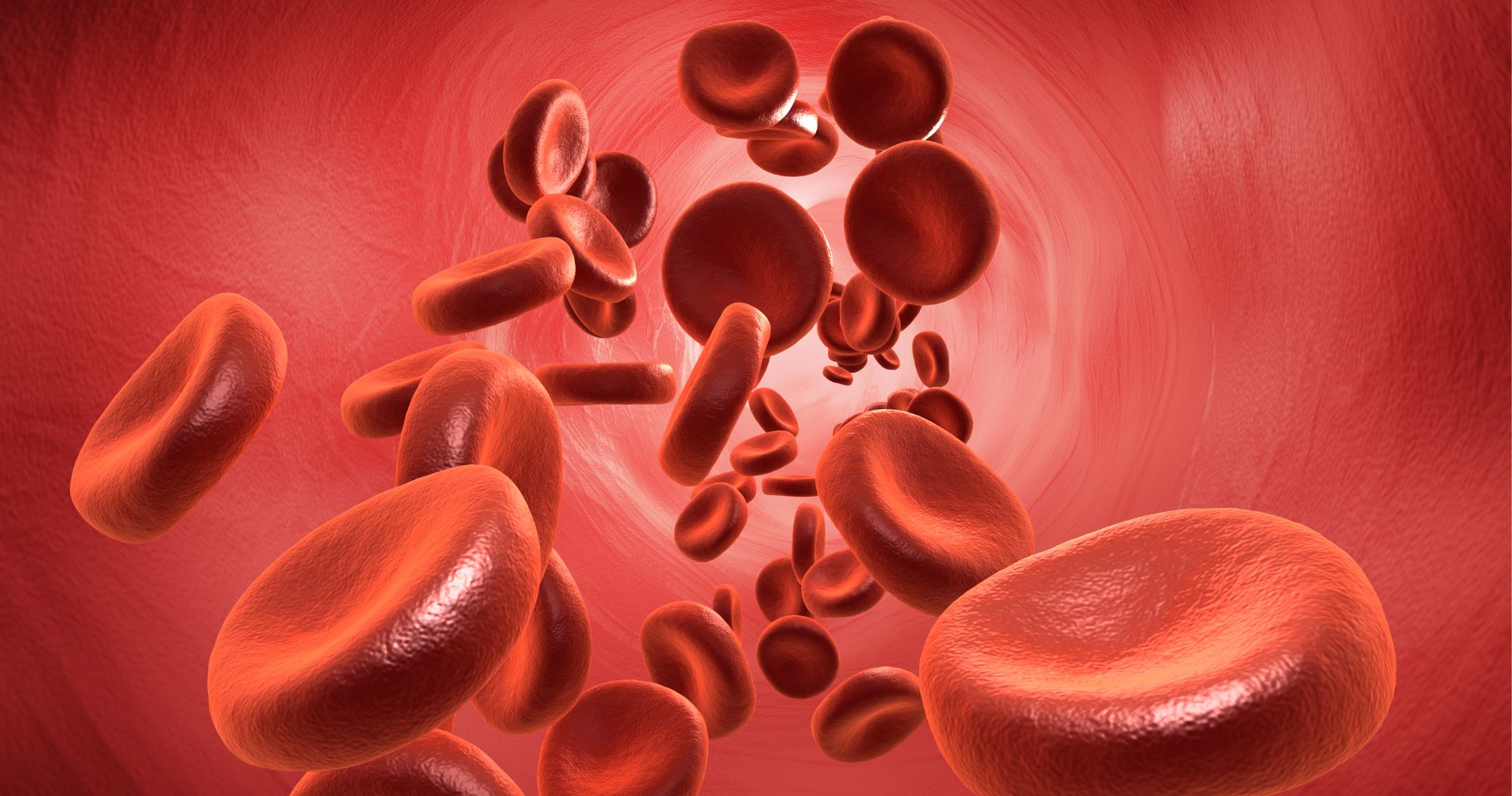
Iron plays the role of transporting oxygen in the blood. With a lack of iron, the cells are not supplied with enough oxygen to generate energy, which leads to a feeling of fatigue, dizziness, pale skin.
This condition is common in:
- Women of reproductive age
- Vegetarians or restricts red meat
- People with a diet low in iron-rich foods
2. Lack of vitamins of group B - common nephritis causes lethargy
B vitamins (B1, B2, B3, B6, B12) are directly involved in the process of converting food into energy. With a lack of vitamins of group B, the body still eats, but does not absorb the necessary energy.
Common signs are:
- Prolonged fatigue
- Easy to stress, hard to concentrate
- Mild numbness of limbs, mental instability
3. Magnesium and zinc deficiency - both physical and mental fatigue
Magnesium supports stable functioning of the nervous system and muscles. Magnesium deficiency causes not only fatigue, but also is accompanied by mild insomnia, cramps, heart palpitations.
People who are constantly stressed, do a lot of mental work or drink a lot of coffee are at higher risk of magnesium deficiency.
4. Lack of protein - the basis for energy generation
Protein is not only used to build muscle, but also to participate in many biochemical reactions in the body. When protein intake is insufficient or protein quality is poor, the body is prone to weakness and slow recovery.
This is quite common in:
- Vegetarians but not balanced portions
- Erratic eaters, skipping meals
- Elderly people or people recovering from illness
5. Lack of micronutrients and antioxidants
In addition to the familiar nutrients, the body also needs many other micronutrients such as manganese, chloropyl and antioxidant compounds. Lack of these components makes the cell vulnerable, the process of generating energy is inefficient.
Modern lifestyle - sedentary lifestyle, stress, lack of sleep, eating a lot of processed foods are common factors that cause increased oxidative stress, causing the body to quickly exhaust itself.
Why is prolonged fatigue more and more common in the modern lifestyle?
The paradox is that there are many people who eat healthy, limit fried foods, drink plenty of water, but are still tired. Nguyen Nhan can come from:
- Monotonous diet: only revolve around certain food groups
- Poor absorption: the intestine does not absorb micronutrients well
- Prolonged stress: increases the need for vitamins and minerals
- Urban lifestyle: sedentary outdoors, lack of balance
This causes the body to fall into a state of background malnutrition, that is, a lack of those elements necessary to maintain long-term cellular activity, which leads to prolonged fatigue, difficult to recover.

The role of natural sources of nutrients in energy support
As more people are looking for lightweight, easily absorbed nutritional solutions, natural nutrient sources rich in micronutrients are becoming increasingly important. Some research suggests low, plant-based sources of protein, B vitamins, minerals and antioxidants can help the body maintain more stable energy levels.
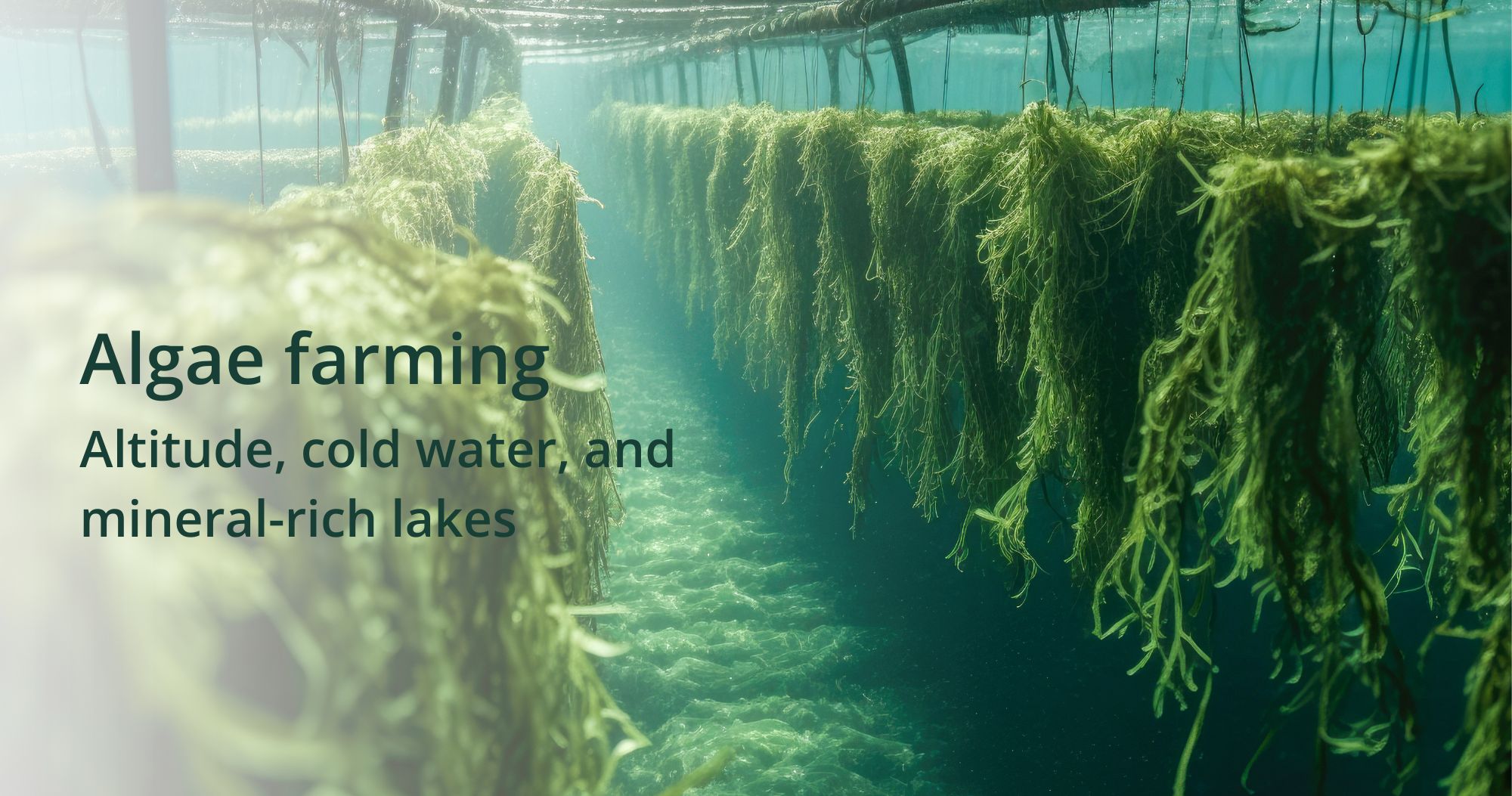
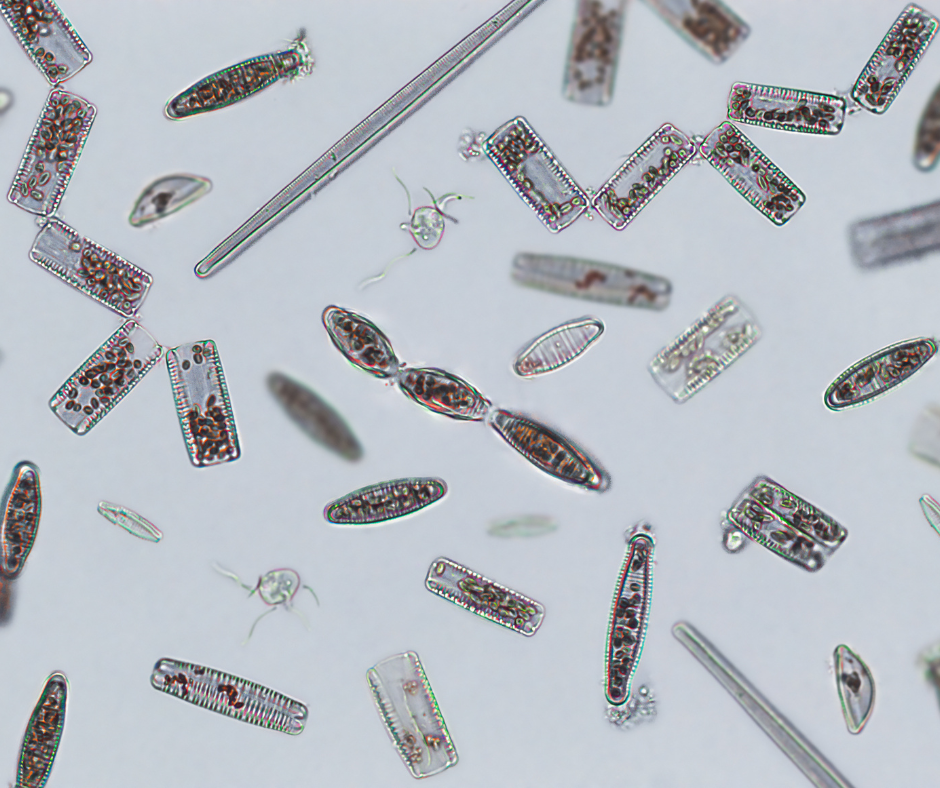
Some types of microalgae are rich in nutrients such as Spirulina .t is often mentioned because of its ability. provide vegetable protein, B vitamins, organic iron and Antioxidantin the same natural source. For people who are busy or eat unbalanced, this is seen as a fundamental nutritional support solution, not a meal replacement.

How to improve prolonged fatigue from the root
Instead of looking for immediate solutions, many choose to adjust from the basic background:
- Diversify food, prioritize sources rich in micronutrients
- Reduce processed foods, refined sugars
- Sleep in the right circadian rhythm, limit caffeine late
- Food supplements with high nutrient density
Conclusion
Prolonged fatigue is not merely a momentary feeling, but often a signal that the body is deficient in background nutrition or under pressure from a modern lifestyle. Understanding the causes helps us to approach the problem more scientifically and sustainably.
Instead of looking for “anti-fatigue” ways, focus on nourishing the body from the root, building the foundation of nutrition and a healthy lifestyle so that energy is restored naturally and permanently.
.png)






.png)
.png)





.jpg)




.jpg)

.jpg)



.jpg)


.png)
.png)
.jpg)
.jpg)







.jpg)

.jpg)


.jpg)
.jpg)


.jpg)




.jpg)





.png)





.jpg)




.jpg)