Many people are often confused microalgae and seaweedbecause they both live in water and are green or brown in color. However, in biology, this is two groups of organisms completely different in size, structure and ecological role.A clear distinction helps to properly understand the scientific nature of microalgae, rather than just looking at them through commercial applications.
What are microalgae?
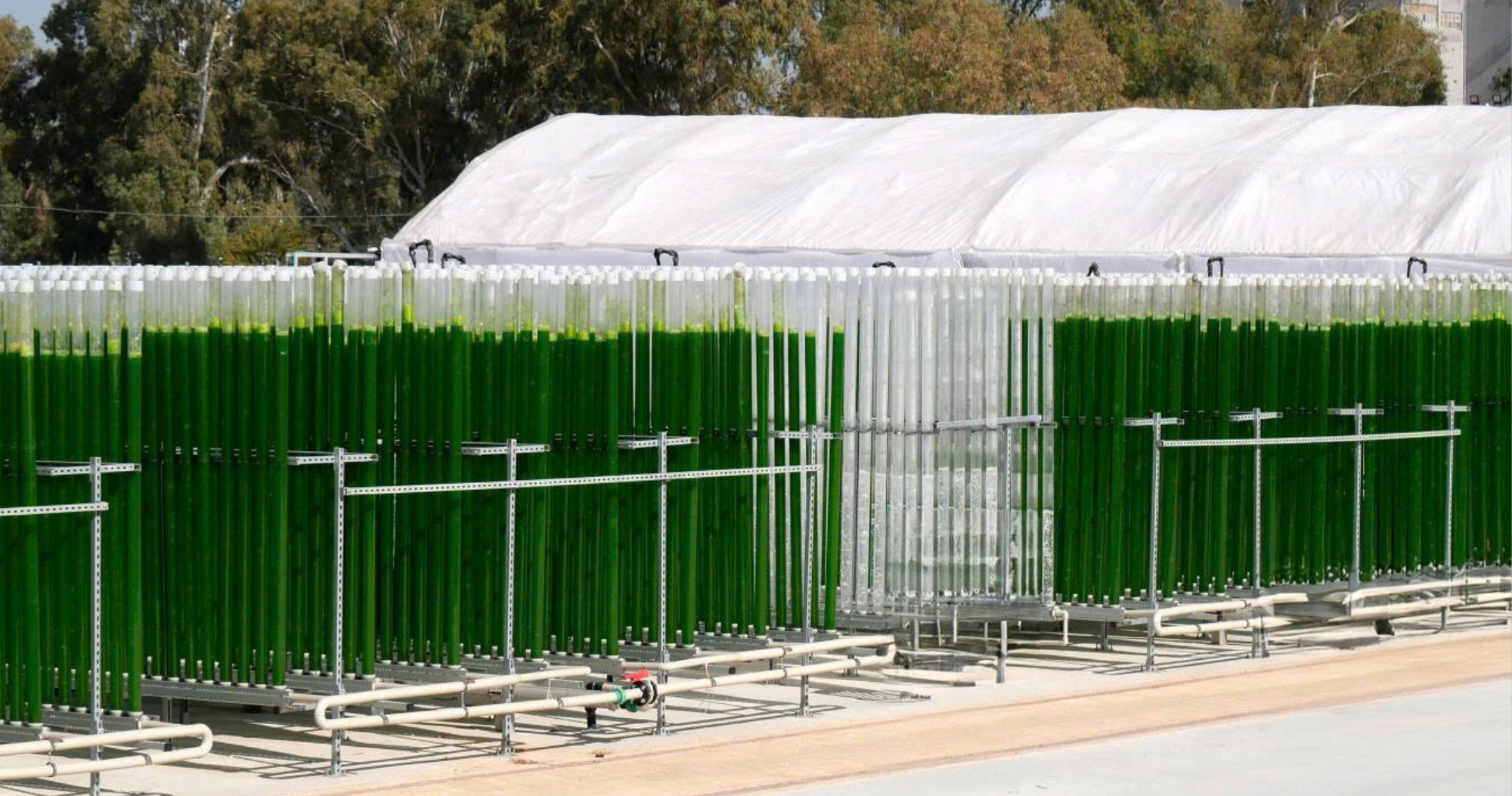
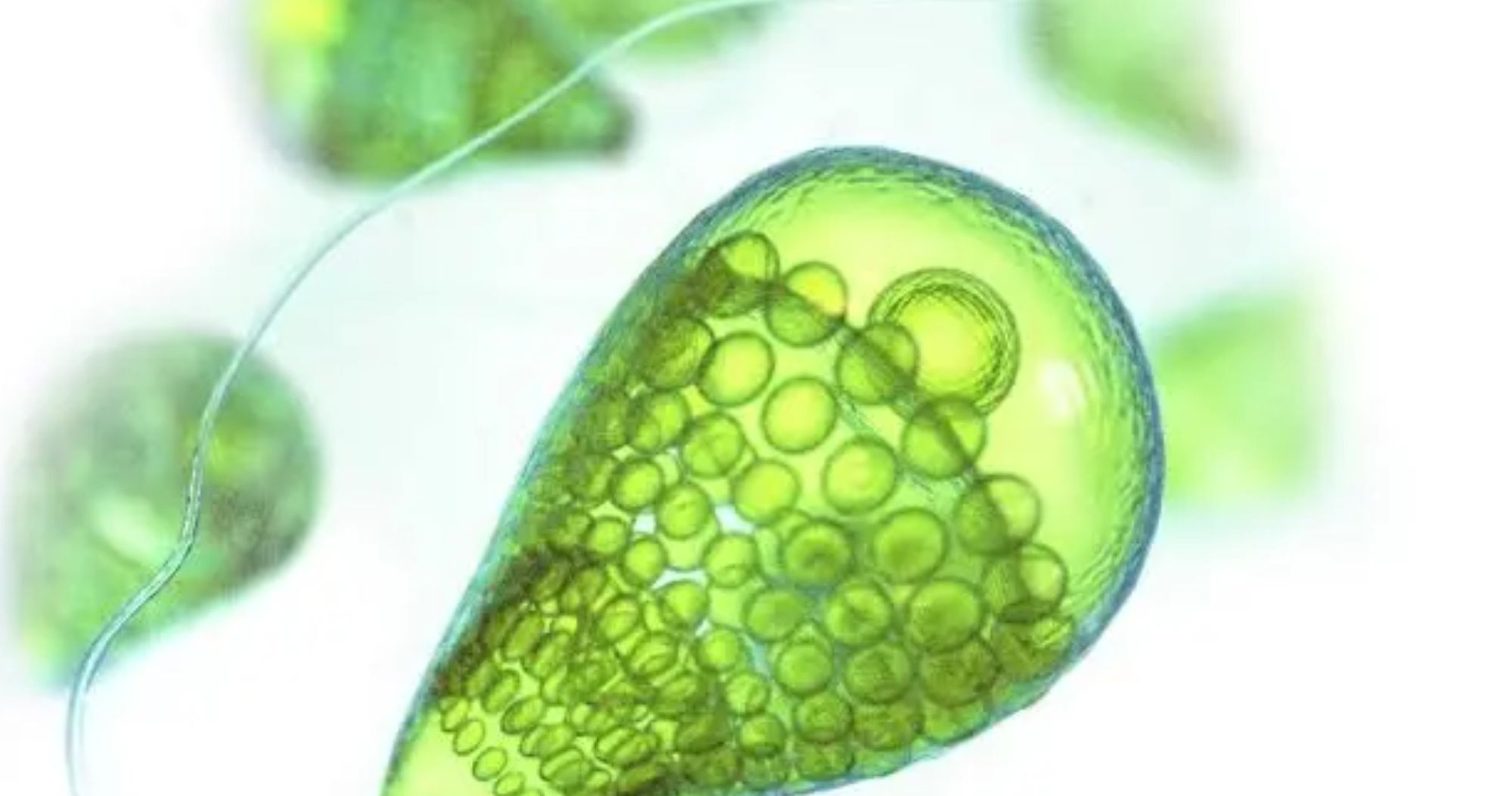
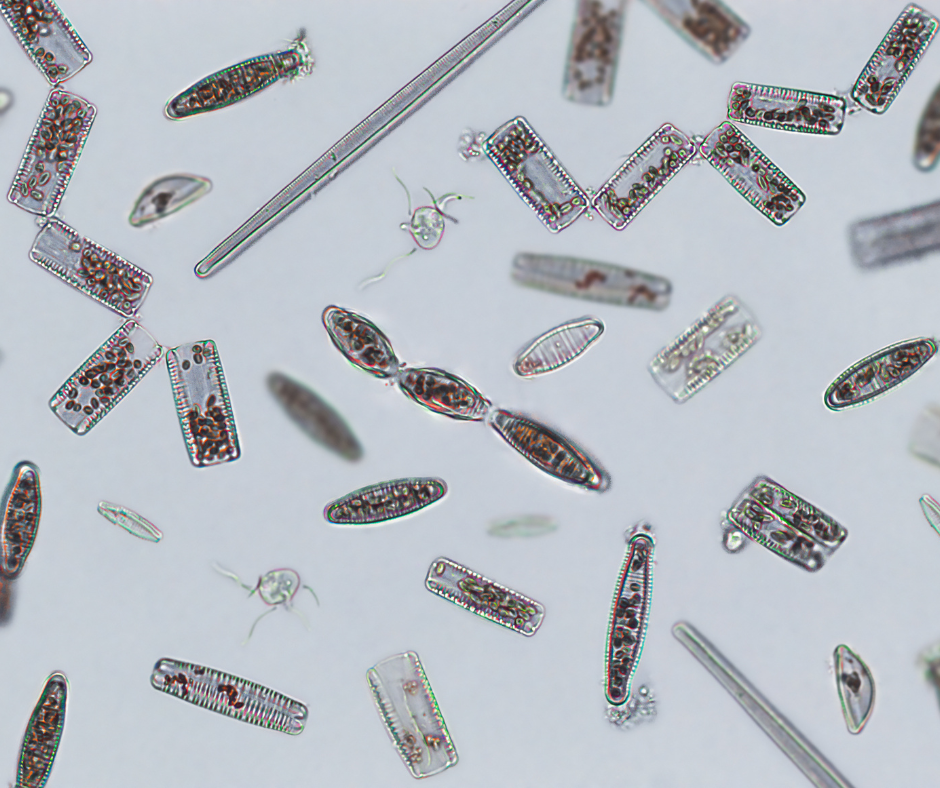
Microalgae(microalgae) is a group of photosynthetic organisms of microscopic size, mainly single cell or collection of very small cells, lives floating in water. They are the main components of plankton (phytoplankton) and plays a fundamental role in many aquatic ecosystems.
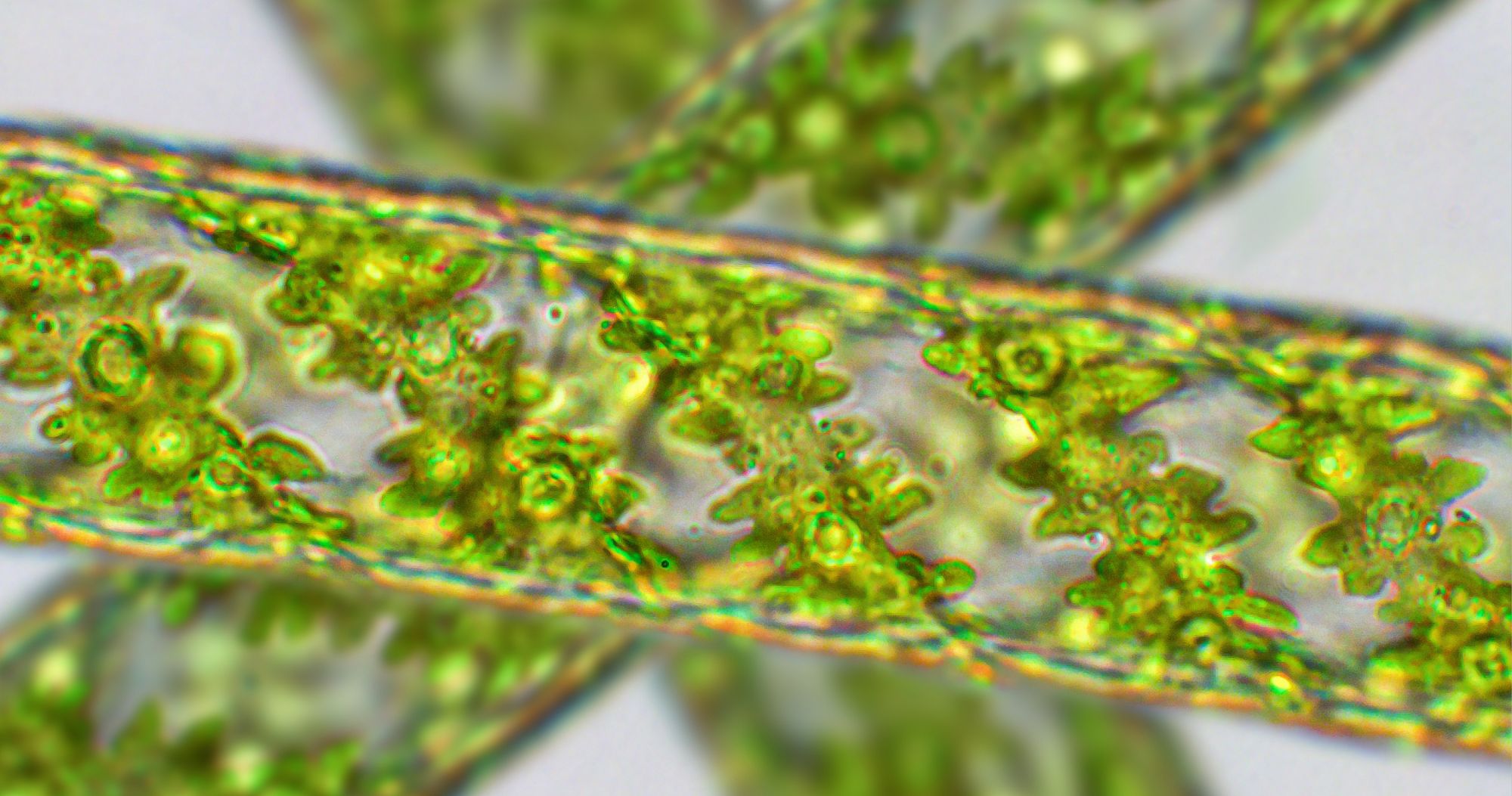
What is seaweed?
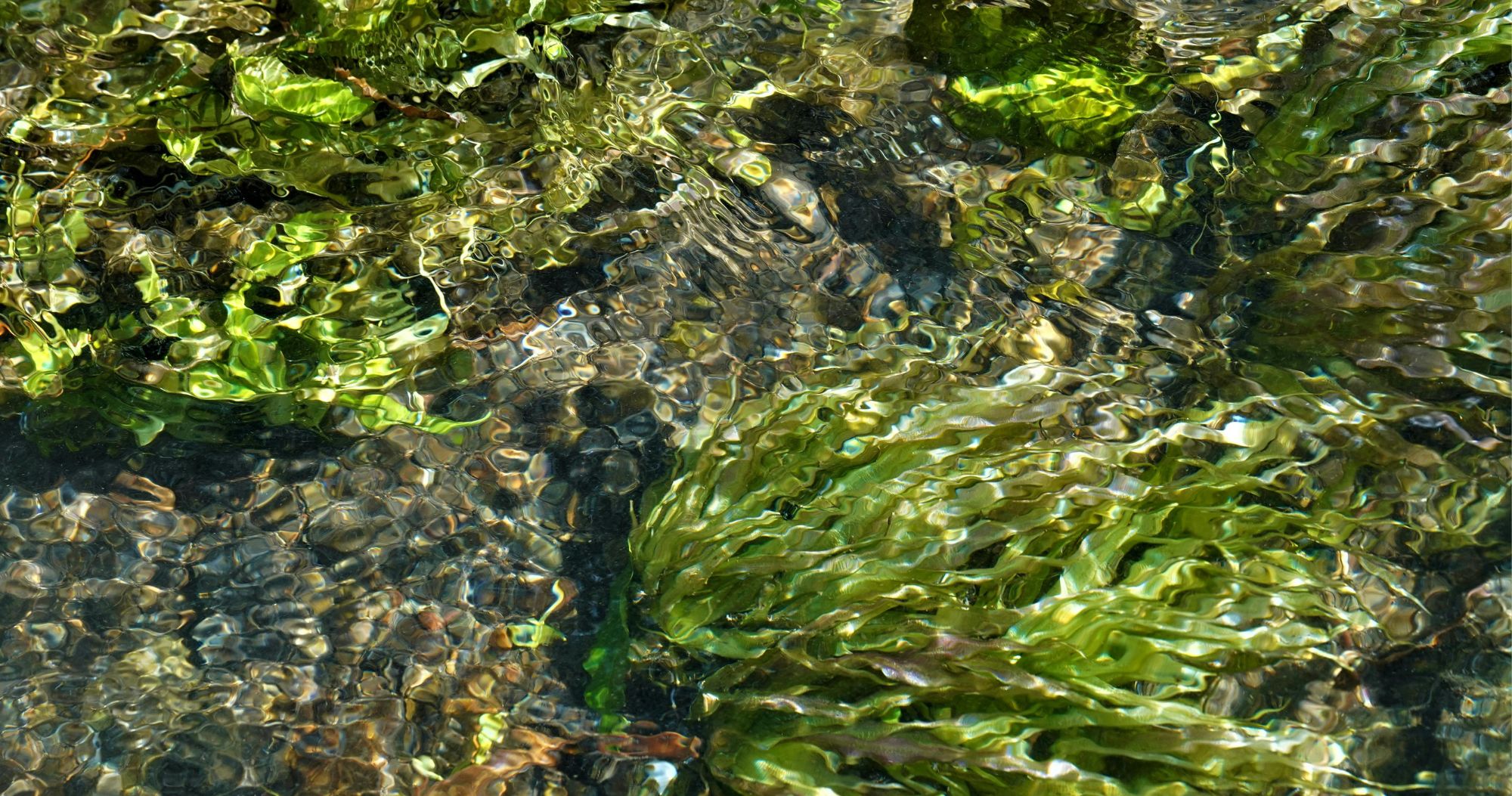
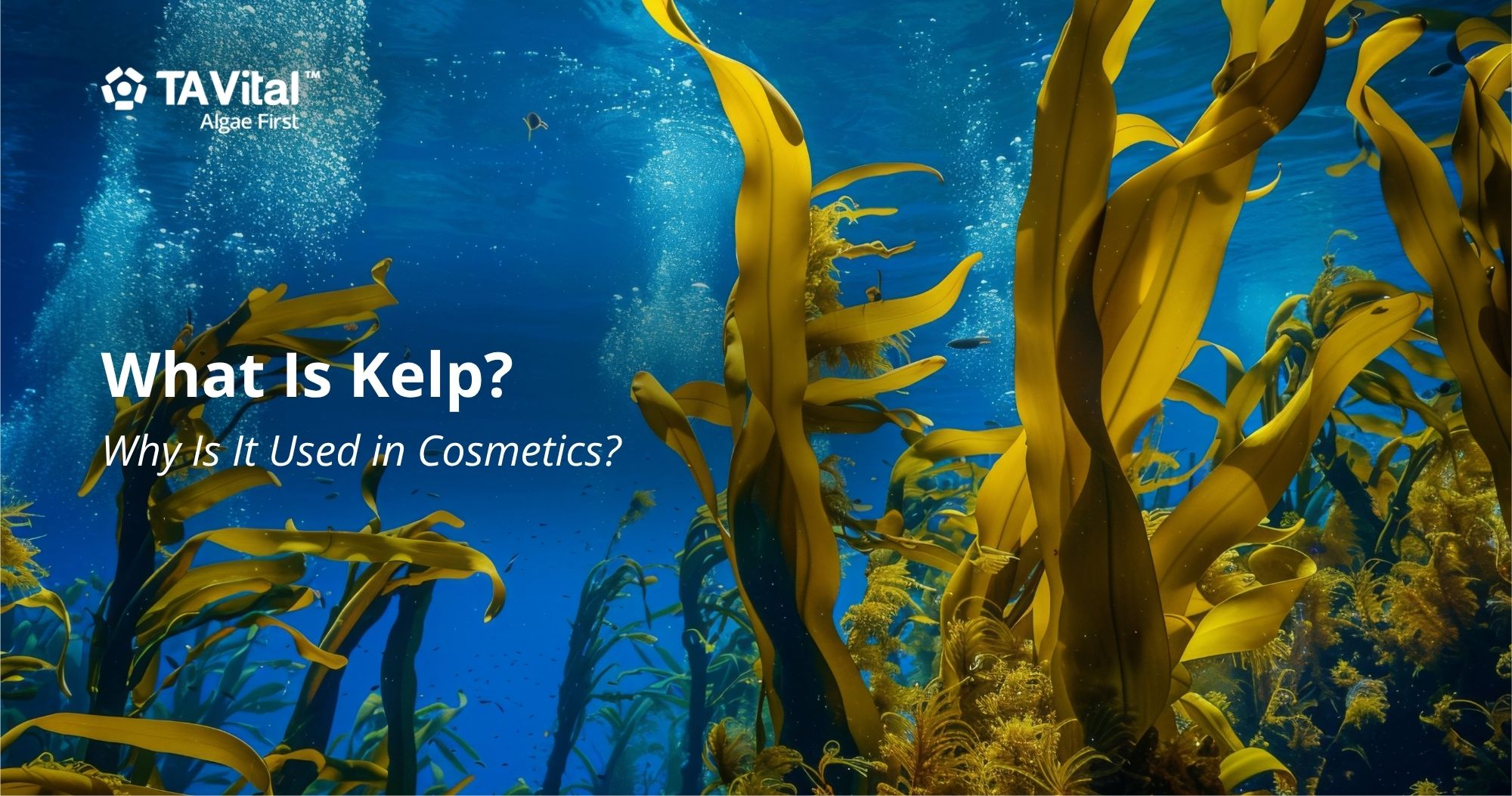
Seaweed is the common way of calling large algae (macroalgae), photosynthetic organisms multicellular, which is large enough in size to be observed with the naked eye. Seaweed usually grows in coastal areas, clings to rocks or hard substrates under water, and has a more complex structure than microalgae.

Comparison table of microalgae and seaweed
Biologically Core Differences
1. Differences in size and structure
Structured microalgae very simple, adapted to rapid growth and wide distribution.
Seaweed is a creature multicellular, there is a certain differentiation between body parts (although not like terrestrial plants).
This is the difference underpinnings, does not depend on the application or the purpose of use.
2. Differences in location in the ecosystem
Microalgae are primary producers at the lowest level of the aquaculture chain.
Seaweed often plays a role creating a habitat, providing shelter for fish and marine organisms.
These two groups do not replace each other, which complement each other in the aquatic ecosystem.
3. Differences in how to survive in aquatic environments
Microalgae Free-floating, depends on light and flow.
Seaweed fixed grip, growth is slower but more stable.
This difference explains why microalgae are often studied at the microbiological-molecular level, while seaweed is more closely associated with coastal ecology.
Do microalgae and seaweed have any connection?
The answer is Yes. Both microalgae and seaweed belong to the group of organisms aquatic photosynthesisBut they are located two different levels of biological organization.
Why do many people mistake microalgae for seaweed?
Common causes come from 3 factors:
- Same with blue, brown or red
- Living together in the water
- All are mentioned in applications such as food, cosmetics and the environment
However, This similarity is only on the surface, does not reflect biological nature.
Conclusion
Microalgae and seaweed are not the same, even though they are photosynthetic organisms living in water.
Properly understanding these differences will help to approach the topic of microalgae more scientifically and comprehensively, rather than looking at them only through the lens of application.


.png)
.png)


.jpg)




.jpg)
.jpg)



.jpg)


.png)
.png)
.jpg)
.jpg)






.jpg)

.jpg)


.jpg)
.jpg)


.jpg)



.jpg)




.png)




.jpg)



.jpg)