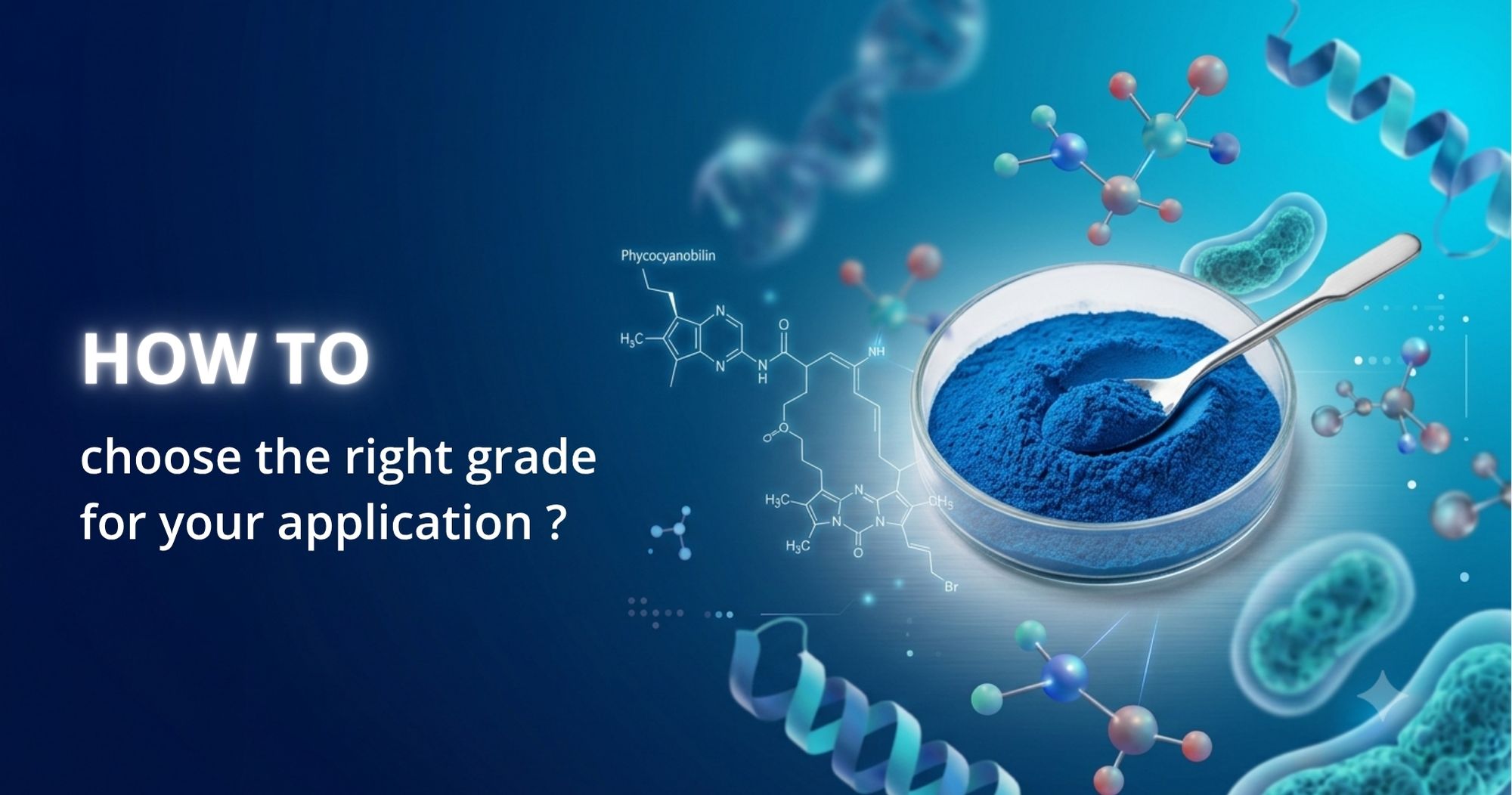
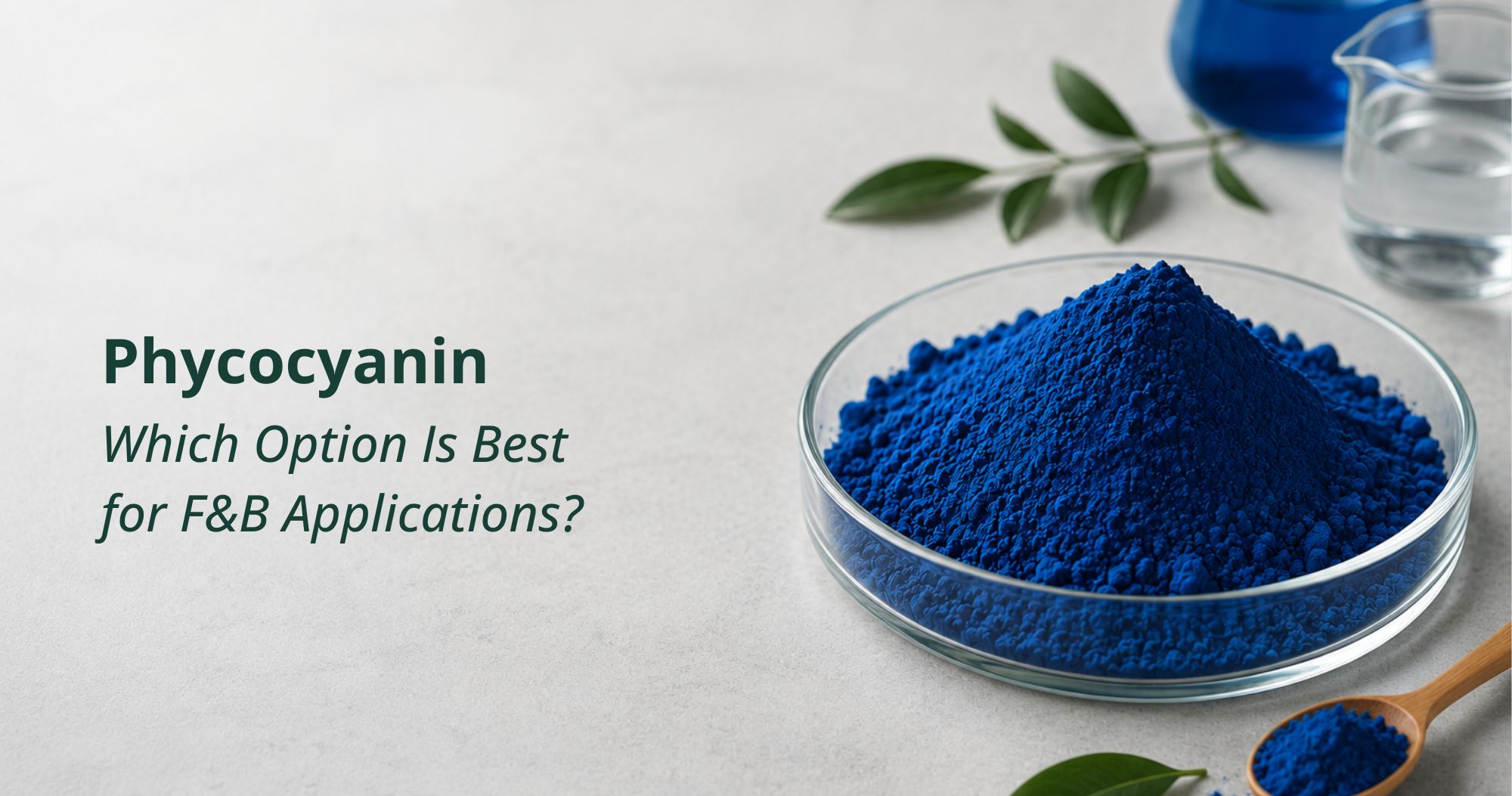
Phycocyanin has become an increasingly popular ingredient among businesses in the food, beverage, cosmetics, and nutraceutical industries due to its natural blue color, biological value, and versatile applications. However, not all Phycocyanin products are the same. Differences in purity grades, technical specifications, and quality among suppliers can directly impact R&D efficiency and final product performance.
So, how should businesses choose the right Phycocyanin? This article provides an overview of Phycocyanin grades, key specifications, and important criteria for selecting a suitable supplier in Vietnam.
1. What is Phycocyanin?
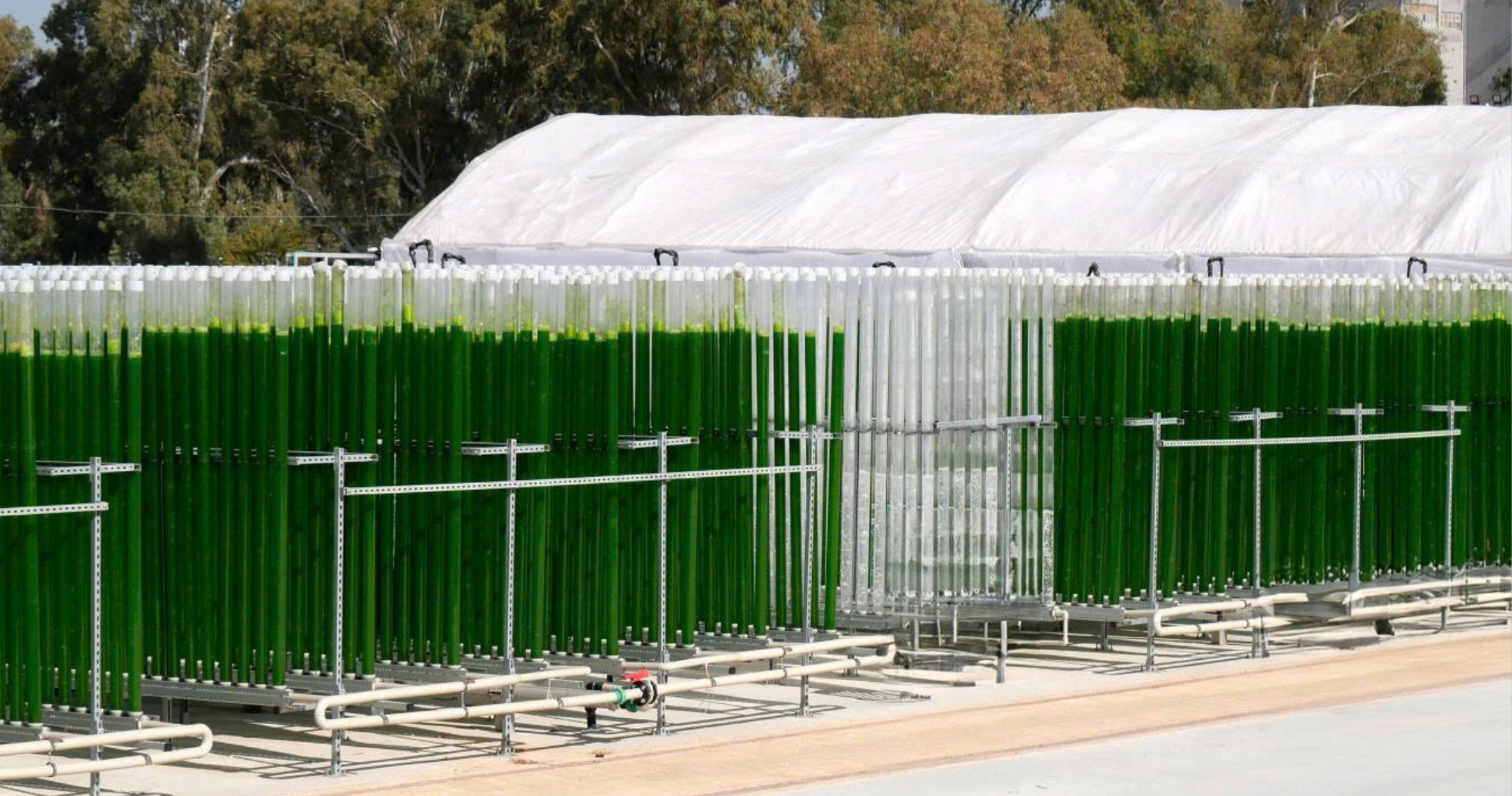
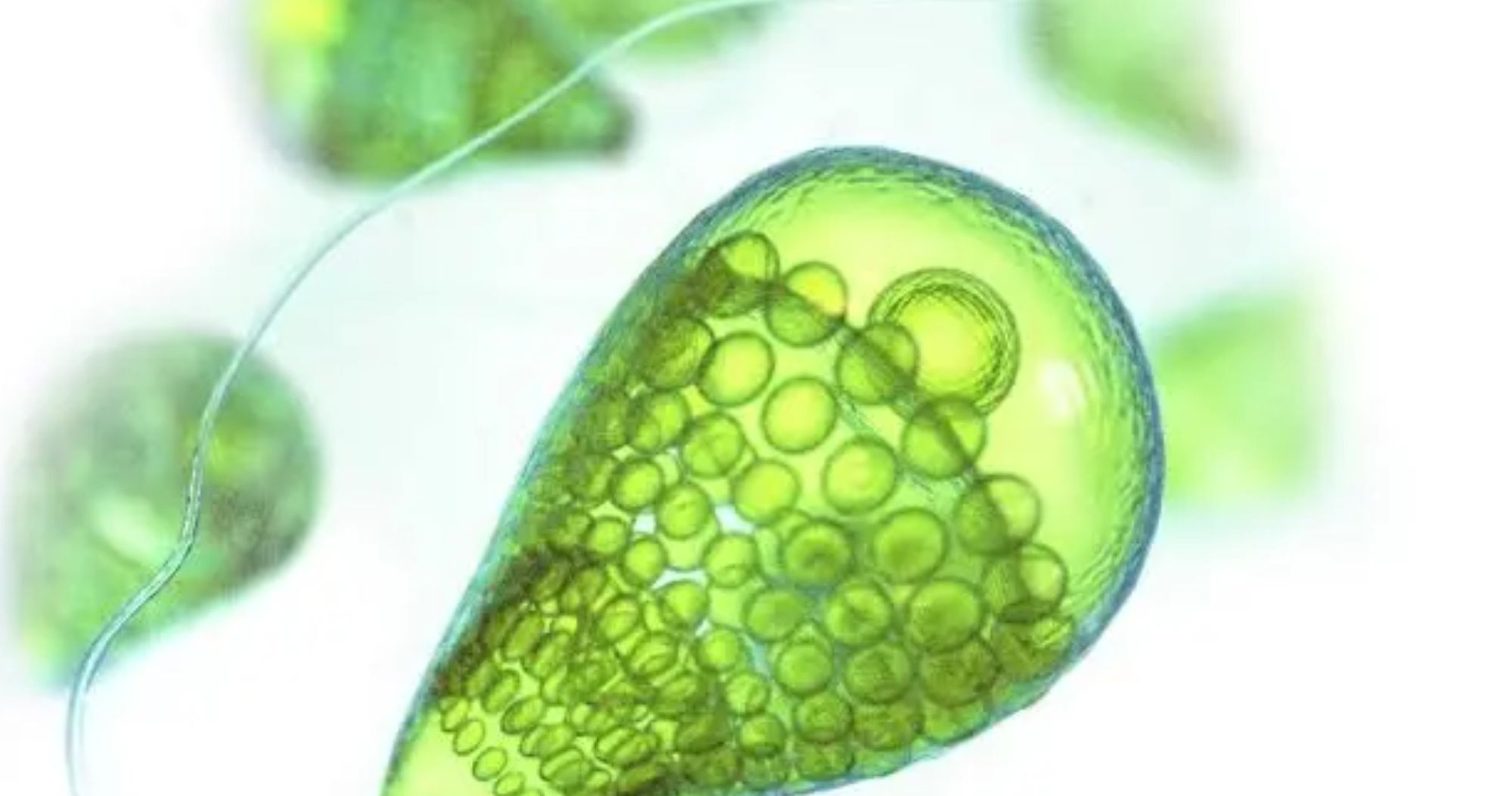
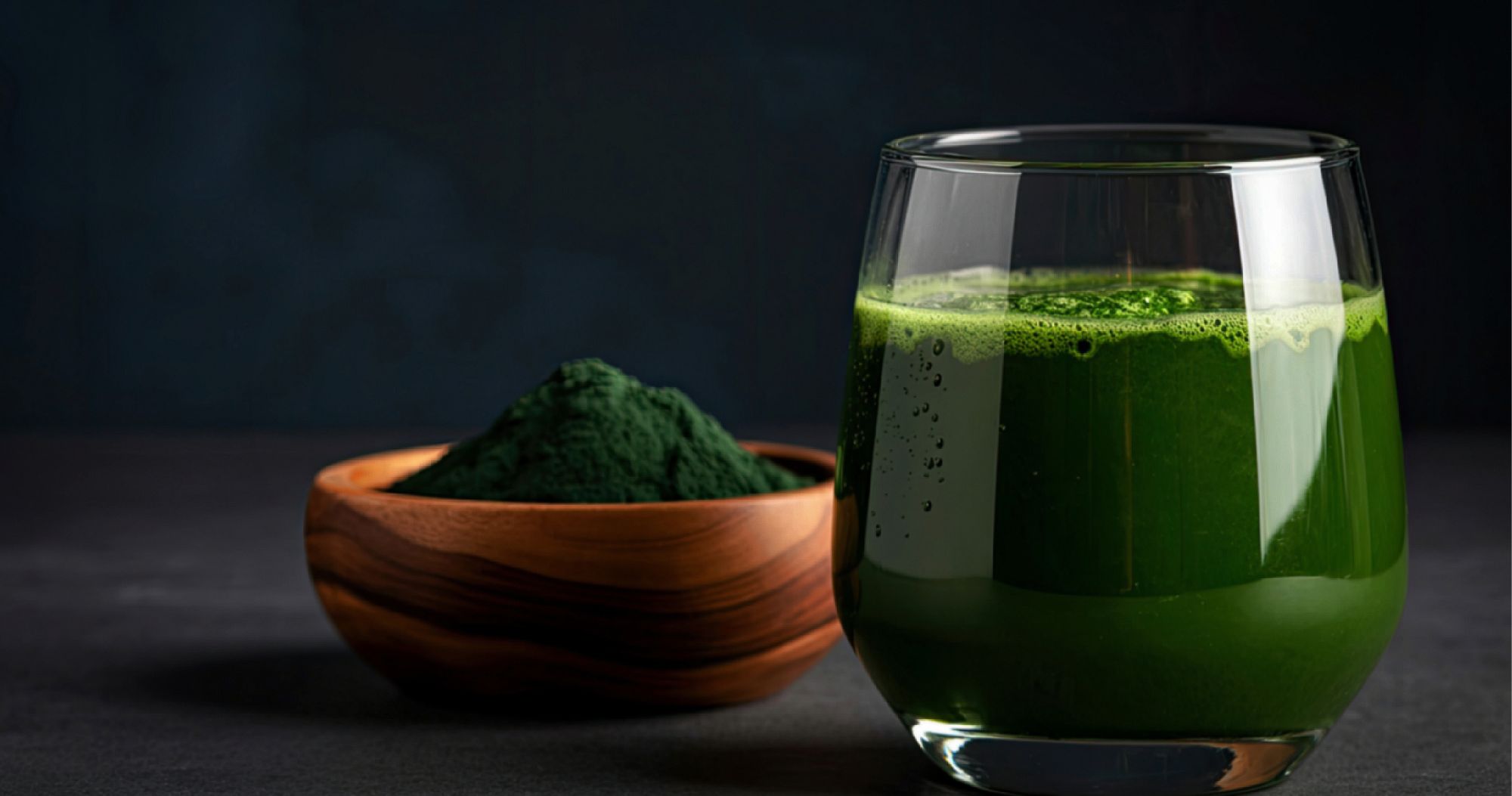
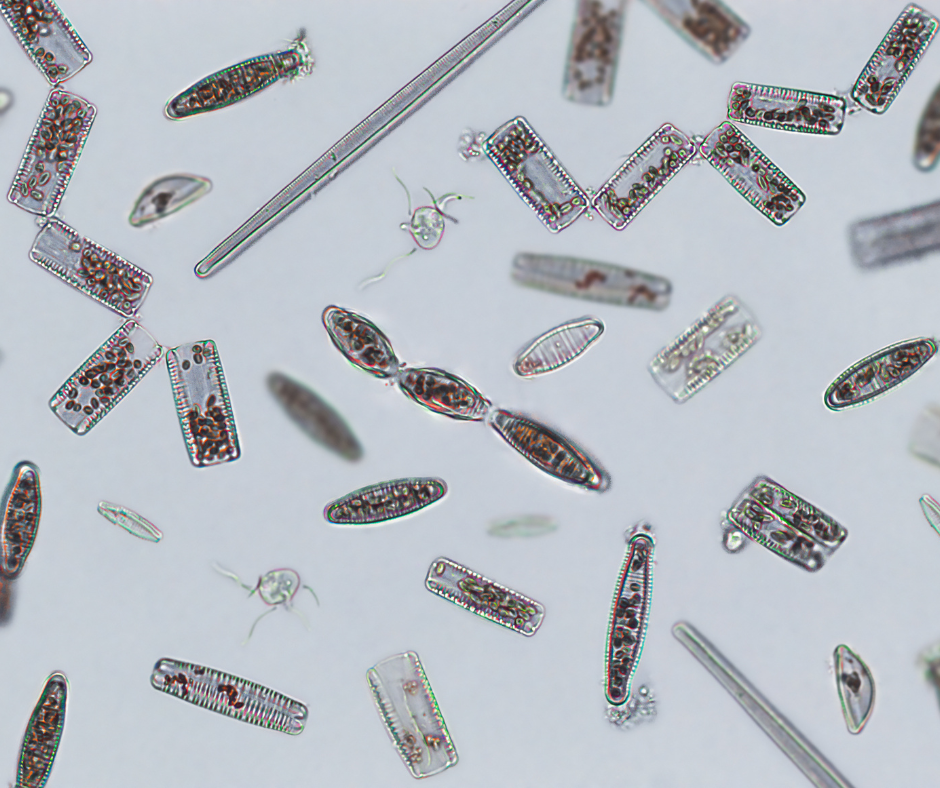
Phycocyanin is a natural blue pigment-protein complex (phycobiliprotein) primarily extracted from Spirulina (Arthrospira platensis). In nature, Phycocyanin plays a role in capturing light energy to support photosynthesis in microalgae. Thanks to its distinctive blue color and valuable bioactive compounds, Phycocyanin is now widely used across food, beverage, cosmetics, and nutraceutical applications.
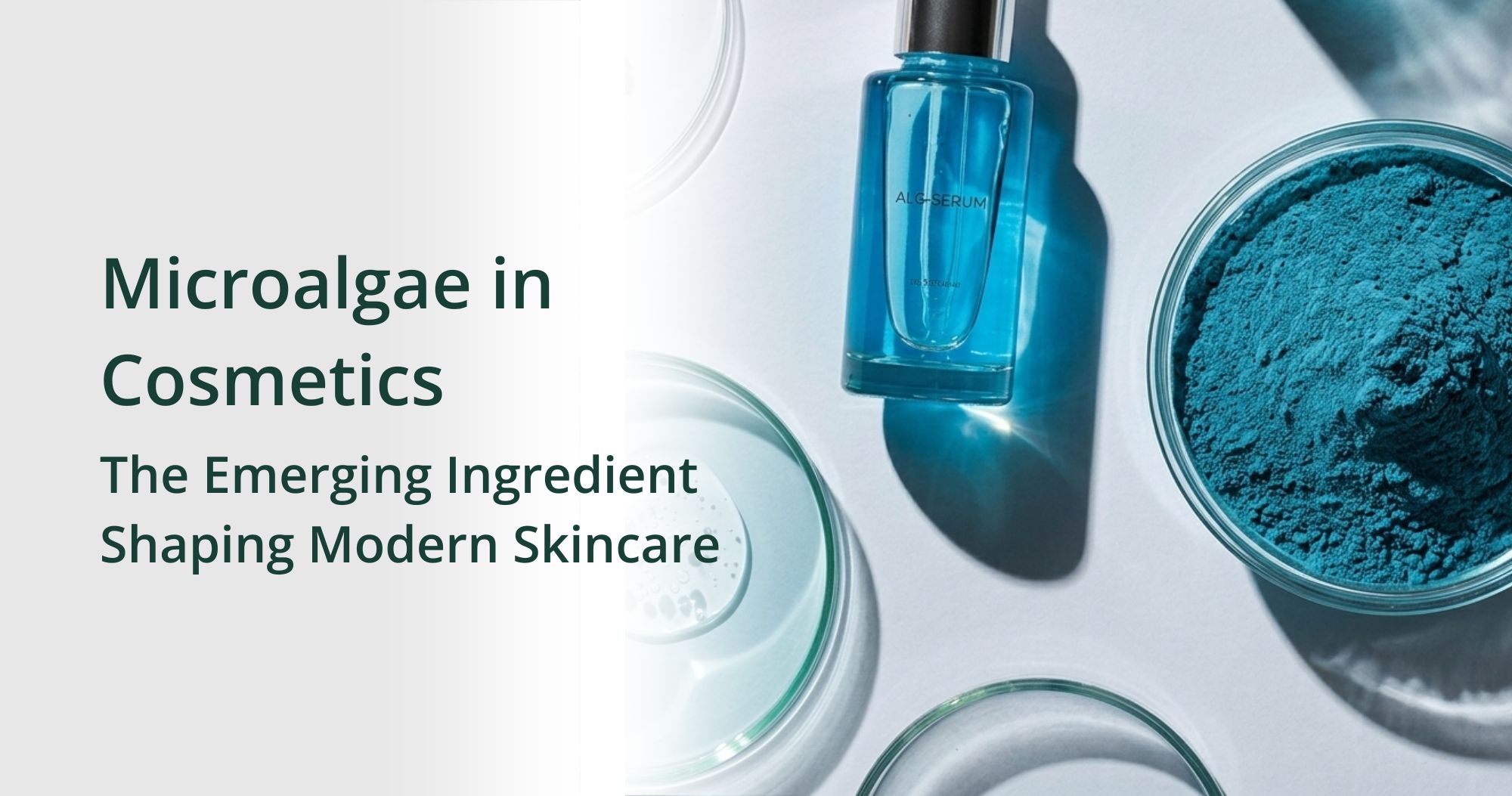
In the food industry, Phycocyanin serves as a natural blue colorant, replacing synthetic dyes in beverages, confectionery, ice cream, dairy products, and many other formulations. In cosmetics, it is valued for its antioxidant properties and its potential to enhance skincare formulations. Within the nutraceutical sector, Phycocyanin is often combined with Spirulina or other natural ingredients to improve the nutritional value of dietary supplements.
The growing popularity of Clean Label, Natural Ingredients, Plant-Based, and Sustainable Development trends has further accelerated the demand for Phycocyanin. Instead of relying on synthetic colorants, many manufacturers are turning to microalgae-derived ingredients to meet consumer expectations and international market requirements.
2. Phycocyanin grades
3. Key technical specifications businesses should consider
Not every application requires the same set of specifications. For example, beverage manufacturers often prioritize solubility and color stability, while nutraceutical producers typically focus on Phycocyanin concentration and protein content.
4. Choosing the right Phycocyanin for different applications
Selecting the appropriate Phycocyanin grade can help businesses reduce formulation trials, optimize product development, and improve manufacturing efficiency.
Beyond grade selection, businesses should also evaluate production processes, manufacturing conditions, and regulatory requirements in their target markets to ensure the chosen ingredient is fit for purpose.
5. Key criteria for selecting a Phycocyanin supplier in Vietnam
A reliable supplier should provide more than just ingredients—they should support businesses throughout the entire product development journey.
Consistent quality across batches
Consistency between production batches helps reduce formulation adjustments and ensures stable final product quality.
Comprehensive technical documentation
Businesses should choose suppliers capable of providing complete documentation, including Certificates of Analysis (COA), Technical Data Sheets (TDS), Safety Data Sheets (SDS), and other relevant documents to support R&D activities and regulatory compliance.
.jpg)
Traceability
Clear raw material traceability helps companies meet domestic and international market requirements while improving supply chain transparency.
Technical support
Experienced technical teams can assist businesses in selecting the appropriate grade, optimizing formulations, and resolving challenges encountered during product development and manufacturing.
Supply reliability
Suppliers should be able to maintain a stable supply of raw materials, supporting needs from pilot-scale testing to full-scale commercial production.
6. Why is TA Vital a trusted Phycocyanin partner?
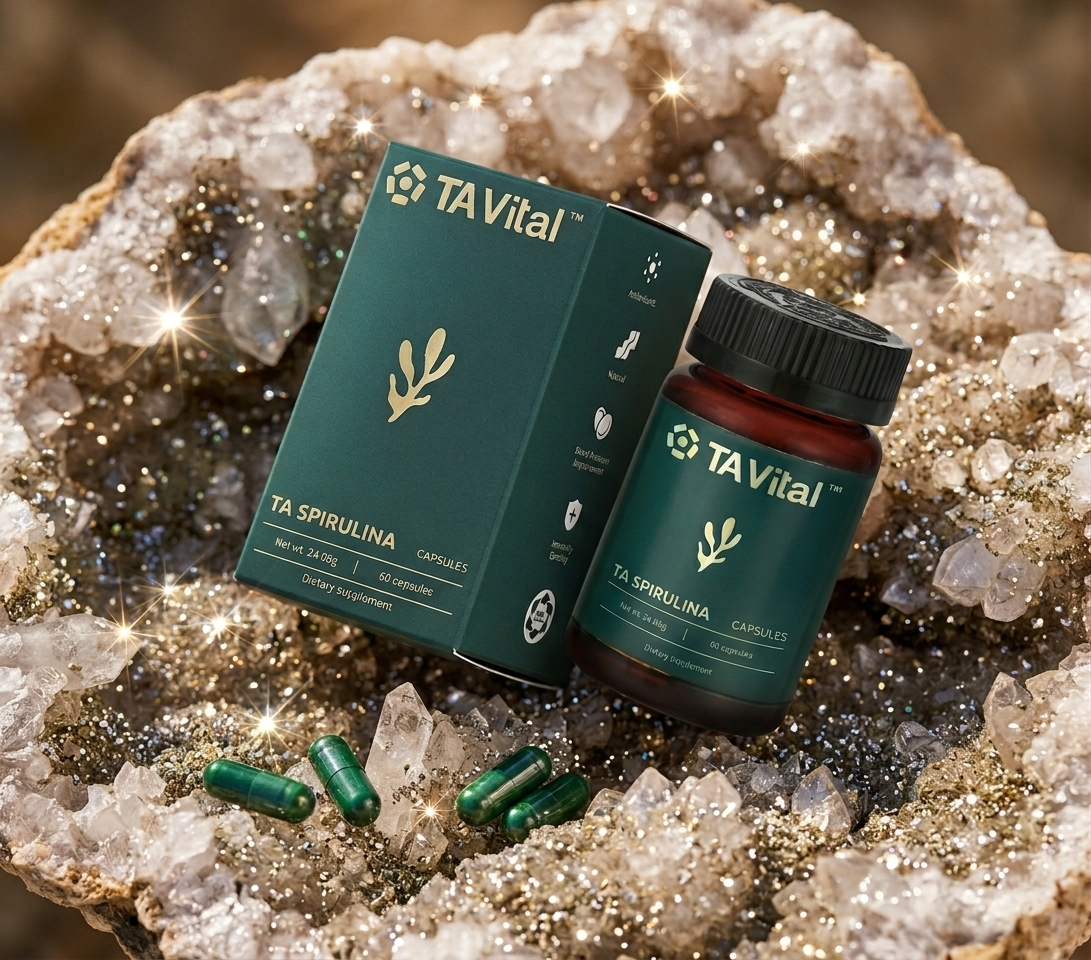
TA Vital goes beyond supplying Phycocyanin by supporting businesses throughout the entire product development process. In addition to providing comprehensive technical documentation such as COA, TDS, and SDS, TA Vital also offers stability data, traceability information, and expert guidance on selecting the most suitable grade for specific applications.
TA Vital’s technical team helps customers evaluate ingredients, optimize formulations, and address challenges that arise during scale-up and commercial production. This support enables businesses to shorten R&D timelines, reduce testing costs, and accelerate product commercialization.
With a commitment to becoming a long-term partner for manufacturers, TA Vital focuses on delivering high-quality microalgae-based ingredient solutions with consistent performance, sustainability benefits, and alignment with evolving market trends.

.png)
.png)


.jpg)



.jpg)
.jpg)

.jpg)


.png)
.png)
.jpg)
.jpg)





.jpg)

.jpg)


.jpg)
.jpg)


.jpg)



.jpg)




.png)




.jpg)



.jpg)