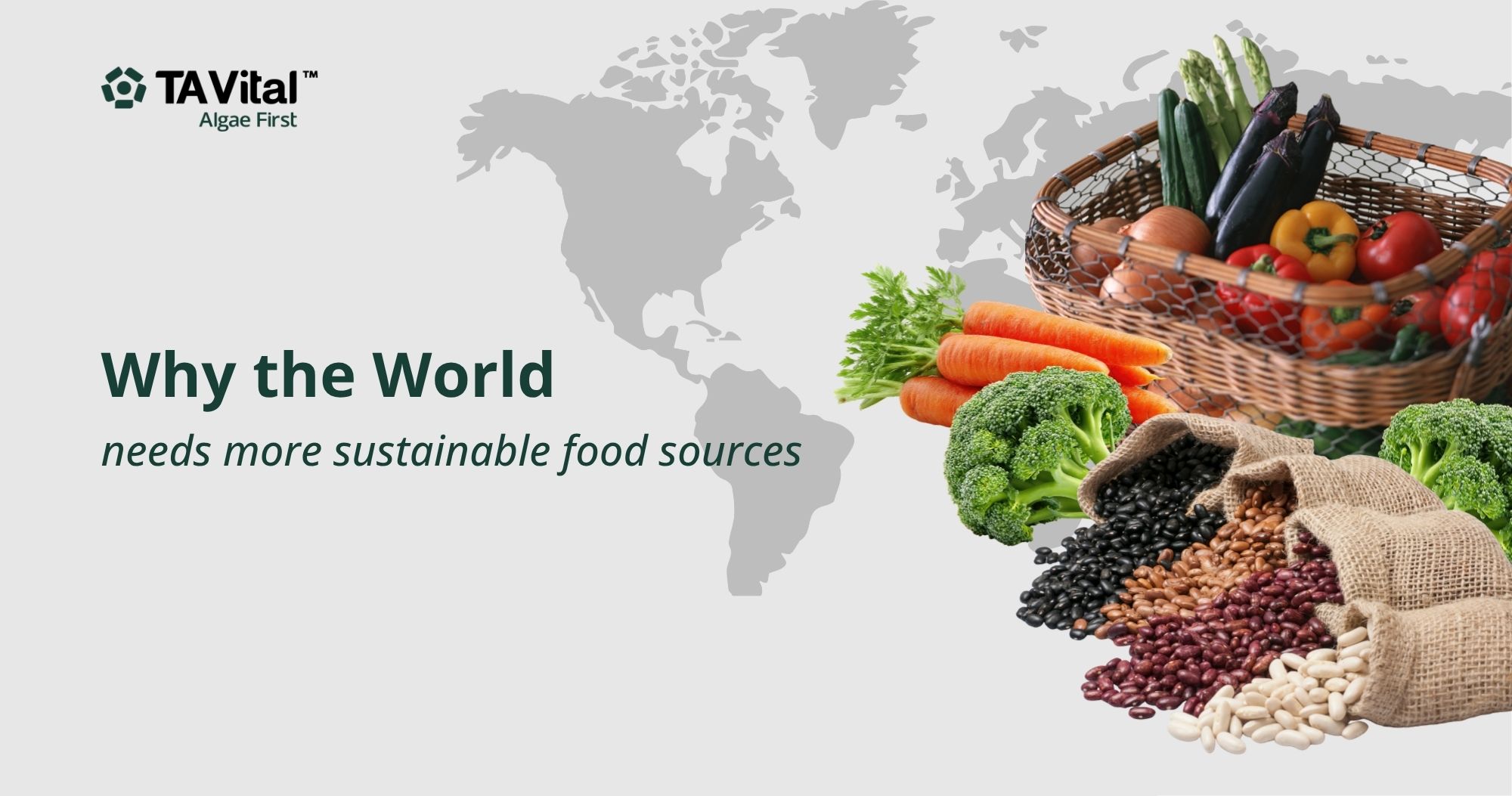
In recent years, the concept of sustainable food has appeared more and more frequently in discussions about nutrition, agriculture, and the environment. Consumers are no longer just concerned with whether food is healthy; they are also beginning to ask questions about how it is produced and its impact on the environment.
This trend is driving many countries and businesses to seek new raw materials that can meet two goals simultaneously: providing nutritional value and using resources more efficiently.
Among them, Spirulina is one of the ingredients receiving significant attention from the scientific community, the food industry, and biotechnology.
Why has sustainable food become a trend?
The world's population continues to grow while natural resources are not infinite. Arable land, freshwater sources, and energy are all under immense pressure from urbanization and climate change.
The concept of sustainable nutrition is gaining more attention, not as a way to completely eliminate any food group, but as a move toward diversifying raw materials to reduce pressure on production systems and build a diet suitable for the future.
This is also why new raw materials such as microalgae, fungi, fermented proteins, and plant-based proteins are being researched and applied more widely in the food industry.
Why is Spirulina attracting interest?
.jpg)
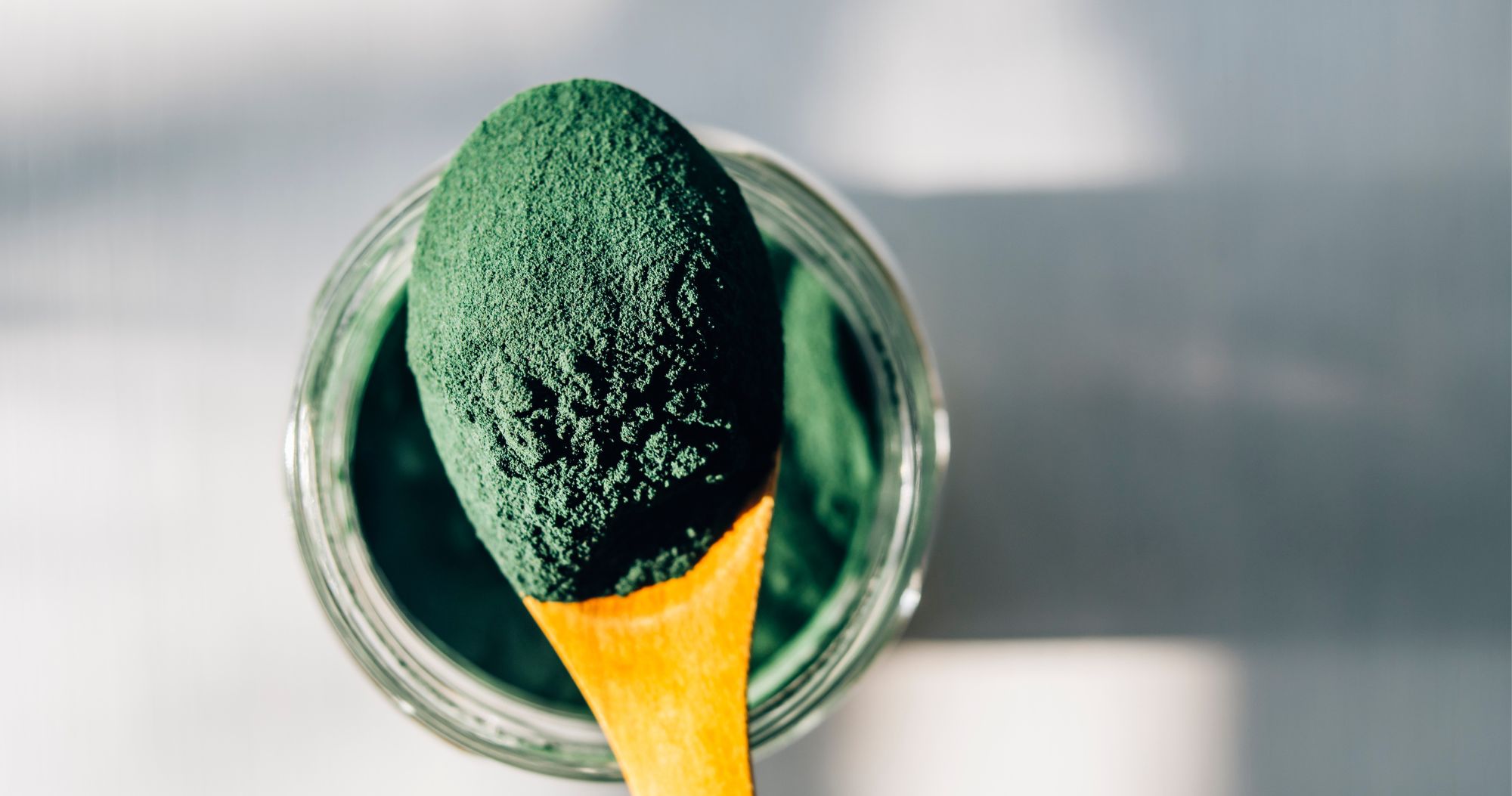
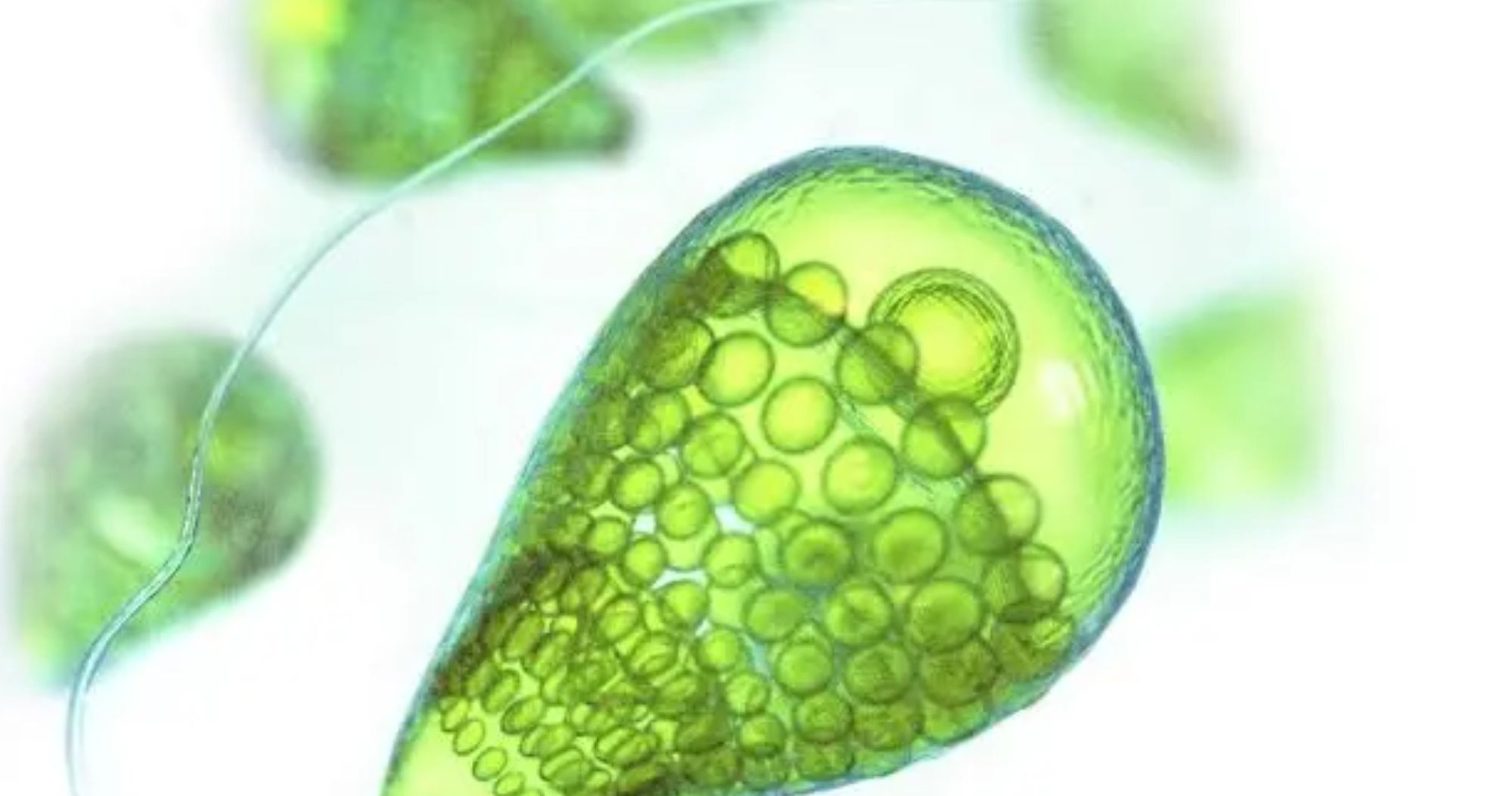
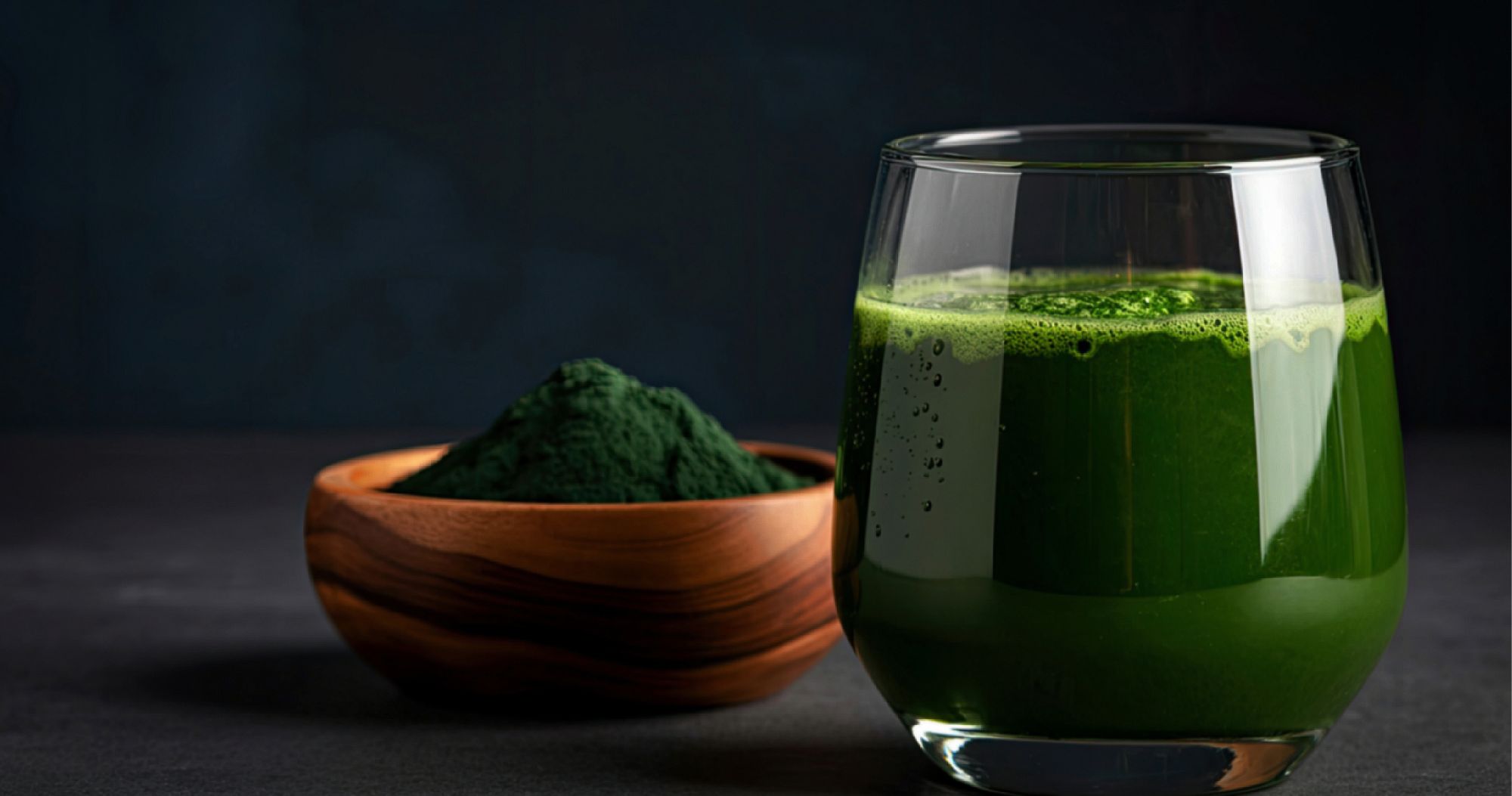
When mentioning Spirulina (also known as blue-green algae), many people immediately think of it as a dietary supplement. However, from a biotechnology perspective, Spirulina is also an ingredient with significant potential for food development.
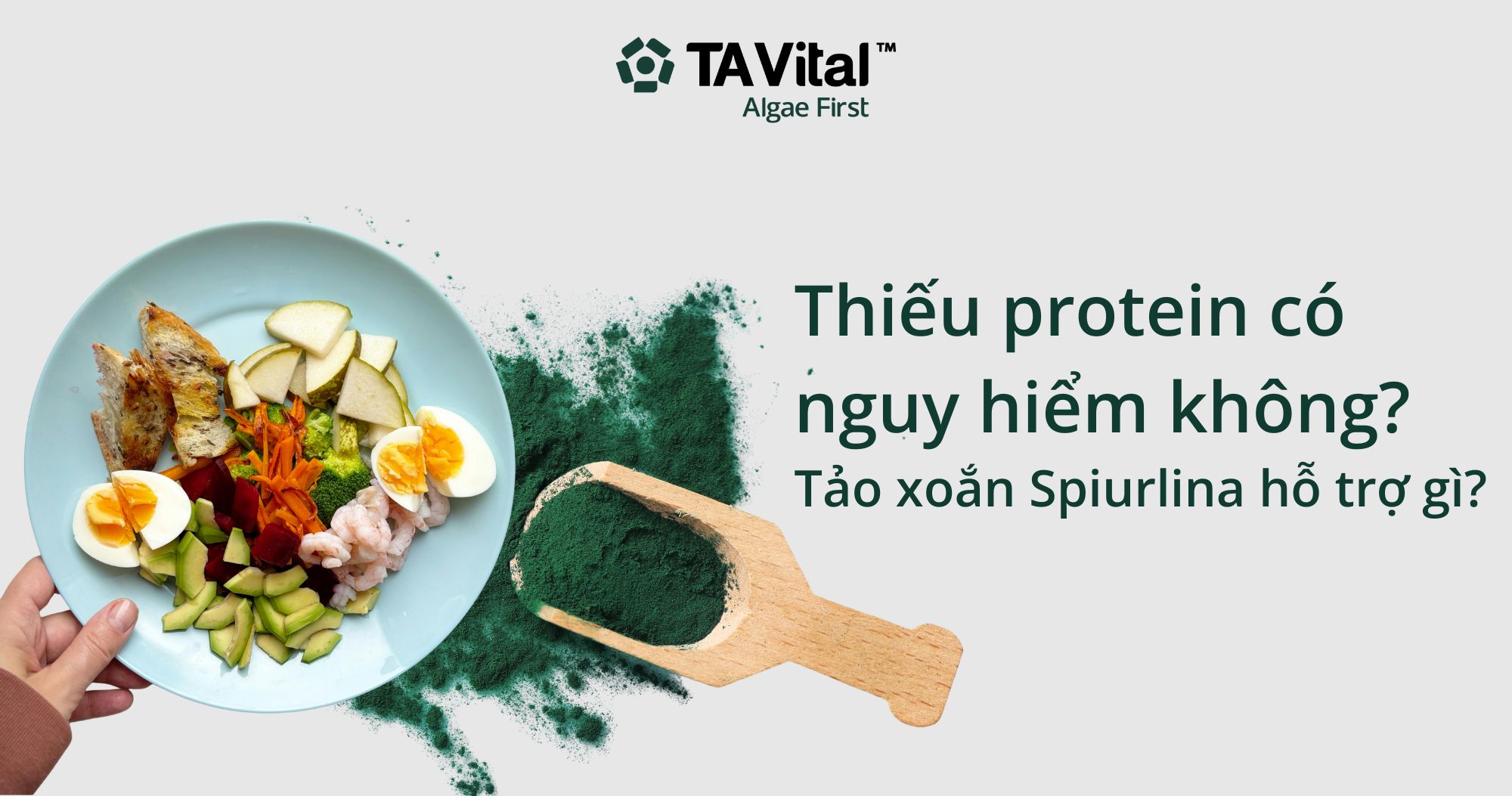
The first highlight is its nutritional composition, with a high protein content of up to 60-70% compared to many plant-based ingredients, while also providing natural compounds like phycocyanin along with various vitamins and minerals.
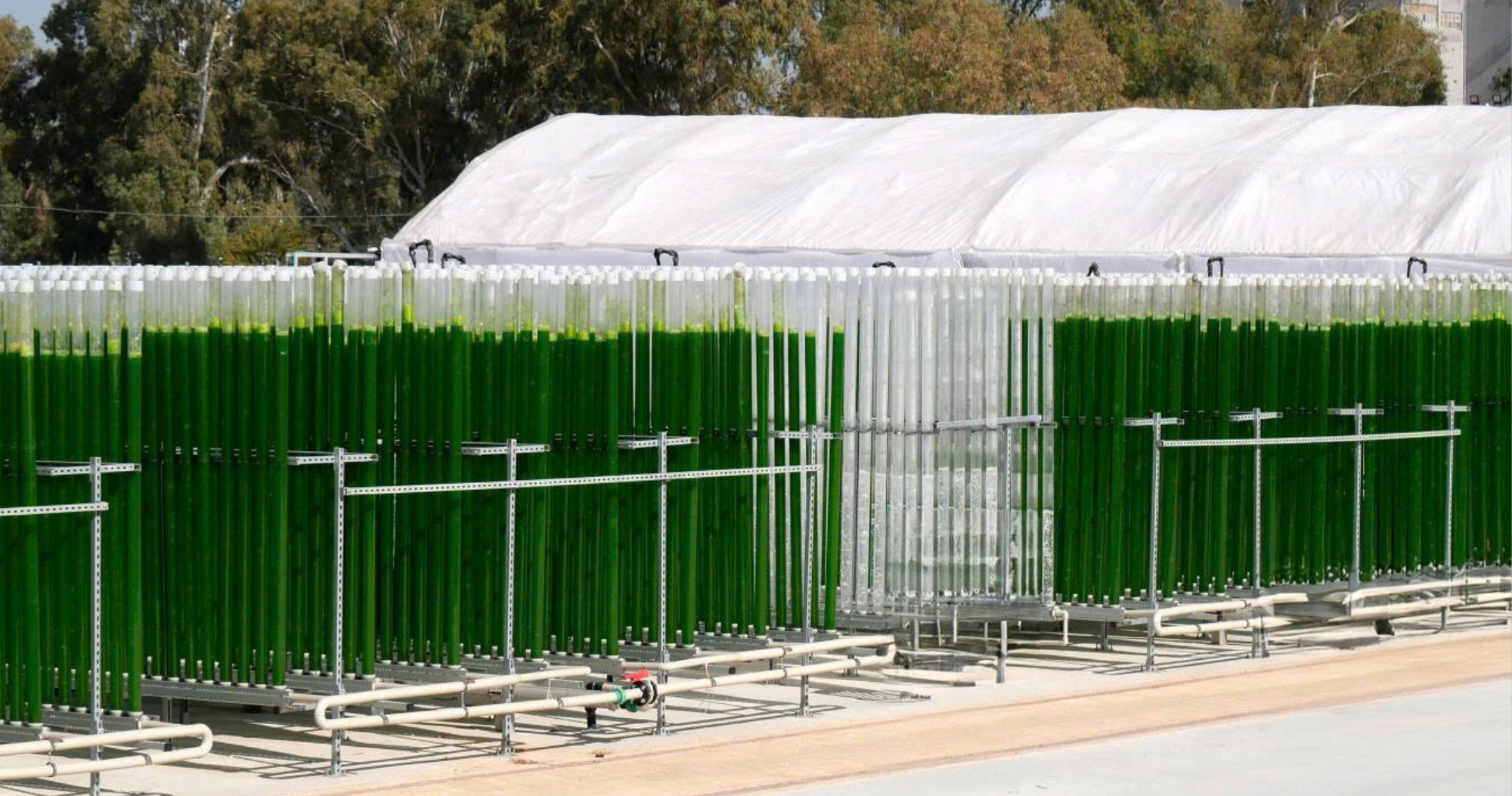
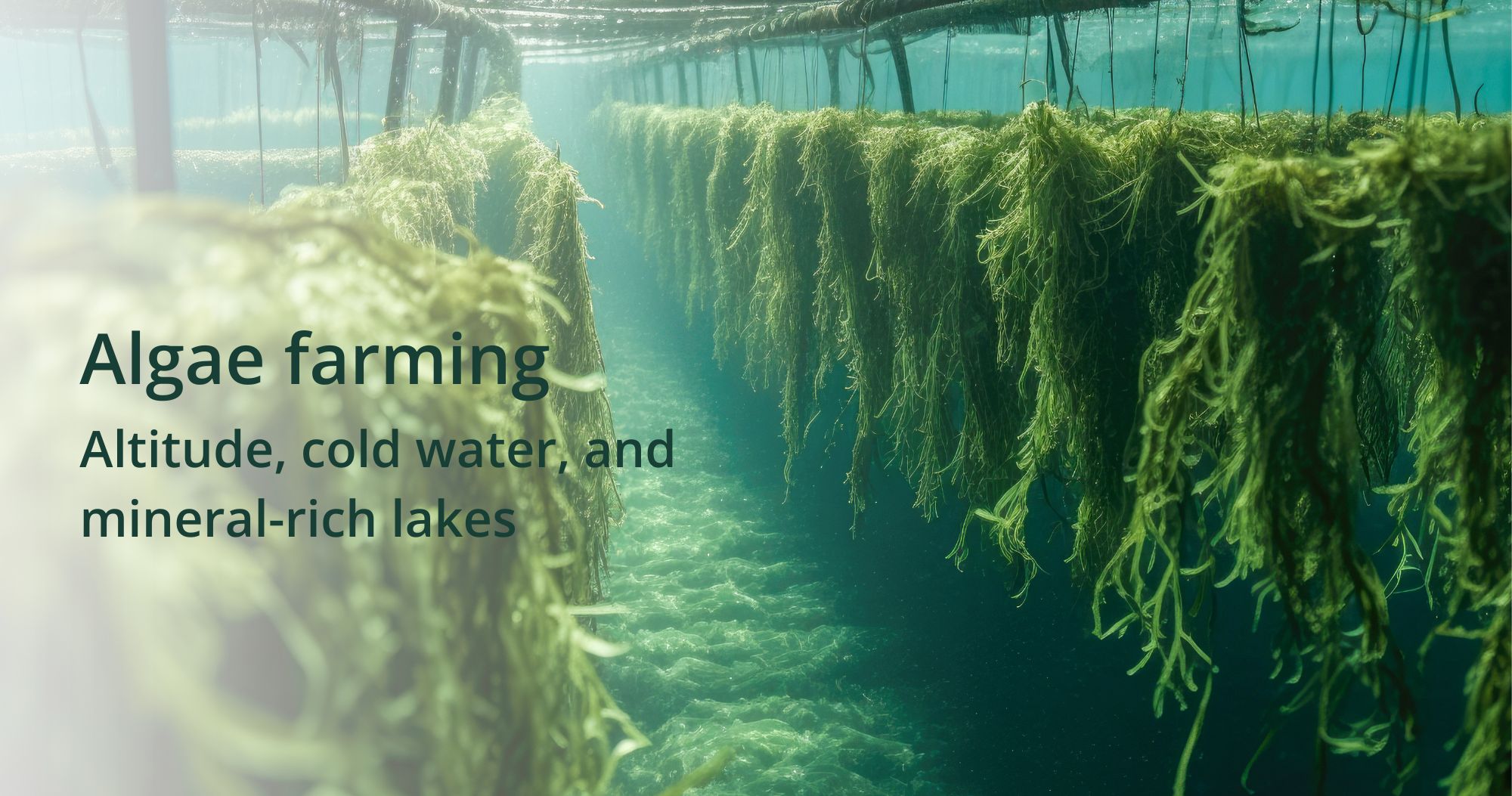
Beyond its nutritional value, Spirulina is also valued for its outstanding cultivation characteristics. Unlike many traditional crops, microalgae are grown in controlled systems where light, water, and nutrient conditions are closely monitored, helping to optimize the production process and maintain consistent ingredient quality.
The combination of nutrition and technology has made Spirulina one of the most promising ingredients frequently mentioned in research on the food of the future.
Is spirulina the food of the future?
The phrase food of the future is often used to describe ingredients capable of meeting nutritional needs in the context of a growing population and increasingly limited resources.
Spirulina is one of the ingredients that frequently appears on these lists. However, this does not mean that Spirulina will completely replace familiar foods like grains, vegetables, meat, or fish.
A balanced diet always requires variety from many different food groups.
The value of Spirulina lies in expanding the options for protein and nutritional sources, providing the food industry with new ingredients to meet the needs of future consumers.
In other words, spirulina is not the only food of the future, but rather part of a trend toward developing sustainable nutritional sources.
Spirulina for astronauts
Green Biotechnology and the role of Spirulina
Green Biotechnology focuses on applying science to create solutions that use resources more efficiently, reduce environmental impact, and develop high-value ingredients.
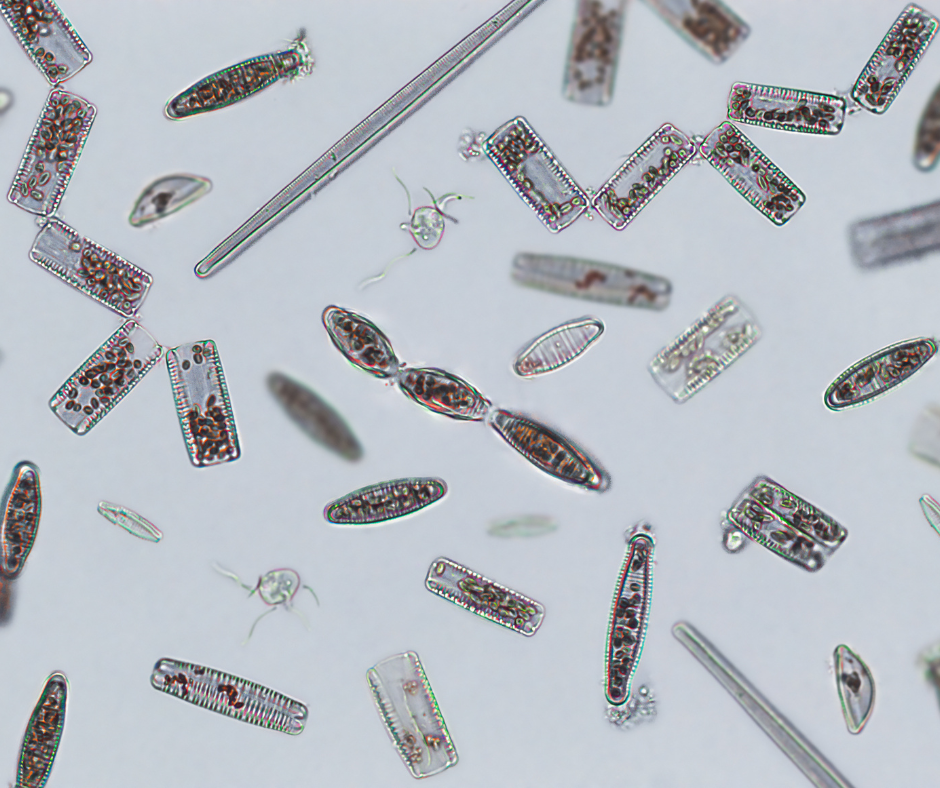
In the food sector, microalgae are among the most studied foods for their ability to produce valuable compounds such as proteins, natural pigments, and other bioactive components.
Spirulina is therefore not just a nutritional ingredient but also represents the trend of combining science, agriculture, and biotechnology to create new solutions for the food industry.
Spirulina is being viewed in a new light
.jpg)
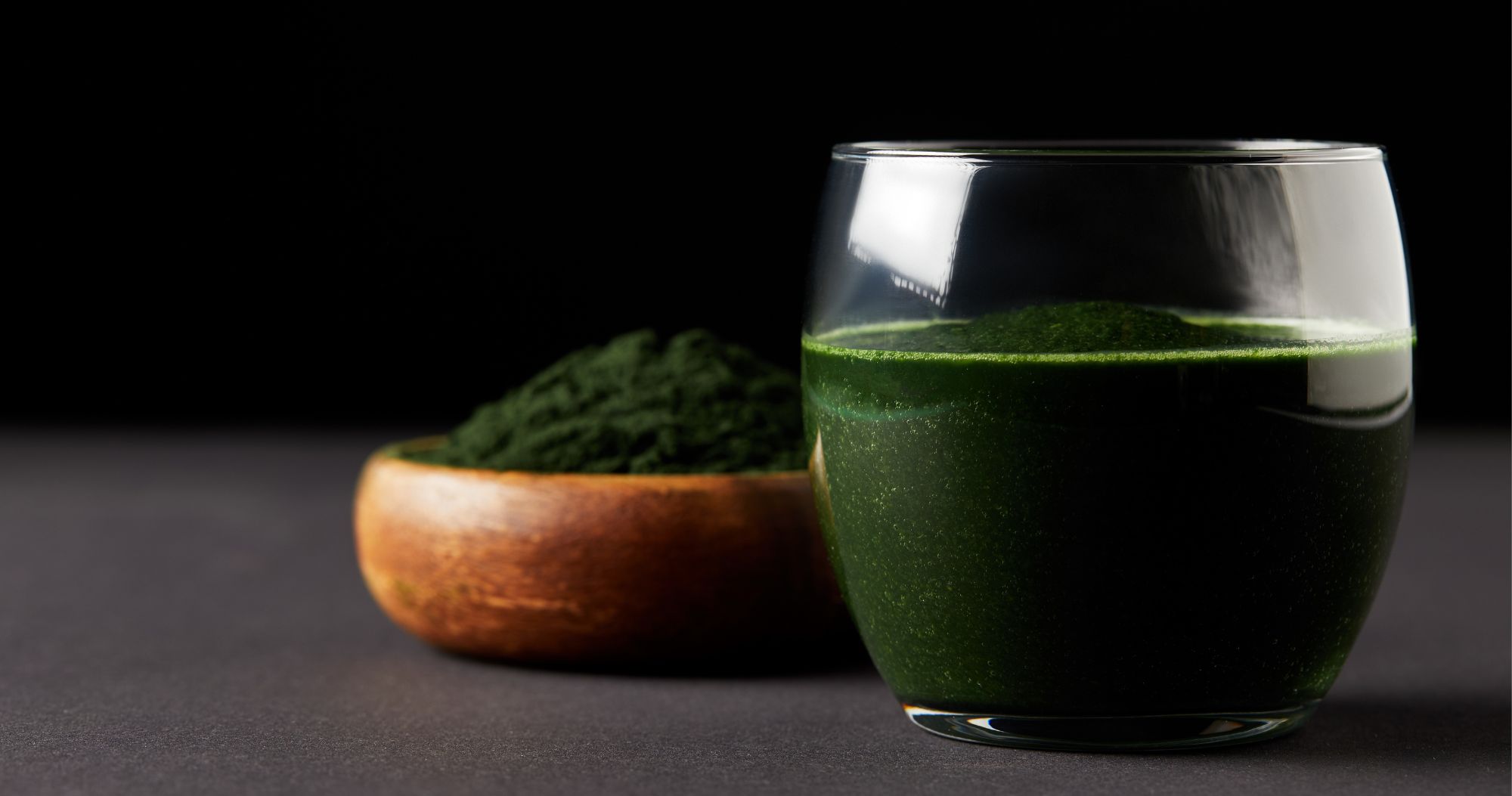
The scope of microalgae applications is increasingly expanding into various fields such as food, beverages, sports nutrition, food ingredients, and even as a source of natural pigments to replace certain synthetic colorants. This shows that the value of Spirulina lies not only in a specific product but also in its potential to become a biological raw material serving many industries.
For food businesses, this trend also opens up opportunities to develop products with higher nutritional value while meeting the growing consumer demand for ingredients of natural origin produced through modern processes.
Conclusion
Spirulina is gaining global attention not only for its protein content and nutritional value but also for its potential as a raw material in modern biotechnology. As the demand for high-quality food and efficient resource utilization grows, Spirulina offers the food industry another option on the journey toward sustainable development.
.png)
.png)




.jpg)





.jpg)

.jpg)



.jpg)


.png)
.png)
.jpg)
.jpg)






.jpg)

.jpg)


.jpg)
.jpg)


.jpg)



.jpg)




.png)






.jpg)



.jpg)