In recent years, spirulina has often been referred to as a nutrient-rich “superfood” and is of interest to many in a healthy diet. However, behind its characteristic blue color and reputation for nutritional value, this microalgae also possesses a lot of interesting stories that not everyone knows.
From being used by humans hundreds of years ago to its rapid growth and impressive protein content, spirulina has become one of the most cultivated microalgae in the world. Not only appearing in food supplements, spirulina is also studied in many fields of science and technology.
Here are 10 fun facts about spirulina that will probably make you look at this tiny microalgae from a whole new angle.
What is Spirulina?
Spirulina belongs to the group of cyanobacteria
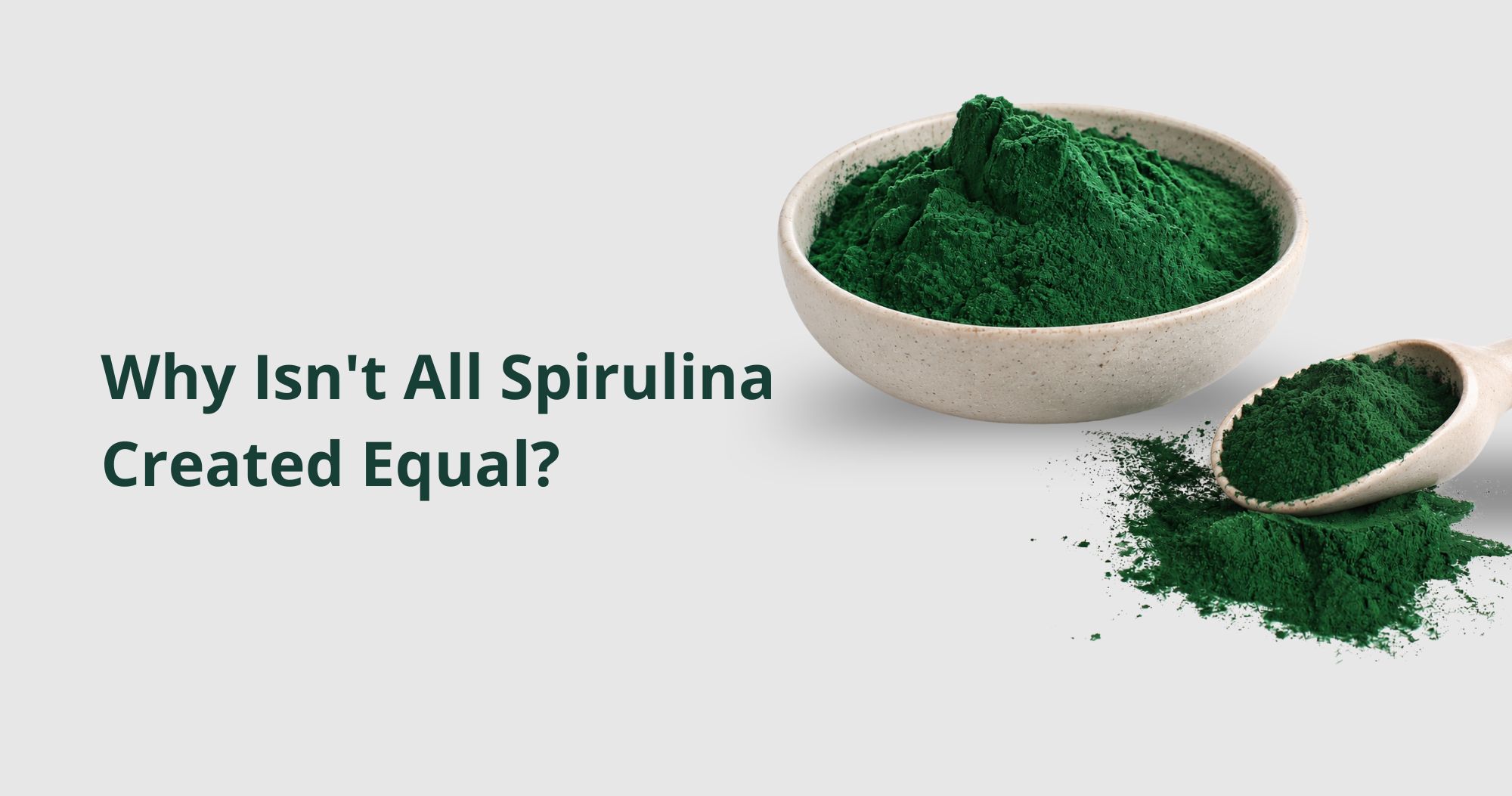
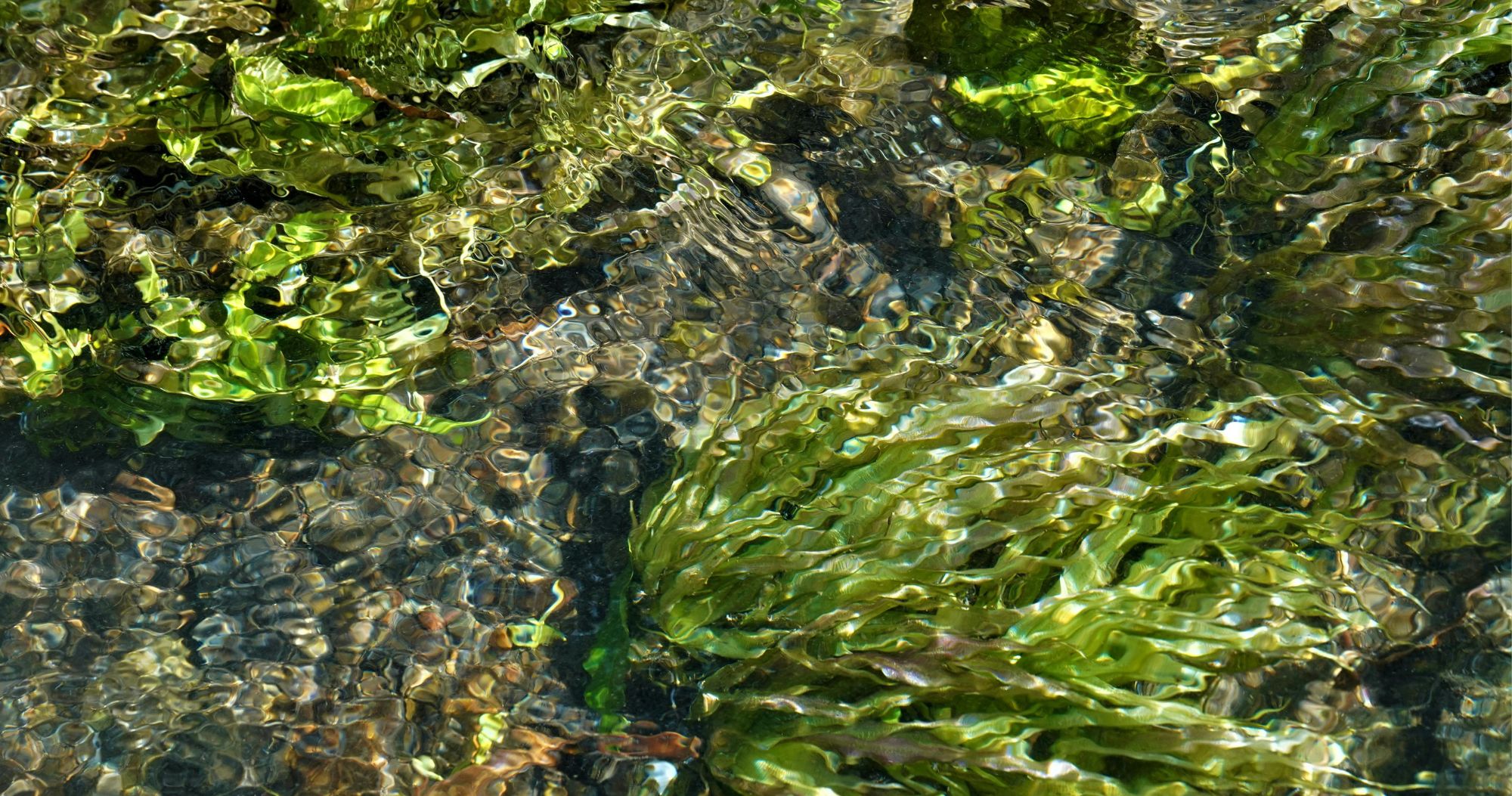
Spirulina is actually a type of cyanobacteria whose scientific name is Arthrospira. This is a group of photosynthetic organisms that live mainly in aquatic environments, capable of using sunlight to generate energy just like plants.
The peculiarity of spirulina is that they grow well in highly alkaline water environments — where many other types of microorganisms are difficult to survive. It is this particular living condition that makes spirulina less susceptible to biological competition and is easily cultivated in control systems.
Why spirulina is called “spirulina”
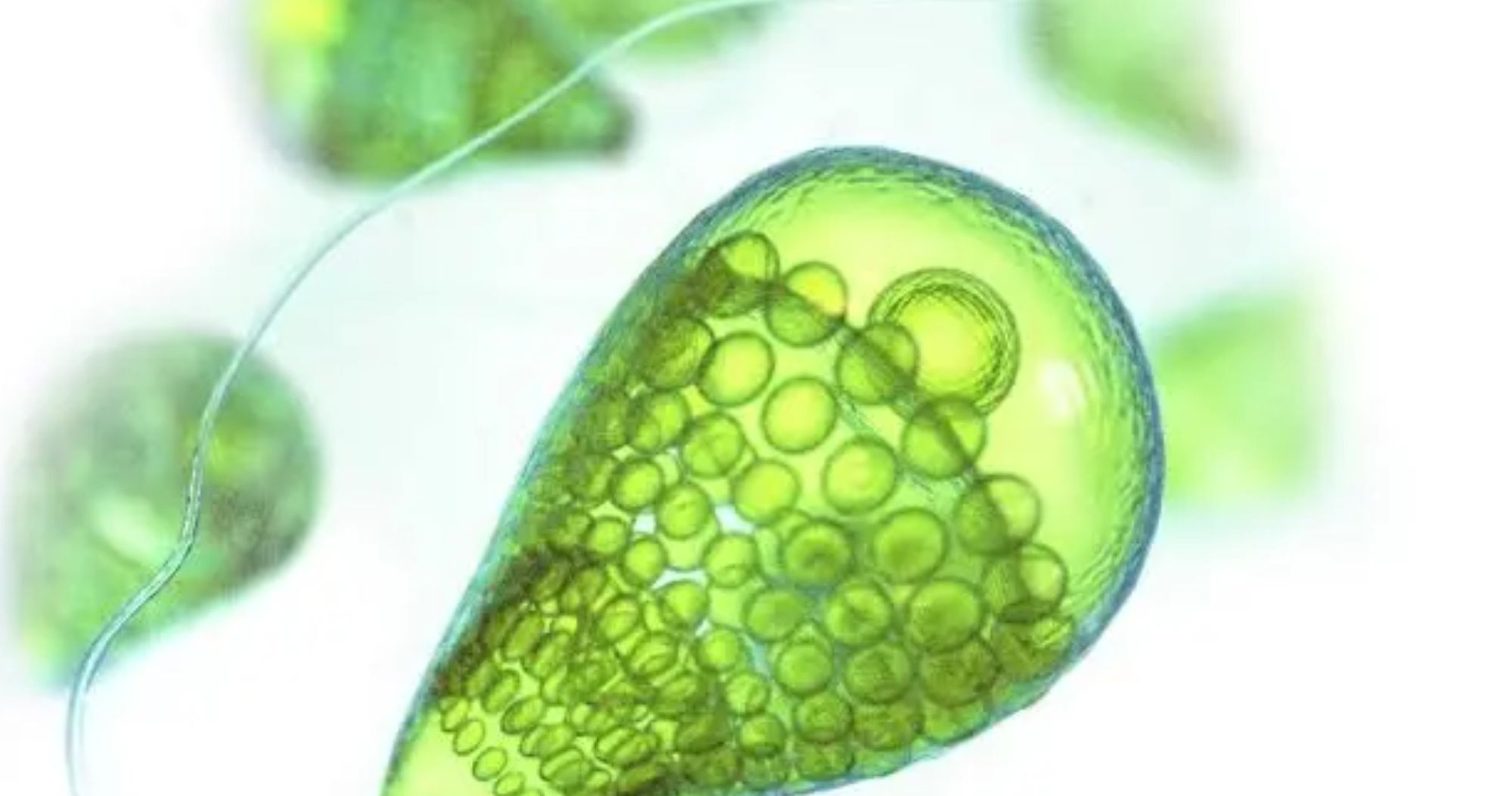
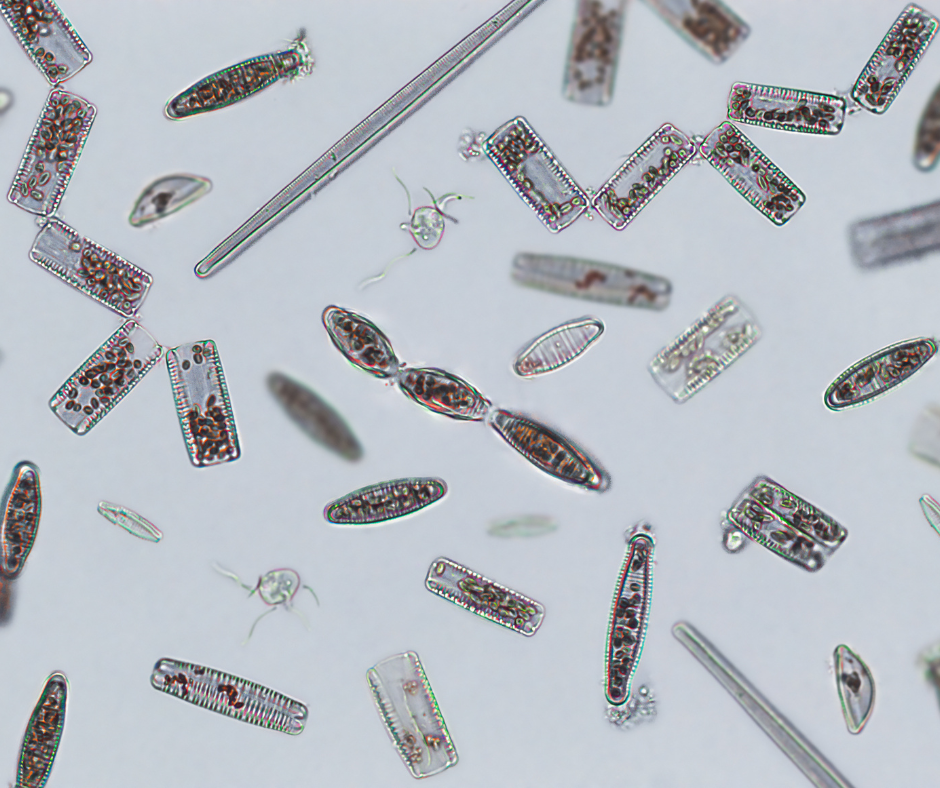
The name “spirulina” derives from their characteristic shape under the microscope. The algal fibers have a very pronounced spring-twisted structure, which differs from many other algae that are usually straight or sheet-shaped.
This twisted shape not only gives spirulina its familiar name, but also makes it easy for scientists to identify them during research and cultivation.
10 Interesting Facts About Spirulina
1. Spirulina has been used by humans for a long time
Although it has only become popular in the last few decades, spirulina has actually been used by humans for a long time in history.
Documents record that the Aztecs in Central America harvested spirulina from natural lakes and used them as a food source. Once collected, the algae will be dried into cakes and used in daily meals.
This suggests that spirulina is not a “new nutritional trend”, which has accompanied humans for centuries.
.jpg)
2. Spirulina is one of the most protein-rich foods
One of the reasons why spirulina is of great interest in nutrition is its very high protein content.
In dry form, the protein in spirulina can account for about 60— 70% by weight, a figure that is superior to many common foods. In addition, the protein in spirulina contains many amino acids necessary for the body.
For this reason, spirulina is often mentioned as a potential source of protein in healthy diets.
3. Spirulina contains a special green pigment — phycocyanin
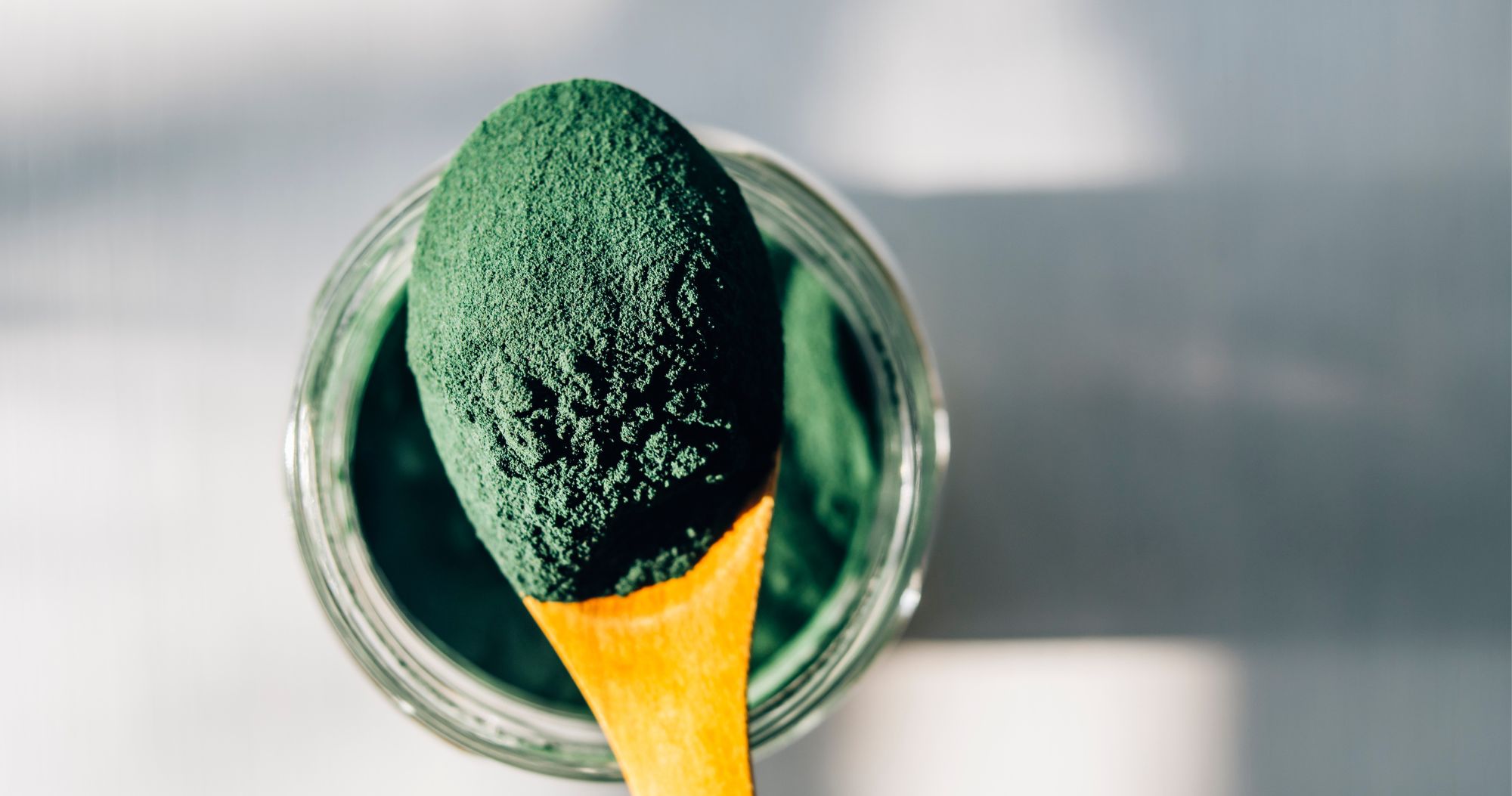
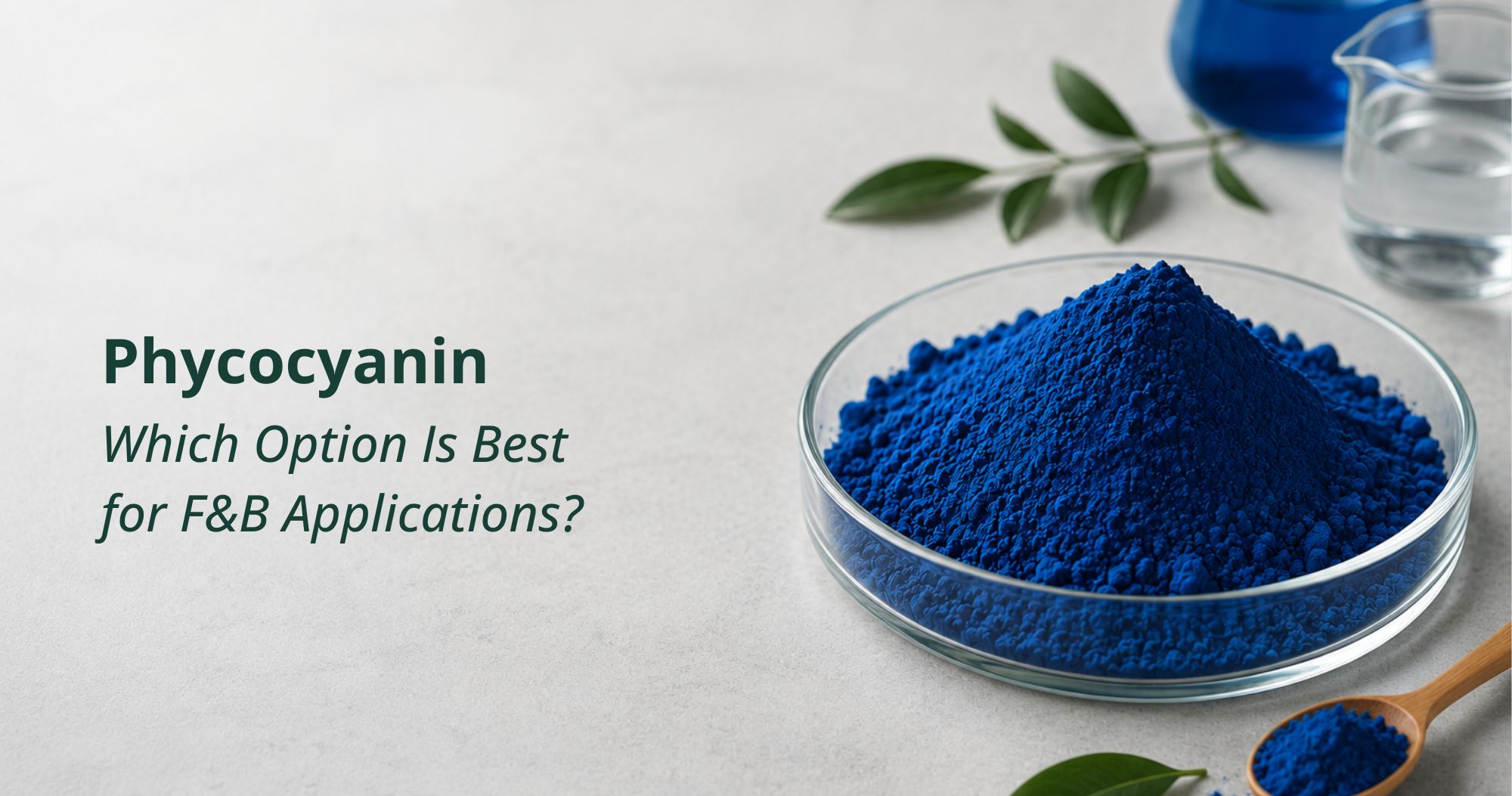
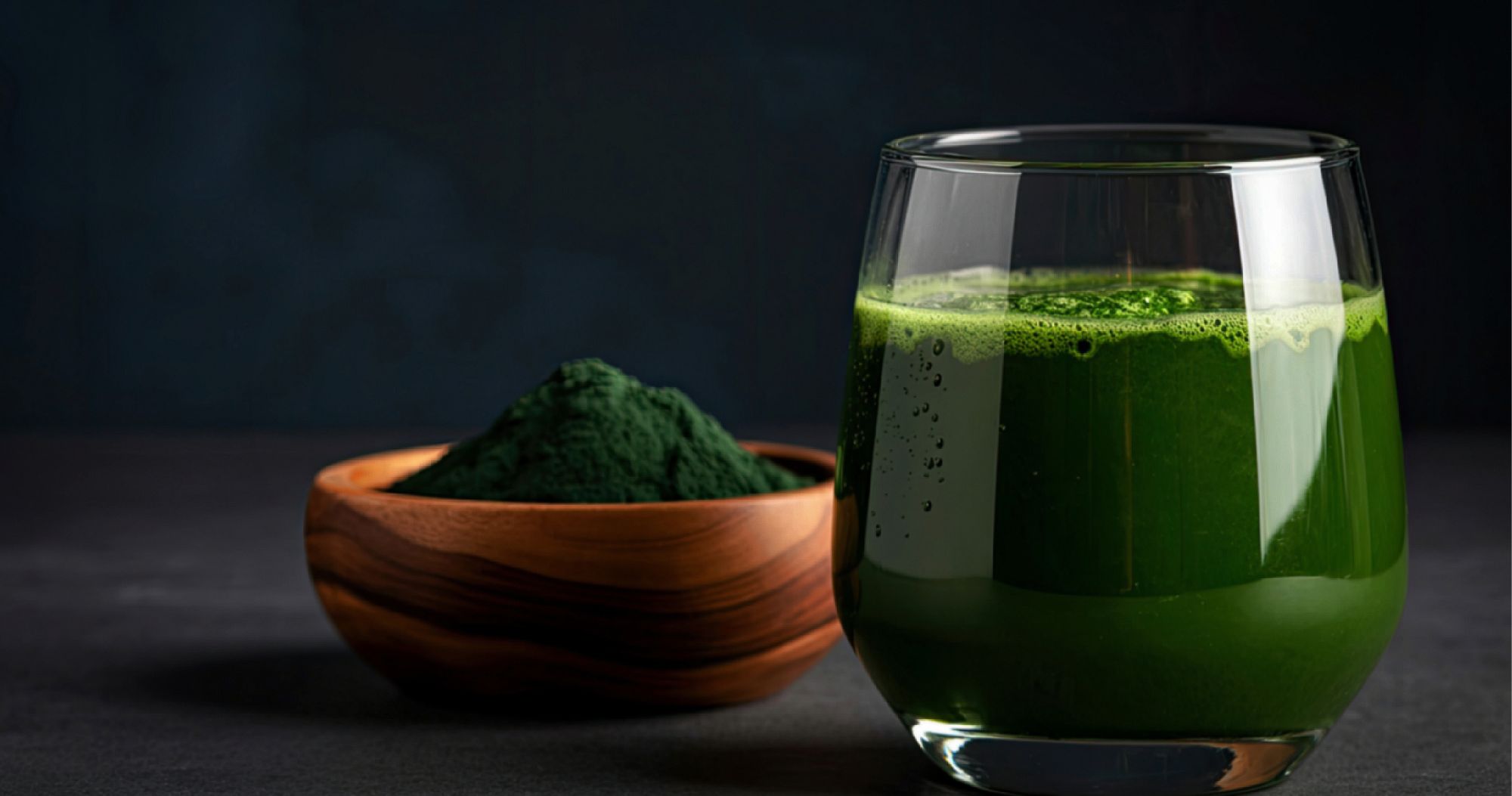
The characteristic blue color of spirulina is not merely a natural color, but also comes from a special biological pigment called phycocyanin.
This active substance plays an important role in the photosynthesis of algae. In scientific research, phycocyanins are also of interest due to their antioxidant capacity and potential biological properties.
It is this pigment that makes spirulina a raw material used in many nutritional products and even in the natural food industry.
.jpg)
4. Spirulina can grow very quickly
Compared to many other organisms, spirulina has a fairly impressive growth rate.
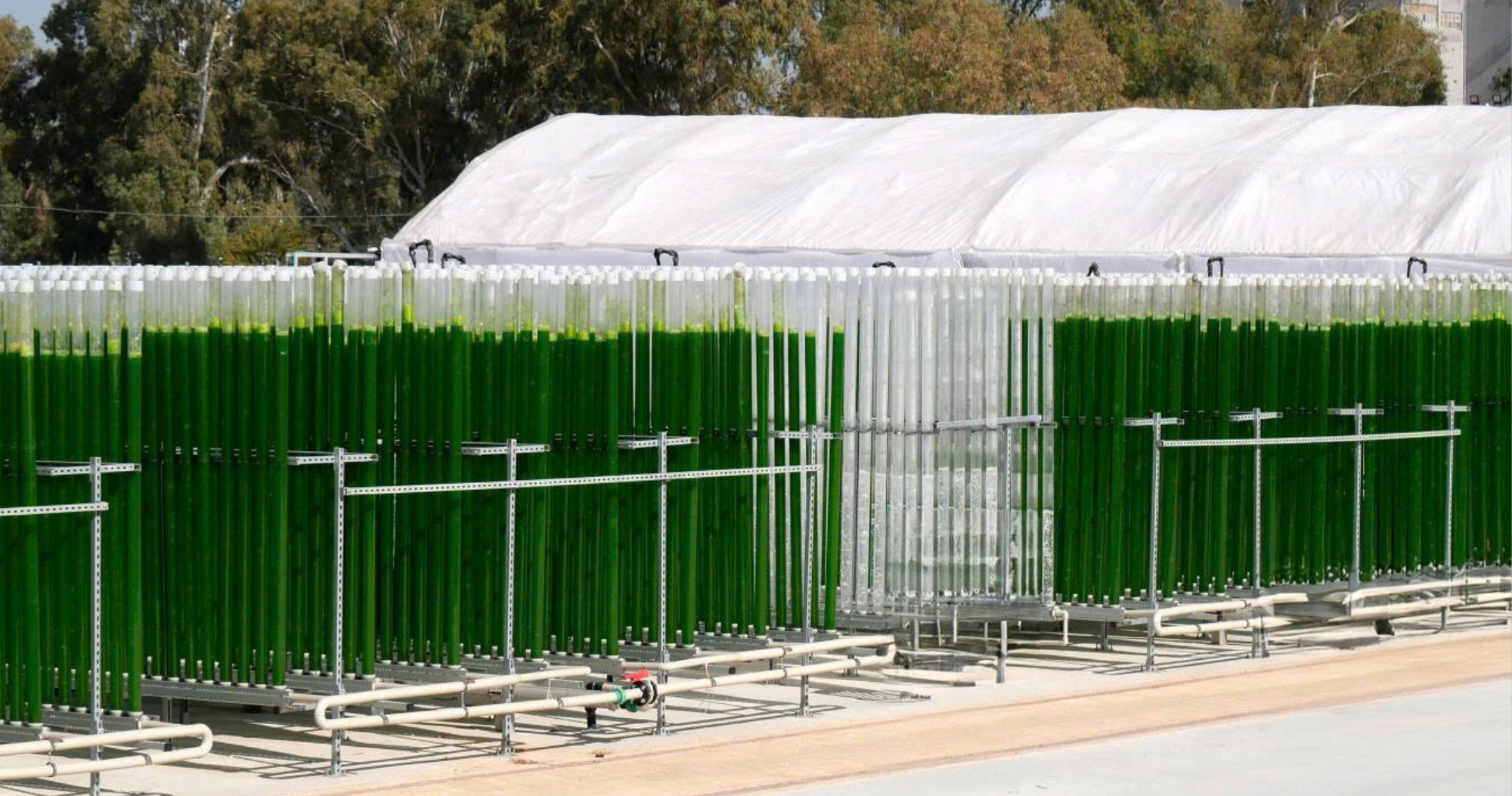
Under the right cultivation conditions in terms of light, temperature and nutrition, spirulina can multiply biomass quickly and be harvested in just a few days. This short growth cycle makes spirulina cultivation efficient and resource-efficient.
Thanks to its ability to grow rapidly, spirulina is increasingly noticed as a source of biomass with great potential.
5. Spirulina is considered the food of the future
Many research organizations and nutritionists have evaluated spirulina as one of the sustainable food sources of the future.
The reason lies in the fact that spirulina can provide a high amount of nutrients while the recultivation process does not require as much arable land as traditional crops. This makes microalgae a notable option in the context of a growing global population.
6. Spirulina can grow in harsh environments
A rather interesting biological feature of spirulina is its ability to live and grow in a highly alkaline water environment.
Many natural lakes that contain spirulina have a fairly high pH — conditions to which most other organisms are difficult to adapt. It is this ability that makes spirulina less susceptible to competing harmful microorganisms, and also facilitates controlled cultivation.
7. Spirulina has been studied for space food
Not only on Earth, spirulina has been studied as a potential food source for long-duration space missions.
In an outdoor environment, the production of food is a major challenge. Spirulina with its fast growth, high nutritional value and small cultivation area requirement has attracted the interest of many scientists.
Although still in the research phase, this shows the very special potential of this tiny microalgae.
.jpg)
8. Spirulina contains many vitamins and minerals
In addition to protein, spirulina provides many important vitamins and minerals for the body.
In spirulina can be found vitamins of group B, iron, along with many essential amino acids. Thanks to the combination of these nutritional components, spirulina is often used in nutritional supplement products.
It is the richness of the composition that makes spirulina one of the most studied microalgae in the field of nutrition.
9. Spirulina is grown in many countries
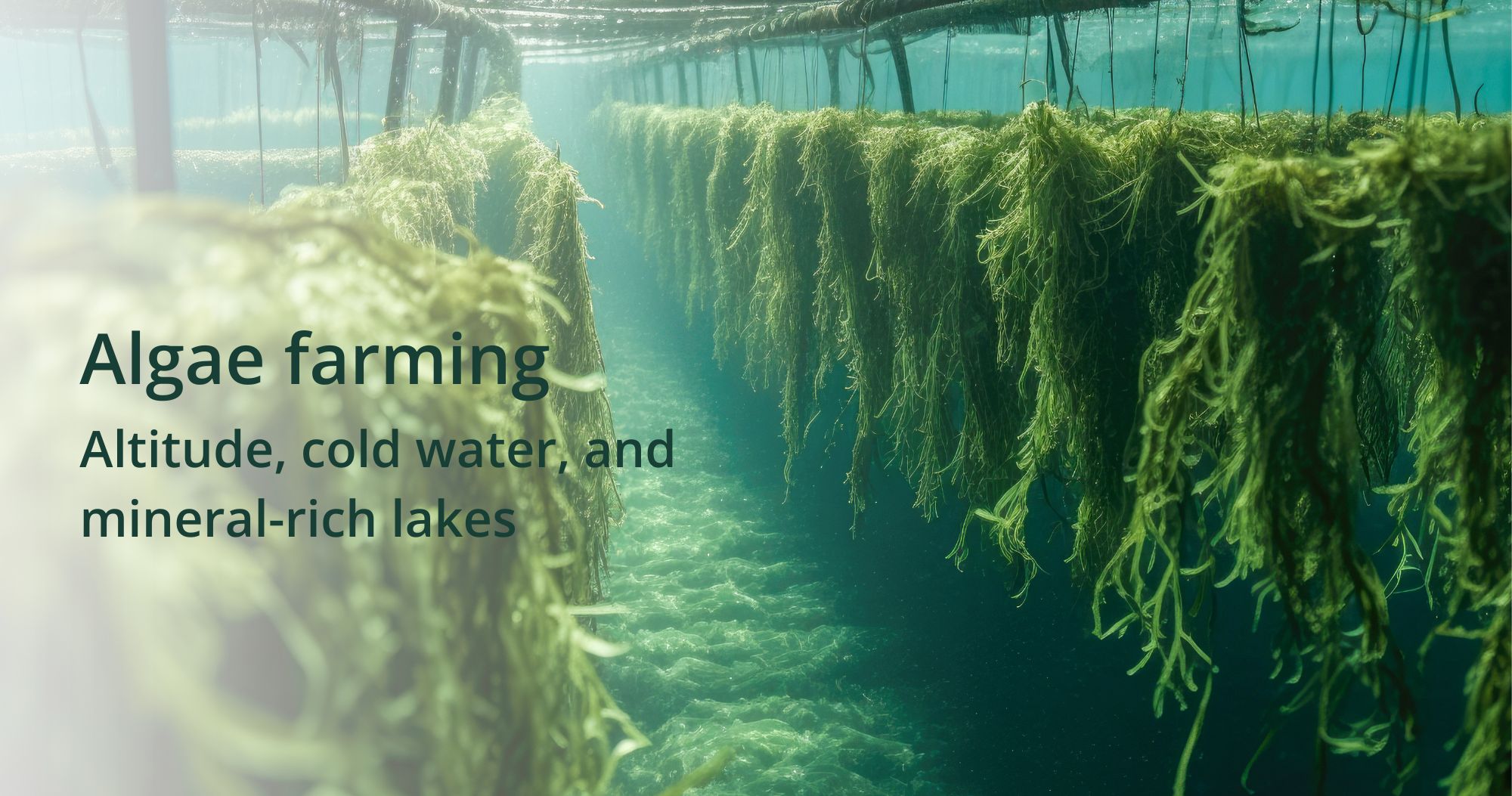
Today, spirulina no longer exists only in natural lakes, but has been cultivated in many countries around the world.
From Asia, Europe to the Americas, spirulina farms are growing thanks to the growing demand for microalgae nutritional products. Modern cultivation technology helps to better control the quality of algae and ensure the safety of users.
10. Spirulina has many uses outside of food
In addition to its role as a food supplement, spirulina is also applied in many different fields.
In the cosmetic industry, spirulina extract is used in skin care products thanks to its antioxidant-rich composition. In scientific research, spirulina is also considered a potential source of raw materials in biotechnology.
These diverse applications show that spirulina is not only a food but also a valuable biological resource.
Why is spirulina getting more and more attention?
The growing interest in spirulina is no coincidence. In fact, many factors have contributed to the popularity of this microalgae in recent years.
First of all, high nutritional value is the most important factor. Spiurlina is high in protein, vitamins, and minerals, making it a nutritional supplement source of choice for many people.
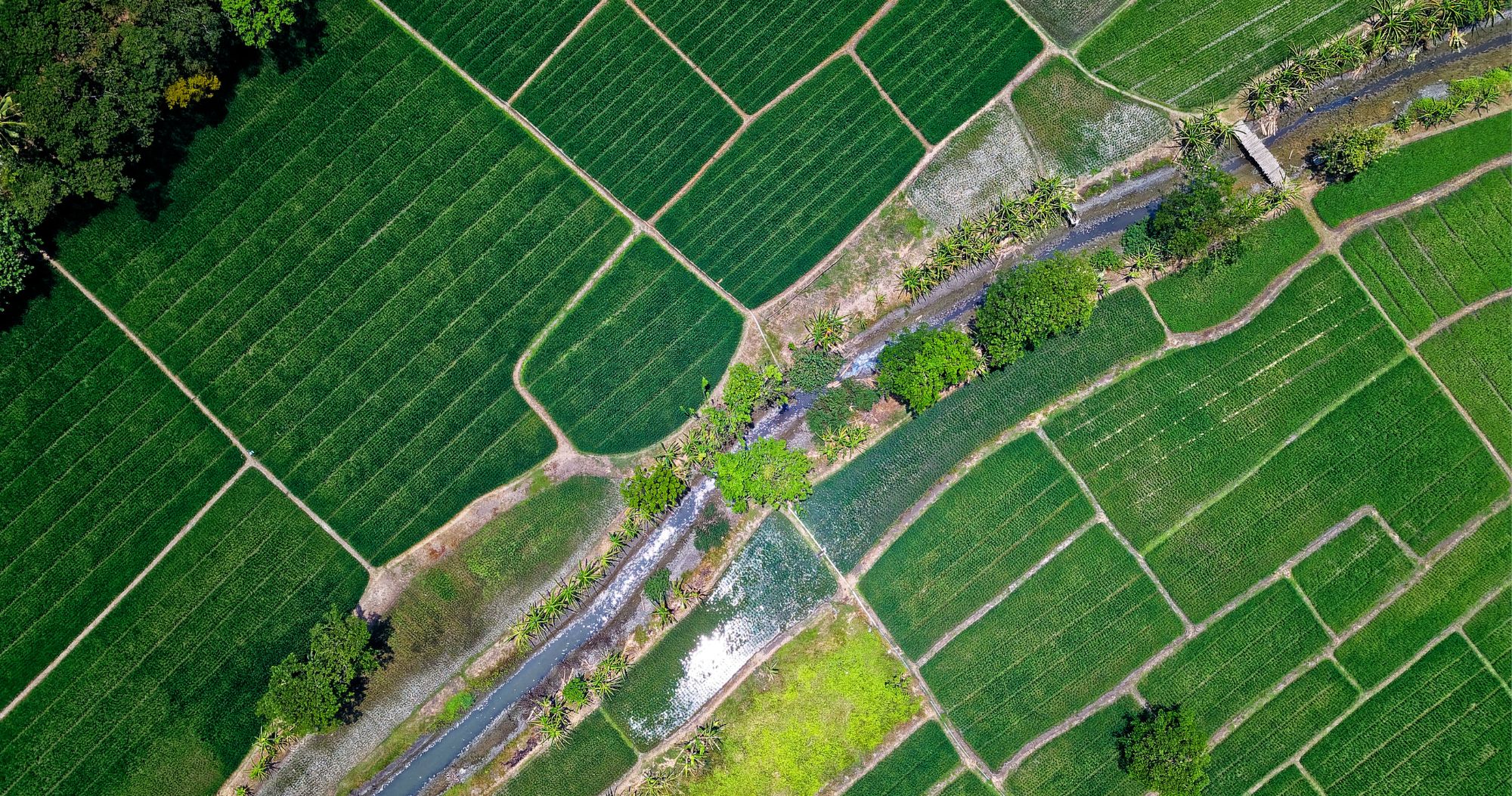
In addition, Spirulina is considered a sustainable food source. Cultivation of microalgae can take place on small areas and is less dependent on agricultural land, which is especially significant in the context of growing global food demand.
In addition, the potential for applications in many fields such as biotechnology, functional foods or cosmetics also contributes to spirulina becoming an object of research for scientists.

Conclusion
Spirulina is not only a nutrient-rich food, but also carries with it many interesting stories of history, biology and science. From being used by ancient civilizations to its potential as a food source of the future, spirulina has proven its exceptional value in the microbial world.
The above facts show why spirulina is of increasing interest in the field of nutrition and biotechnology. And it is likely that in the future, this tiny microalgae will continue to play an even more important role in human life.

.png)
.png)


.jpg)




.jpg)

.jpg)



.jpg)


.png)
.png)
.jpg)
.jpg)






.jpg)

.jpg)


.jpg)
.jpg)


.jpg)



.jpg)




.png)




.jpg)



.jpg)