During the development of a new product, Research and Development (R&D) is consistently the most time-consuming, costly, and resource-intensive phase. Even a minor change in raw materials can force a business to adjust formulas, re-test, or delay the product's time-to-market. Choosing the right ingredients from the start not only impacts the quality of the final product but also determines the efficiency of the entire R&D process. In this context, microalgae is gaining attention from businesses in the food, beverage, cosmetics, and dietary supplement industries for its ability to simultaneously meet requirements for efficacy, stability, and application versatility.
1. Why is R&D the most time-consuming phase?
For businesses in the food, beverage, cosmetics, or dietary supplement sectors, product Research and Development (R&D) is a critical step that determines a product's quality, uniqueness, and market competitiveness.
The R&D process goes far beyond simply creating a new formula. From selecting raw materials and testing mixing ratios to sensory evaluation, stability testing, and finalizing technical documentation, every step requires multiple trials and adjustments to ensure the product meets quality, efficacy, and safety standards.
One of the reasons this process drags on is the discrepancy between laboratory results and actual production conditions. A formula may perform well at the research scale but fail to maintain its quality when scaled up for mass production. Businesses often have to continue optimizing formulas and testing ingredient stability under various conditions—such as temperature, pH, light, or storage processes—before a product can be commercialized.
Technical documentation and regulatory compliance requirements also add to the R&D team's workload. Businesses must assess ingredient safety, prepare necessary technical files, and ensure the product meets the standards of each specific market. For companies targeting exports, this process is often more complex due to the need to comply with a wider range of regulations.
Notably, raw materials are one of the most significant factors influencing the progress of the entire R&D process. If ingredients are unstable, incompatible with the formula, or lack comprehensive technical data, businesses are forced to conduct multiple rounds of testing, formula adjustments, and re-evaluations, which not only increases research costs but also delays the product's time-to-market.
2. The "bottlenecks" that cost businesses hundreds of R&D hours
Inconsistent raw materials between production batches
One of the most common causes is a lack of consistency between batches of raw materials. When color, active ingredient content, or technical properties vary between batches, a previously optimized formula may no longer yield the desired results. The R&D team is then forced to re-evaluate the ingredients, adjust mixing ratios, or conduct additional testing to ensure the quality of the final product.
Frequent formula adjustments
Every ingredient has unique properties regarding solubility, compatibility, stability, and reactivity with other components in a formula. If an ingredient is not suited to production conditions or product development goals, businesses must continuously change mixing ratios and re-test the product's sensory profile, color, or efficacy.
Lack of technical data for research
A Certificate of Analysis (COA) only provides the results for a single batch of material at the time of testing, which is insufficient to support the entire product development process. R&D teams also require data on stability under various conditions, application suitability in specific formulas, safety documentation, and usage guidelines. When this information is missing, businesses must conduct their own additional tests to gather data, which extends the project timeline.

Difficulty scaling from the lab to actual production
Many formulas perform well at the laboratory scale but encounter issues when transitioned to mass production. Changes in scale, equipment, or production conditions can affect final product quality if the raw materials are not sufficiently stable or have not been fully evaluated. This forces businesses to continue optimizing formulas and re-testing before the product can be brought to market.
Lack of support from raw material suppliers
Many suppliers stop at simply providing the raw materials and basic documentation, while businesses often need much more. During the R&D process, having access to technical data, application consulting, or troubleshooting support helps research teams shorten testing times and minimize risks.
3. Why does microalgae help optimize the R&D process?
A stable supply of raw materials, reducing the number of trials
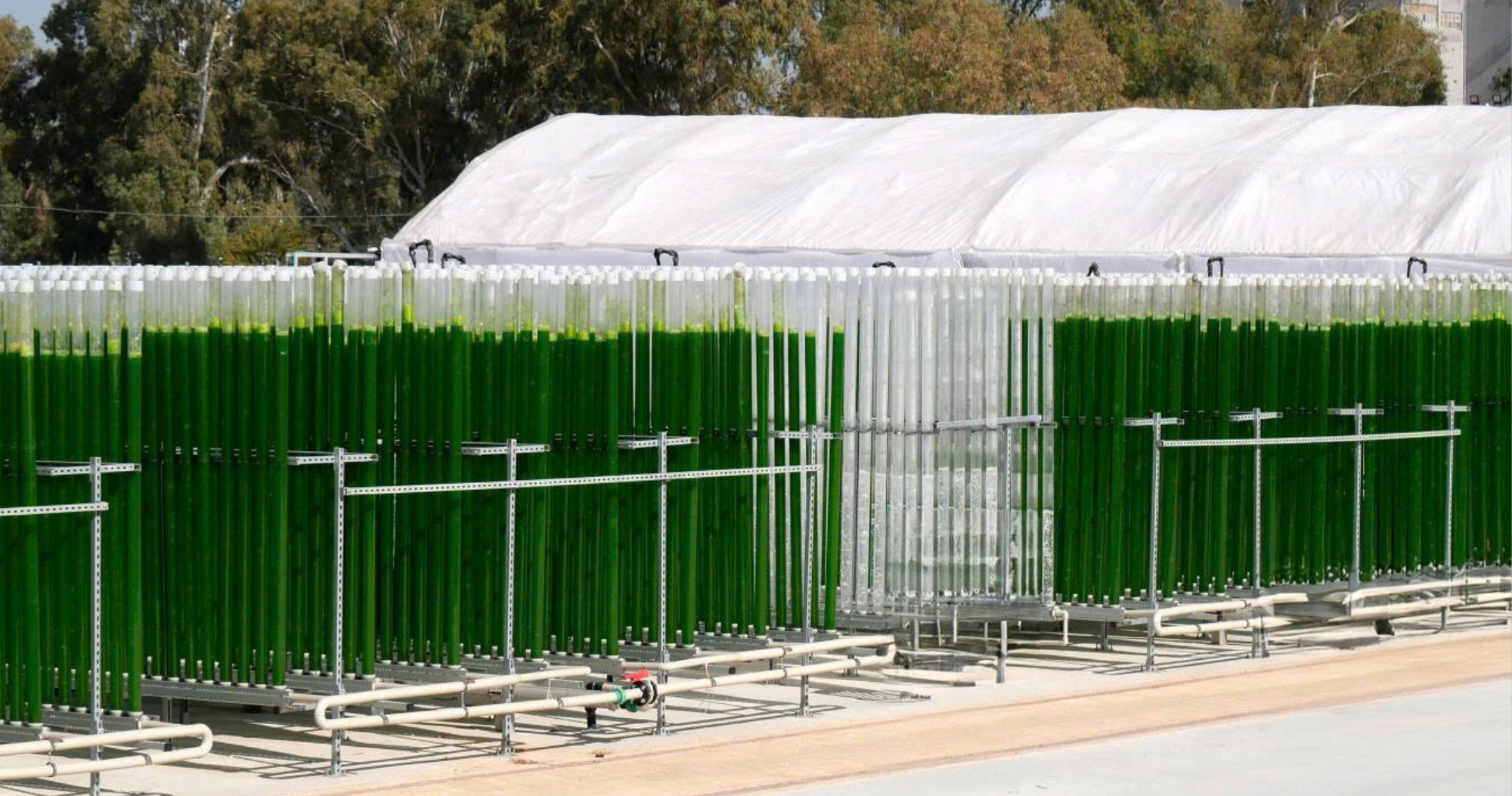
Unlike many natural ingredients that depend on farming conditions and seasonality, microalgae are cultivated in controlled environments, ensuring consistent quality across production batches. This allows businesses to reduce the number of trials, minimize formula adjustments, and significantly shorten research timelines.
One ingredient - multiple applications
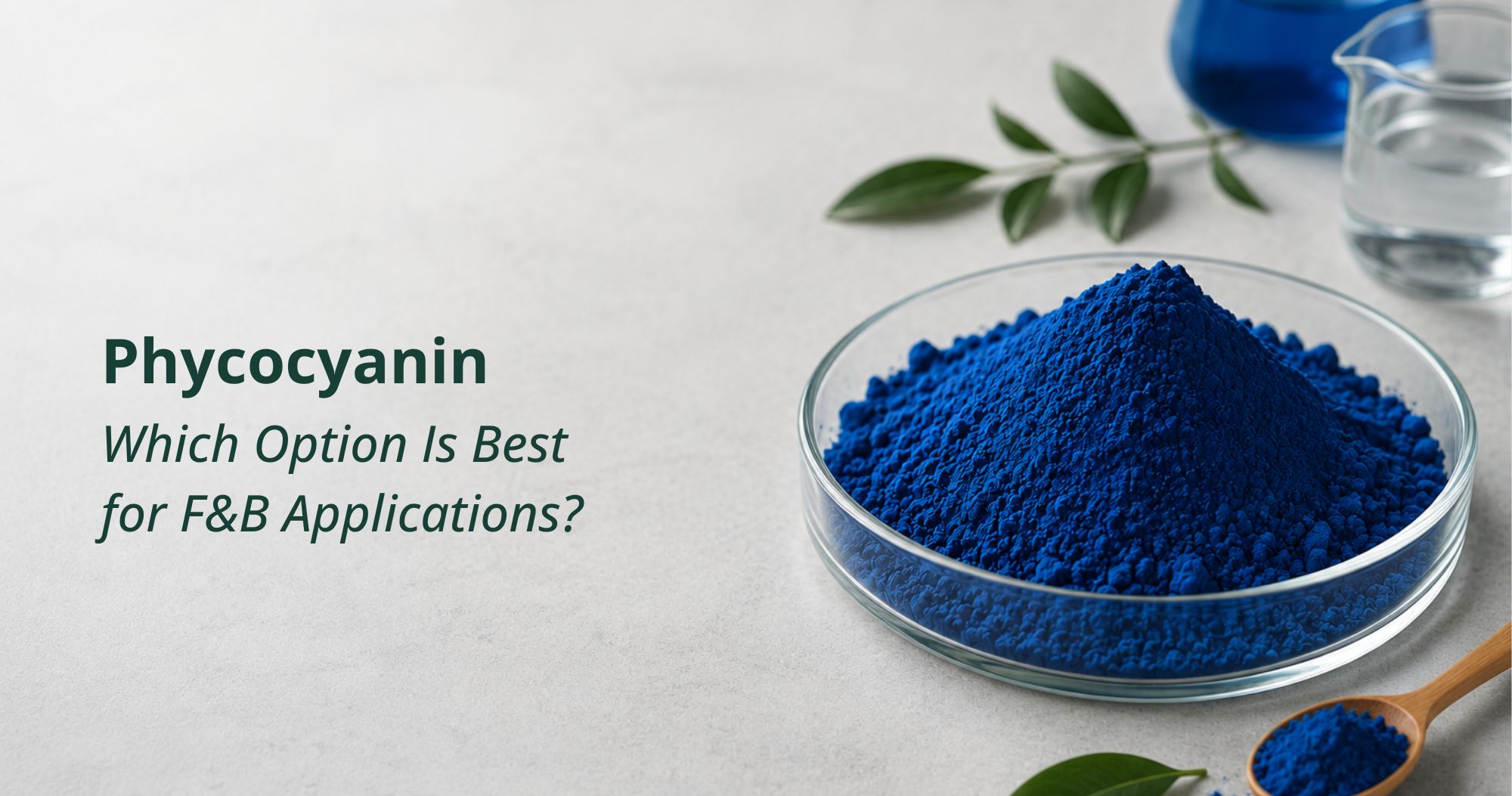
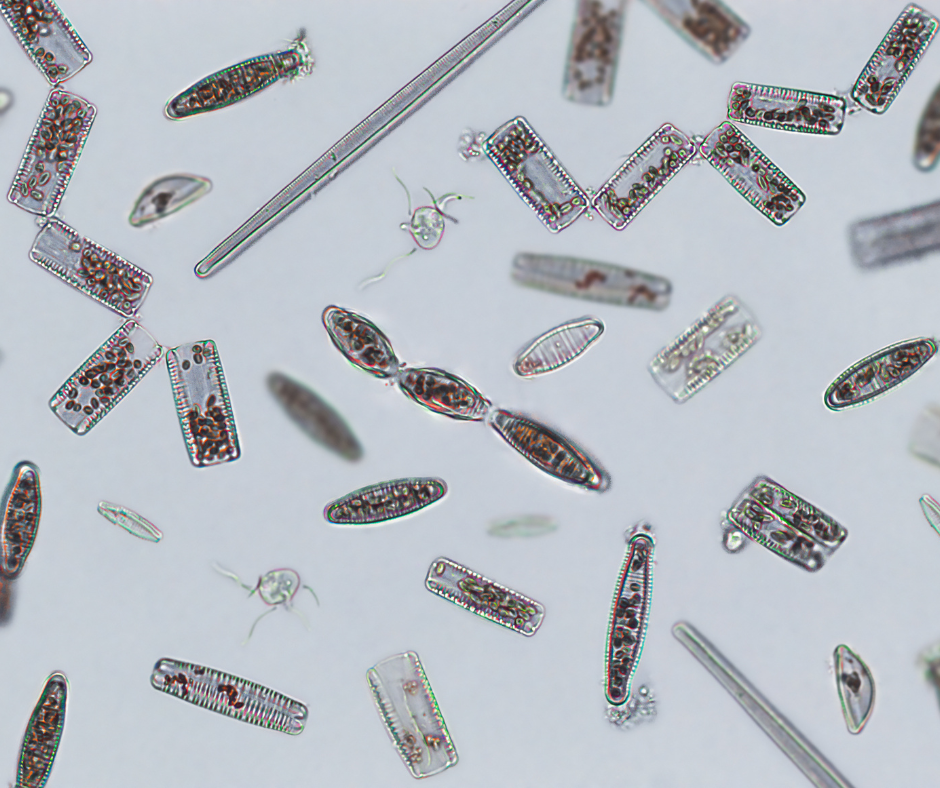
Microalgae contain a wealth of bioactive compounds such as proteins, peptides, polysaccharides, carotenoids, and phycocyanin. This diversity allows a single ingredient to meet various product development goals, from boosting nutritional value and providing natural coloring to offering antioxidant support or enhancing skin protection. Integrating multiple functions into one ingredient helps businesses reduce the number of components needed, simplifies the formulation process, and optimizes testing time.
Easily meeting new product development trends
Trends like Clean Label, biotechnology, and sustainability are forcing many businesses to reformulate or seek alternative ingredients. With its natural origin, versatile applications, and potential for sustainable development, microalgae have become a suitable choice for many modern product lines, helping businesses accelerate their research and product innovation processes.

Greater ease in the commercialization process
A product is only truly successful when it can transition from the laboratory to large-scale production while maintaining consistent quality. This is the stage where many businesses must spend extra time testing and optimizing formulas. When provided with a complete set of technical documentation—such as COA, Technical Data Sheet (TDS), Safety Data Sheet (SDS), stability data, and traceability—microalgae ingredients provide R&D teams with a solid foundation for evaluation, shortening the documentation process and minimizing risks during product commercialization.
4. Conclusion
Optimizing R&D time depends not only on the capabilities of the research team but also on choosing the right ingredients. A stable, multifunctional raw material source, accompanied by comprehensive technical data and application support, helps businesses reduce the number of trials, shorten formulation development time, and accelerate product commercialization. With these advantages, microalgae are becoming a promising ingredient solution, helping businesses improve R&D efficiency and gain a competitive edge in a constantly evolving market.
With the goal of becoming a trusted partner for businesses, TA Vital not only provides microalgae-based ingredient solutions but also supports businesses throughout the research, formulation optimization, and commercialization processes, contributing to the creation of high-quality solutions that meet the market's increasingly demanding needs.




.png)
.png)




.jpg)






.jpg)
.jpg)

.jpg)


.png)
.png)
.jpg)
.jpg)







.jpg)

.jpg)


.jpg)
.jpg)


.jpg)




.jpg)





.png)






.jpg)




.jpg)