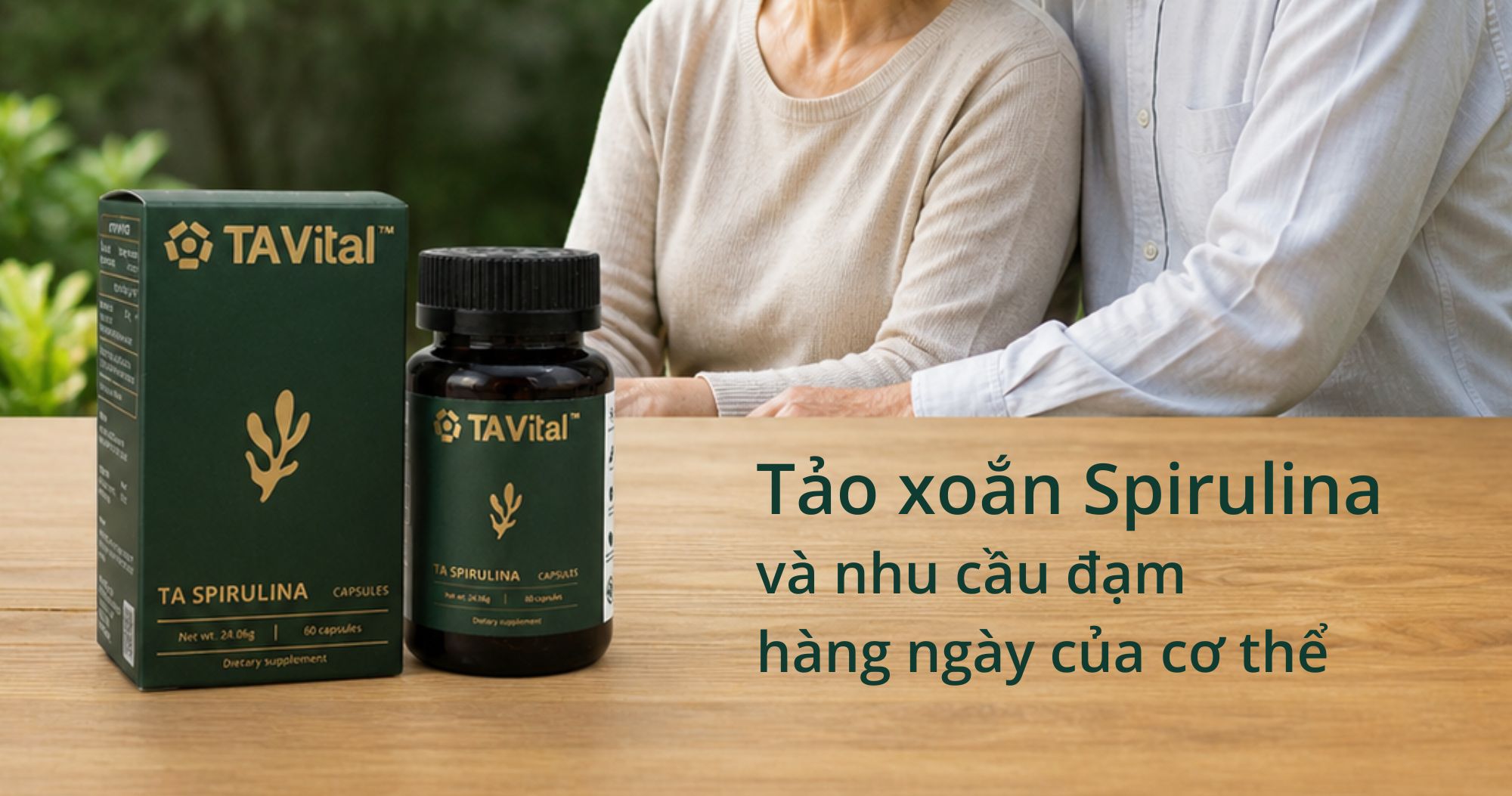
In any diet, protein always plays a central role. It's the "building block" for muscle growth, cell regeneration, and maintaining almost all vital bodily functions. However, it's interesting that many people don't truly know how much protein they need daily – and whether their current diet provides enough.
Meanwhile, spirulina is often touted as a superior, high-density plant-based protein source. Even a small amount provides significant protein compared to many other foods. But a crucial question needs clarification: can Spirulina help you meet your daily protein requirements, or does it merely serve as a supplement?
How much protein does the body truly need daily?
Protein requirements aren't a fixed number for everyone, but there are foundational recommendations widely used in nutrition. For healthy adults, the basic level is typically around 0.8g of protein per kilogram of body weight per day.
This means a person weighing 60kg would need approximately 48g of protein daily to maintain normal function. However, this figure is just the minimum. For those who exercise, are highly active, or are in a recovery phase, protein needs can increase significantly – sometimes by 1.5 to 2 times.
Conversely, older adults also require more protein to mitigate muscle loss over time. This demonstrates that protein is not only crucial for gym-goers but also a foundation for long-term health.
Spirulina – A Concentrated Protein Source from Nature
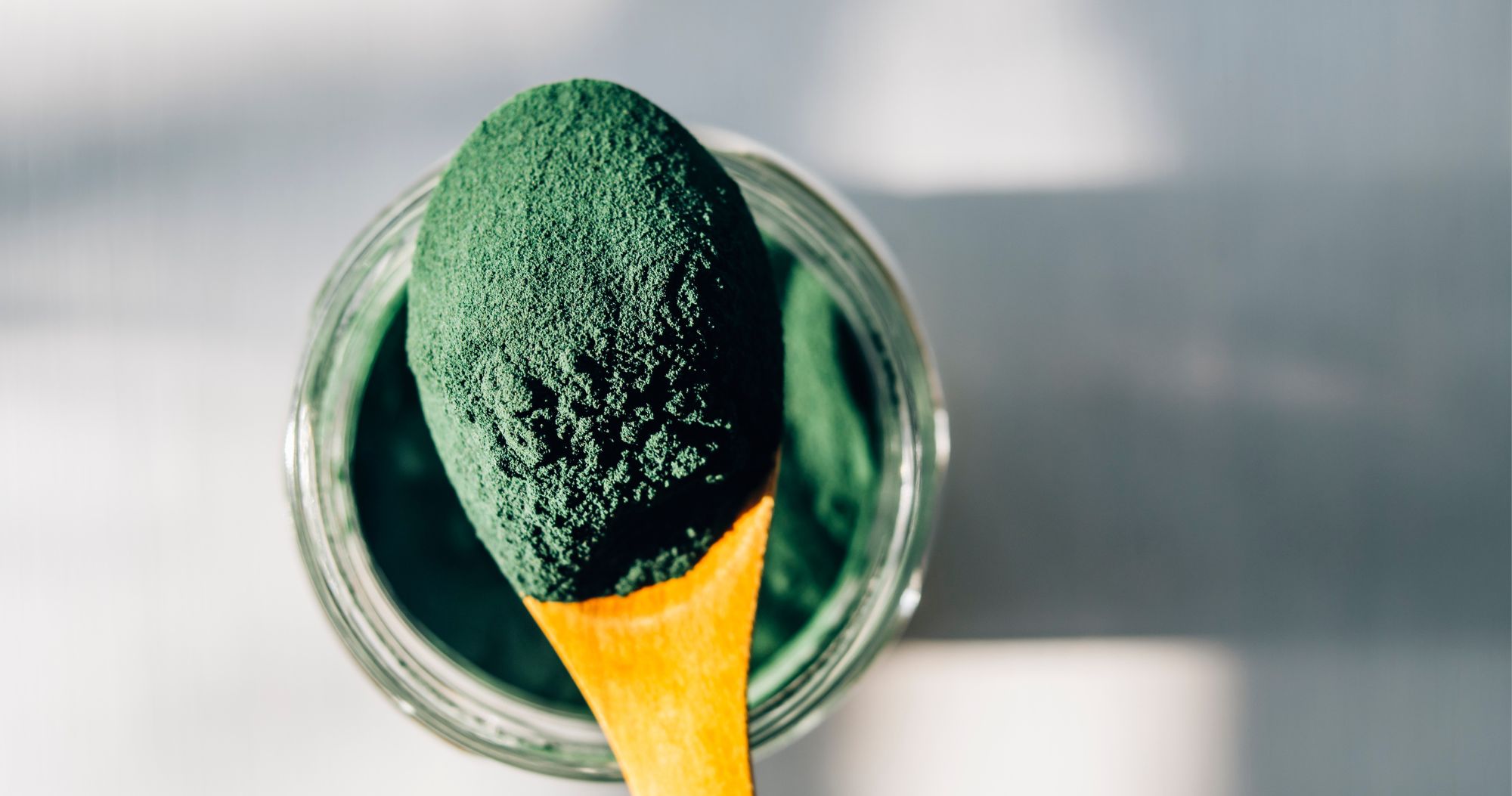
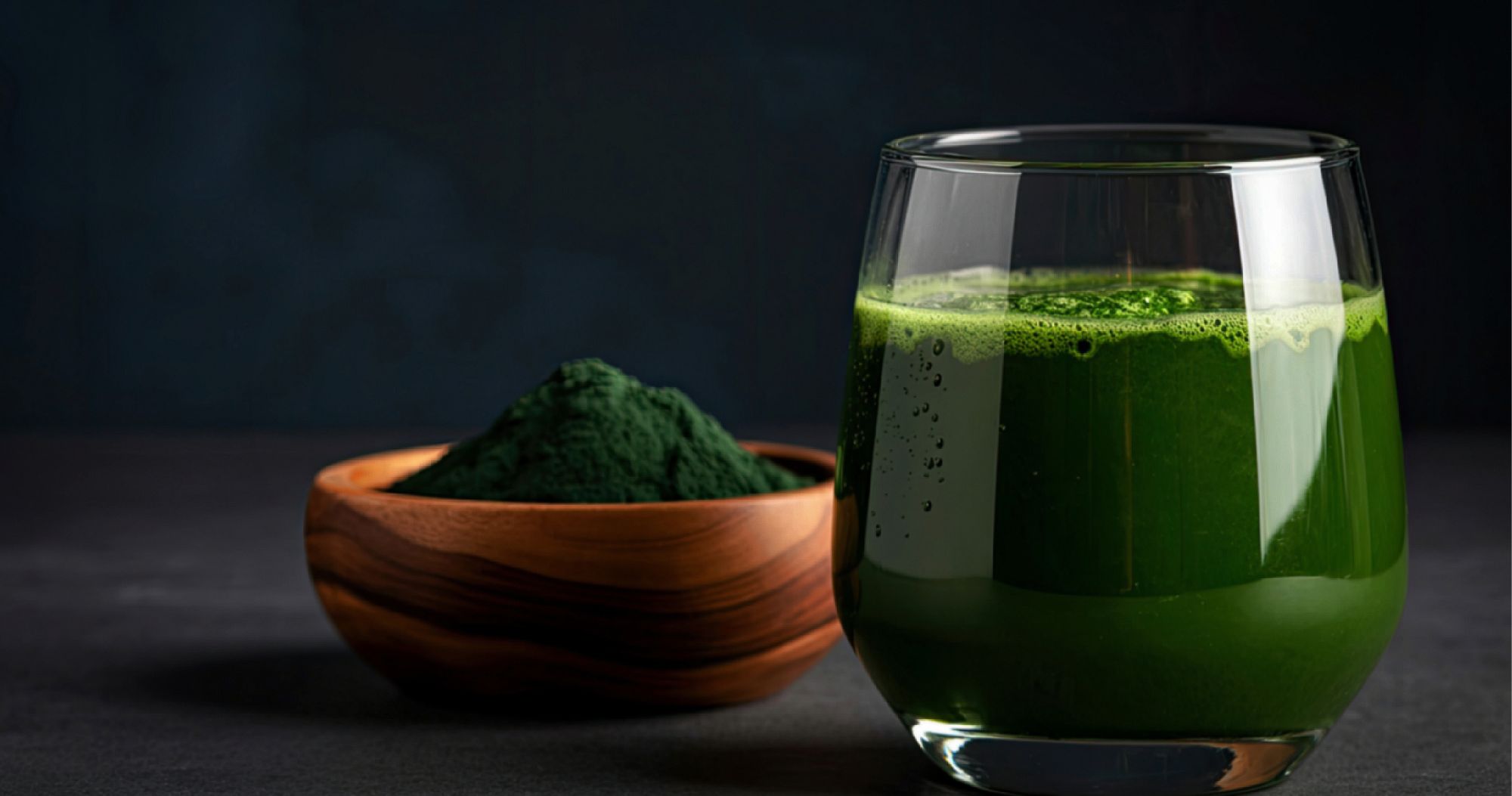
What makes spirulina special is its nutritional density. Approximately 60-70% of spirulina's dry weight is protein – a ratio rarely found in nature.
Simply put, 1g of spirulina can provide about 0.6-0.7g of protein. While this figure sounds impressive, it needs to be considered in a practical context: the amount of spirulina we typically consume daily is quite small, usually only about 1-3g.
This means that despite being rich in protein, spirulina is not consumed in large enough quantities to be a primary protein source.
Can Spirulina fully meet protein needs?
Spirulina has a very high protein density, but because the daily intake is small, the total protein it provides only accounts for a fraction of daily requirements.
To give a specific example: if you need about 48g of protein daily, 3g of spirulina would only provide about 2g of protein. That's less than 5% of your needs.
So, what is Spirulina's true role?
Spirulina is a concentrated protein supplement, especially useful on days when your diet is insufficient or lacks variety. Instead of providing large quantities, spirulina helps "increase the nutritional density" of your diet.
Furthermore, spirulina doesn't just offer protein; it also comes with vitamins, minerals, and antioxidant compounds like phycocyanin. This creates an advantage that many traditional protein sources lack, as it both supplements protein and supports overall health.
In other words, spirulina doesn't truly replace primary protein sources, but rather makes your diet more nutrient-dense per small serving.
Is the protein quality in Spirulina noteworthy?
A common point of interest is protein quality, specifically its amino acid composition.
While spirulina contains many essential amino acids, it doesn't quite achieve the status of a complete protein like eggs or meat. Nevertheless, it remains a highly valuable plant-based protein source, particularly when combined with other foods.
This aligns with modern nutritional trends, which advocate for diverse combinations rather than relying on a single source for optimal effectiveness.
Comparing Spirulina with familiar protein sources
When comparing Spirulina with common protein sources, the differences become clear.
Compared to meat or fish, spirulina boasts a higher protein density by dry weight, though it's not typically consumed in large portions. Against whey protein, spirulina can't compete for rapid muscle recovery post-workout. And while spirulina surpasses soy in nutrient density, it's not a common staple in main meals.
These comparisons clarify that spirulina isn't a competitor to traditional protein sources, but rather a smart dietary supplement.
Who should incorporate Spirulina into their diet?
Spirulina is particularly well-suited for individuals whose diets are not nutritionally optimized. This includes those with low protein intake, vegetarians, or busy people who lack the time to prepare complete meals.
Furthermore, for those concerned with overall health, incorporating a concentrated nutrient source like spirulina is a simple way to enhance dietary quality.
How to use Spirulina effectively?
Common dosages typically range from 1-3g per day, and consistent use is recommended to maintain effectiveness.
More importantly, Spirulina should be integrated into a diverse diet rich in protein from various sources. This is the true path to ensuring your body receives sufficient nutrients in a balanced and sustainable way.
Common misconceptions to avoid
One of the biggest misconceptions is believing that simply consuming spirulina provides sufficient protein. In reality, this is incorrect and can lead to nutritional deficiencies if applied improperly.
Furthermore, the notion that "more protein is always better" is also inaccurate. The body only utilizes protein to the extent it needs; any excess does not provide additional benefits.
Conclusion
Spirulina is a high-density protein source with remarkable nutritional value, but it cannot replace primary protein sources in a daily diet. Its true role lies in supplementing, enhancing nutrient density, and supporting overall health.
Understanding this correctly will help you use spirulina more intelligently, avoiding over-expectation while still harnessing the benefits this natural nutrient source provides.
.png)
.png)


.jpg)





.jpg)
.jpg)



.jpg)


.png)
.png)
.jpg)
.jpg)





.jpg)

.jpg)


.jpg)
.jpg)


.jpg)



.jpg)




.png)





.jpg)



.jpg)