During childhood, the body requires a variety of nutrients to support physiological functions and meet nutritional needs at different stages of development. Alongside proteins, fats, and carbohydrates, micronutrients such as iron, magnesium, and zinc also play important roles in the body.
This creates an important consideration for product developers: how can multiple essential micronutrients be incorporated into a single formulation while meeting nutritional objectives and maintaining product quality and stability?
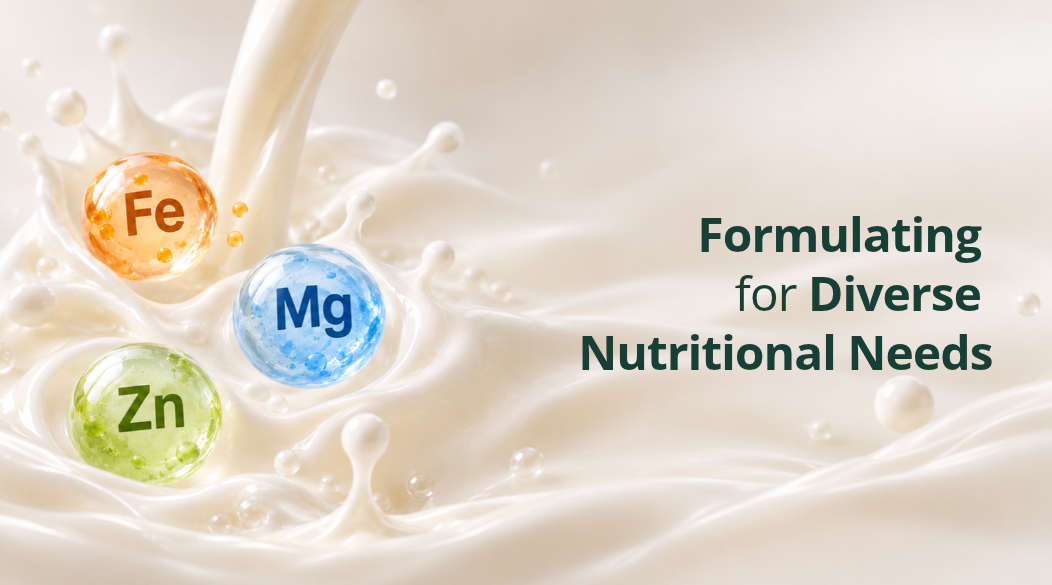
Among the possible approaches, combining Fe (iron), Mg (magnesium), and Zn (zinc) is a formulation direction worth exploring in the development of growing-up milk products.
1. Fe – Mg – Zn: Three Minerals, Three Distinct Nutritional Roles
Iron, magnesium, and zinc are all essential minerals, but each serves different functions in the body.
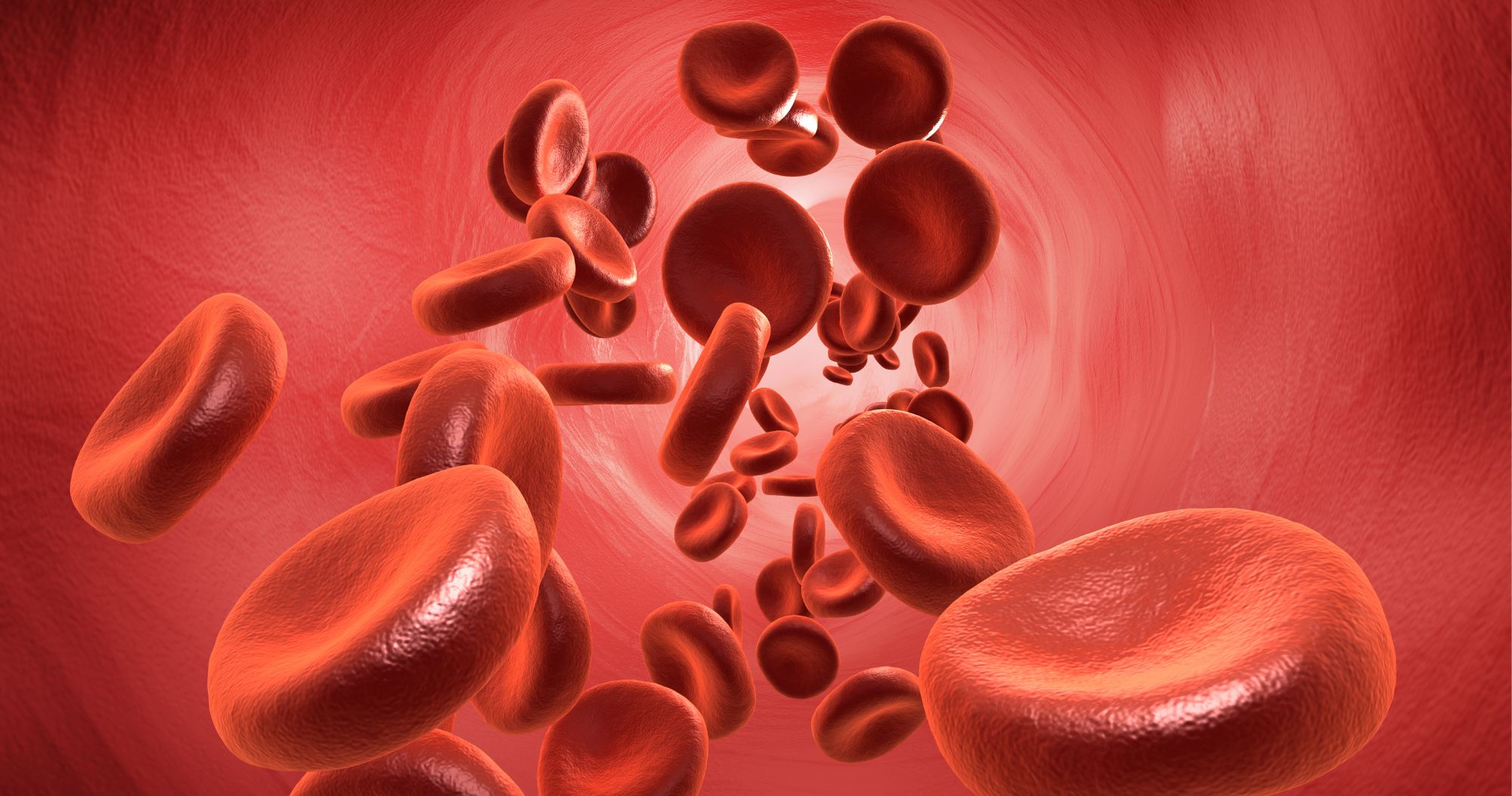
- Iron (Fe): An essential component of hemoglobin, the protein in red blood cells responsible for transporting oxygen from the lungs to body tissues. Iron also contributes to energy metabolism and neurological development.
- Magnesium (Mg): Involved in numerous enzymatic reactions, supporting muscle and nerve function, protein synthesis, and energy metabolism.
- Zinc (Zn): Essential for DNA synthesis, cell division, growth, and maintaining immune function.
These three minerals serve distinct functions, yet all contribute to important processes in a growing body. Therefore, considering Fe, Mg, and Zn together allows product developers to address multiple micronutrient needs rather than focusing on a single nutritional component.
2. Multiple Micronutrient Needs and Opportunities in Growing-Up Milk Formulation
Children's nutritional needs cannot be addressed through a single nutrient alone. Depending on their age, dietary intake, and nutritional status, children may require a variety of vitamins and minerals to support different bodily functions.
The importance of meeting children's micronutrient needs is also reflected in nutritional research conducted in Vietnam. A 2024 systematic review and meta-analysis published in Asia-Pacific Journal of Public Health estimated the pooled prevalence of anemia among Vietnamese children under 10 years of age at 35.5%. In addition, a study involving 243 preschool children aged 12–72 months in rural Vietnam, published in Asia Pacific Journal of Clinical Nutrition in 2008, reported magnesium and zinc deficiency rates of 51.9% and 86.9%, respectively. These findings highlight that micronutrient deficiencies in children can involve multiple nutrients, reinforcing the importance of addressing nutritional needs from a broader perspective.

This is also why food fortification strategies have gained attention. According to the World Health Organization (WHO), food fortification is one approach to improving the nutritional value of foods by deliberately adding one or more vitamins and minerals to achieve specific nutritional objectives.
For the dairy industry, this creates opportunities to develop formulations that provide multiple essential micronutrients simultaneously. Rather than building a product around one prominent ingredient, manufacturers can consider combining minerals with different nutritional functions within a single formulation.
In this context, combining Fe–Mg–Zn is a formulation direction worth investigating. Iron contributes to oxygen transport, magnesium supports metabolic processes and muscle and nerve function, while zinc plays a role in cell division and growth. Incorporating all three into one product can broaden the scope of micronutrient supplementation within a single serving.
3. The Formulation Challenge of Combining Fe – Mg – Zn
Adding three minerals to one formulation is not simply a matter of combining their individual quantities. Each mineral has its own ingredient characteristics, which need to be evaluated in relation to other components and the food matrix.
Several factors require consideration:
- Ingredient forms and inclusion levels: Selecting suitable forms of iron, magnesium, and zinc according to nutritional objectives while balancing their respective levels in the formulation.
- Interactions between ingredients: Depending on their forms, ratios, and formulation conditions, certain minerals may affect one another's stability or absorption.
- Sensory characteristics and finished-product quality: Mineral fortification needs to be evaluated for its potential impact on color, flavor, and product quality throughout shelf life.
- Compatibility with processing conditions: Selected ingredient forms must be suitable for the milk matrix and actual manufacturing processes.
These are common considerations in the development of micronutrient-fortified foods. However, they do not mean that Fe, Mg, and Zn cannot be combined in one formulation. The key is to select appropriate ingredient forms, determine suitable inclusion levels, and apply relevant technological solutions from the research and development stage.
4. Microencapsulation Technology for Multiple Mineral Formulations
The simultaneous addition of multiple minerals to a milk matrix may present several formulation and finished-product challenges:
- Metallic taste: Certain forms of iron may produce a characteristic metallic taste, affecting the overall flavor of milk.
- Interactions between minerals: Depending on ingredient forms and inclusion ratios, minerals may influence one another's stability and absorption.
- Stability and sensory quality: Minerals need to be compatible with the milk matrix while minimizing undesirable effects on color, flavor, and product quality during storage.
To address these challenges, microencapsulation technology can help protect mineral ingredients and limit their direct exposure to other components in the milk matrix. This approach has the potential to reduce certain undesirable interactions, minimize sensory impacts, and support ingredient stability within the formulation.
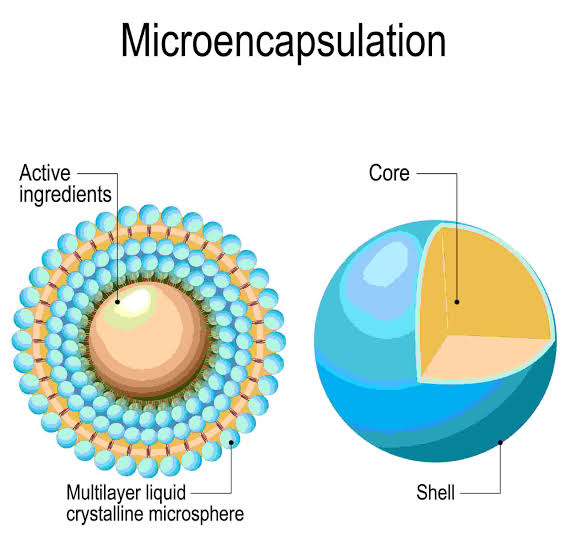
Therefore, microencapsulation is a relevant technological approach to consider when developing products that combine Fe, Mg, and Zn.
5. Applying Microencapsulation to Fe–Mg–Zn Formulations
In practice, developing growing-up milk fortified with iron, magnesium, and zinc requires several stages: defining nutritional objectives, selecting suitable ingredient forms, evaluating compatibility, and conducting trials in the finished-product matrix.

At each stage, microencapsulation can be considered as a tool to help address the specific characteristics of mineral ingredients. Product developers can investigate suitable encapsulation approaches for individual minerals before evaluating their compatibility when combined in the same milk matrix.
Trials should consider several criteria, including stability, sensory characteristics, compatibility with manufacturing processes, and finished-product quality. These evaluations provide a basis for identifying solutions that meet the practical requirements of different growing-up milk formulations.
6. Microencapsulation Solutions from TA Vital
With a focus on providing ingredients and technological solutions for the food industry, TA Vital applies microencapsulation technology in the development of micronutrient ingredients, supporting manufacturers in researching and optimizing product formulations.
For the Fe–Mg–Zn challenge in growing-up milk, microencapsulation solutions can be considered during the selection and processing of mineral ingredients. Evaluation focuses on the characteristics of each component, the requirements of the milk matrix, and the ability to meet finished-product quality criteria.
By combining appropriate ingredient selection with suitable technological solutions, TA Vital aims to support manufacturers in exploring more formulation options for multi-micronutrient products, including those requiring the simultaneous incorporation of iron, magnesium, and zinc.
Fe–Mg–Zn is not simply a matter of adding three individual minerals. It is a formulation challenge that involves meeting multiple nutritional objectives within a single product. With appropriate technological solutions, research into combining multiple micronutrients in growing-up milk can better address the requirements of nutrition, product quality, and manufacturing applications.