
.jpg)
After the age of 30, the body does not function like it did in the twenties anymore. You can still eat the same, still exercise the same, but the waist is easier to increase, the blood fat test starts to “move”, and late nights make you tired much longer.
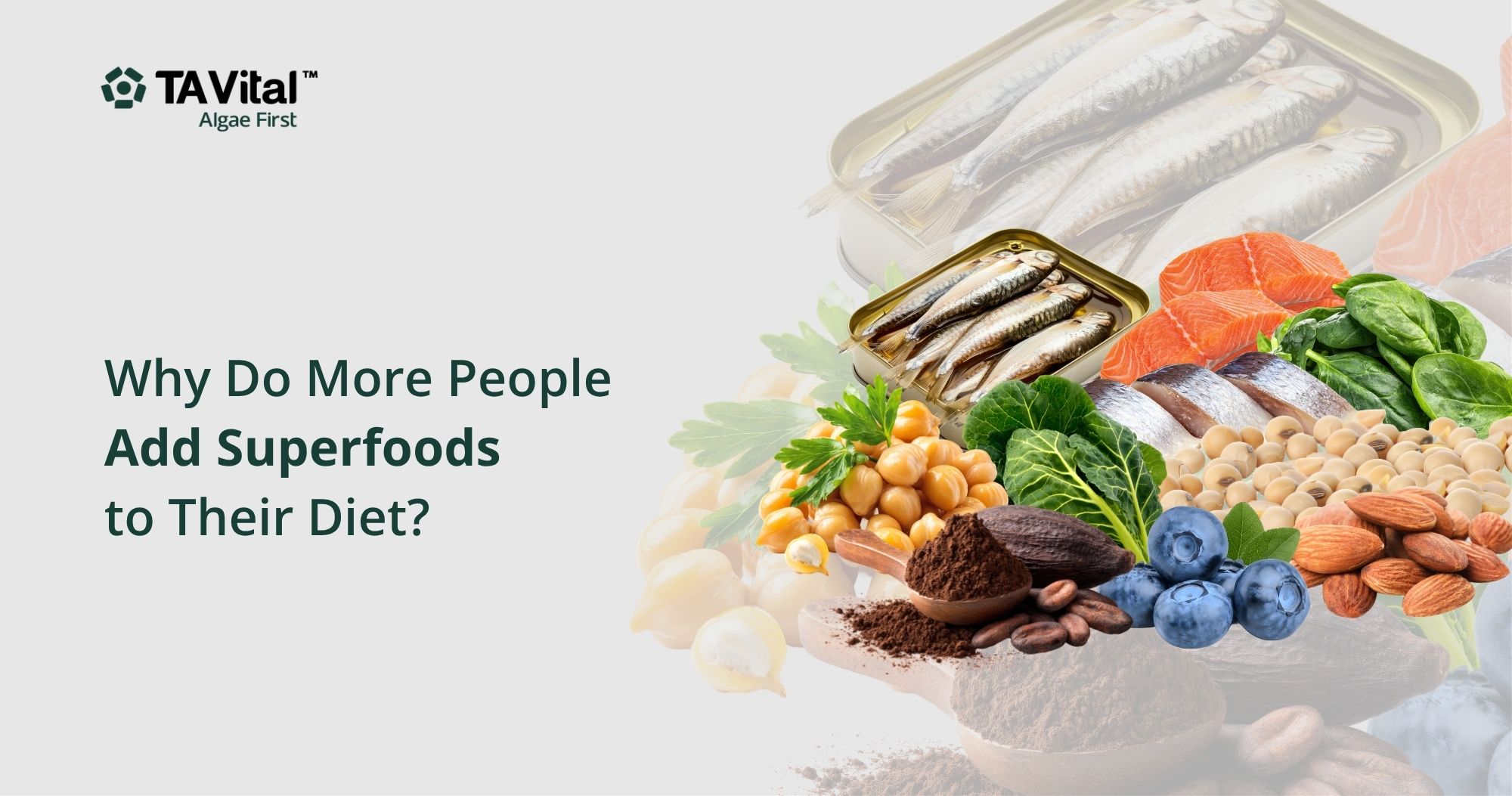
According to numerous international nutrition reports in recent years, the trend towards protein consumption from meat (especially red meat and processed meat) is gradually being recommended, especially among adults aged 30-45 as the age begins to enter a period of “long-term maintenance” for the heart, liver and metabolism. In parallel, alternative protein sources such as plants, beans, seeds and especially microalgae are increasingly mentioned in the context of sustainable food and preventive nutrition.
So should you reduce protein from meat after 30 years of age? And if it decreases, what should we replace it with to still ensure enough nitrogen, enough energy, enough health? Let's go through 5 important reasons below.
1. After 30 years, metabolism slows down, protein quality is more important than quantity
By the age of 20, your body can “process” a barbecue quite easily. But after 30, things began to be a little different.
Red meat and saturated fat
Not every type of meat is bad. However, red meat (beef, pork, lamb) is often accompanied by:
- High saturated fat content
- Natural Cholesterol
- Risk of increasing LDL if consumed regularly and with large portions
As the metabolic rate decreases with age, excess fat is more likely to accumulate, especially visceral fat - a factor associated with cardiovascular disease and metabolic syndrome.
Reduction does not mean elimination
The important thing here is not to completely cut out the protein from the meat, but to adjust the proportions. After 30 years, the body not only needs protein to maintain muscle contractions, but also needs a balance of protein, good fats, antioxidants, microminerals
That's why many nutritionists encourage diversifying protein sources instead of relying primarily on meat.

2. The risk of silent inflammation gradually increases with age
Inflammation does not always manifest itself with fever or pain. There is a concept called “prolonged low-level inflammation” — the state of the body under silent oxidative stress, which is associated with aging and chronic disease.
Diets rich in processed meat may contribute
Ready-made meat products (sausages, bacon, canned food...) usually contain:
- High salt
- Nitrate/nitrite
- Preservatives
If consumed regularly, especially in a sedentary lifestyle, the body can suffer greater oxidative pressure.
The role of protein sources rich in antioxidants
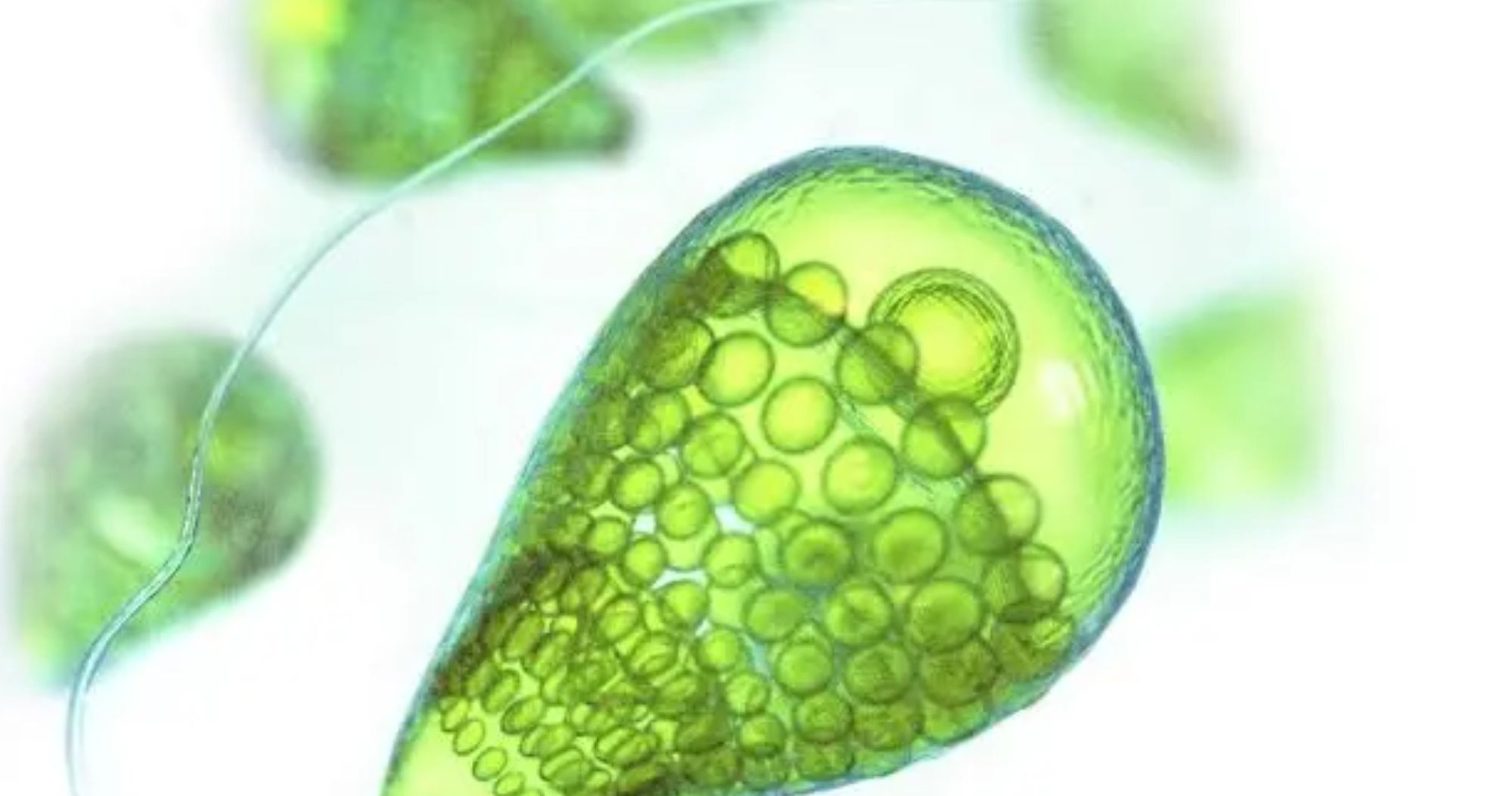
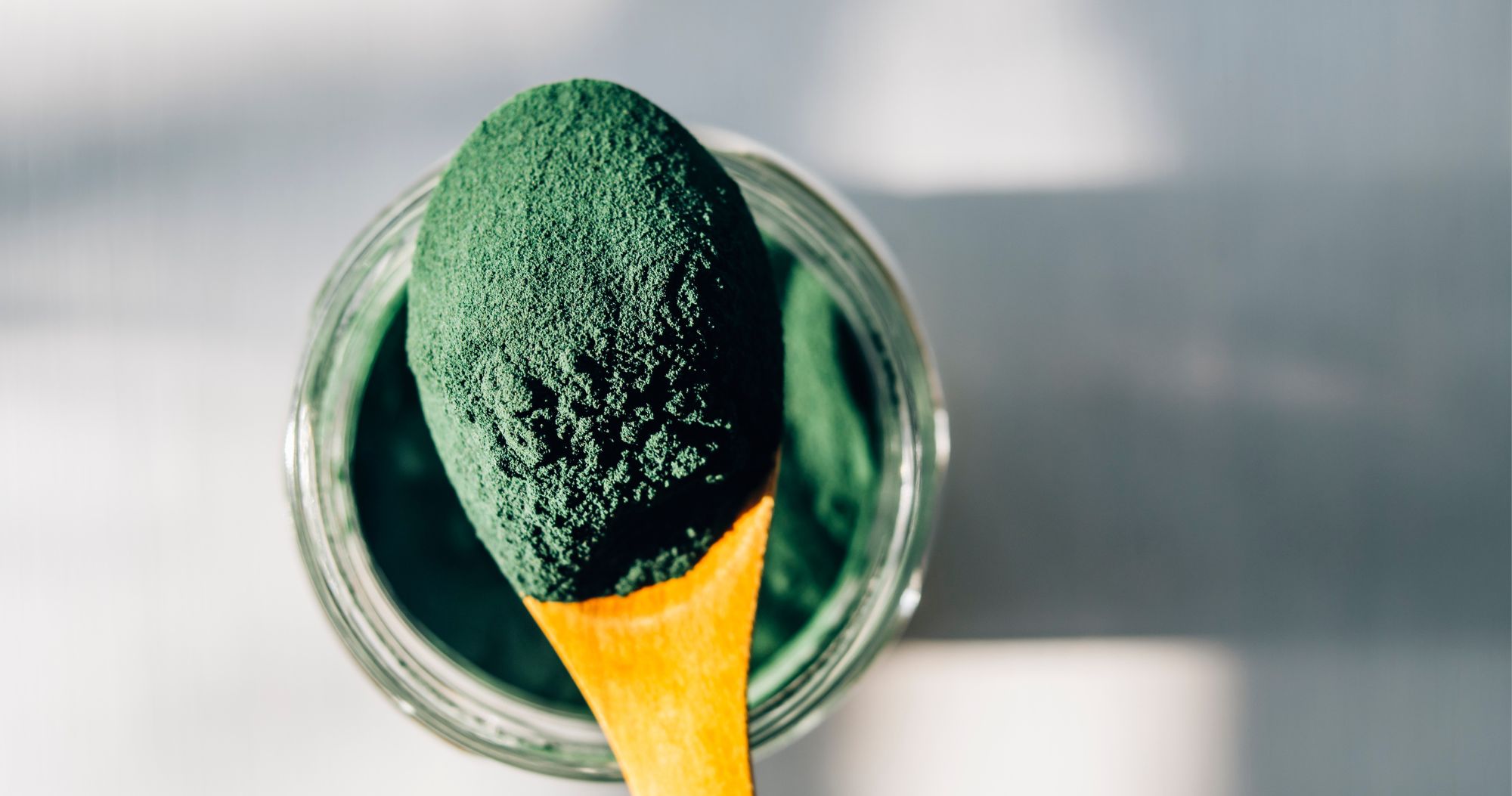
When it comes to protein diversification, many people think of soy, lentils. But in recent years, microalgae — especially spirulina — have gained attention for:
- High protein content (about 60— 70% dry weight)
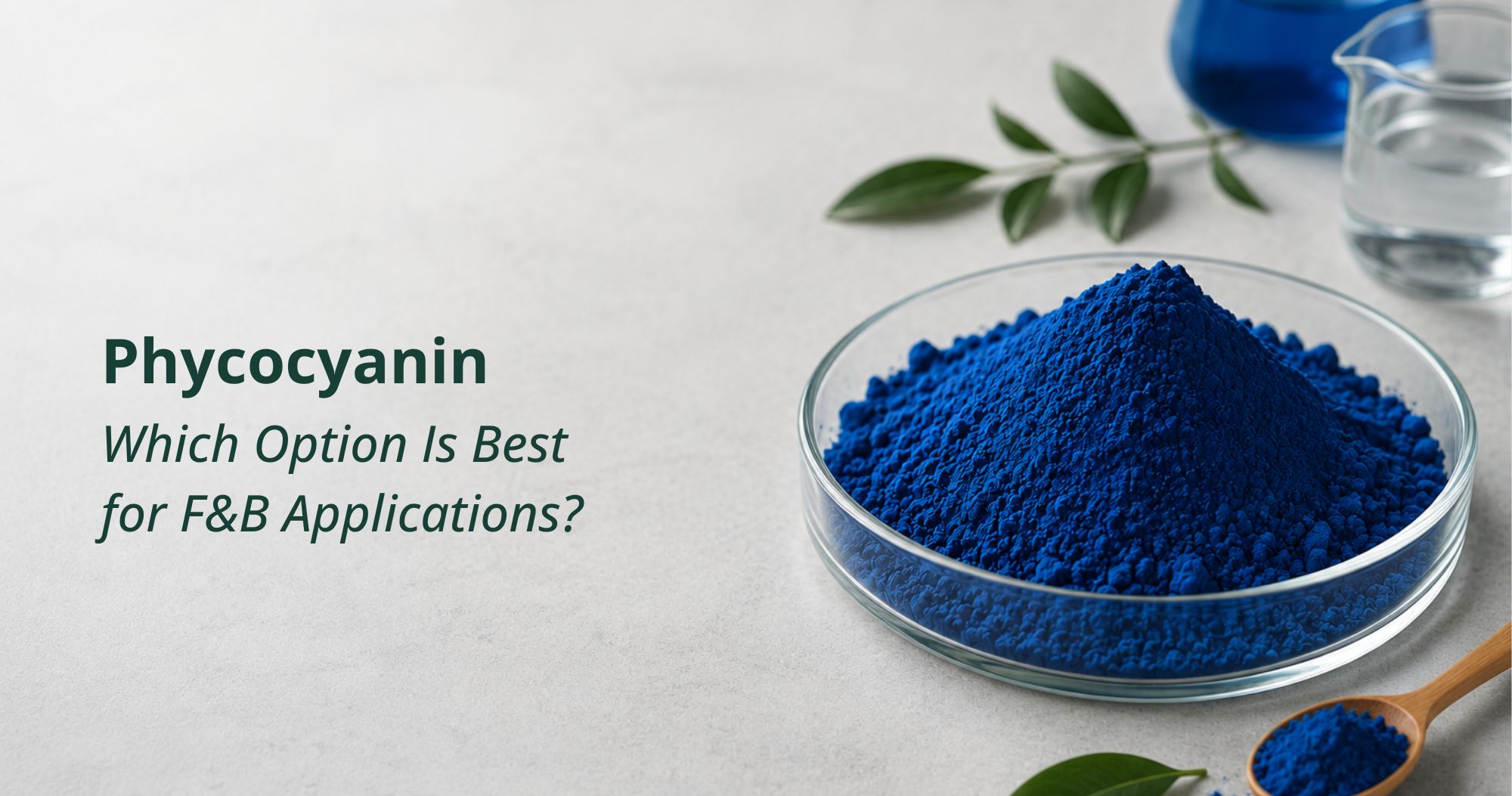
- Contains phycocyanin — a natural pigment with antioxidant activity
- Rich in beta-carotene and microminerals
Supplementing protein with natural antioxidants can help your body balance better in the post-30 years — when work stress, sleep deprivation, and life pressures don't subside.
3. The digestive system is no longer “as healthy as it used to be”
Have you noticed that the older you get, the more meaty meals make you bloated and indigestible?
Protein from meat needs many enzymes to break down
The process of digestion of animal proteins requires:
- Gastric acid is strong enough
- Digestive Enzymes Work Efficiently
- The liver and kidneys process metabolic products
When the body passes the age of 30-35, the ability to secrete enzymes may decrease slightly, especially if you are constantly stressed or eat erratically.
Protein diversity helps reduce the burden
Combining protein from lean meat, fish, beans, seeds, and sources such as microalgae helps the digestive system “split the load” instead of putting all the pressure on one food.
Some studies show that proteins from microalgae have softer cellular structures that are easier to reabsorb than many animal sources. This is especially useful for people who are busy, eat fast, chew little - a habit that is quite common in 30-45 years old.
4. The body needs more protein, it also needs accompanying micronutrients
Many people think that just enough grams of protein per day is okay. But in fact the body needs more than that.
Meat does not provide all the necessary micronutrients
Protein from meat provides:
- Essential Amino Acids
- Heme iron is easily absorbed
However, if the diet is too focused on meat and lacks root vegetables, seeds, plants, you can:
- Lack of fiber
- Antioxidant deficiency
- Lack of certain vitamins and trace minerals
Protein “comes with added nutritional value”
Some sources of vegetable protein and microalgae that have advantages are:
- Complete protein supply (sufficient essential amino acids)
- Accompanied by magnesium, iron, vitamins of group B
- There are additional biocompounds that support health
By the age of 30—45, the goal is no longer to “eat to be full” or “eat to gain muscle.” The goal is to maintain sustainable energy, prevent long-term risks and support healthy aging.

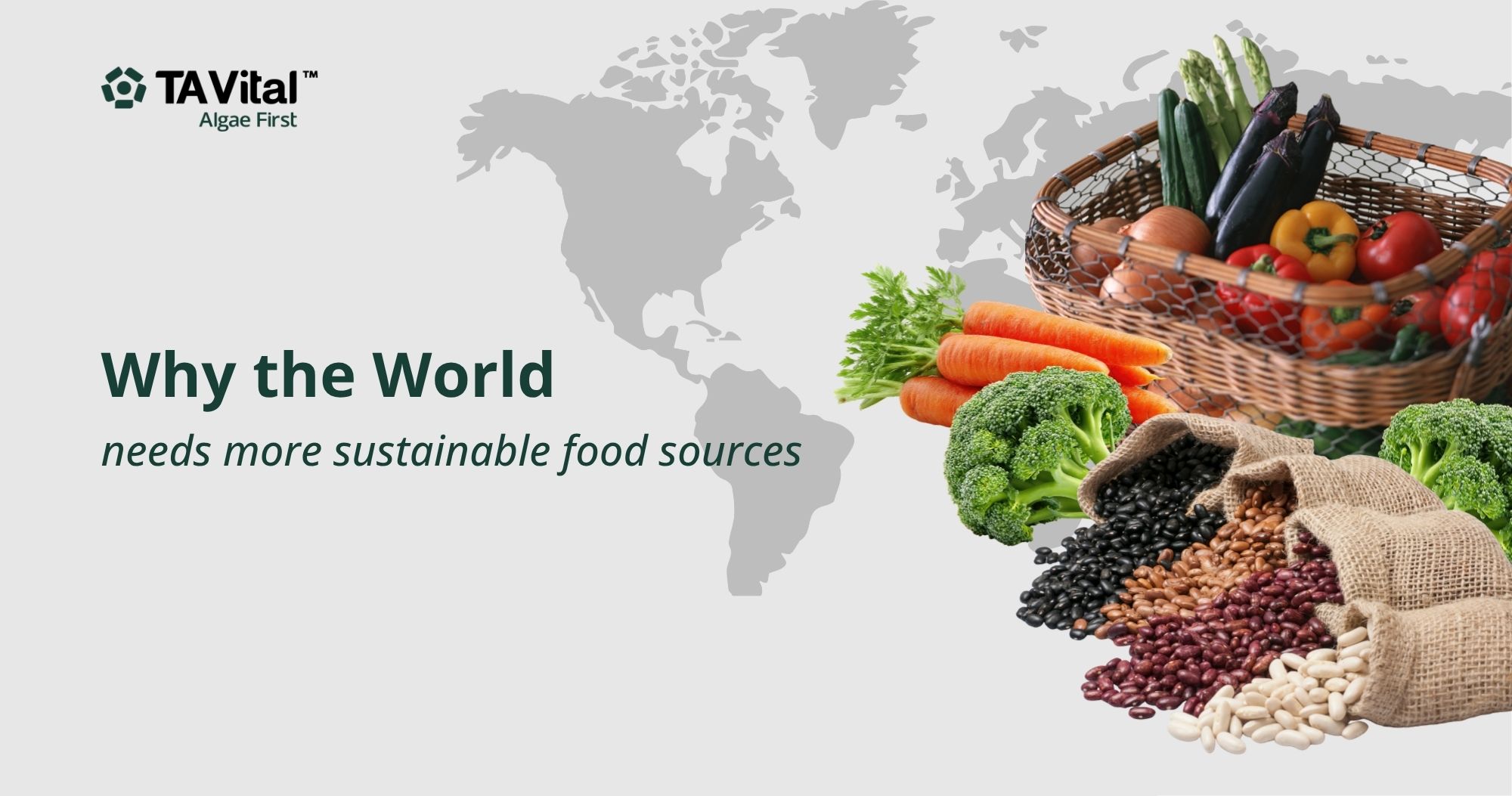
5. Sustainable living trends are changing the way we look at protein
There has been a marked shift in the past decade that adult consumers care not only about personal health, but also about the environmental impact of the food they eat.
Meat protein and carbon footprint
The livestock industry, especially beef cattle, is noted for having high greenhouse gas emissions compared to many other food sources. In addition using a lot of land and water, putting pressure on the ecosystem
Therefore, the “flexitarian” trend - reducing meat but not eliminating it altogether - is gaining popularity.
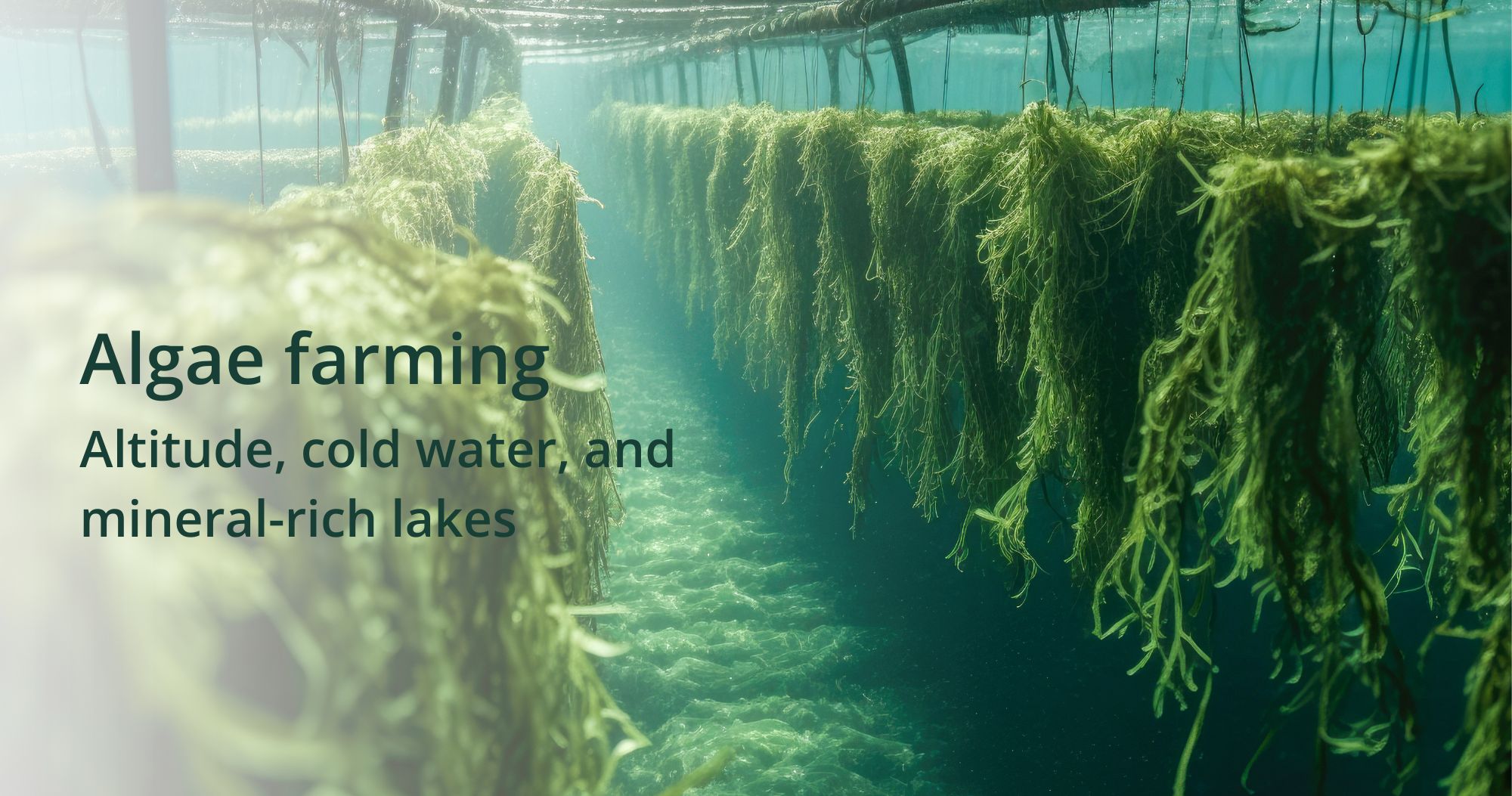
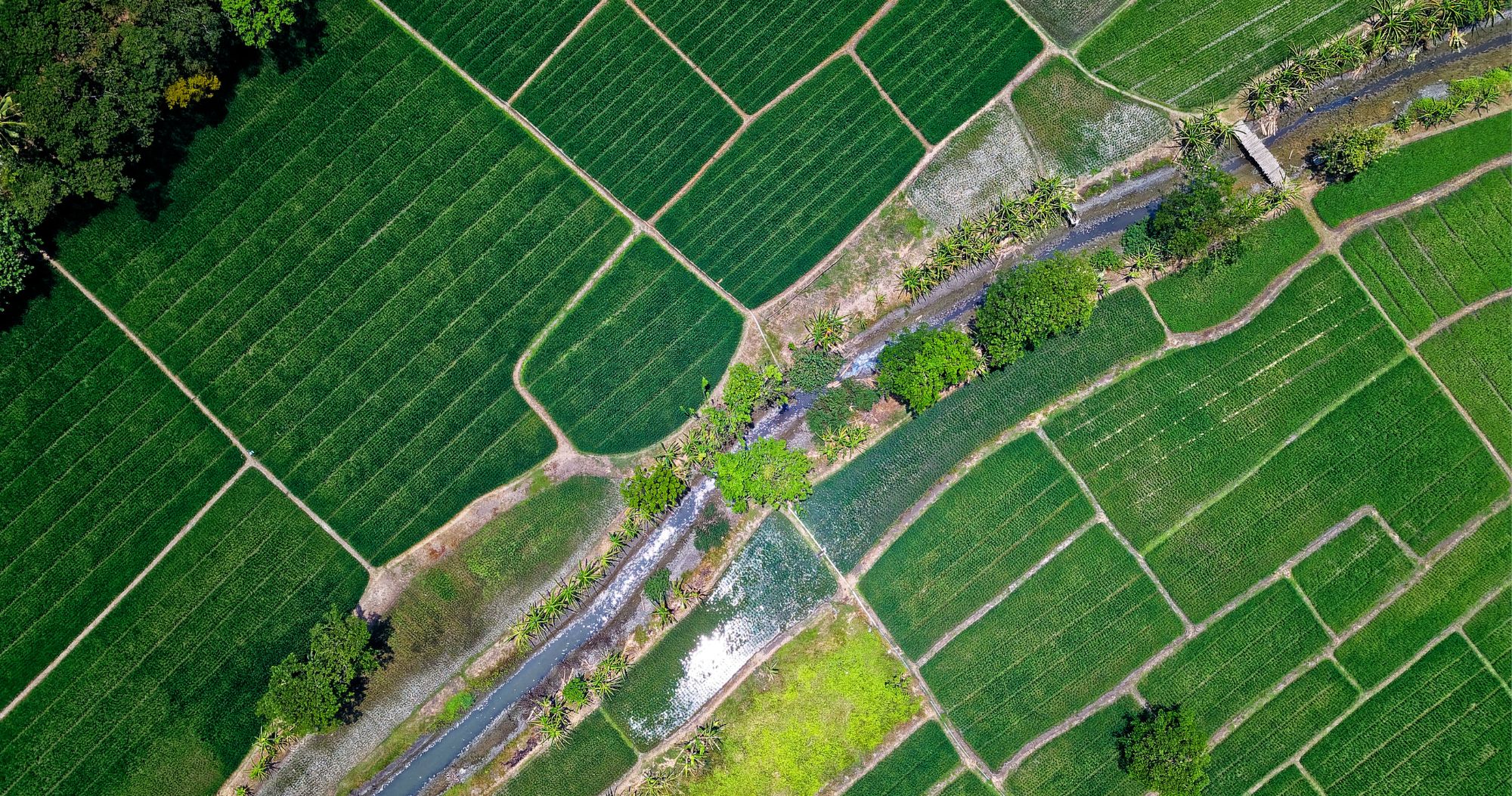
Microalgae: a sustainable source of protein
Microalgae emerge with a number of remarkable characteristics:
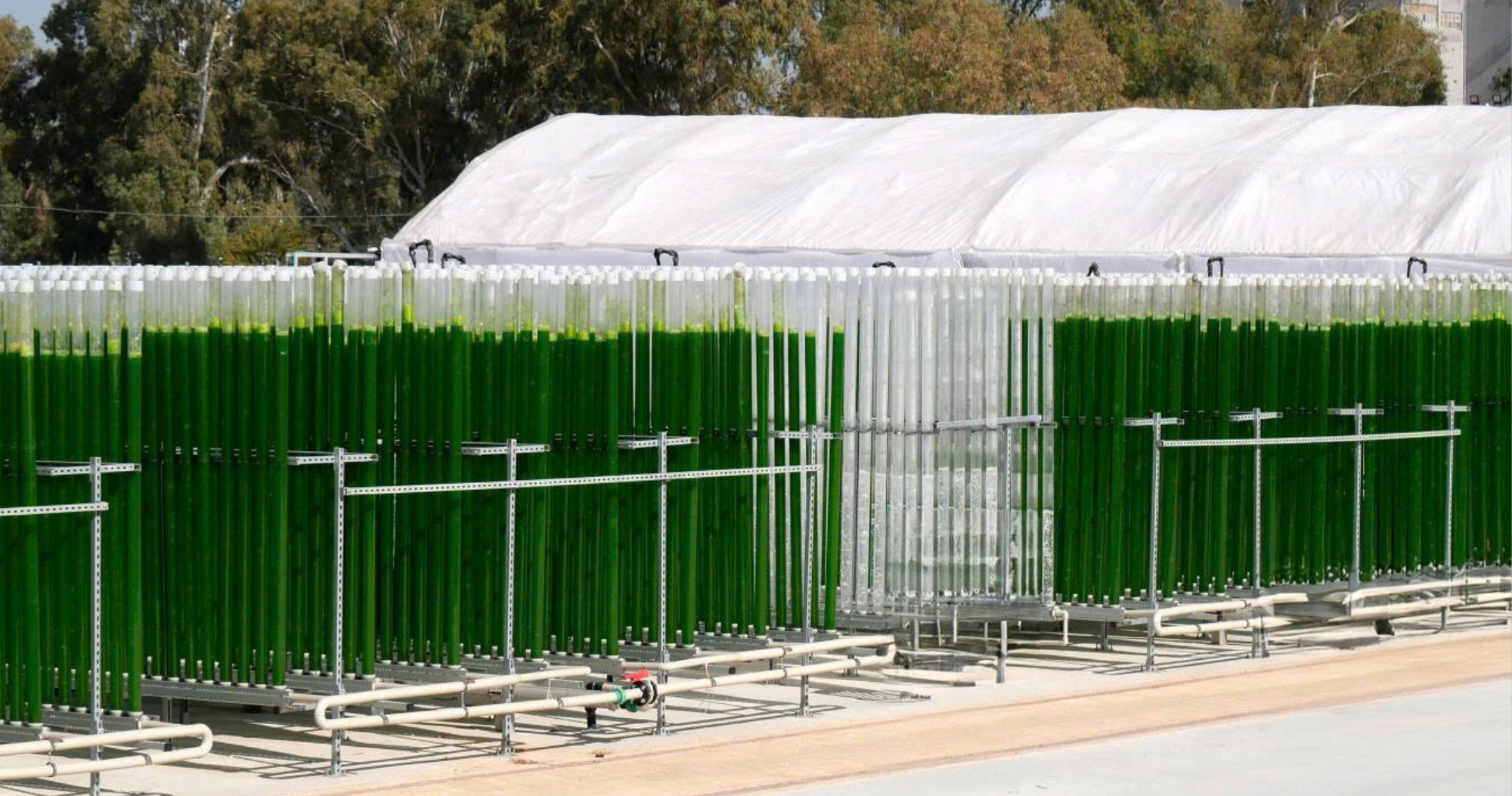
- Is it possible to grow on a small area
- No need for fertile agricultural soil
- Absorption of CO₂ during growth
Therefore, in the context of future food and food security, microalgae are seen as one of the potential sources of protein.
To the group of 30—45 years old - people who are both concerned about personal health, and are aware of social responsibility. Reducing protein from meat and adding more sustainable sources of protein is not only a nutritional choice, but also a lifestyle statement.
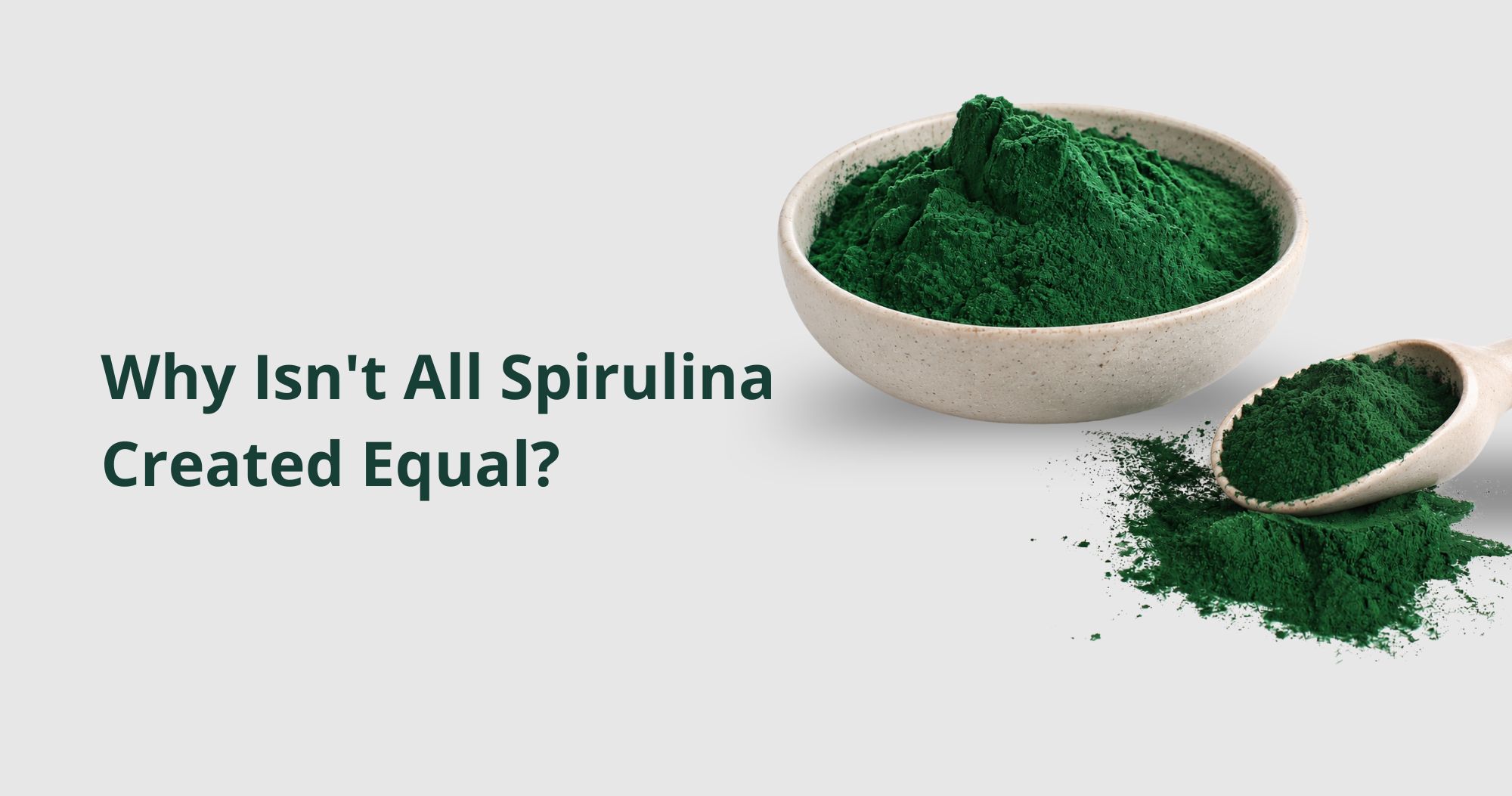
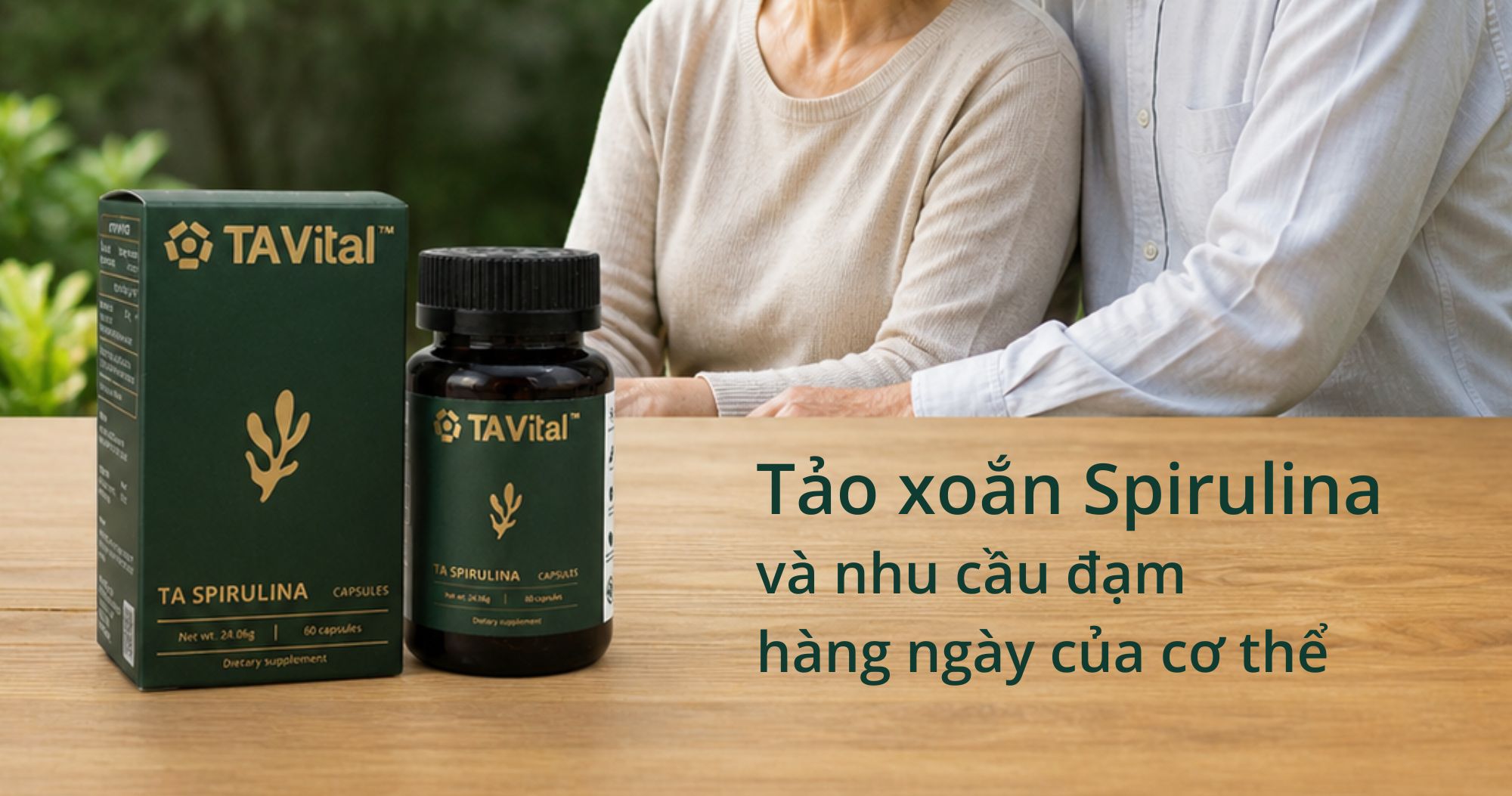
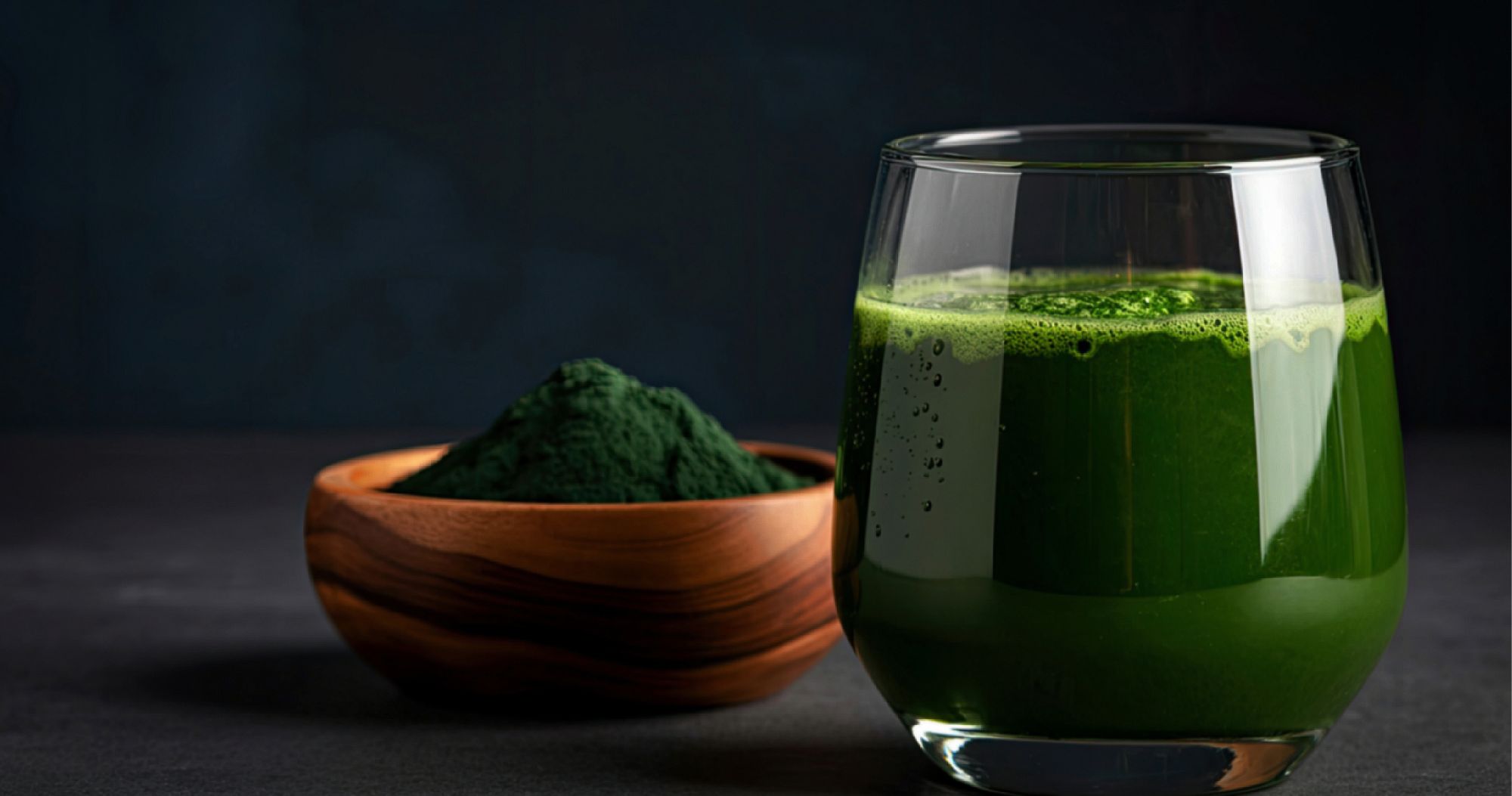
Spirulina - a protein option worth considering after 30
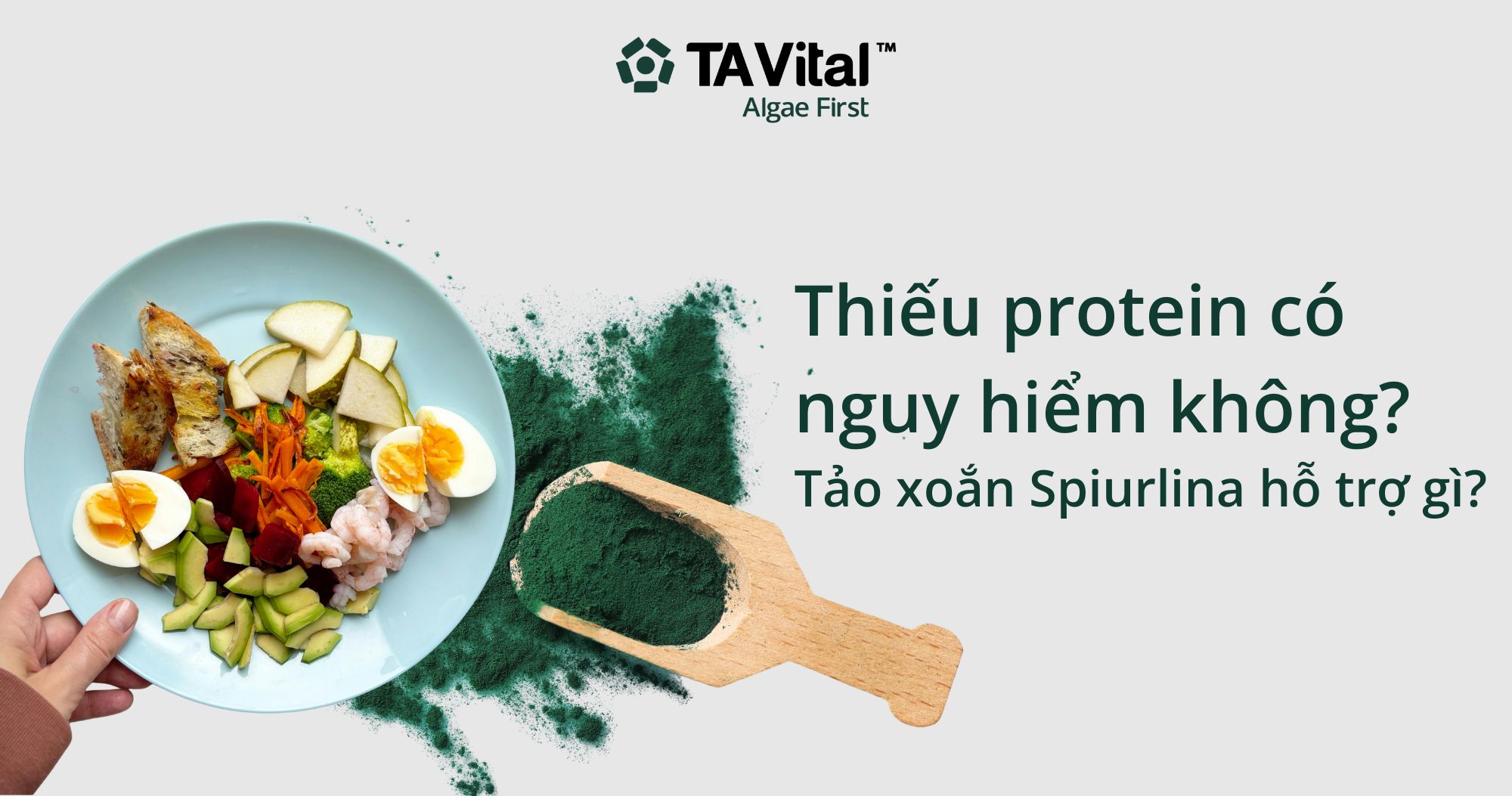
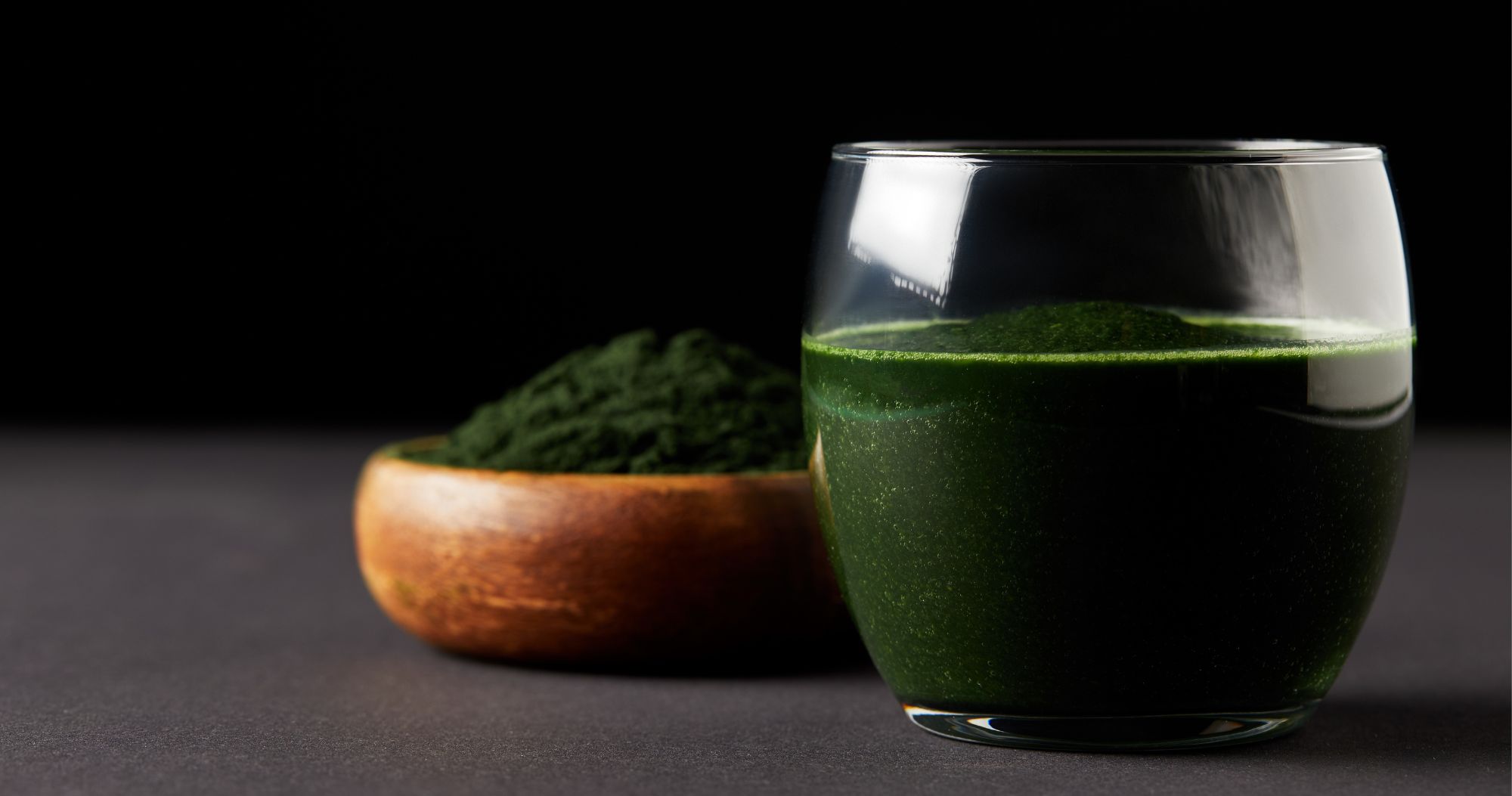
When it comes to reducing protein from meat, what most people wonder about is whether there is enough protein? This is where spirulina becomes an interesting option. With its high protein content and relatively full of essential amino acids, spirulina can help replenish protein without cholesterol or saturated fat like some types of red meat.
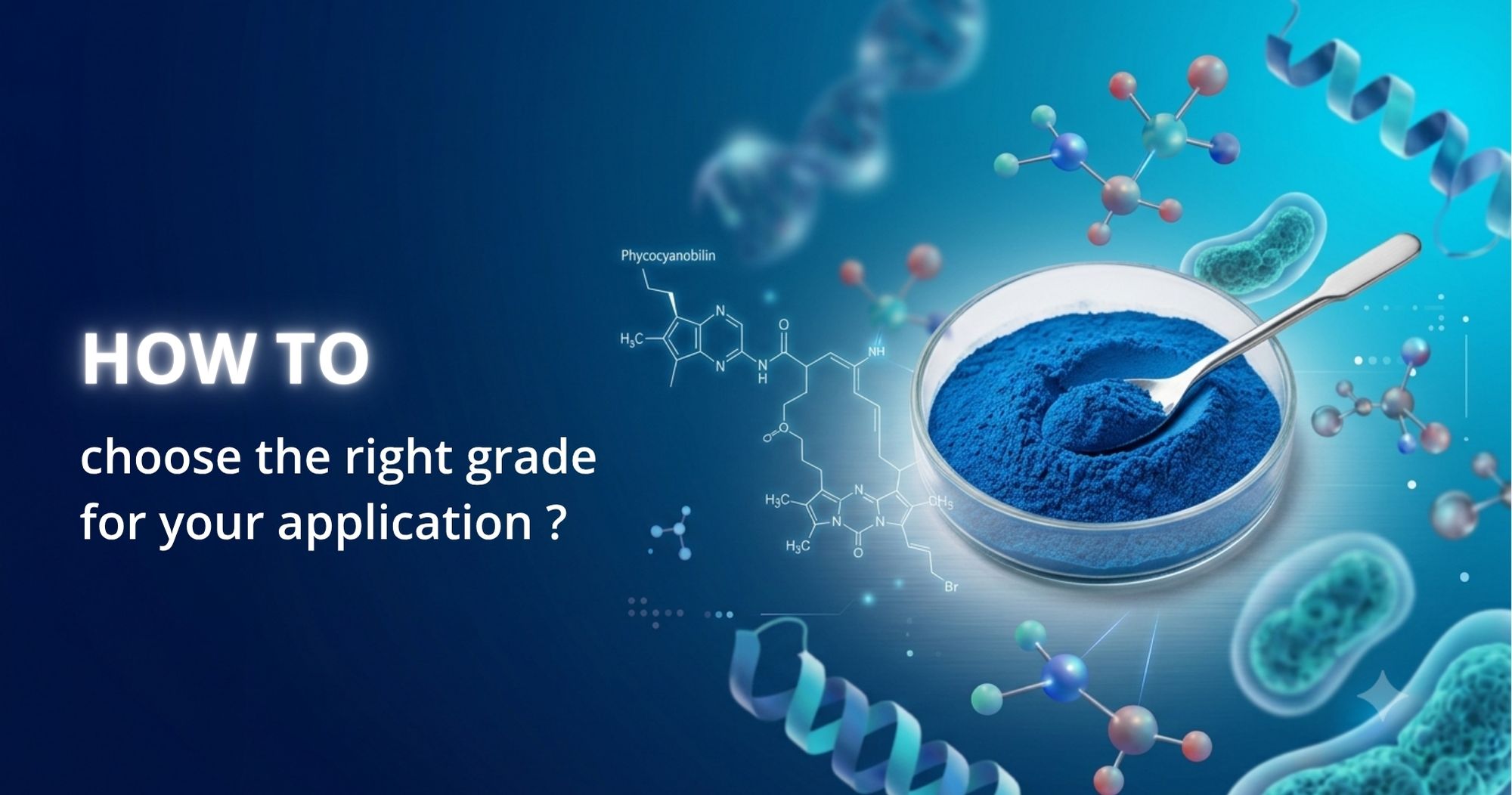
Not only does it stop at protein, spirulina also contains natural antioxidant compounds such as phycocyanins and many trace elements such as iron and B vitamins. This is especially true for people aged 30—45 — the period when the body begins to experience a lot of stress from work, lack of sleep and prolonged stress. Instead of just supplementing with protein alone, you're adding a “multi-tiered” source of nutrition, which both supports energy and contributes to metabolic balance.
Of course, spirulina is not to completely replace protein from meat. But when used as part of a varied diet, this can be a gentle and practical way to reduce dependence on meat, while lifting overall nutritional quality.
Conclusion: After 30, eat smarter, not just more
Reducing protein from meat after 30 years is not an extreme movement, but a rational corrective step based on:
- Metabolic changes with age
- The need for micronutrient balance
- Cardiovascular risk and silent inflammation
- Sustainable living trends
If you're considering diversifying your protein source, start with small changes and learn more about clean, nutrient-rich protein sources like microalgae. The body at the age of 30—45 is still many years ahead — and today's choices are fundamental to long-term health.
Try looking back at your ration this week and wondering: is it time to cut back on the protein from meat and expand the menu in a more balanced direction?
.png)
.png)

.jpg)



.jpg)
.jpg)



.jpg)


.png)
.png)
.jpg)
.jpg)





.jpg)

.jpg)


.jpg)
.jpg)


.jpg)






.png)





.jpg)

.jpg)






%205%20l%E1%BB%A3i%20%C3%ADch%20n%E1%BB%95i%20b%E1%BA%ADt%20cho%20s%E1%BB%A9c%20kh%E1%BB%8Fe%20ng%C6%B0%E1%BB%9Di%20hi%E1%BB%87n%20%C4%91%E1%BA%A1i.jpg)


