When it comes to marine-derived ingredients in cosmetics, many people often think of marine collagen, seaweed, or ocean minerals.
However, in the cosmetic ingredient industry, Kelp is a group of seaweeds that has gained attention due to its diverse natural composition and versatility in various skincare formulations.
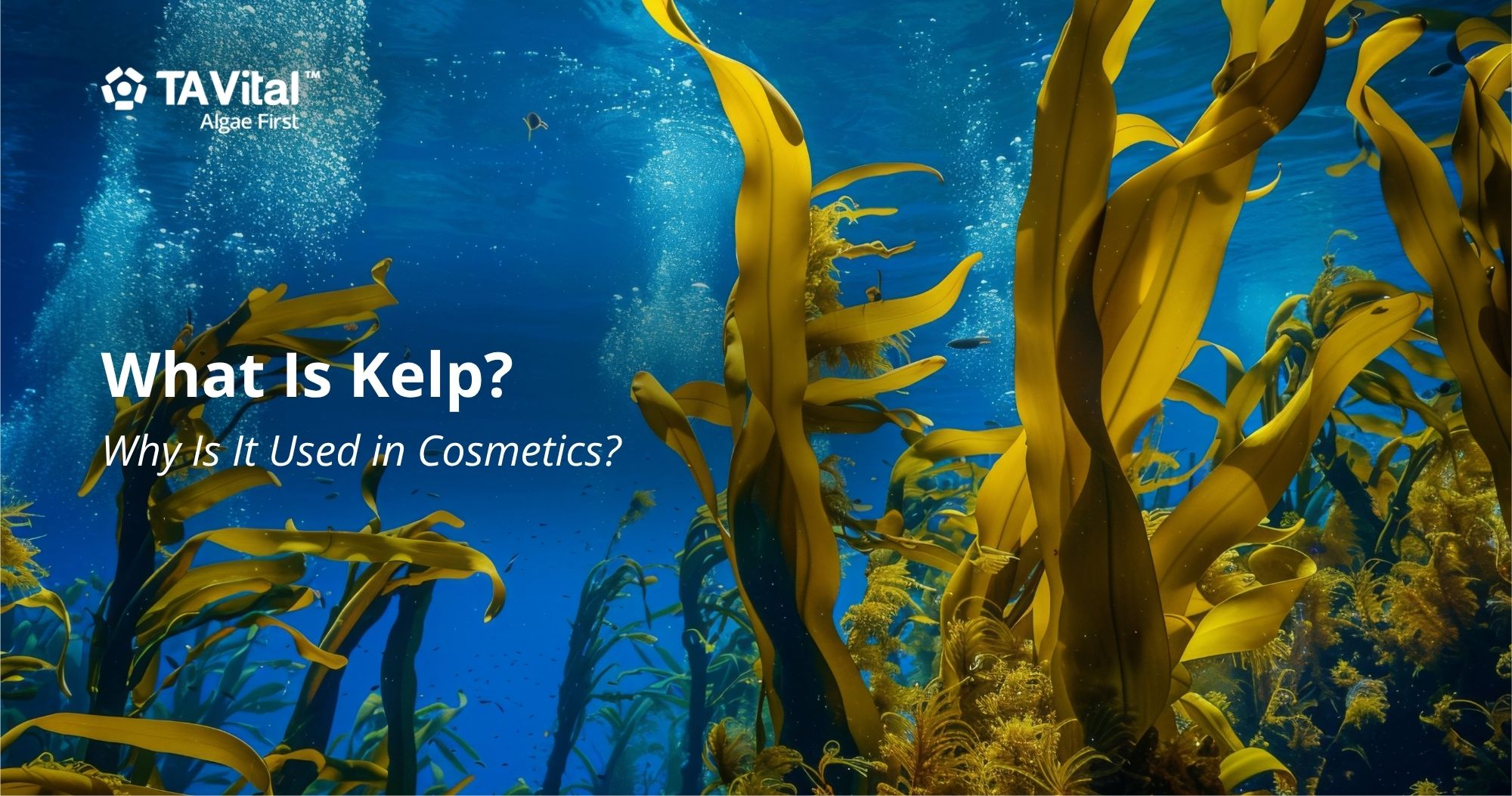
Kelp belongs to the group of brown algae, which typically grows in cold, nutrient-rich waters. Unlike microalgae such as Spirulina, Kelp is a group of large seaweeds, characterized by complex structures and the formation of large underwater kelp forests.
Today, Kelp-derived ingredients can be found in many skincare and haircare products, ranging from serums, creams, and masks to cleansing products.
So, what makes Kelp so appealing to cosmetic developers? Let's explore this seaweed with TA Vital.
What is Kelp?
.jpg)
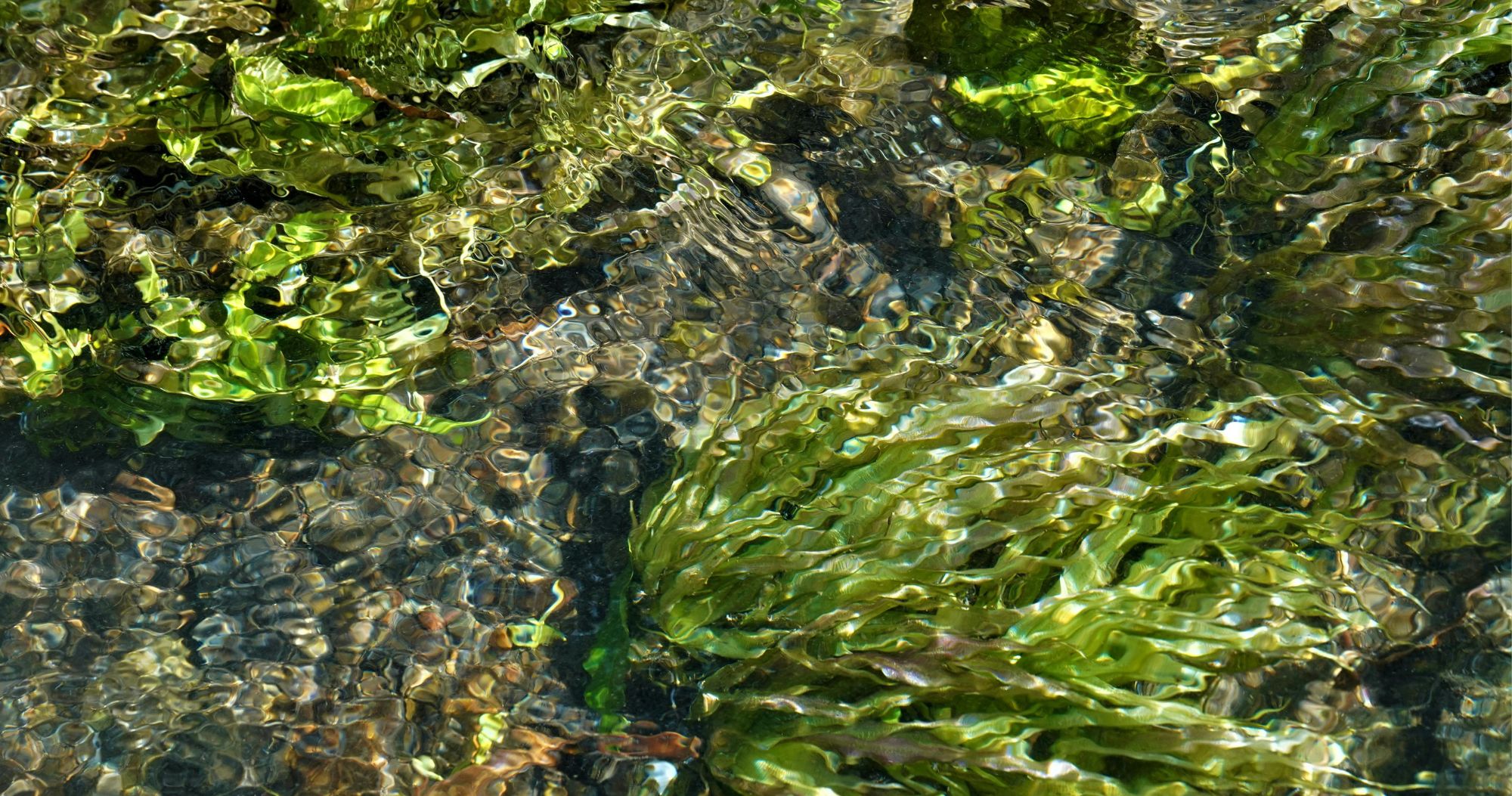
Kelp is the common name for several groups of large brown algae within the seaweed family. They typically thrive in relatively cool marine environments and form vast underwater ecosystems.
Kelp is not a single species; it is a collective term for many different genera and types of seaweed.
In nature, Kelp absorbs nutrients from the marine environment and accumulates many compounds characteristic of brown algae. It is this composition that makes Kelp a raw material of interest in food, cosmetics, and biotechnology.
In cosmetics, Kelp is rarely added directly to formulas in its raw form. Instead, manufacturers may use Kelp extract, Kelp powder, or ingredients extracted and refined from Kelp, depending on the intended use.
What is in Kelp that interests the cosmetic industry?
The remarkable aspect of Kelp does not lie in a single compound.
Brown algae contain various groups of compounds, including polysaccharides, polyphenols, minerals, and other substances characteristic of brown algae.
One of the most studied groups is fucoidan, a fucose-containing polysaccharide found in the cell walls of many brown algae species.
In addition to fucoidan, brown algae also contain alginate and several other polysaccharides. Alginate is of particular interest in food technology and cosmetics due to its gelling and film-forming properties.
The actual composition of kelp can vary significantly depending on the species, geographical region, harvest season, and raw material processing methods.
This is a crucial point for businesses developing cosmetic products.
One should not look solely at the name "kelp" on an ingredient list. The source of the raw material, the extraction method, and the standardization of components are what truly determine the suitability of the ingredient for specific formulations.
How is kelp used in cosmetics?
Kelp can appear in cosmetic formulations in many different raw material forms.
One of the most common forms is kelp extract.
Depending on the extraction method, manufacturers can obtain fractions containing different groups of compounds. This allows the ingredient to be developed to suit specific application purposes.
In skincare formulations, kelp-derived ingredients are typically used to support hydration, maintain moisture, and care for the skin's protective barrier.
Certain algal polysaccharides have the ability to form a film on the skin's surface, thereby contributing to a soft and hydrated skin feel.
This is why seaweed-derived ingredients often appear in products such as:
- Serums
- Creams
- Masks
- Gels
- Cleansers
- Hair care products
However, the actual efficacy of an ingredient depends on the type of extract, the concentration used, and the overall formulation. One should not assume that all products containing kelp have the same effect.
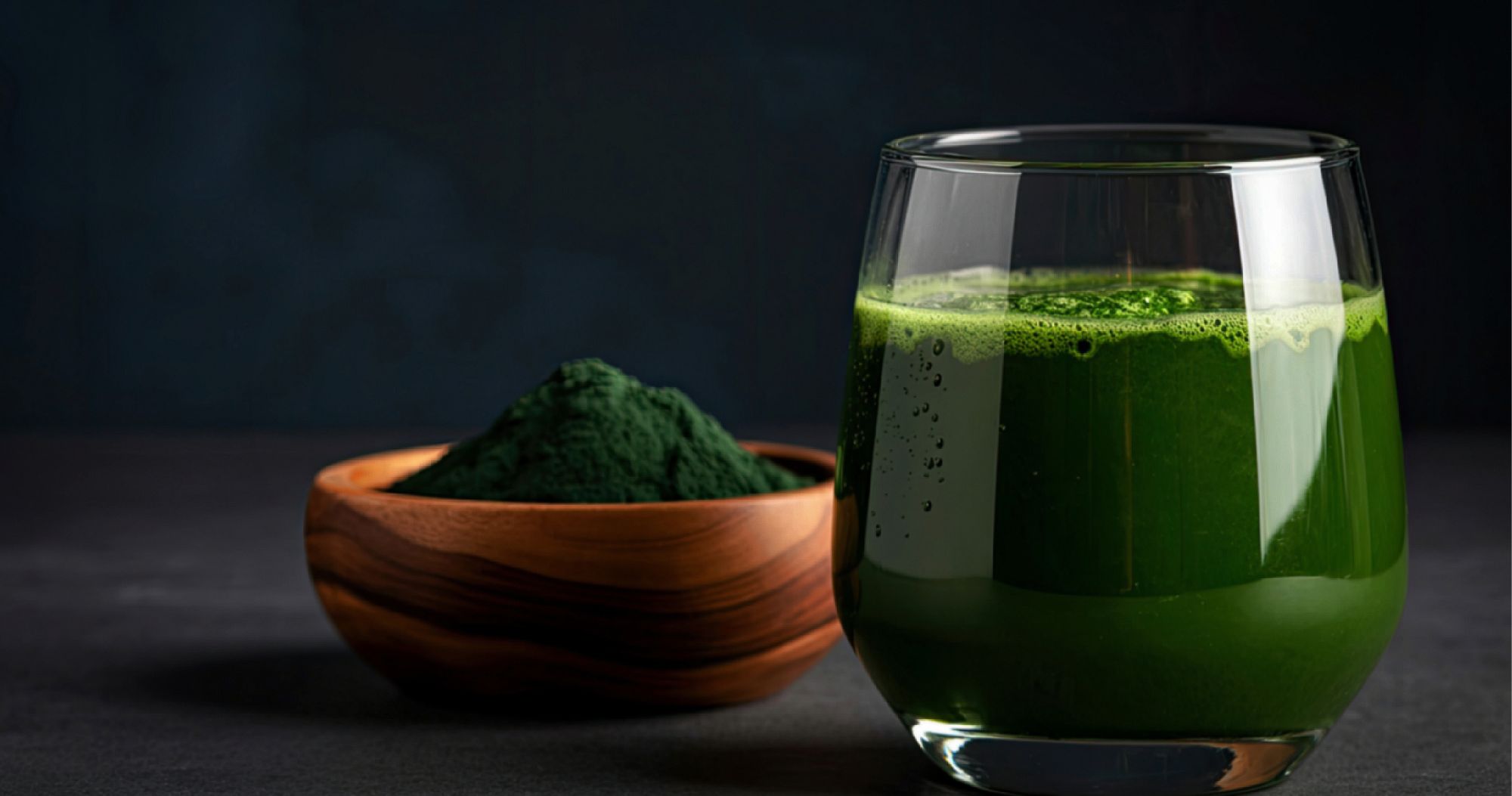
How is kelp different from spirulina?
Here is an interesting point to consider when exploring algae ingredients.
Spirulina and Kelp both originate from aquatic environments, but they do not belong to the same group of algae.
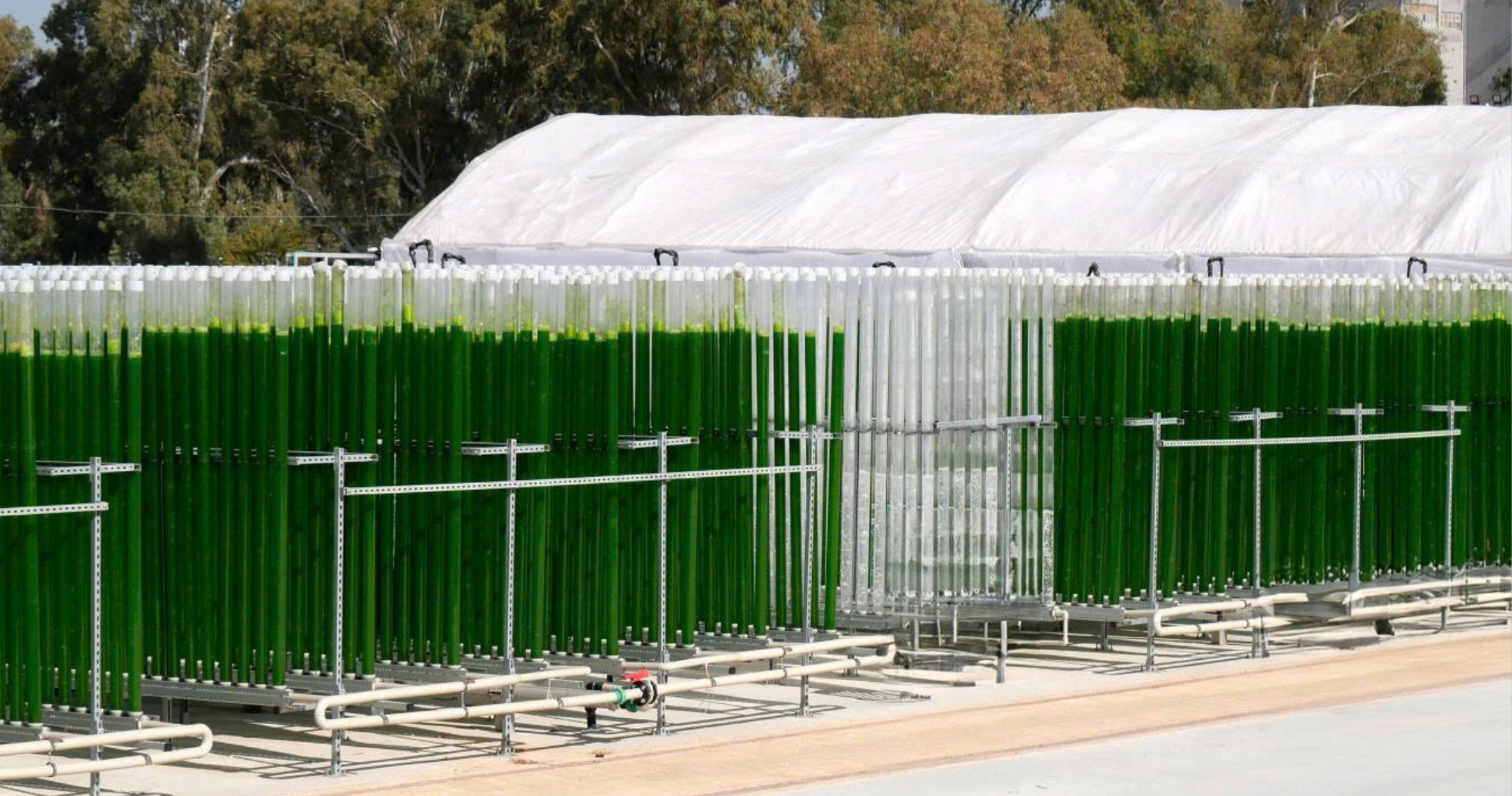
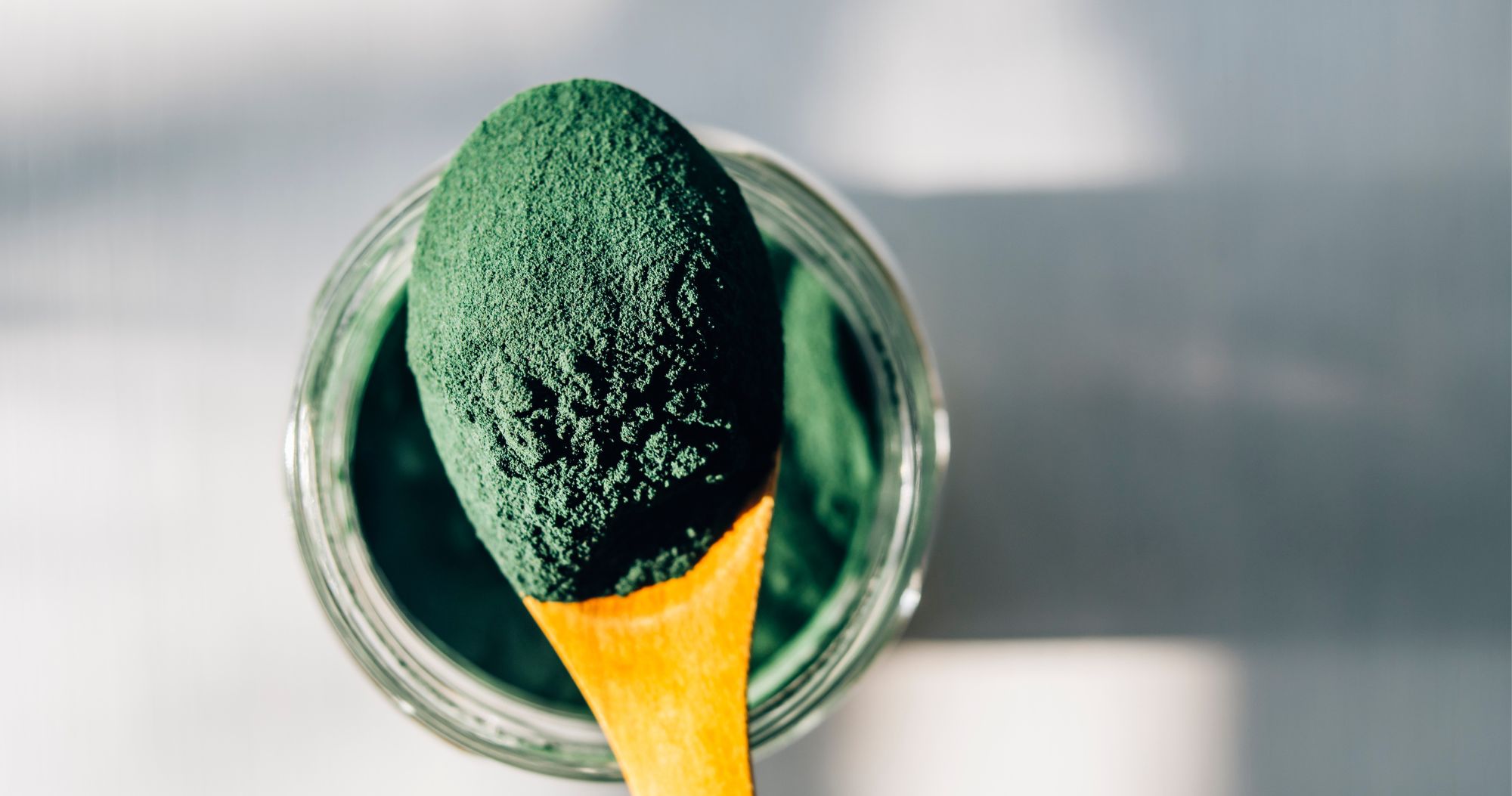
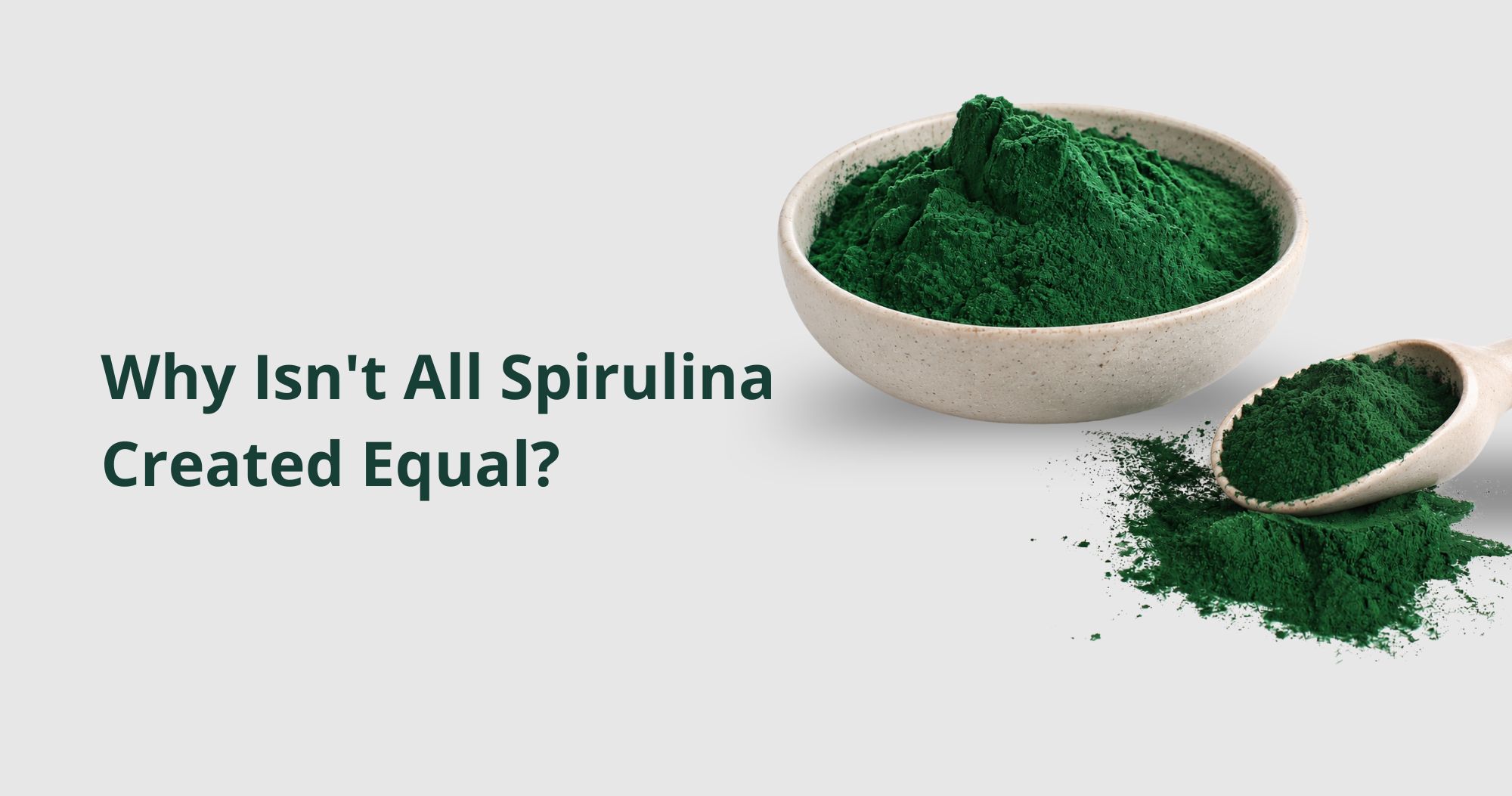
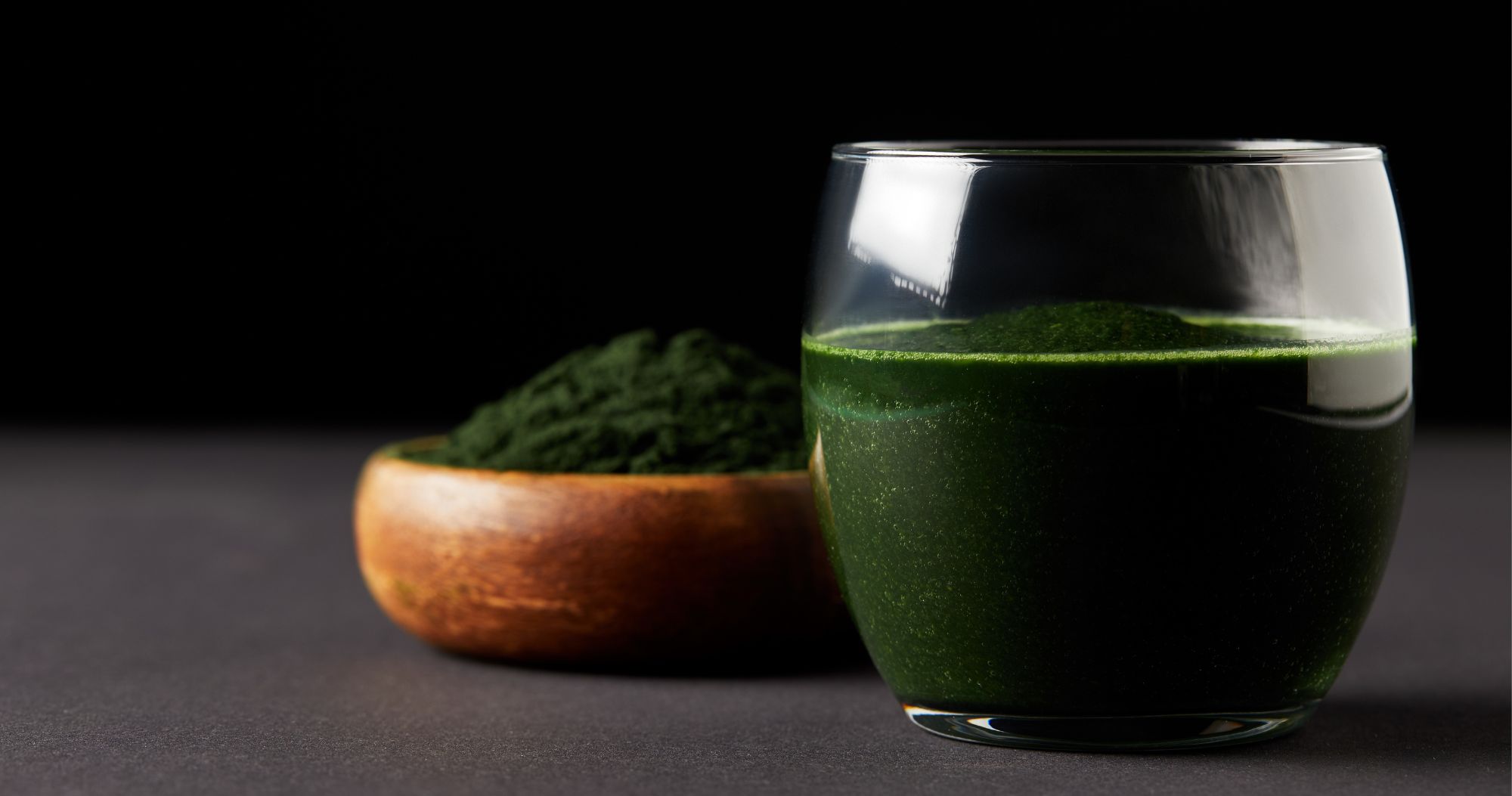
Spirulina is a filamentous cyanobacterium commonly used in nutrition and dietary supplements.
Meanwhile, Kelp is a group of multicellular brown algae that grow into large structures in marine environments.
These biological differences also lead to variations in composition and potential applications.
Spirulina is often valued for its protein content and compounds such as phycocyanin.
Kelp is more noted for applications involving polysaccharides, alginate, fucoidan, and other characteristic compounds of brown algae.
From Kelp to cosmetic ingredients
.jpg)
One of the most critical points for cosmetic businesses is that ingredients need to be more than just naturally sourced.
They must also meet requirements for stability, consistency, quality standards, and traceability.
Especially with marine-derived ingredients, the composition can vary depending on the environmental conditions where the algae grow.
The species, harvest location, season, water conditions, and post-harvest processing methods can all affect the final composition of the ingredient.
Therefore, for R&D and Procurement, selecting Kelp as an ingredient requires looking beyond just the product name.
Factors such as:
Species → Origin → Processing → Extraction → Standardization → Specification → Testing
can directly affect the suitability of the ingredient for a formulation.
This is also why professional ingredient suppliers must provide complete technical information and quality control documentation for every ingredient.
Is Kelp a new trend in cosmetics?
Seaweed has long been used in skincare products. What is changing is how the cosmetic industry approaches this ingredient.
Instead of just using algae as a marketing gimmick, developers are increasingly focusing on active components, extraction methods, and quality control capabilities.
This aligns with current trends in the cosmetics industry: consumers want ingredients with transparent origins, while brands require raw materials with robust technical profiles to ensure stable product development.
Kelp is therefore being viewed not just as a type of seaweed, but as a raw material with significant potential for cosmetic formulation.
Conclusion
Kelp is a group of brown algae rich in natural compounds with diverse applications in the cosmetics industry. From polysaccharides to specialized compounds like fucoidan and alginate, Kelp offers a wide range of options for formulators seeking marine-derived ingredients.
However, not all Kelp ingredients are the same.
For cosmetic businesses, the value of Kelp depends on many factors, ranging from the species and source to the processing methods, extraction techniques, and standardization. Therefore, understanding the origin and characteristics of the raw material is a crucial step before incorporating Kelp into a commercial formula.
This is the perspective TA Vital aims to bring to the Algae 101 series: rather than just discussing algae as a trend, we aim to understand what it is, what it contains, and how it can be applied in specific industries.
.jpg)
FAQ
What is Kelp?
Kelp is the common name for a group of large brown algae that live in marine environments, particularly common in cold, nutrient-rich waters.
Is Kelp used in cosmetics?
Yes. Ingredients such as Kelp extract, Kelp powder, and other components derived from brown algae can be used in various skincare and haircare formulas.
Are Kelp and Spirulina the same?
No. Spirulina is a type of filamentous cyanobacteria, while Kelp is a group of multicellular brown algae. They have different compositions and applications.
What is fucoidan in Kelp?
Fucoidan is a group of fucose-containing polysaccharides found in the cell walls of many brown algae, including several species of Kelp.

.png)
.png)



.jpg)





.jpg)

.jpg)


.jpg)


.png)
.png)
.jpg)
.jpg)







.jpg)

.jpg)


.jpg)
.jpg)


.jpg)



.jpg)




.png)





.jpg)


.jpg)