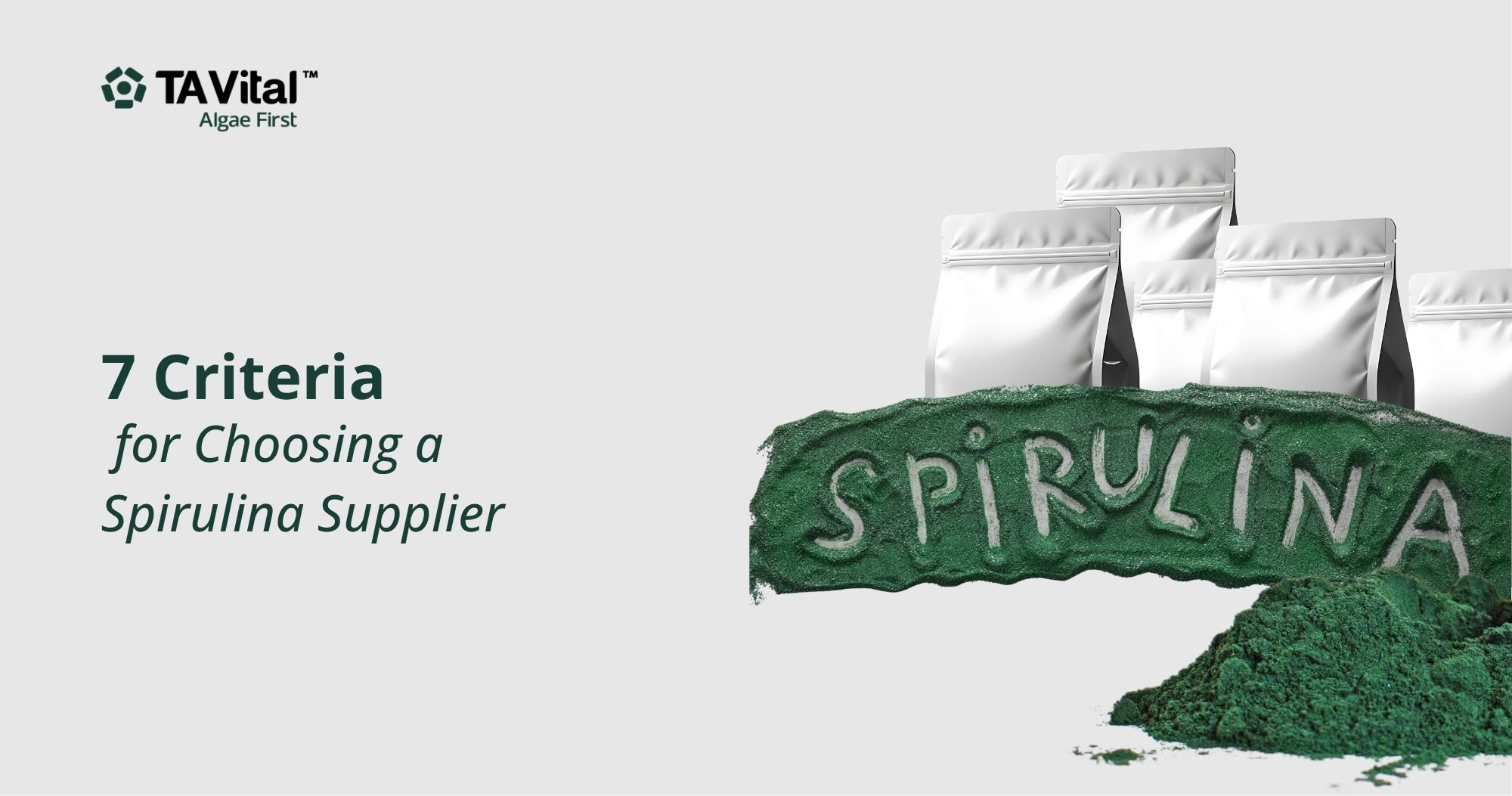
Spirulina is one of the natural ingredients gaining attention in the field of nutrition due to its diverse nutritional profile, including protein, minerals, and bioactive compounds. From dietary supplements to nutritional products, Spirulina is increasingly being studied and incorporated into a wide range of formulations.
So, what makes Spirulina special, and what nutritional benefits have made it an ingredient of interest? Let’s explore with TA Vital.
What Makes Spirulina Special?
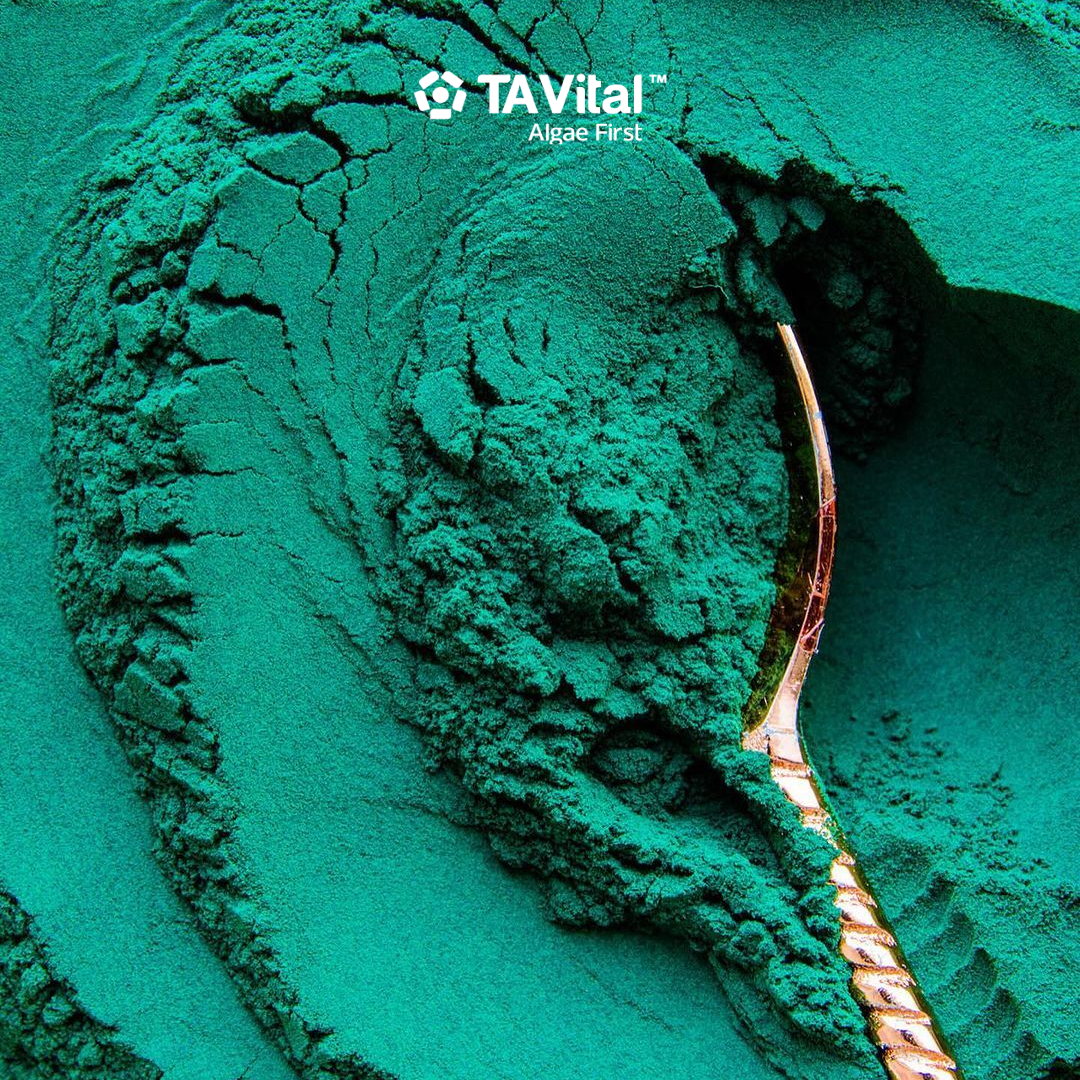
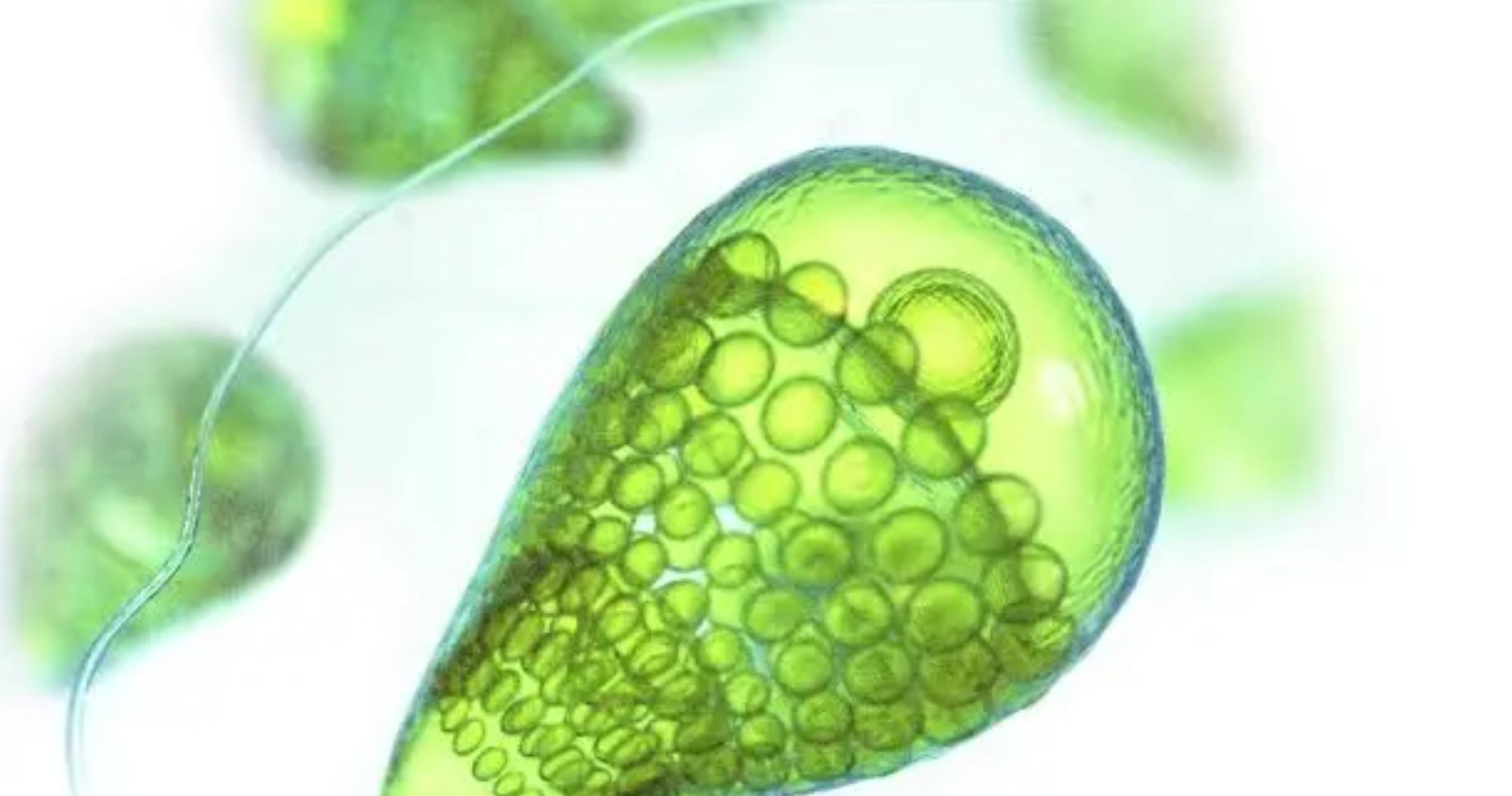
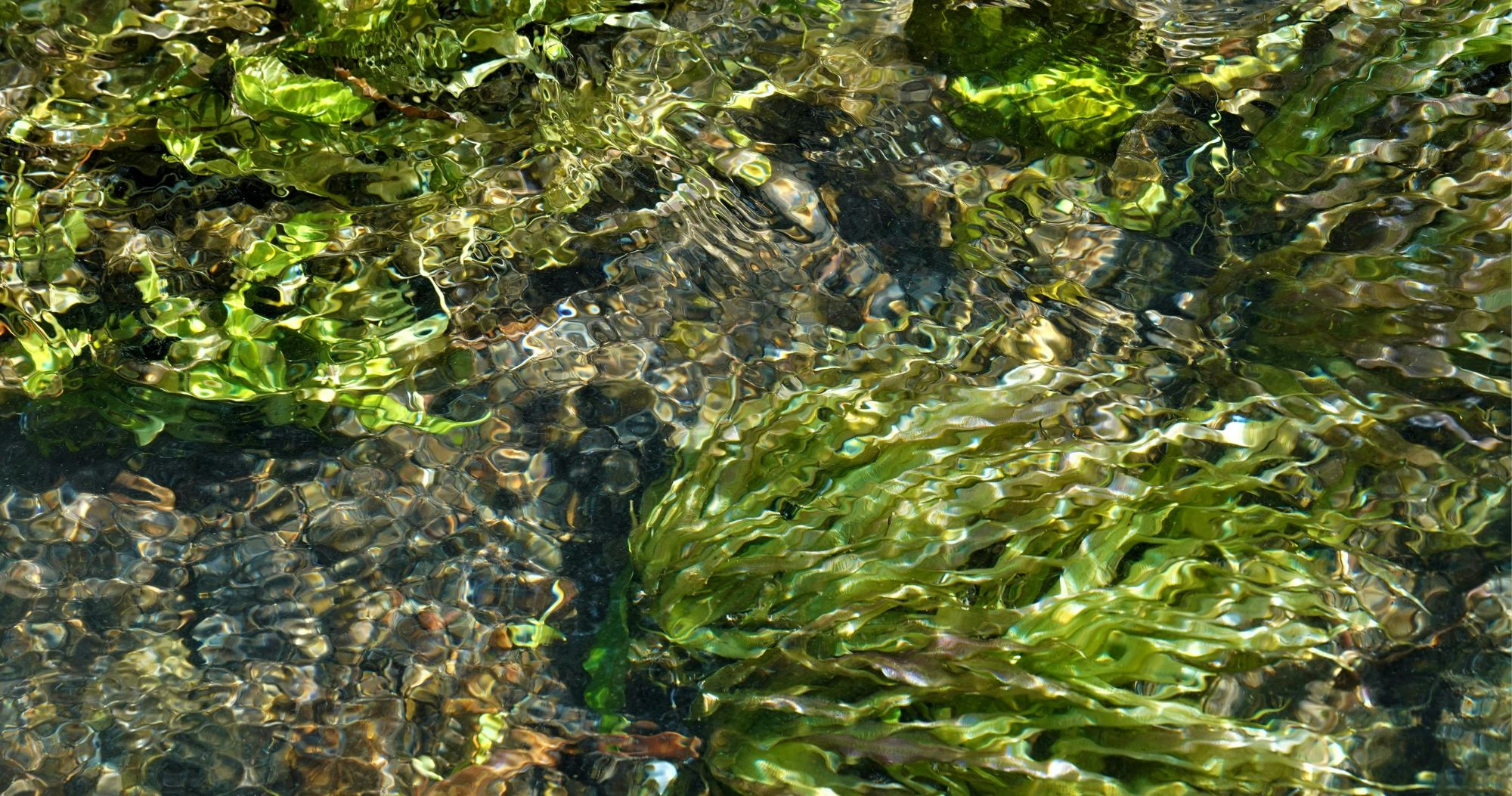
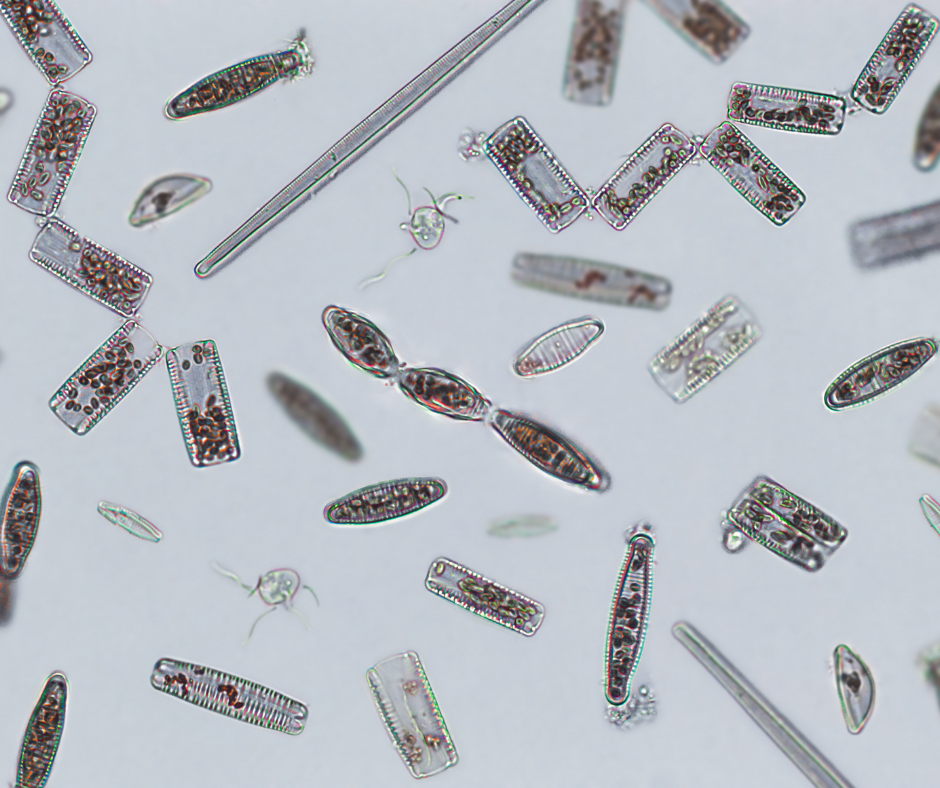
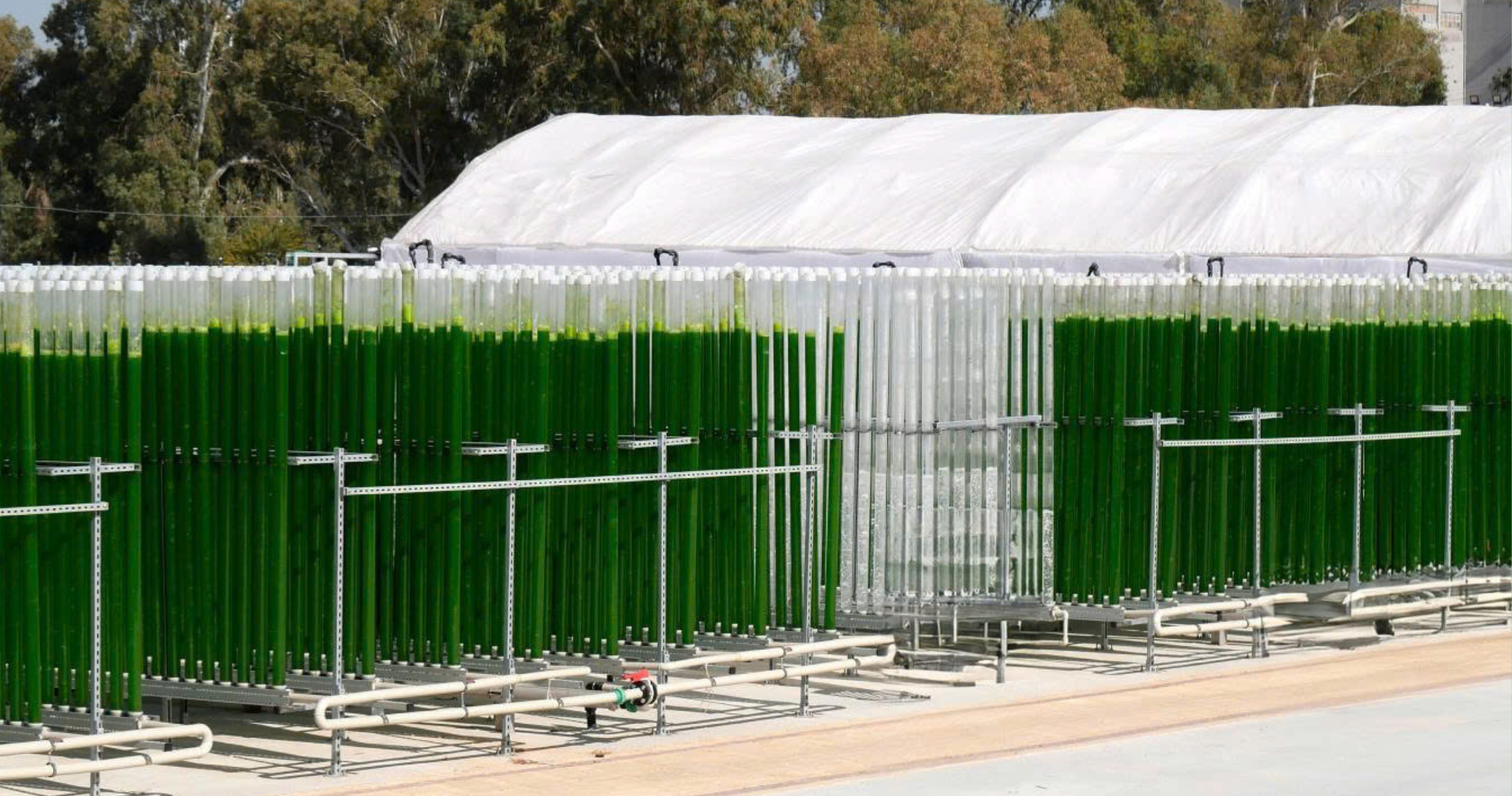
Spirulina is a common name for microalgae belonging to the genus Arthrospira, with Arthrospira platensis being one of the species widely used in food and dietary supplements.
Biologically, Arthrospira belongs to a group of photosynthetic cyanobacteria. However, Spirulina is commonly referred to as microalgae in the fields of food, nutrition, and biotechnology.
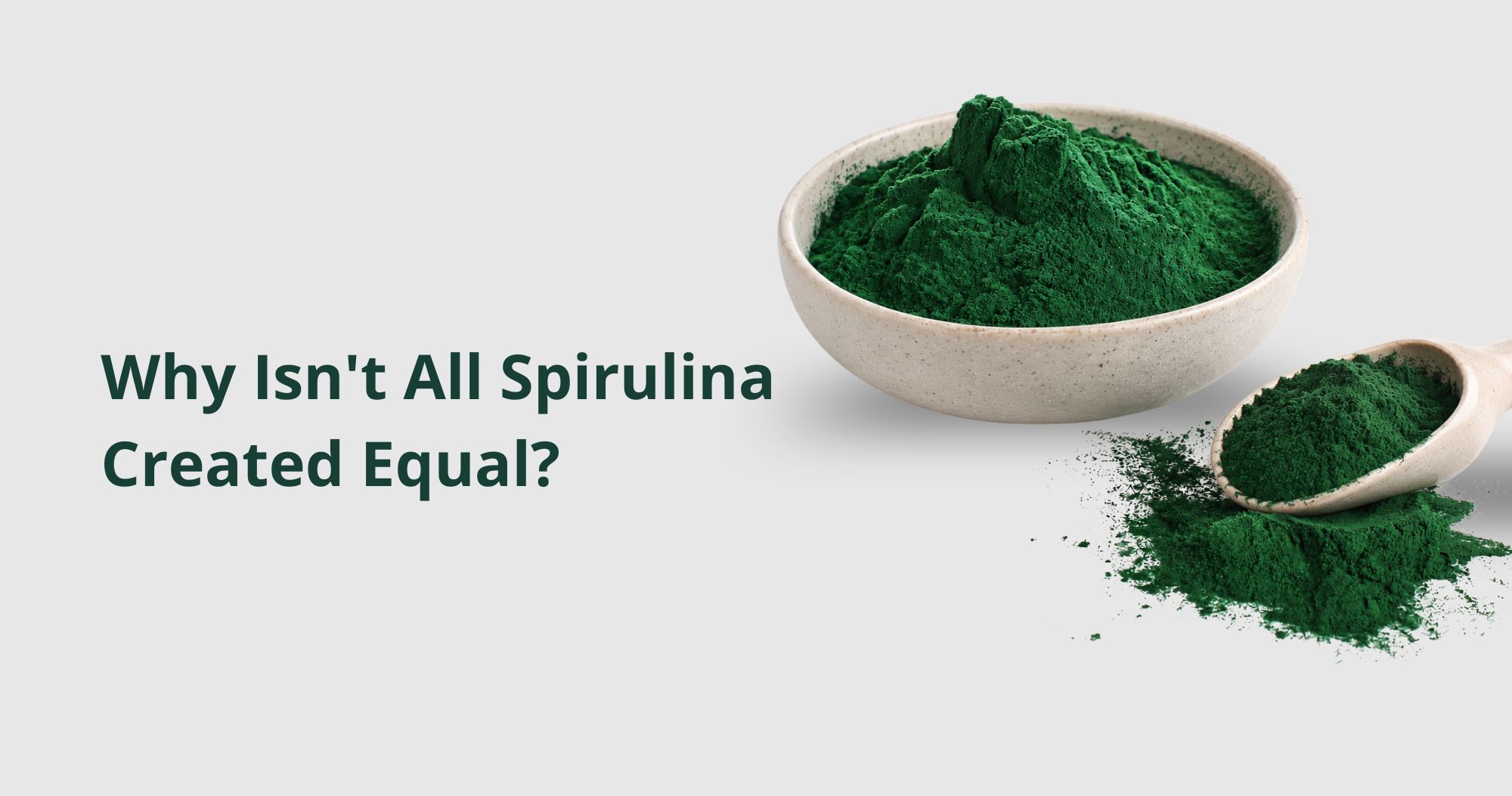
What makes Spirulina particularly interesting is its diverse nutritional profile, including protein, fatty acids, vitamins, minerals, and various bioactive compounds such as phycocyanin and carotenoids.
Key Nutritional Values of Spirulina
1. A Nutrient-Rich Source of Protein
Spirulina is known for its high protein content and contains a variety of amino acids. Protein plays an important role in the body, contributing to muscle growth and maintenance, as well as the production of enzymes, hormones, and various cellular structures.
Compared with many other plant-based ingredients, Spirulina has attracted attention for its relatively high protein content. Some reviews report that protein can account for a significant proportion of Spirulina’s dry biomass, depending on the species, cultivation conditions, and processing methods.
In addition to its protein content, the amino acid profile is another factor considered when evaluating the nutritional value of Spirulina. This is why Spirulina has been studied and applied in nutritional products, dietary supplements, and plant-based foods.
However, Spirulina should not be considered the sole source of protein in the diet. Including a variety of protein sources from different foods remains important to meet the body’s nutritional needs.
2. Contains Iron and Other Minerals
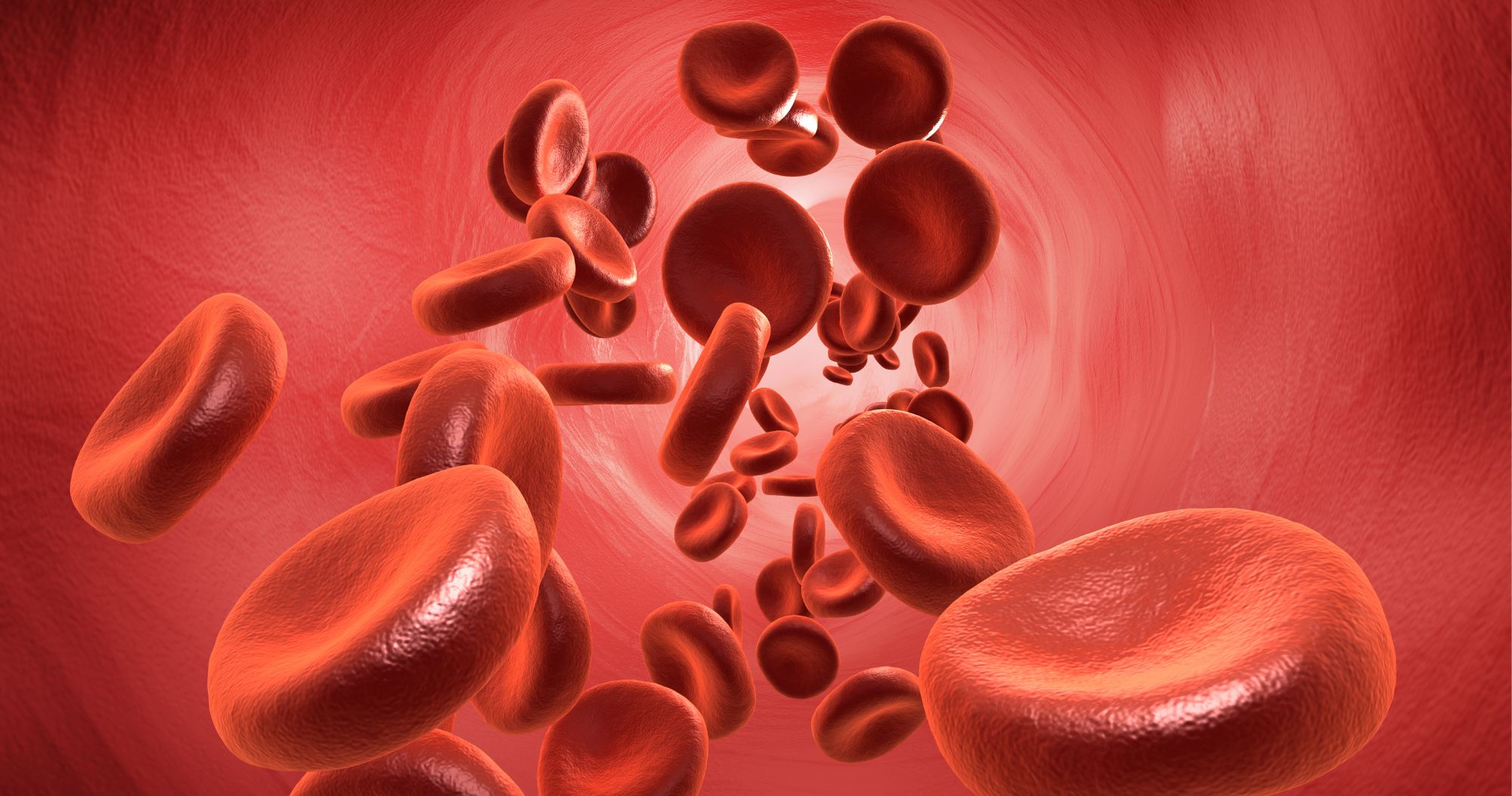
Iron is an essential mineral involved in oxygen transport in the blood and various physiological processes in the body. Iron deficiency can affect red blood cell production and the body’s ability to transport oxygen.
Spirulina naturally contains iron as well as several other minerals, contributing to its overall nutritional value. However, the actual mineral content can vary depending on the species, cultivation conditions, growing environment, and production processes.
This also means that not all Spirulina products should be assumed to contain the same levels of iron or other minerals. When evaluating a specific product or ingredient, it is important to refer to its nutritional information and published technical specifications.
As part of a daily diet, Spirulina can be considered an additional source of nutrients. However, it should not completely replace other iron-rich foods or prescribed iron supplements when specific nutritional needs have been identified.
3. Bioactive Compounds with Antioxidant Potential
In addition to protein and minerals, Spirulina contains various bioactive compounds, including phycocyanin, carotenoids, and phenolic compounds. These components have attracted considerable interest in research on the biological properties of Spirulina.
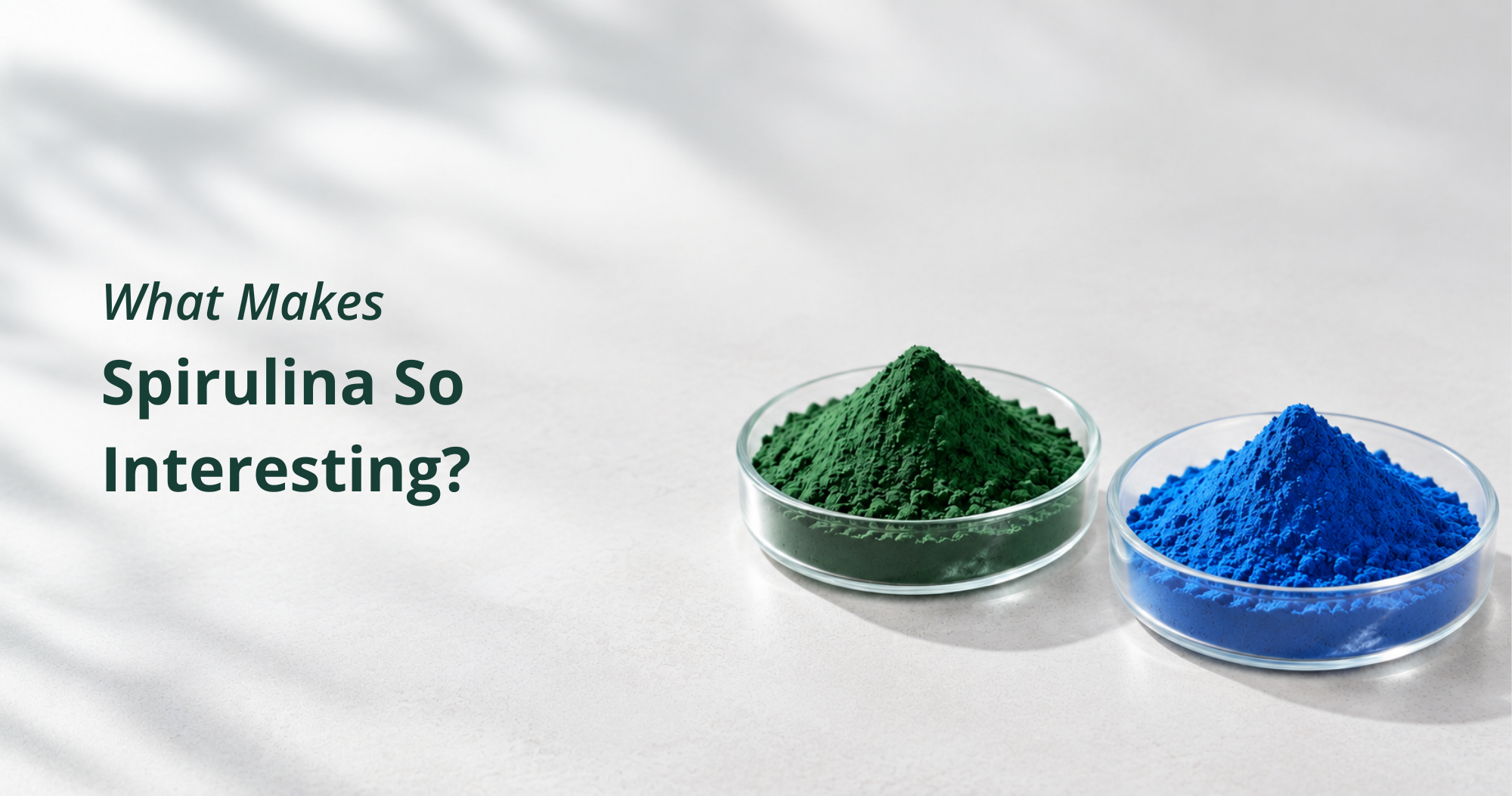
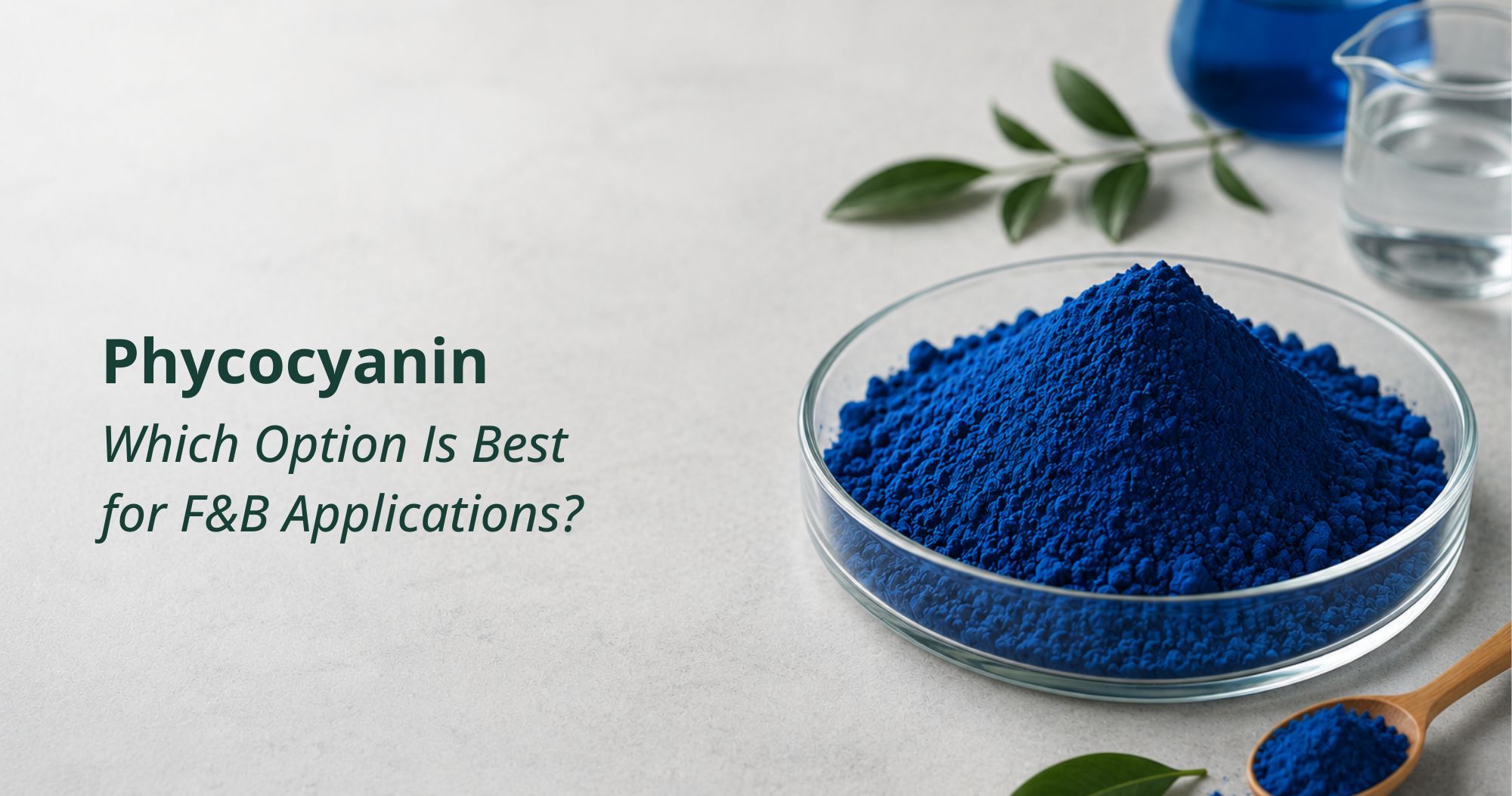
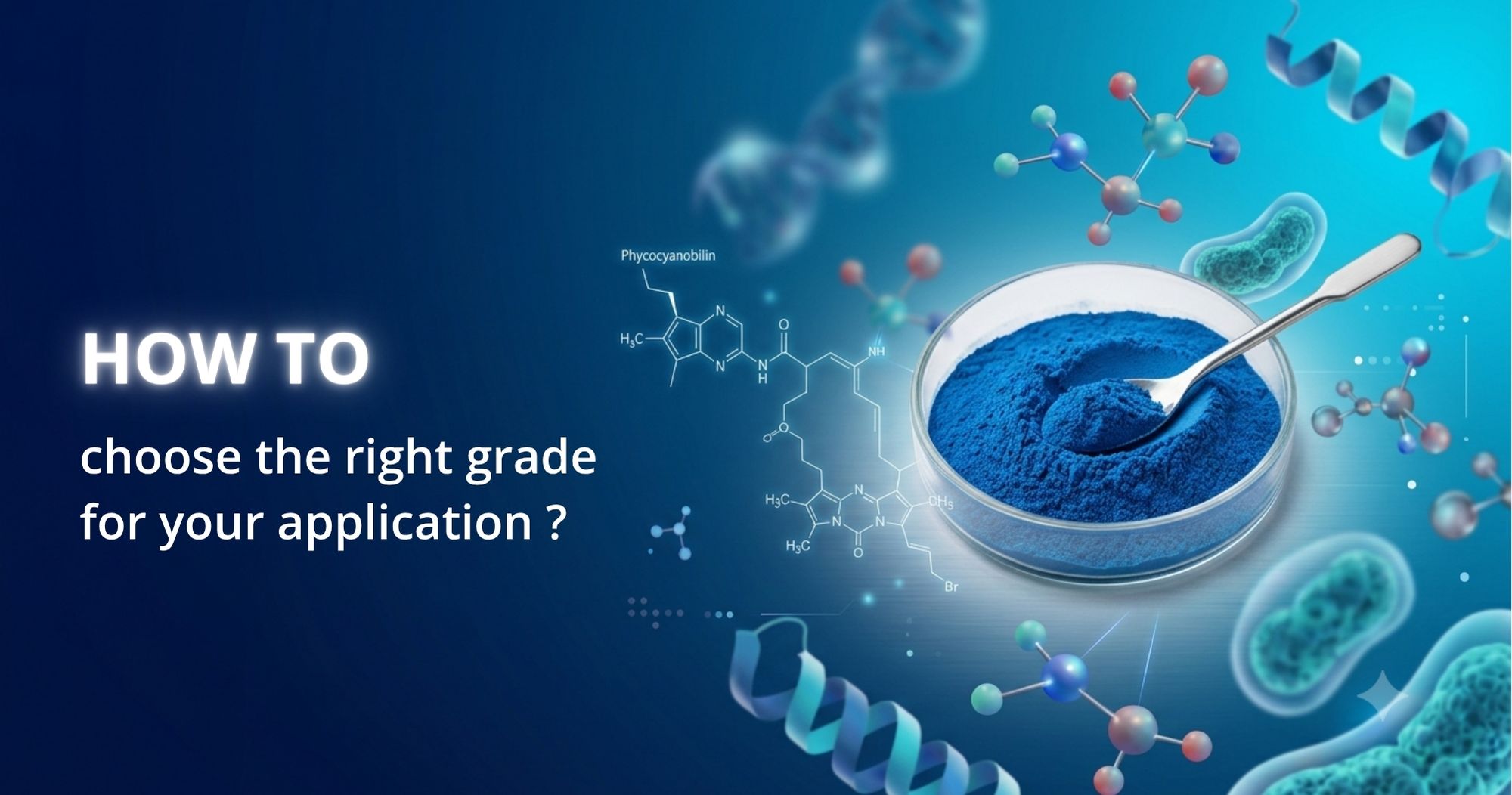
Among them, phycocyanin is a characteristic protein pigment found in Spirulina. It contributes to Spirulina’s distinctive blue-green color and has also been studied for its potential antioxidant activity and other biological properties.
Antioxidants play an important role in protecting cells from the effects of free radicals and oxidative stress. This is one of the reasons naturally occurring antioxidant compounds have gained increasing attention in the field of nutrition.
Several human studies have evaluated the effects of Spirulina on markers associated with antioxidant capacity. Preliminary findings suggest that Spirulina may have the potential to support antioxidant defenses, but clinical evidence remains limited and results across studies have not been entirely consistent.
Therefore, rather than viewing Spirulina as a product for treating or preventing diseases, it is more appropriate to consider it as a potential source of nutrients and bioactive compounds within a balanced diet.
How Can Spirulina Be Used in Food Products?
With its diverse content of protein, minerals, and bioactive compounds, Spirulina has been studied and applied across various food and nutritional product categories.
Some common applications include:
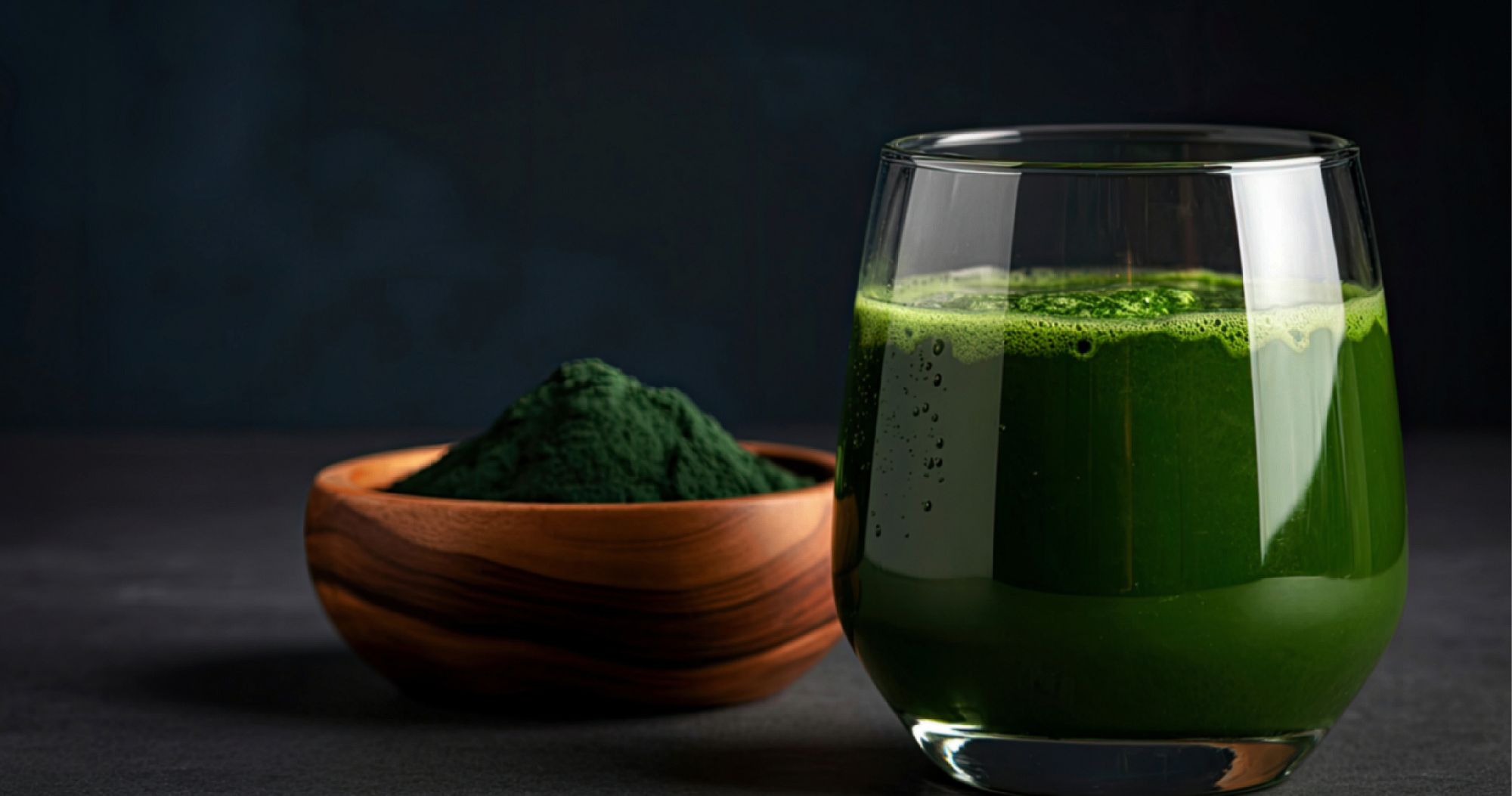
- Dietary supplements and functional foods: Spirulina can be used in forms such as powder, capsules, or tablets, making it suitable for products designed to provide additional protein, minerals, and bioactive compounds.
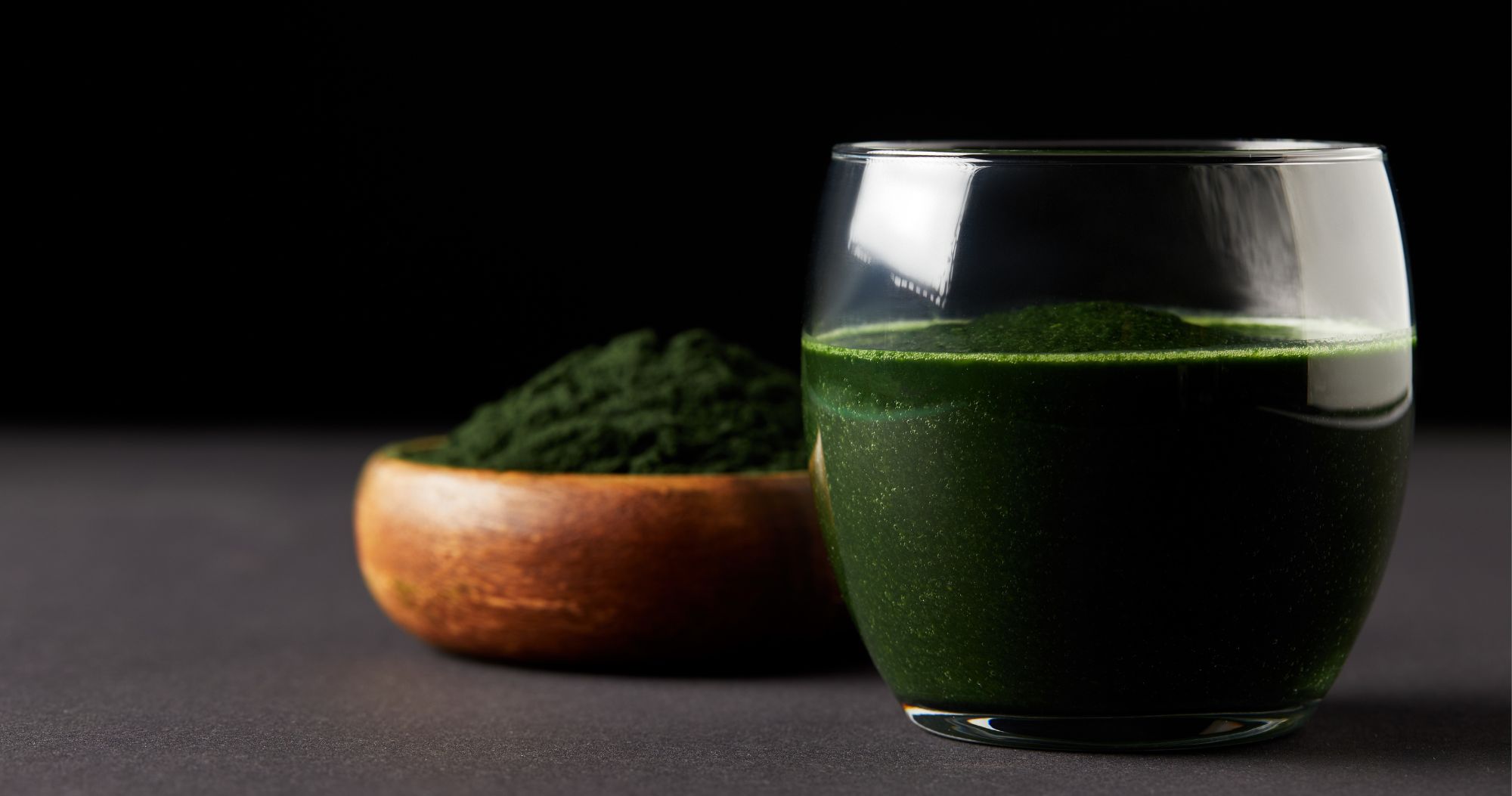
- Nutritional beverages: Spirulina can be incorporated into nutritional drinks, smoothies, and plant-based beverages. Its distinctive blue-green color can also provide a unique visual characteristic to the final product.
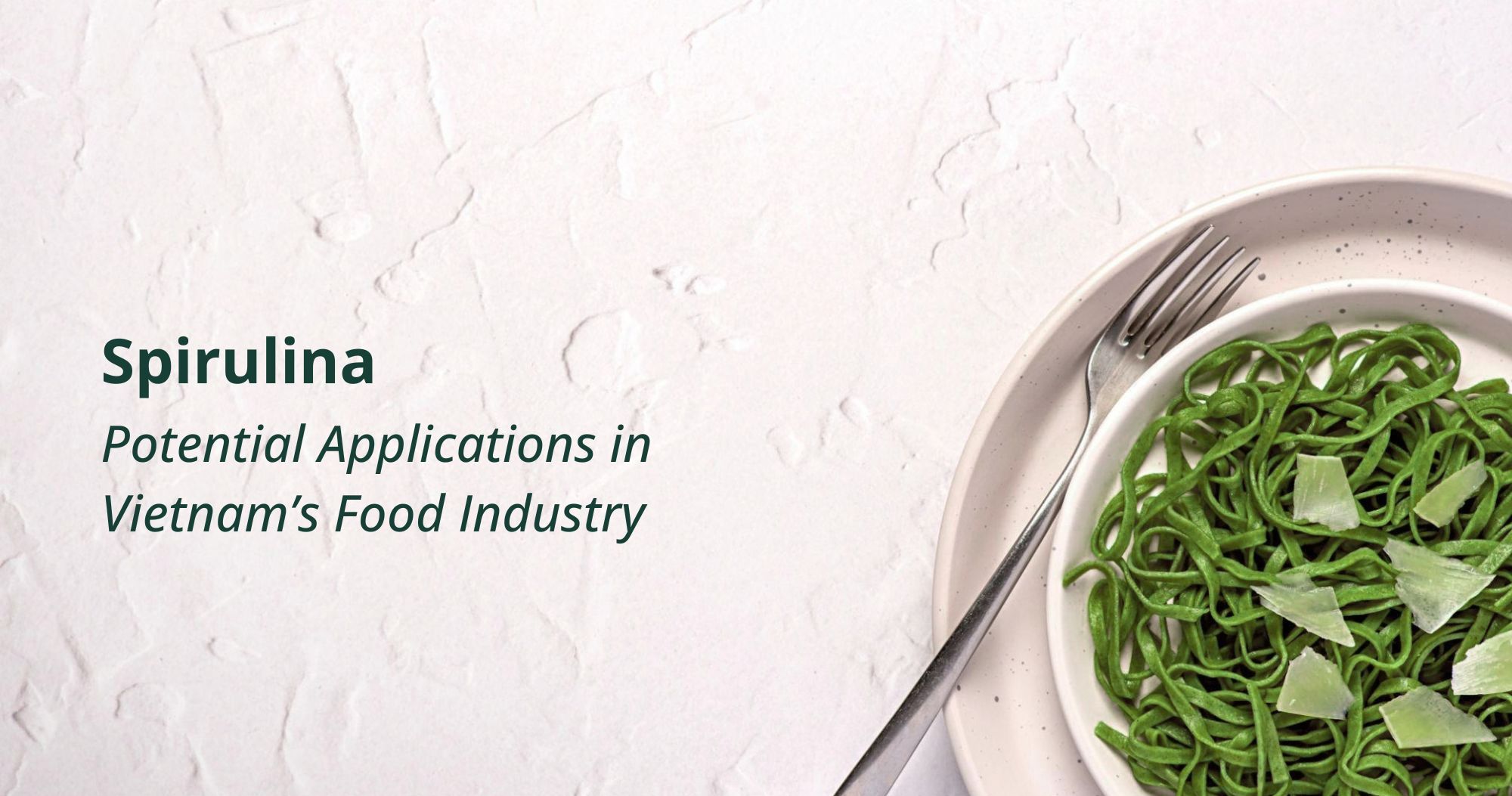
- Bakery products and snacks: Spirulina can be incorporated into selected bakery, snack, and grain-based formulations to enhance their nutritional profile.
- Plant-based products: With its protein content and diverse nutritional composition, Spirulina has attracted interest as an ingredient for the development of plant-based products.
- Natural coloring applications: Phycocyanin, the characteristic blue pigment associated with Spirulina, has also been studied and applied as a natural colorant in food products. However, its stability can be affected by factors such as temperature, light, and pH.
When incorporating Spirulina into a formulation, manufacturers need to consider not only its nutritional value but also color, taste, stability, and compatibility with other ingredients to ensure the quality of the final product.
TA Spirulina – A Convenient Source of Spirulina Nutrition
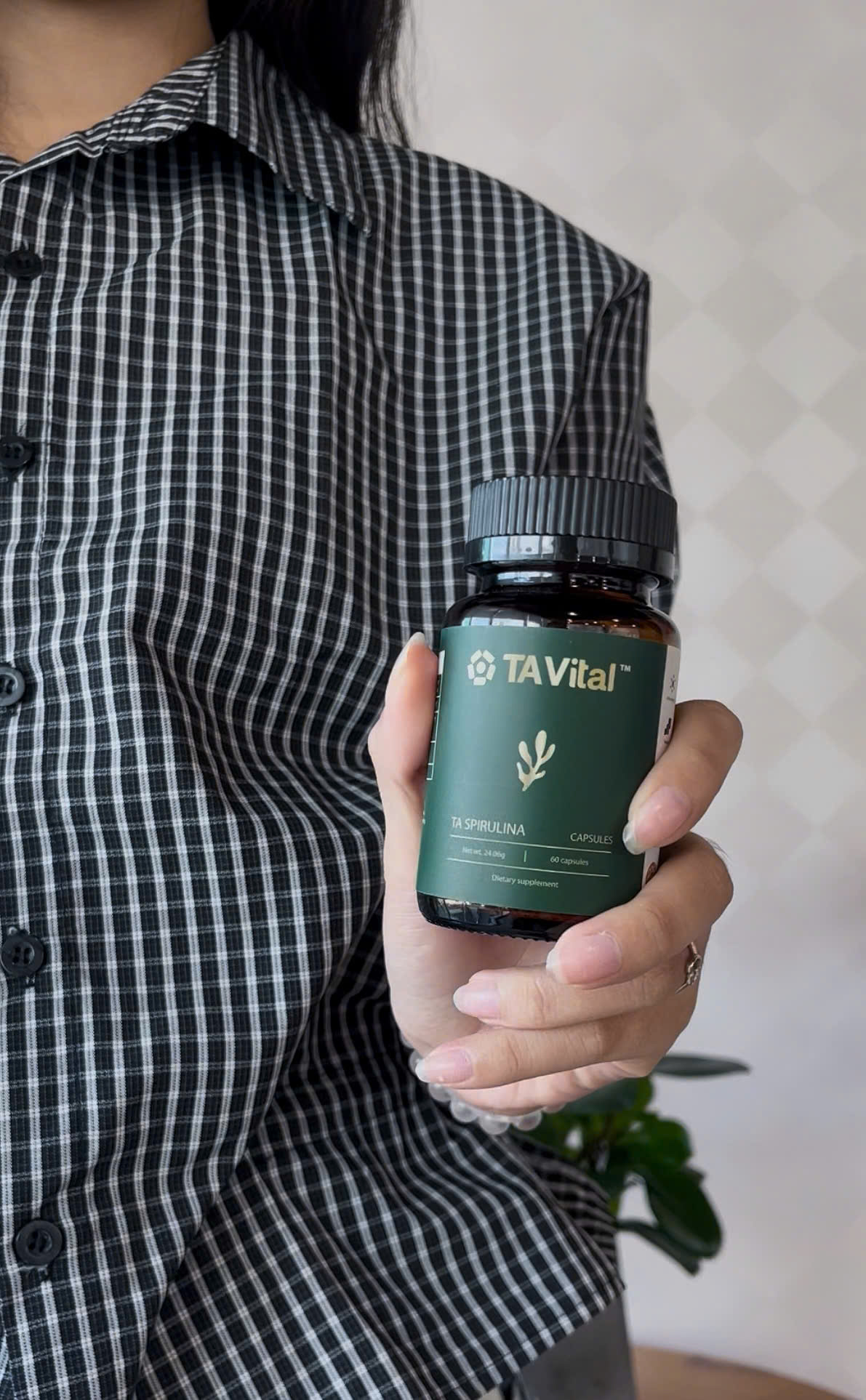
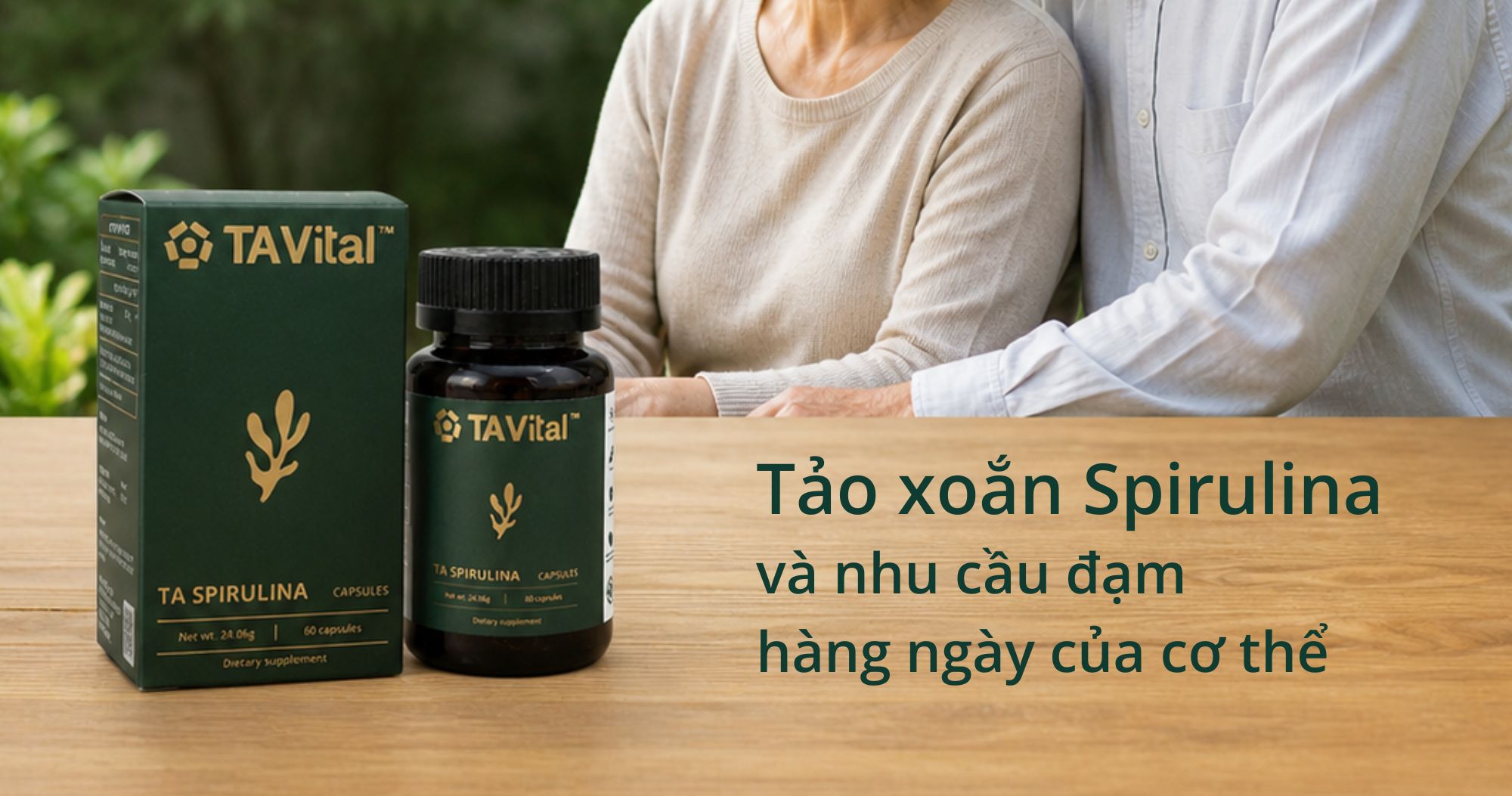
TA Spirulina from TA Vital is a Spirulina-based dietary supplement in capsule form, suitable for those looking to incorporate the nutritional value of Spirulina into their daily diet. With naturally occurring protein, iron, and bioactive compounds, Spirulina can contribute additional nutritional value as part of a balanced diet.
Unlike Spirulina powder, which needs to be mixed or prepared before consumption, the capsule format makes supplementation simple and convenient. It is easy to carry and fits naturally into a busy daily routine. TA Spirulina is recommended at 2 capsules per day, which can be taken before or after meals.
TA Spirulina is not a substitute for a balanced diet, but rather an option for adding Spirulina to a daily wellness routine. A varied diet, regular physical activity, and a healthy lifestyle remain important foundations for overall health.
Learn More About TA Spirulina
Looking for a simple, easy-to-take, and convenient way to incorporate Spirulina into your daily routine? Learn more about TA Spirulina and the product information from TA Vital.