.png)
Nutrition determines not only physical health, but also strongly influences mood and emotions. Nutrients such as proteins, vitamins, minerals, and fats are the building blocks of neurotransmitters, and also affect inflammation, glycemic balance, and intestinal microbiota — factors directly related to positive or negative emotions. Diets rich in whole foods, fruits, greens and healthy fats are associated with more stable moods, while processed foods and refined sugars often cause emotional swings and fatigue.
There are days when you wake up with nothing bad happening, but still feel sluggish, irritable, or sad for no apparent reason. Many people think it's due to job pressure, relationship or emotional stress. But few people notice that what we eat each day may be silently determining that emotional state.
Nutrition not only feeds the body, but also the brain and nervous system. When nutrition is unbalanced, the mood is also difficult to stabilize. This is why, in recent years, concepts such as “eating affects emotions”, “food for the brain” or “mental nutrition” have been mentioned more and more.
Mood doesn't just come from thinking

The brain is an organ that consumes a huge amount of energy. Although it only accounts for about 2 percent of your body weight, your brain uses up to 20 percent of your total energy every day. That is to say, the quality of fuel you put into your body will directly affect how the brain functions.
Neurotransmitters such as serotonin, dopamine or GABA - these emotional regulators are all synthesized from nutrients. If there is a possible lack of raw materials, the brain will not be able to produce enough of these substances, which leads to the condition:
- Easy to stress, anxiety
- Difficulty concentrating
- Or sadness, loss of motivation
- Sleep is not deep, wakes up tired
In other words, mood is not just a mental thing, but the result of a whole chain of biological reactions.
When nutrition is unbalanced, emotions also waver
A diet high in refined sugar, ultra-processed foods, a lack of micronutrients often causes an emotional “up-down” phenomenon very quickly. At the end of eating, you can see alertness and excitement, but only a few hours later you fall into a state of fatigue and irritability.
The reason for this is that blood sugar rises rapidly and then drops sharply, which entails a sudden change in brain energy. In the long run, this condition causes the nervous system to be “overloaded”, making emotions more capricious.
On the contrary, a stable, micronutrient-rich, antioxidant-rich diet helps the brain to function more persistently, so that the mood is also more stable and pleasant.
The role of micronutrients for the brain and emotions
Many people pay attention only to proteins, starches, fats, forgetting that it is the microelement that determines the nervous balance.
- Vitamins of group B are involved in the production of energy and neurotransmitters
- Magnesium relaxes nerves, relieves stress
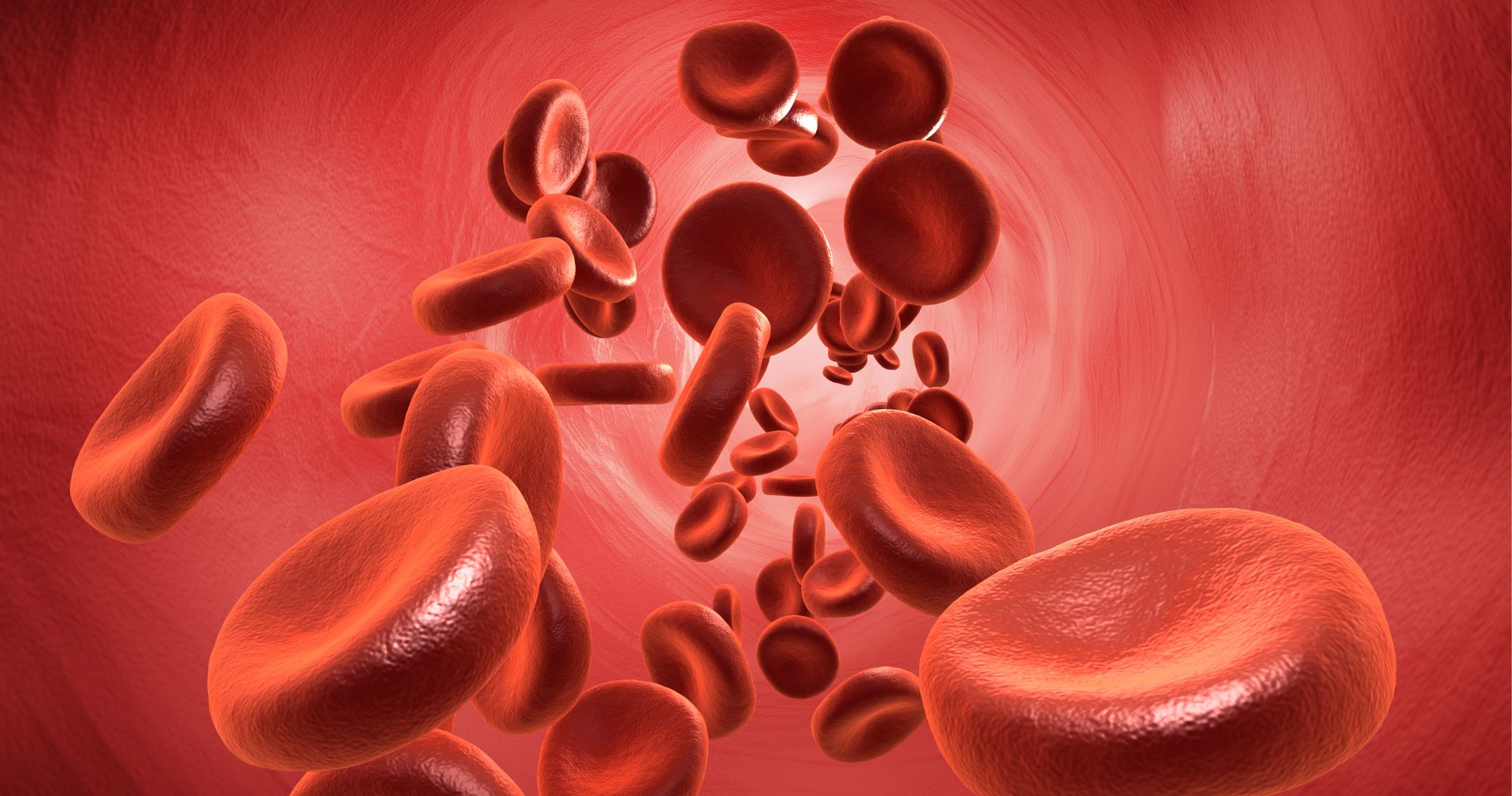
- Iron helps transport oxygen to the brain
- Antioxidants help protect brain cells from oxidative stress
With a lack of these microelements, the body can remain “alive”, but the feeling of fatigue, irritability and lack of motivation will appear more and more clearly.
This is why many people eat full but still feel empty, sluggish, and even easily sad.
The connection between the digestive system and mood
.png)
Few people suspect that the gut and the brain are very closely connected. The digestive system not only absorbs nutrients, but also produces the majority of serotonin-hormones associated with feelings of joy and relaxation.
When the digestive system is poorly functioning, the microflora is imbalanced, the process of serotonin production is also affected. This explains why people with bloating, indigestion, digestive disorders are often accompanied by a feeling of fatigue, anxiety or sadness that lasts.
Therefore, nutritional care is not only about eating enough, but also about eating so that the body absorbs it well and the digestive system works gently.
Spirulina and nutritional perspective for mood stability
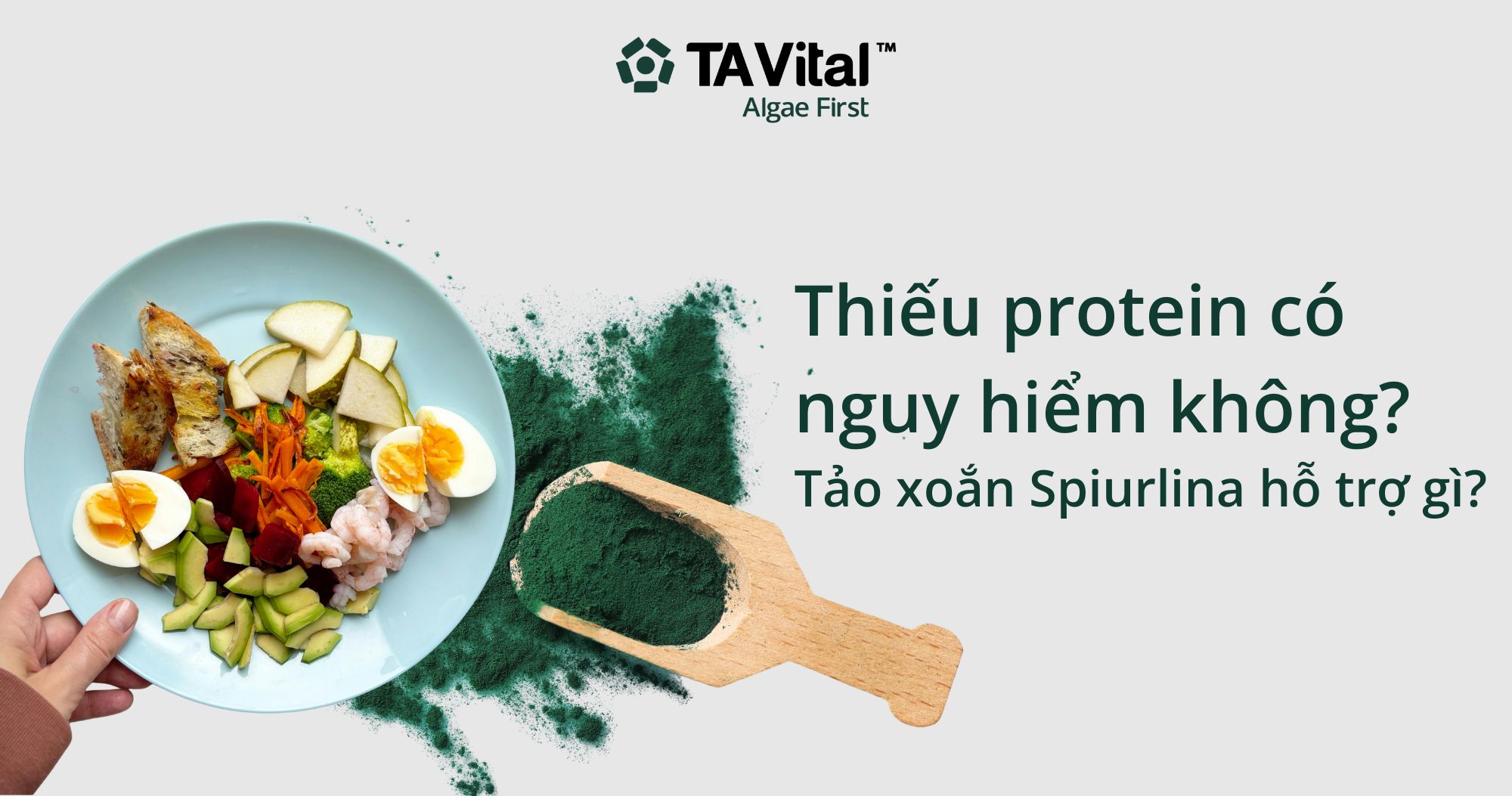
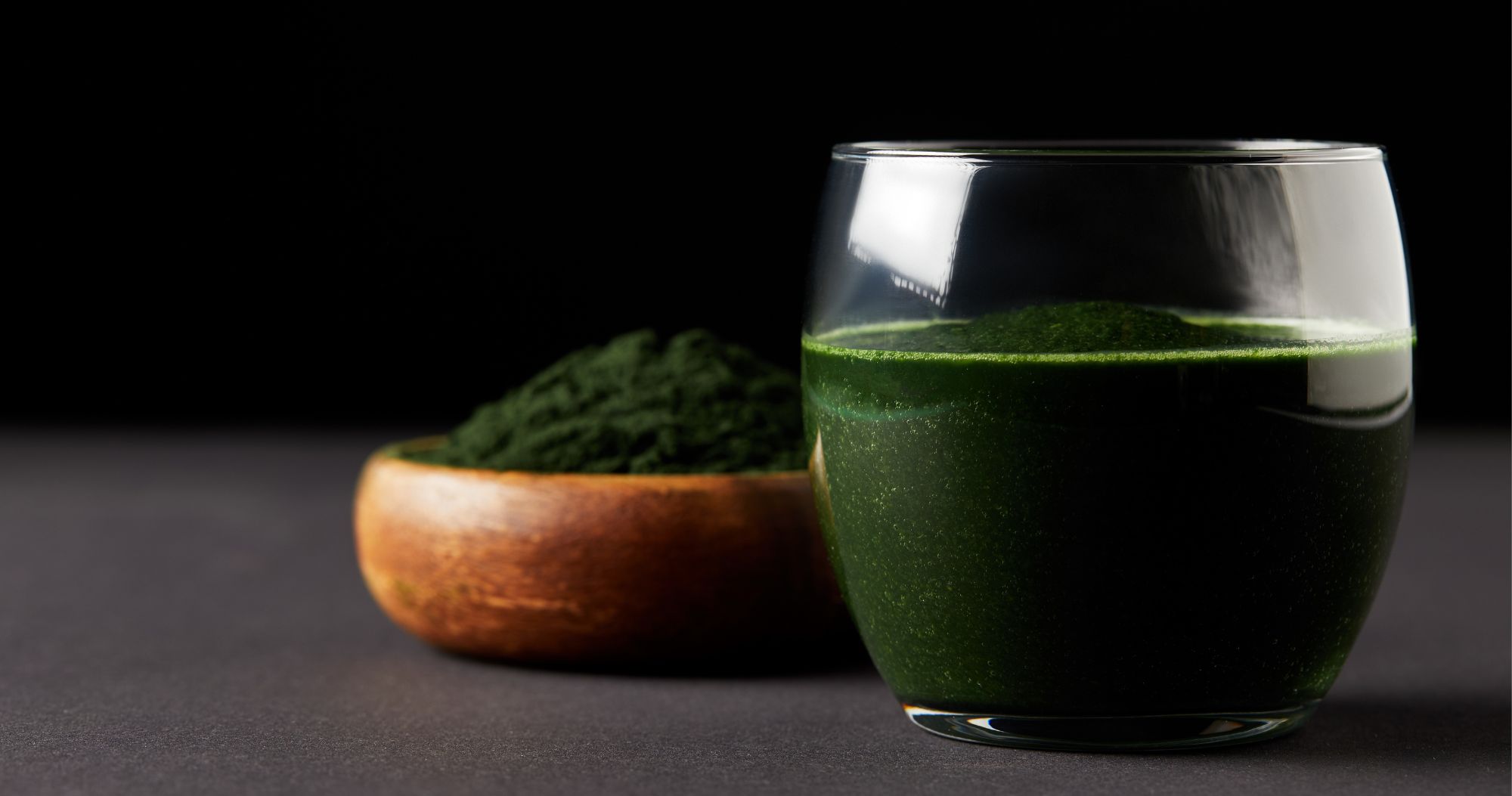
Spirulina is often referred to as a “superfood” in the nutritional picture, with a natural richness of microelements, easily absorbed and suitable for a modern lifestyle.
Spirulina provides vegetable protein, B vitamins, minerals and antioxidant compounds - important elements for brain activity.
When used properly, spirulina helps the body replenish essential microelements, thereby supporting:
- Maintain stable energy throughout the day
- Reduces the feeling of prolonged fatigue
- Supports more balanced functioning of the nervous system
Many people share that, as the body is better nourished, the mood also becomes more breathable, less fluctuating in the face of everyday pressures.
Nutrition doesn't make you happy right away, it makes you stronger
Mood is the result of many factors from living environment, work, relationships, and also personal experience.
However, good nutrition creates a solid foundation, so that when faced with pressure, the body and brain do not drown. When energy is stable, nerves are not overly stressed, people tend to think clearly and control emotions better.
In this perspective, spirulina can be revisited as part of a holistic health care strategy, rather than an immediate solution to emotions.
Conclusion
Nutrition affects mood not because it replaces emotions, but because it makes the body strong enough to support that emotion. When the body is fully supplied with micronutrients, the brain works more stably, and emotions are less likely to be dragged down by fatigue or lack of energy.


.png)
.png)




.jpg)





.jpg)
.jpg)



.jpg)


.png)
.png)
.jpg)
.jpg)






.jpg)

.jpg)


.jpg)
.jpg)


.jpg)




.jpg)








.jpg)



.jpg)