.jpg)
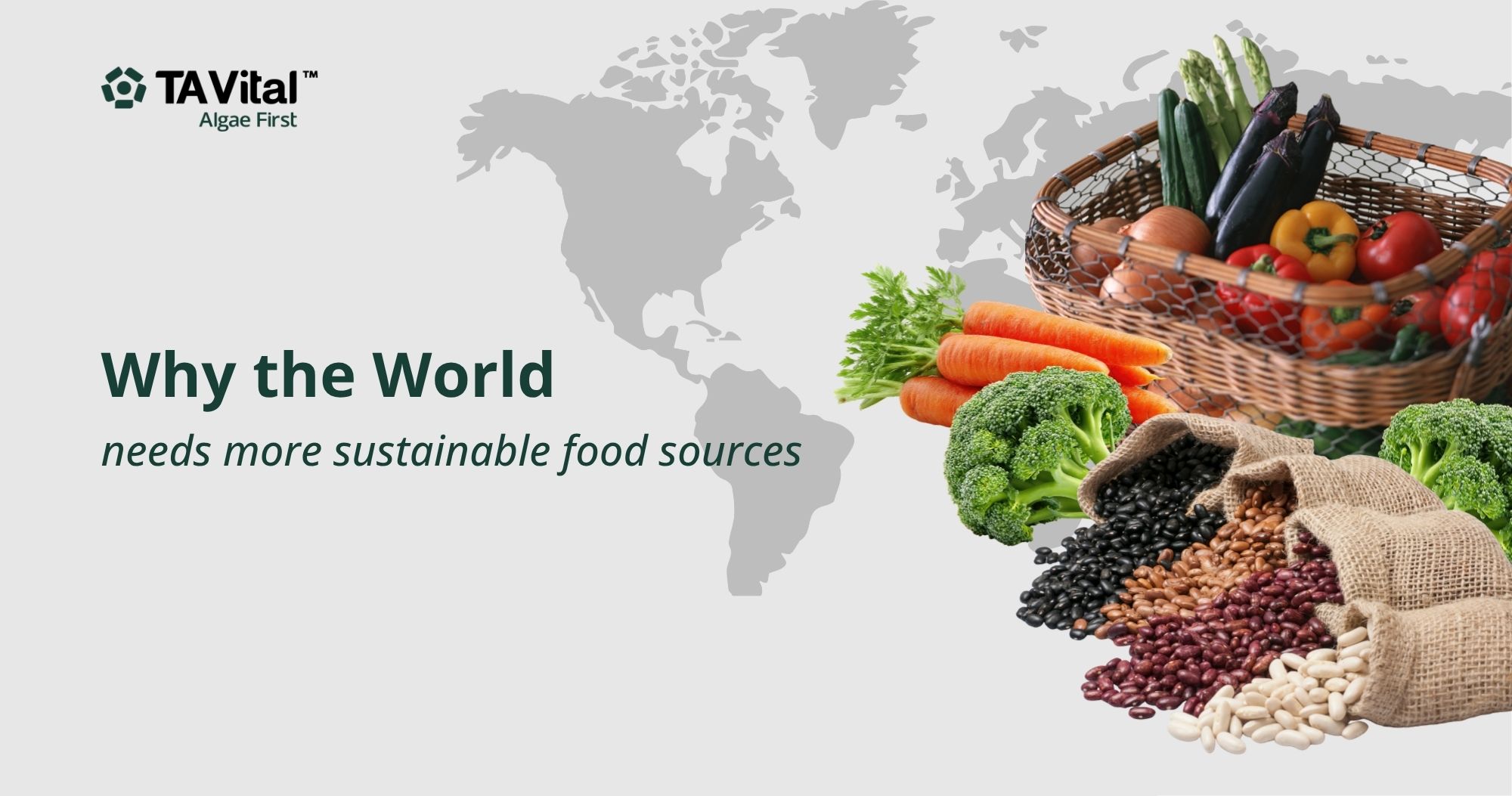
The world is faced with a not-so-simple problem: how to feed a growing population without depleting resources and increasing pressure on the environment?
Proteins — one of the most important nutrients — are at the heart of this problem. Traditional protein sources such as meat and livestock are consuming ograms of water, land and energy, and contribute significantly to greenhouse gas emissions.
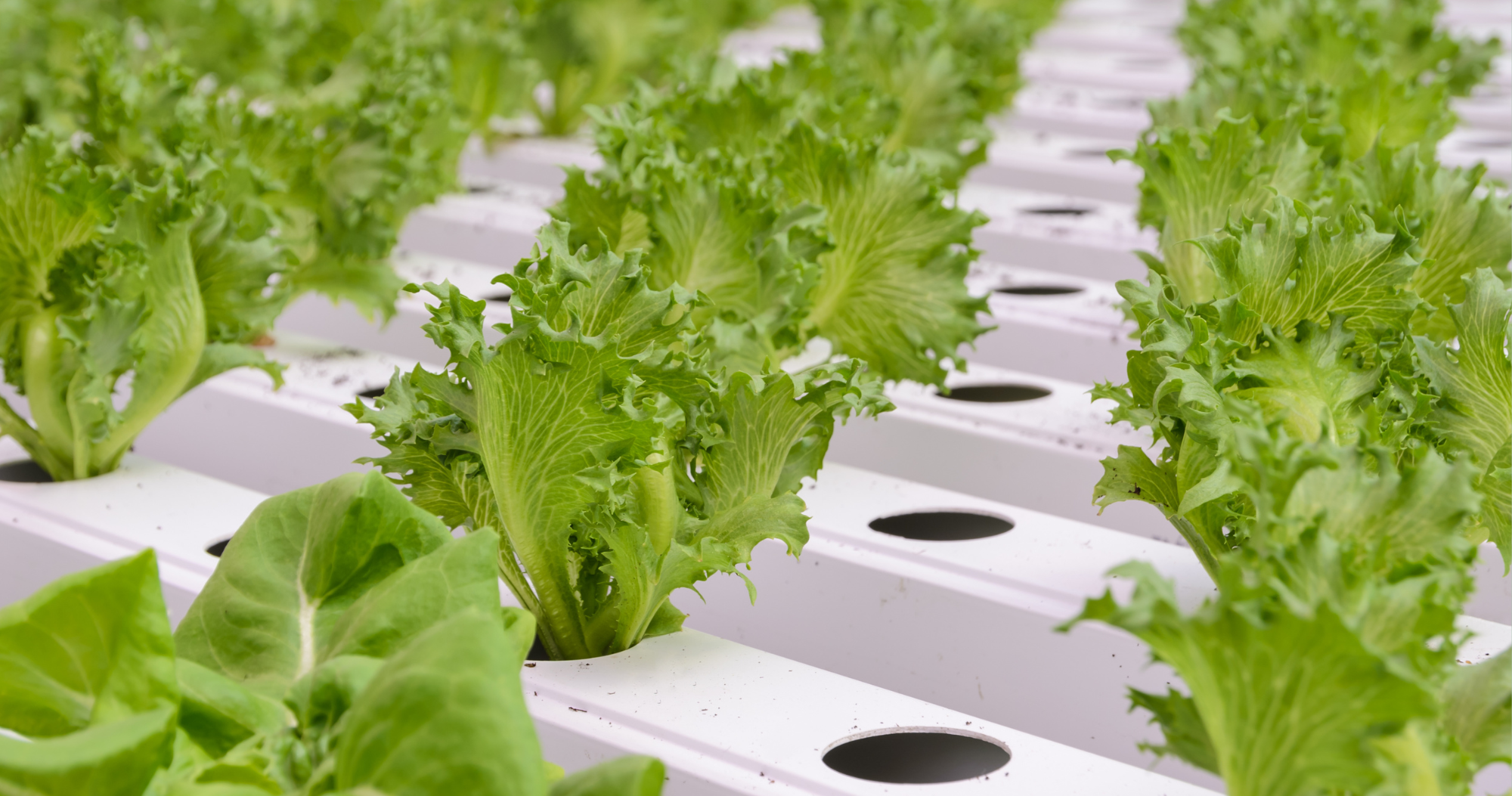
Against this background, new sources of protein began to be noticed. And among them, spirulina emerged as a special candidate. Not only nutritious, this tiny microalgae opens up a completely different approach to the future of food.
What is sustainable protein?
Sustainable protein concept
Sustainable protein is more than just providing enough amino acids to the body. It must also meet another important criterion: less negative impact on the environment.
In other words, it is a source of protein that is efficiently produced, consumes few resources and can be sustained for a long time in a global context.
Why does the world need sustainable protein?
The population is growing rapidly, while natural resources are not infinite.
The growing demand for protein consumption is putting pressure on agricultural systems, from land to water. At the same time, climate change is forcing us to rethink how we produce food.
This is why the concept of “sustainable protein” is being talked about more and more.
The limitations of traditional protein sources
Livestock consumes resources
To make protein from meat, we need a lot of things: soil to grow food, water to feed, and time for pets to grow.
The conversion efficiency from food to protein is also not high, which makes the process less efficient.
Greenhouse gas emissions
The livestock sector is one of the sources of significant greenhouse gas emissions, contributing to climate change.
This is one factor that has led many experts to call for a shift to alternative protein sources.
Impact on the environment
From land use to water pollution, traditional protein production is putting a lot of pressure on ecosystems.
This begs the question: could we do it differently?

Spirulina — the protein source of the future
What is Spirulina?
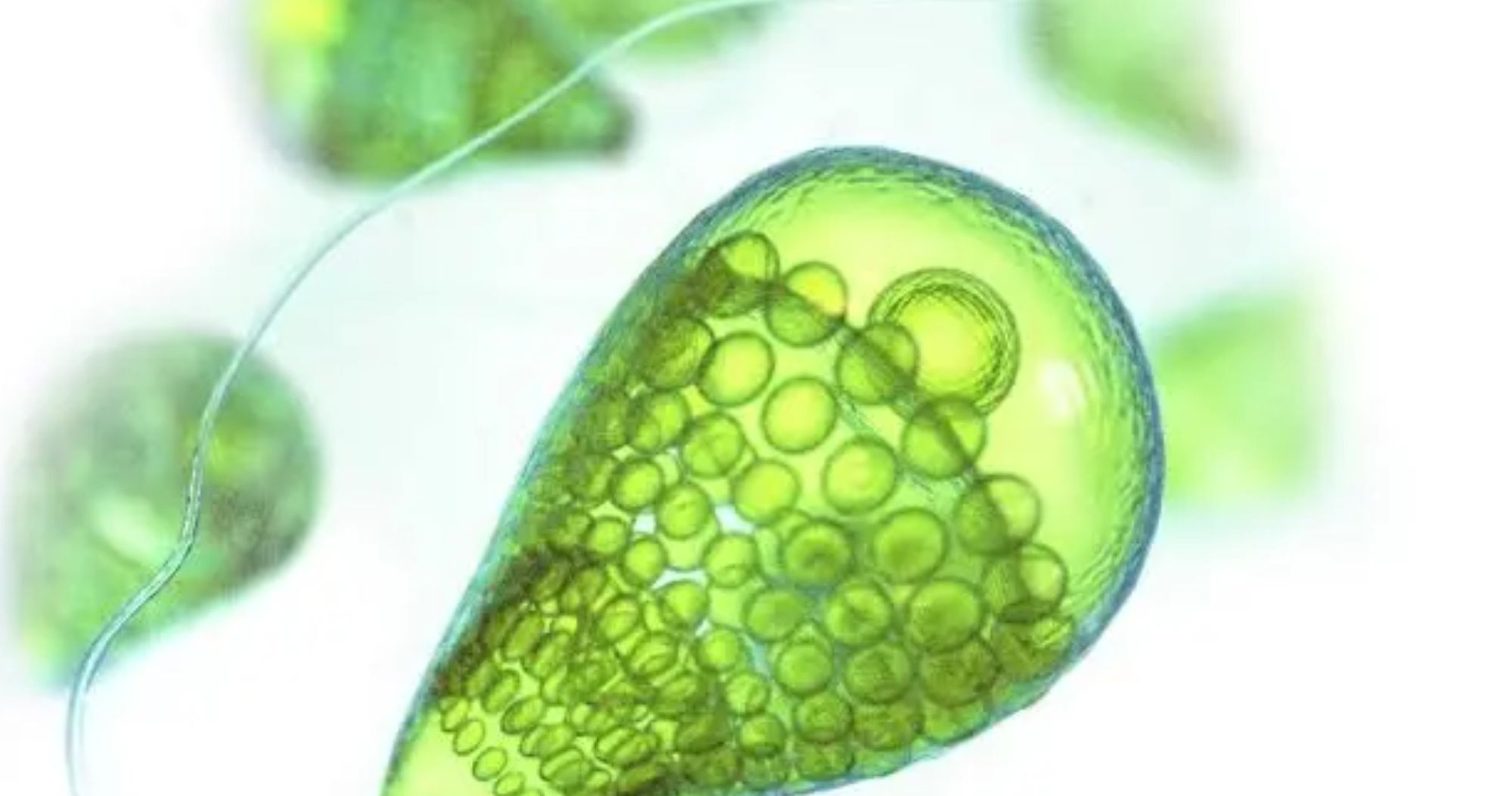
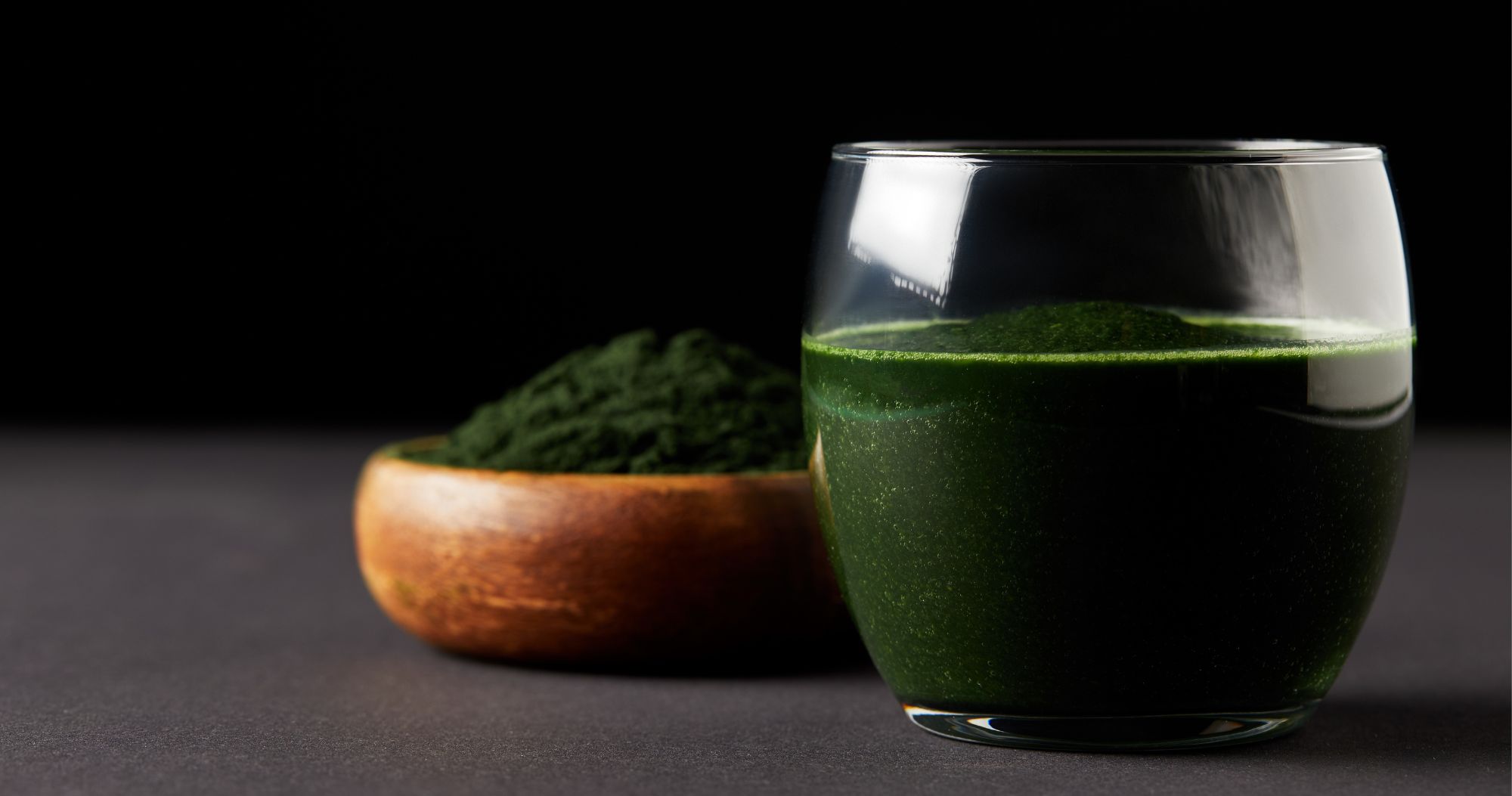
Spirulina is a cyanobacterial microalgae that lives in alkaline water environments. Despite its very small size, its nutritional value is not “small” at all.
Impressive protein content
Spirulina can contain up to 60— 70% protein by dry weight — a figure that is superior to many other food sources.
It is worth noting that this amount of protein is accompanied by many essential vitamins and minerals.
Full of essential amino acids
Not only a lot, the protein in spirulina is also relatively adequate in terms of amino acids, which help meet the body's nutritional needs.

Why is spirulina considered a sustainable protein?
1. High production efficiency
Spirulina grows very quickly and can be harvested in a short time.
On the same area, the amount of protein obtained from microalgae can be significantly higher than in many traditional crops or livestock.
2. Consumption of less resources
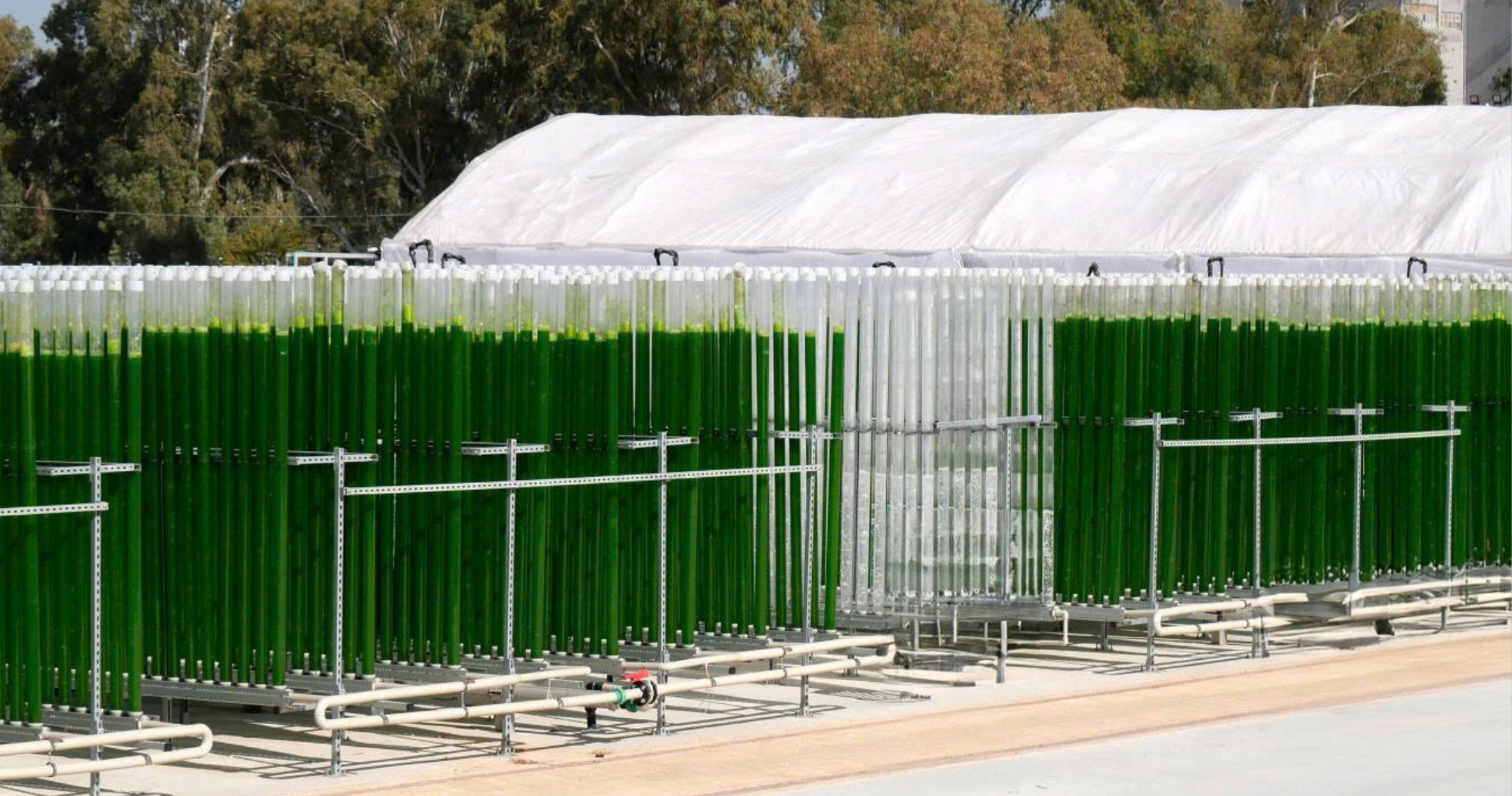
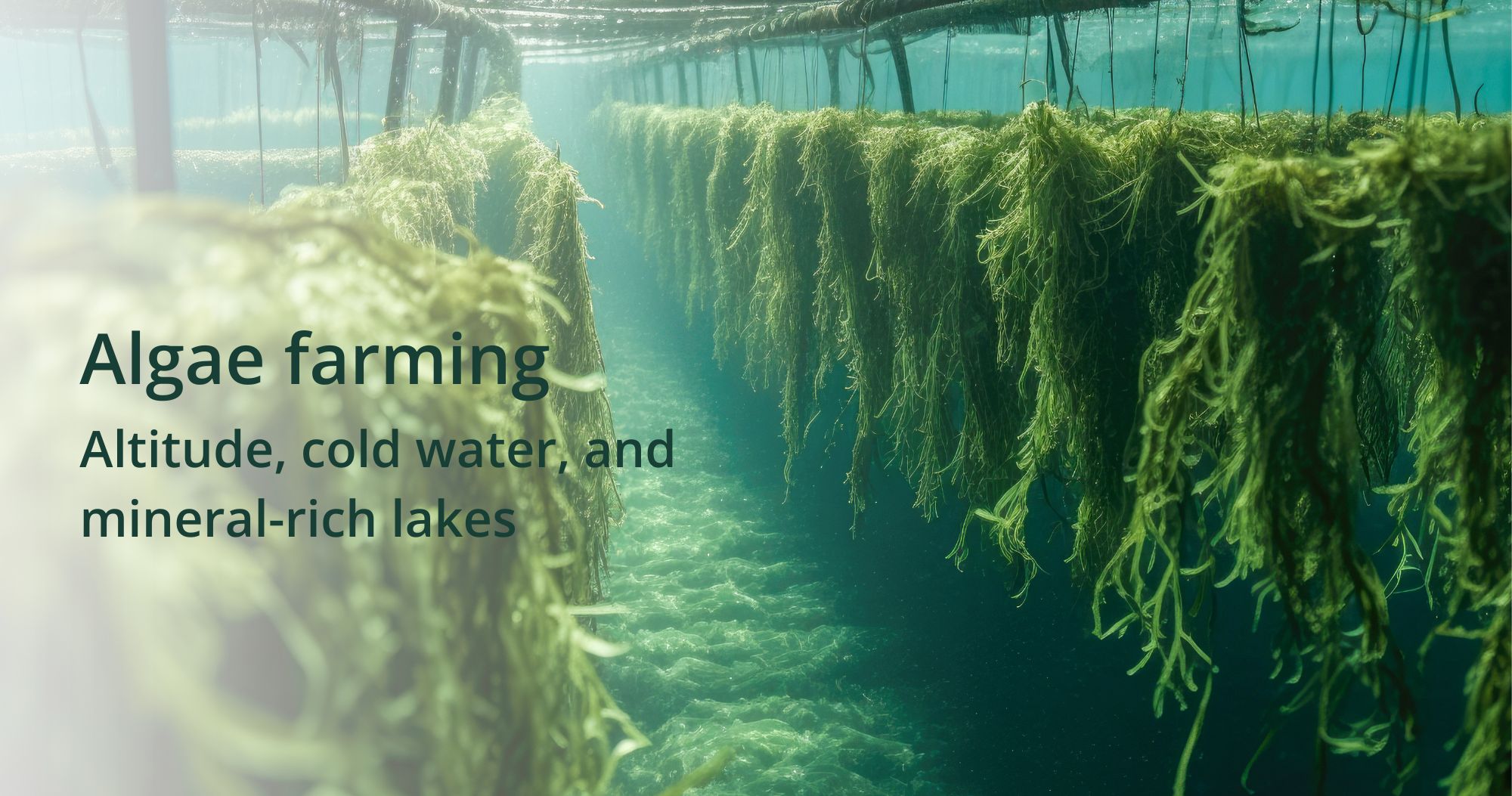
Unlike livestock, spirulina does not need fertile agricultural soil. It can be raised in controlled water systems, with much less water and resources.
3. Reducing environmental impact
Cultivation of spirulina can better control the environment, reduce emissions and limit pollution.
This is a great advantage in the context of the need to reduce pressure on the ecosystem.
4. In keeping with the green food trend
Spirulina is of plant origin and is in line with the trend of sustainable consumption.
It is not only food, but also represents a new approach in nutrition.
Nutritional value of Spirulina compared to other protein sources
If placed next to familiar protein sources, spirulina shows a marked difference.
Meat is high in protein but comes with large environmental costs. Soybeans are popular and accessible, but the nutrient density is not too high.
Meanwhile, spirulina combines both elements: nutrient-rich and resource-efficient.
Application of Spirulina in Future Foods
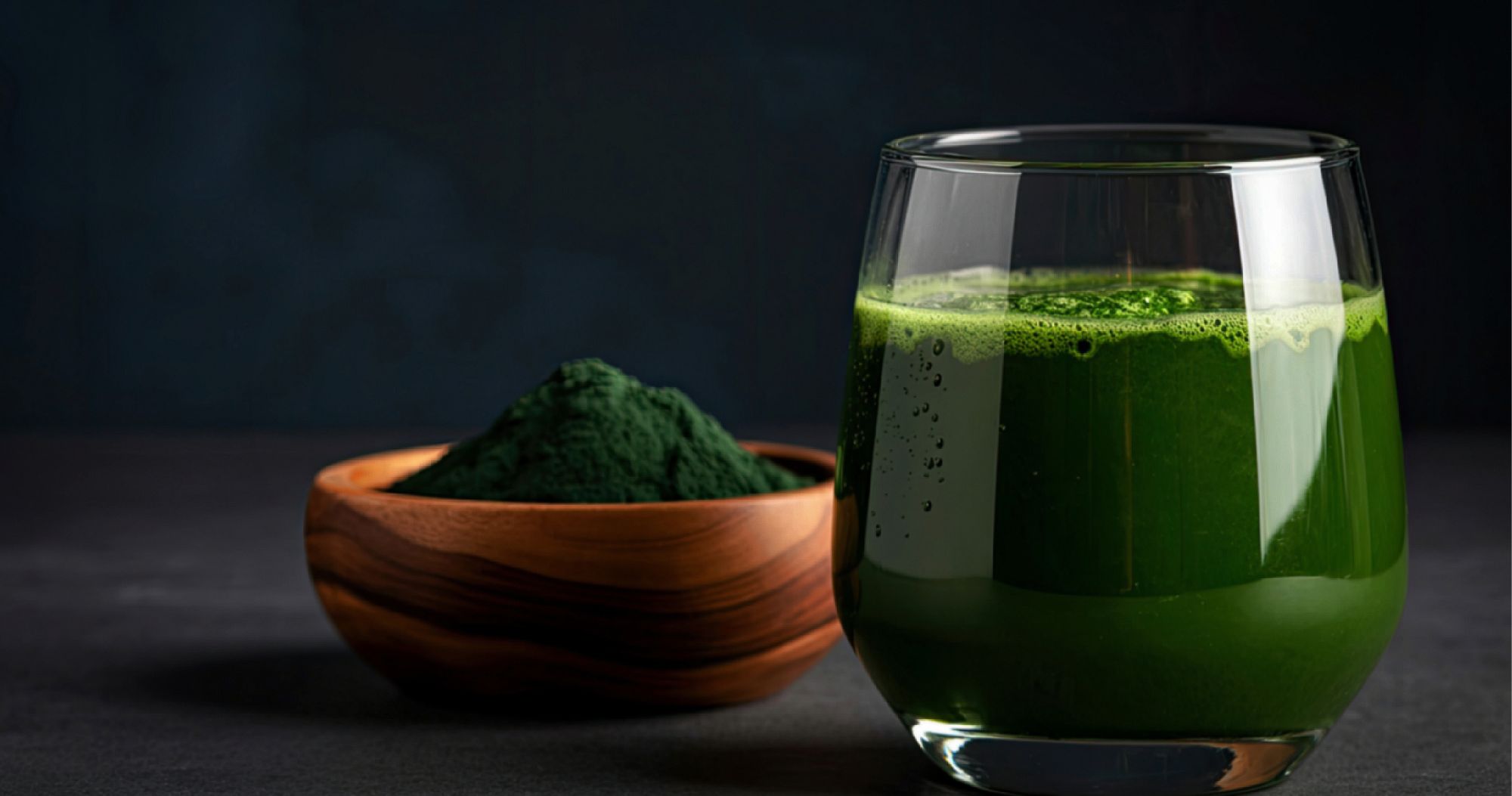
Currently, spirulina has been used in various forms, from tablets, powders to nutritional supplements.
In the future, it may become part of protein-replacing food products, contributing to the diversification of nutritional sources.
Spirulina and the “alternative protein” trend
Evolution of alternative proteins
The trend for “alternative proteins” is growing strongly, with sources such as plants, microalgae and even cultured proteins.
This is no longer a small trend, but is becoming an important part of the global food system.
The role of microalgae
In that picture, microalgae such as spirulina play a special role.
They not only provide protein, but also open up new directions for food technology.
Spirulina's Challenges in the Protein Revolution
Despite its potential, spirulina still faces a number of challenges.
The cost of production, consumer perception and also taste are factors that need to be improved for this type of food to become more popular.
The Future of Spirulina in the Global Food System
Spirulina is not the only solution, but an important part of the big picture.
As technology develops and perceptions change, microalgae can play an increasing role in ensuring food security and sustainable development.
Conclusion
Spirulina is more than just a food supplement. It represents a new direction in how we produce and consume protein.
With its nutritional and environmental advantages, spirulina has the potential to become an important part of the future of food. And lo and behold, the sustainable protein revolution we're looking for starts again in tiny organisms like microalgae.

.png)
.png)




.jpg)





.jpg)

.jpg)



.jpg)


.png)
.png)
.jpg)
.jpg)






.jpg)

.jpg)


.jpg)


.jpg)



.jpg)




.png)




.jpg)


.jpg)