
.png)
A few years ago, businesses primarily focused on three key factors when sourcing ingredients: cost, quality, and supply stability. Today, however, another criterion is becoming increasingly important: the ability to verify ingredient origin and environmental impact.

In many commercial negotiations, the question is no longer simply whether an ingredient performs well. Instead, buyers are asking:
"Where does this ingredient come from, and can your company provide complete traceability documentation?"
Join TA Vital in exploring why microalgae-derived Phycocyanin is gradually becoming a strategic ingredient preferred by many global brands.
This shift also explains why ESG (Environmental, Social, and Governance) is evolving from a theoretical commitment into an essential component of product development strategies worldwide.
1. ESG Is Changing How Companies Select Ingredients
Consumers are paying closer attention to product transparency, sustainability, and environmental responsibility. As a result, food & beverage (F&B) and cosmetic brands face increasing pressure to build more sustainable and accountable supply chains.
Modern businesses no longer require only high-quality ingredients with proven performance. They must also demonstrate ingredient origin, clean production processes, and positive environmental impacts, such as carbon emission reduction and responsible water resource management.
Consequently, ingredients with clear traceability and strong alignment with sustainability goals are receiving greater attention than ever before.
2. The Microalgae Market Is Experiencing Strong Growth
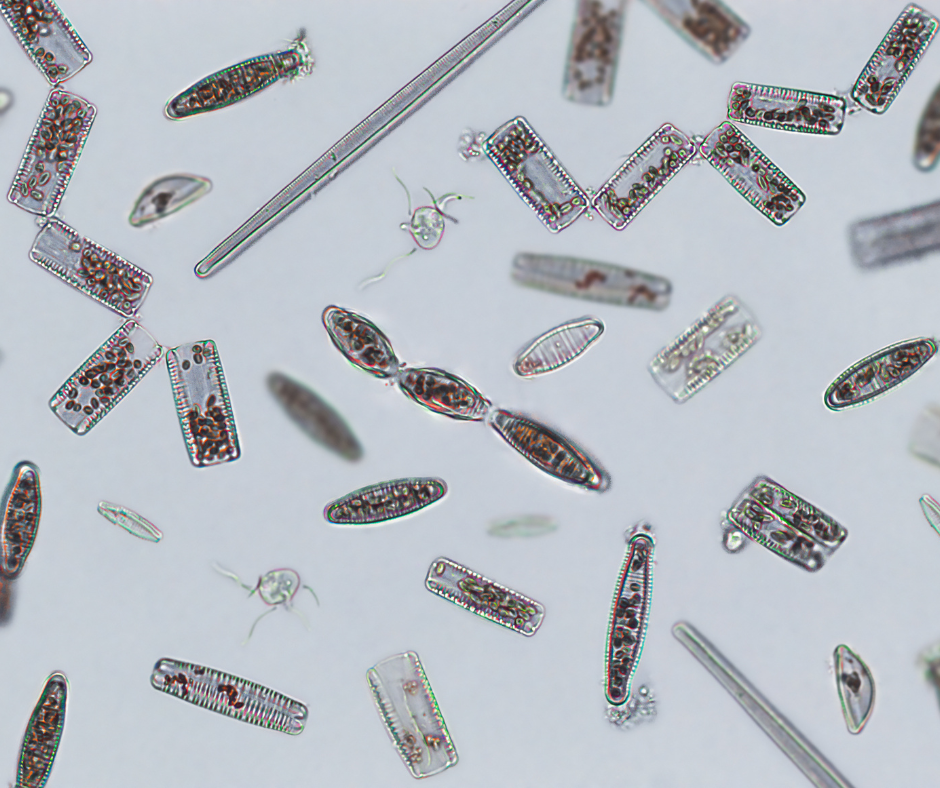
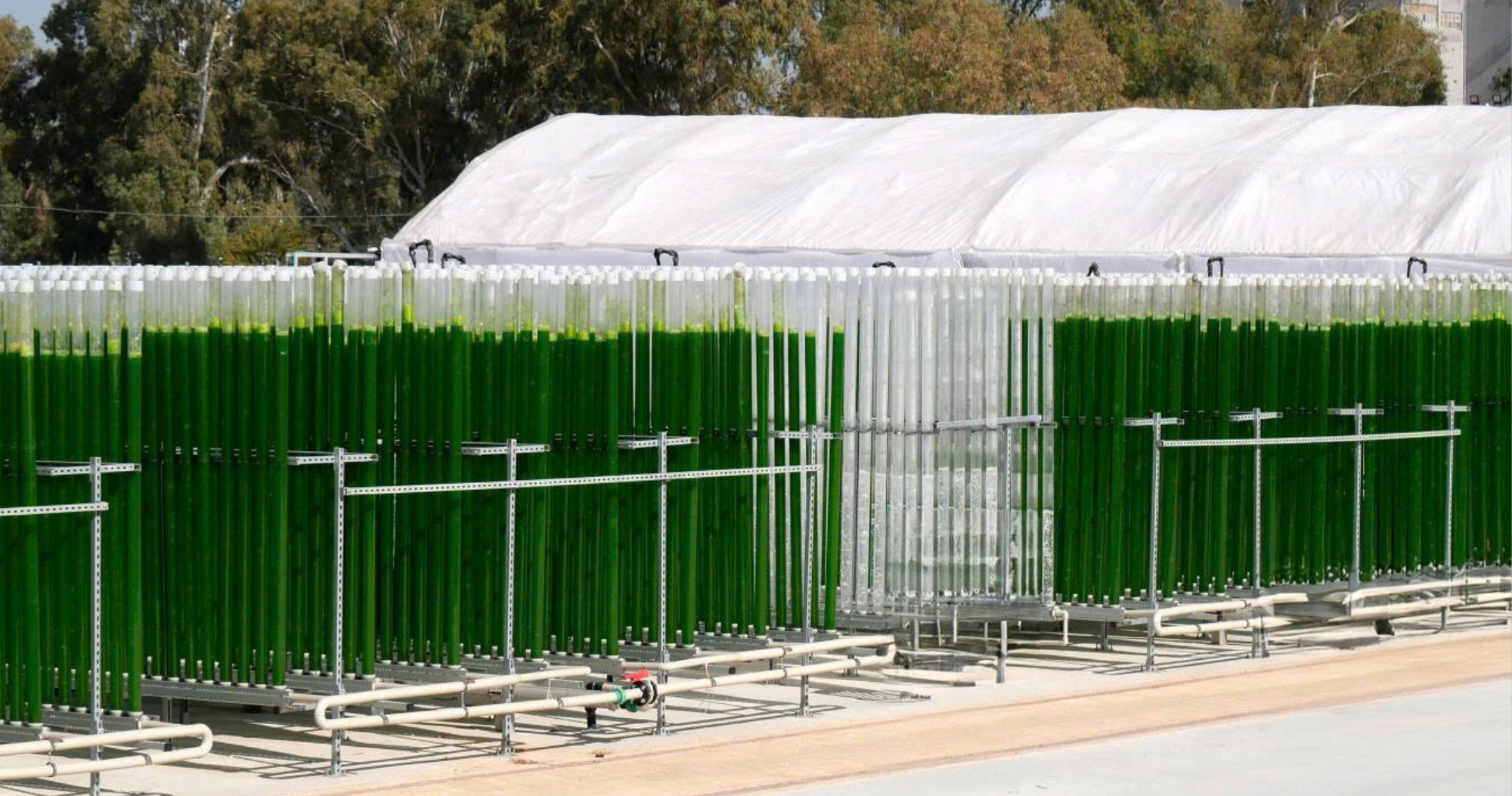
Microalgae are widely recognized as one of the most promising ingredient sources for the future, offering exceptional nutritional value while requiring fewer resources than many conventional land-based agricultural systems.
According to projections by Polaris Market Research, the global Spirulina market is expected to exceed USD 1.1 billion by 2032, growing at a compound annual growth rate (CAGR) of 9.2%.
This growth is largely driven by increasing demand from manufacturers seeking natural ingredients with transparent sourcing and compatibility with ESG reporting standards required by international investors and stakeholders.
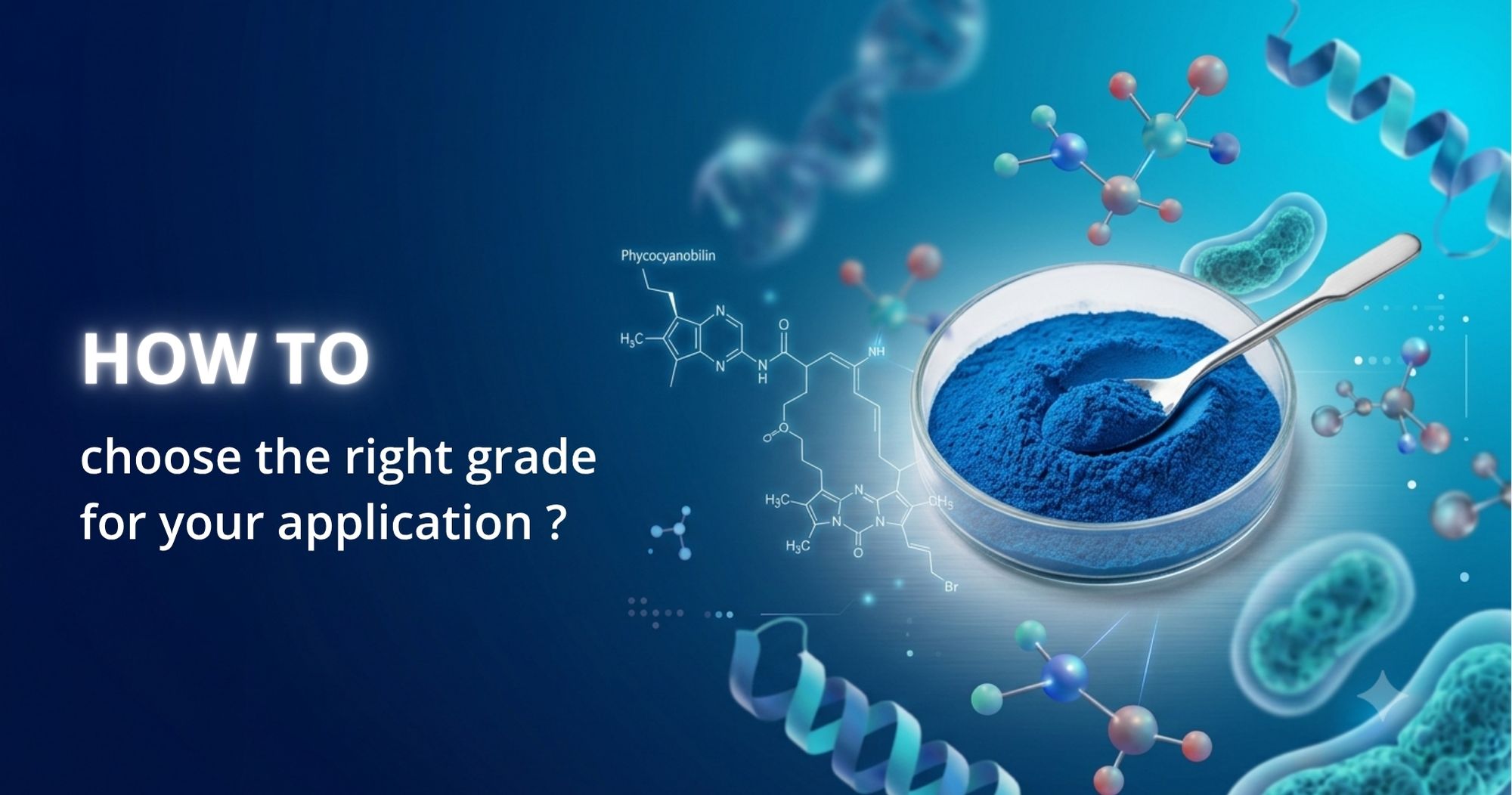
3. Phycocyanin: more than a premium natural blue pigment
Phycocyanin is a rare natural blue pigment extracted from Spirulina and is widely used in food, functional beverages, and cosmetic products. However, its value extends far beyond serving as a natural alternative to synthetic colorants:
- Powerful antioxidant activity: Phycocyanin is a bioactive compound rich in antioxidant properties that may help combat oxidative stress, support anti-inflammatory processes, and protect cells. These characteristics create significant added value for wellness and clean beauty products.
- A solution for sustainable supply chains: As a controlled microalgae-derived ingredient, Phycocyanin offers strong traceability and source verification capabilities, making it well-positioned to meet the increasingly stringent ESG requirements of international buyers.
4. Strategic numbers behind Phycocyanin
For product developers and procurement managers, Phycocyanin presents compelling quantitative data that can be incorporated into sourcing and sustainability reports:
- Phycocyanin content of approximately 15–20%: The relatively high concentration of active compounds makes Phycocyanin a suitable ingredient for functional foods, next-generation nutritional beverages, and naturally active cosmetic formulations.
- One kilogram of Spirulina can absorb approximately 1.8 kilograms of CO₂: The strong carbon fixation capacity of microalgae provides a meaningful advantage for companies pursuing Scope 3 emission reduction targets and broader Net-Zero supply chain initiatives.
- Lower water requirements compared to many conventional crops: Microalgae cultivation systems can operate with significantly lower freshwater consumption than many intensive agricultural crops, helping reduce pressure on ecosystems and natural water resources.
5. Cross-Industry Applications of Phycocyanin

6. Why Does This Matter for Brand Strategy?
As ESG increasingly becomes a mandatory criterion for supplier evaluation, environmental performance data and traceability documentation are no longer considered supplementary information.
Instead, they are becoming critical components of procurement approval processes.
For brands positioned around natural, wellness-oriented, or sustainable values, selecting ingredients that combine nutritional functionality with positive environmental attributes such as Phycocyanin can help future-proof product portfolios, prepare for evolving regulations, and establish long-term competitive advantages.
Conclusion
ESG has successfully transitioned from a mere marketing trend into a concrete operational standard within global procurement and product development. In this new landscape, microalgae-derived resources, led by Phycocyanin, stand out as comprehensive solutions that check every box of modern market requirements: transparent traceability, superior antioxidant efficacy, and strong support for ecological sustainability goals.
As consumers and commercial partners continue to place supply chain sustainability at the core of their values, ingredients that strike a perfect balance between practical application performance and environmental responsibility will serve as the foundation of long-term brand success.
.png)
.png)




.jpg)




.jpg)
.jpg)


.jpg)


.png)
.jpg)
.jpg)







.jpg)

.jpg)


.jpg)
.jpg)


.jpg)




.jpg)





.png)






.jpg)




.jpg)








%205%20l%E1%BB%A3i%20%C3%ADch%20n%E1%BB%95i%20b%E1%BA%ADt%20cho%20s%E1%BB%A9c%20kh%E1%BB%8Fe%20ng%C6%B0%E1%BB%9Di%20hi%E1%BB%87n%20%C4%91%E1%BA%A1i.jpg)


