.jpg)
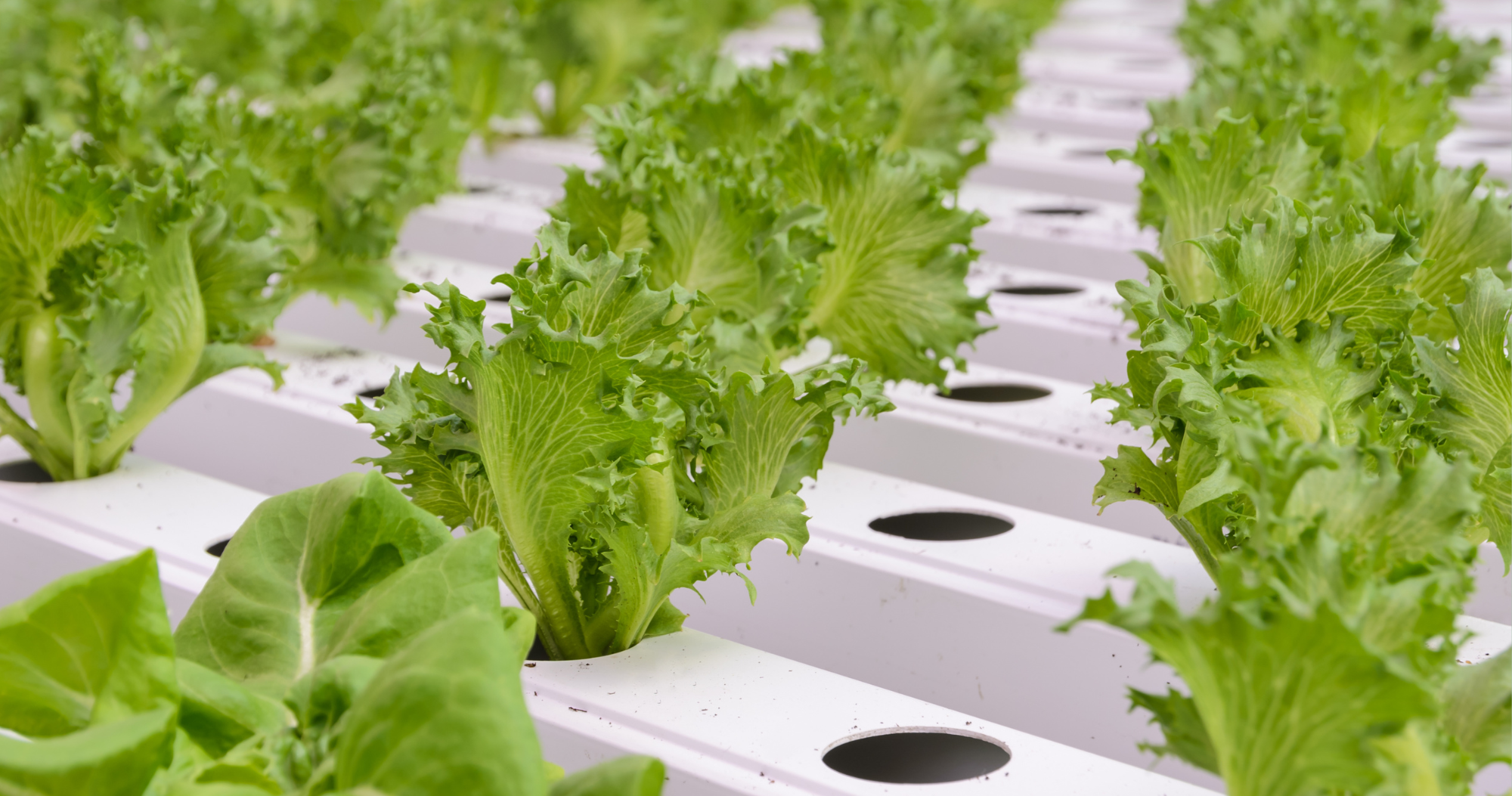
In the past few years, the concept of “green eating” is no longer an individual choice, but is gradually becoming a global lifestyle. With climate change, resource crises and health problems are becoming more pronounced.
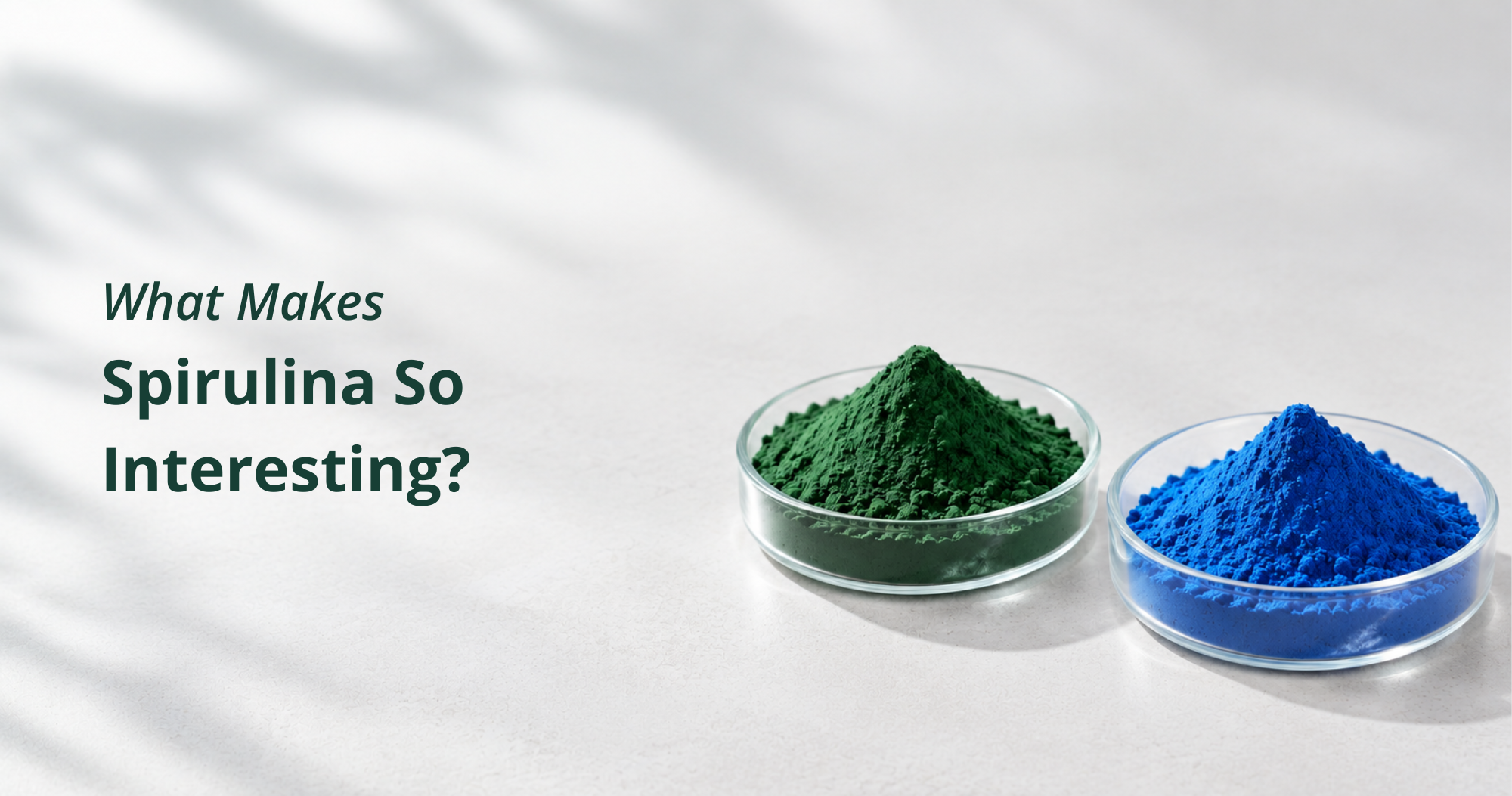
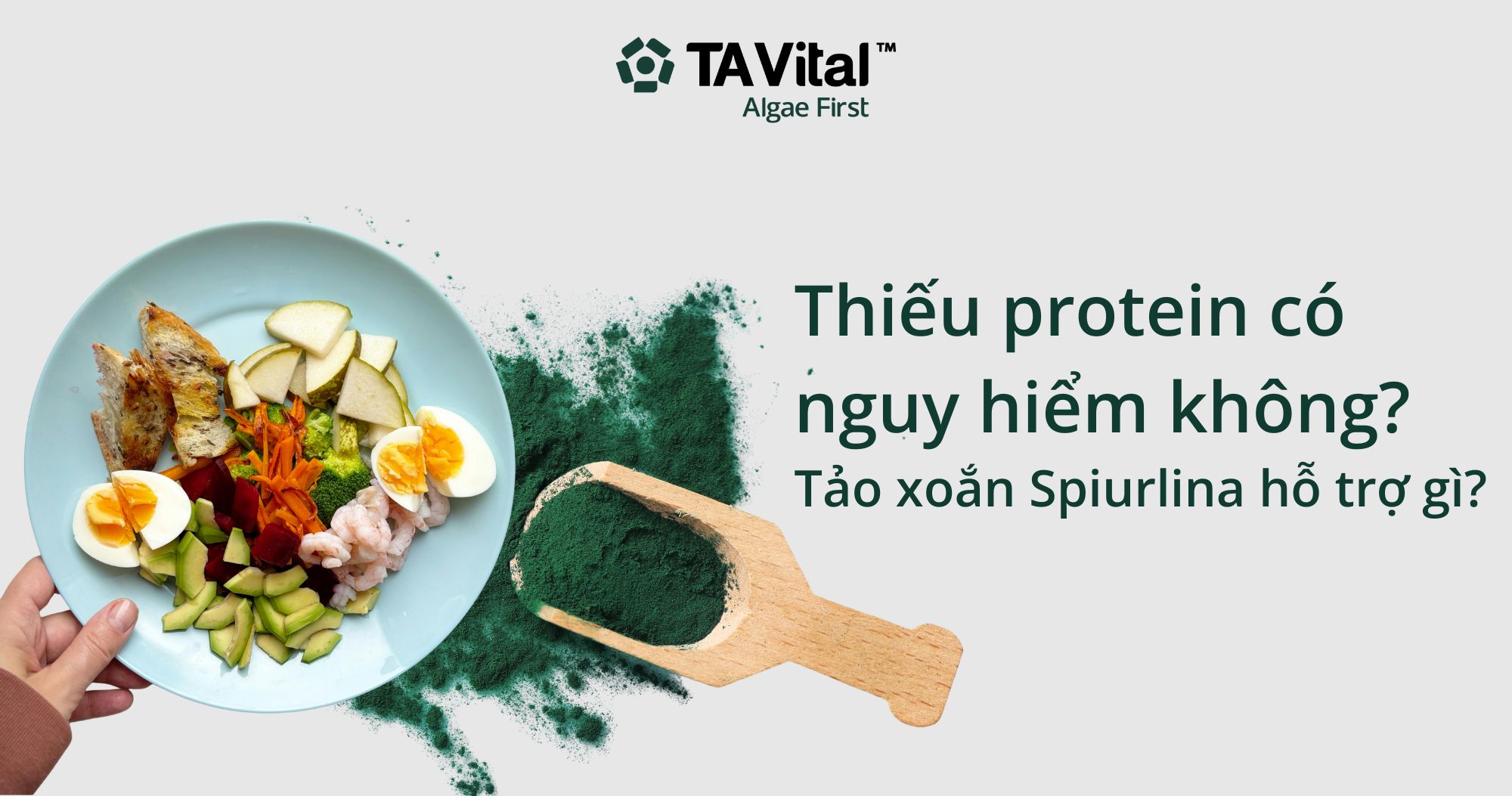
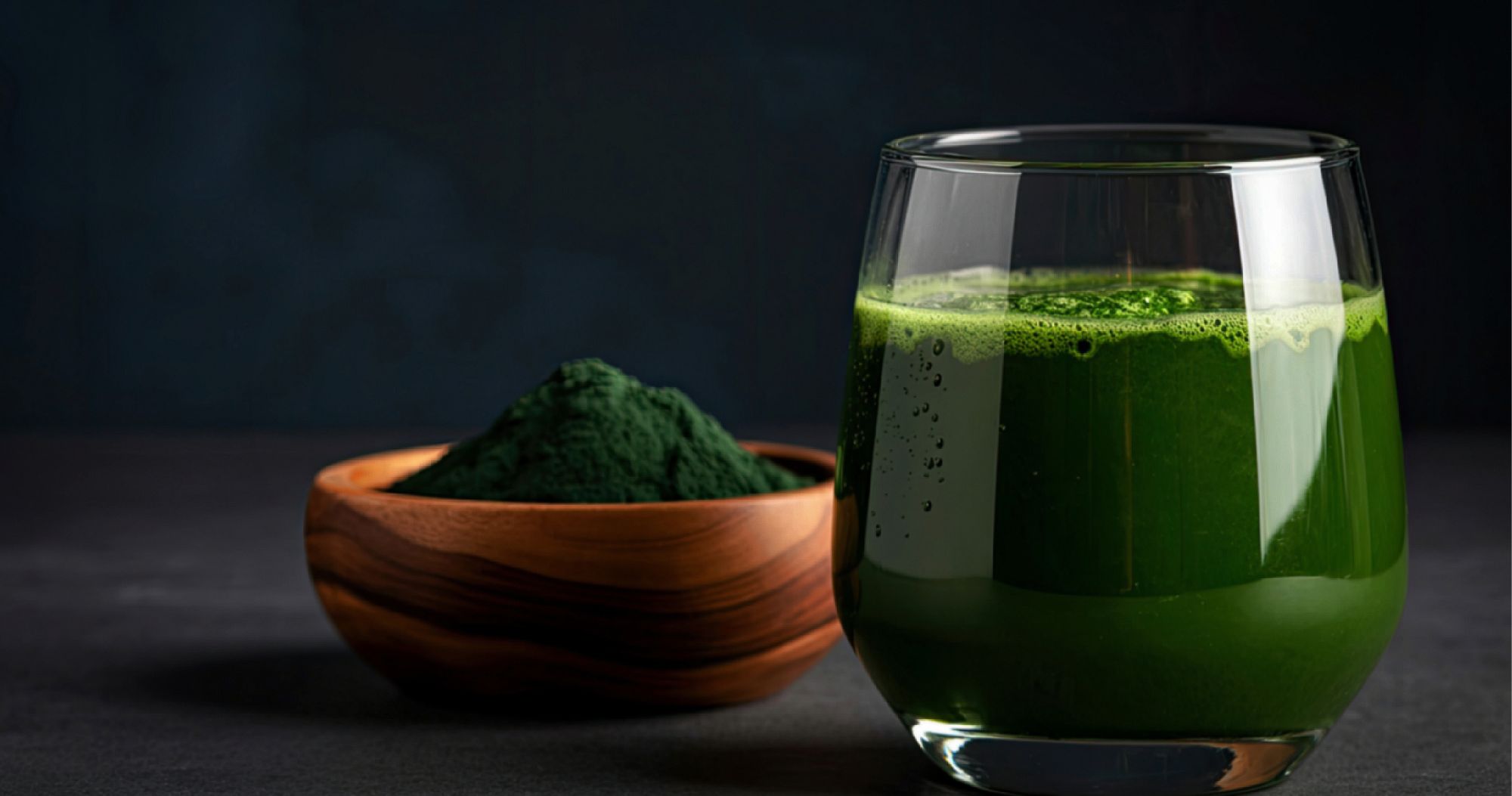
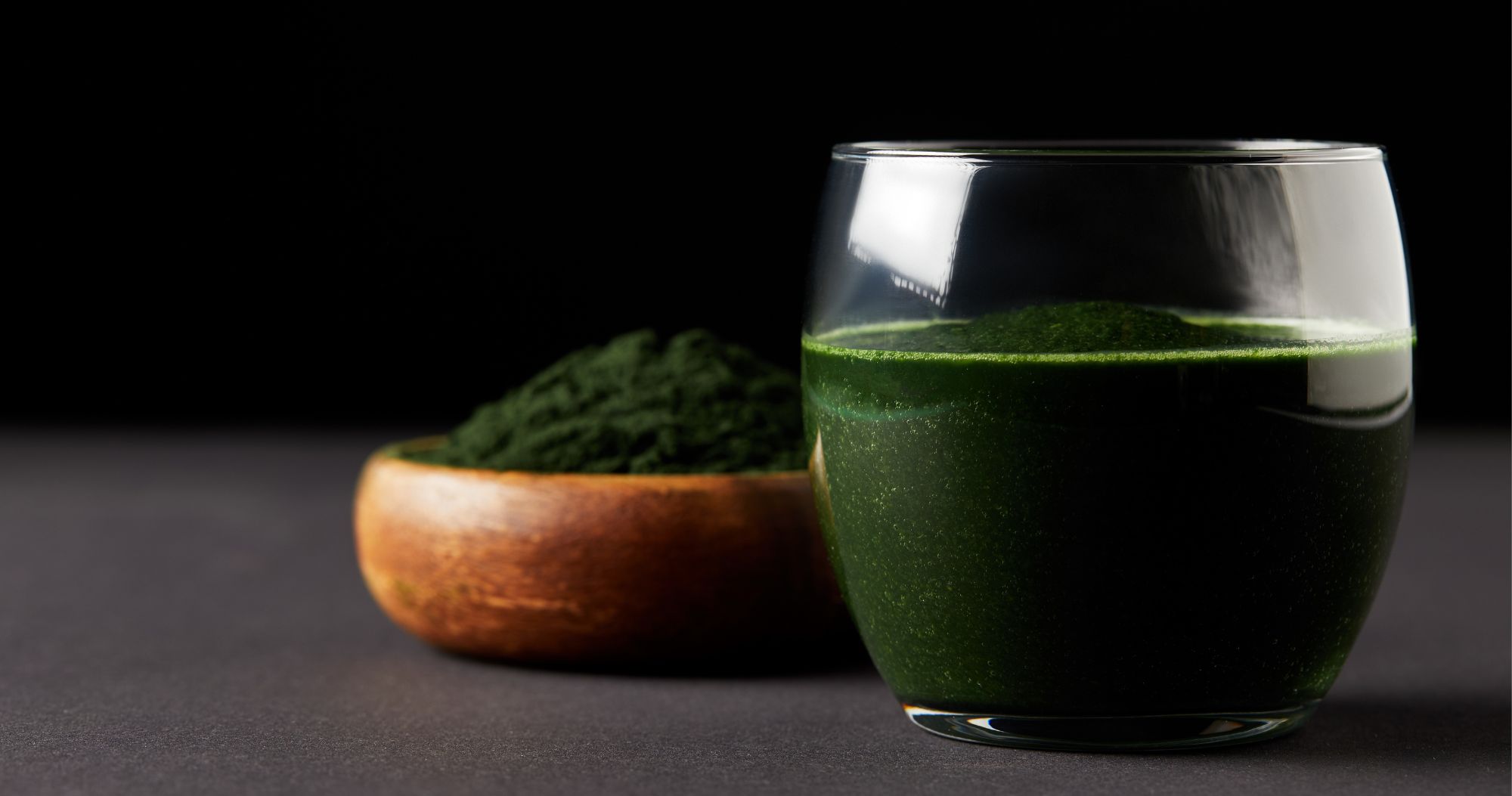
Spirulina - aka spirulina, emerged as a typical representative of the “green superfood” generation. Not only is spirulina rich in nutrients, but also has properties that make scientists and the food industry see it as one of the potential solutions for the future.
So what makes Spirulina so special in the green eating trend, and whether it is actually part of a sustainable food system.
When “green” eating becomes an inevitable necessity
The “green diet” is not just about eating more vegetables. Its essence is a holistic approach: the choice of food that is both good for health and minimizes the impact on the environment.
This is often accompanied by marked changes: reducing red meat consumption, prioritizing plant-based mosaics, and choosing sustainably produced products. But deeper, this is a shift in perception.
It is no coincidence that this trend is of great interest. The traditional livestock industry is now one of the major emitters, consuming significant water and land. Meanwhile, the global population continues to grow, putting pressure on the current wage system.
It is in this context that new sources of nutrition - more effective, more sustainable - are Spirulina, one of the most prominent and more sought-after names.
Spirulina: from “microalgae” to the symbol of green food
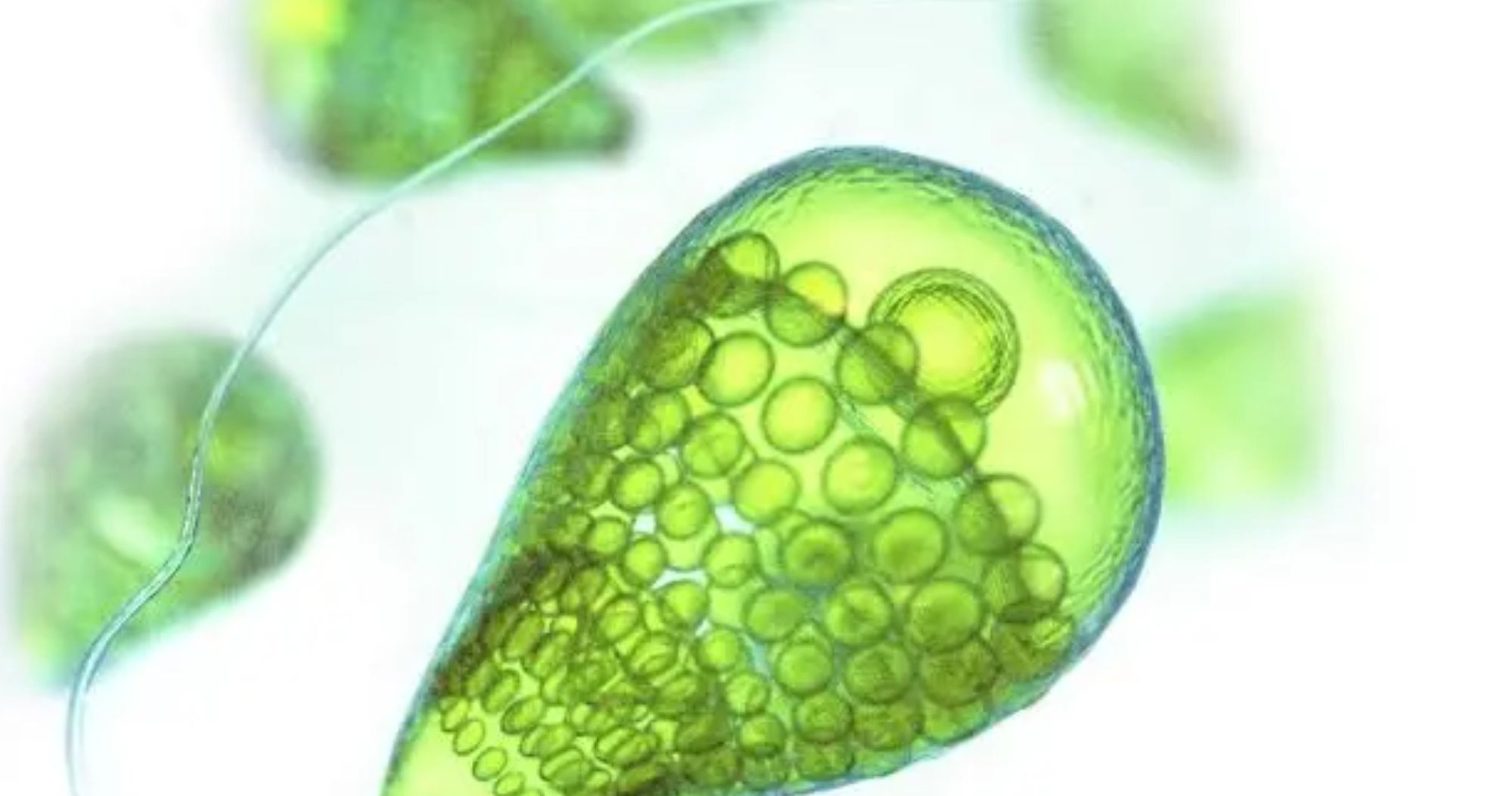
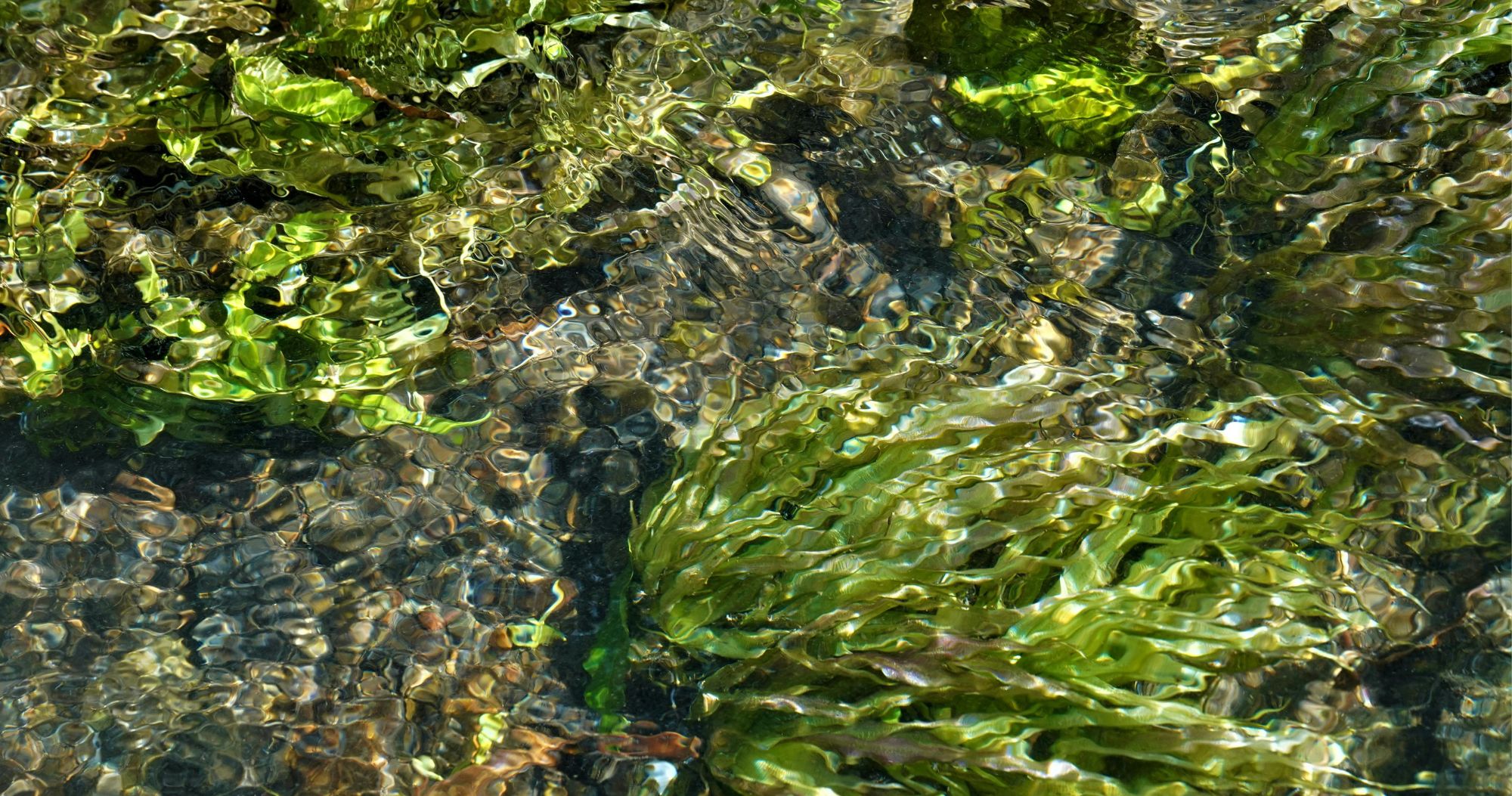
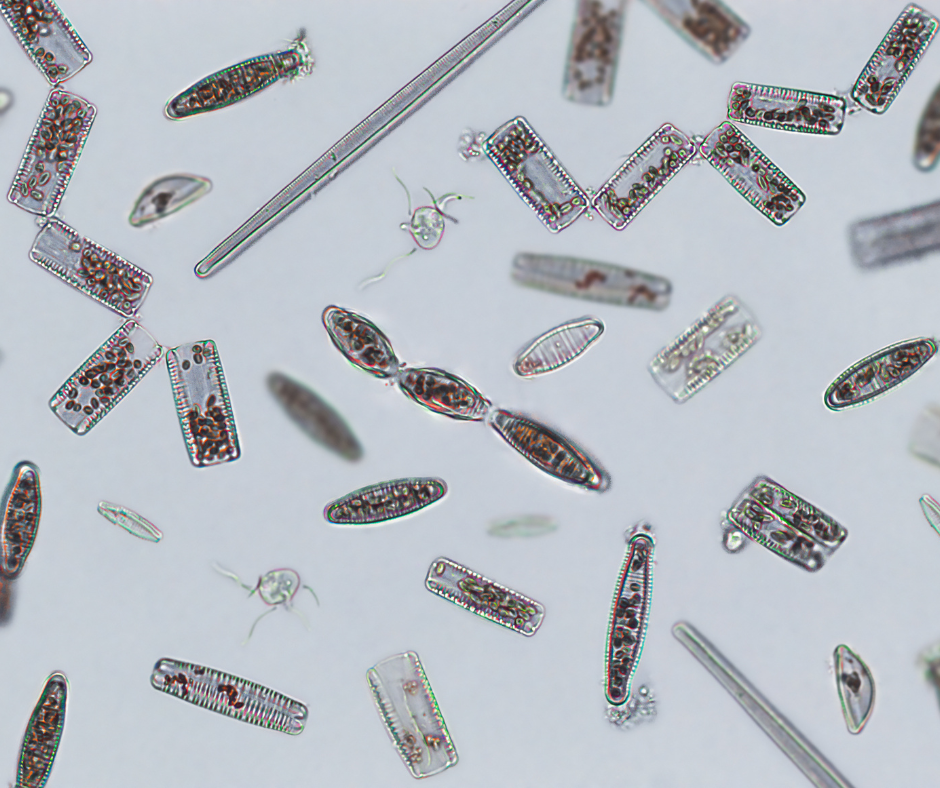
Spirulina is actually a microalgae that has existed for billions of years on Earth. What makes it special lies not only in the nutritional composition, but also in the ones it is produced.
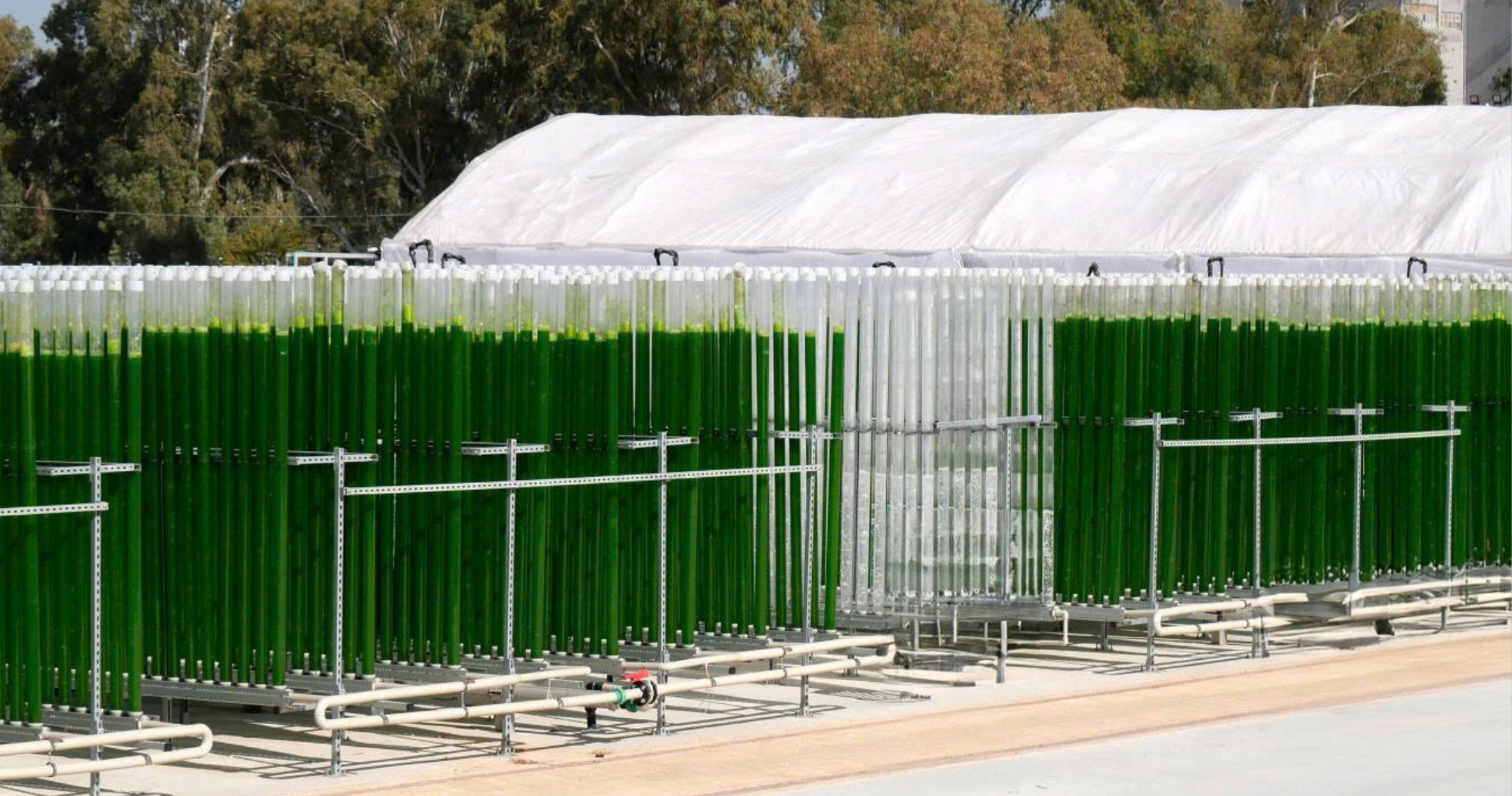
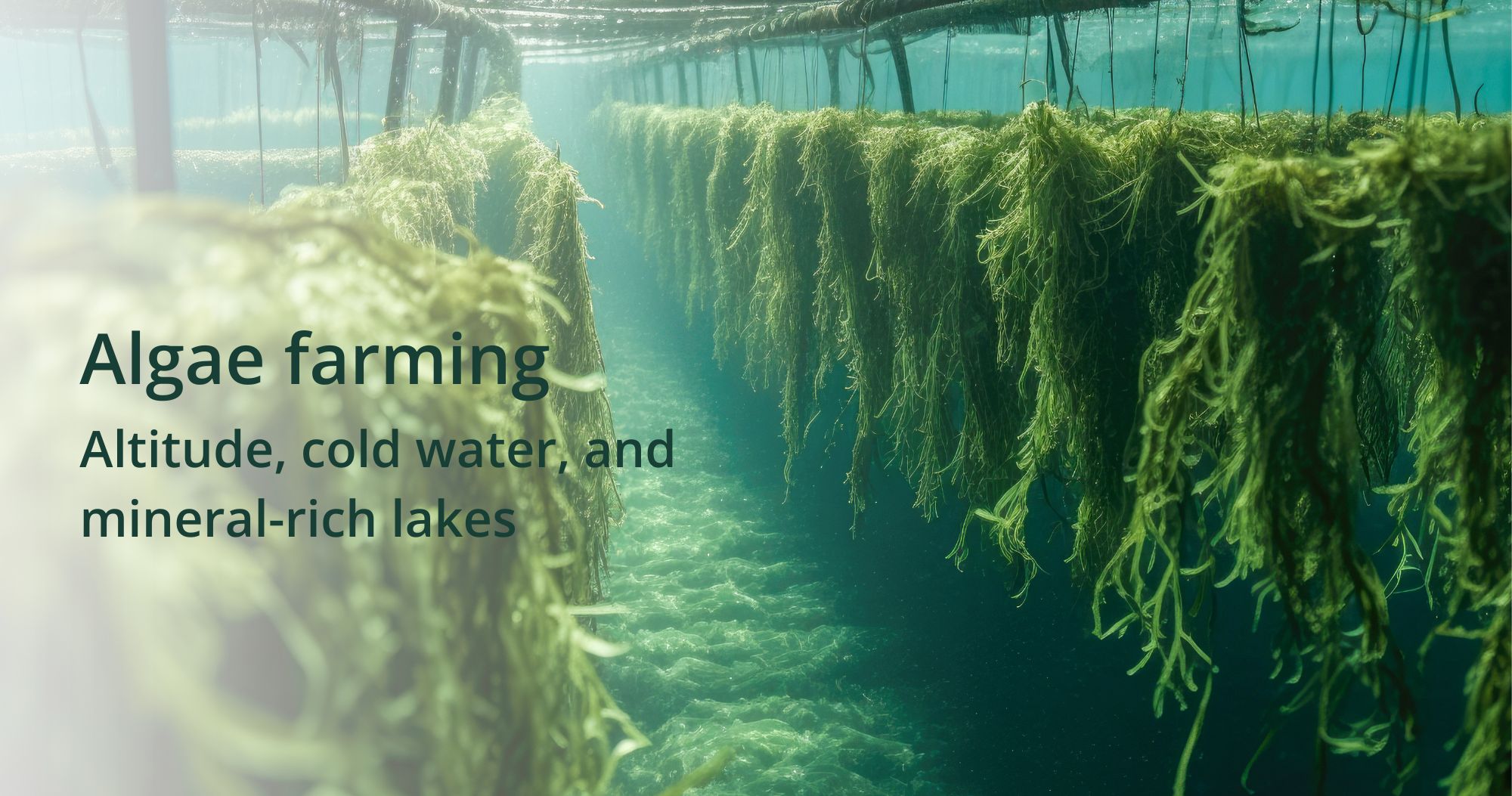
Unlike traditional agriculture, spiurlina can be grown in control systems, which do not require fertile agricultural soils and consume significantly fewer resources. This opens up a completely different direction for the food industry.
But just being “green” is not enough. Spirulina also impresses with its high nutrient density - an important factor in the context of human needs to optimize food sources.
Why is spirulina considered a sustainable food?
The biggest difference of spirulina lies in its biological performance.
While many traditional protein sources require large areas and a long time to produce, spirulina has a fast growth rate and a high ability to build biomass in a short time. This means that for the same unit of resources, the amount of nutrients obtained from spirulina can be superior.
Not only that, this microalgae cultivation process consumes significantly less water than large-scale livestock or cultivation. At the same time, it requires no arable land — an increasingly scarce resource.
Another important factor is emissions. Compared to the livestock industry, spirulina has a much lower carbon footprint, which reduces pressure on the environment.
And in the context of the growing trend of plant-based eating, spirulina has become a viable choice — both nutritious and non-dependent on animal origin.
Spirulina in the food system of the future
More and more experts see microalgae as part of the “future food” — the food system of the future.
Not only does it stop being a dietary supplement, spirulina is also being researched as an alternative source of protein. In the context of a rapidly growing population and growing nutritional needs, efficient and sustainable sources of protein will play a key role.
Microalgae in general, and spirulina in particular, have the potential to be a solution to the global food security problem. Flexible manufacturing capabilities, independent of traditional soil conditions, make it possible to deploy it in many different regions.
Not only “green”, Spirulina also carries significant nutritional value
One of the reasons why spirulina is getting widespread attention is because it is not only good for the environment, but also has high nutritional value.
With a protein content of about 60— 70% of dry weight, spirulina is one of the highest density natural protein sources. Next to it are vitamins of group B, minerals such as iron and magnesium, and antioxidant compounds such as Phycocyanin.
The combination of “concentrated nutrition” and “sustainability” is what sets spirulina apart from many other foods in the same segment.
Spirulina in modern life
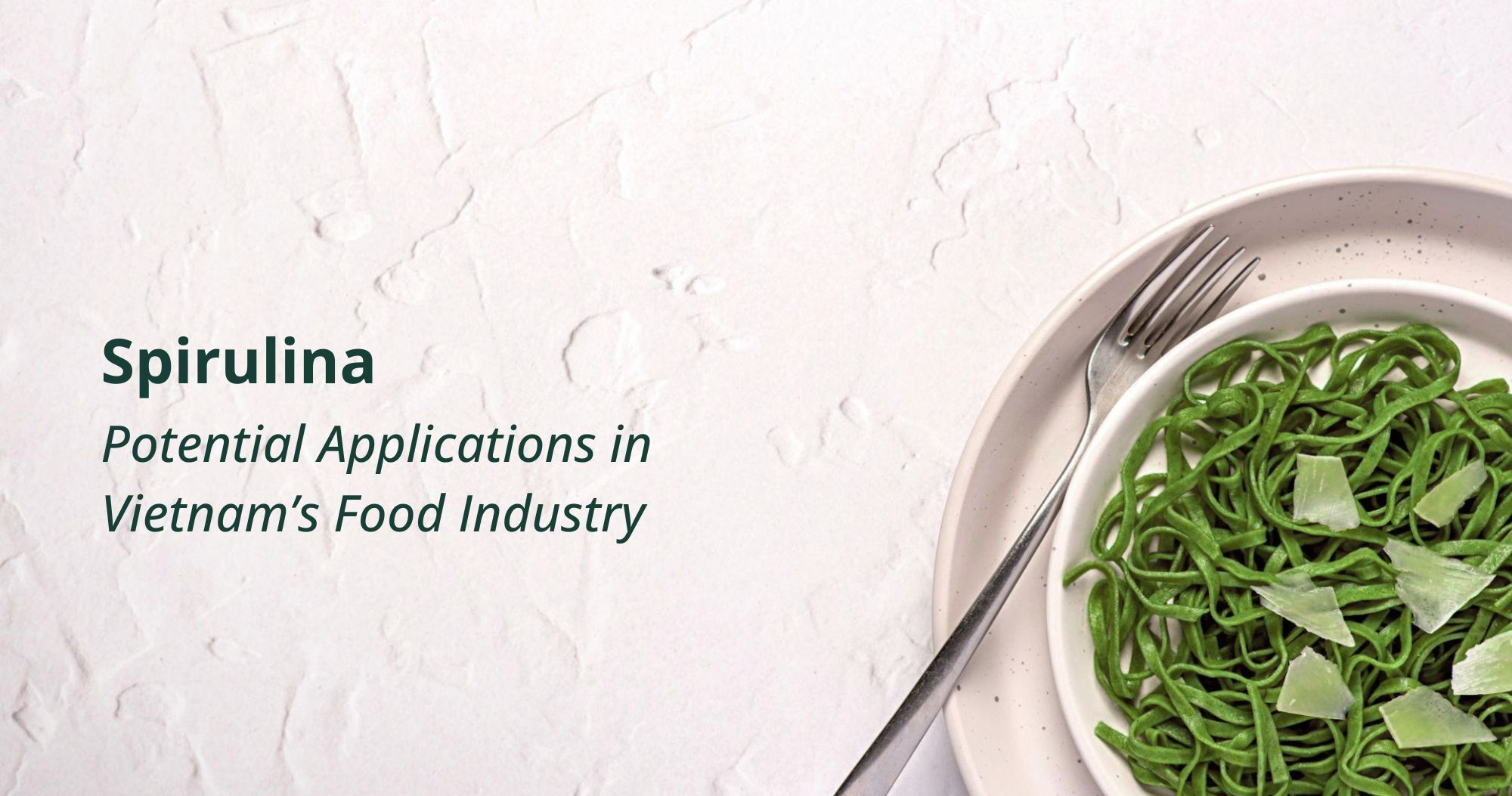
Today, spirulina is no longer an unfamiliar product. It comes in many forms: powders, tablets, or incorporated into food products such as smoothies, nutrition bars, or beverages.
This reflects a clear trend: consumers are not only looking for good food, but also need convenience. Spirulina satisfies both of these factors.
Challenges still exist
Despite its potential, spirulina still faces some hurdles.
Consumer awareness remains limited, especially in new markets. The characteristic taste of algae is also a factor that is not easily accessible to everyone.
In addition, the cost of high-quality products remains a factor to consider.
However, these challenges are gradually being addressed as production technology improves and markets evolve.
Spiurlina's future in green eating trends
As sustainable eating trends continue to expand, the role of spirulina is likely to become more and more pronounced.
More than just a “superfood,” spirulina can become part of a new food ecosystem - when performance, nutrition and the environment are balanced.
How to get started with Spirulina?
The transition to a green lifestyle does not have to start with major changes.
Sometimes, simply adding a nutrient source such as spirulina to your daily diet is already a positive step. When combined with a balanced diet and a healthy lifestyle, these changes can have a long-term impact.
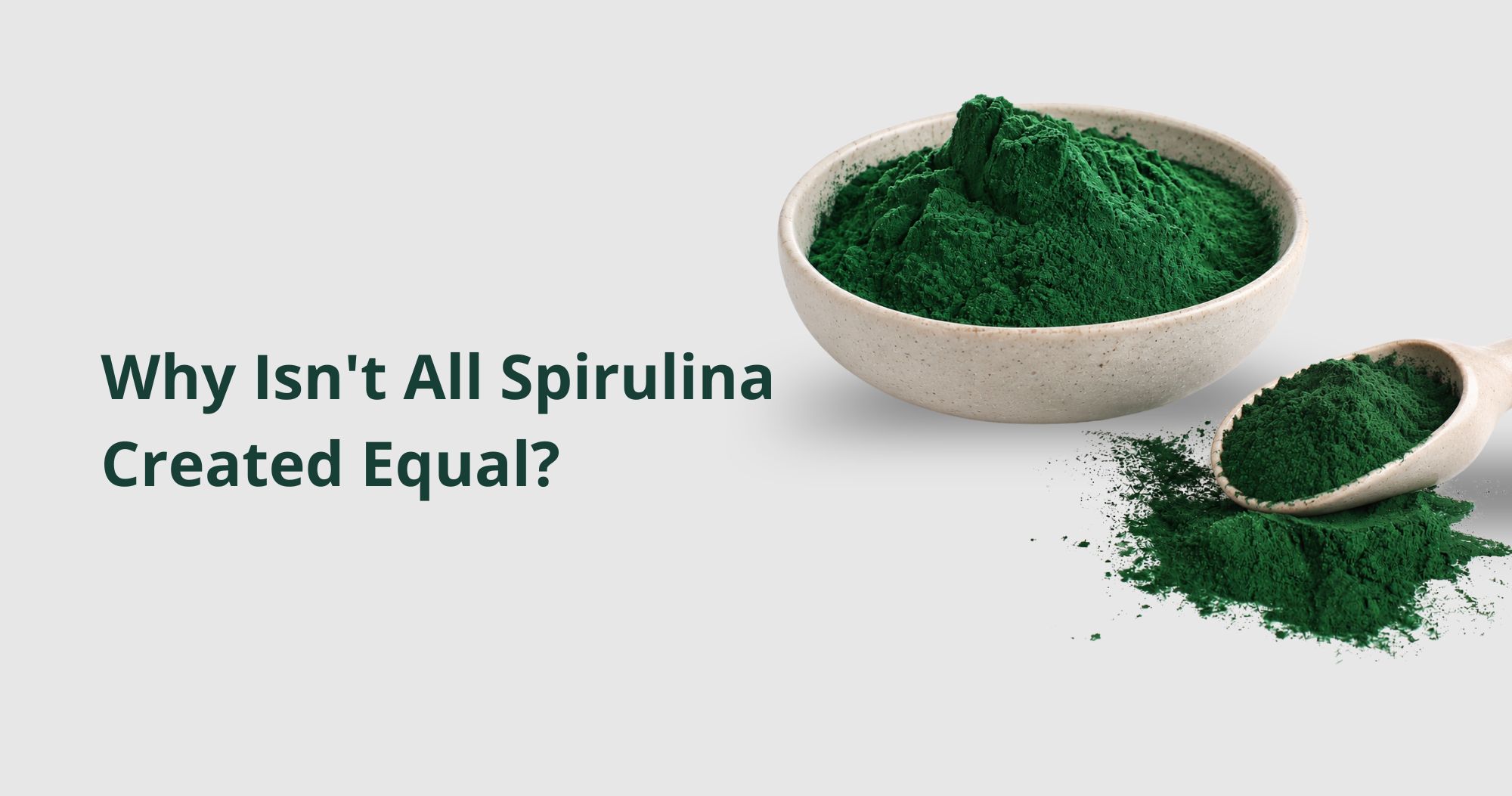
It is important to choose products of clear origin and guaranteed quality - because not all spirulina is the same.
Conclusion
The trend of green eating is no longer a momentary trend, but is becoming the inevitable direction of the future. In this context, Spirulina emerged as a solution that converges both nutritional and sustainability factors.
The addition of Spiurlina is not only beneficial for personal health, but also a more environmentally conscious choice. And sometimes, it is these small changes that underlie major shifts in the way we eat and live each day.
.png)

.png)
.png)


.jpg)




.jpg)

.jpg)


.jpg)


.png)
.png)
.jpg)
.jpg)







.jpg)


.jpg)
.jpg)


.jpg)



.jpg)




.png)




.jpg)


.jpg)