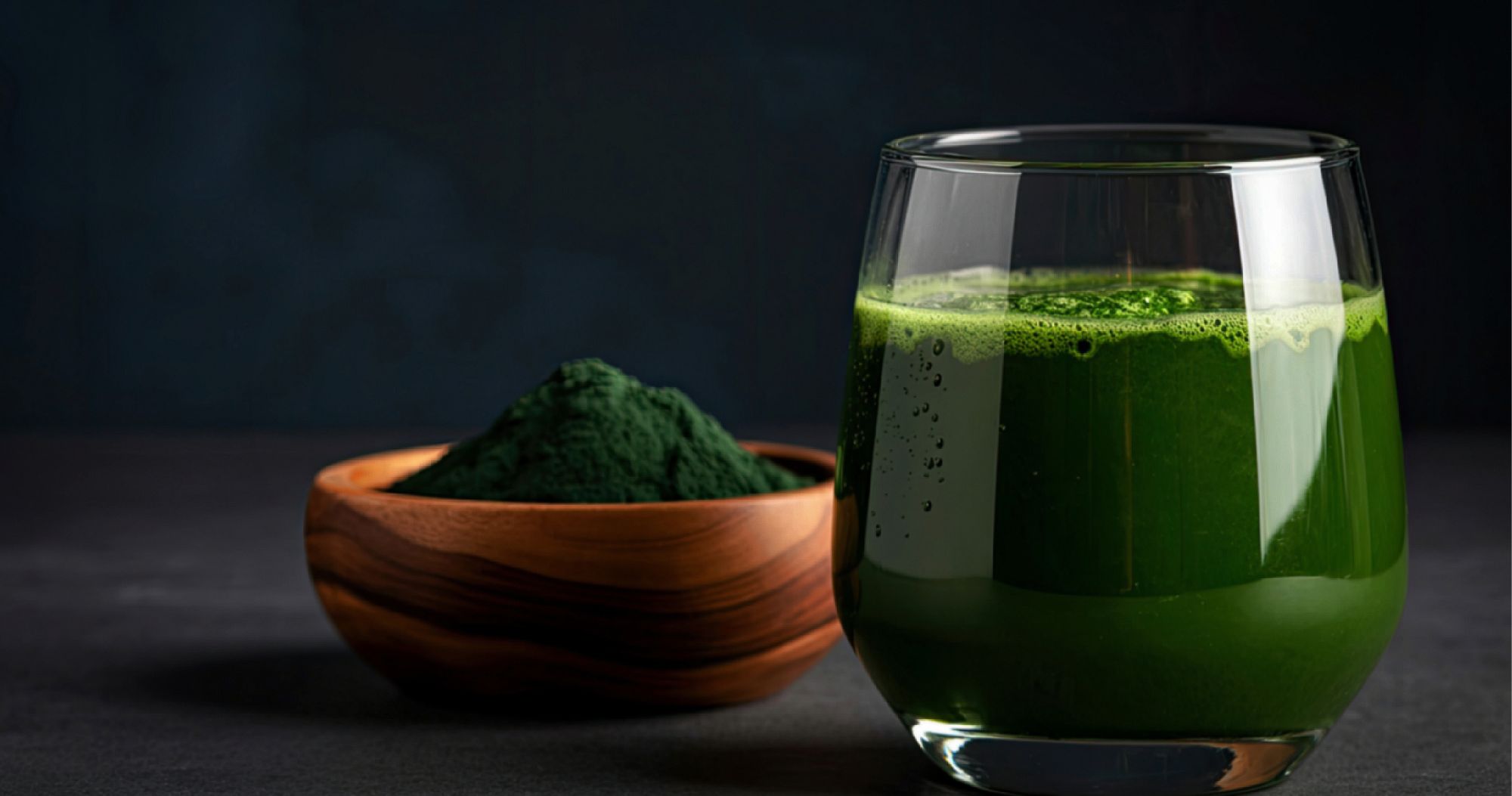
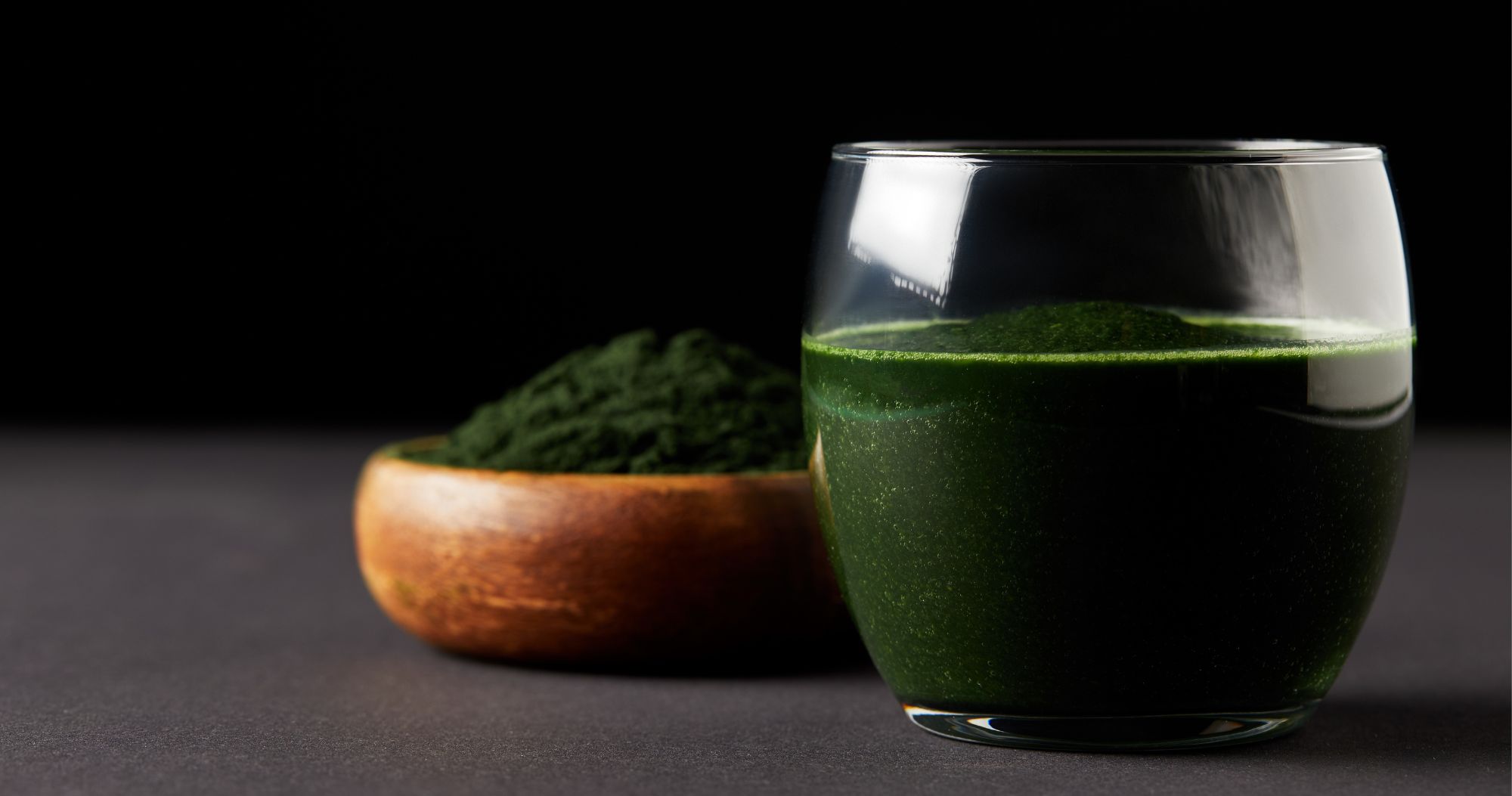
In recent years, Spirulina has often been referred to as one of the most prominent “superfoods” in the world. This type of blue algae is increasingly appearing in nutritional supplements, from powders, tablets to healthy drinks.
When learning about Spirulina, many people also come across another name: Chlorella. Both are nutrient-rich microalgae and are widely used in the functional food industry. However, Spirulina and Chlorella are not exactly the same. They differ in their biological structure, nutritional composition, as well as health uses.
In this article, let's take a closer look at what Spirulina is, what Chlorella is, and the important differences between these two very popular types of microalgae.
What is Spirulina?
.jpg)
What kind of microalgae is spirulina?
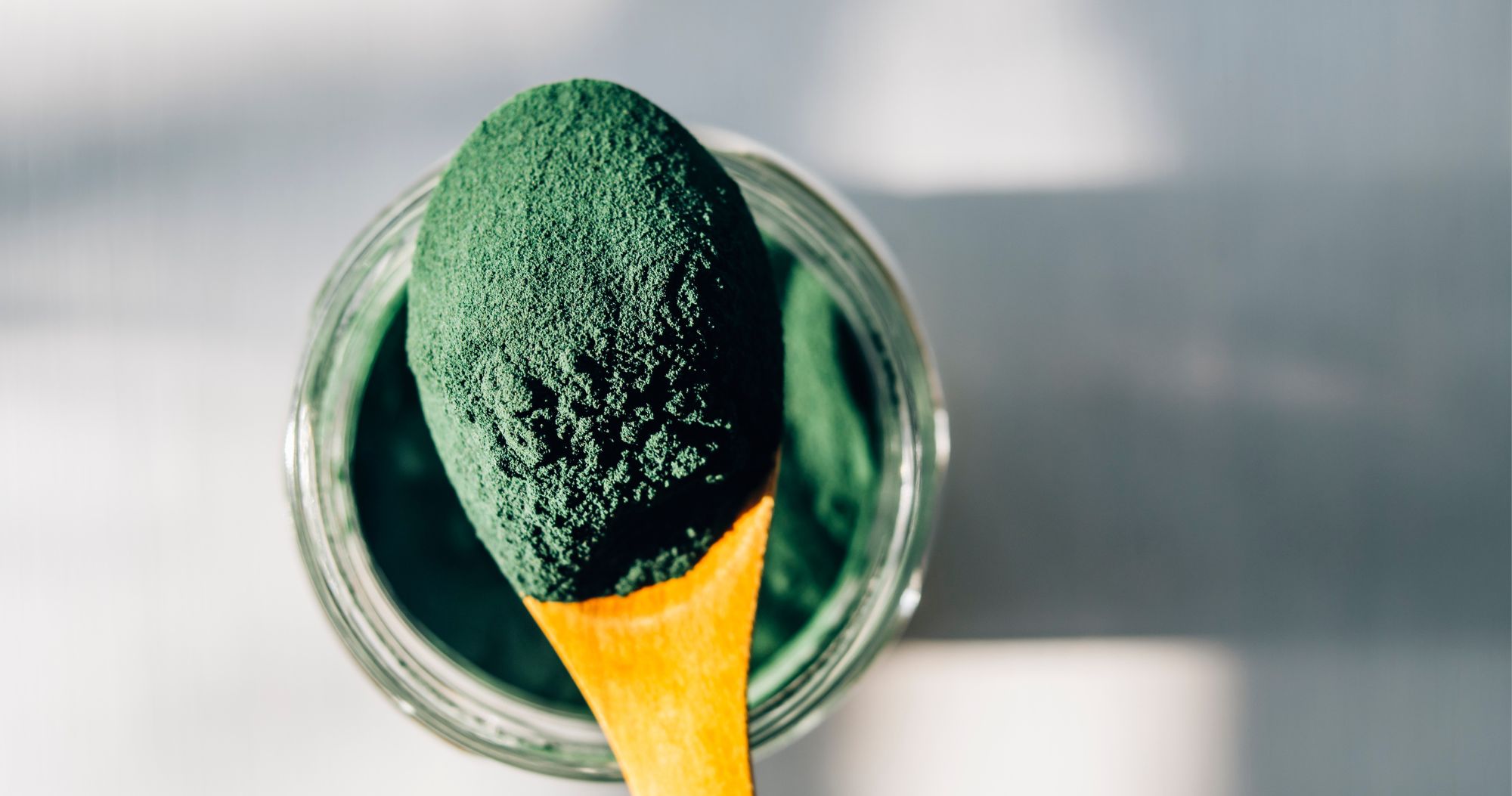
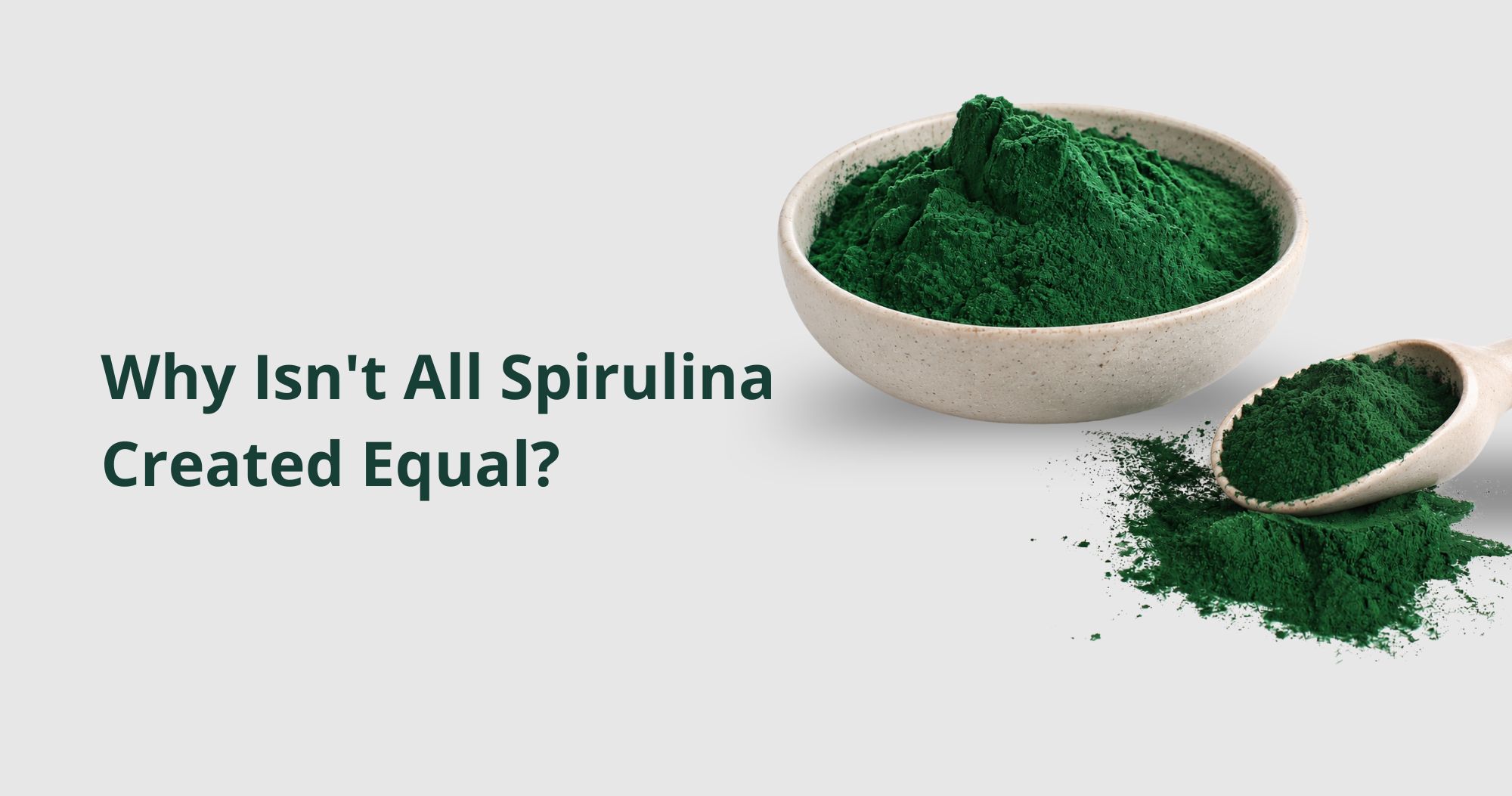
Spirulina is a blue microalgae, belonging to the group of cyanobacteria that are capable of photosynthesis similar to plants. The popular scientific name of Spirulina is Arthrospira platensis.
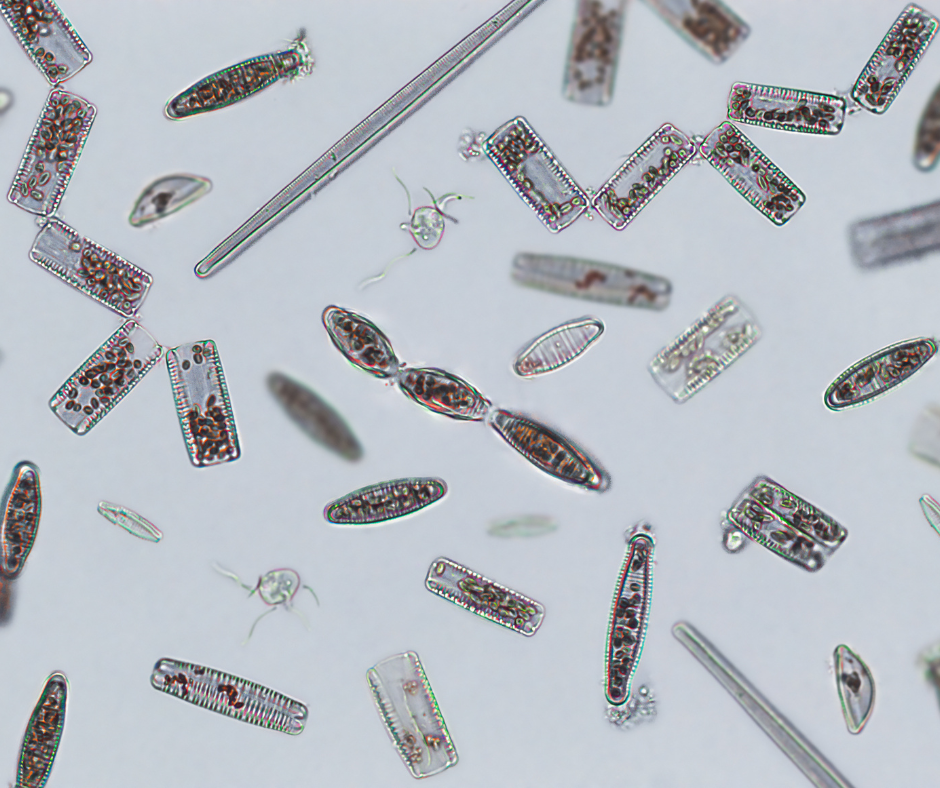
Under the microscope, Spirulina has a characteristic twisted shape resembling a small spring. Therefore, in Vietnam it is often called spirulina.
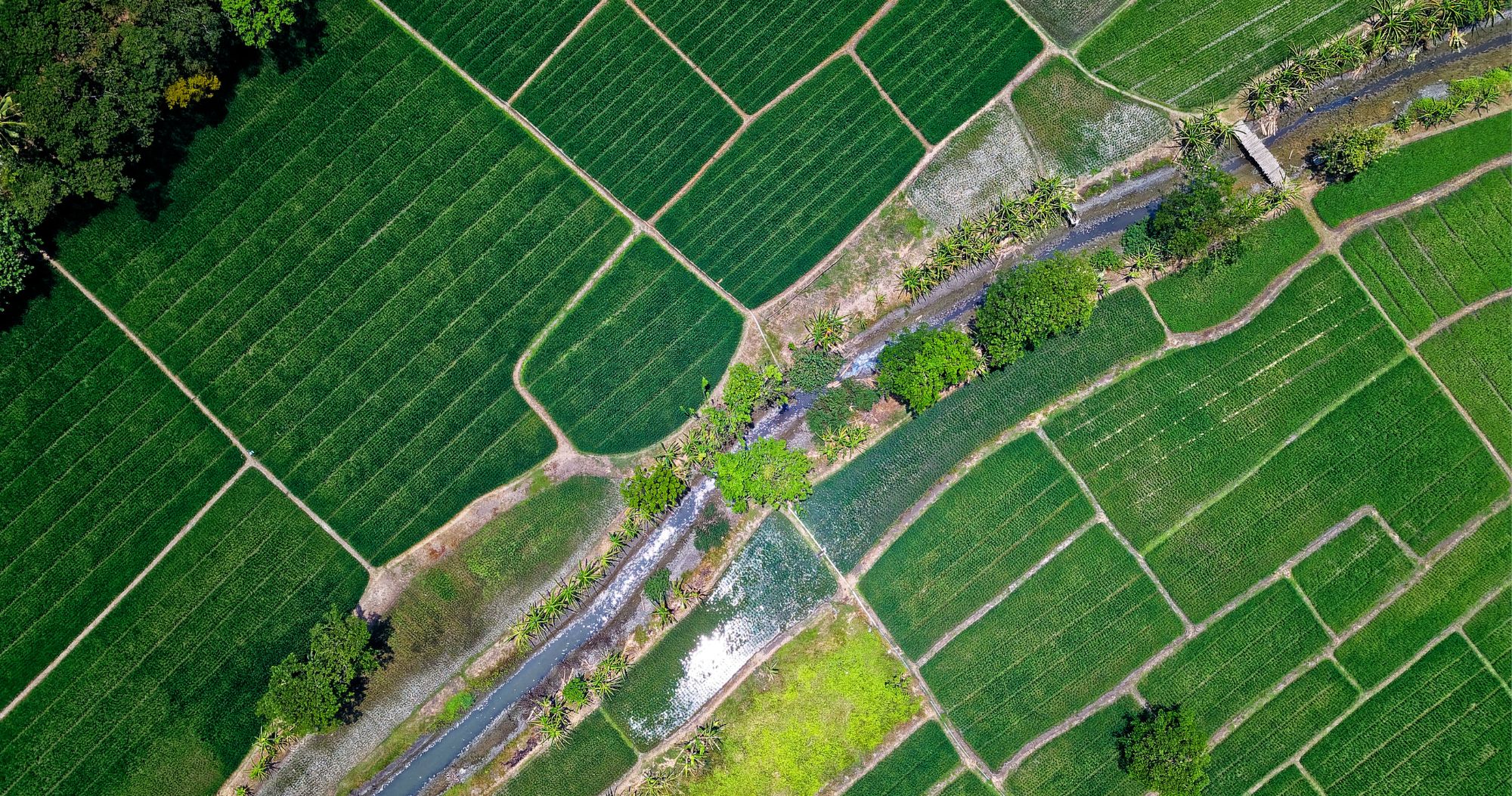
This microalgae usually grows well in lakes with high alkalinity and warm climates. Thanks to its good adaptability to harsh environments, Spirulina can grow rapidly and produce large amounts of biomass, which makes commercial cultivation feasible.
Today, Spirulina is cultivated in many countries around the world such as the USA, Japan, China, India and some European countries.
History of Spirulina Use
In fact, spirulina is not a new discovery of modern times. For centuries, humans have known to take advantage of this microalgae as a food source.
Historical records show that the Aztecs in Central America harvested Spirulina from natural lakes and used it in their daily diet. They usually dry algae and then process them into cakes or mix them with other foods.
By the 20th century, Spirulina began to be of greater interest and study by scientists. Since then, industrial-scale Spirulina cultivation technology has gradually developed. Thanks to its high nutritional value and efficient production ability, Spirulina quickly became one of the most widely commercialized microalgae in the world.
Nutritional composition of Spirulina
One of the reasons Spirulina is so famous is because of its impressive nutritional content.
In dry biomass, Spirulina can contain 60— 70% protein, which is much higher than most conventional foods. In addition, the protein in Spirulina also includes many essential amino acids that the human body needs.
In addition to protein, Spirulina also provides many important biological compounds such as:
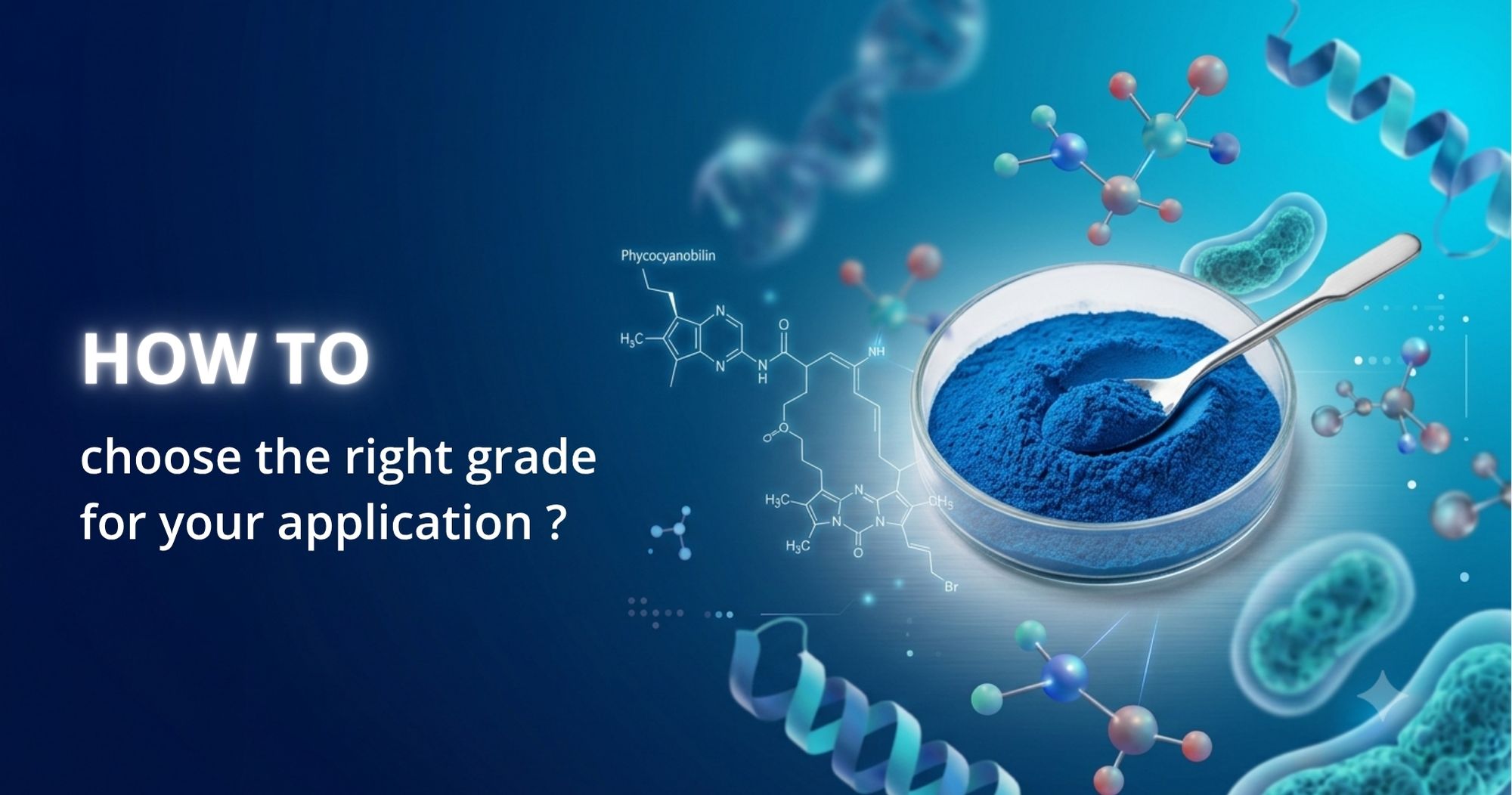
- Phycocyanin — pigment that gives a characteristic blue color and has strong antioxidant power
- Vitamins of group B
- Iron and essential minerals
- Essential Amino Acids
Thanks to such a combination of nutrients, Spirulina is often considered a concentrated source of nutrients from nature.
Health Benefits of Spirulina
Numerous studies show that Spirulina can bring a number of positive health benefits when used properly.
First of all, Spirulina contains many antioxidants that protect cells from the effects of free radicals. The phycocyanin component in Spirulina is also thought to be able to support the immune system.
In addition, Spirulina can also contribute to heart health by providing beneficial biological compounds. With its high protein and vitamin content, Spirulina is also a fairly common source of natural energy supplements in the diet of sports exercisers or vegetarians.
What is Chlorella?
.jpg)
About Chlorella
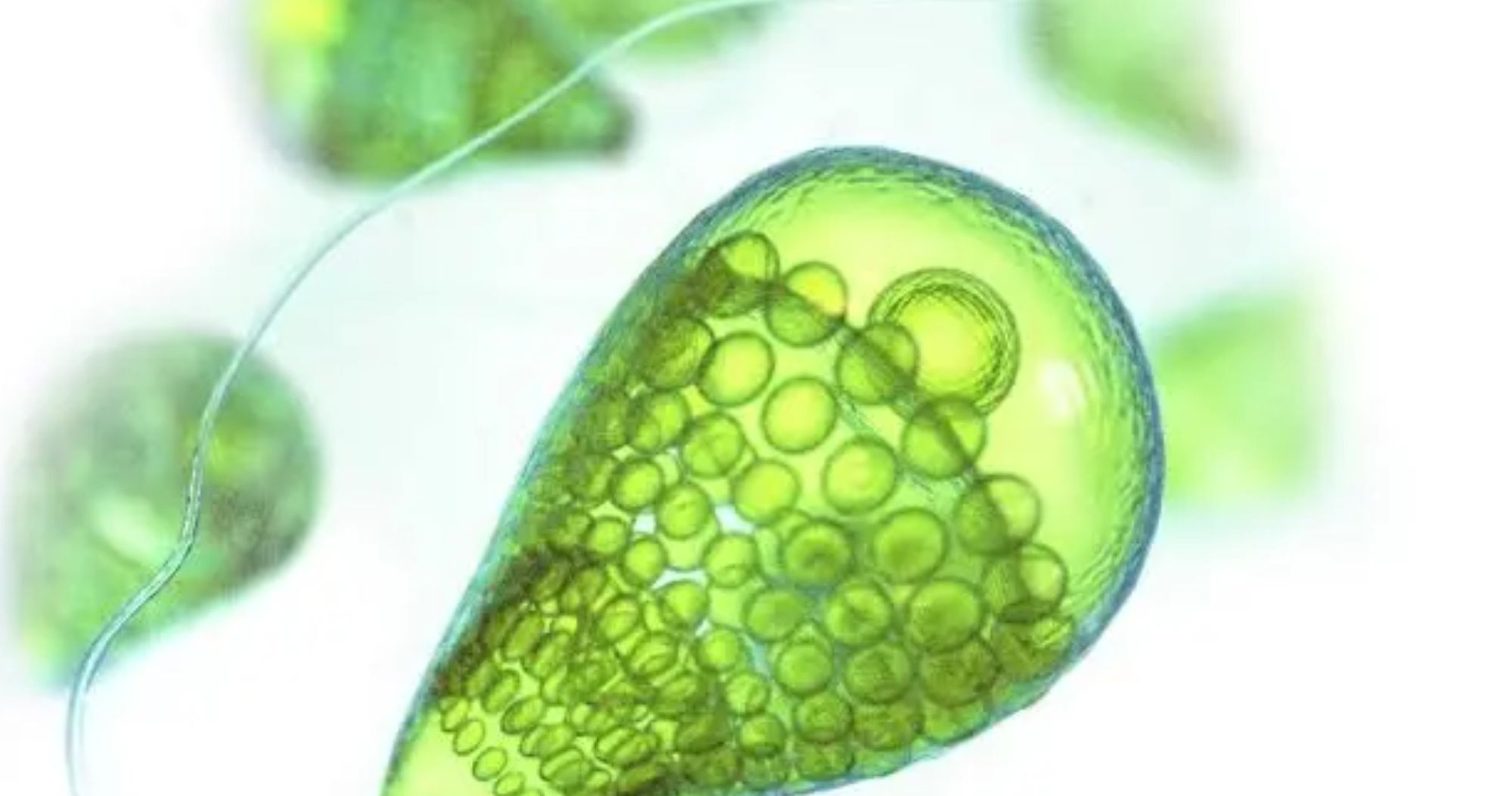
Chlorella is a freshwater microalgae that is extremely small in size and consists of only a single cell. Algae are dark green because they contain large amounts of chlorophyll — the same photosynthetic pigment found in plant leaves.
Chlorella was first discovered in the late 19th century and quickly gained scientific attention because of its rapid growth rate. Under the right conditions, this algae can duplicate biomass only in a short time.
Today, Chlorella is cultivated in many countries and is often used in nutritional supplements.
Nutritional composition of Chlorella
Chlorella is also a fairly rich source of nutrients.
This microalgae provides proteins, vitamins, minerals and many other biological compounds. However, the most striking feature of Chlorella is its very high chlorophyll content. Chlorophyll is thought to play a role in aiding cell purification and protection.
In addition, Chlorella contains nucleic acids — molecules involved in cell regeneration and growth.
Popular Uses of Chlorella
In nutritional products, Chlorella is often known for its role in helping to purify the body. Some studies suggest that Chlorella can help bind and remove some heavy metals from the body.
Besides, Chlorella is also used to support the immune system and improve digestive health. Thanks to its high content of fiber and chlorophyll, this microalgae is often included in diets oriented towards overall health.
Difference Between Spirulina and Chlorella
Although Spirulina and Chlorella are both nutrient-rich microalgae, they are not exactly alike. The differences are expressed in biological structure, nutritional composition, and how the body absorbs them.
One of the important differences lies in the cell wall. Spirulina does not have a hard cellulose cell wall, so the human body can digest and absorb it more easily.
Chlorella, in contrast, has rather thick cell walls. For this reason, many Chlorella products on the market undergo cell wall breakdown before being used as food.
Spirulina stands out for its high protein content and the presence of phycocyanins - characteristic antioxidant compounds. Meanwhile, Chlorella stands out for its abundance of chlorophyll.
Differences in use
Due to the difference in composition, Spirulina and Chlorella are also often used for different purposes.
Spirulina is often chosen to supplement nutrition, increase energy, and provide natural protein. In contrast, Chlorella is often mentioned in products that help purify the body and improve digestion.
Differences in absorbability
Another noteworthy point is the absorbability.
Spirulina is generally considered to be easier to absorb, as its cellular structure is soft and does not have a hard cellulose layer.
Meanwhile, Chlorella needs to be processed that breaks down the cell wall so that the body can digest it efficiently.
Should I choose Spirulina or Chlorella?
The choice of Spirulina or Chlorella depends a lot on the usage goals of each person.
If the main goal is nutritional and protein supplements, Spirulina is usually the right choice. Conversely, if you care a lot about aiding body purification or enhancing chlorophyll, Chlorella may be a worthwhile option.
In other words, these two types of microalgae do not compete directly, but can complement each other nutritionally.
Is it possible to take Spirulina and Chlorella together?
In fact, Spirulina and Chlorella can perfectly be used together. Many nutritional supplements now incorporate both types of microalgae to take advantage of the advantages of each.
This combination diversifies the nutrient source, while providing more benefits for overall health.
Conclusion
Spirulina and Chlorella are both nutrient-rich microalgae widely used in the world. However, between the two types there are certain differences in biological structure, nutritional composition, as well as health uses.
Spirulina stands out for its high protein content and ability to replenish energy, while Chlorella is better known for its role in aiding body purification and providing chlorophyll.
The choice of microalgae will depend on the nutritional needs and health goals of each person.
Learn more: Benefits of Spirulina for Health

.png)
.png)



.jpg)




.jpg)
.jpg)


.jpg)


.png)
.png)
.jpg)
.jpg)





.jpg)

.jpg)


.jpg)
.jpg)


.jpg)



.jpg)




.png)




.jpg)



.jpg)