Spirulina is increasingly familiar in the diet of many people thanks to its high nutritional content. However, not a few people still wonder: is it hot to drink algae? Especially for those who are prone to acne or “hot in”, this is a fairly common concern. In fact, this feeling is not as simple as many people think. Properly understanding the nature of spirulina and how to use it will give you more peace of mind when taking supplements every day.
What is “hot in”?
In folk, “inner heat” is often used to describe manifestations such as pimples, mouth heat, or unpleasant sensations in the body. However, from a scientific point of view, this is not a formal medical concept but is usually related to diet, water intake and lifestyle.
What is Spirulina?
.jpg)
Origin of spirulina
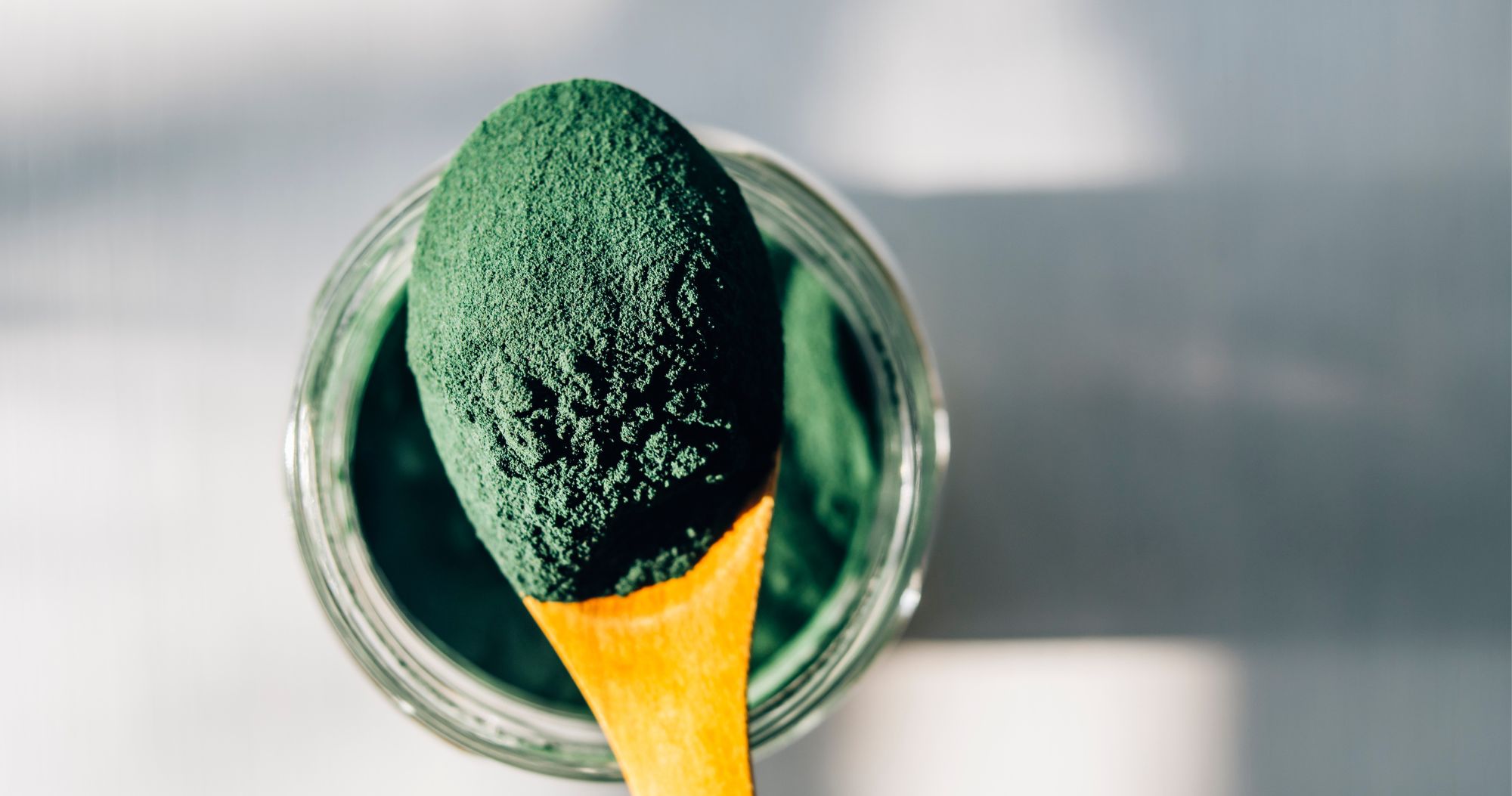
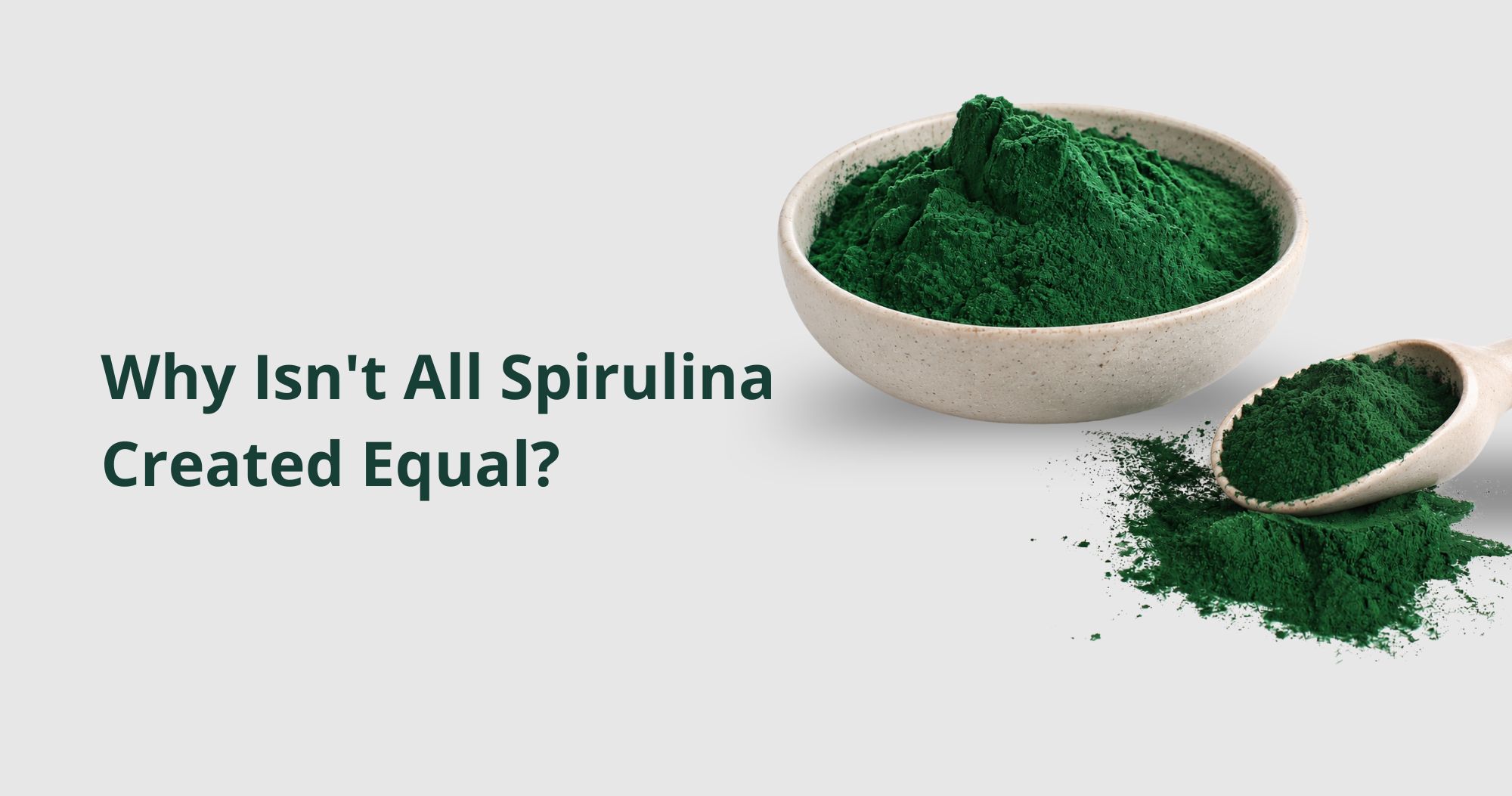
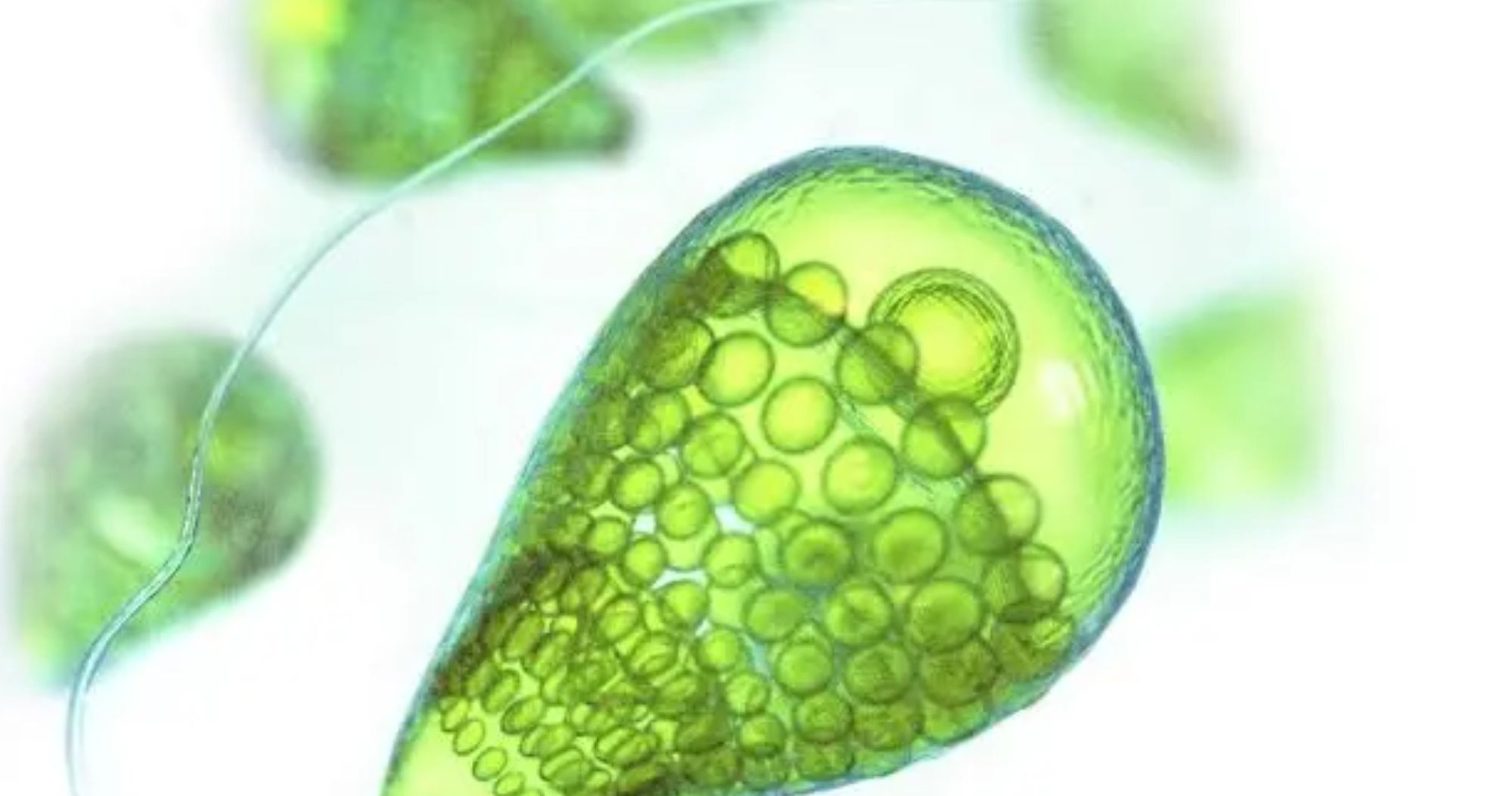
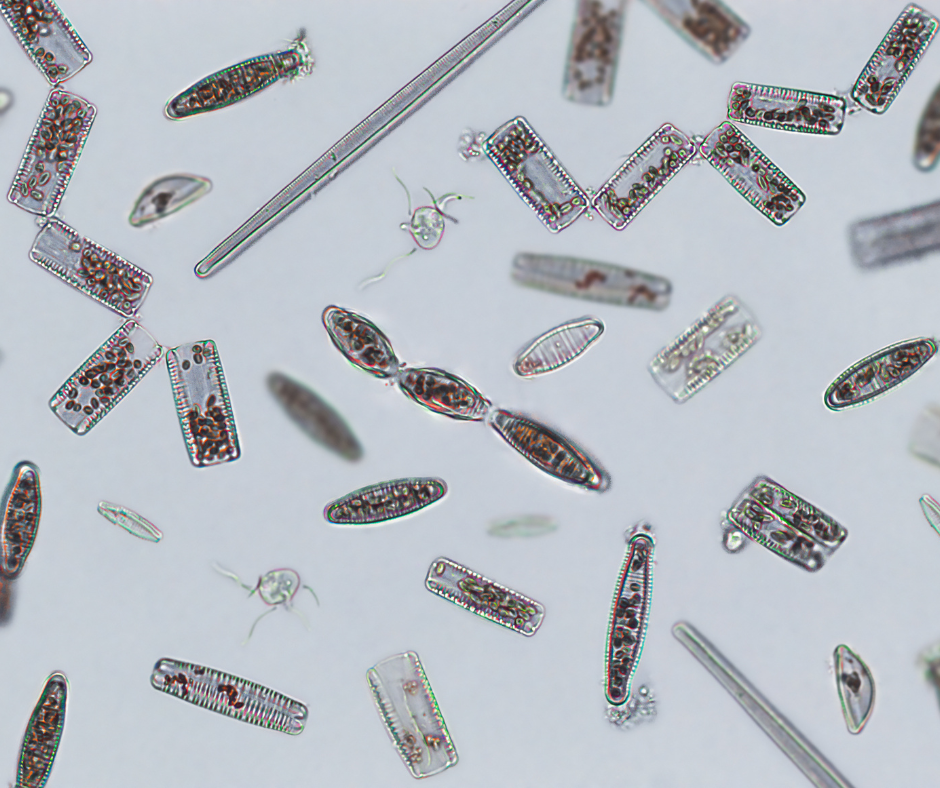
Spirulina is a cyanobacterial microalgae that lives in alkaline water environments. Thanks to its ability to photosynthesize and accumulate nutrients, it becomes one of the natural food sources rich in microelements.
Today, spirulina is grown under controlled conditions to ensure quality and safety of use.
Nutritional composition
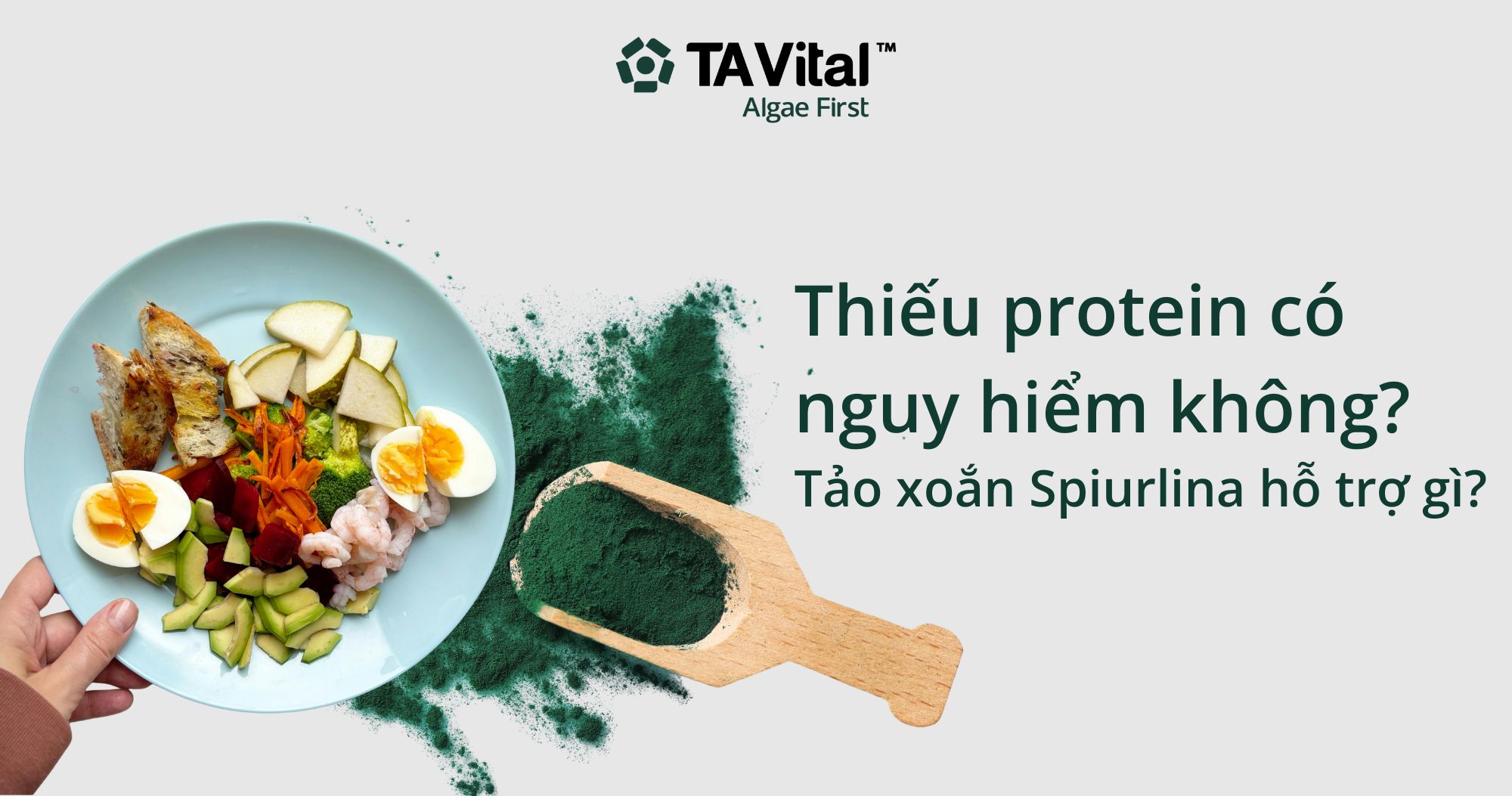
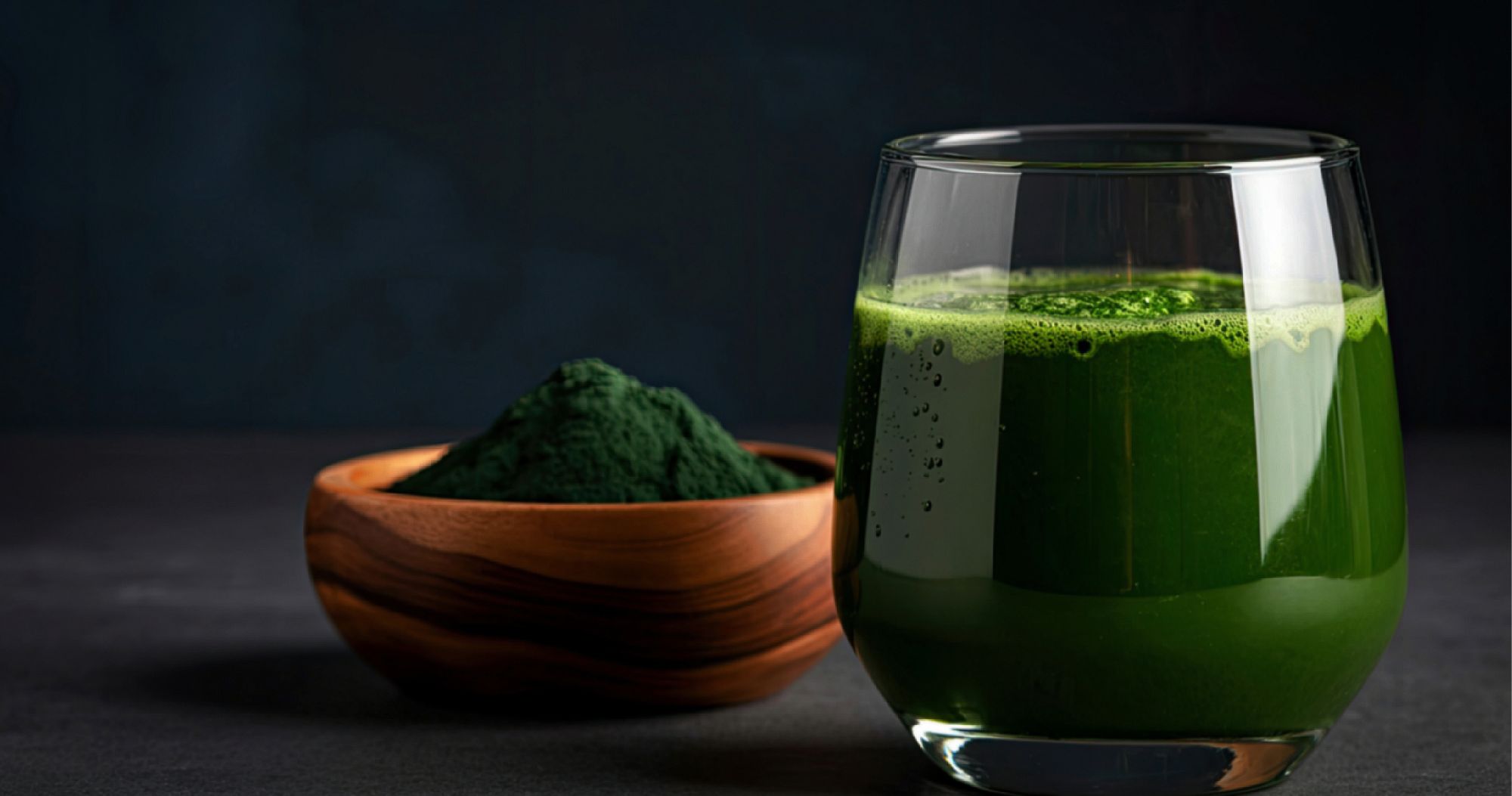
The point that makes spirulina pay attention lies in its “concentrated” nutritional composition. It contains a high protein content, which is accompanied by vitamins of group B, iron and many other minerals.
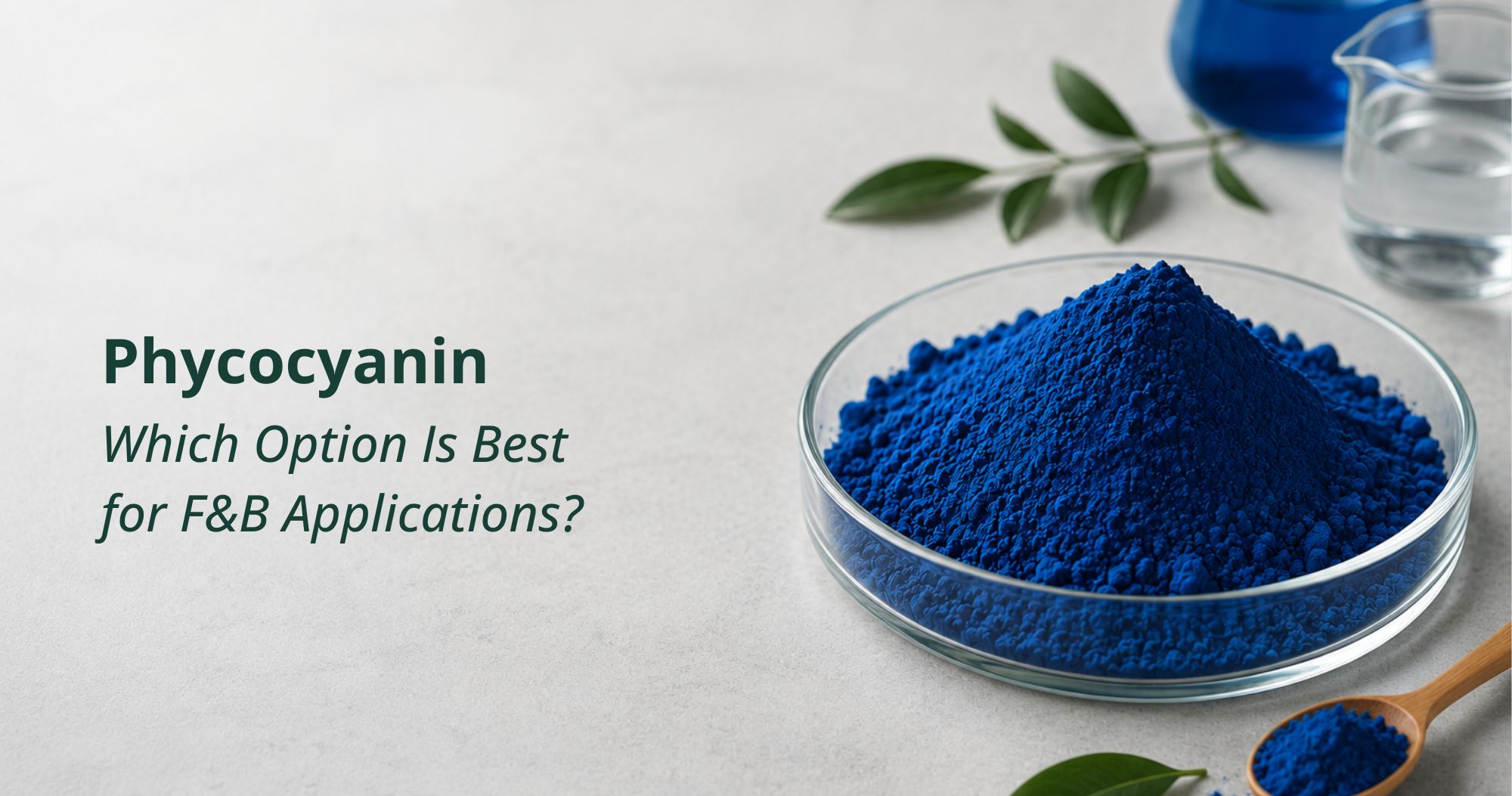
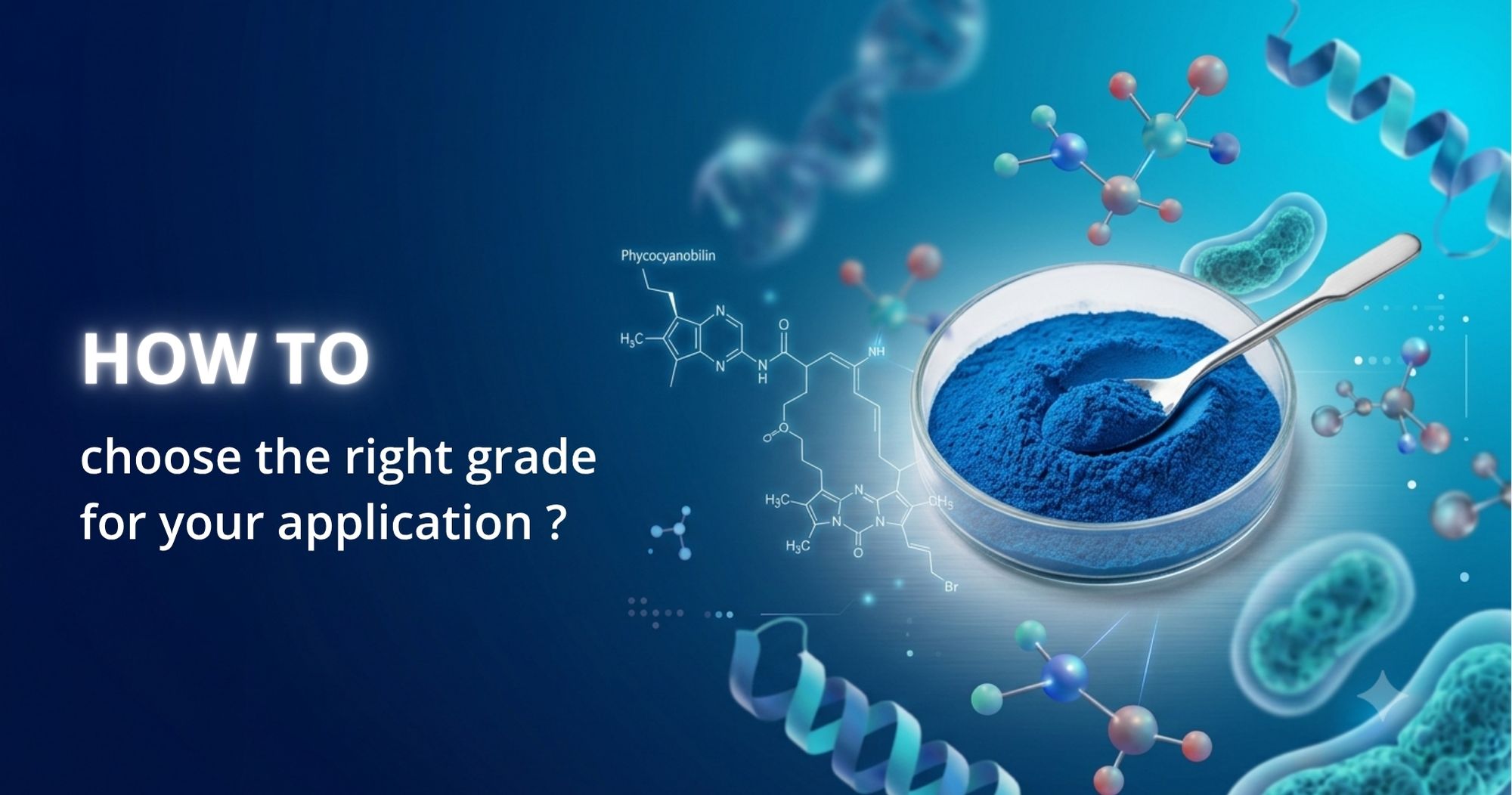
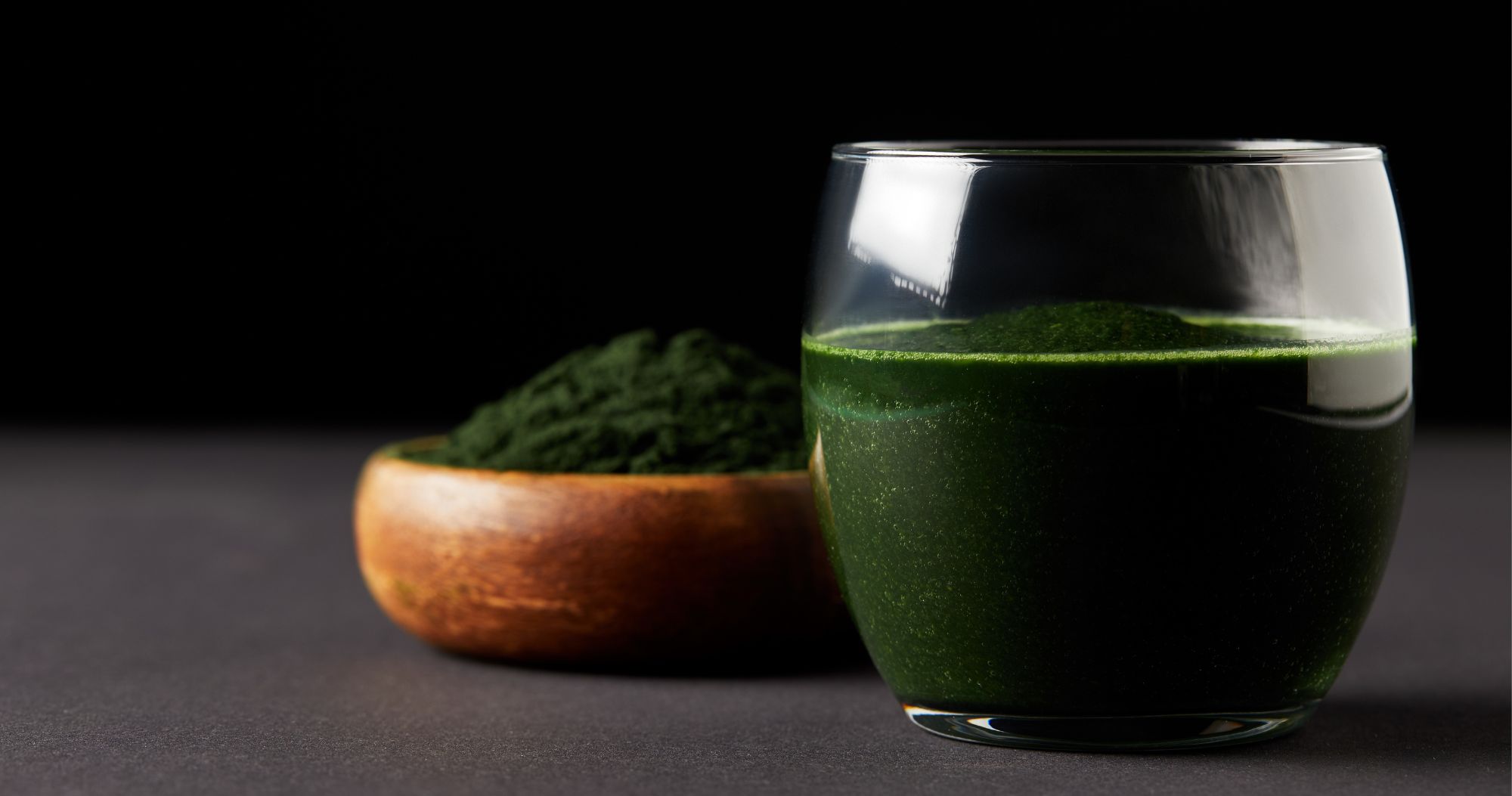
In addition, spirulina also has phycocyanin — an antioxidant pigment that gives it its characteristic blue color and contributes to the health benefits of this algae.
Is it hot to drink spirulina?
Spirulina is not a food that causes “heat” by nature.
However, in some cases, users may feel “hot in” when used — but the cause is usually not in spirulina itself, but from the way it is administered or the body's reaction
Why do many people think spirulina causes heat?
One of the common causes is a misunderstanding of nutritious foods. When the body is replenished with large amounts of micronutrients, especially proteins and minerals, the metabolism can take place more intensively. This sometimes creates a slight “hot” feeling.
In addition, spirulina is also often mentioned for its role in helping to purify the body. In the early stages of use, some people may experience mild pimples or digestive changes. In fact, this may be an adaptive reaction, not a sign of “heat.”
Some possible reactions (uncommon)
In some people, especially at the beginning of use, manifestations such as mild pimples or a slight discomfort in the digestive system may appear.
These reactions are usually temporary and tend to subside as the body gets used to spirulina. Proper understanding of nature will help you avoid unnecessary anxiety.
When can taking spirulina cause a feeling of “heat”?
Although not the direct cause, in some cases, spirulina can make you feel like you are “hot”.
First of all, when used in too high doses in the first place. The body that has not yet adapted can respond with mild manifestations.
Not drinking enough water is also a factor that is often overlooked. When the body lacks water, metabolism and excretion can be affected, resulting in a feeling of discomfort.
Besides, each person's location is different. Sensitive people may react better to the addition of any new food. In addition, the quality of the product also plays an important role - poor-quality products can cause undesirable reactions.
How to use spirulina to avoid feeling hot
To use spirulina effectively and limit discomfort, you should start with the right dosage, usually around 1—3g per day depending on your needs.
It is very important to drink enough water, which helps the body to process and absorb nutrients better. If you are just starting out, you can take it in a low dose and then gradually increase it so that the body adapts.
Equally important is the choice of products of clear origin, manufactured in accordance with the quality control procedure. This minimizes the risk and ensures the effectiveness of use.
Is spirulina really good for the body?
When used properly, spirulina can be a valuable source of nutritional supplements. It helps to provide proteins, vitamins and minerals in small quantities, suitable for a modern lifestyle.
In addition, the antioxidant compounds in spirulina contribute to overall health support, especially when combined with a balanced diet and healthy lifestyle.
Who should be cautious when taking spirulina?
Although suitable for many people, spirulina still needs to be used wisely in some cases.
People with a sensitized setting should start with a low dose to monitor the reaction. People with underlying diseases or pregnant women should also consult with a specialist before regular use.
Conclusion
Spirulina is not a food that causes “heat” by nature. These sensations of “inner heat” if any are usually related to the use, dosage or adaptive response of the body.
When properly understood and used wisely, spirulina remains a valuable natural nutrient source, which can support health in a sustainable direction. The most important thing is still to combine with a balanced diet and a healthy lifestyle for the best effect.
Further reading suggestions:
What is Spirulina • Benefits of Spirulina•What does 1 tablespoon of spirulina contain • Spirulina for diabetics

.png)
.png)




.jpg)





.jpg)
.jpg)


.jpg)


.png)
.png)
.jpg)
.jpg)





.jpg)

.jpg)


.jpg)
.jpg)


.jpg)



.jpg)




.png)





.jpg)


.jpg)