Spirulina is often referred to as a “food of the future” due to its high nutrient density, sustainable cultivation ability, and superior bioperformance compared to many traditional food sources. International organizations such as the FAO see spirulina as a potential solution in the context of the global food system under pressure from climate change, resource scarcity and increasing nutrient demands. This article analyzes Spirulina from a scientific — evolutionary — sustainable perspective, rather than approached as a mere health product.
“Food of the future” is a concept that is no longer fictional
When it comes to “food of the future,” many people often associate high-tech, laboratories or unfamiliar products with their daily meals. However, in the modern approach of the nutrition industry and food security, this concept is much more practical.
A food that is considered fit for the future must not only be nutrient-rich, but must meet several criteria simultaneously: high bioefficiency, less dependence on agricultural soils, low water consumption, adaptation to climate change, and capable of providing stable nutrition to a growing population. Against this background, spirulina - a microscopic organism that has been around for billions of years, is again becoming a name that is talked about more and more.
What does the FAO say about Spirulina and microalgae?
.jpg)
The Food and Agriculture Organization of the United Nations (FAO) has long recognized the enormous potential of microalgae. In 1974, the FAO officially recognized spirulina as “an important food source for the future”.
The FAO points out that spiurlina has a high protein content (60-70% dry weight) with a balanced amino acid composition, rich in iron, vitamin B12 (the active form in some strains), beta-carotene and antioxidants. More importantly, the FAO considers Spirulina from the perspective of a strategic tool to combat malnutrition, especially in difficult regions, thanks to its low-cost local cultivation capacity and without the need for fertile arable soils. This recognition builds solid scientific credibility, transforming Spirulina from a niche product into a global solution.
Micronutrient density - the reason why Spirulina goes beyond traditional foods
One of the main reasons why Spirulina is called the “food of the future” is micronutrient density. This is the concept that refers to the amount of nutrients obtained per unit of food, rather than just considering the volume ingested.
- Proteins: To export 1 kg of protein, spirulina needs 20 times less area than soybeans and 200 times that of beef.
- Iron:The iron content in spirulina can be 50 times higher than spinach, with good absorption thanks to the natural presence of vitamin C and several other ingredients.
- Beta-carotene (previtamin A)A small amount of spirulina a day can meet the needs of vitamin A, an essential microelement that, according to the WHO, is still the leading cause of blindness in children in many developing countries.
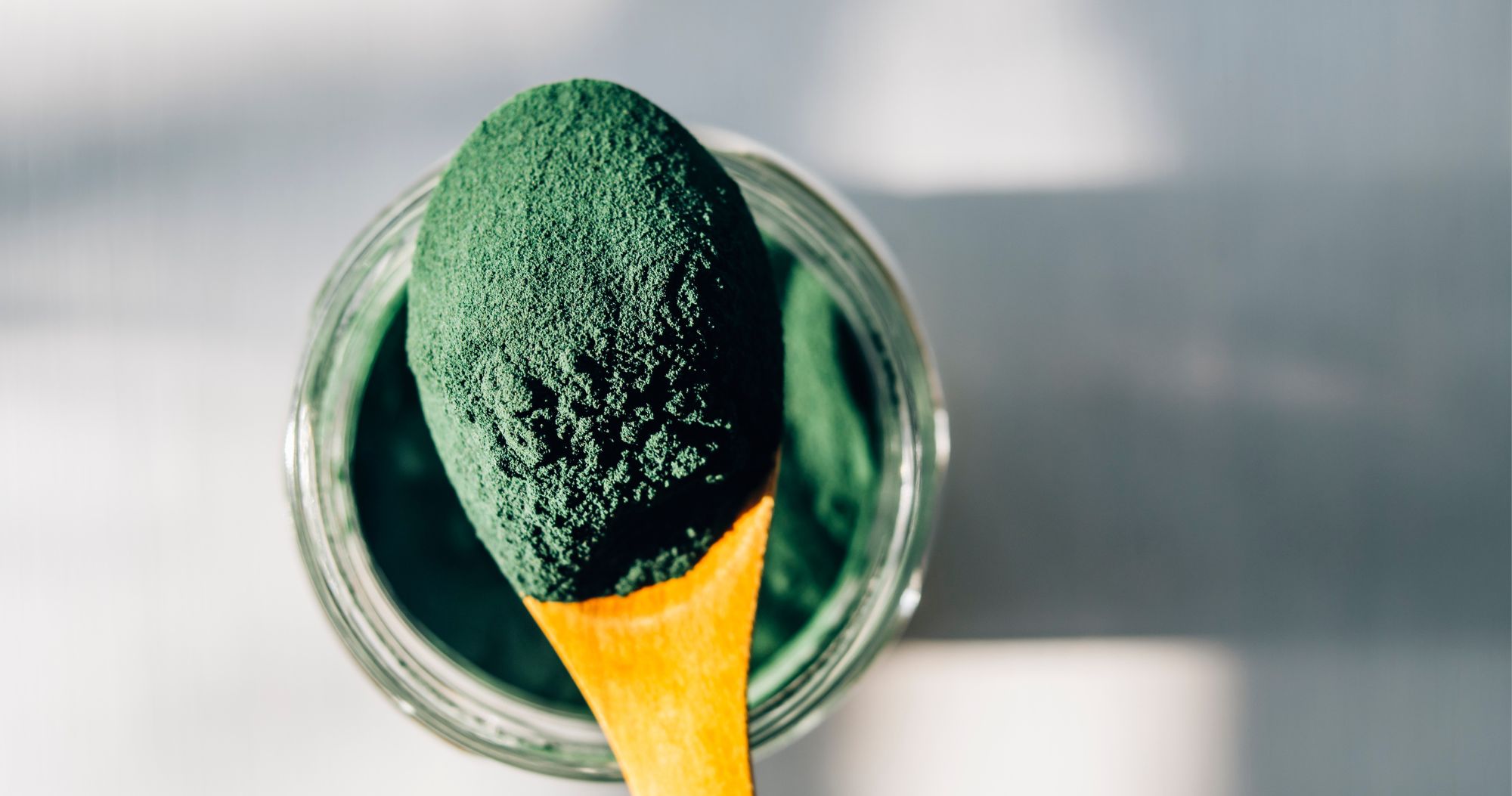
- Unique antioxidants:The Phycocyanin pigment that makes up Spirulina's blue color is not only a natural food color, but also a powerful antioxidant and remarkable studies on its potential to support cellular health.
Spirulina cultivation and sustainability story
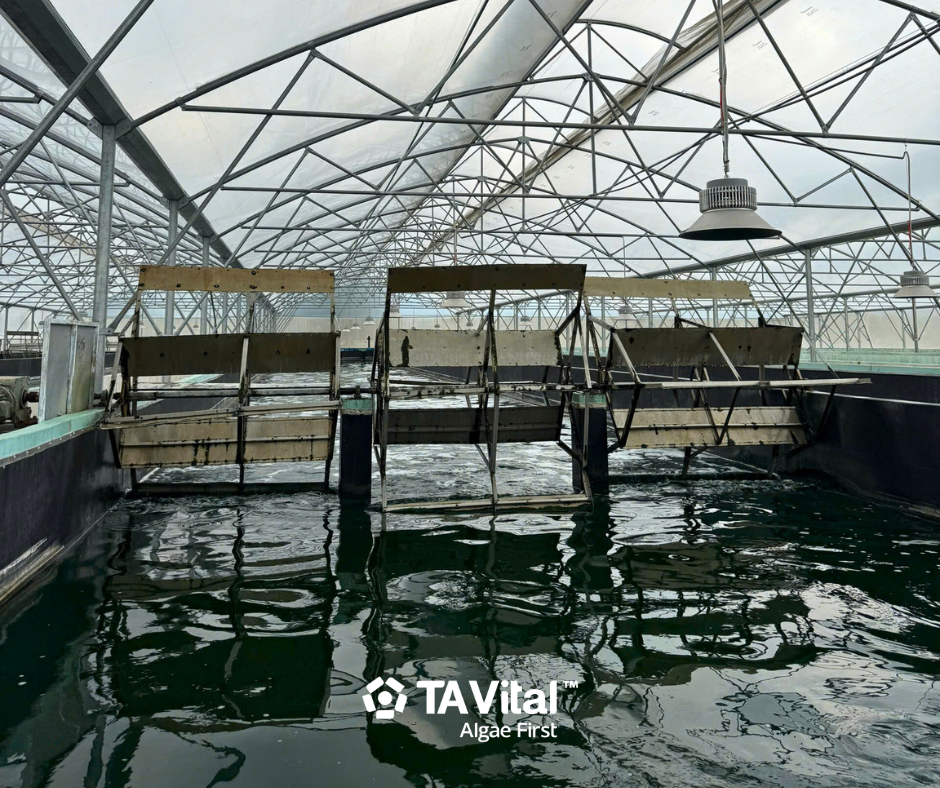
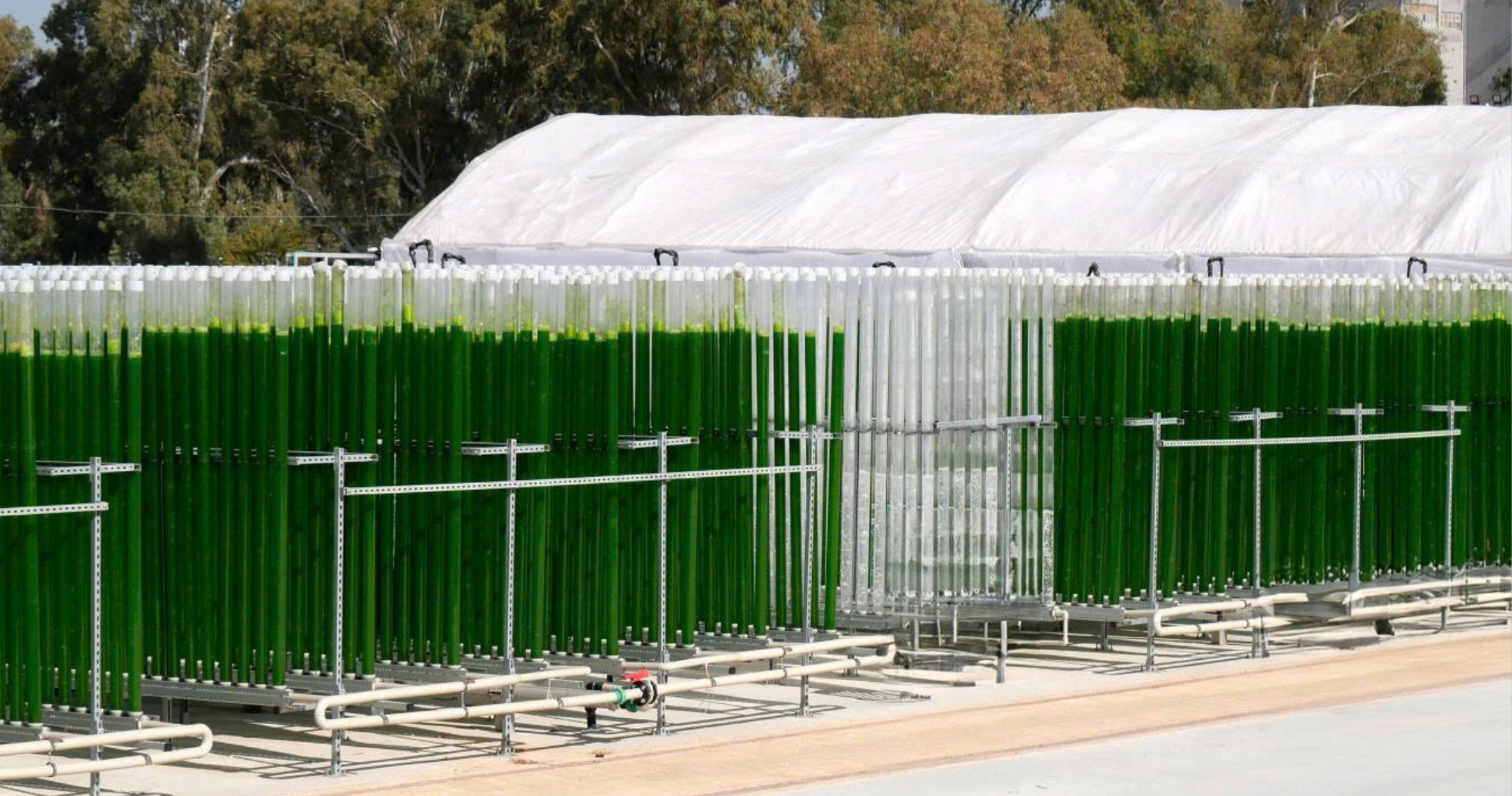
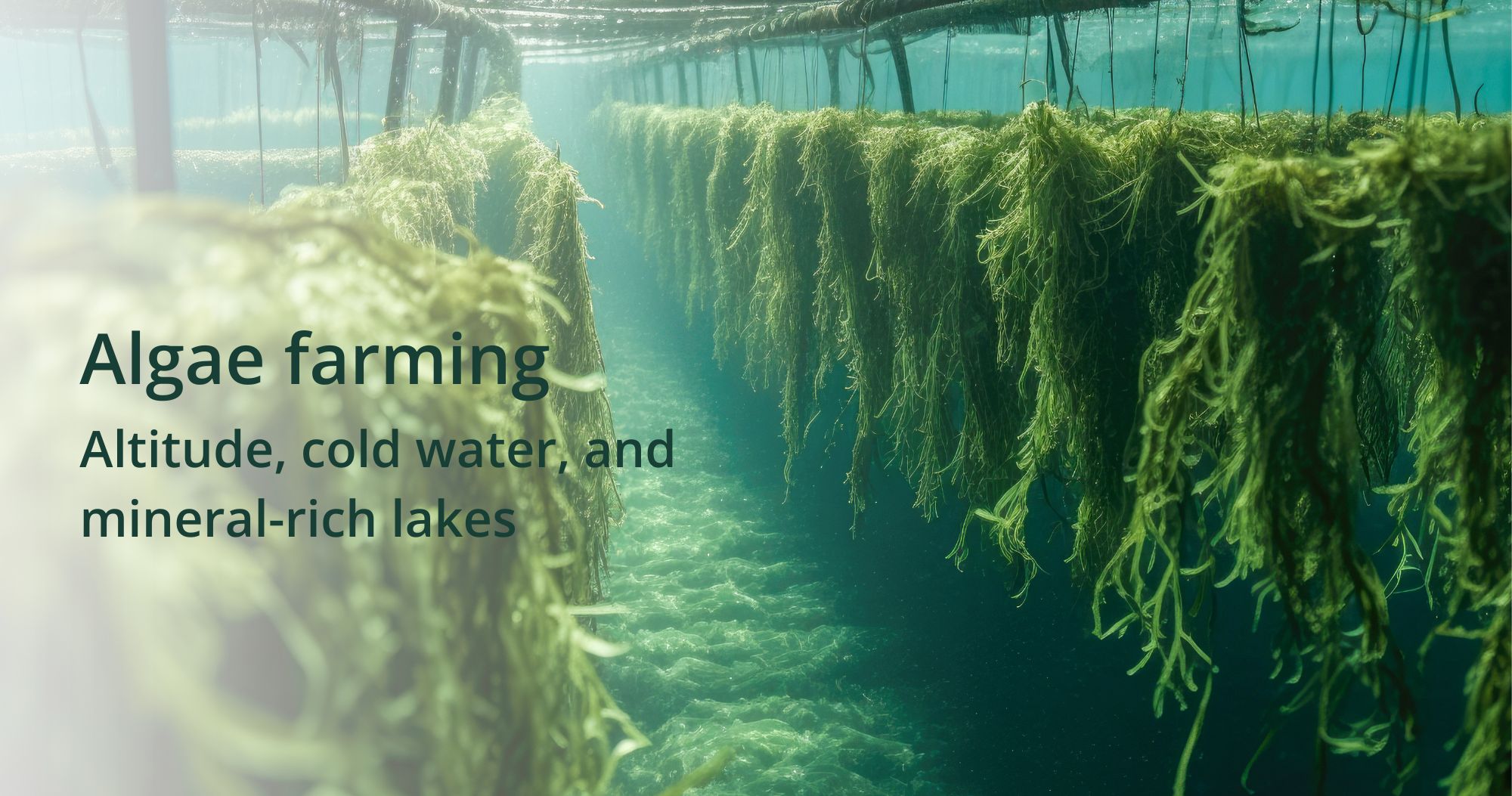
- Outstanding Water Saving: Spirulina spirulina is grown in a closed circulatory canal system. The amount of water consumed is mainly due to evaporation, which is much lower than that of all traditional crops and pets.
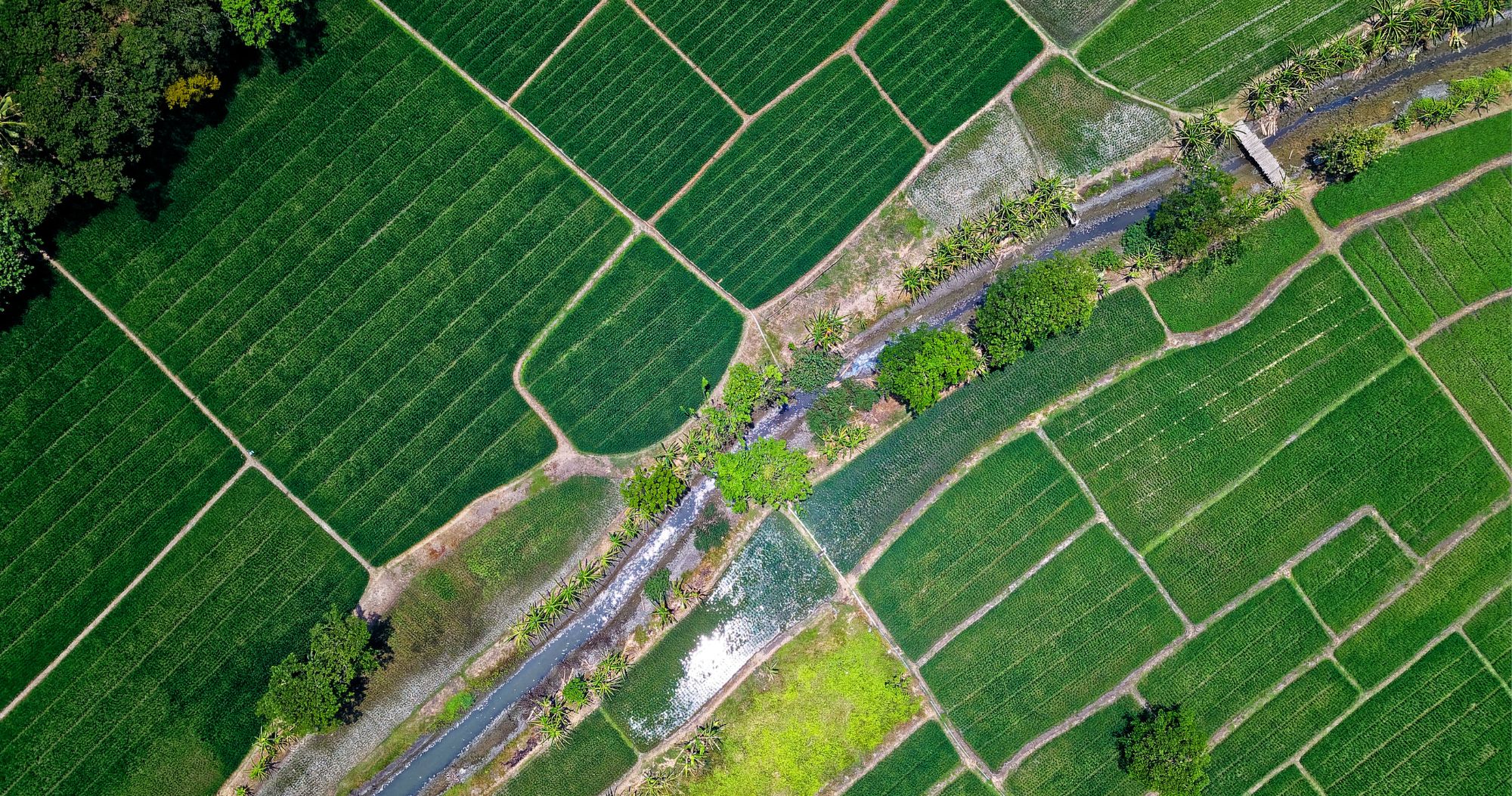
- No need for agricultural land:It can be grown in artificial tanks on sandy soils, saline soils, or even on roofs, completely not competing with rice or vegetable soils.
- High Solar Efficiency: As one of the oldest photosynthetic organisms, Spirulina converts solar energy into biomass with incredible efficiency, yielding biomass productivity per hectare that is many times higher than other crops.
- CO2 Absorption:During development, Spirulina absorbs CO2 gas, which contributes to the reduction of greenhouse gases when integrated into circulation models.
Spirulina is not a new food, but it is very futuristic
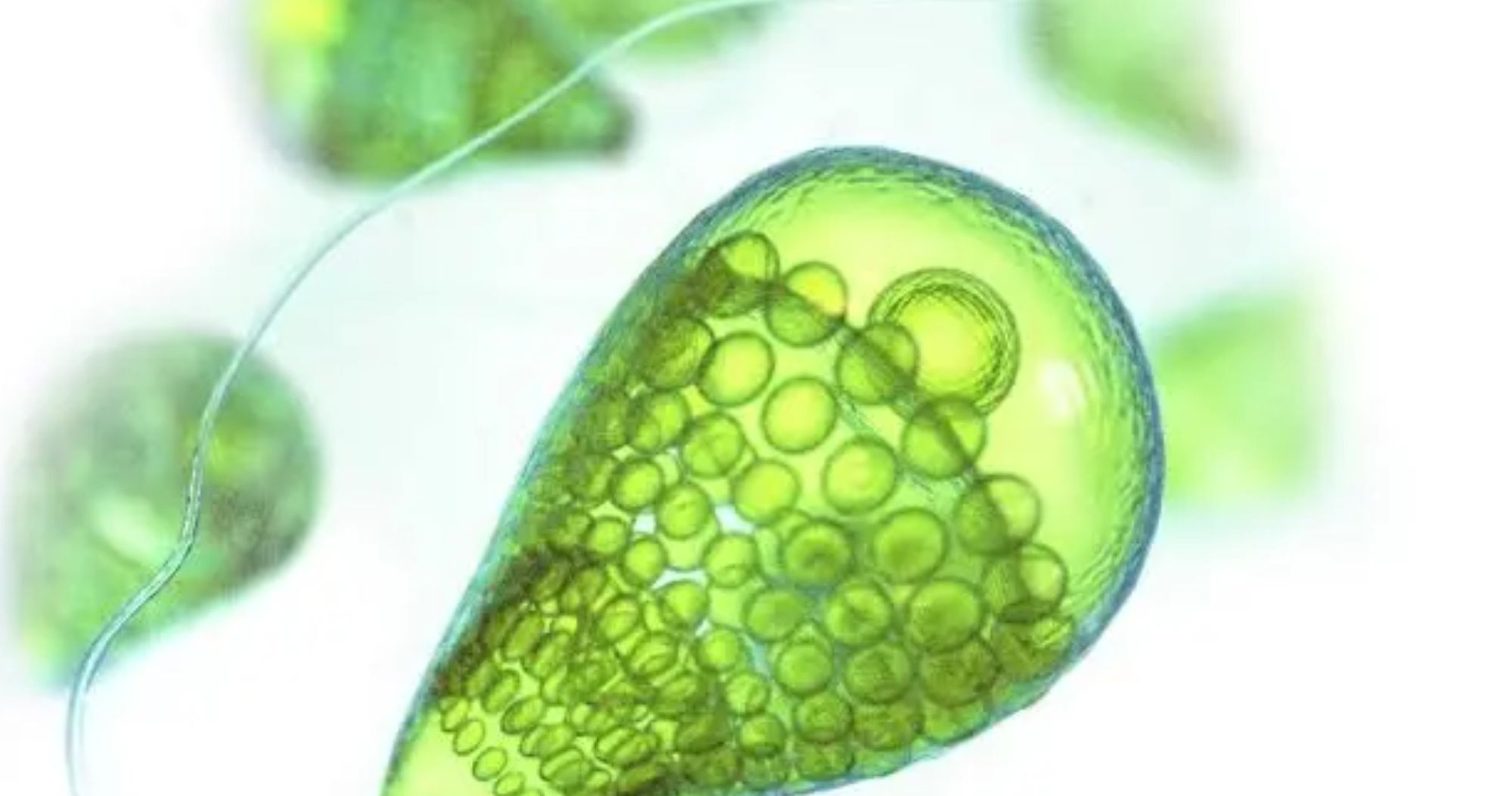
Interestingly, Spiurlina spirulina is not a new creature invented by man. This is one of the most ancient living on Earth.
It is its structural simplicity, strong adaptability and high survival performance that have helped Spirulina survive through billions of years of environmental upheaval. These characteristics, when viewed under a modern prism, are fully consistent with the needs of the future: sustainably sourced food, personalized nutrition (easily added to a variety of foods), and decentralized production (local small-scale farming is possible).
From space food to everyday meals
.jpg)
Spirulina has long been studied by the US Space Agency (NASA) and the European Space Agency (ESA) as a Ideal candidate for long-duration space missions. Thanks to its ability to provide many nutrients in small volumes, its ability to regenerate oxygen, absorb CO2 and use space efficiently, water in a closed ecological system shows outstanding resource optimization potential.
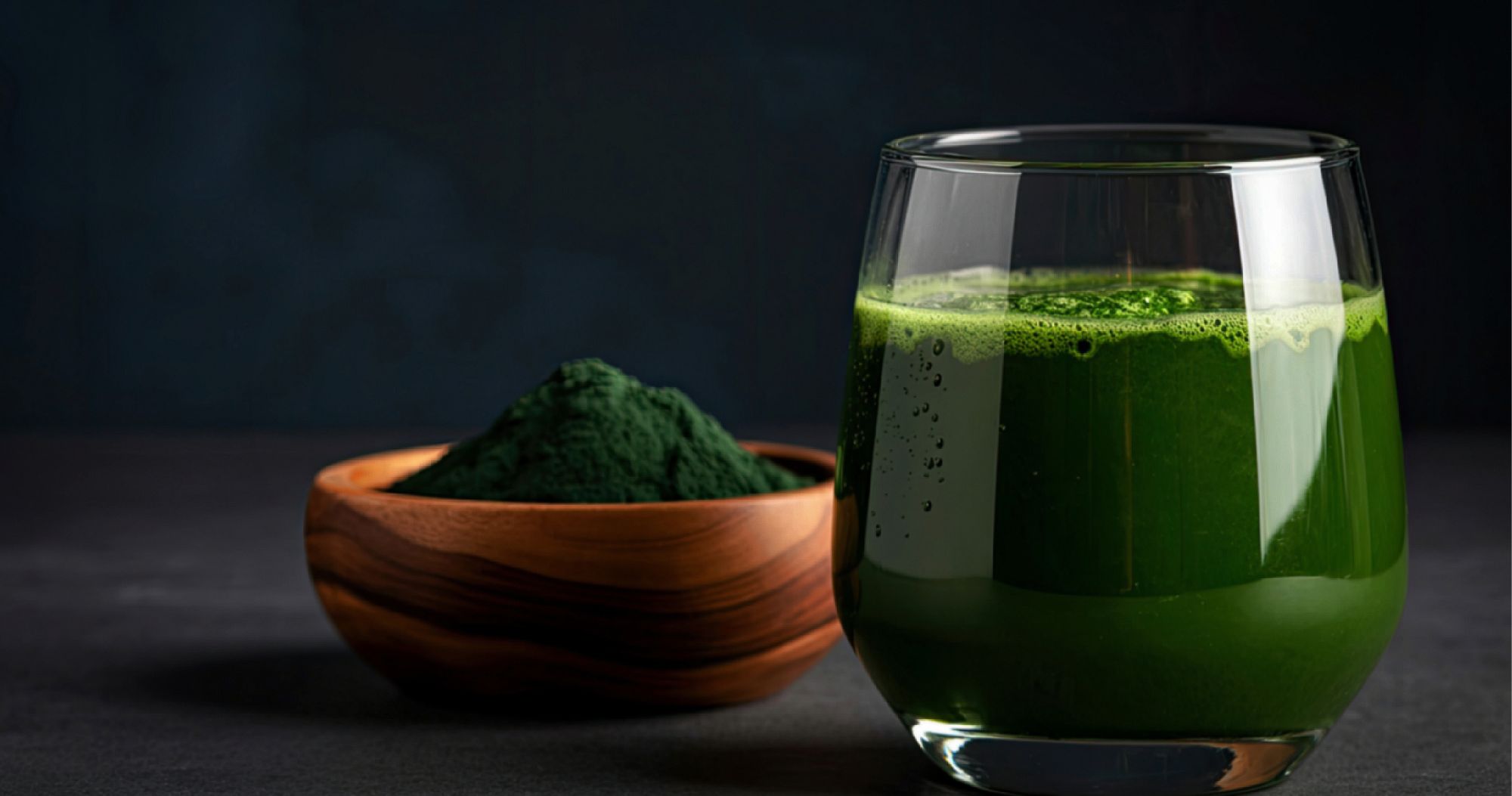
Today, thanks to technological advances, Spirulina has become closer to each other through the forms of capsules, compresses, smoothies, ingredients in instant noodles, energy bars or even natural coloring ingredients for food.
Is Spirulina really the “food of the future”?
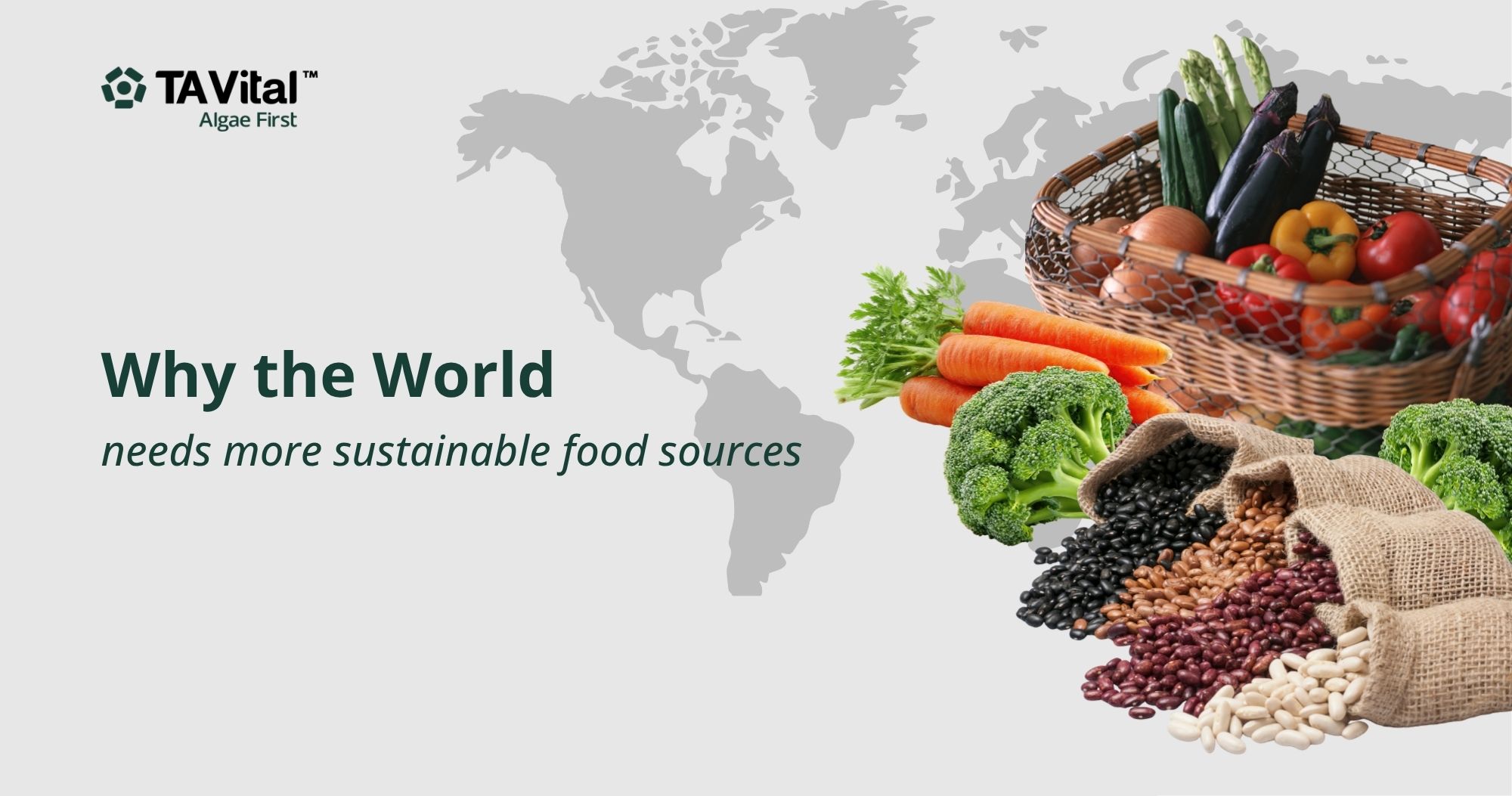
Spiurlina spirulina is not the only answer to every global nutritional or food problem. However, on the criteria of biology, performance and sustainability, Spirulina is clearly an important piece in the future nutritional picture.
In the future, as the population continues to grow and resources become increasingly depleted, efficient and resilient food production systems such as Spirulina cultivation will no longer be an option, but may become an indispensable part of the solution.

.png)
.png)



.jpg)





.jpg)

.jpg)



.jpg)


.png)
.png)
.jpg)
.jpg)






.jpg)

.jpg)


.jpg)
.jpg)


.jpg)



.jpg)




.png)




.jpg)



.jpg)