As age increases, the body ceases to function as before. The ability to absorb nutrients gradually decreases, resistance is weaker, and the feeling of fatigue is also more likely to appear more often. This is why many older people are beginning to take an active interest in nutritional supplements.
Among them, Spirulina (spirulina) is the name that is mentioned quite a lot due to its high nutritional content and convenient use. However, many people still wonder: should older people take spirulina every day, and if it is taken, is it really suitable for an aging body?
Nutritional needs of older adults

Changes in the body with age
When entering the older stage, the body undergoes many silent but noticeable changes. The ability to absorb nutrients in the intestine decreases, while the immune system also ceases to function as efficiently as before.
Another notable problem is the decline in muscle mass — which usually occurs with age. When muscles decrease, the body is easier to weaken, move less flexibly and get tired faster in everyday life.
Common nutritional problems
It is these changes that make it easier for older people to fall into nutritional deficiencies, especially proteins, vitamins and minerals.
Although eating is adequate, the body may not absorb it as before, leading to a feeling of weakness or a prolonged lack of energy.
What is Spirulina and is it suitable for older people?
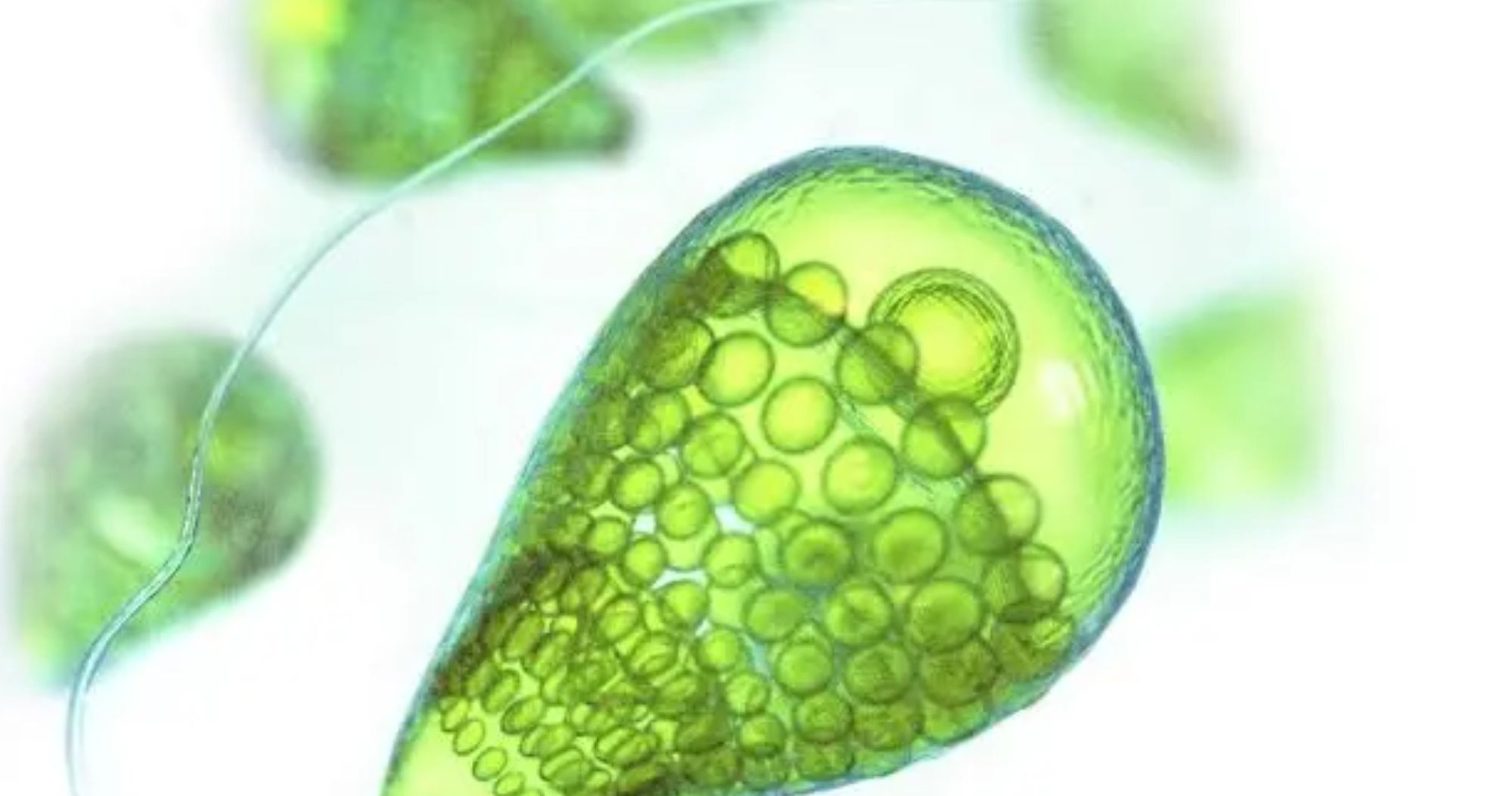
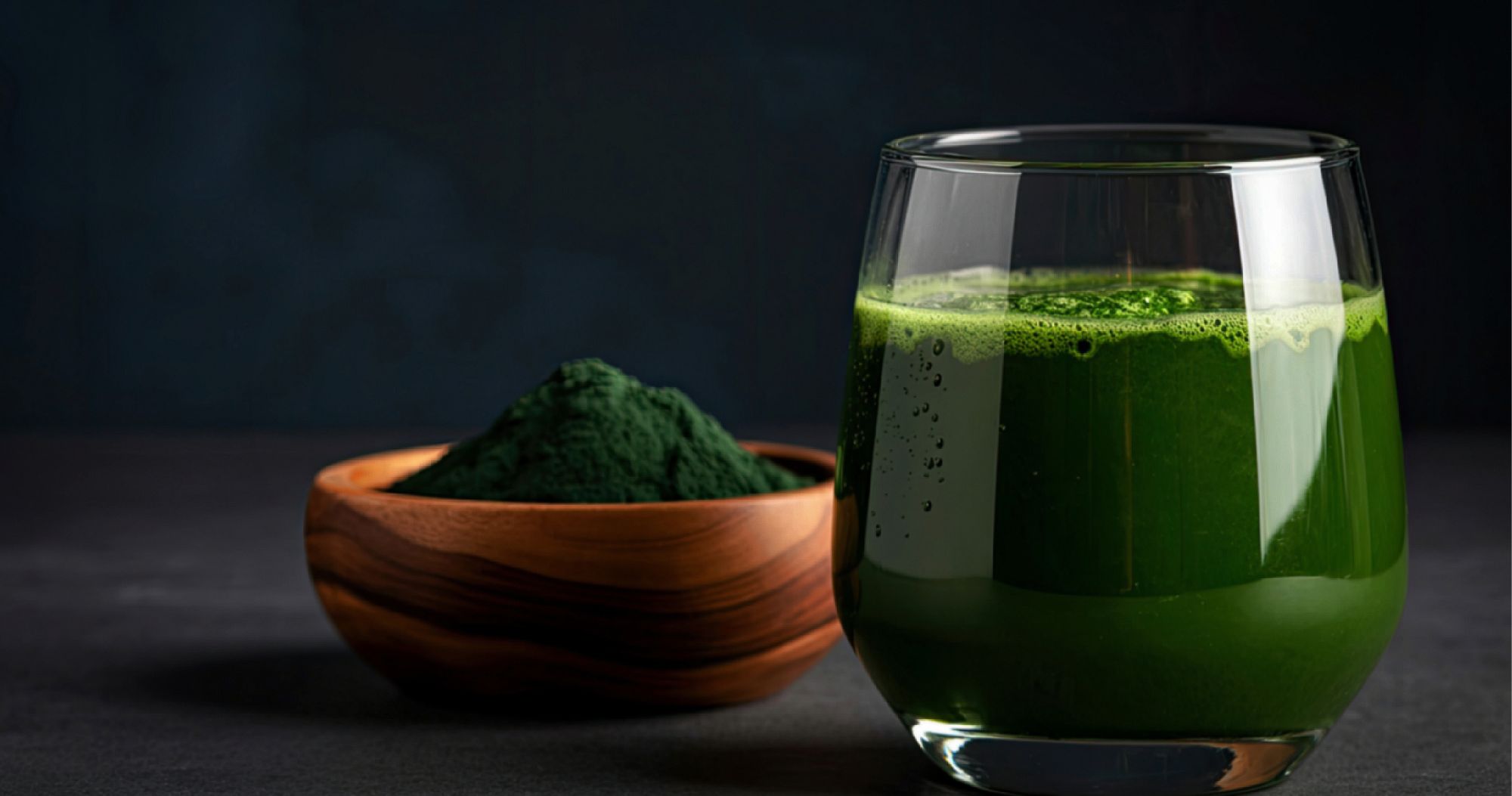
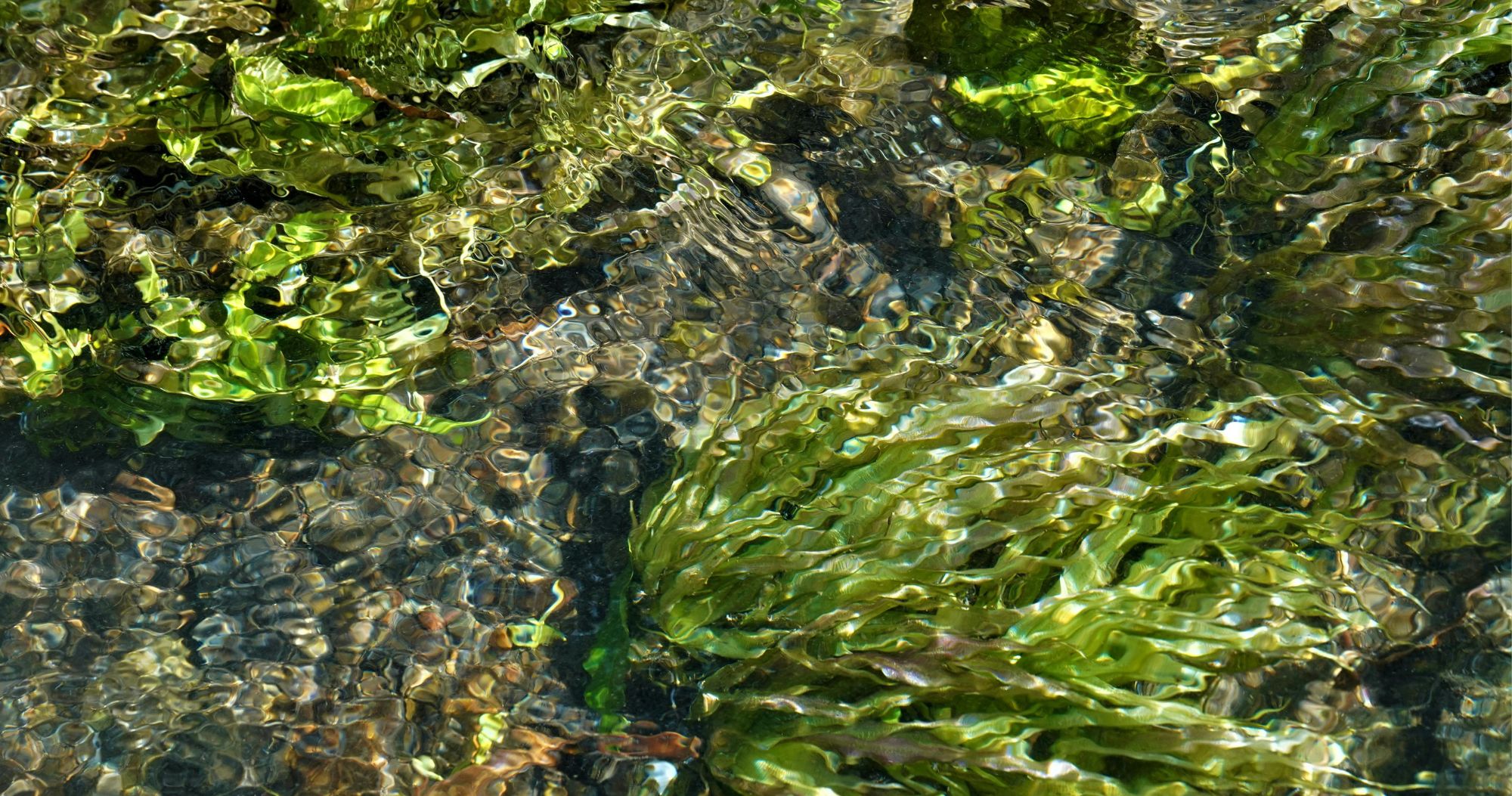
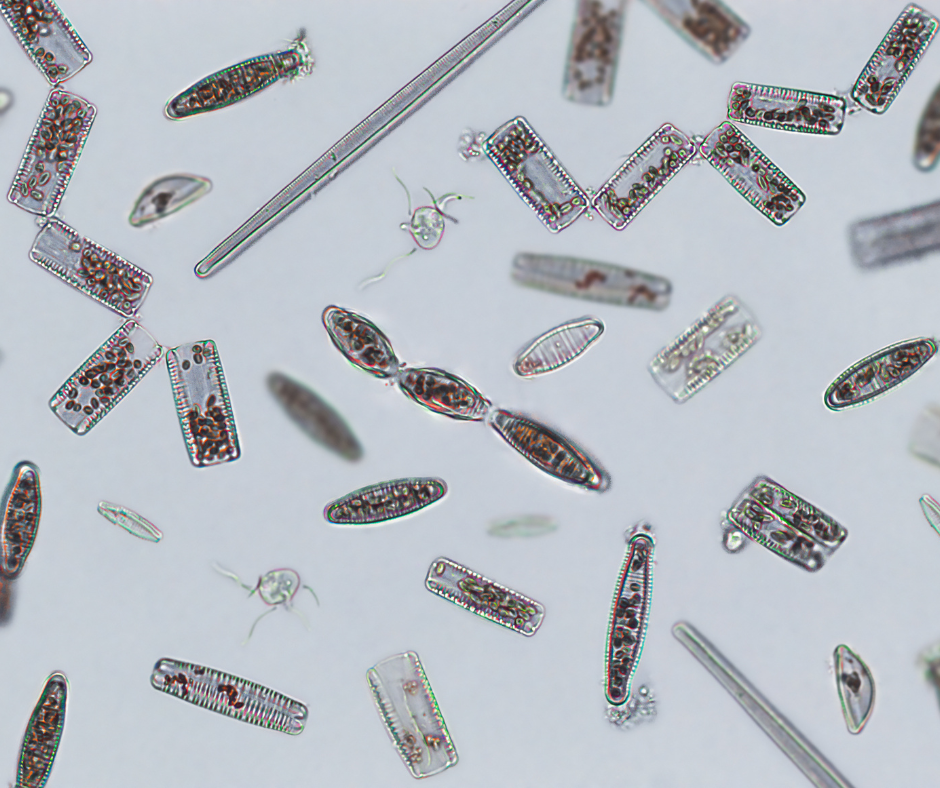
Spirulina is a nutrient-rich microalgae
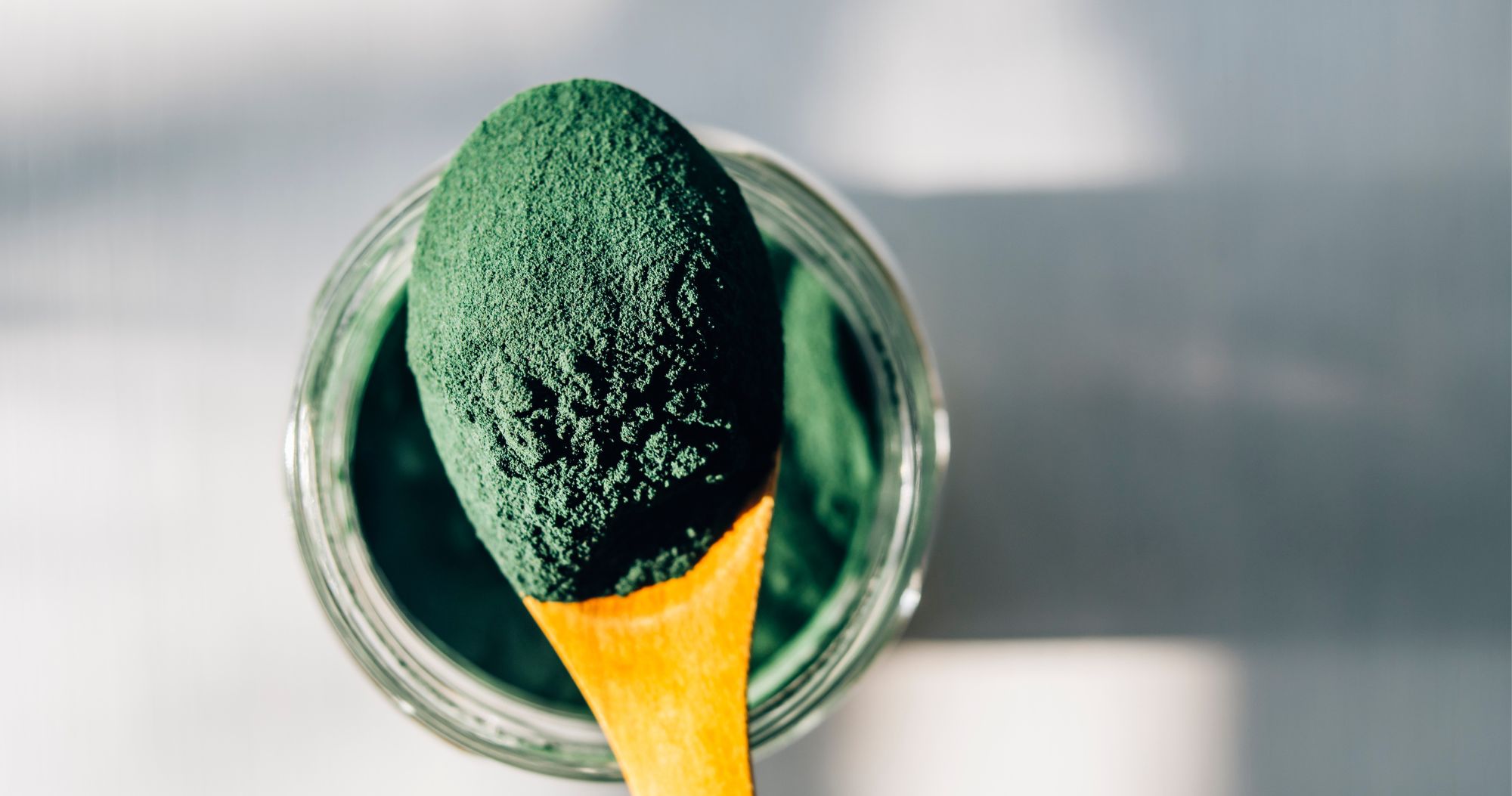
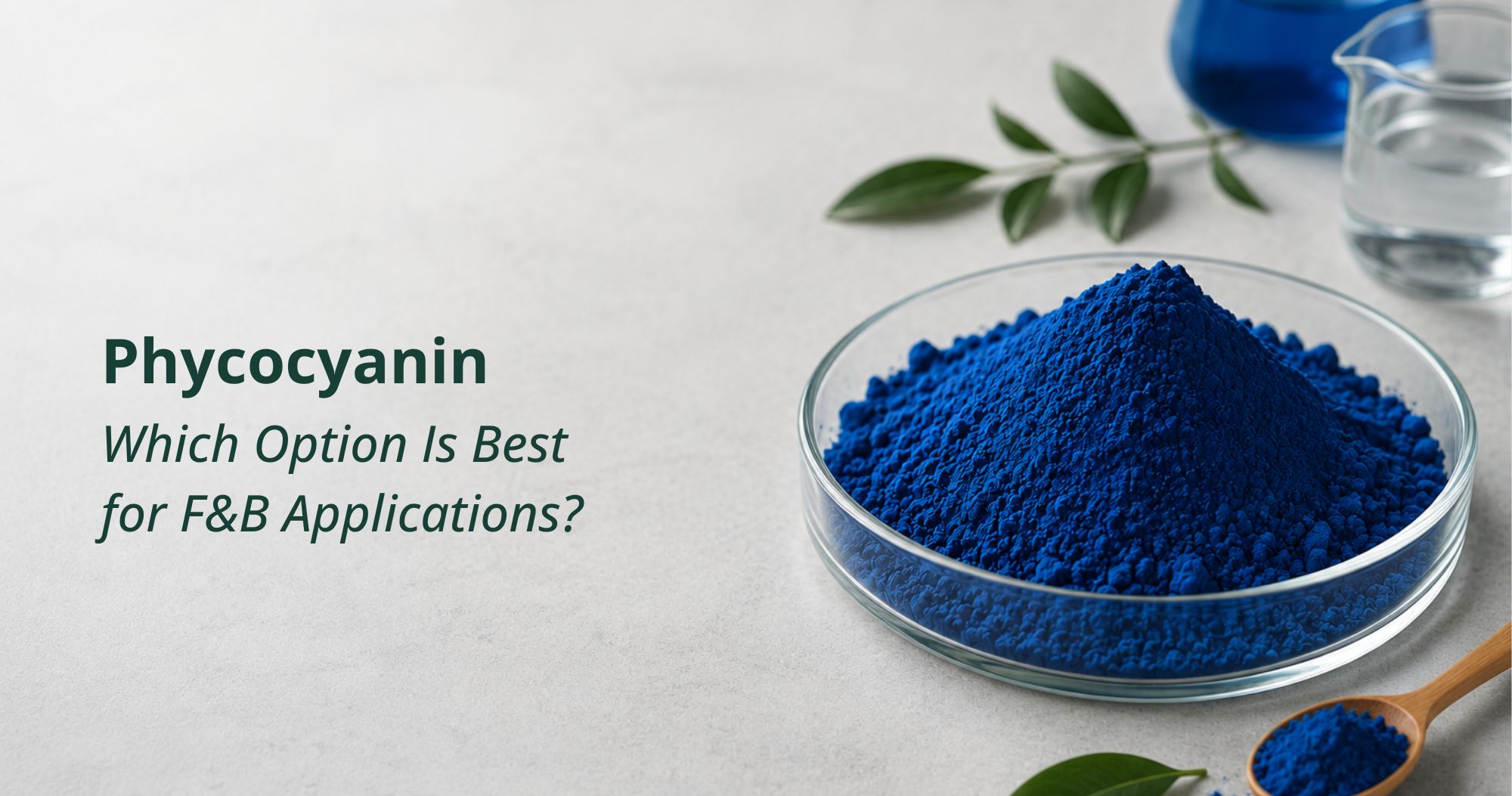
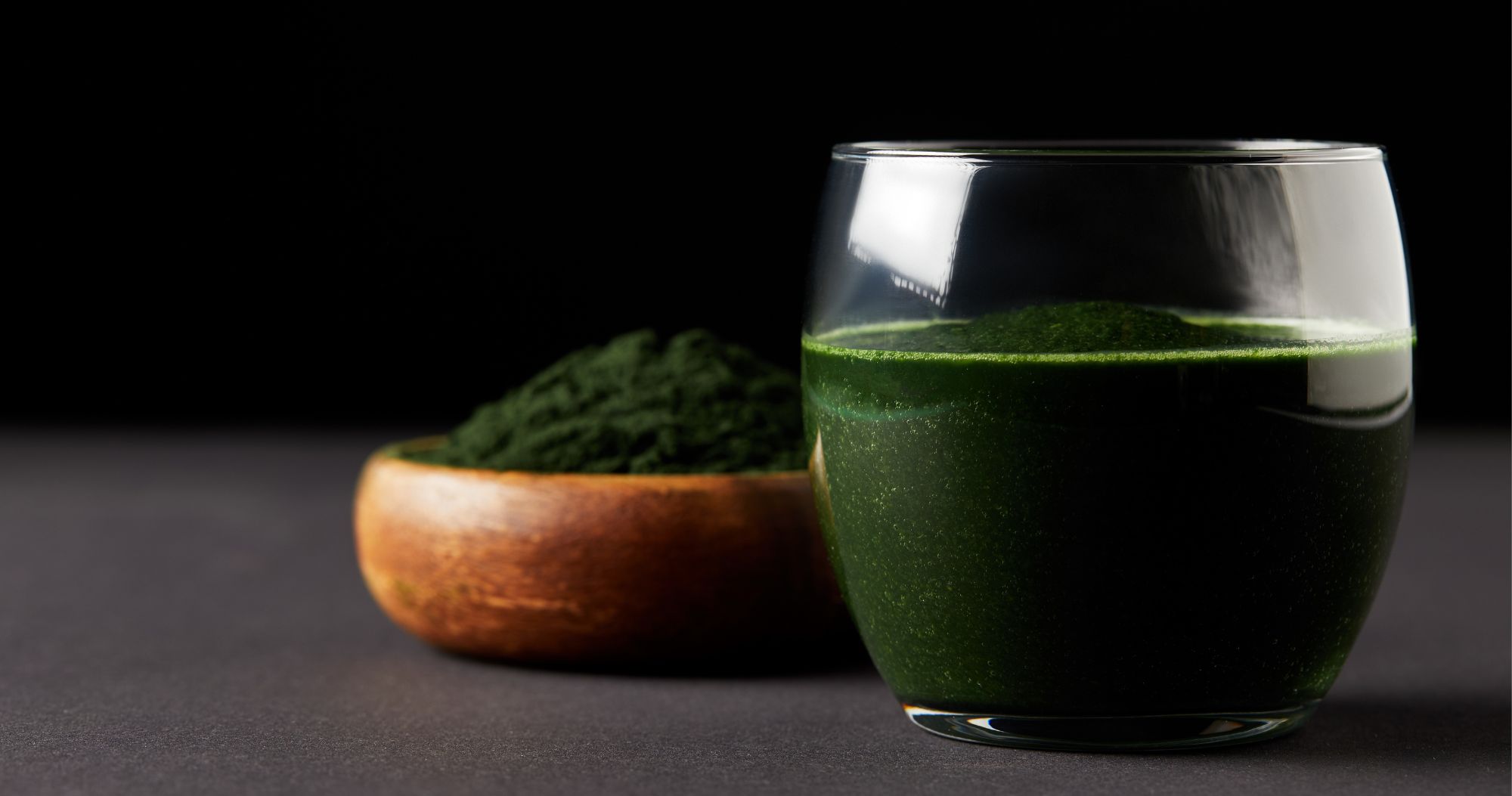
Spirulina is a microalgae with a high nutritional content, especially rich in protein, B vitamins, iron and antioxidant compounds such as phycocyanins.
What makes spirulina different is not only in the composition, but also in the fact that these nutrients exist in a relatively easily absorbed form.
Why is Spirulina Important for Older Adults?
With older people, it's not just a matter of eating enough, but whether the body absorbs it or not.
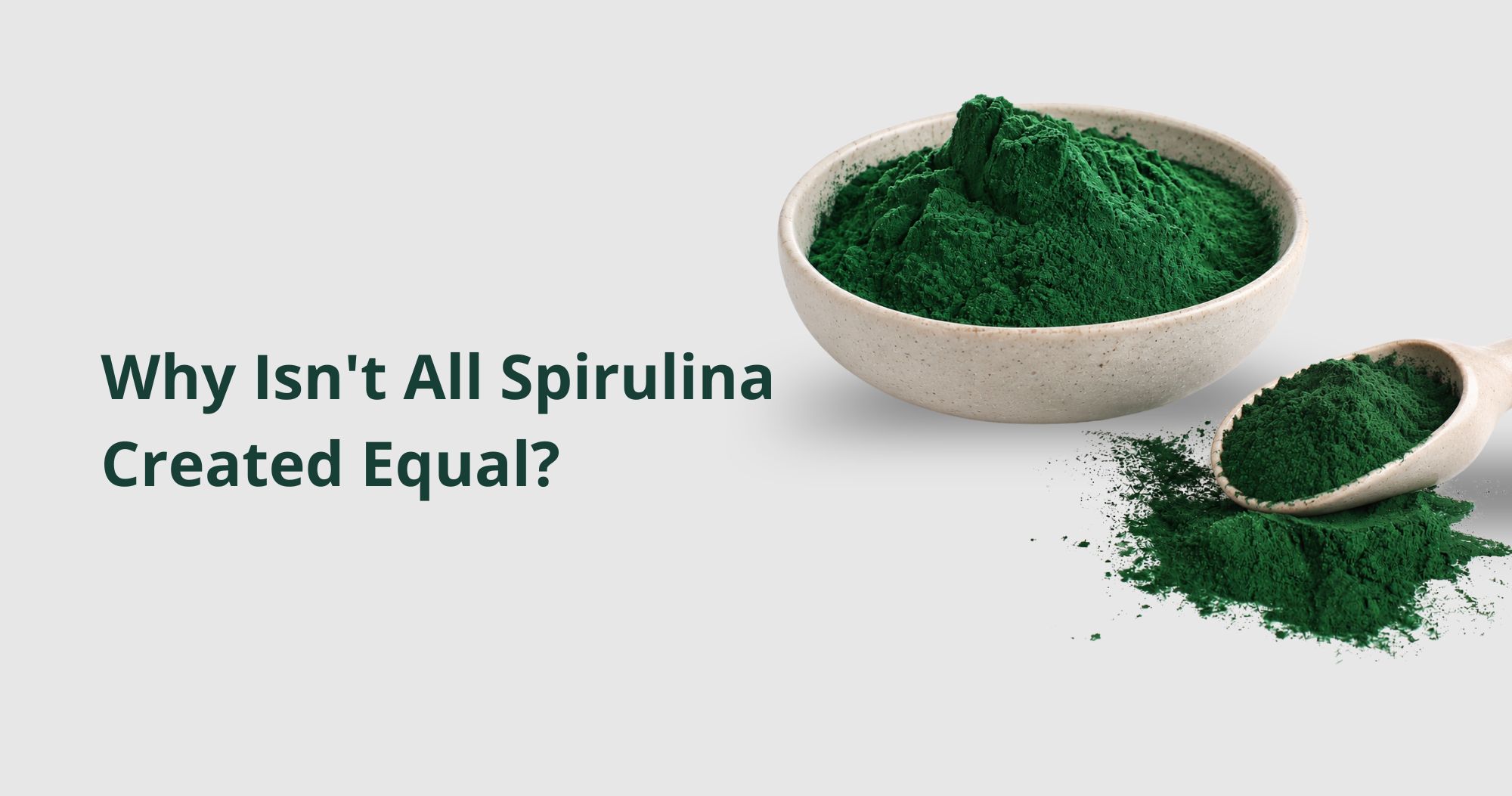
Spirulina meets this to a certain extent thanks to its simple structure, which does not have a hard cellulose wall like some other types of microalgae. In addition, the use in the form of tablets or powders also makes it easier for older adults to supplement.
Should older adults take Spirulina every day?
Older adults can take Spirulina every day, if used correctly and in accordance with the state of health.
This is a food supplement, not a medicine, and should be used as a support for overall nutrition.
Potential benefits of regular use
When used properly, spirulina can help to replenish the necessary nutrients, especially in cases where the diet is not adequate.
In addition, a regular supply of micronutrients can contribute to overall health support, helping the body maintain energy more stable and better adapt to the changes of age.
Benefits of Spirulina for Older Adults
Easily Absorbed Protein Supplements
Protein plays an important role in maintaining muscle mass. With older adults, the intake of easily absorbed protein can help limit muscle loss over time.
Supports the immune system
The microelements and biological compounds in spirulina contribute to supporting the immune system — a factor that often declines with age.
Supports cardiovascular health
Some studies suggest that spirulina may be associated with supporting blood lipid balance, which in turn contributes to maintaining cardiovascular health when combined with a healthy lifestyle.
Antioxidant
The aging process is associated with oxidative stress. The antioxidants in spirulina can help protect cells and support long-term health.

How to Use Spirulina for Older Adults
Older people should start with a low dosage for the body to get used to, then gradually adjust according to the condition.
The right time to use is usually in the morning or after meals to aid absorption. The tablet form is usually preferred because of its convenience and ease of use, while the powder form is suitable for those who can dispense.
Important notes when using
Spirulina can not replace therapeutic drugs or main meals. This is only an additional part in nutrition.
If there is a background disease or is taking medication, older people should consult a specialist before regular use. In addition, it is also important to choose products of clear origin and monitor the body's reaction.
Circumstances to be taken with caution
People with chronic diseases, are on drug treatment or have a sensitive background should use spirulina with more caution. Starting from a low dose and monitoring the reaction will help ensure safety.
Conclusion
Older adults can completely use spirulina every day, as long as it is taken correctly and in accordance with the state of health. This is an additional source of nutrients that can support the body during aging.
However, spirulina is not a complete alternative. When combined with a balanced diet and a healthy lifestyle, it really adds value on a long-term wellness journey.
.png)
.png)




.jpg)




.jpg)
.jpg)

.jpg)


.png)
.png)
.jpg)
.jpg)




.jpg)

.jpg)


.jpg)
.jpg)


.jpg)



.jpg)




.png)




.jpg)


.jpg)