On the journey to build muscle, most people typically focus on training and familiar protein sources like whey protein or meat. However, as the trend for natural nutrition grows, many are starting to look at more sustainably sourced "superfoods" – among them spirulina stands out.
With its high protein content and numerous essential micronutrients, spirulina is often mentioned as a supportive option for gym-goers or those who are physically active. But the crucial question is: can spirulina truly help build muscle, or is it merely a nutritional supplement?
How is muscle built?
Muscle growth doesn't happen "automatically" after a workout. It's the result of a complex biological process called Muscle Protein Synthesis (MPS).
When you train, especially with resistance, muscle fibers experience micro-damage. The body then uses protein and amino acids to repair and rebuild these fibers, helping them become larger and stronger.
This means that if insufficient raw materials, especially quality protein, are not supplied, the muscle-building process will not be effective. At the same time, post-workout recovery capacity also plays a decisive role, as muscles only grow when the body has adequate conditions for regeneration.
.jpg)
What is Spirulina and how does it relate to muscle growth?
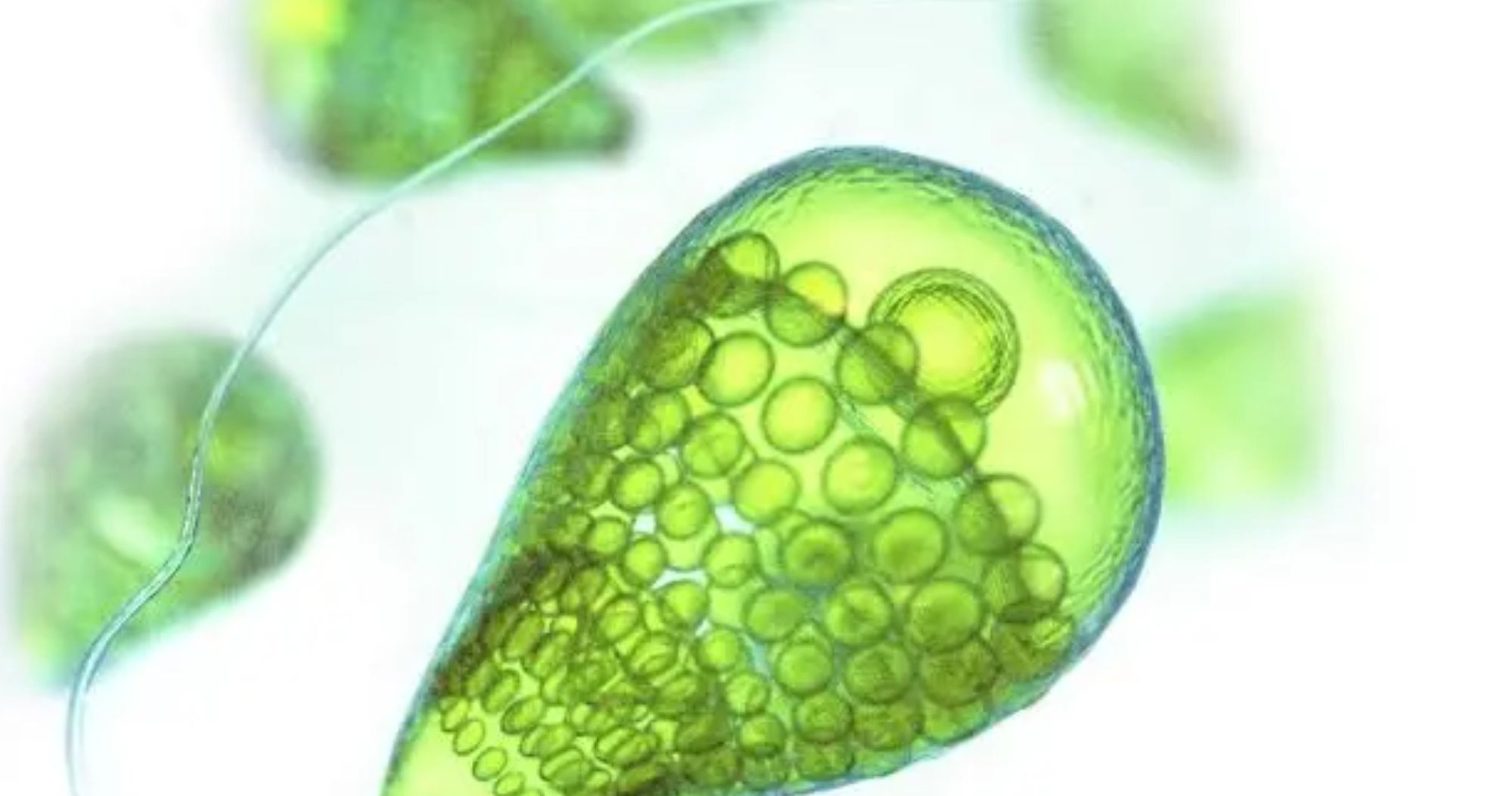
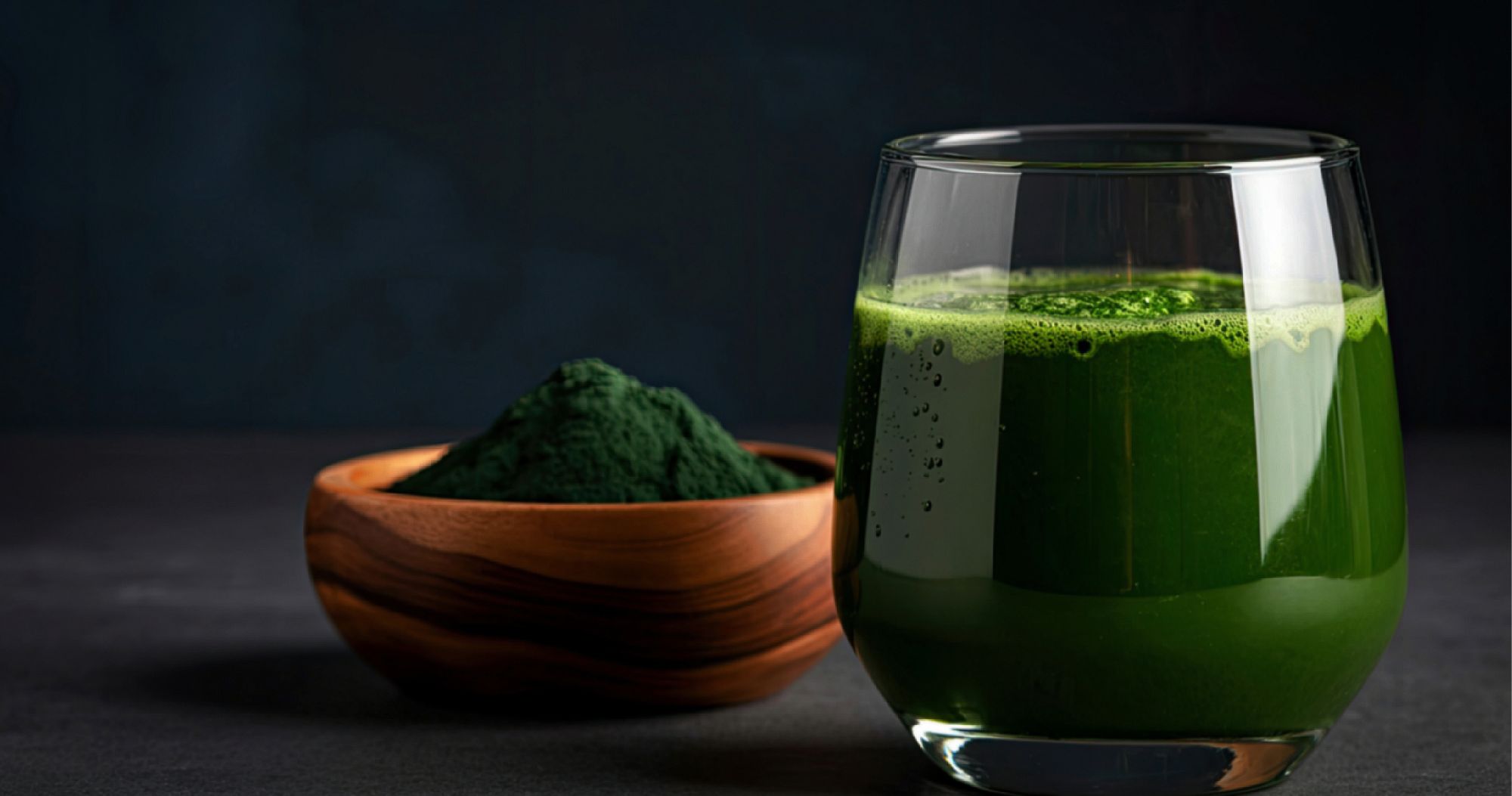
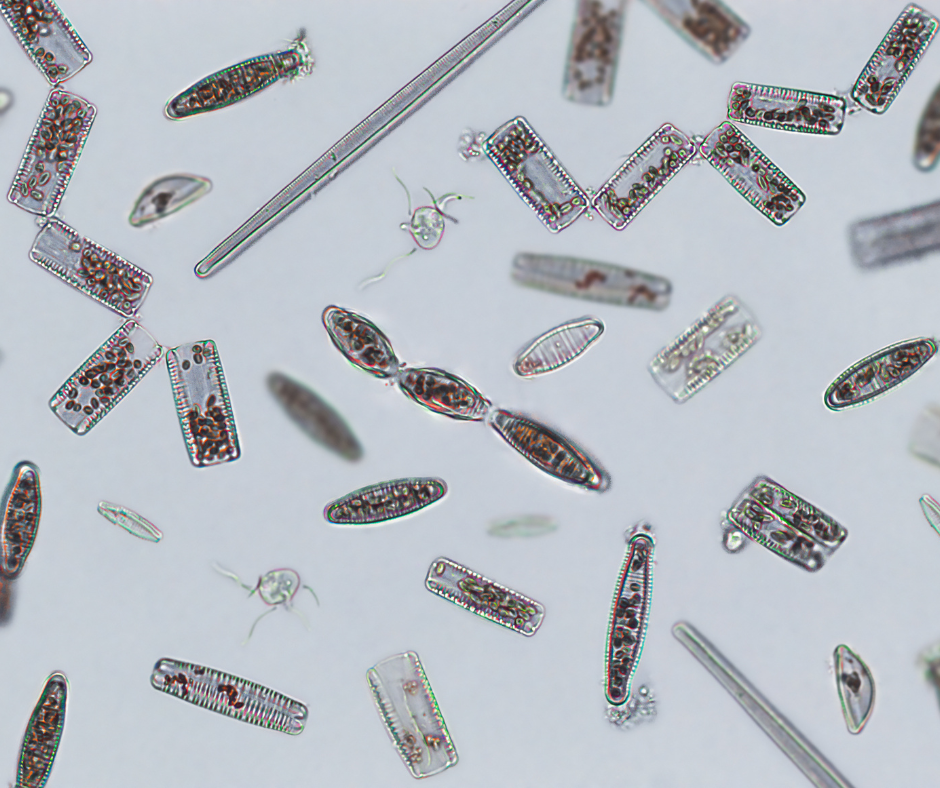
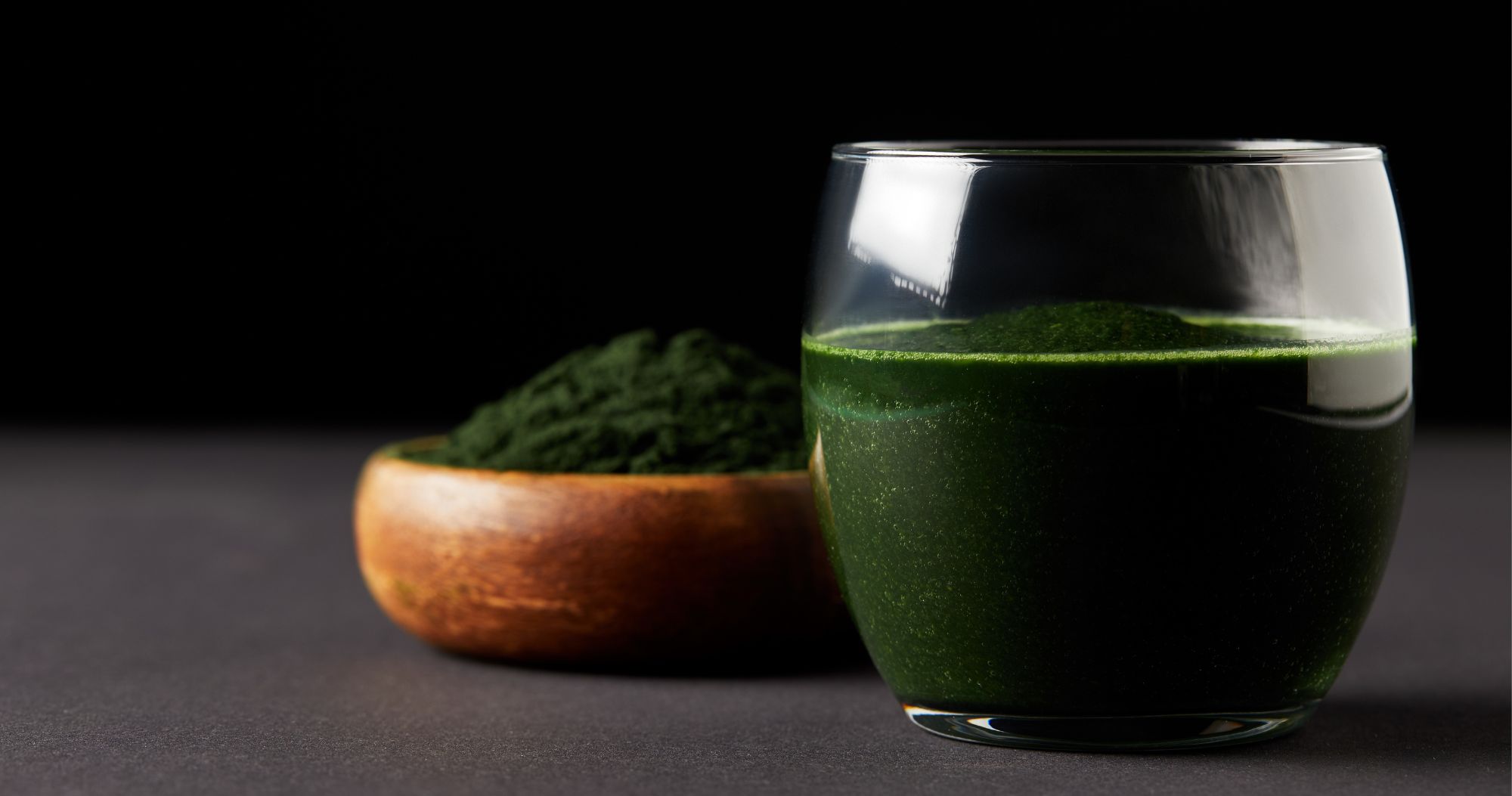
Spirulina (also known as spirulina) is a nutrient-rich microalga, notable for its protein content, which can make up 60–70% of its dry weight. This is a superior figure compared to many other natural food sources.
Beyond just protein, spirulina also provides B vitamins, iron, magnesium, and notably, phycocyanin – a powerful antioxidant compound capable of protecting cells from free radical damage.
It is this combination of protein and micronutrients that makes spirulina a potential candidate in the diet of those who train. However, it's crucial to understand correctly: spirulina's value lies not in replacing primary protein sources, but in its ability to provide comprehensive support for the body.
Does Spirulina help build muscle?
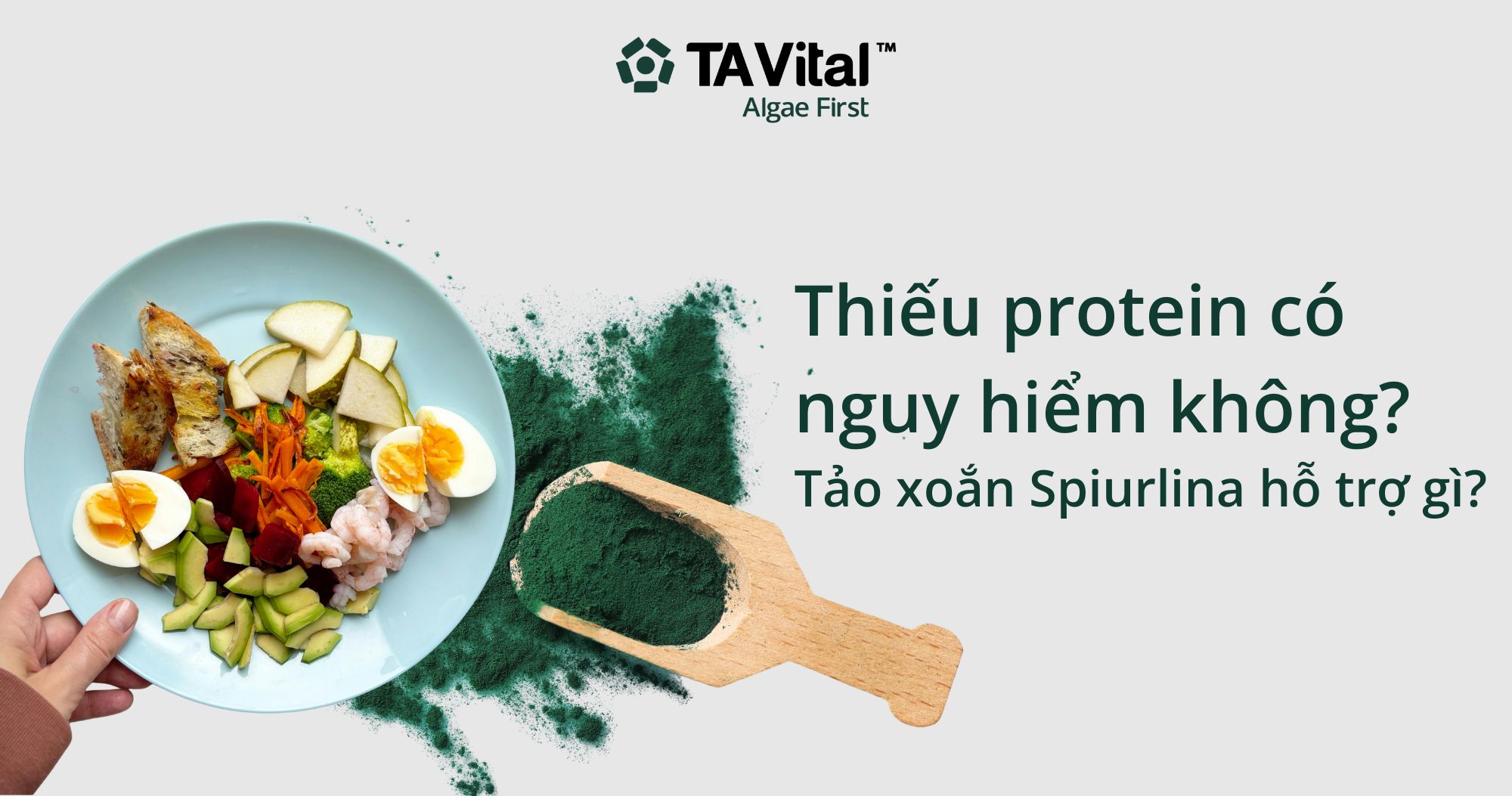
The key lies in the dosage. In practice, spirulina is typically consumed in doses of 1–3g per day. With a protein content of approximately 60–70%, the amount of protein you receive is only about 1-2g, which is a very small figure compared to daily requirements (typically 50-100g depending on physique and activity level).
Therefore, expecting spirulina to completely replace whey protein or other protein-rich foods is a common misconception.
How Spirulina supports muscle growth
Spirulina still plays a notable role in the muscle growth process through several indirect but important mechanisms.
First, spirulina provides a certain amount of amino acids, which helps supply additional building blocks for muscle protein synthesis. While not enough to strongly activate MPS like whey protein, it still contributes to support, especially in nutritionally deficient diets.
More importantly, spirulina has the ability to reduce post-workout oxidative stress. During high-intensity exercise, the body produces many free radicals that cause cell damage and slow down the recovery process. Phycocyanin in spirulina can help neutralize these free radicals, thereby reducing damage and supporting faster muscle recovery.
Additionally, the B vitamins in spirulina play a crucial role in energy metabolism, helping the body efficiently utilize nutrients and maintain more stable workout performance.
Some studies also suggest that spirulina can improve endurance and reduce fatigue, thereby indirectly helping you train more effectively – a core factor for muscle development.
Who should use Spirulina when working out?
Spirulina is particularly suitable for those who want to optimize overall nutrition rather than just focusing on protein, such as:
- Gym-goers
- Athletes
- Vegetarians
- People with unbalanced diets
Spirulina acts as a “nutritional booster,” helping the body function more efficiently.

How to use Spirulina to support muscle growth
To fully leverage the benefits of spirulina, it's important to use it correctly and with realistic expectations.
Common dosages range from 1-3g per day. You can take it in the morning for energy support, or post-workout to contribute to the recovery process. However, it should always be combined with protein-rich foods like meat, eggs, and dairy to ensure your body's needs are met.
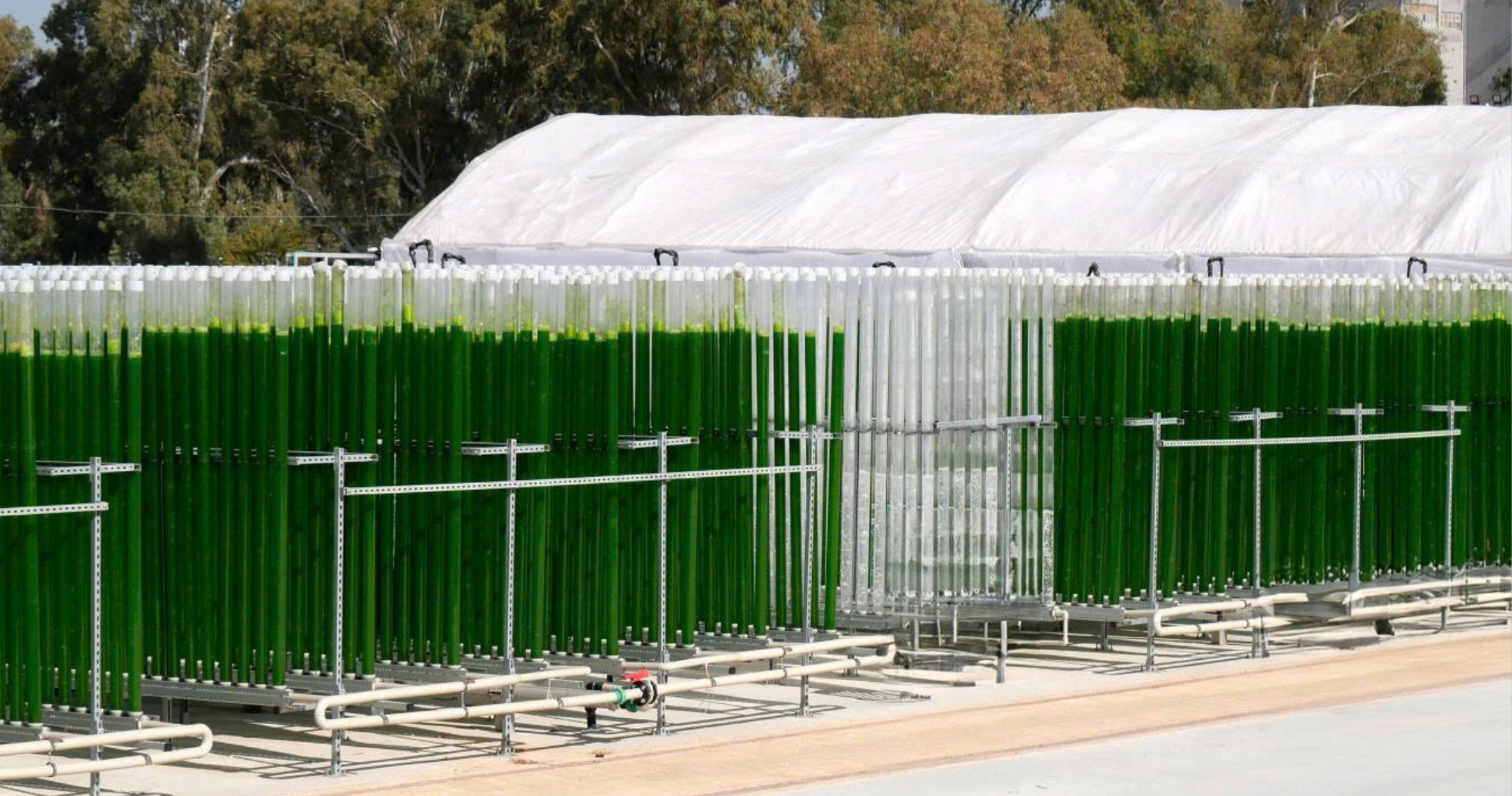
Another often-overlooked factor is product quality. Since spirulina is a microalga capable of absorbing its cultivation environment, its origin and production process directly impact its nutritional value and safety for consumption.
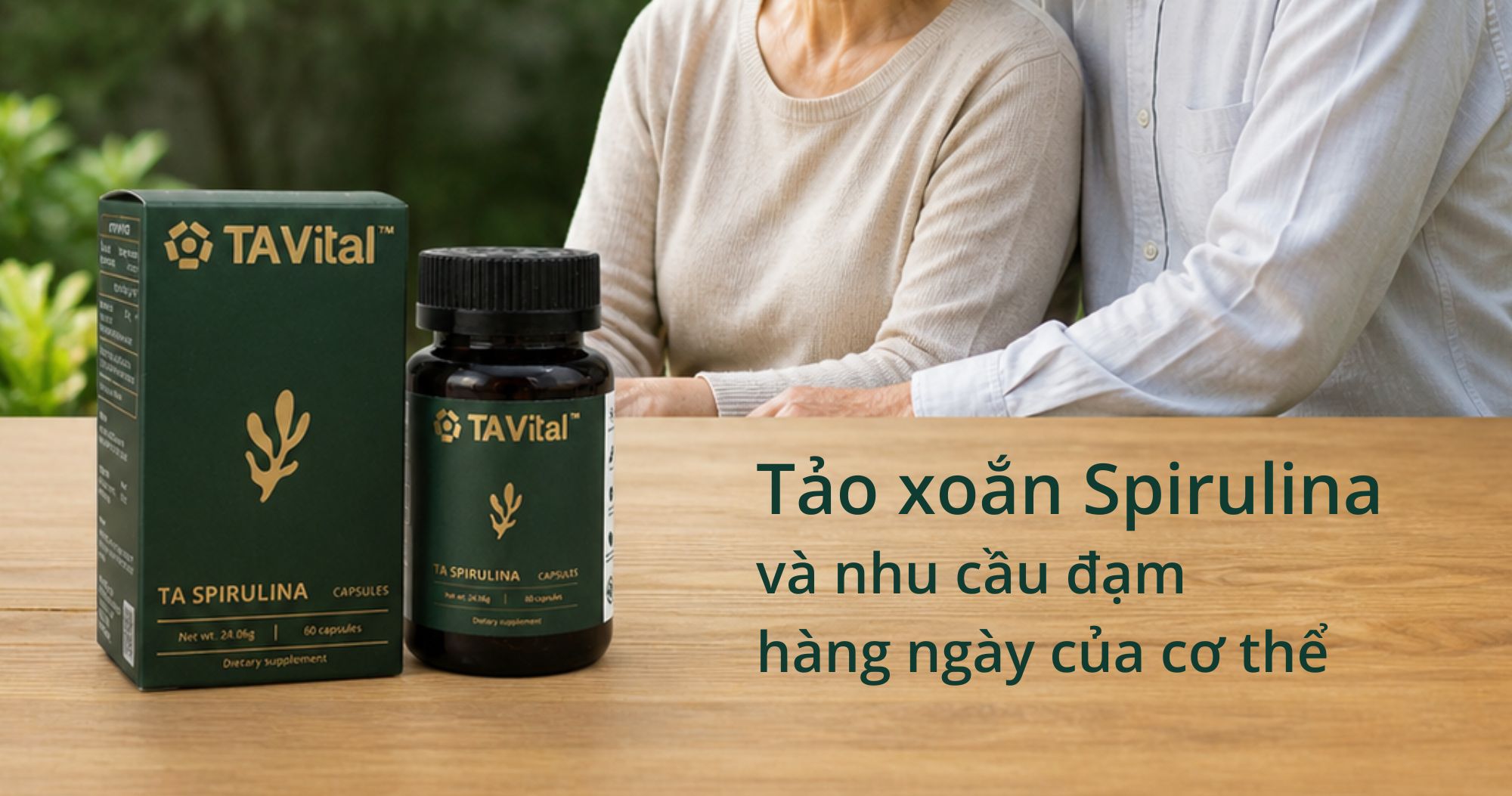
With TA Spirulina, just 2 capsules a day can easily supplement your daily nutrition without taking up too much time or worrying about long-term consistency.
Conclusion
Spirulina is a valuable piece in the comprehensive nutritional puzzle for those who exercise. With its antioxidant properties, recovery support, and provision of essential micronutrients, spirulina helps the body create a favorable environment for muscle growth.


.png)
.png)




.jpg)




.jpg)
.jpg)



.jpg)


.png)
.png)
.jpg)
.jpg)




.jpg)

.jpg)


.jpg)
.jpg)


.jpg)



.jpg)




.png)





.jpg)



.jpg)