Protein is one of the fundamental nutrients that helps the body sustain life. From building and repairing cells, producing enzymes and hormones, to supporting the immune system – all require protein.
However, it's quite common for many people not to know how much protein they need daily. Some consume too little without realizing it, leading to fatigue and declining health. Conversely, others supplement excessively, thinking "the more, the better."
So, what is the actual protein requirement? And how can you determine the right amount for your body without overly complex calculations?
Basic Protein Requirements of the Body
According to international nutritional recommendations, the minimum protein intake to maintain basic bodily functions is approximately 0.8g per kilogram of body weight per day.
This level helps the body maintain essential life functions such as cell regeneration and metabolic activity.
Protein Requirements by Individual
Protein requirements are not the same for everyone. They vary depending on lifestyle, age, and physical condition.
For sedentary individuals, 0.8–1g/kg per day is usually sufficient to maintain stable health.
Individuals with higher physical activity levels or those needing recovery may require more protein, ranging from 1.2-2g/kg. This level provides the body with enough building blocks for effective regeneration and function maintenance.
For weight management, protein plays a crucial role in preserving muscle mass and promoting satiety, with requirements typically around 1.2-1.6g/kg.
For older adults, protein requirements also slightly increase, to about 1-1.2g/kg, to help mitigate muscle loss and support overall health.
How to Calculate Daily Protein Intake
You don't need a complex formula to know how much protein you need. Just apply a simple principle:
Protein intake (g/day) = body weight (kg) × appropriate factor
For example, a person weighing 60kg:
If maintaining a normal activity level, the requirement is approximately 48-60g of protein per day. If increased nutrition or recovery is needed, this number may be higher depending on the individual's condition.
Understanding this number helps you proactively adjust your diet instead of eating intuitively.
What Happens When the Body Lacks Protein?
Protein deficiency isn't always immediately obvious, but its effects can be quite far-reaching.
You might experience persistent fatigue, low energy, and difficulty concentrating. Your skin, hair, and nails may also become weaker. A weakened immune system makes your body more susceptible to illness and slower to recover.
In the long term, protein deficiency can also lead to muscle loss and affect many vital bodily functions.
Is eating too much protein good for you?
Conversely, consuming too much protein doesn't necessarily mean your body will be healthier.
When protein intake exceeds your needs, the excess can still be converted into energy and stored as fat. In some cases, consistently consuming too much protein over a long period can put a strain on the excretory system, especially in individuals with pre-existing health conditions.
Therefore, the key isn't to eat a lot, but to eat enough and appropriately.
Good protein sources in your diet
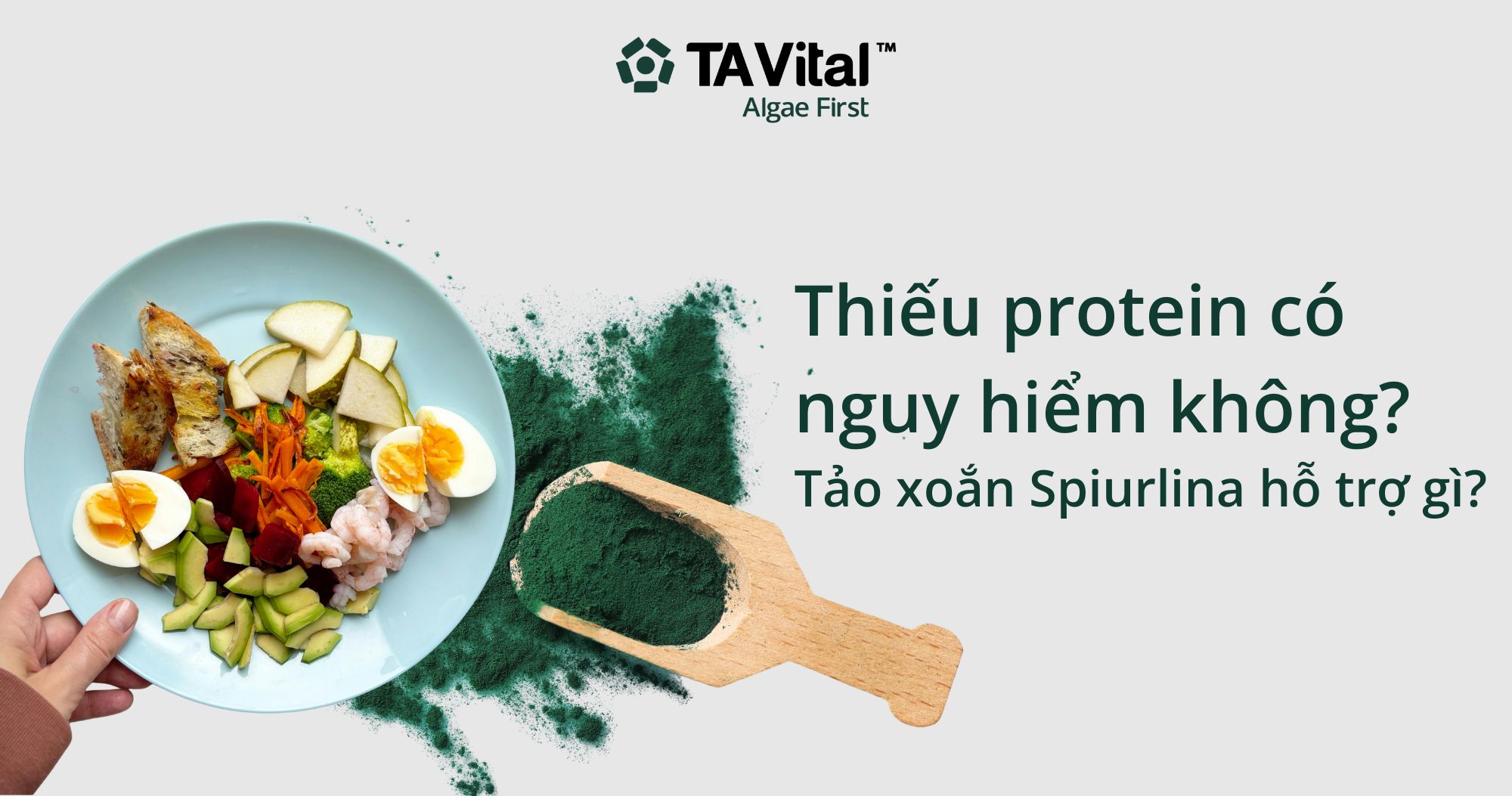
Protein can be sourced from various places, and each type plays a unique role in your diet.
Animal protein sources like meat, fish, and eggs typically provide all essential amino acids and are easily absorbed.
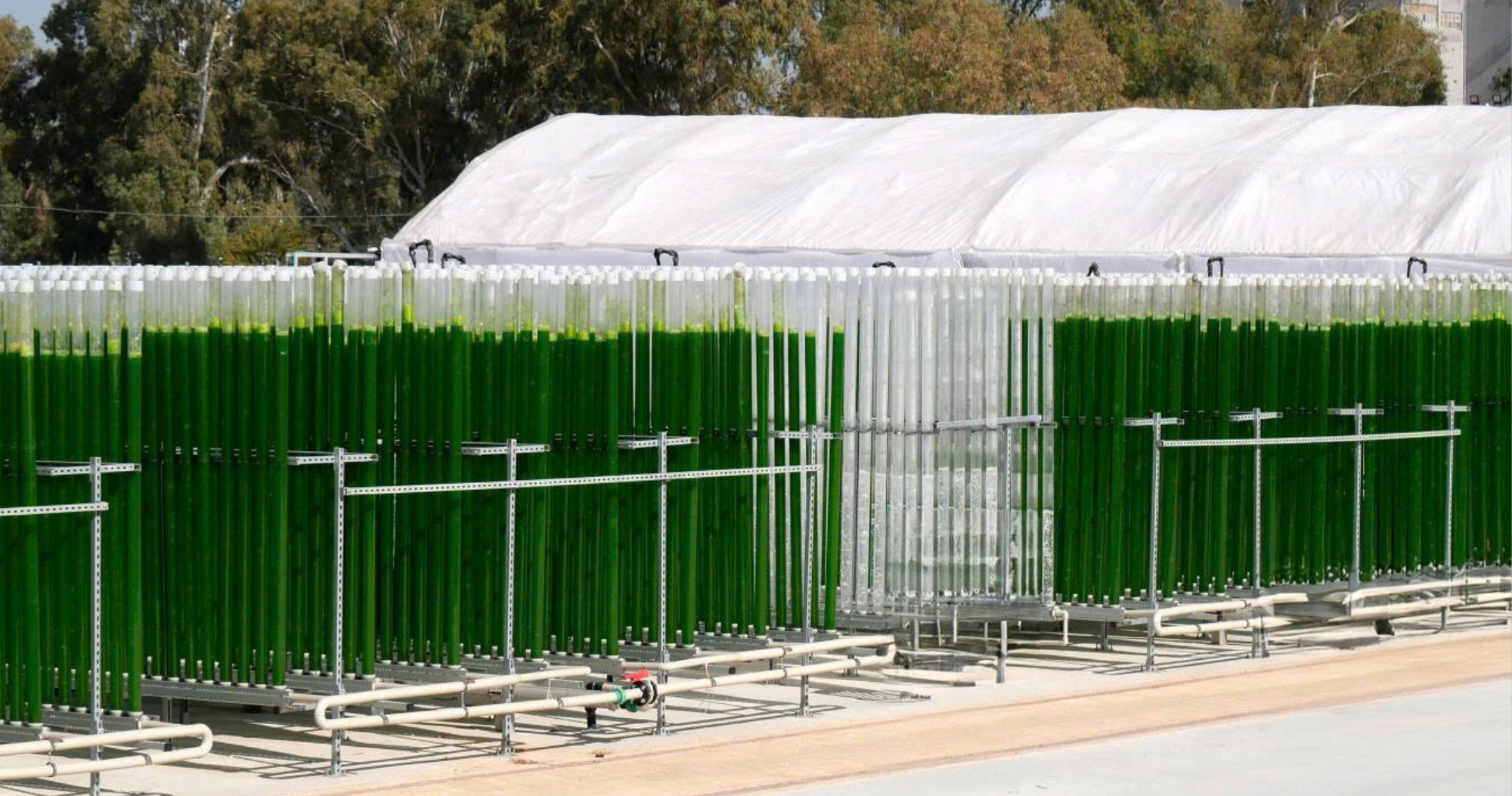
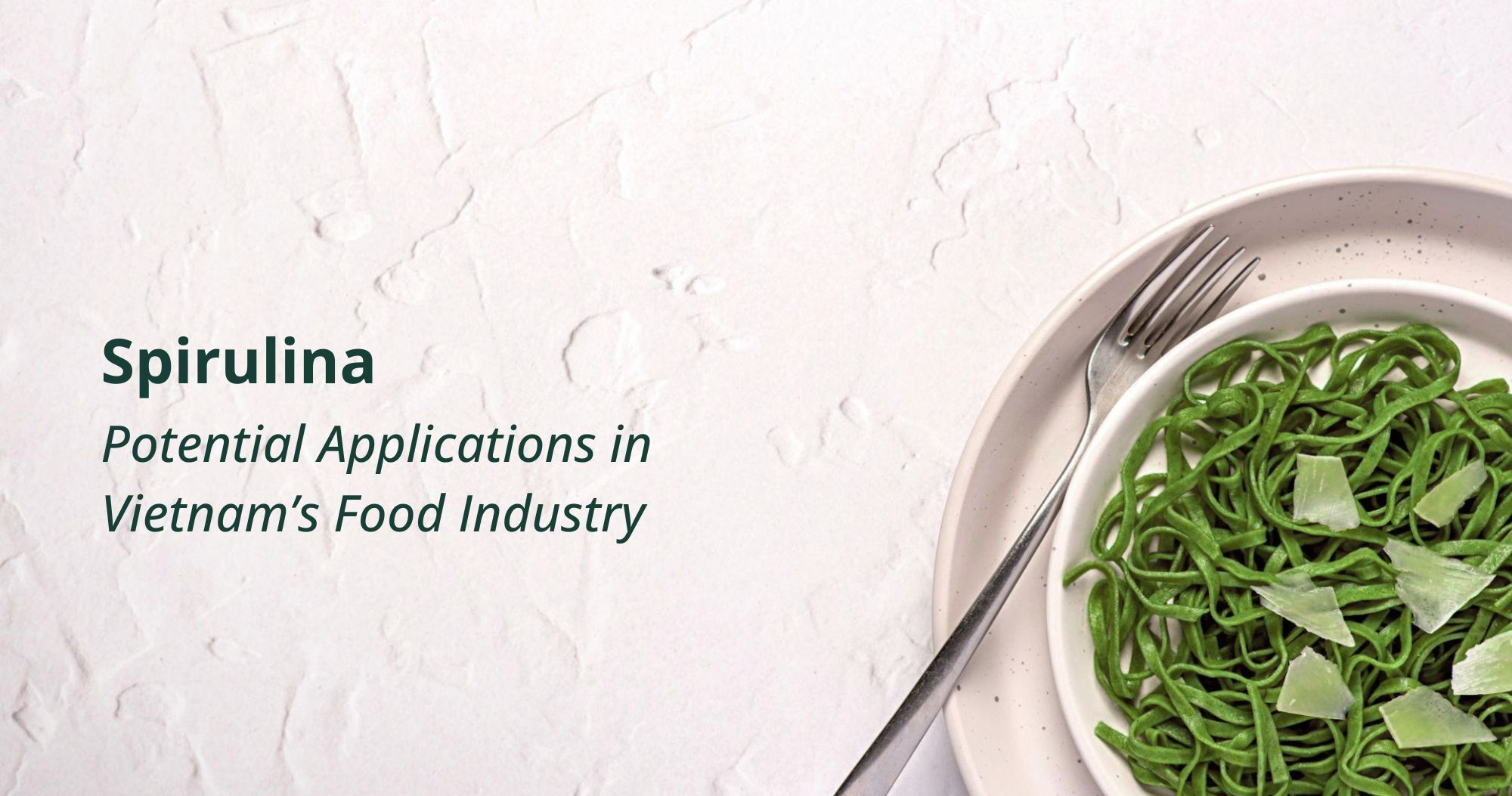
Meanwhile, plant proteins from legumes and nuts offer cardiovascular benefits and sustainability. Additionally, microalgae like spirulina are gaining attention due to their high nutrient density in a very small amount.
What role does Spirulina play in protein supplementation?
.png)
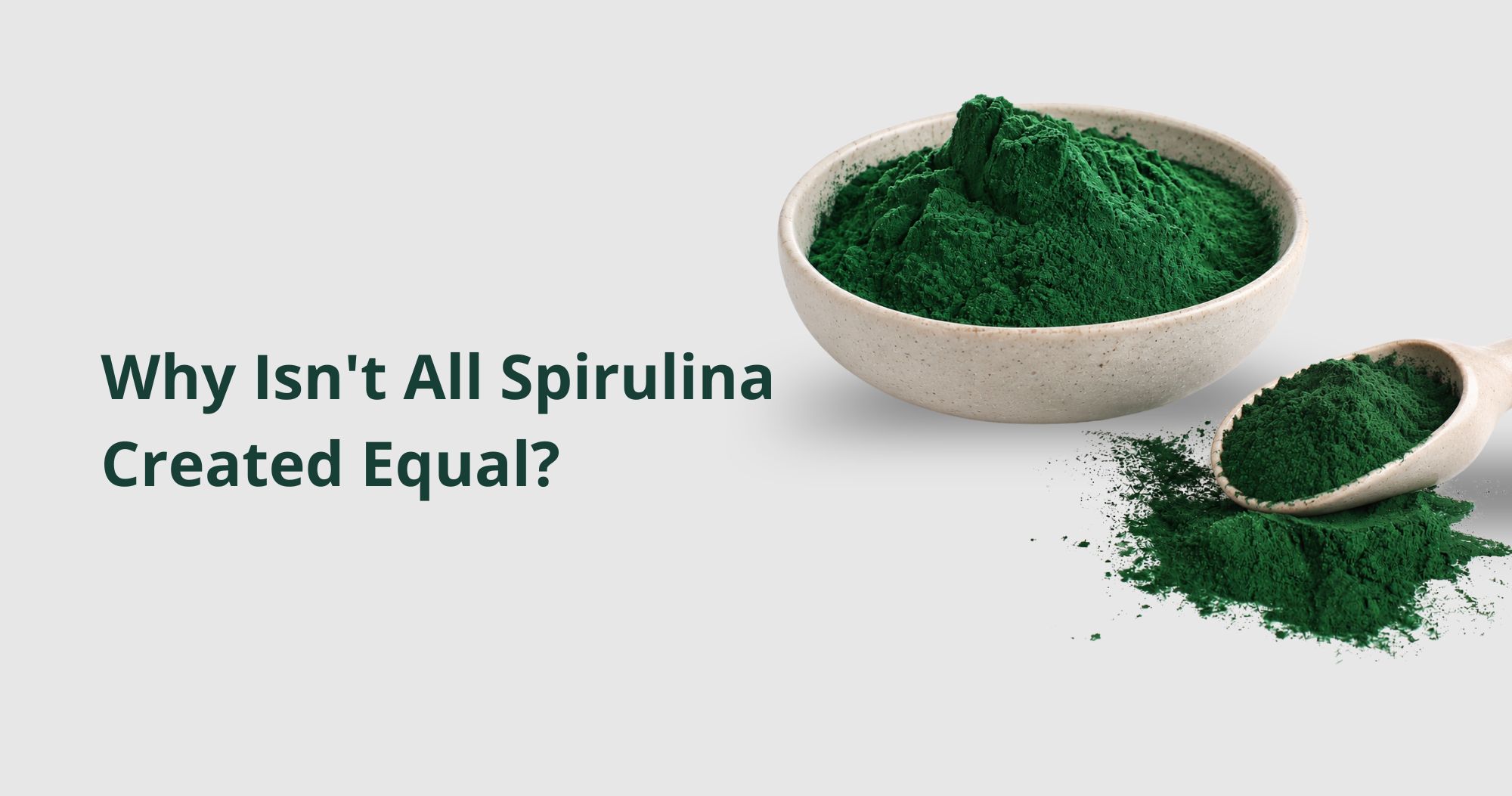
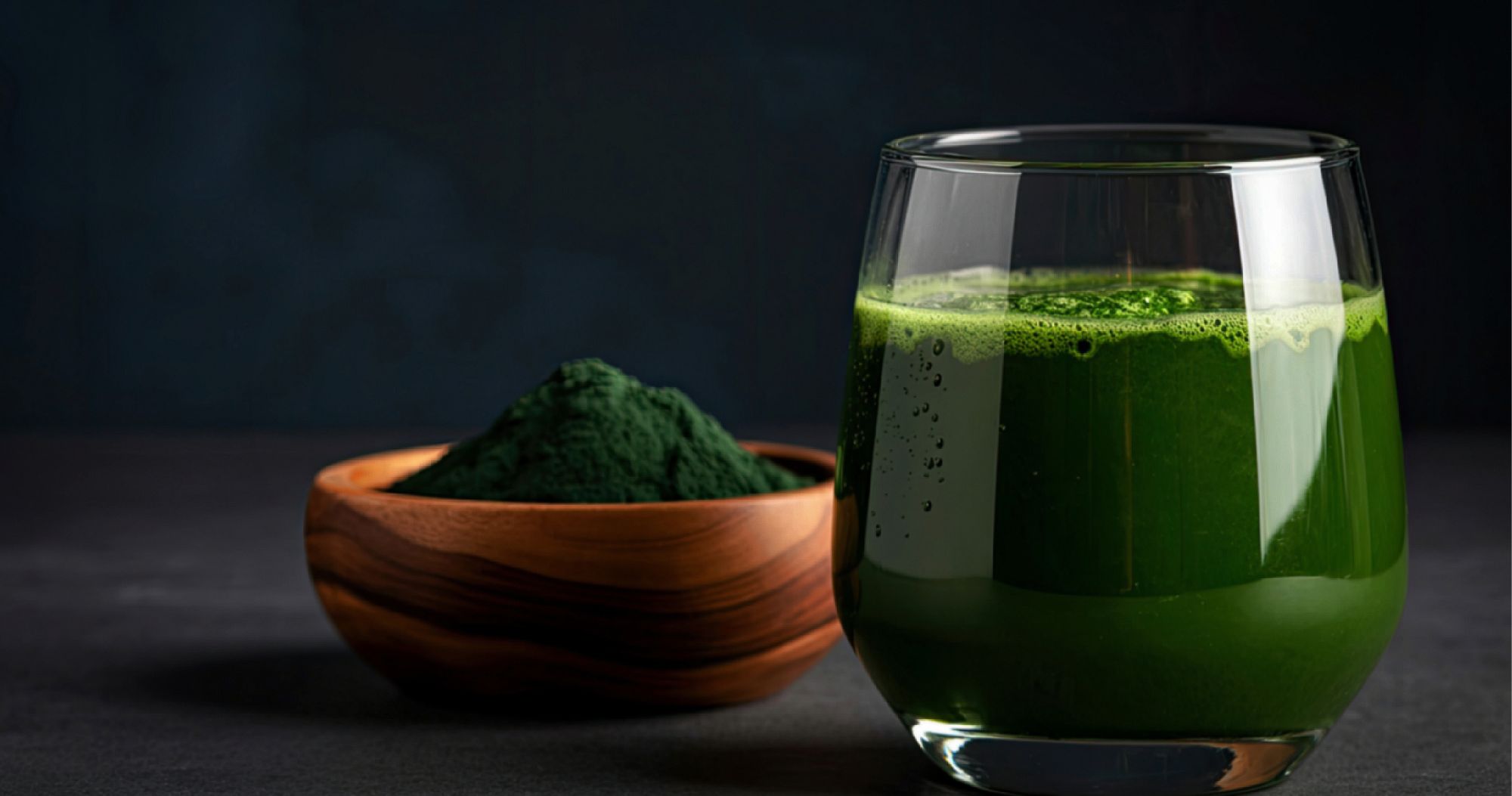
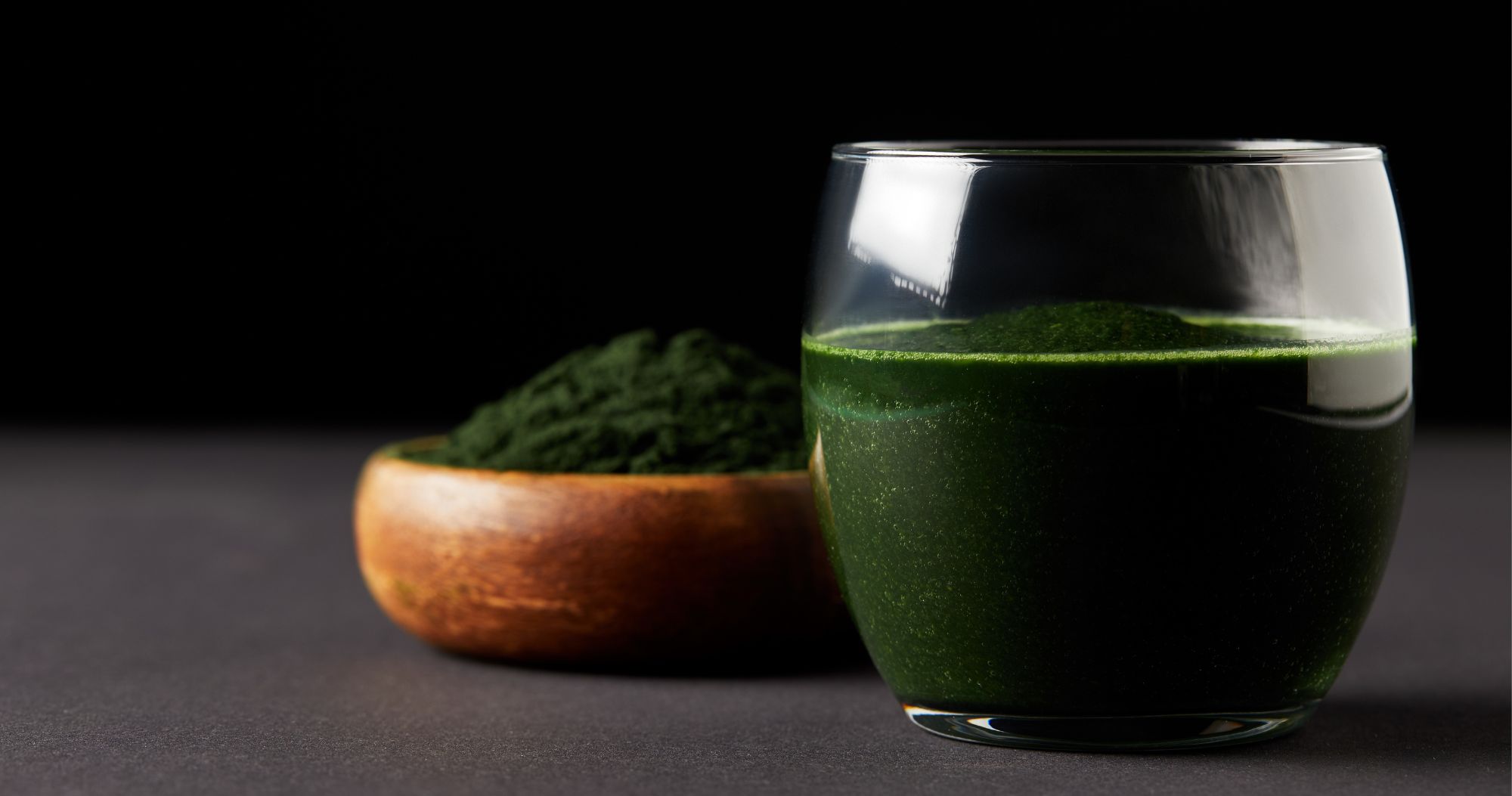
Spirulina (also known as blue-green algae) contains a very high protein content, potentially reaching 60–70% of its dry weight. However, since the daily recommended intake is typically only 1-3g, the actual amount of protein provided is quite small.
This means spirulina cannot replace primary protein sources in your diet. Instead, it acts as a supplement to boost nutrient density, especially on days when your diet is unbalanced.
Choosing a quality product with a clear origin – such as TA Spirulina – is also crucial to ensure effectiveness with long-term use.
How to ensure adequate protein intake daily?
Ensuring adequate protein intake is not difficult if you establish healthy eating habits.
Instead of focusing too much on a single source, incorporating a variety of foods will help your body get enough amino acids and accompanying nutrients. Distributing protein evenly across your meals throughout the day also aids in more effective absorption.
More importantly, you should listen to your body and adjust based on your actual needs, rather than strictly adhering to rigid numbers.
Common misconceptions about protein
One of the biggest misconceptions is believing that the more protein you consume, the better. In reality, the body only utilizes a certain amount, and any excess does not provide proportional benefits.
Many also think that only highly active individuals need protein, whereas it is an essential nutrient for everyone.
Furthermore, the notion that plant-based protein is entirely inferior is no longer accurate, especially when a diet is diverse and balanced.
Conclusion
Protein requirements are not a fixed number for everyone. They depend on weight, age, activity level, and health status.
Understanding and consuming adequate protein daily is one of the crucial foundations for maintaining energy, boosting health, and improving quality of life.
Flexibly incorporating various protein sources – including nutrient-rich foods like spirulina – will help make your diet more balanced and sustainable in the long term.

.png)
.png)




.jpg)




.jpg)
.jpg)



.jpg)


.png)
.png)
.jpg)
.jpg)





.jpg)

.jpg)


.jpg)
.jpg)


.jpg)




.jpg)




.png)





.jpg)



.jpg)