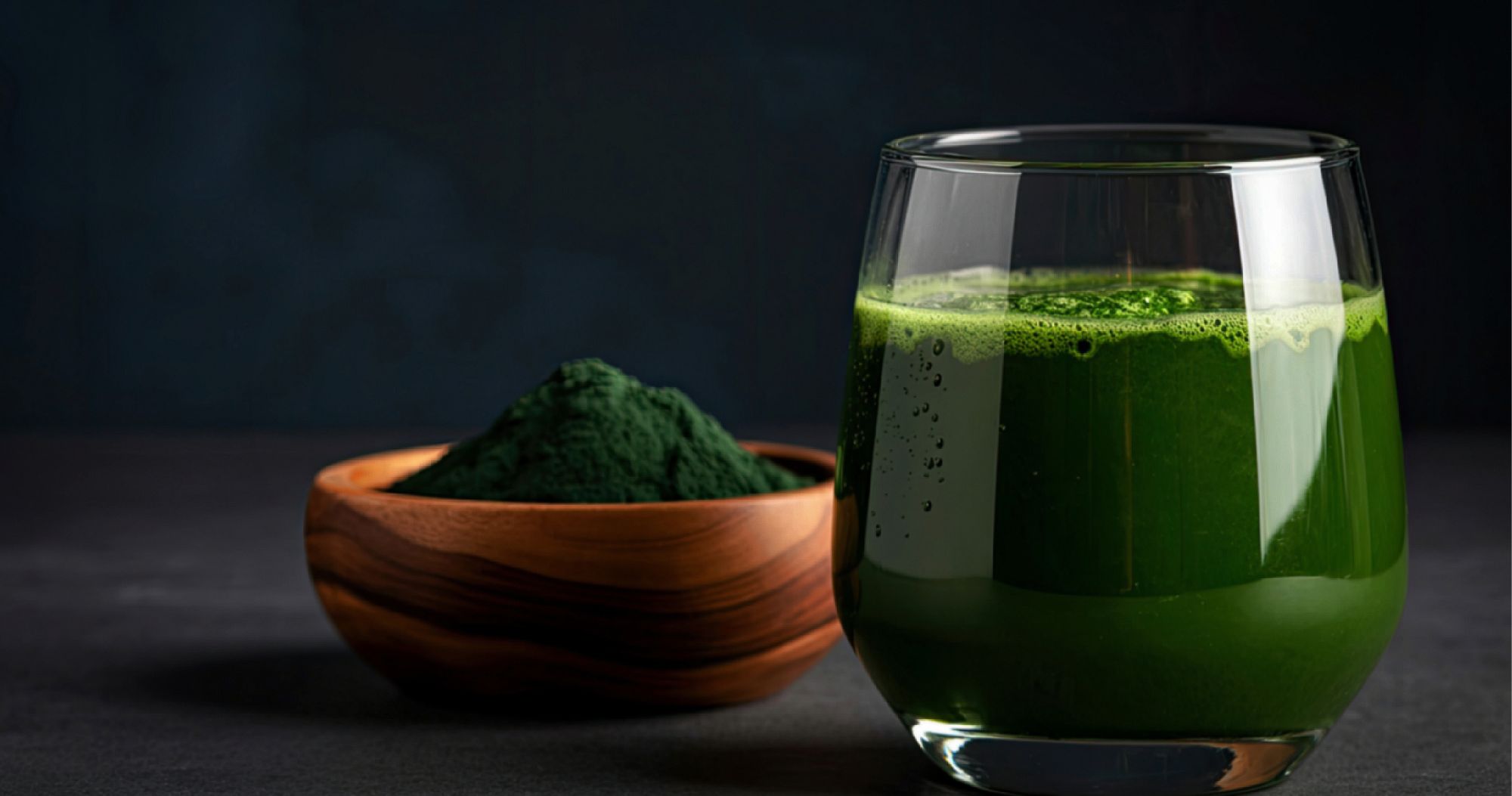
Spirulina (spirulina) is often referred to as a nutrient-rich “superfood”. But there is an interesting question that not everyone pays attention to: after you drink spirulina, what really happens inside the body?
Does it have an immediate “impact”, or is it simply a nutritional supplement like other foods?
Understanding how spirulina works not only helps you take it properly, but also helps you have more realistic expectations of its effectiveness. Because in fact, spirulina is not a kind of “medicine”, but acts in a completely different way.
What is Spirulina?
.jpg)
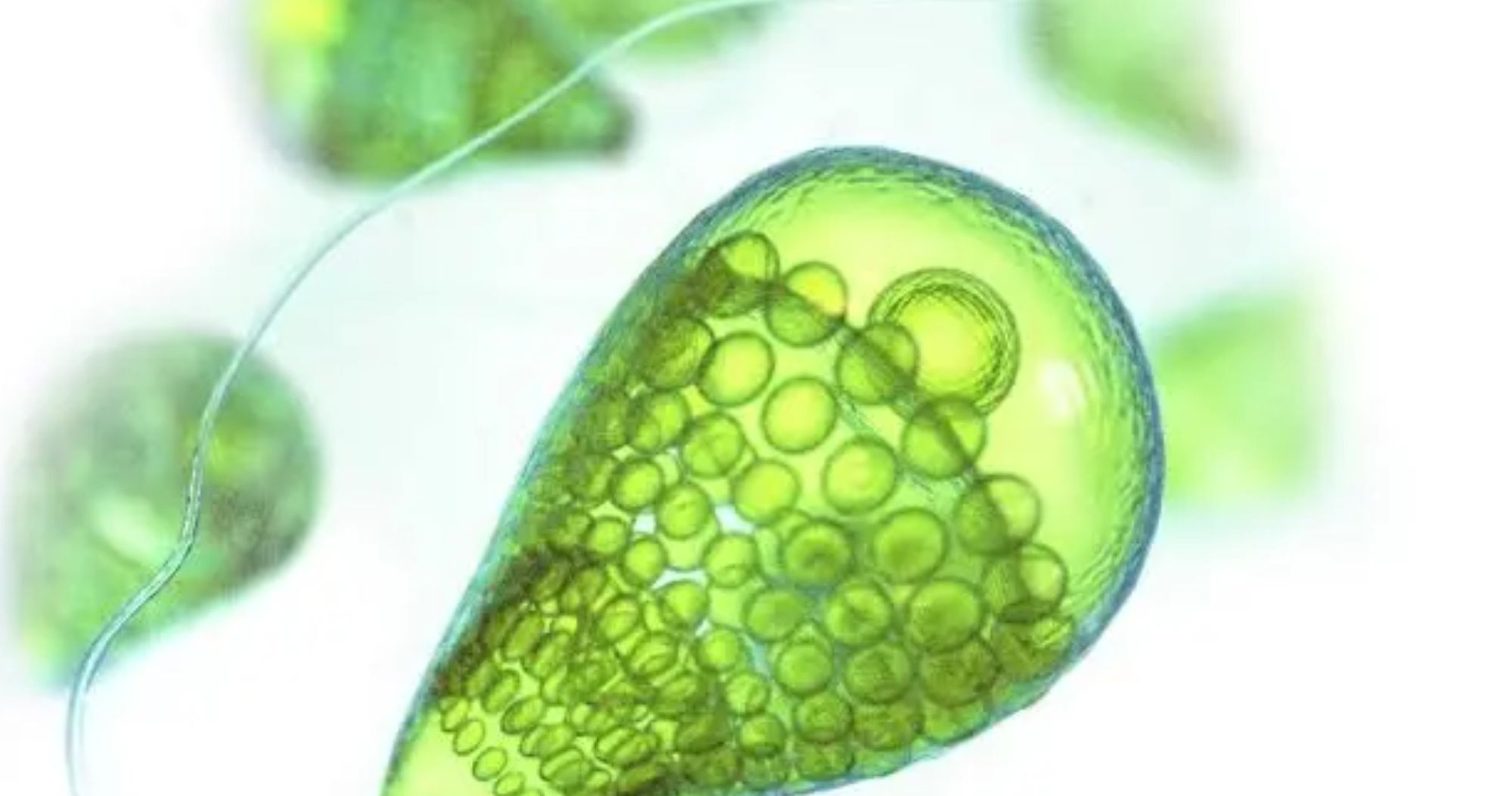
Nutrient-rich microalgae
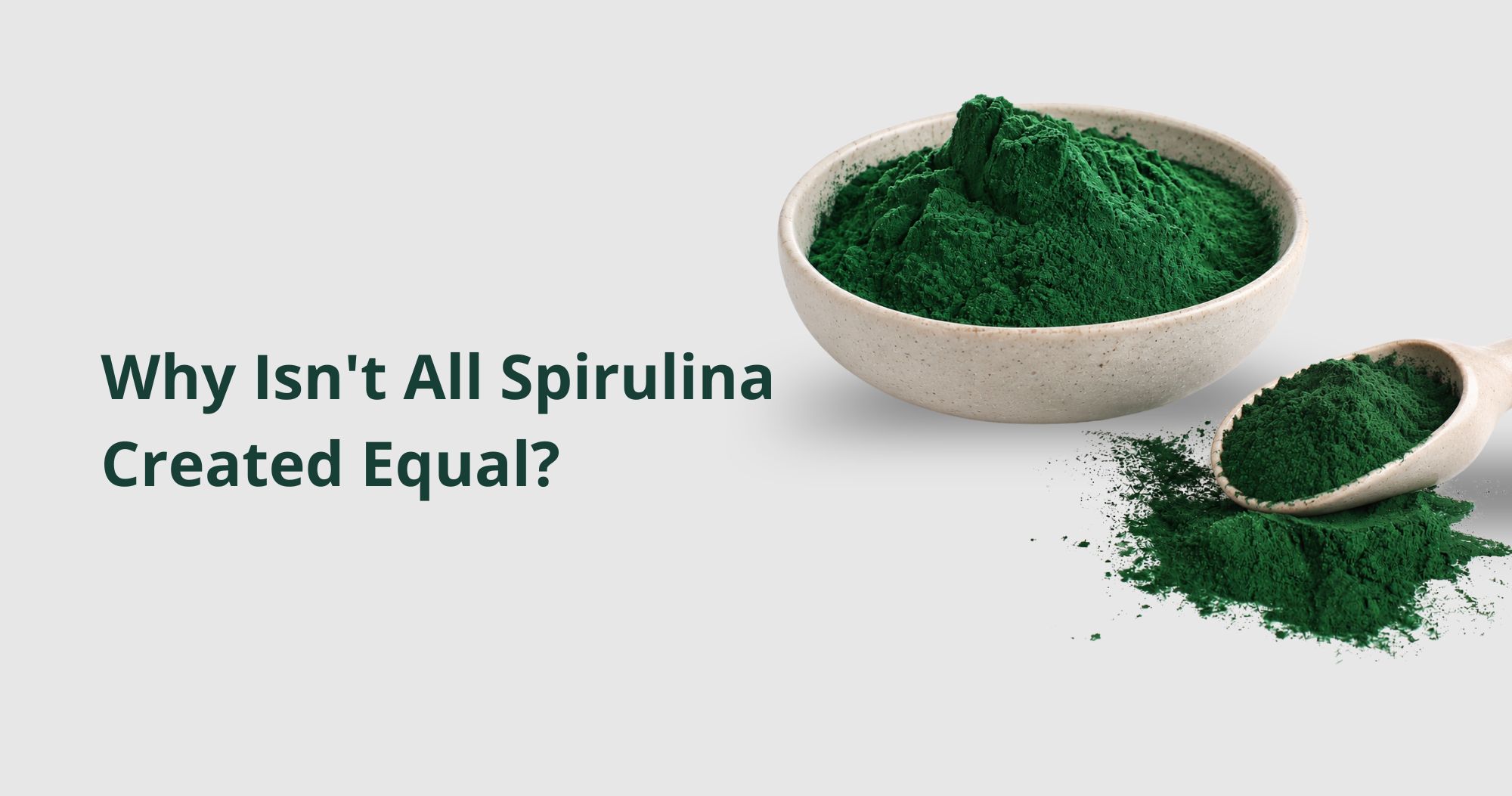
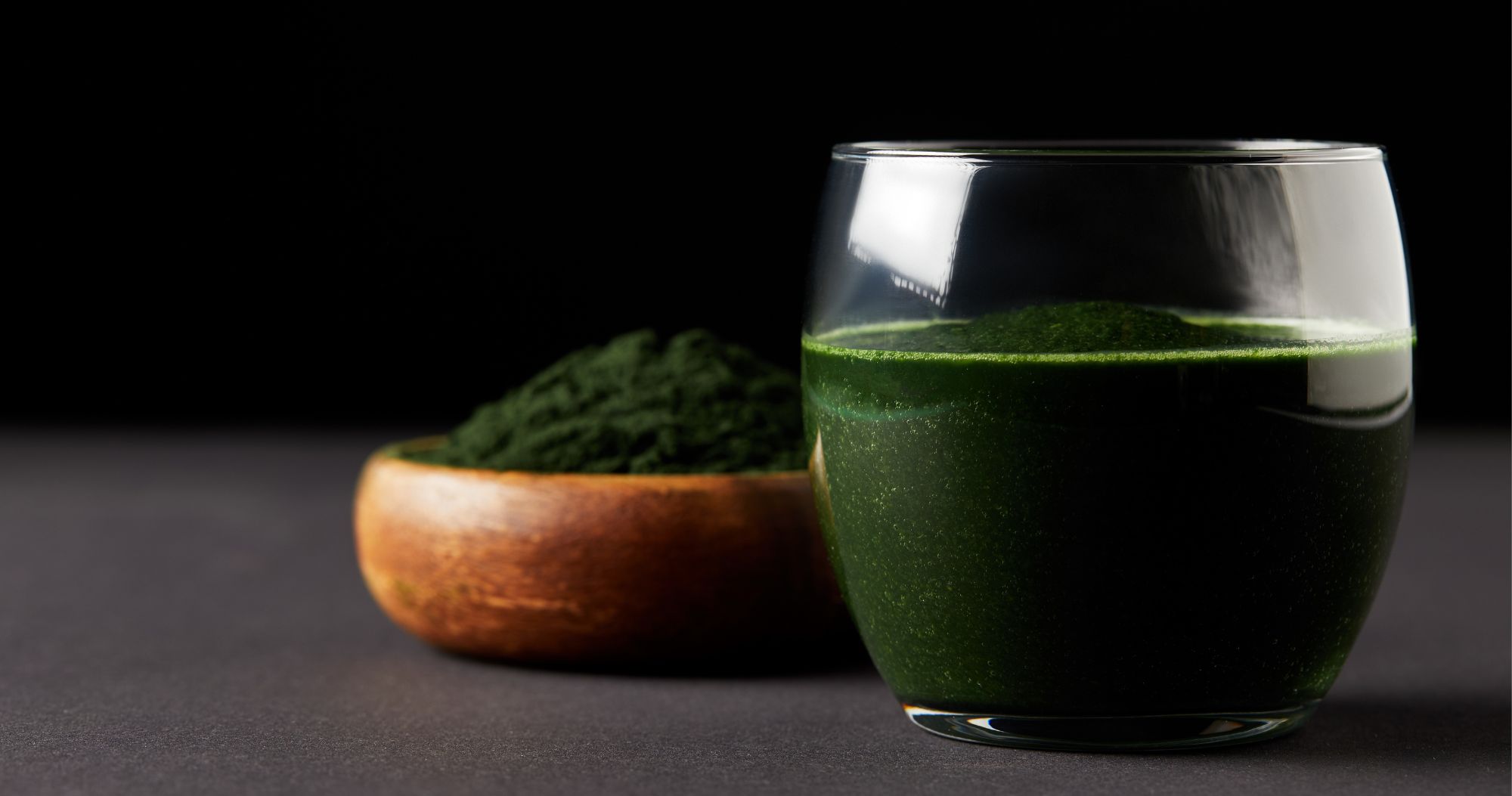
Spirulina is a microalgae that contains a high protein content, along with B vitamins, minerals and biological compounds such as phycocyanins. This is why it is often classified as a high nutrient density food.
Why is spirulina easily absorbed by the body?
A rather distinctive feature of spirulina is that its structure does not have a hard cellulose layer like many other microalgae. Thanks to this, the body can digest and absorb the nutrients in spirulina relatively easily.
How is spirulina absorbed in the body?
To understand how spirulina works, you can imagine its journey as something like a “nutritional supply chain.”
Digestive process
After being introduced into the body, spirulina passes through the stomach and begins to be dissolved.
Components such as proteins will be broken down into amino acids, while vitamins and minerals are released from the original structure.
Absorption in the small intestine
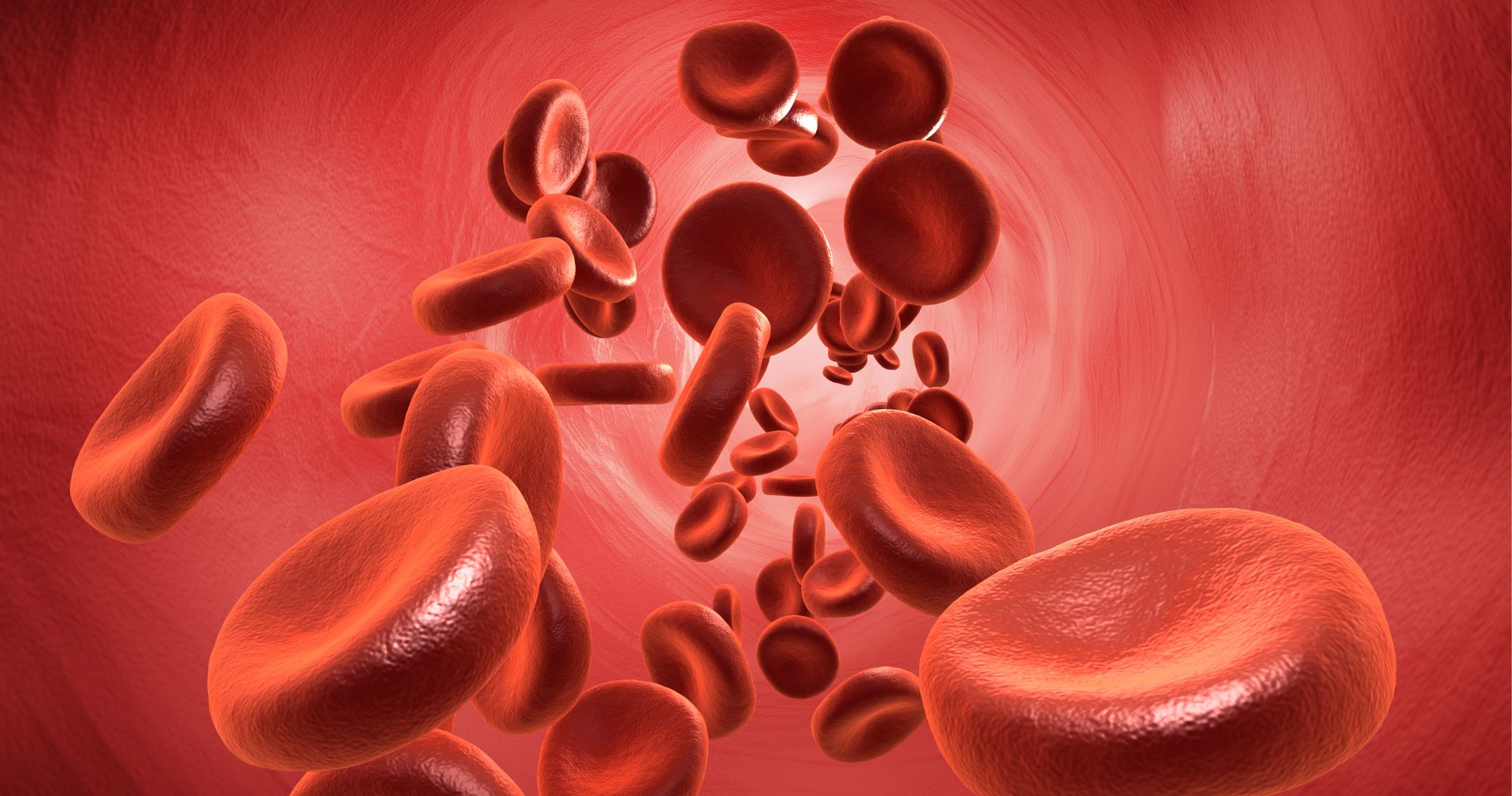
Most of the absorption takes place in the small intestine. Here, amino acids, vitamins and minerals will pass through the intestinal wall and into the blood.
From this point on, spirulina no longer exists as “algae”, but becomes individual nutrients for the body to use.
How does spirulina work in the body?
Spirulina does not “act” directly like drugs, but works by supplying raw materials and supporting the body's natural biological processes.
1. Supply of raw materials to the body
The human body is constantly regenerating and repairing. To do that, it needs “raw materials.”
The proteins in spirulina provide amino acids — the foundation for building cells. Vitamins act as “catalysts”, helping biological reactions to proceed more smoothly.
Minerals are involved in a wide range of functions, from nerves to muscles.
2. Supports the immune system
The immune system does not work independently, but is highly dependent on nutrition.
When the body is supplied with sufficient micronutrients, the conditioned immune cells work more efficiently, thereby helping the body to respond better to pathogens.
3. Antioxidant
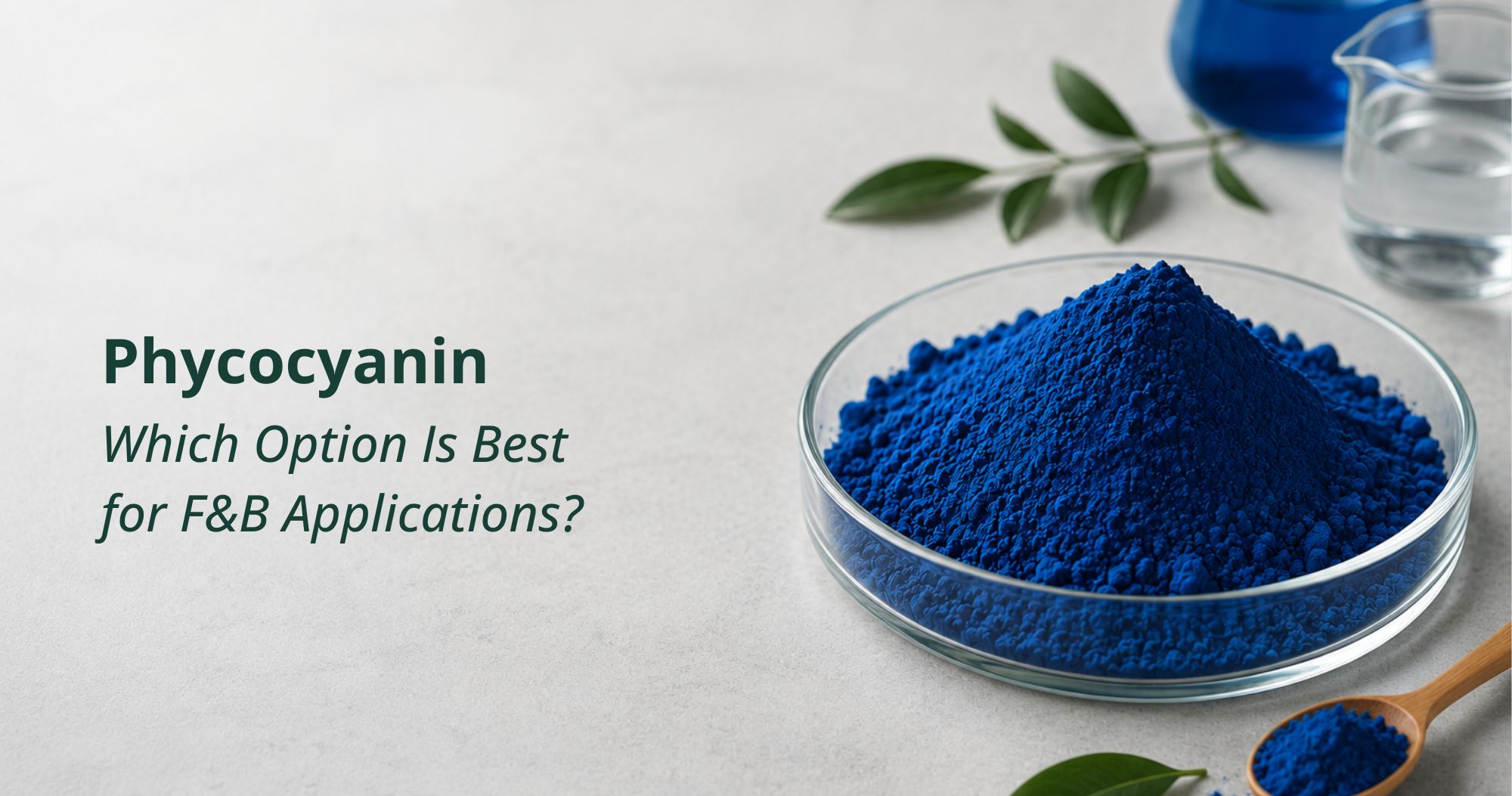
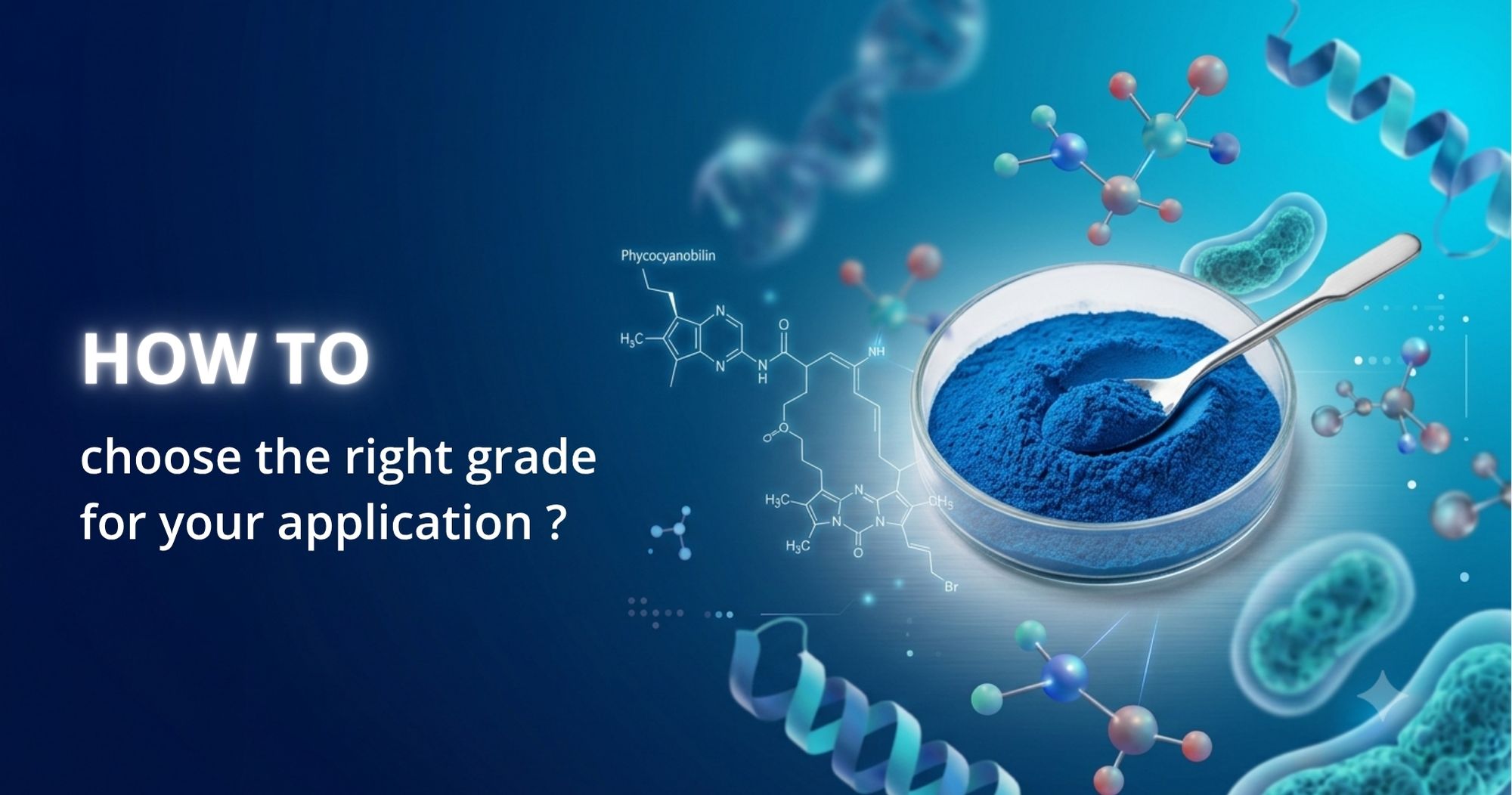
One of the hallmarks of spirulina is that it contains phycocyanin — the compound that makes up the characteristic blue color.
This substance is able to support the neutralization of free radicals, thereby helping to protect cells from damage caused by oxidative stress.
4. Support energy metabolism
Vitamins of group B in spirulina are involved in the process of converting food into energy.
In other words, they do not “generate energy” directly, but help the body to use energy more efficiently.
5. Contributes to maintaining body balance
The body always tries to maintain a stable state (homeostasis).
The adequate intake of nutrients helps the body's systems — from nervous, digestive to immune — work more harmoniously.

The role of phycocyanins in the mechanism of action
Characteristic antioxidants
Phycocyanin is one of the reasons why spirulina is so different. Not only does it produce a characteristic blue color, it also has remarkable biological activity.
Biological impact
This compound is studied for its ability to support immunity and protect cells.
Although not a “miracle cure”, it contributes to the overall health benefits of spirulina.
How long does spirulina take to work?
Short-term
Immediately after absorption, the body can already use nutrients from spirulina. However, it is often difficult for you to clearly feel the change immediately.
Medium and long term
When used regularly, spirulina can contribute to improved physical fitness over time. This is a cumulative process, not an instantaneous effect.
Factors Affecting the Efficacy of Spirulina
The effectiveness of spirulina is not the same in everyone. It depends on many factors such as dosage, frequency of use, location and especially product quality.
An overall diet and lifestyle also play a very important role.
How does Spirulina work most effectively?
In order for spirulina to play its role well, the important thing is not to take a lot, but to take it correctly.
Regular use, combined with a healthy diet and choosing the right time (such as the morning or the same meal) will help the body absorb it better.
Conclusion
Spirulina works in the body in a very “natural” way: it provides nutrition, supports biological processes and helps the body to function more efficiently.
This is not a quick-acting solution like medicine, but a supplemental source that improves health over time. By understanding this mechanism, you will know how to use spirulina properly and reap its true value.

.png)
.png)
.jpg)



.jpg)
.jpg)
.jpg)


.png)
.png)
.jpg)
.jpg)




.jpg)

.jpg)


.jpg)
.jpg)


.jpg)



.jpg)




.png)




.jpg)


.jpg)