

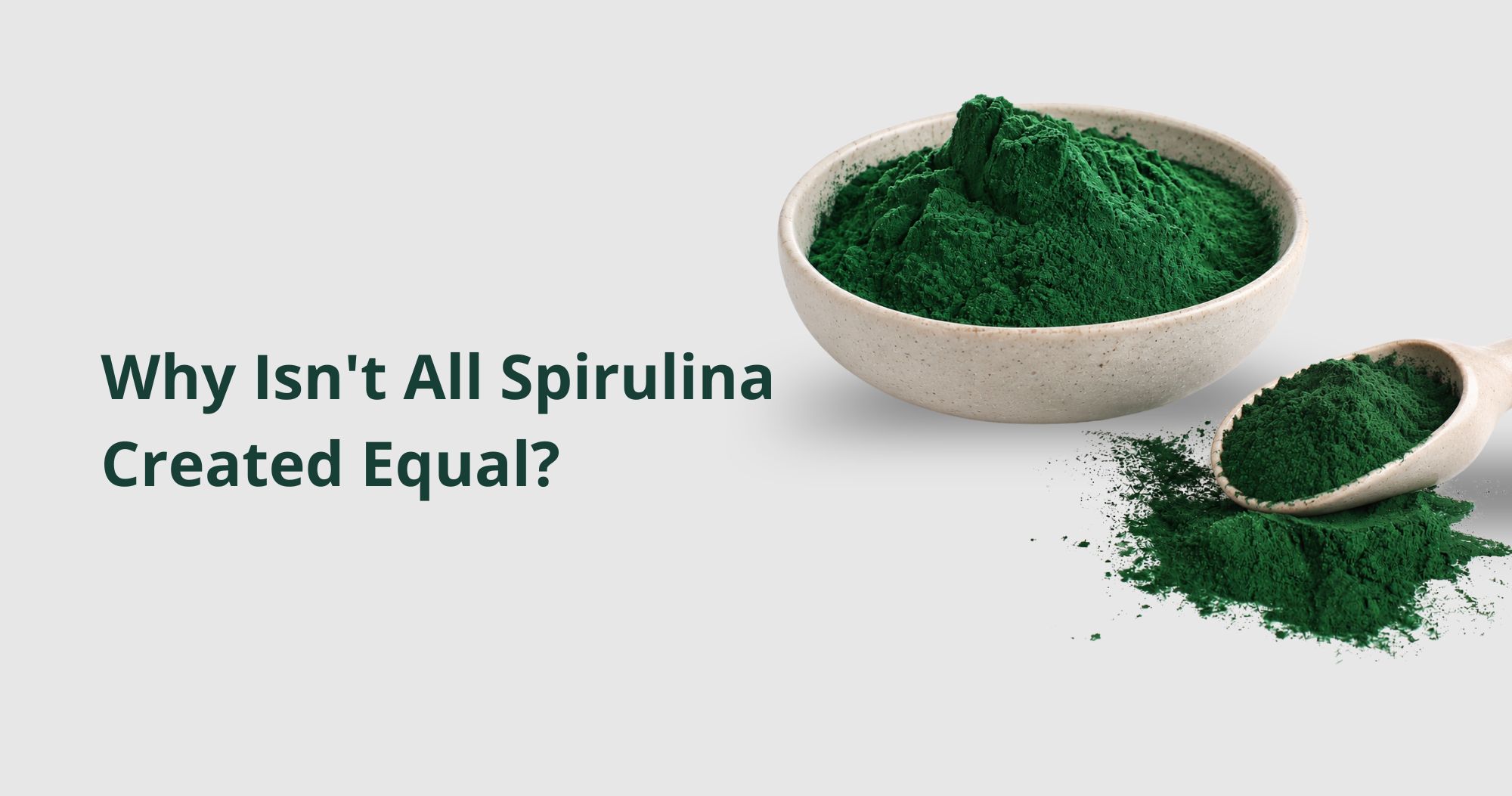
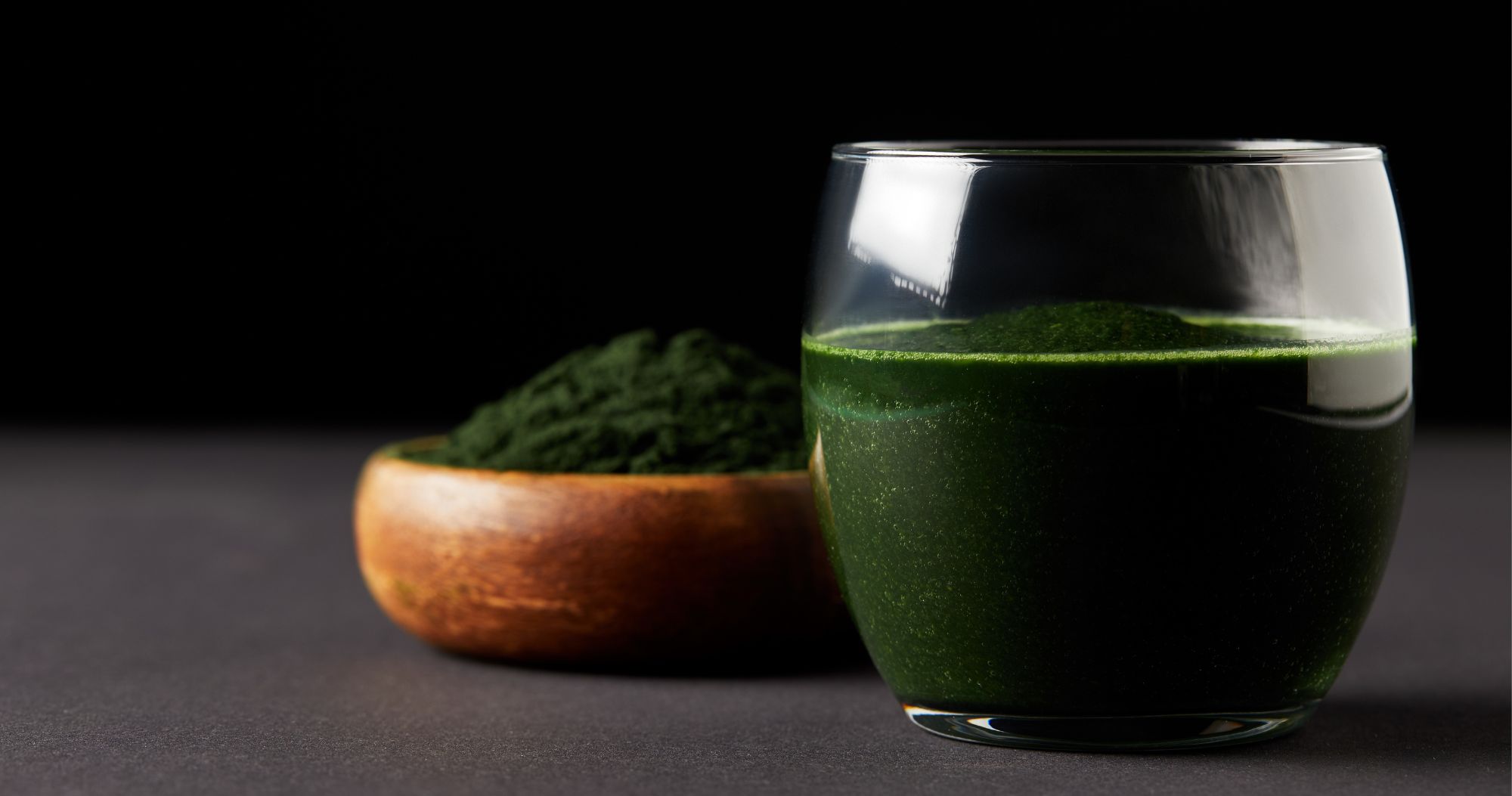
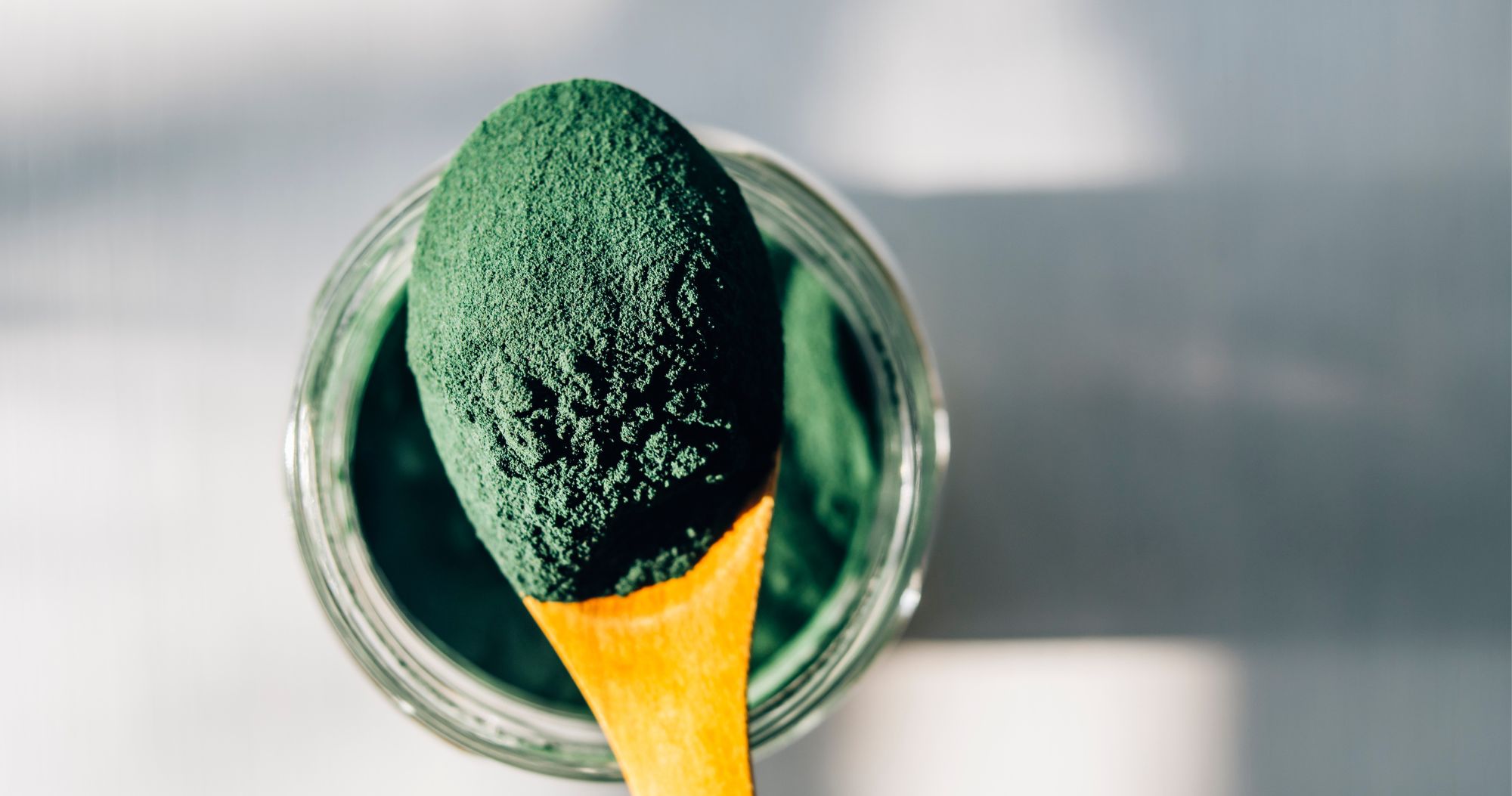
When it comes to spirulina, the first thing that comes to mind is not the name or nutritional composition, but the very characteristic blue color. Unlike the green color of leafy vegetables, nor quite like seaweed, Spirulina has a rather fancy blue-green hue.
This color is not only aesthetic. It reflects the biological structure, the mechanism of photosynthesis and how Spirulina accumulates energy - the core elements that underlie the value of this type of microorganism. To understand why Spirulina has a blue-green color, it is necessary to take a deeper look at the two main pigments Chlorophyll and phycocyanin.
Where does the color of Spiruluna spirulina come from?
In nature, the color of photosynthetic plants and microorganisms is not accidental. They reflect the type of pigment that the organism uses to absorbs light and converts it into energy.
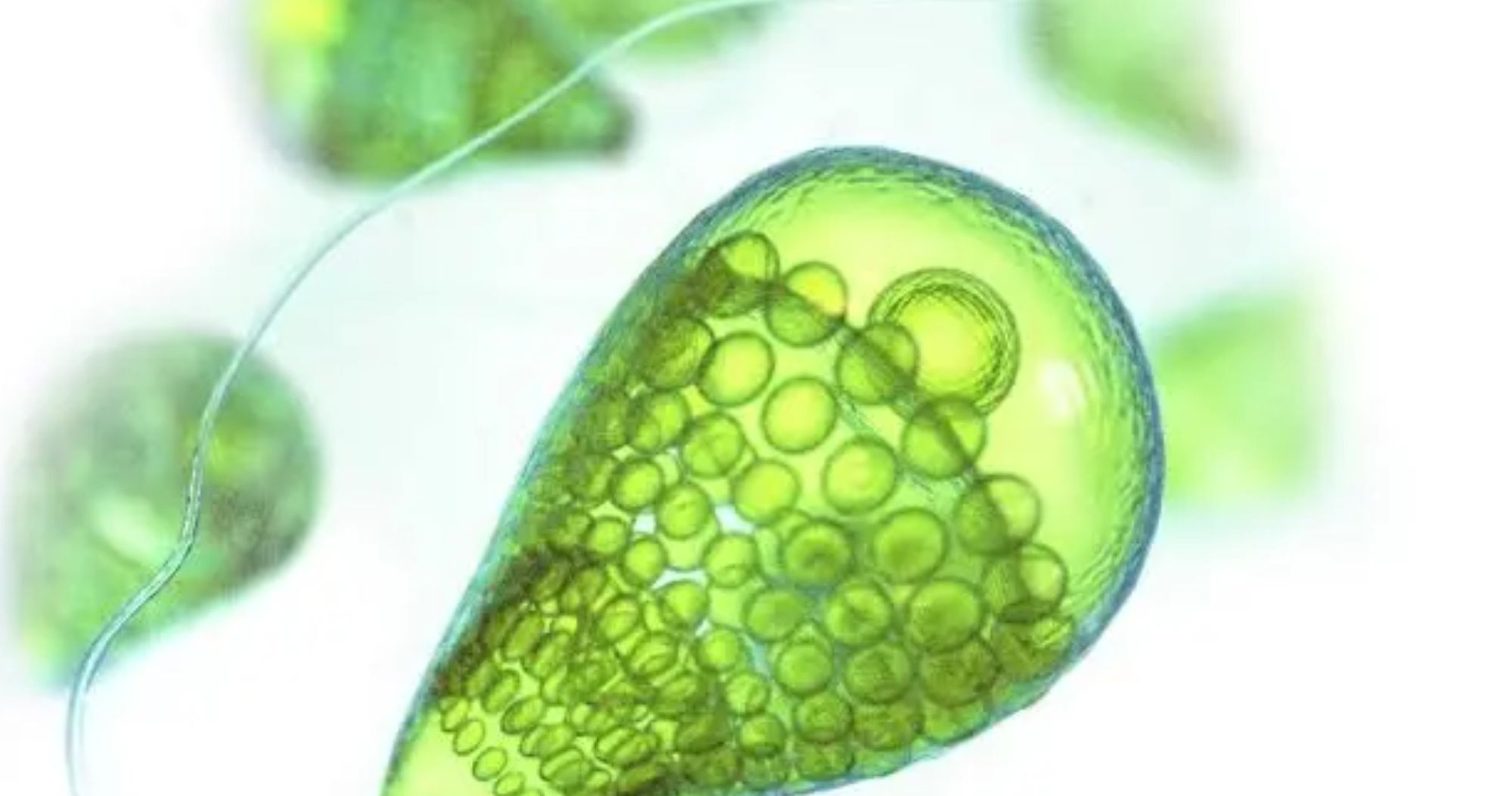
Spirulina has a blue-green color because in its cells there simultaneously exist two important groups of pigments:
- Chlorophyll (chlorophyll) - the familiar pigment of plants
- Phycocyanin - pigment characteristic of cyanobacteria
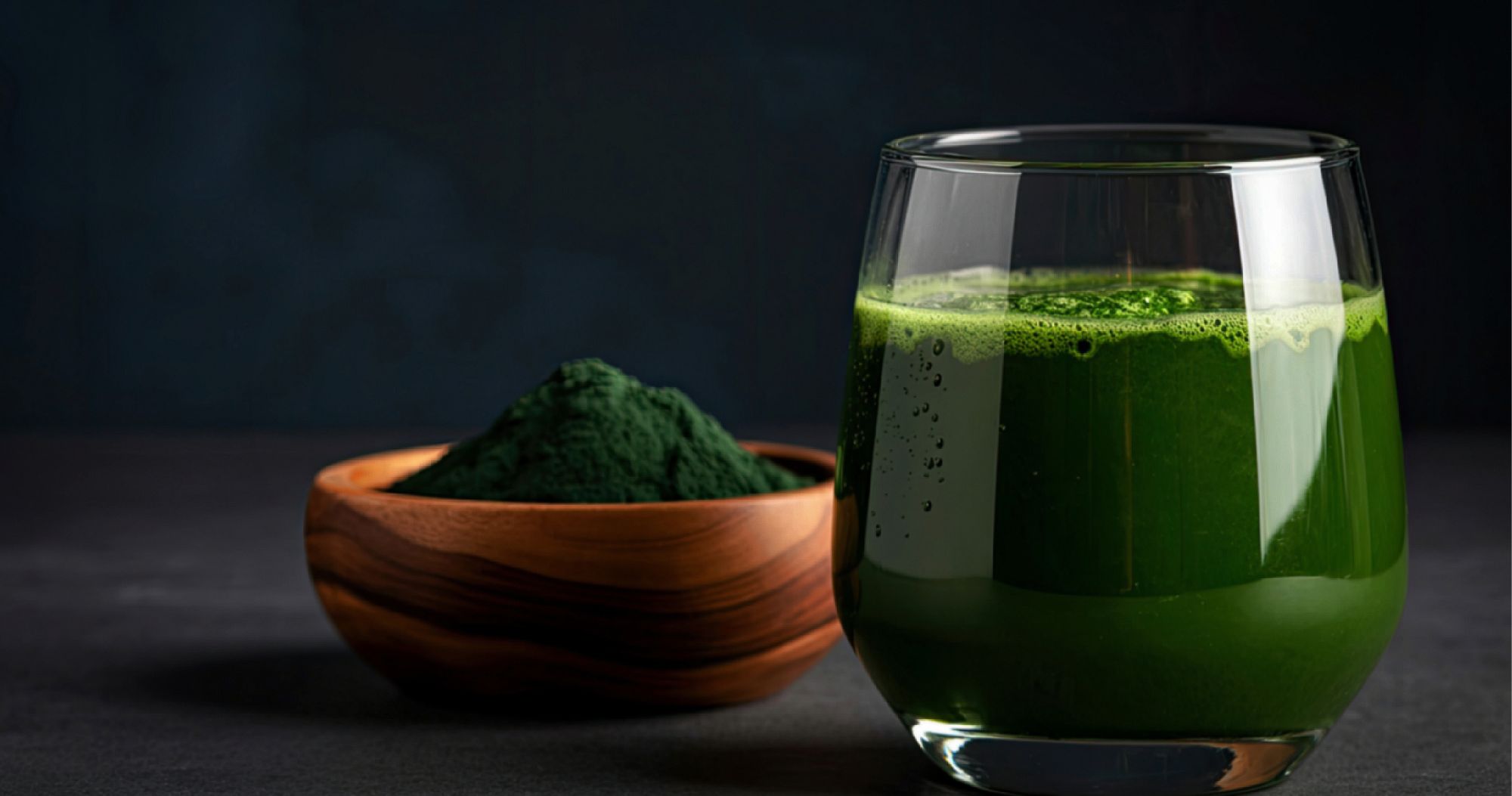
This combination causes Spirulina not to have a pure green color like leafy vegetables, but to a deep, dark and slightly bluish shade of green.
Chlorophyll - the basis of green
Chlorophyll is the most common photosynthetic pigment in nature, present in green plants, algae and many other photosynthetic organisms. The main function of chlorophyll is absorption of sunlight, especially red and blue-violet light, to serve photosynthesis.
In Spirulina, chlorophyll plays a fundamental role:
- Help this creature generate its own energy
- Maintain the basic green color
- Direct participation in the growth process
However, if Spirulina contains only chlorophyll, its color will not differ much from other green algae. The point that makes the difference lies in the second pigment.
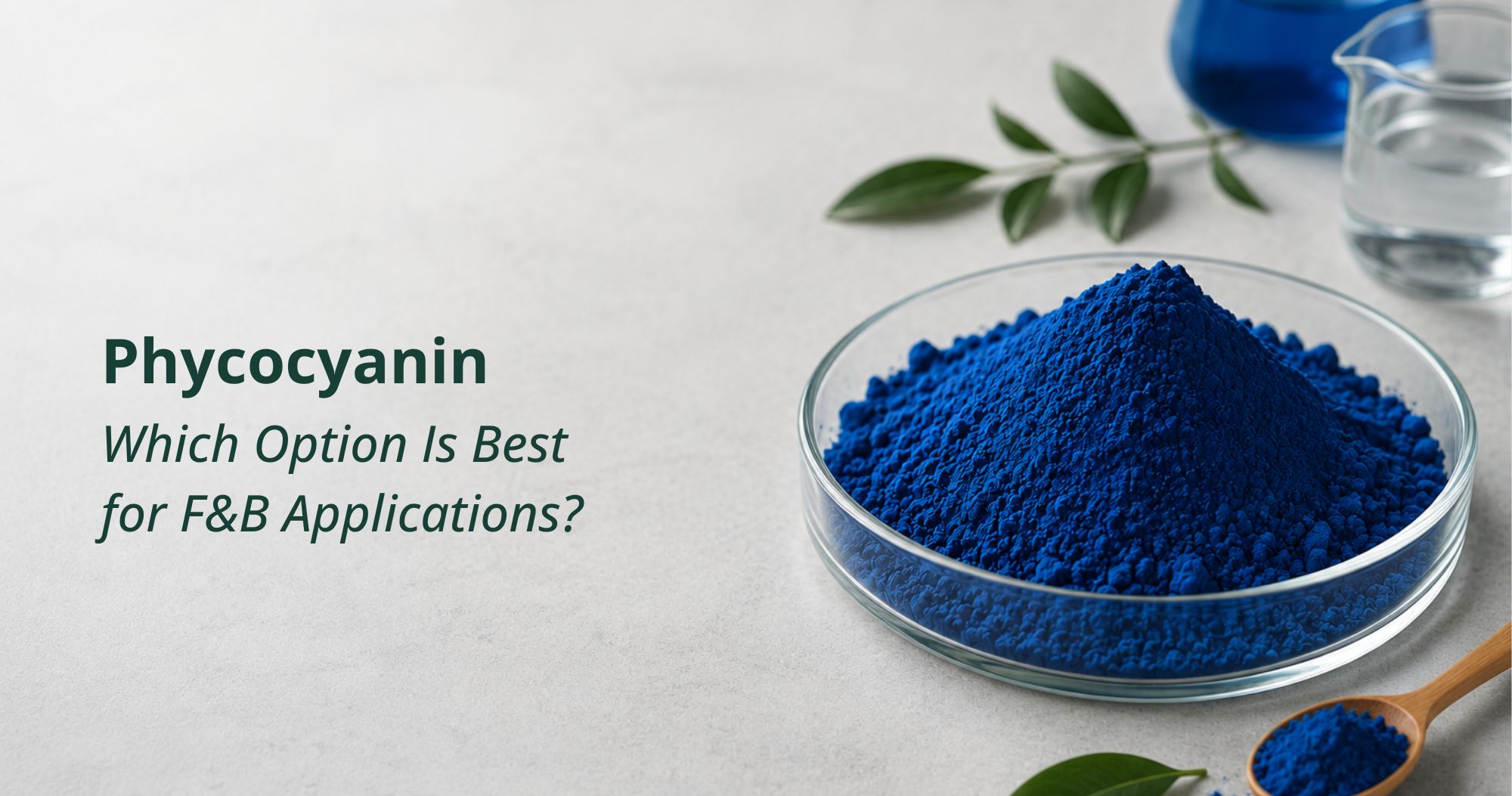
Phycocyanin - the reason for the appearance of blue tint
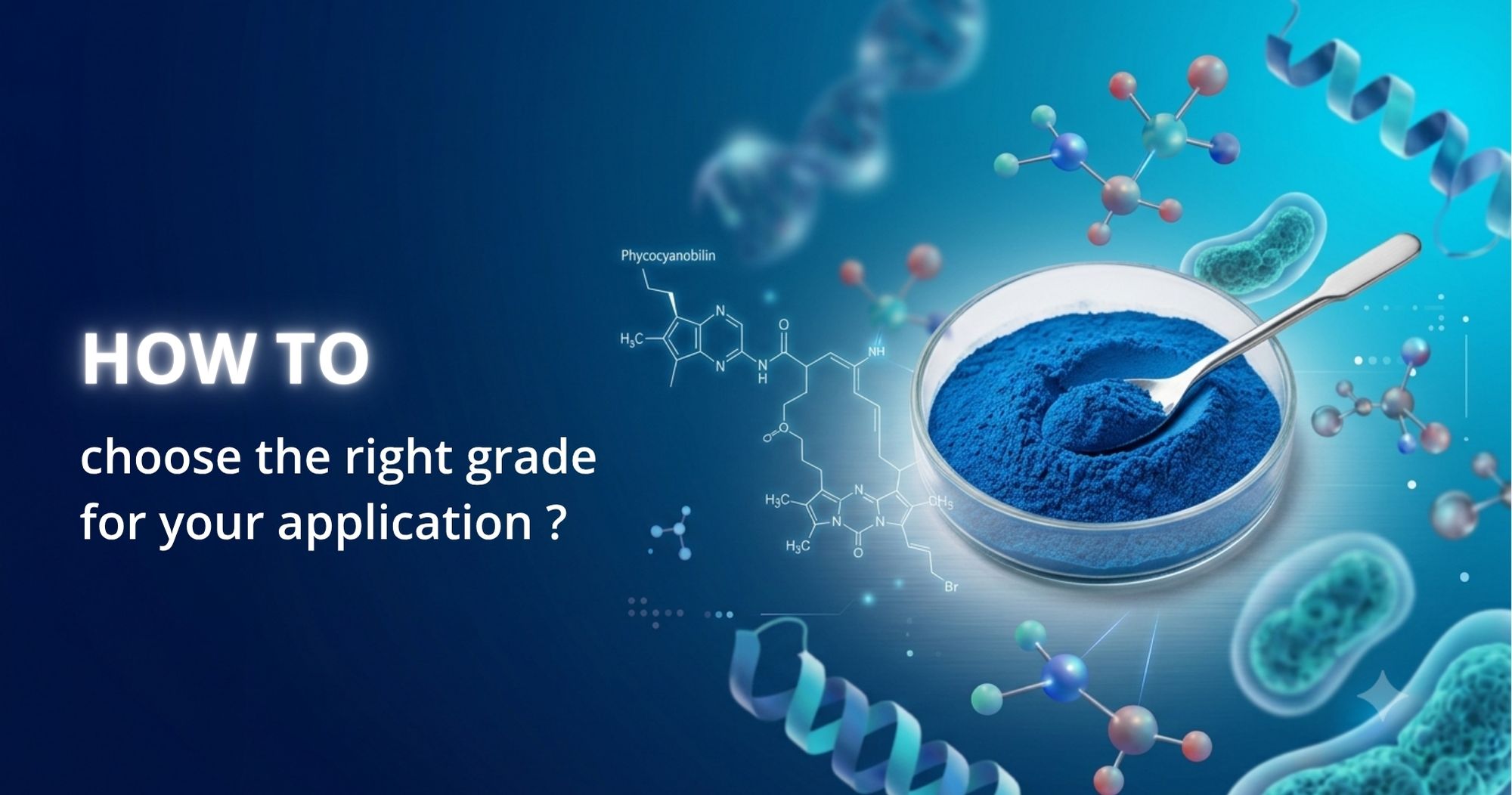
Phycocyanin is a pigment belonging to the phycobiliprotein group, which occurs only in cyanobacteria and some special algae. This is precisely what causes Spirulina to have a pronounced blue glow - something that ordinary greens do not have.
Biologically, phycocyanin helps Spirulina spirulina:
- Absorbs those strips of light that chlorophyll does not absorb effectively
- Optimization of photosynthesis in a network light environment
- Well adapted to alkaline water conditions, high sun
It is the parallel existence of chlorophyll and phycocyanin that gives Spiurlina a wider spectrum of light absorption, while creating a unique color that is easily recognizable to the naked eye.
What does the blue-green color reflect about Spirulina's spirulina nature?
The color of Spirulina is not just to “look good”. It reflects a clear biological nature.
The blue color indicates that Spirulina belongs to the group of cyanobacteria, not marine algae or eukaryotic plants. This is why spirulina is often classified differently from seaweed, even though it lives in aquatic environments.
The dark green color indicates that Spirulina is organic effective photosynthesis, has the ability to accumulate energy and nourish light in a very simple cellular structure. This is directly related to the fact that Spirulina has a high nutrient density despite its small cell size.
If you want to understand sua more about this nature, you can refer to the article: Spirulina is algae or bacteria?
Does the color reflect the quality of Spirulina?
In fact, color is often taken by consumers as an initial sensory cue. Good quality Spirulina is usually dark green, uniform, not yellow or gray. However, it should be understood that color is only partially reflective, and cannot replace other scientific criteria such as water sources, growing conditions or safety testing.
It is more important to be aware that the blue-green color of Spirulina spirulina is a result of natural biological structure, not artificial colors or coloring additives.
.jpg)
Why Spirulina doesn't look like seaweed?
Seaweed and the majority of marine algae have a different pigment system, often favoring greenish-brown or light green, due to different cell structures and habitats. Spirulina algae lives in an alkaline water environment, high light intensity, so it develops a peculiar pigment system for adaptation.
This difference is also why Spirulina is often referred to as a separate group, rather than lumped together with seaweed. This topic is analyzed in more detail in the article: Spirulina What is different from seaweed and seaweed?
Color is a biological language of spirulina
If you look more broadly, the blue-green color of spirulina can be seen as a biological language. It shows how this organism has survived, adapted and evolved over billions of years of evolution. Without the need for a complex structure, Spirulina maintains an efficient photosynthesis mechanism thanks to its optimal pigmentation.
.png)
.png)



.jpg)




.jpg)
.jpg)


.jpg)


.png)
.png)
.jpg)
.jpg)







.jpg)

.jpg)


.jpg)
.jpg)


.jpg)



.jpg)




.png)




.jpg)


.jpg)







%205%20l%E1%BB%A3i%20%C3%ADch%20n%E1%BB%95i%20b%E1%BA%ADt%20cho%20s%E1%BB%A9c%20kh%E1%BB%8Fe%20ng%C6%B0%E1%BB%9Di%20hi%E1%BB%87n%20%C4%91%E1%BA%A1i.jpg)


