After each workout, especially when doing intense exercise, the body is not only tired but is actually going through a series of biological changes such as micro-muscle damage, energy depletion, and increased levels of oxidative stress. This is exactly why post-workout recovery is just as important as the workout itself.
While many people are familiar with whey protein or BCÂ, a new trend is slowly emerging to use “superfoods” like Spirulina to aid recovery in a more natural way.
So the question is Spirulina Does it really help the body recover from exercise, or is it merely a nutritional supplement?
What really happens to the body after a workout?
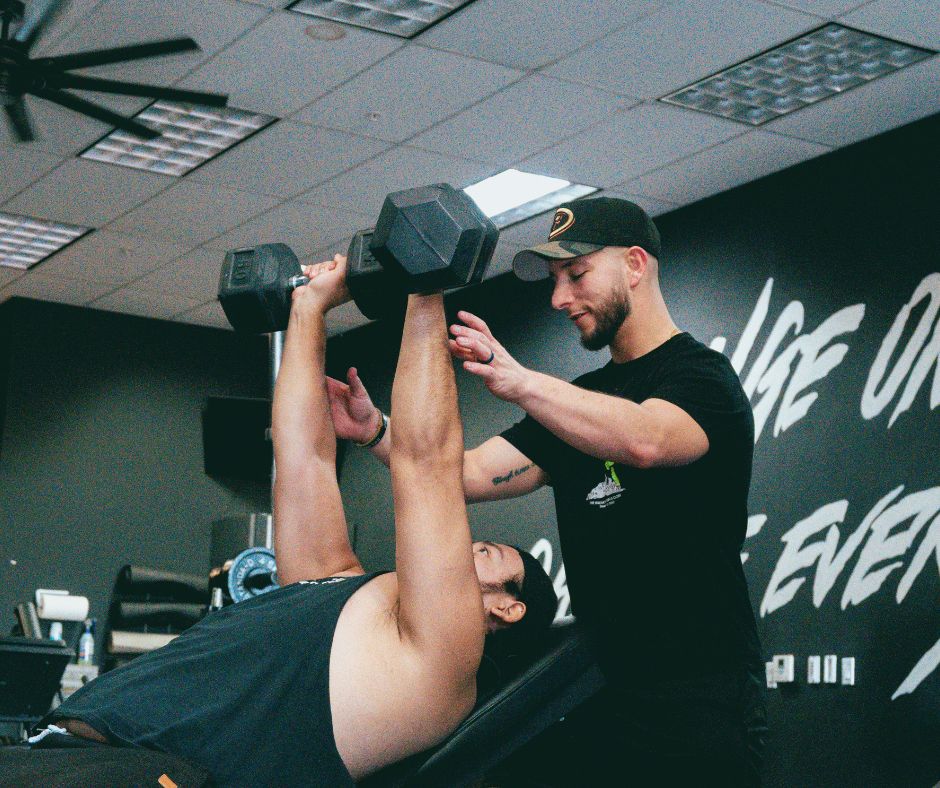
To understand the role of Spirulina, it is first necessary to understand what your body is experiencing after a workout.
When you work out, especially weight training or intense cardio, muscle fibers break down at a micro level. This is the process necessary for muscles to grow, but at the same time also produces a feeling of soreness (DOMS).
In parallel, the body produces more free radicals than usual. This phenomenon, called oxidative stress, can slow recovery if left unchecked.
In addition, a mild inflammatory reaction also occurs as part of the muscle repair process. This is a natural reaction, but if prolonged or excessive, it can affect subsequent workout performance.
In the end, the stored energy source in the form of glycogen in the muscles is significantly depleted, leaving you feeling tired and lacking strength.
Does Spirulina Help with Post-Workout Recovery?
Spirulina is not a specialized recovery food like whey protein, but it can support the recovery process through many important biological mechanisms.
Spiurlina's strength lies not in a single factor, but in the fact that it acts simultaneously on many aspects of the recovery process.
Mechanism that helps Spirulina to aid in body recovery
Reduce oxidative stress after exercise
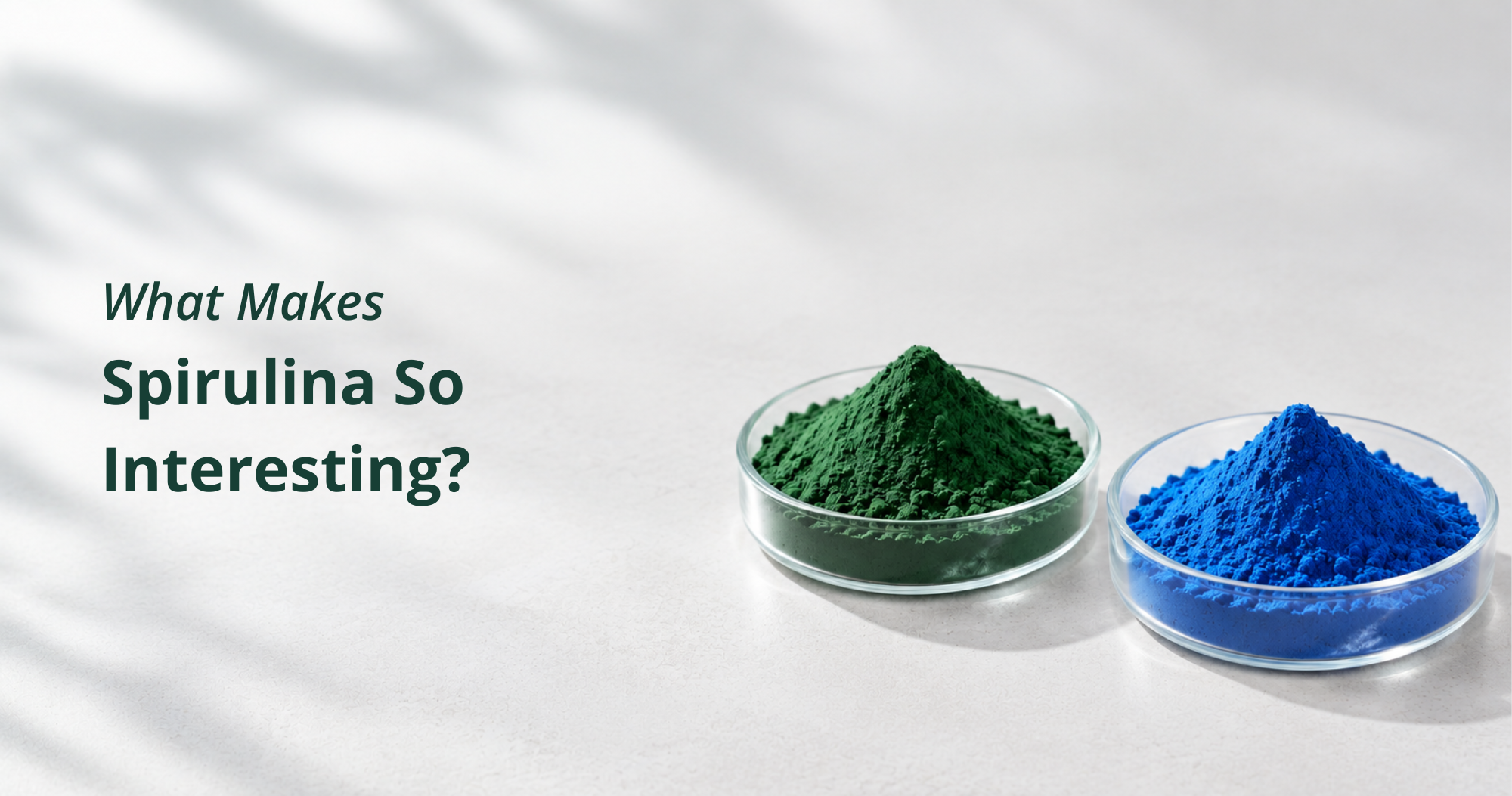
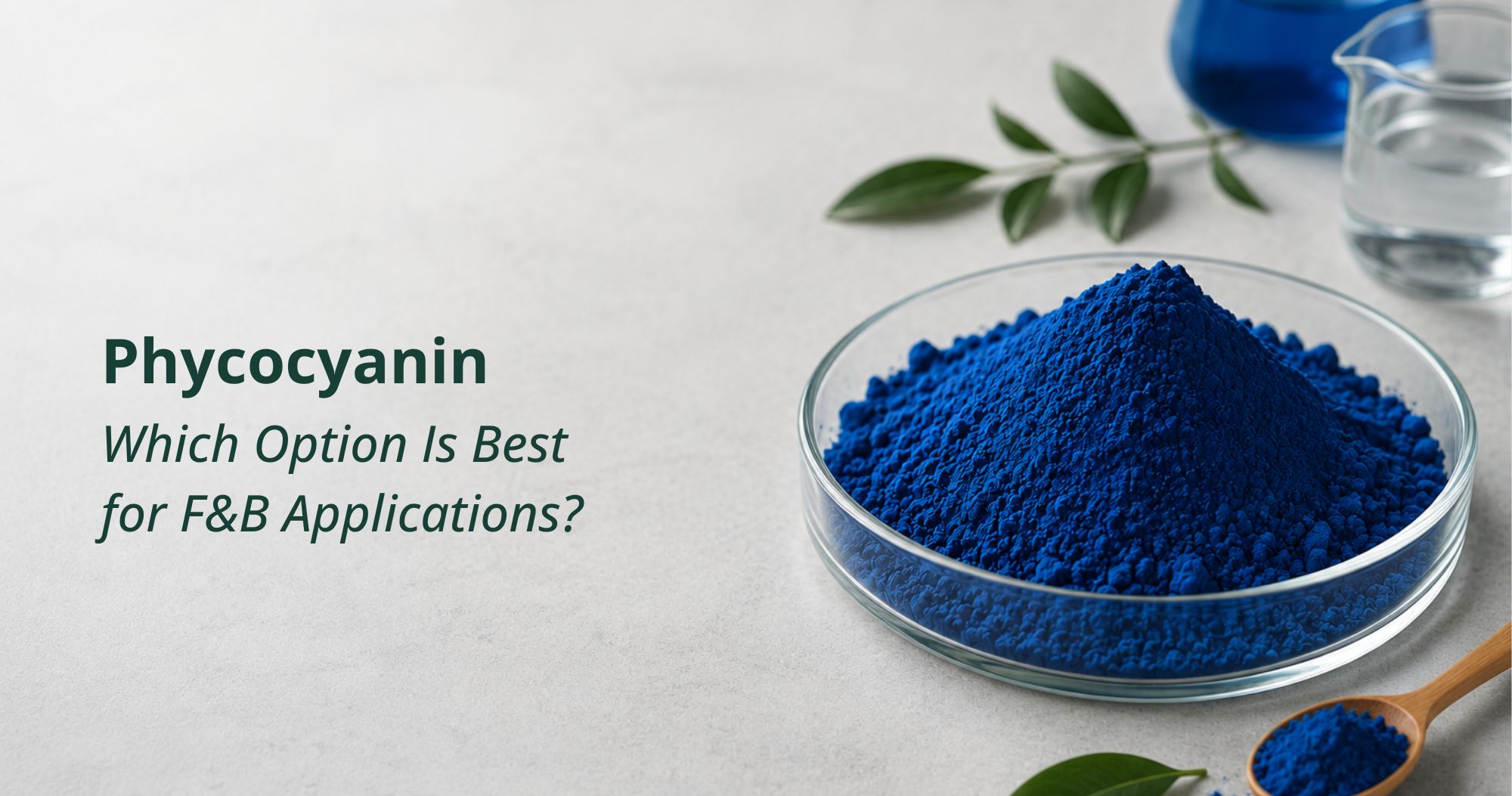
One of the factors hindering recovery is the accumulation of free radicals. Spirulina contains Phycocyanin, a powerful antioxidant compound capable of neutralizing these free radicals.
As a result, muscle cells are less damaged and the recovery process takes place more efficiently.
Supports post-episode inflammation reduction
Inflammation is a natural part of the recovery process, but if not well controlled, it can prolong the soreness.
The biological compounds in Spirulina can contribute to the regulation of the inflammatory response, helping the body to return to balance faster.
Protein and amino acid supplements
Spirulina contains about 60-70% protein by dry weight, including many amino acids necessary for the body.
Although it is not directly comparable to whey in terms of absorption rate and leucine content, Spirulina still contributes to the supply of raw materials for muscle regeneration.
Support energy conversion
The B vitamins in Spirulina play an important role in energy metabolism. This helps the body to use nutrition more efficiently, thereby reducing the feeling of fatigue after exercise.
Potential to improve endurance
Some early studies suggest that Spirulina can help improve oxygen utilization and reduce fatigue during movement.
While not strong enough to draw firm conclusions, this is a very potential direction, especially for cardio or endurance training practitioners.
Spiurlina vs Whey Protein: Is There an Alternative?
Whey protein is specially designed for muscle recovery, with a high protein content, fast absorption and rich in leucine - a factor that activates muscle synthesis.
Meanwhile, Spirulina is an overall source of nutrition, providing protein, vitamins, minerals, and antioxidants.
Therefore, spirulina does not completely replace whey protein but can replenish the sun for a more comprehensive recovery process.
Who should use Spirulina in training?
Spirulina is especially suitable:
- The gymnast wants to supplement natural nutrition
- Cardio practitioner, jogging, cycling.
- People who are often tired after exercise
- People who do not tolerate whey protein well
How to Use Spiurlina Spirulina to Support Effective Recovery
Common dosages are usually between 1-3g per day, depending on your fitness and workout intensity.
You can take Spirulina after a workout or in the morning. However, it is more important to use it regularly rather than after heavy workouts.
Conclusion
Spirulina is not the “main weapon” in post-workout recovery, but it is a worthy “helper”.
Thanks to its antioxidant power, inflammation reduction support, and nutritional supplements, Spirulina can help the body recover better, especially when combined with proper diet and exercise.
If you're looking for a natural solution to improve performance and reduce post-workout fatigue, Spirulina is a worthwhile option — as long as you understand its role properly.


.png)
.png)




.jpg)



.jpg)
.jpg)



.jpg)


.png)
.png)
.jpg)
.jpg)





.jpg)

.jpg)


.jpg)
.jpg)


.jpg)



.jpg)




.png)





.jpg)



.jpg)