In the modern world of nutrition, there are foods that look very small but are “rich” in nutritional value in a way that surprises many. Spirulina is a good example. Without resorting to large portions, with just one small spoon per day, you can already add many important nutrients to the body.
It is this “nutritional concentrate” that makes spirulina classified as a superfood and increasingly appears in the diet of people concerned about health. But specifically, what's in a spoonful of spirulina? And what makes it so special? Let's take a closer look.
What is Spirulina?
Origin of spirulina
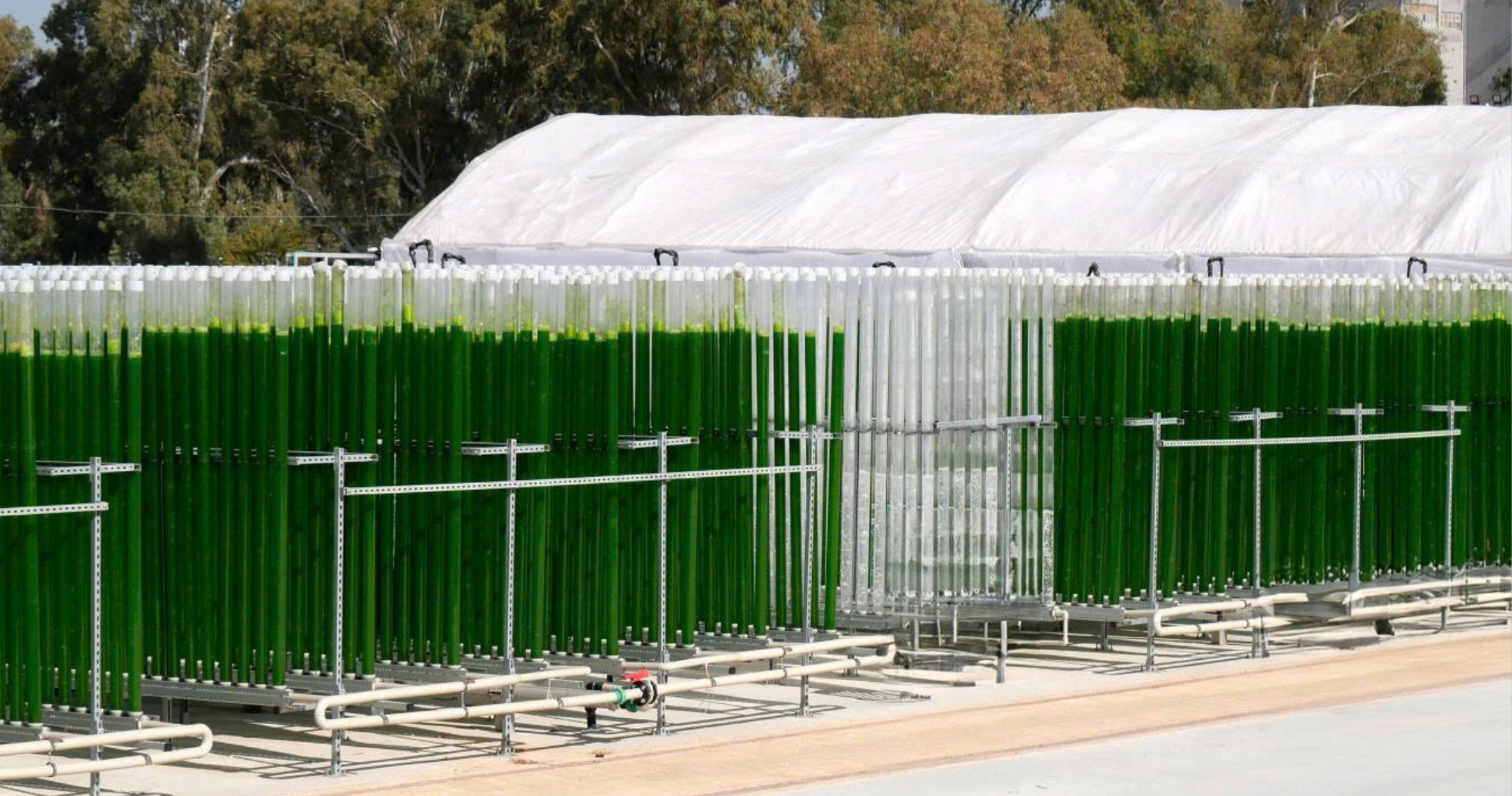
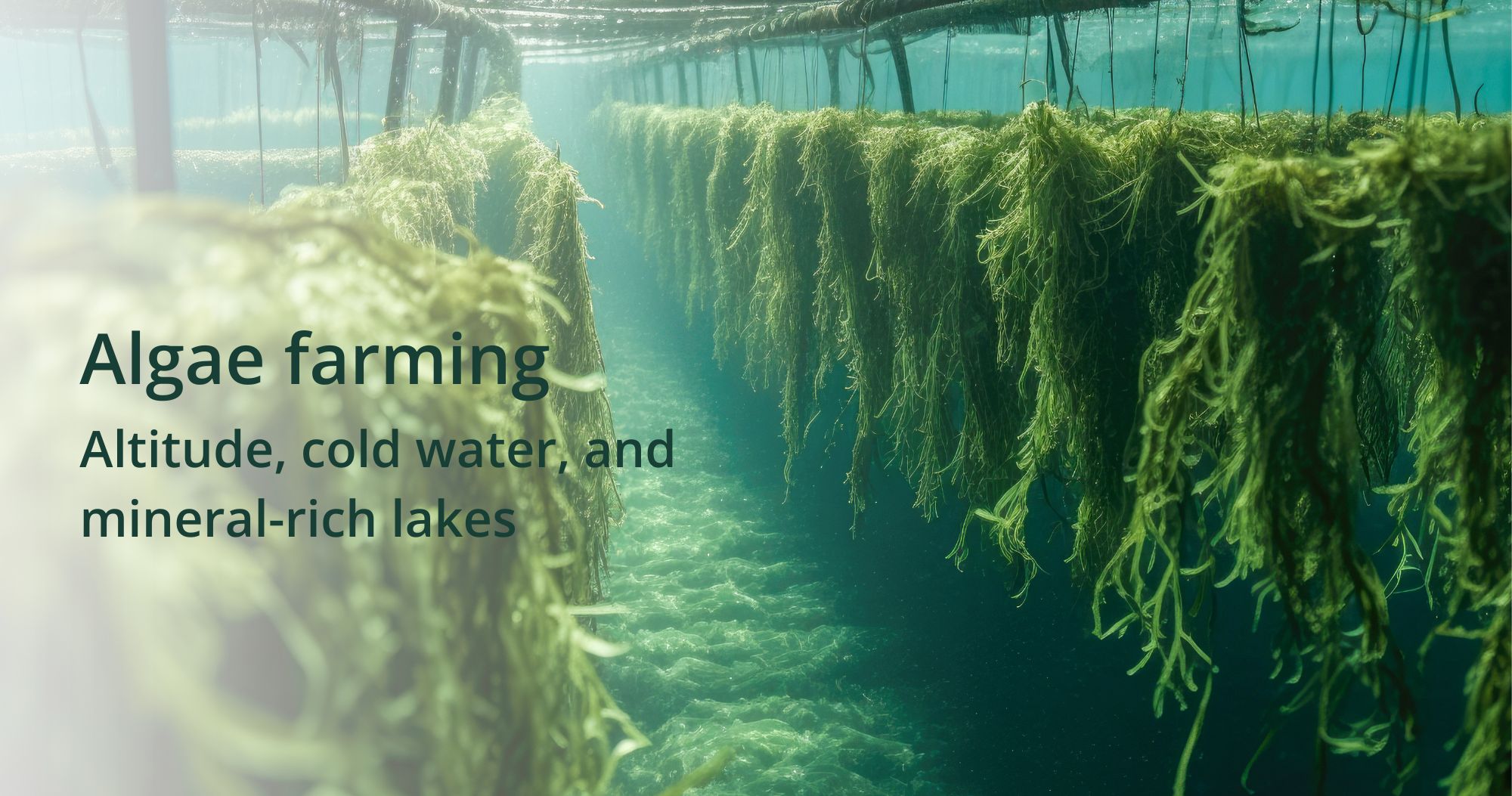
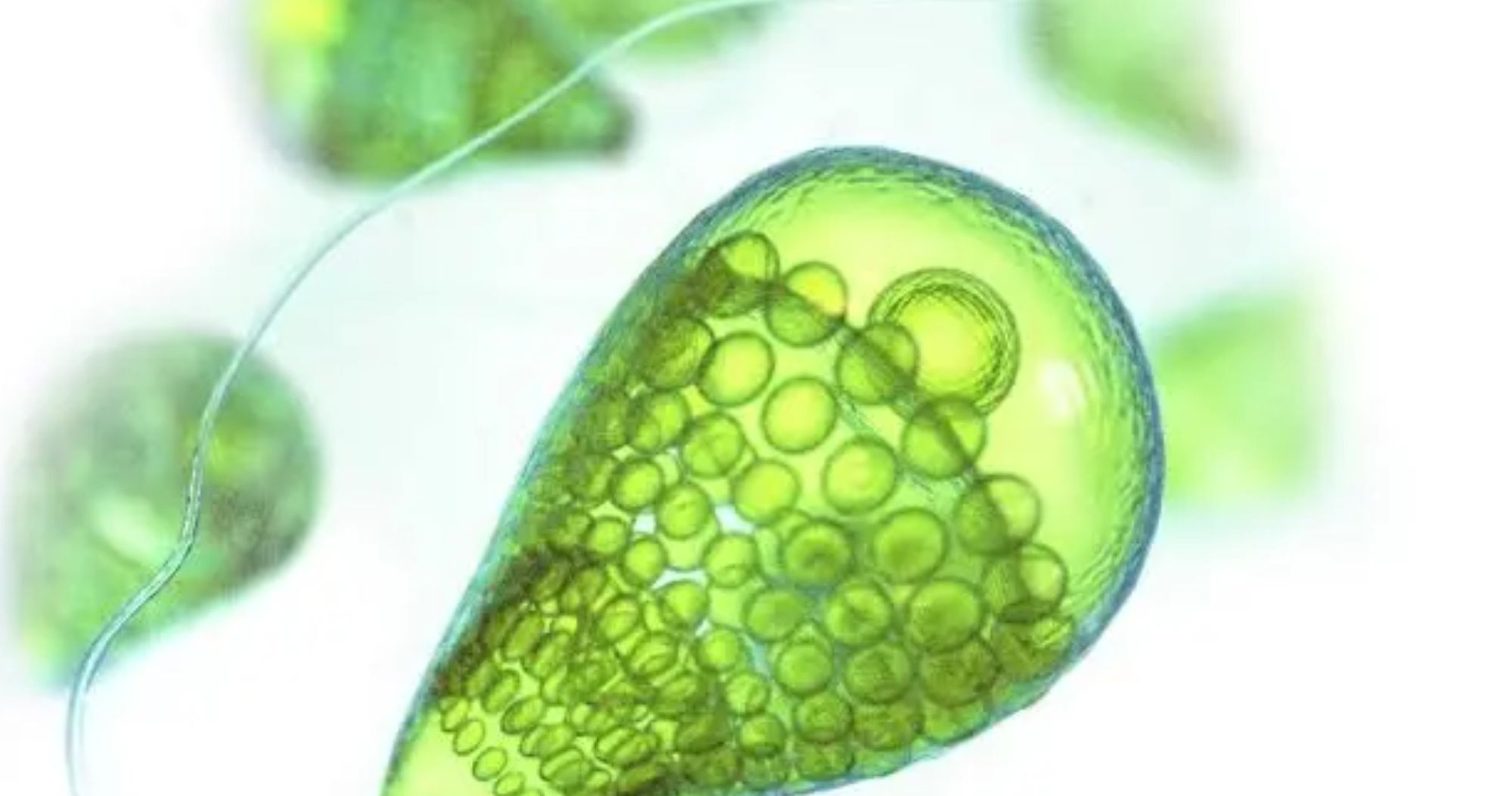
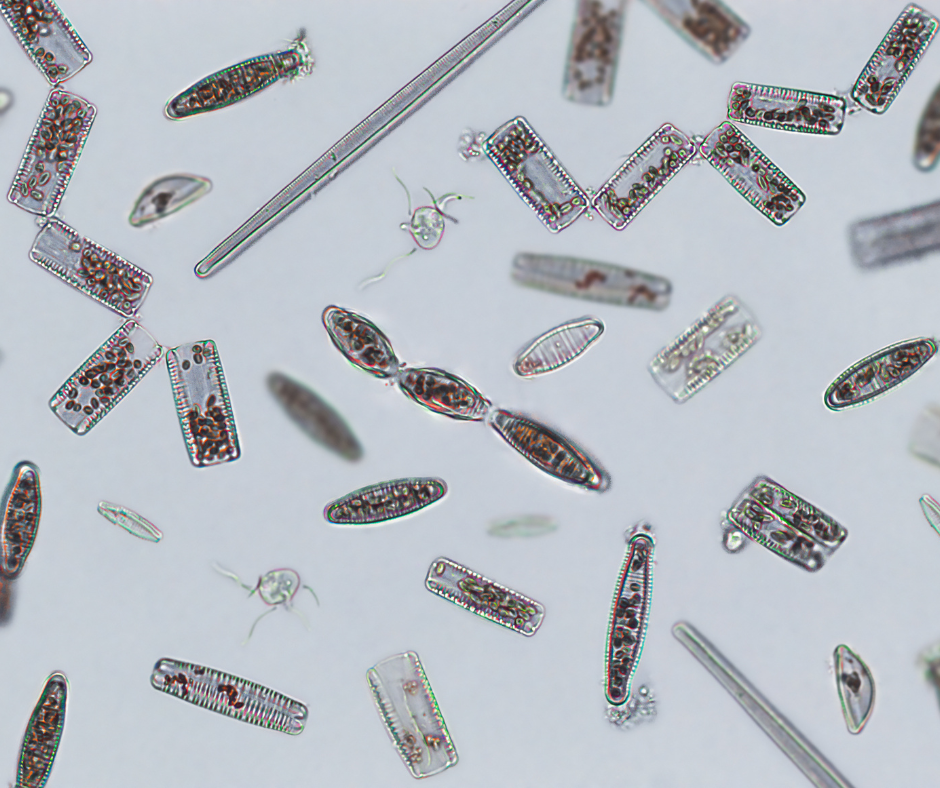
Spirulina is a cyanobacteria that lives in alkaline water environments, often growing in natural lakes with special conditions. Today, to ensure quality and safety, spirulina is grown on a large scale in strict control systems.
Thanks to its rapid growth and good adaptation, this microalgae has become one of the most exploited sources of biological material in the field of nutrition.
Why is Spirulina called a superfood?
It is no coincidence that spirulina is called a superfood. Its highlight lies in its high nutrient density — that is, it contains a lot of nutrients in very small amounts.
Despite its low calorie content, spirulina is rich in protein, vitamins and minerals. This makes it the right choice for those who want to take a nutritional supplement without significantly increasing their energy intake.
What does a tablespoon of spirulina contain?
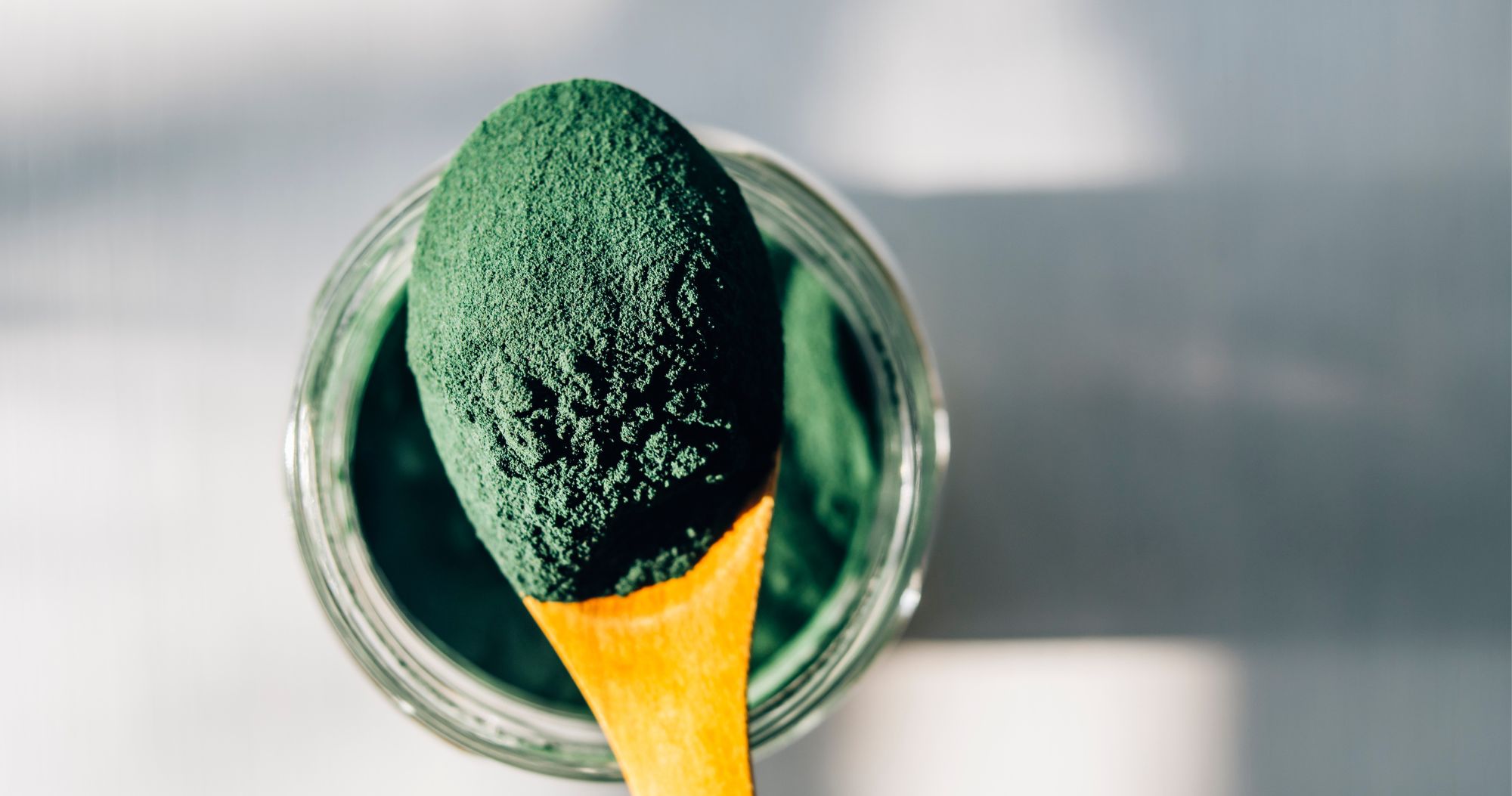
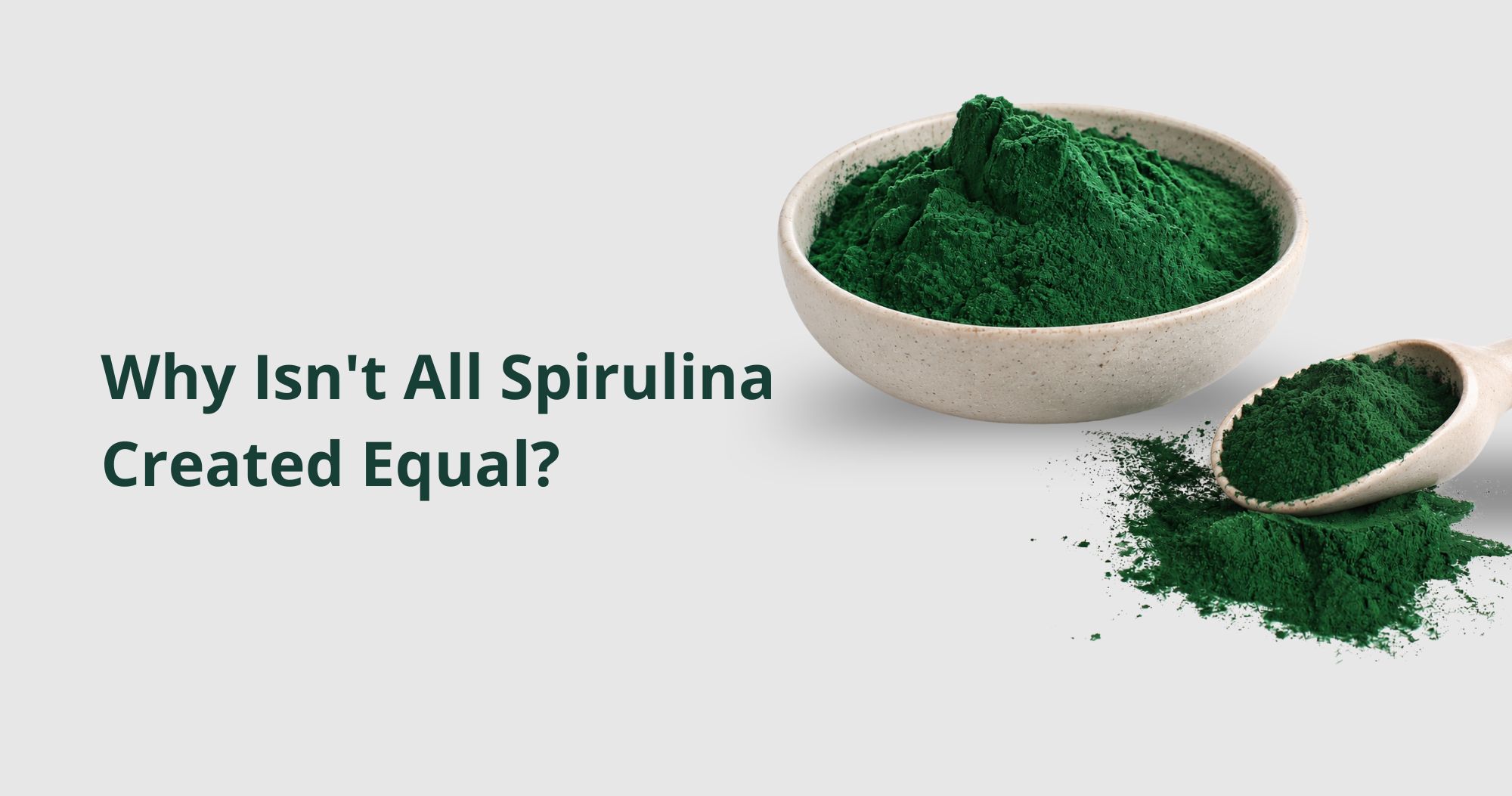
With only about 1 scoop (3—5g), spirulina provides a significant amount of nutrients to the body.
Basic nutrient content (estimated)
In this small serving, you can get protein, vitamins of group B and many essential minerals such as iron, magnesium and potassium.
For ease of visualization, it can be summarized as follows:
It is worth noting that all these nutrients are “compressed” in a very small amount, which not every food does.
Incredible protein content
One of the most outstanding features of spirulina is its extremely high protein content. In dry form, spirulina can contain up to 60— 70% protein.
Not just in quantity, the protein in spirulina also contains many essential amino acids — components that the body cannot synthesize on its own. This is why spirulina is often mentioned in healthy diets, especially for vegetarians.
Rich in antioxidants — phycocyanin
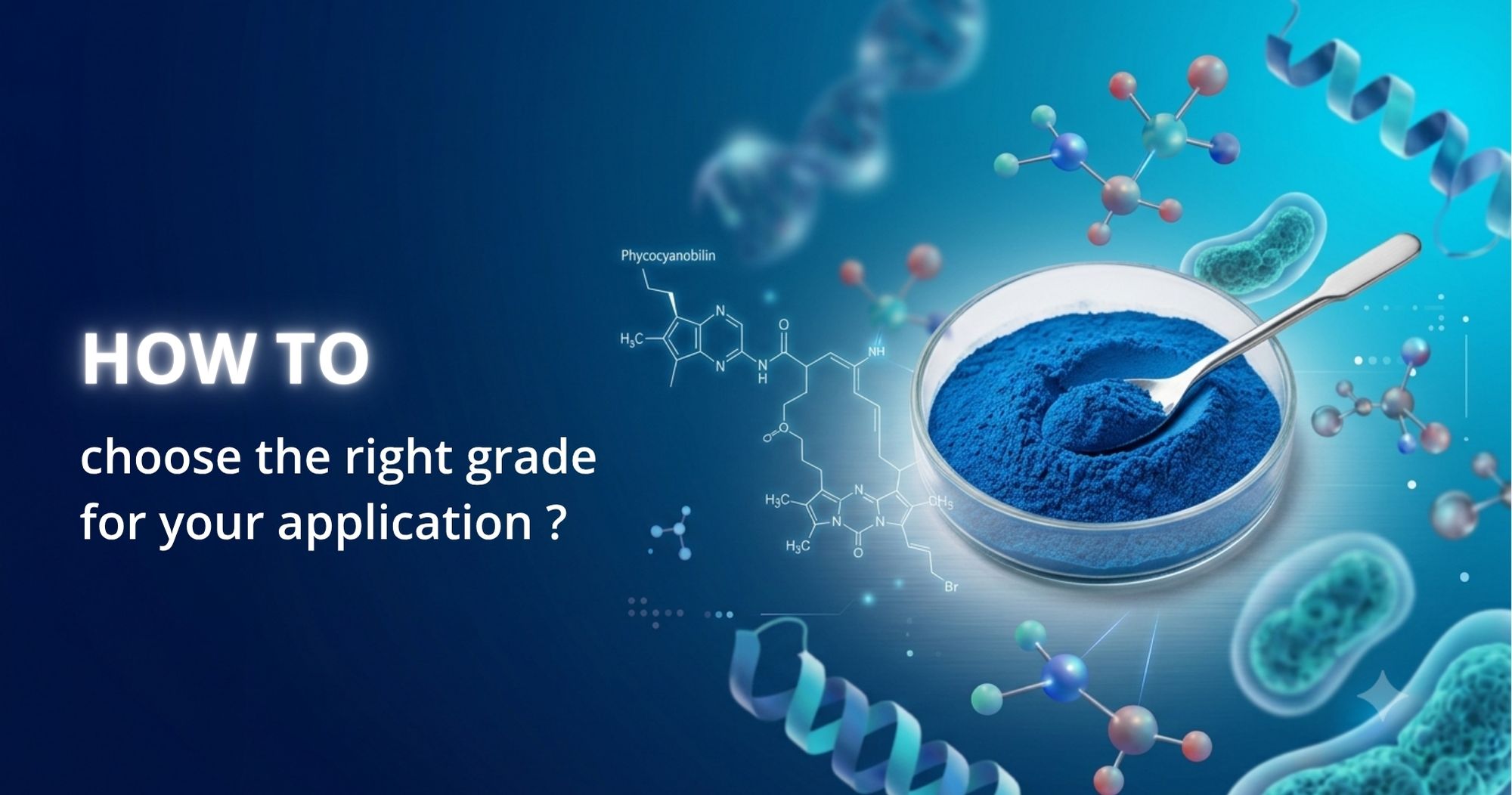
Spirulina's characteristic blue color comes from phycocyanin — a biological pigment with antioxidant activity.
This substance not only plays a role in the photosynthesis of algae, but is also studied for its ability to protect cells from the effects of free radicals. This is also one of the factors that makes spirulina stand out from many other foods.
Why is it that only a small amount is nutritious?

High nutrient density
Spirulina is considered one of the top high nutrient density foods. This means that in the same small volume, it provides more nutrients than many conventional foods.
Thanks to this, you do not need to consume too much, but still be able to replenish the necessary microelements for the body.
Easily absorbed
Another plus of spirulina is its easy absorption. Unlike some microalgae with hard cell walls, spirulina does not contain complex cellulose, which makes it easier for the body to digest and use nutrients.
This helps explain why just a small amount can have a noticeable effect when used regularly.
Benefits of taking one tablespoon of spirulina per day
The addition of spirulina in reasonable amounts can bring many noticeable benefits.
First of all, this is a simple way to supplement natural protein, especially for those with a diet deficient in protein sources. In addition, the vitamins and minerals in spirulina can aid in maintaining stable energy throughout the day.
In addition, thanks to its antioxidant compounds, spirulina also contributes to the support of the immune system and helps the body better adapt to environmental agents. Regular supplementation also helps to provide additional essential micronutrients that the daily diet sometimes does not meet enough.
Who should supplement spirulina?
Spirulina is suitable for a variety of objects. People who are busy, regularly eating unbalanced meals may see this as a convenient nutritional supplement.
In addition, those who are interested in long-term health or who are on a vegetarian diet also often choose spirulina as a natural source of nutrients. However, the use should still be flexible according to individual needs.
How to use spirulina effectively
Spirulina is now quite easy to use thanks to its many different forms.
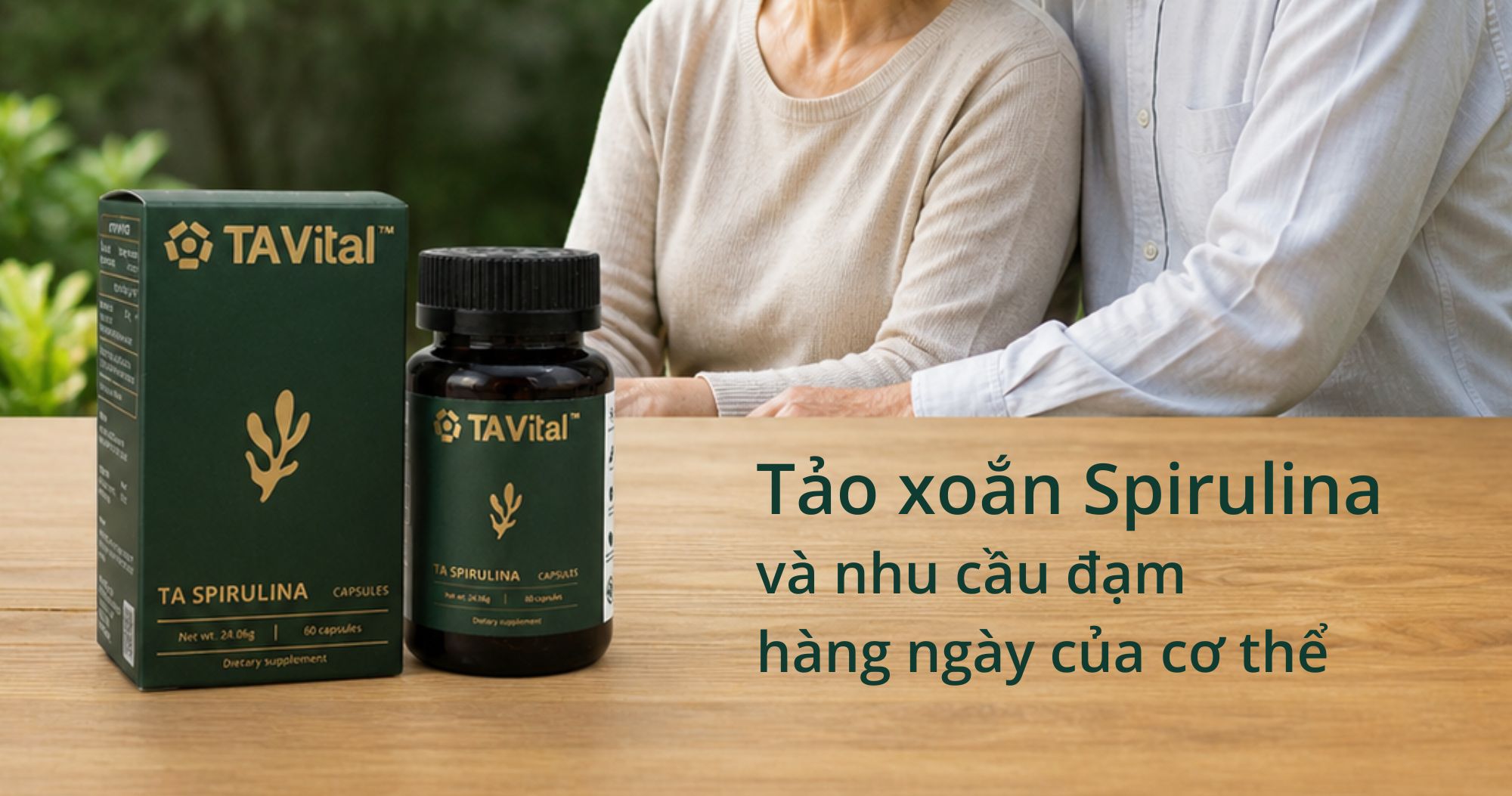
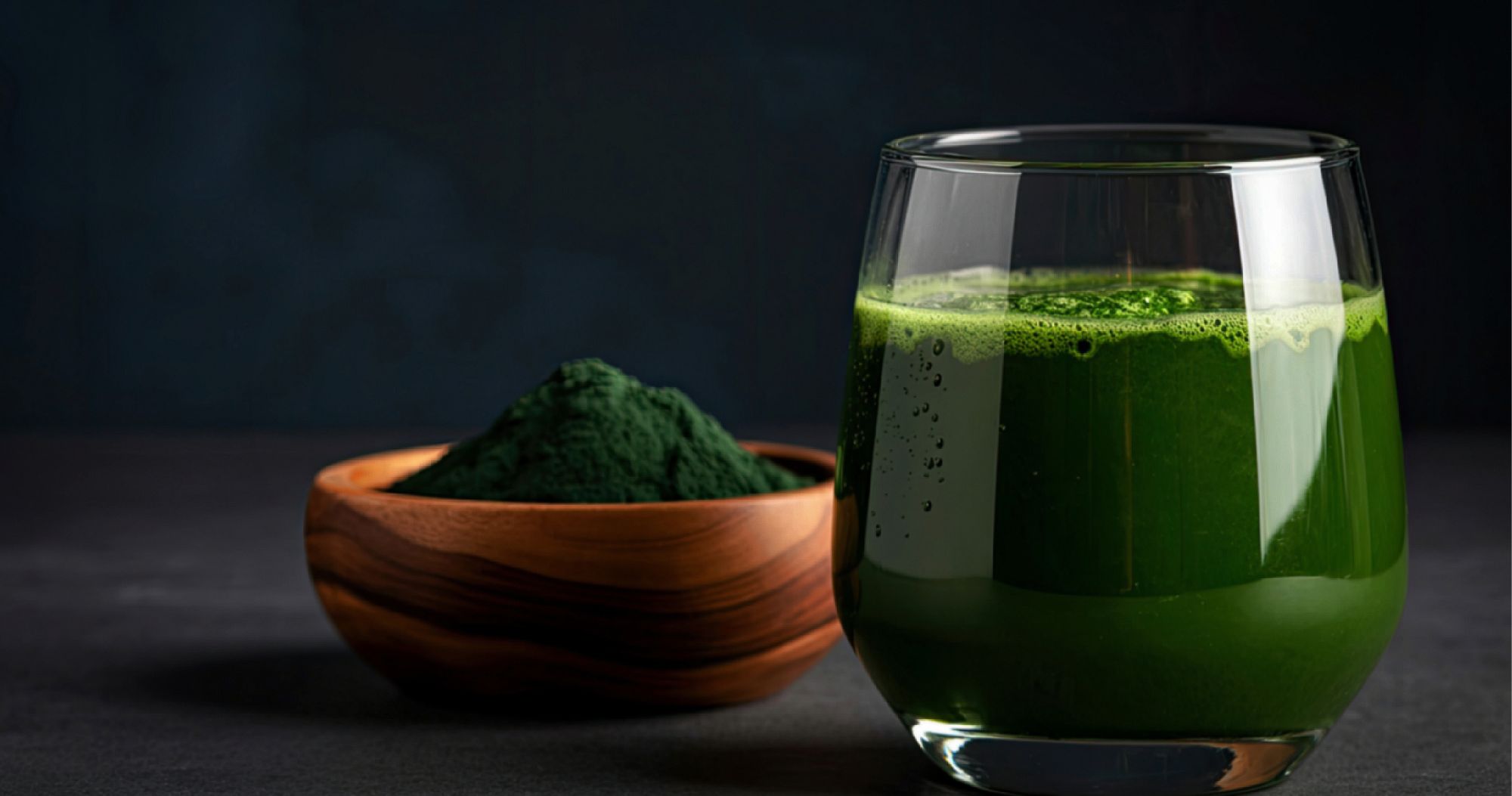
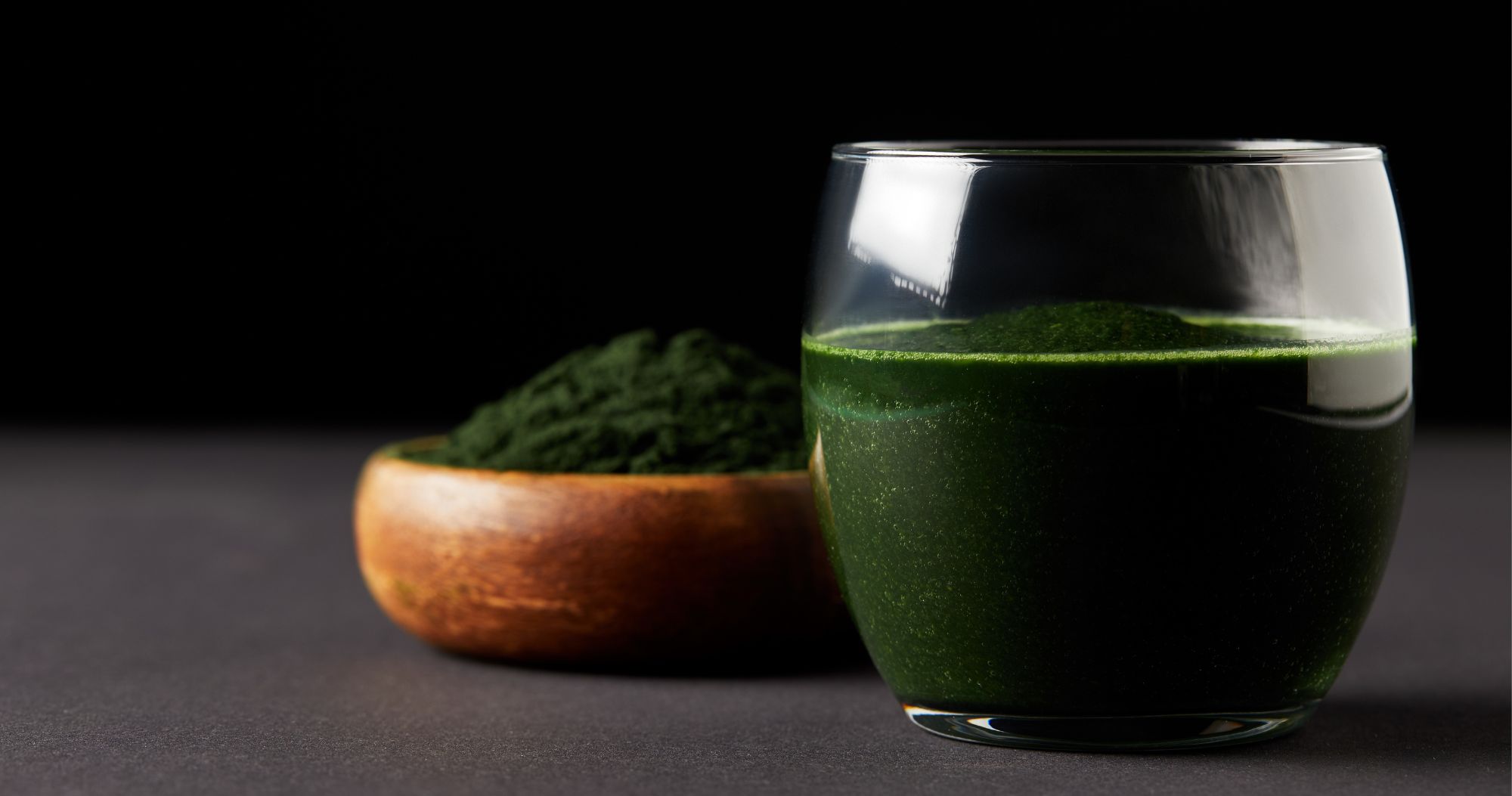
If you choose a powder, you can mix it with water, smoothies or combine it with daily drinks. Meanwhile, the tablet form is suitable for those who need convenience and compactness.
In terms of dosage, many people usually use about 1—3g per day, depending on the needs and instructions of the product. Maintaining regularity is often more important than taking large amounts in a short time.
Should I take more than 1 tablespoon?
A fairly common question is whether it is better to take more.
In fact, spirulina is a food supplement, not as much as effective. Excessive use does not bring unsurpassed benefits, while the body only needs a sufficient amount for absorption.
The important thing is not in the quantity, but in the regularity and how it is combined with the overall diet.
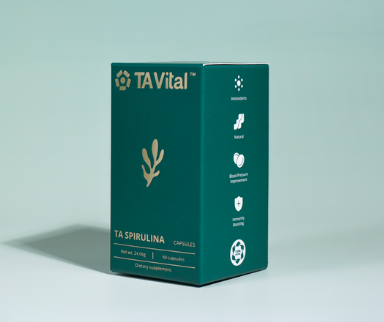
Conclusion
With just a small spoon, spirulina can already provide a significant amount of nutrients — from protein, vitamins to important minerals. This is exactly why this microalgae is considered one of the most popular superfoods today.
However, for best effect, spirulina should be used as a supplement in a balanced diet, rather than completely replacing other sources of nutrients. When taken correctly and maintained at regular intervals, this can be a useful helper for long-term health.
.png)
.png)


.jpg)




.jpg)
.jpg)

.jpg)


.png)
.png)
.jpg)
.jpg)





.jpg)

.jpg)


.jpg)
.jpg)


.jpg)



.jpg)




.png)




.jpg)


.jpg)