

Spirulina (spirulina) Often referred to as a nutrient-rich “superfood” present in many healthy diets, from vegetarians, sports players to office workers pursuing a green lifestyle. However, there is still one easily misleading question: Spirulina is actually algae or bacteria.
This question is not only academic. It directly affects how consumers perceive Spirulina: how safe it is, absorbability, and why this organism has such a special nutritional structure. To answer correctly, it is necessary to look at Spiurlina from a biological science perspective.
Where is spirulina called “spirulina” from?
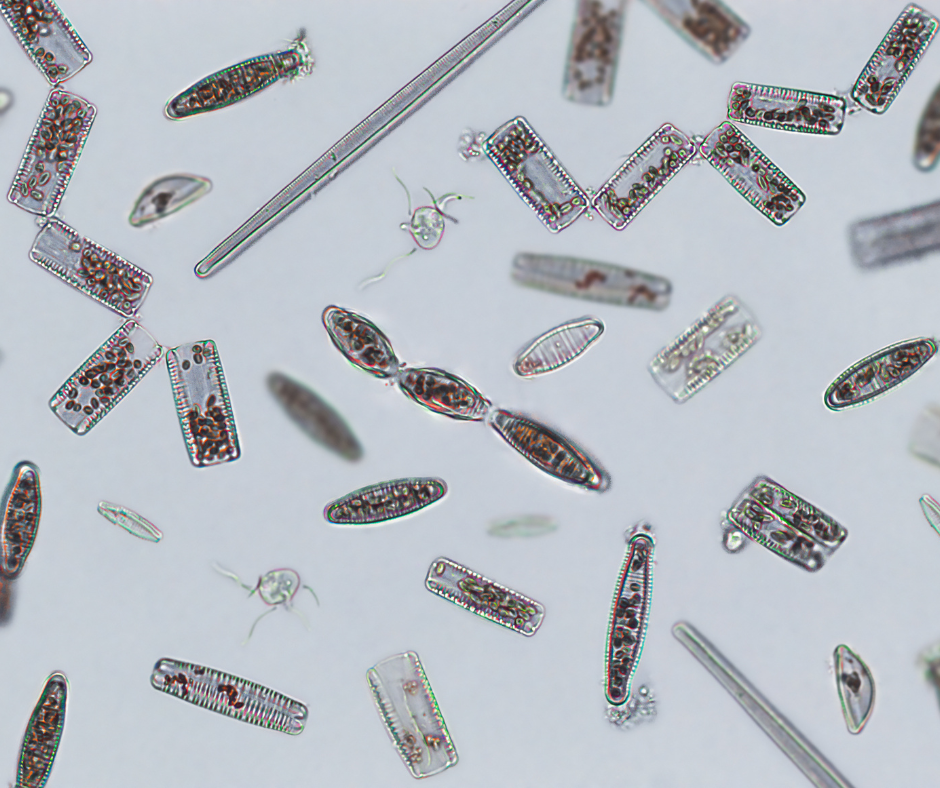
In everyday life, Spirulina is often referred to as spirulinabecause of the characteristic spiral shape when viewed under a microscope, at the same time it grows in the same aquatic environment as other algae. In the food and supplement market, the so-called way of making it easier for consumers to visualize and reach them.
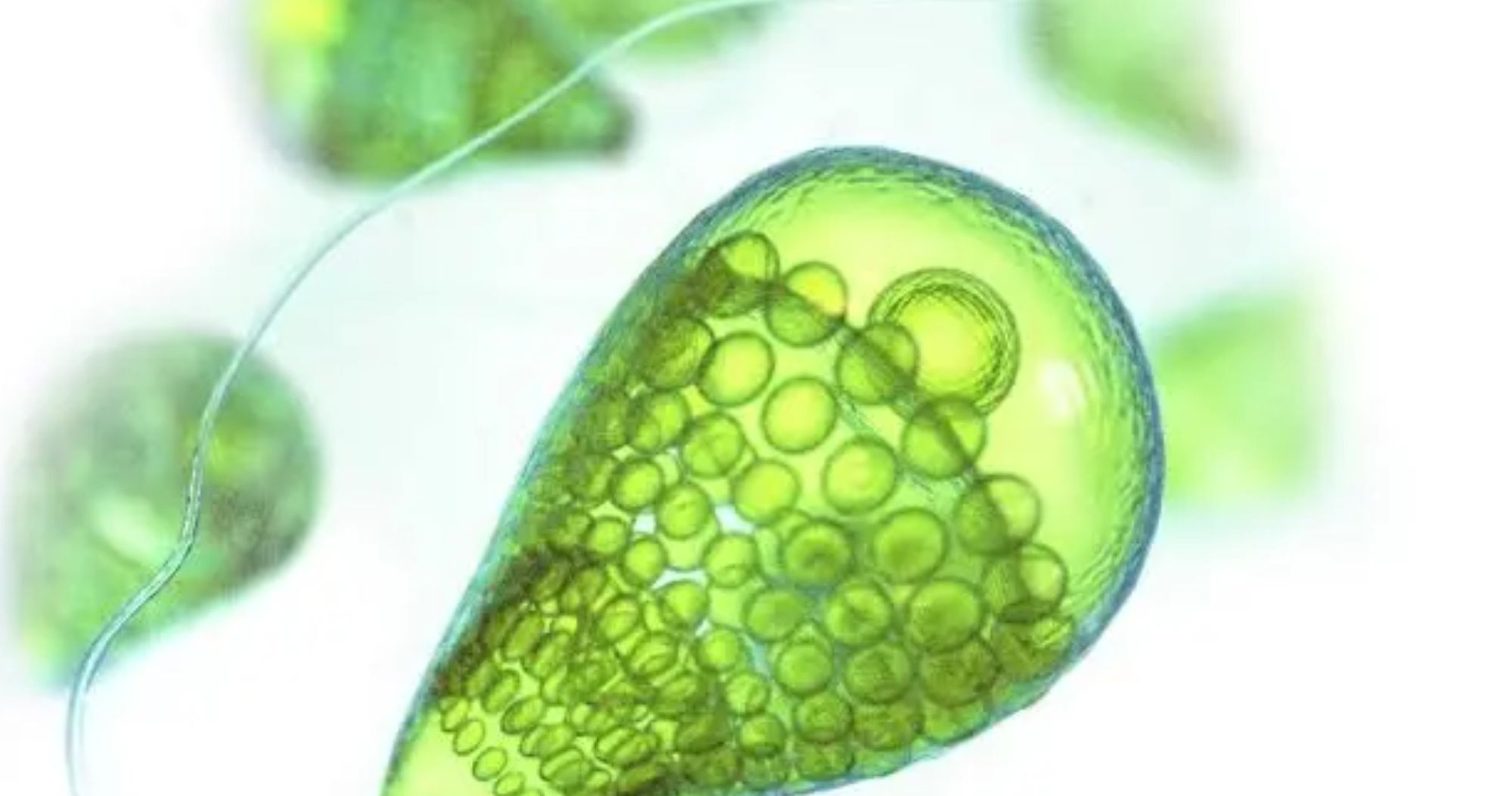
However, considering that Precise biological classification, Spirulina is not a eukaryotic algae like green algae, brown algae or seaweed. Spirulina belongs to the group cyanobacteria (Cyanobacteria) - an ancient form of microorganisms that has existed on Earth for more than 3.5 billion years.
In other words, Spirulina is microbes, maar is photosynthetic bacteria, capable of generating energy from plant-like light. It is this “half-algae-like - half-bacterial” characteristic that makes Spirulina unique and often confused.
.jpg)
What are cyanobacteria?
Cyanobacteria are groups of simple unicellular or multicellular organisms, There is no truth., but is capable of photosynthesis thanks to chlorophyll pigments and phycocyanins. In the history of evolution, cyanobacteria were the first group of organisms to produce oxygen, contributing to the formation of Earth's atmosphere as it is today.
Spirulina is one of the special cyanobacteria species because:
- Has a helical, stable structure
- Does not produce toxins like many other cyanobacteria
- Used by humans as food hundreds of years ago
The fact that Spirulina belongs to the group of cyanobacteria not synonymous with pathogenic bacteria. On the contrary, it belongs to the group of beneficial microorganisms, which have been recognized by the FAO and WHO as safe for use as food.
Why is Spirulina Bacterial but Easily Absorbed Like Plants?
The most important difference of Spirulina from conventional algae or plants lies in cell structure.
Spirulina no hard cellulose cell wallcomo plantas. Its cell wall is mainly composed of easily soluble polysaccharides, helps the human body to absorb nutrients faster and more gently, without the need to spend a lot of digestive enzymes.
It is this characteristic that explains why Spirulina is often rated as:
- Easy to digest
- Suitable for people with sensitive digestive systems
- Less bloated than some other high-protein foods
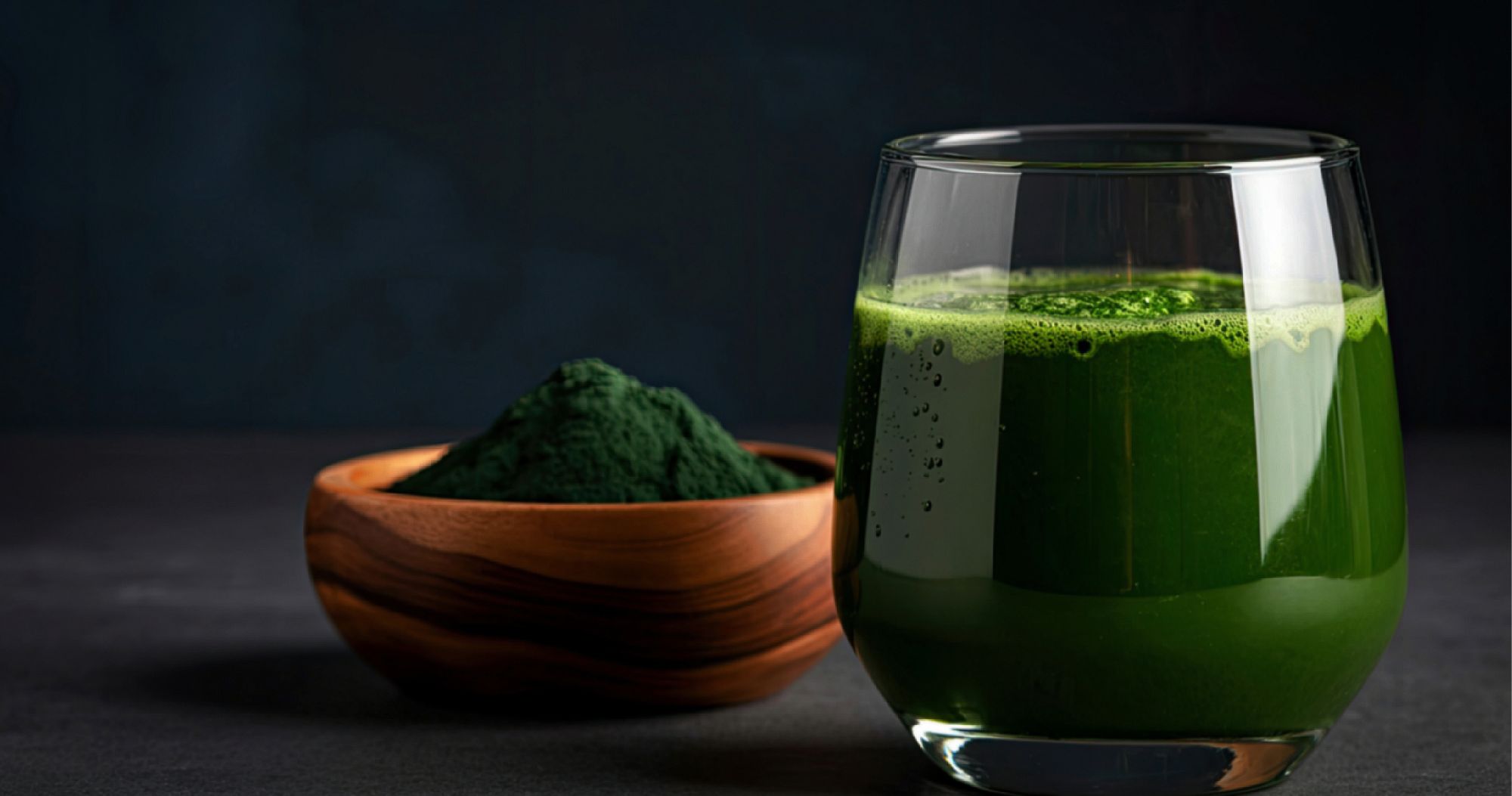
It is also the biological basis for Spirulina to be widely used in everyday life, from quick breakfasts to smoothie recipes, green drinks, nutrition.
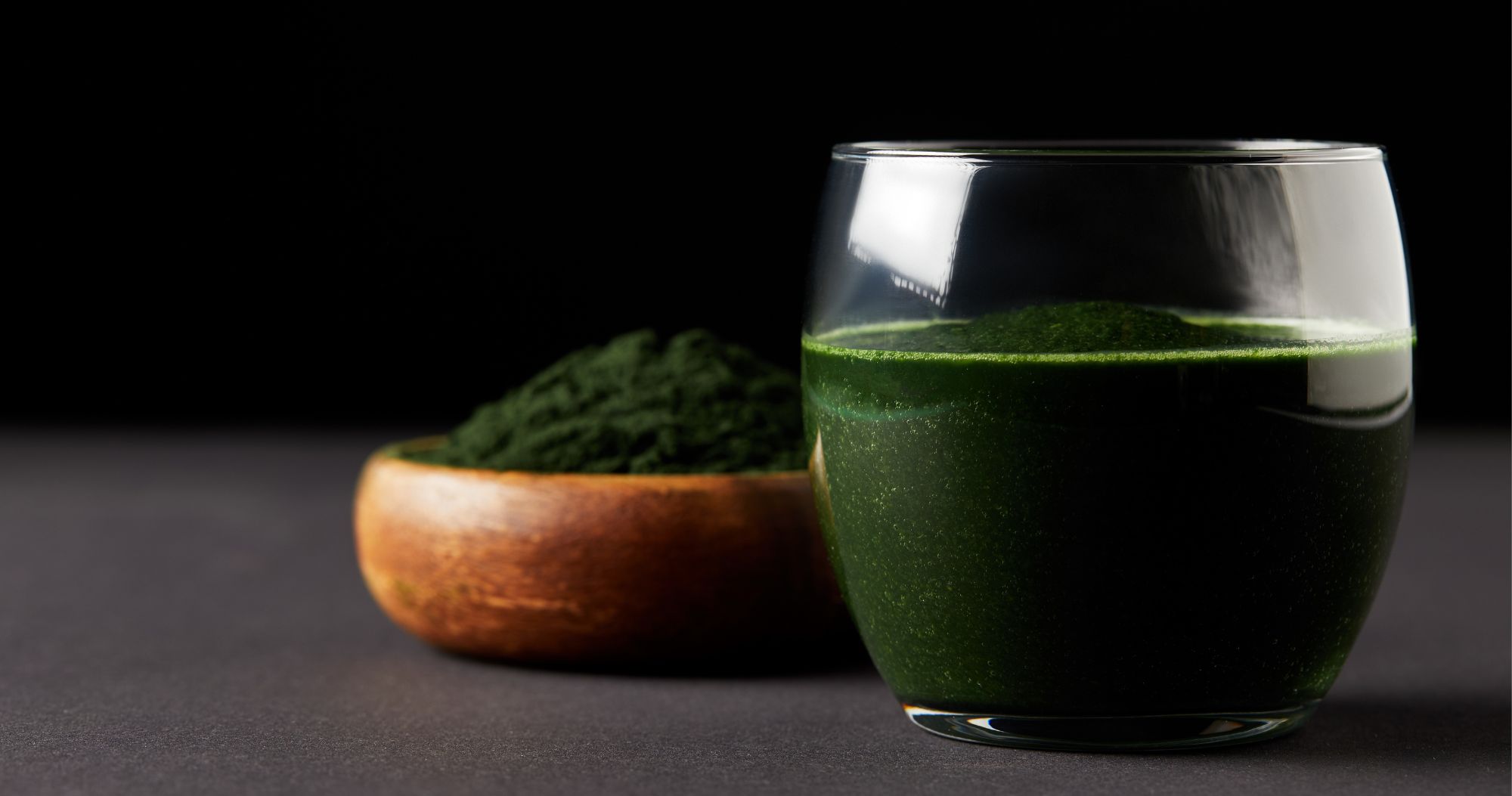
What is Spirulina different from seaweed and seaweed?
Another common mistake is equating spirulina with seaweed or seaweed. In fact, this is a completely different group.
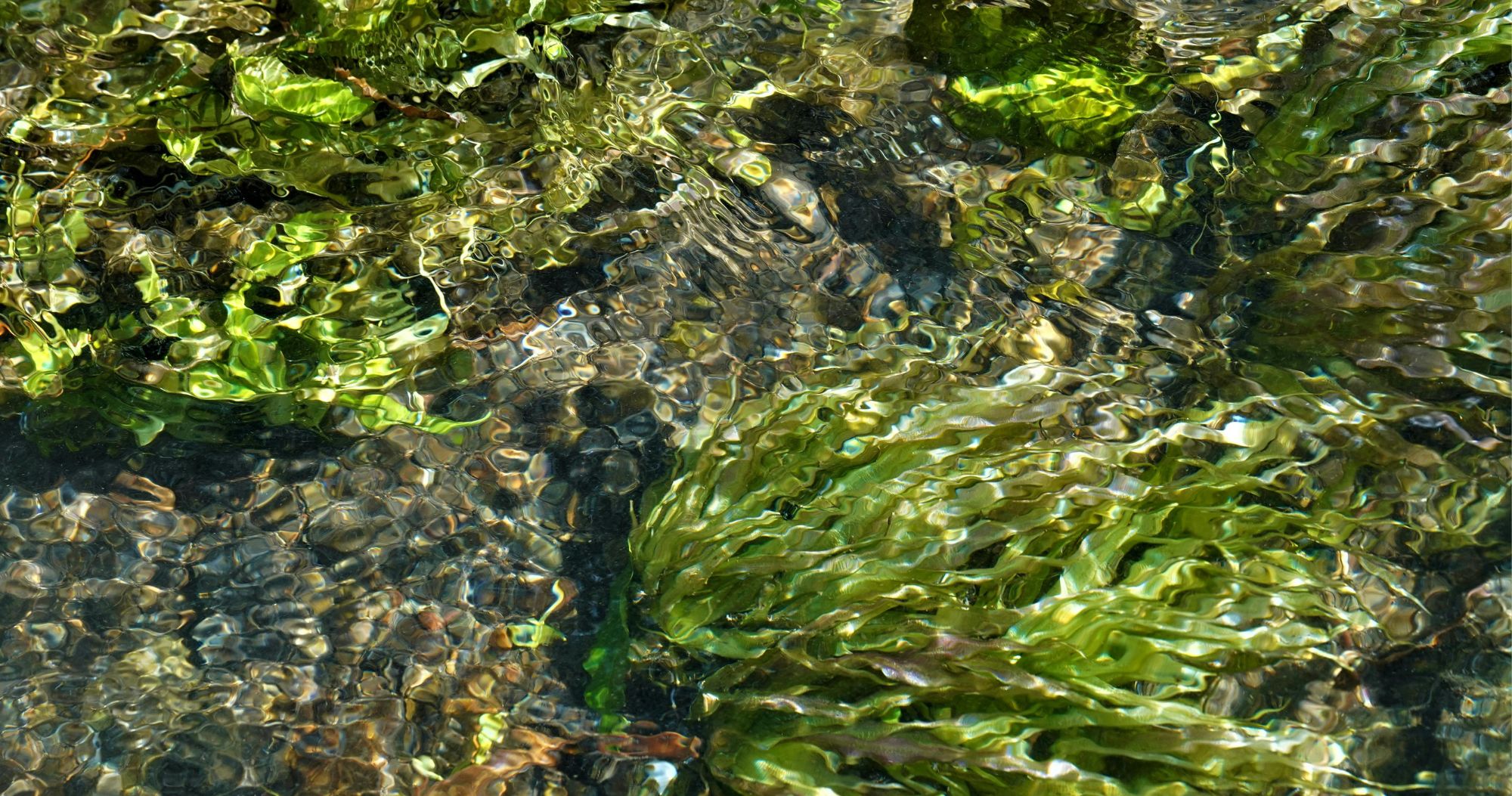
Seaweed and the majority of marine algae are eukaryotes, has a complex cell structure, thick cell walls, rich in insoluble fiber. They are suitable for traditional food roles, but the absorption of micronutrients often depends heavily on how they are processed.
Spirulina, on the other hand, is simple bacteria in structure, but rich in nutrients such as protein, B vitamins, iron, natural iodine and precious biological pigments such as phycocyanin. It is the simplicity with which this effect is what makes Spiurlina the ideal raw material for modern life, when consumers have high nutritional needs but do not have much time to process.
Spirulina is bacterial - so is it safe?
In science, “bacteria” is a neutral concept. Not all bacteria are harmful and a lot of beneficial bacteria are present in the human body every day.
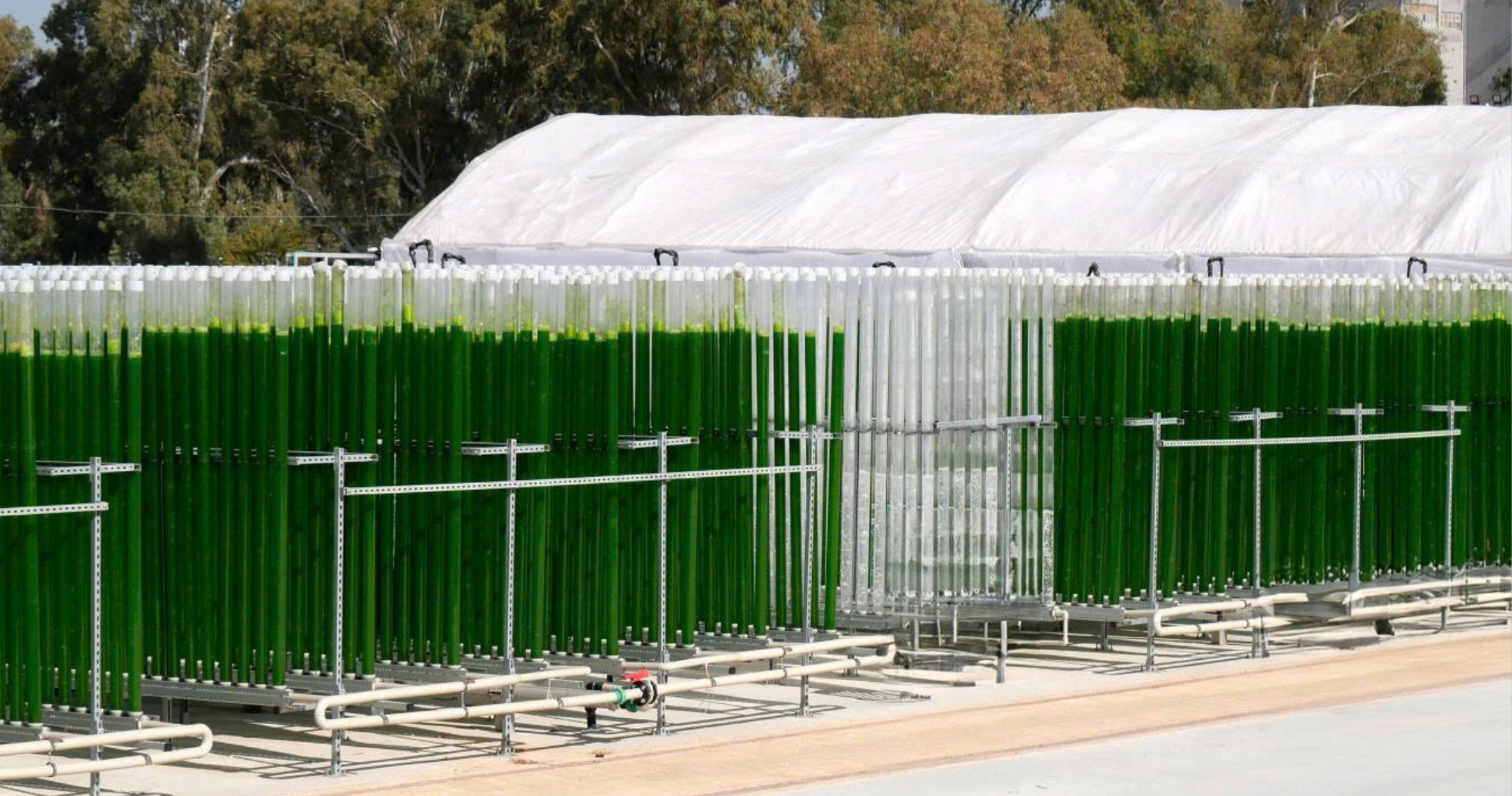
Spirulina has been used as food since ancient Aztec times and has been widely studied since the 20th century. International organizations such as WHO, FAO and FDA all recognize Spiurlina as safe food sources, provided that it is grown in a strictly controlled environment.
Conclusion
Green lifestyles and sustainable nutrition are gaining more and more attention, Spirulina is more than just a personal health story. Rather than looking for increasingly complex nutritional sources, Spirulina represents a simplified approach from the root, starting with organisms with a minimalistic yet efficient biological structure.
Small amounts of Spirulina can add many essential micronutrients, reducing dependence on food sources that require deep processing or long transportation.
.png)
.png)

.jpg)




.jpg)
.jpg)


.jpg)


.png)
.png)
.jpg)
.jpg)




.jpg)

.jpg)


.jpg)
.jpg)


.jpg)



.jpg)




.png)






.jpg)






%205%20l%E1%BB%A3i%20%C3%ADch%20n%E1%BB%95i%20b%E1%BA%ADt%20cho%20s%E1%BB%A9c%20kh%E1%BB%8Fe%20ng%C6%B0%E1%BB%9Di%20hi%E1%BB%87n%20%C4%91%E1%BA%A1i.jpg)


