The brain is the most energy-consuming organ in the body, and one of the most sensitive systems to stress, aging, and nutritional deficiencies. In the modern rhythm of life, when work pressure, lack of sleep and prolonged stress become the “new normal,” brain health is being silently but visibly affected.
That's why, in addition to familiar foods like fatty fish or nuts, more and more people are starting to look for new sources of nutrients - including spirulina. Not only is it famous as a “superfood,” spirulina has also been studied for its potential to support the brain through various biological mechanisms.
But the important question is: does spirulina really impact the brain, or is it just a nutritional trend?
What does the brain need to maintain optimal performance?
To understand the role of spirulina, it is necessary to start from the background: on which factors the brain operates.
First of all, energy. The brain uses glucose as its main fuel source, but this energy metabolism depends on vitamins and minerals, especially the B group of vitamins. With a micronutrient deficiency, cognitive performance may decline even though the calorie intake is sufficient.
Equally important is the oxidative balance. The brain consumes oxygen at high levels, which means it is vulnerable to oxidative stress — a build-up of free radicals that damage cells.
In addition, the neurotransmission system — with substances such as dopamine or serotonin — plays a role in coordinating memory, emotions and the ability to concentrate. All these factors depend on the state of nutrition and the biological environment in the body.
Why does the brain deteriorate so easily in modern society?

The decline in brain function is not a sudden event, but the result of many cumulative factors.
Prolonged stress is one of the main causes. When the body is constantly in a state of stress, the level of Oxidative Stress increases, which directly affects neurons.
Next to it is Neuroinflammation - a mild but persistent inflammation in the brain, which is seen as a factor associated with cognitive decline and neurological aging.
Lack of sleep, a micronutrient-poor diet and a sedentary lifestyle further exacerbate the problem. The brain, though powerful, is very “fragile” to these pressures.
Spirulina: what nutritional sources have to do with the brain?
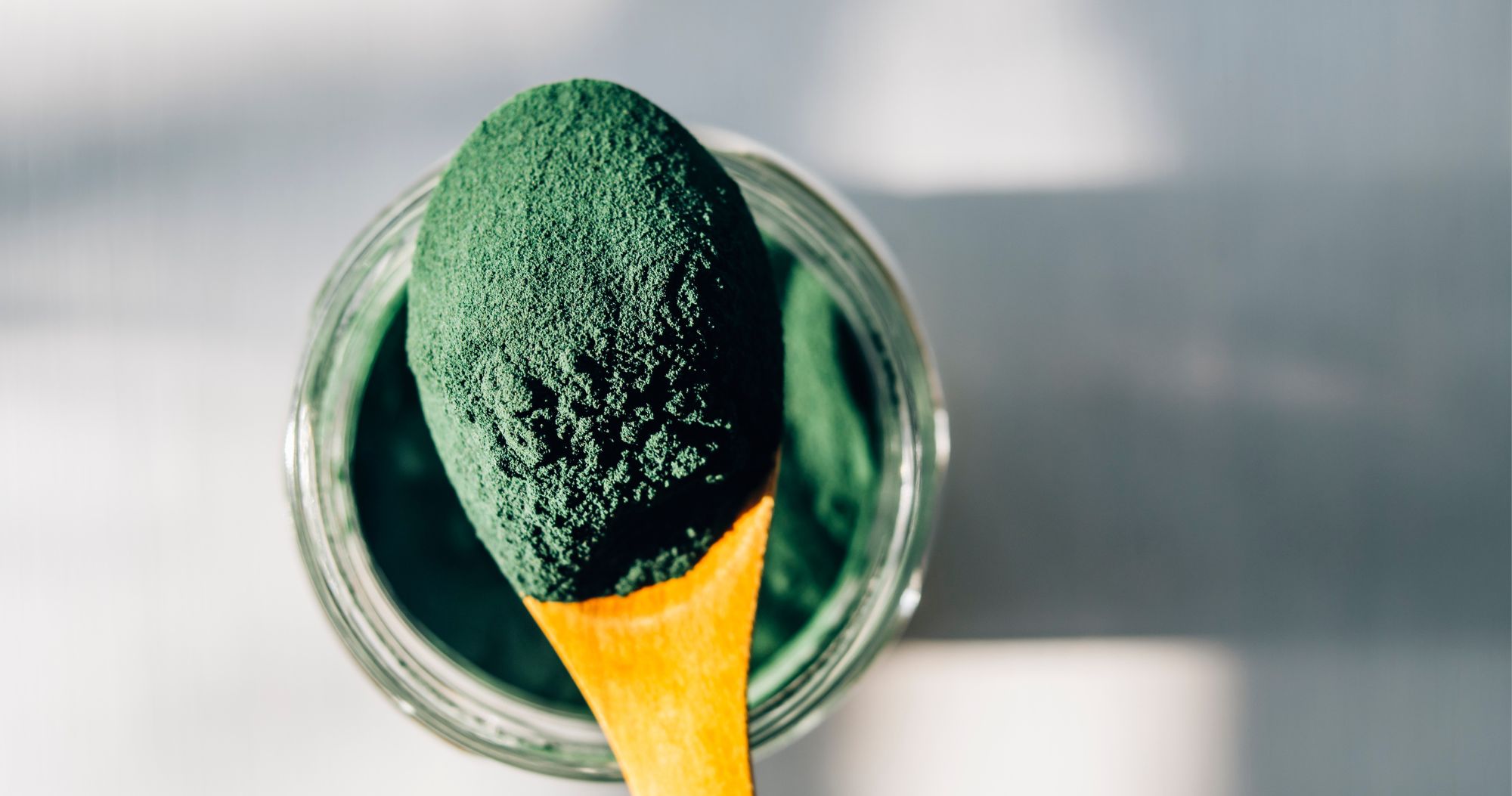
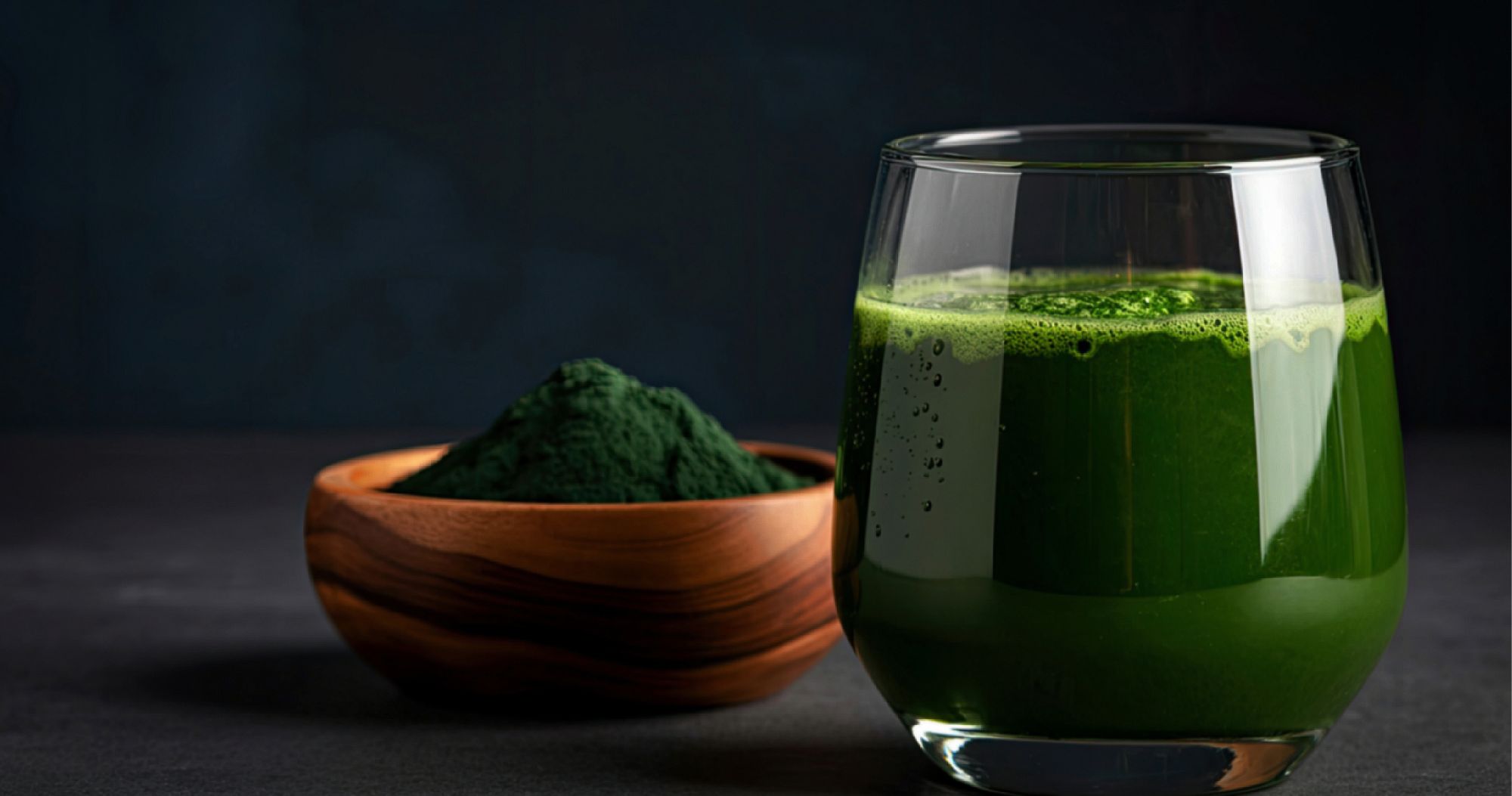
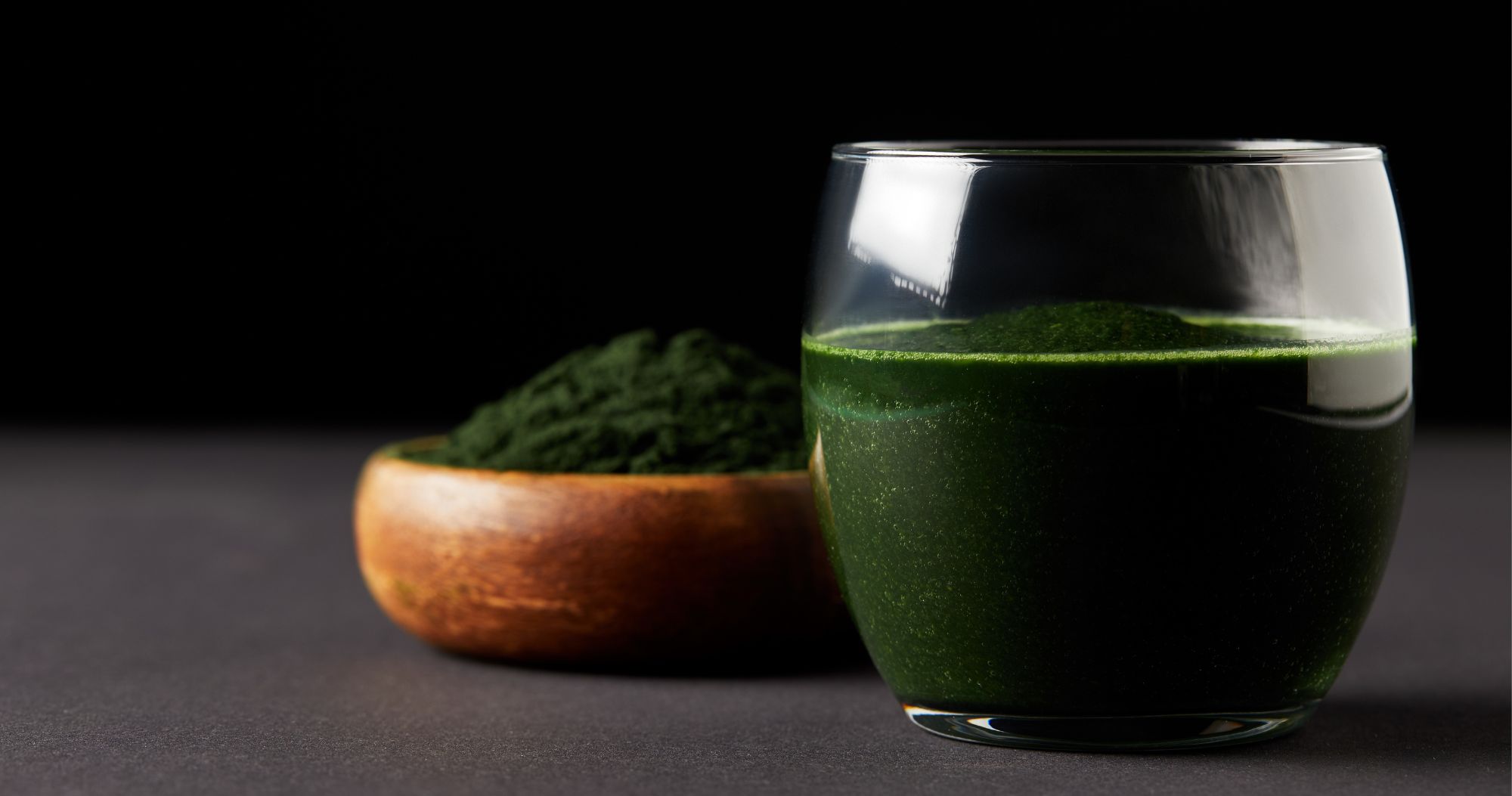
Spirulina is a high nutrient density microalgae that contains many ingredients that are directly or indirectly related to brain health.
In them there are proteins, iron, magnesium and especially vitamins of group B - those elements that are involved in the energy metabolism of the nervous system. In addition, spirulina also contains Phycocyanin, a characteristic antioxidant compound that makes algae green.
It is this combination of nutrition and biologically active ingredient that makes spirulina an object of research in the field of brain health.
Is Spirulina good for the brain?
The short answer is: spirulina is not a “brain tonic,” but can support brain health through a variety of biological mechanisms.
The important point to emphasize is that spirulina does not act as directly as therapeutic drugs. Rather, it works in a fundamental direction: improving the biological environment, reducing oxidative stress and providing the necessary micronutrients.
Understanding this correctly helps to avoid false expectations — and at the same time take advantage of the true value of spirulina.
How does Spirulina affect the brain?
One of the mechanisms of most interest is resistance to Oxidative Stress. The brain is very sensitive to free radicals, and their accumulation can damage neurons over time. Compounds such as Phycocyanin in spirulina can help neutralize these free radicals, thereby protecting cells.
In addition, spirulina has also been studied for its ability to help reduce neuroinflammation. Although there are no strong conclusions yet, some early evidence suggests that compounds in microalgae may contribute to reduced inflammatory responses in the nervous system.
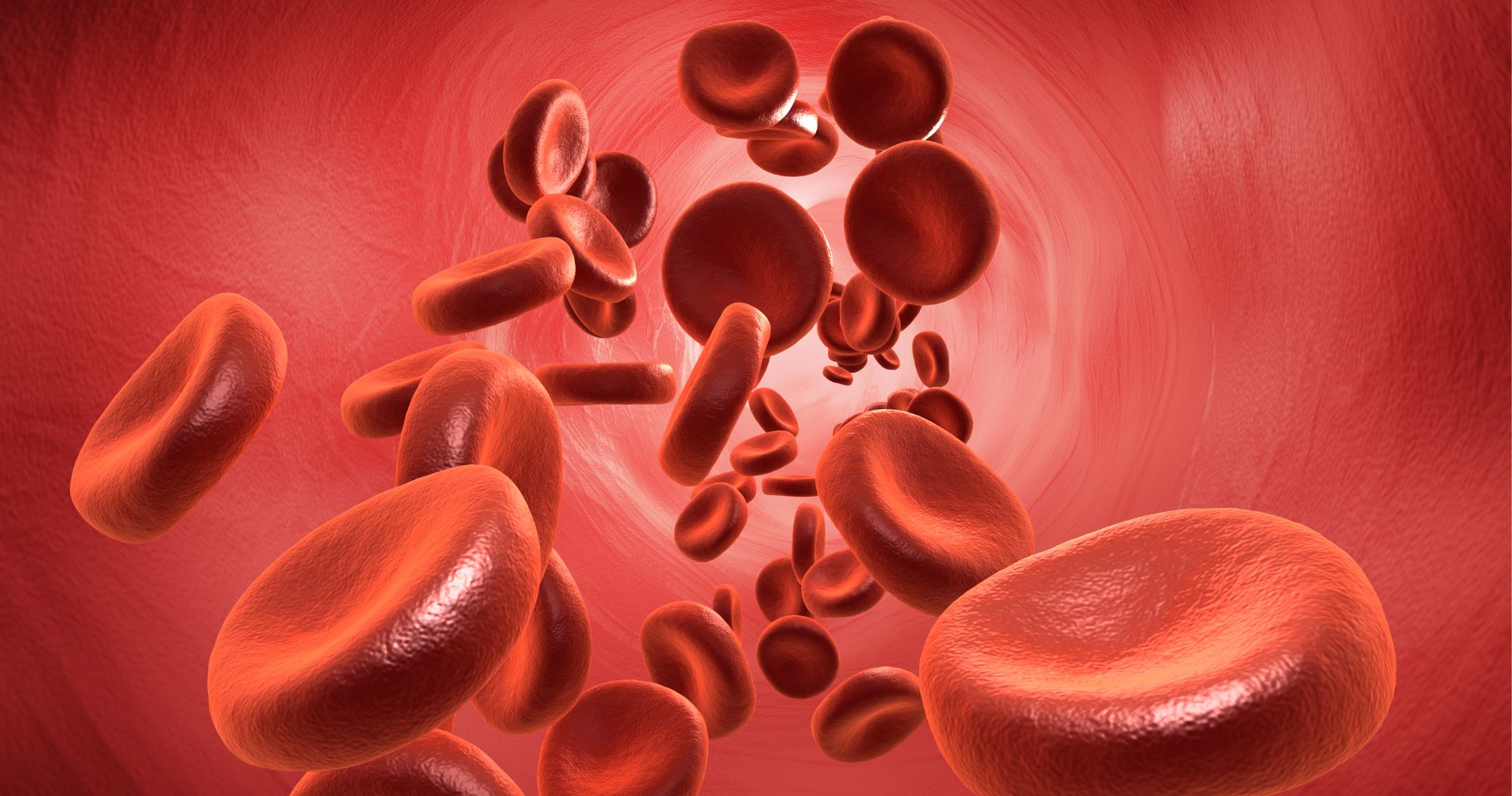
Another factor is the circulation and transport of oxygen. Thanks to its iron content, spirulina can support red blood cell production — thereby helping to provide oxygen to the brain more efficiently, especially in people with micronutrient deficiencies.
In addition, vitamins of group B in spirulina play an important role in energy metabolism, helping the brain to maintain stable activity. This is why many people feel an improvement in mental energy when supplementing regularly.
Finally, some preliminary research suggests the potential to support memory and cognitive function — although more evidence is needed to confirm this.
What does science say about spirulina and the brain?
Current studies, including in animals and humans, suggest that spirulina may offer several benefits related to nerve function, particularly in reducing oxidative stress and supporting the biological environment of the brain.
However, it should be viewed with caution: the majority of studies are still at an early stage. Spirulina cannot replace medical treatments, nor is it the only solution for brain health.
Its strengths lie in the role of long-term support, not quick action.
Spirulina versus other brain-friendly foods
When placed next to familiar foods, spirulina shows a fairly obvious role.
Compared to fatty fish — a rich source of omega-3s — spirulina cannot be completely replaced, as it does not provide equivalent levels of DHA/EPA. Compared to antioxidant-rich berries, spirulina has the advantage of nutrient density in small amounts.
This suggests an important principle: spirulina does not replace, but supplements. A varied diet is still the best foundation for the brain.
Who can choose Spirulina?
In fact, spirulina may be suitable for people with intense mental work, frequent stress or lack of sleep. Those interested in maintaining long-term brain health - especially in the context of aging, may also consider.
However, the effect will be more apparent when spirulina is combined with a healthy lifestyle, rather than single use.
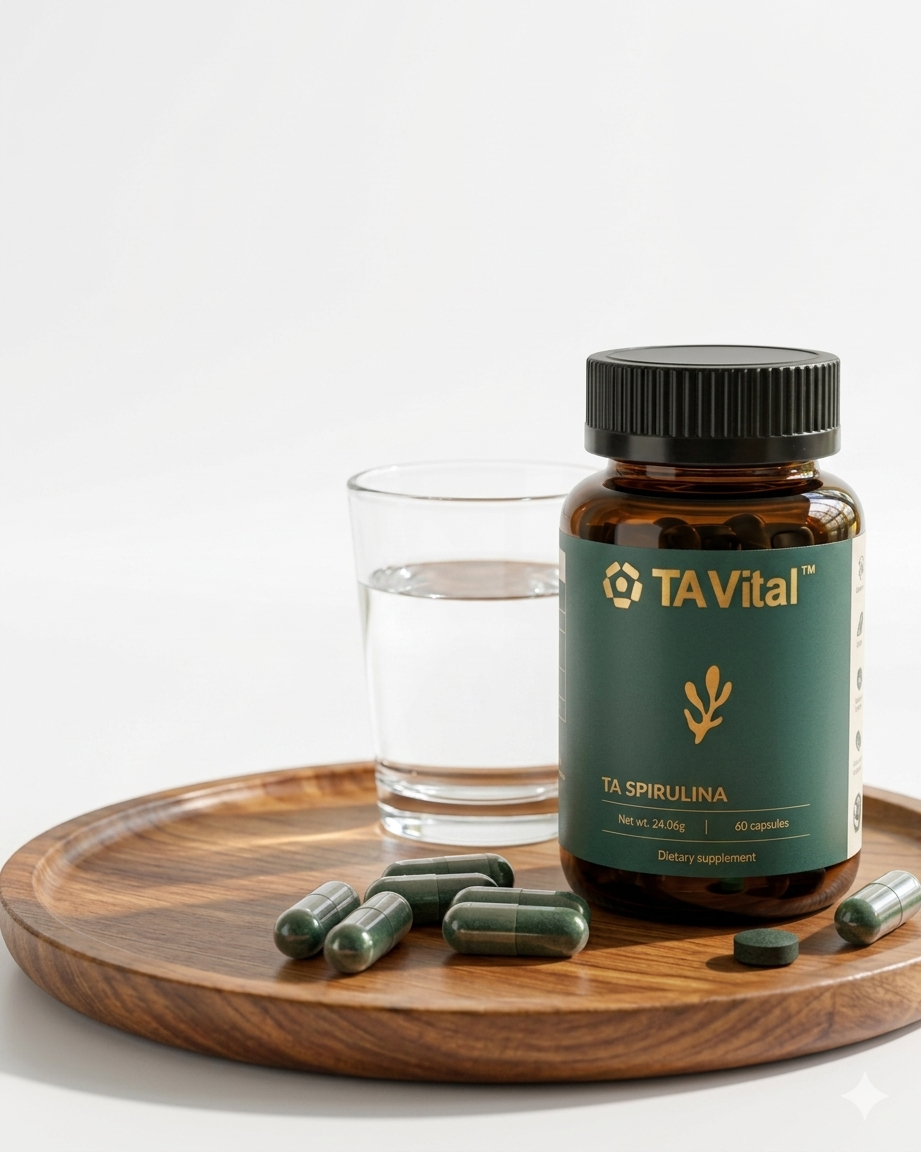
How to Use Spirulina to Support the Brain?
Common dosages are usually in the range of 1—3g per day. The time of use is flexible, but the morning or during the day is usually more suitable to avoid affecting sleep.
More important than dosage is consistency. Spirulina does not give an immediate effect, but takes time to play a supporting role.
When combined with adequate sleep, a balanced diet and stress control, the positive effects are more apparent.
Common misunderstandings
One of the biggest misconceptions is that spirulina can “increase IQ” or replace specialized brain tonic products. In fact, there is no scientific evidence to support these claims.
Excessive use with the expectation of a quick effect is also a common mistake. Like many other functional foods, spirulina needs to be used properly and under control.
Conclusion
Spirulina is not a “brain elixir,” but it is a nutrient that has the potential to support nervous health through mechanisms such as antioxidants, reducing inflammation, and providing essential micronutrients.
In the context of the modern brain facing many pressures, foundational solutions such as spirulina may play an important role in long-term health care strategies.
Proper understanding and correct use - remains always the determining factor of effectiveness.

.png)
.png)




.jpg)




.jpg)
.jpg)



.jpg)


.png)
.png)
.jpg)
.jpg)




.jpg)

.jpg)


.jpg)
.jpg)


.jpg)




.jpg)




.png)





.jpg)


.jpg)