

In the quest for a healthier and more sustainable lifestyle, people are increasingly interested in nutrients of natural origin, which are less processed and provide long-term health value. Amidst so many new nutritional trends, spirulina is emerging as a household name — but not everyone really understands what spirulina is and why, in particular, this tiny microalgae is so prized by science.
Spirulina has actually existed on Earth for billions of years and was used by humans very early on. What makes Spirulina remarkable is not only in its high nutritional content, but also in how it connects nutrition - health - and a future green lifestyle.
What is Spirulina?
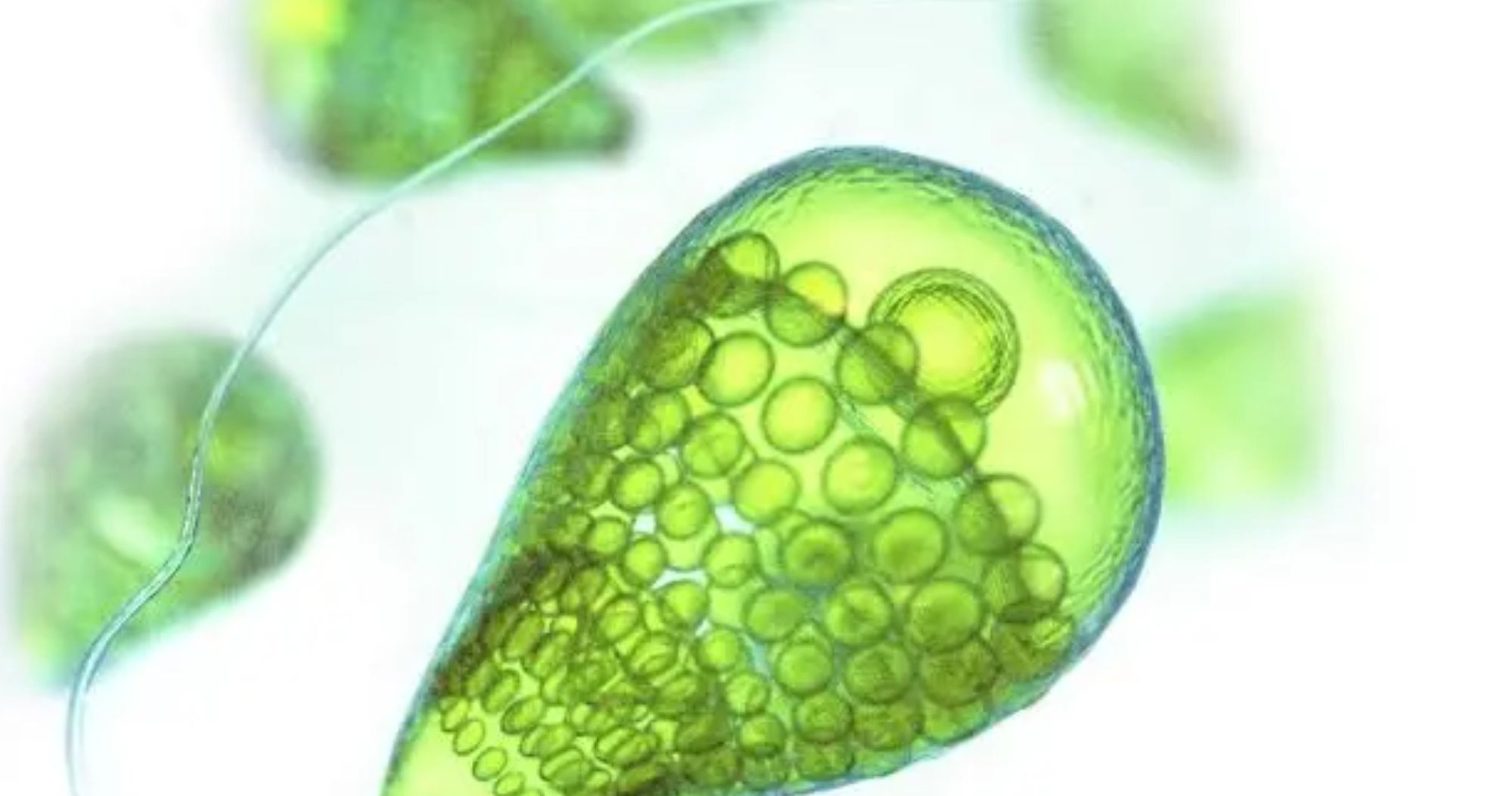
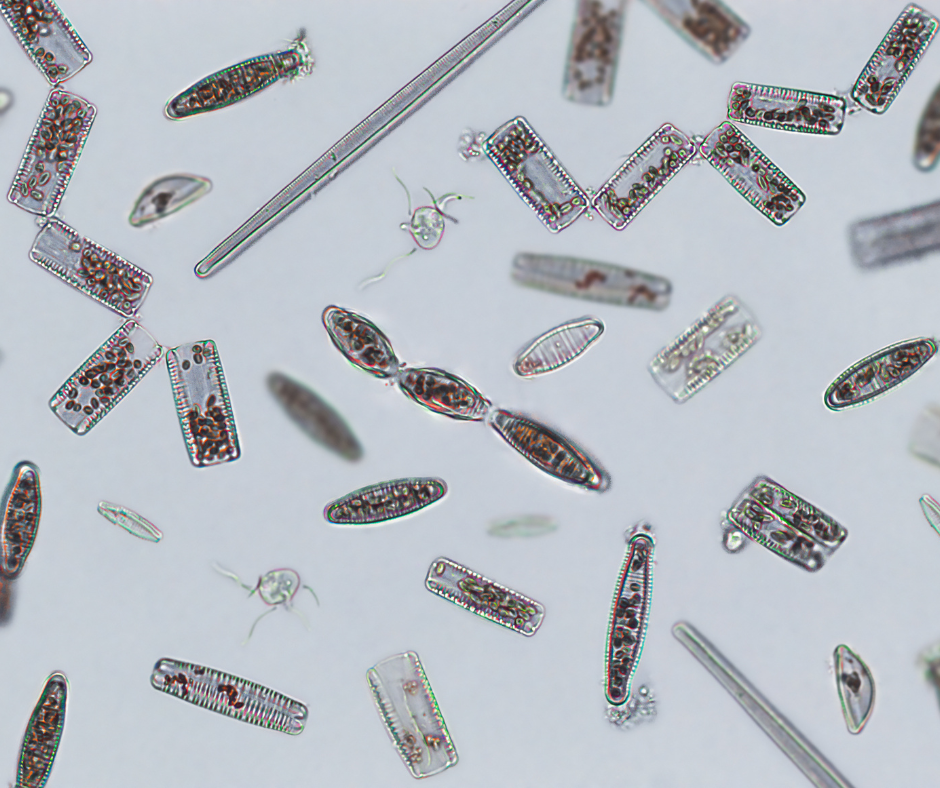
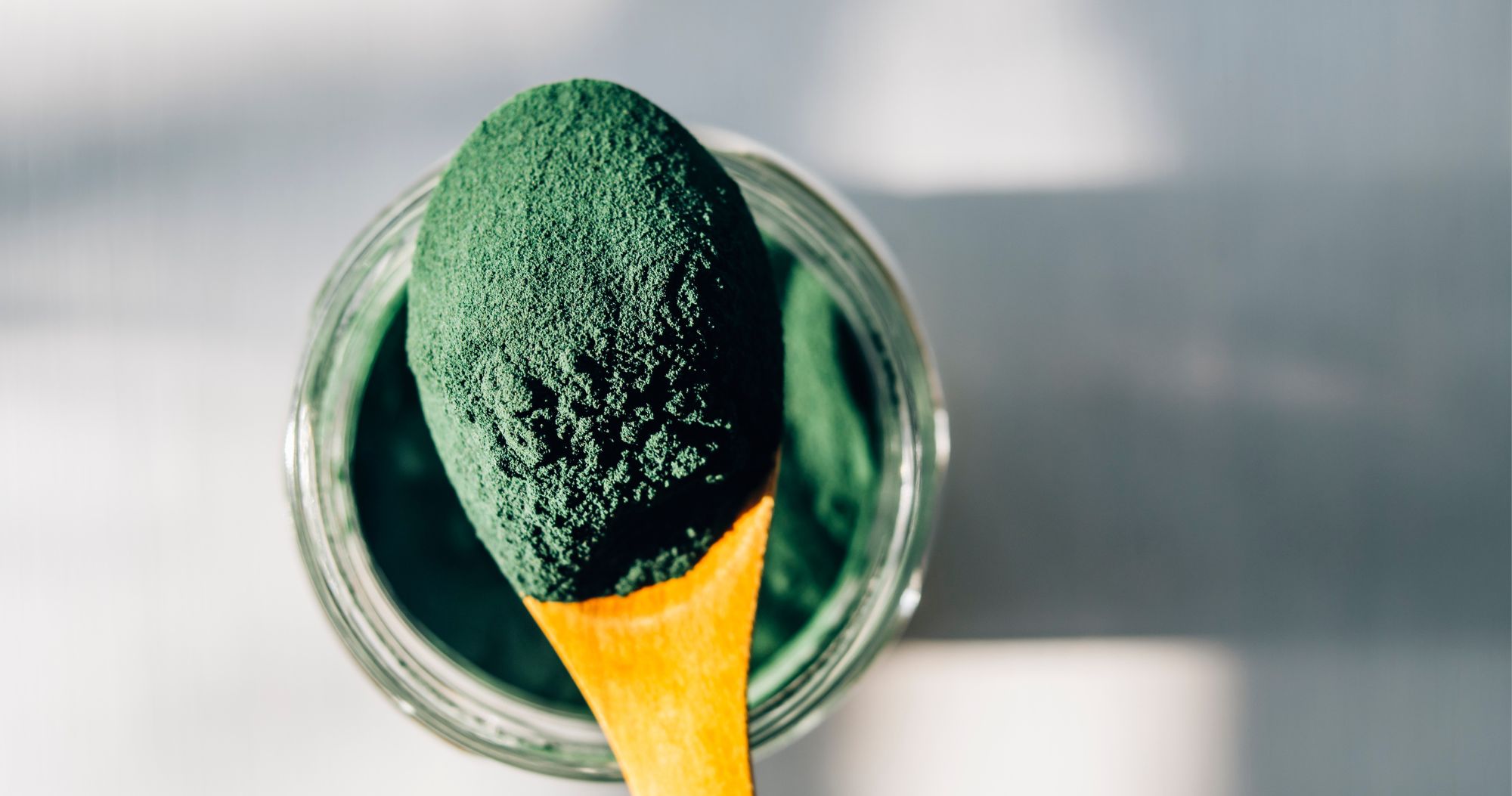
Spirulina is a kind of blue microalgae, belonging to the group of cyanobacteria (cyanobacteria). Although commonly referred to as “algae”, Spirulina is not an ordinary seaweed but a simple organism, capable of strong photosynthesis thanks to sunlight and producing natural nutrients.
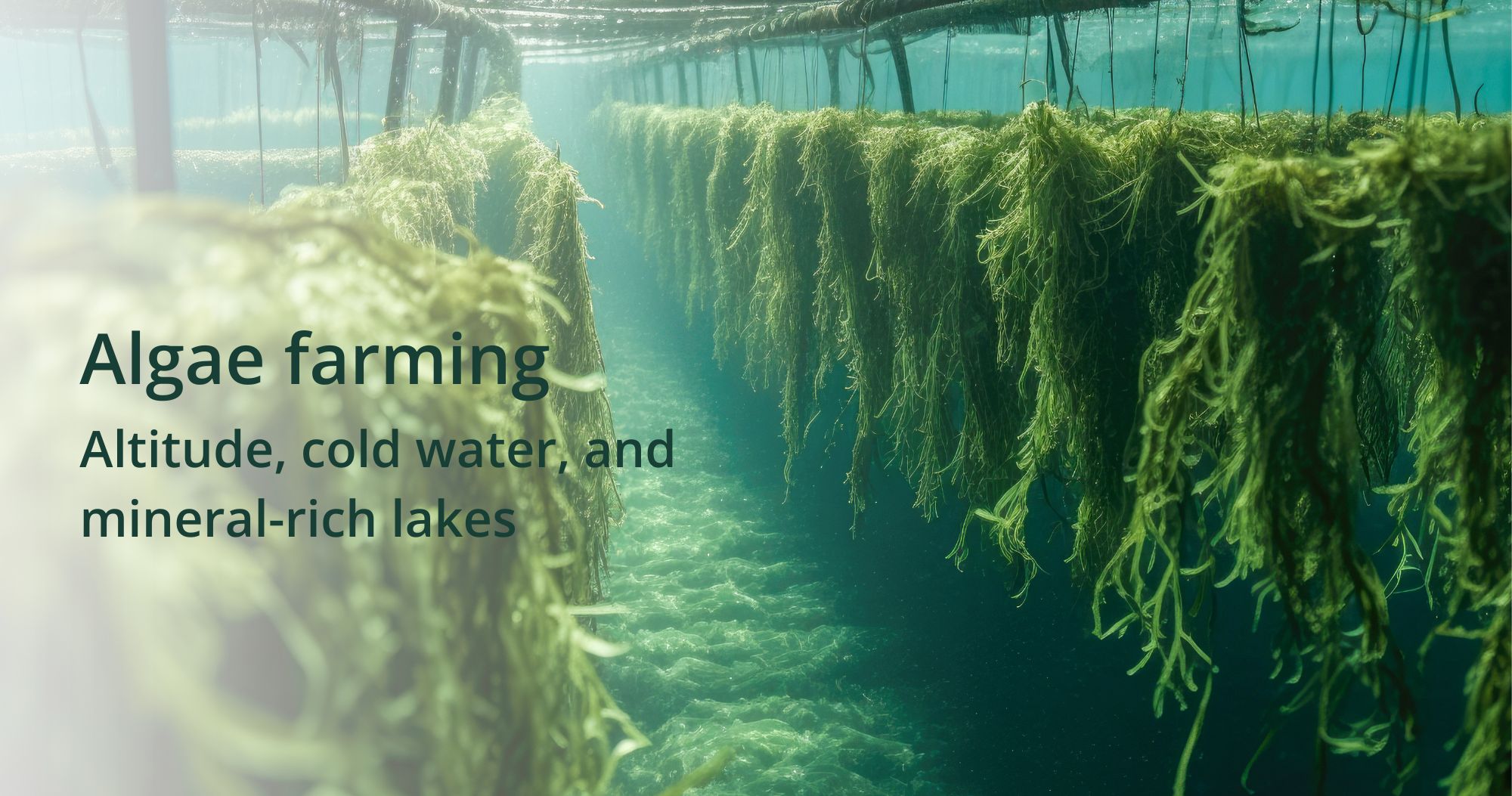
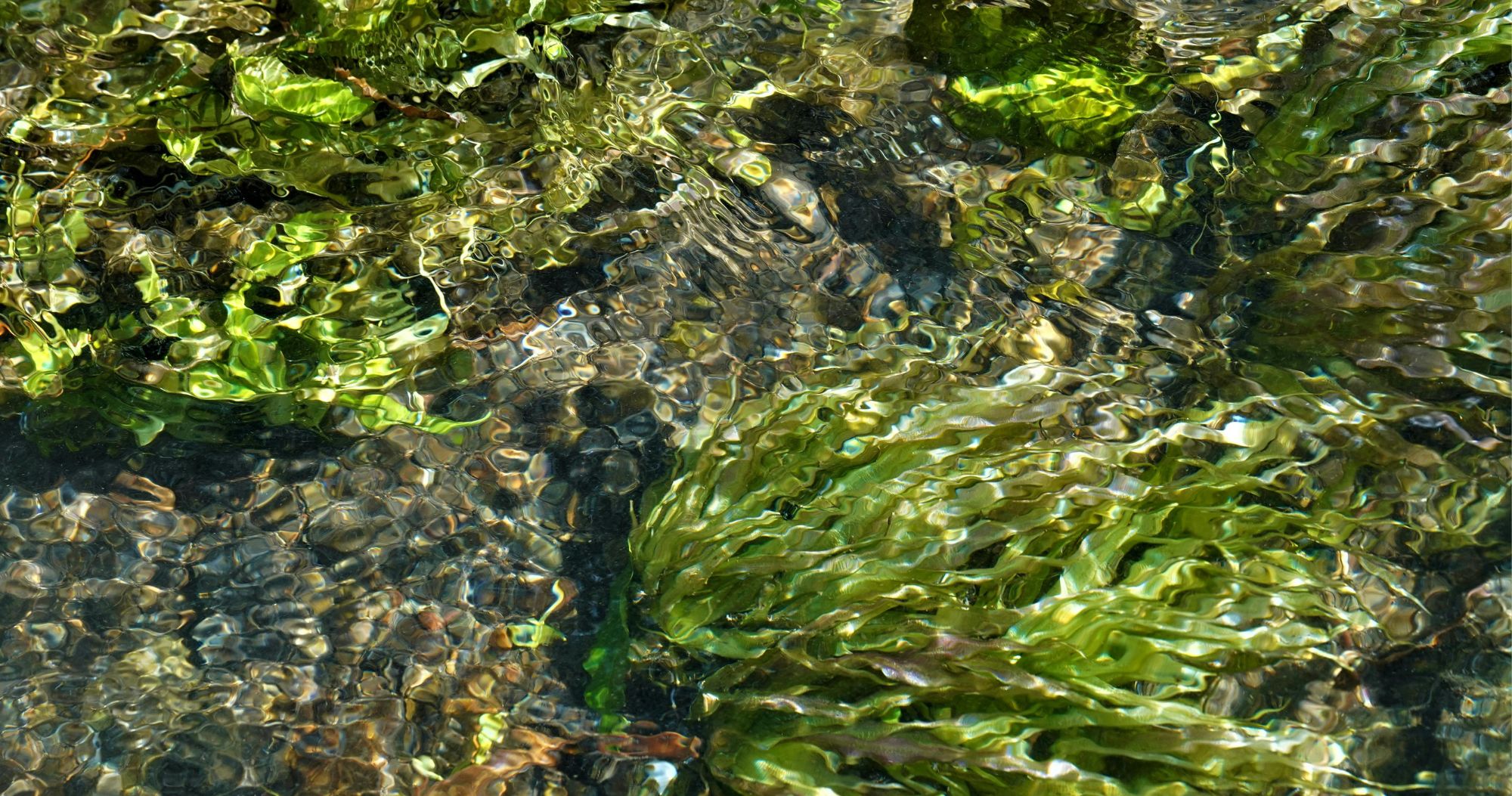
Spirulina grows naturally in freshwater lakes that are highly alkaline and rich in minerals. Its characteristic shape is small fibers twisted like springs - this is also the origin of the name “spirulina”.
.jpg)
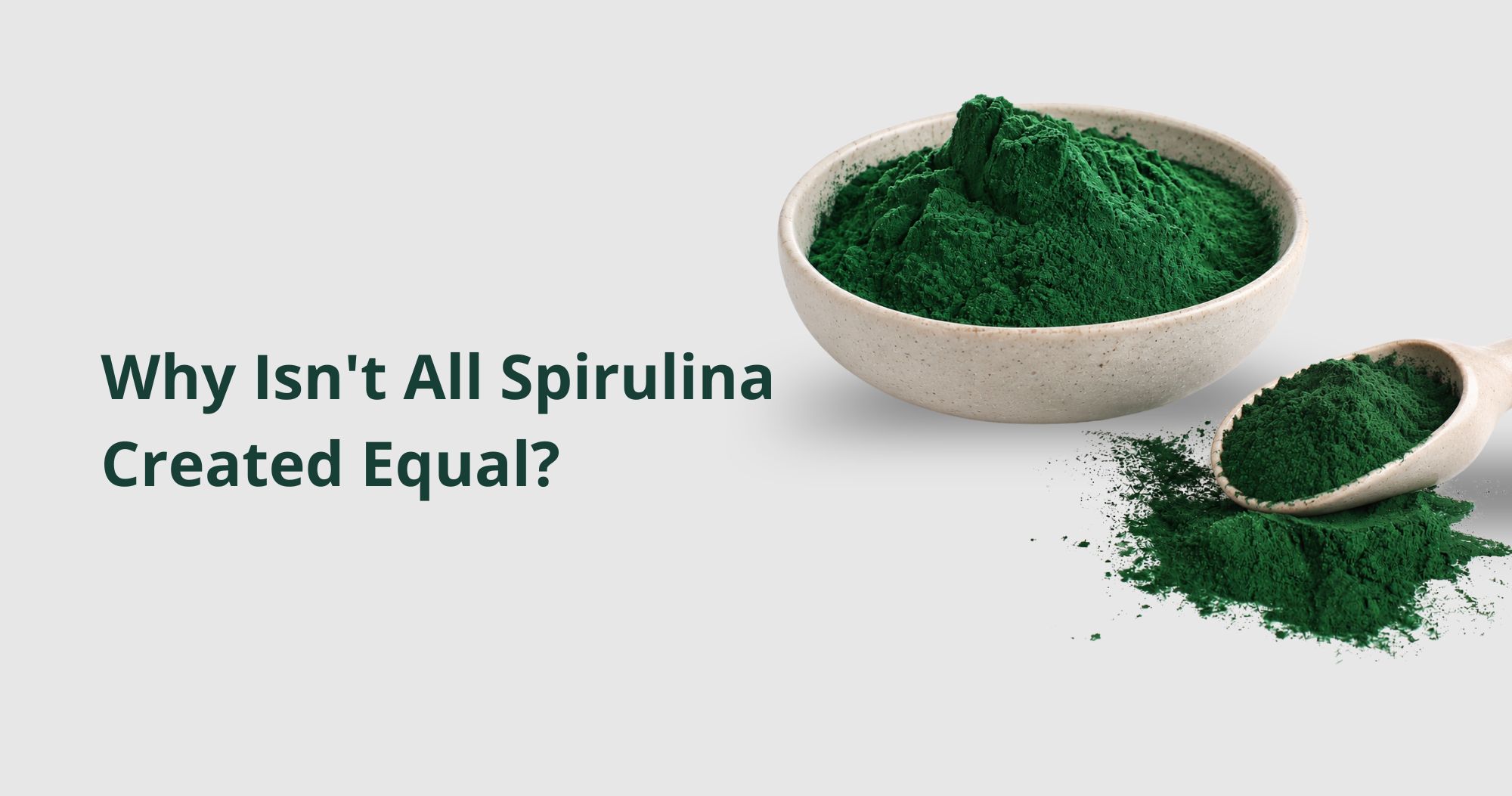
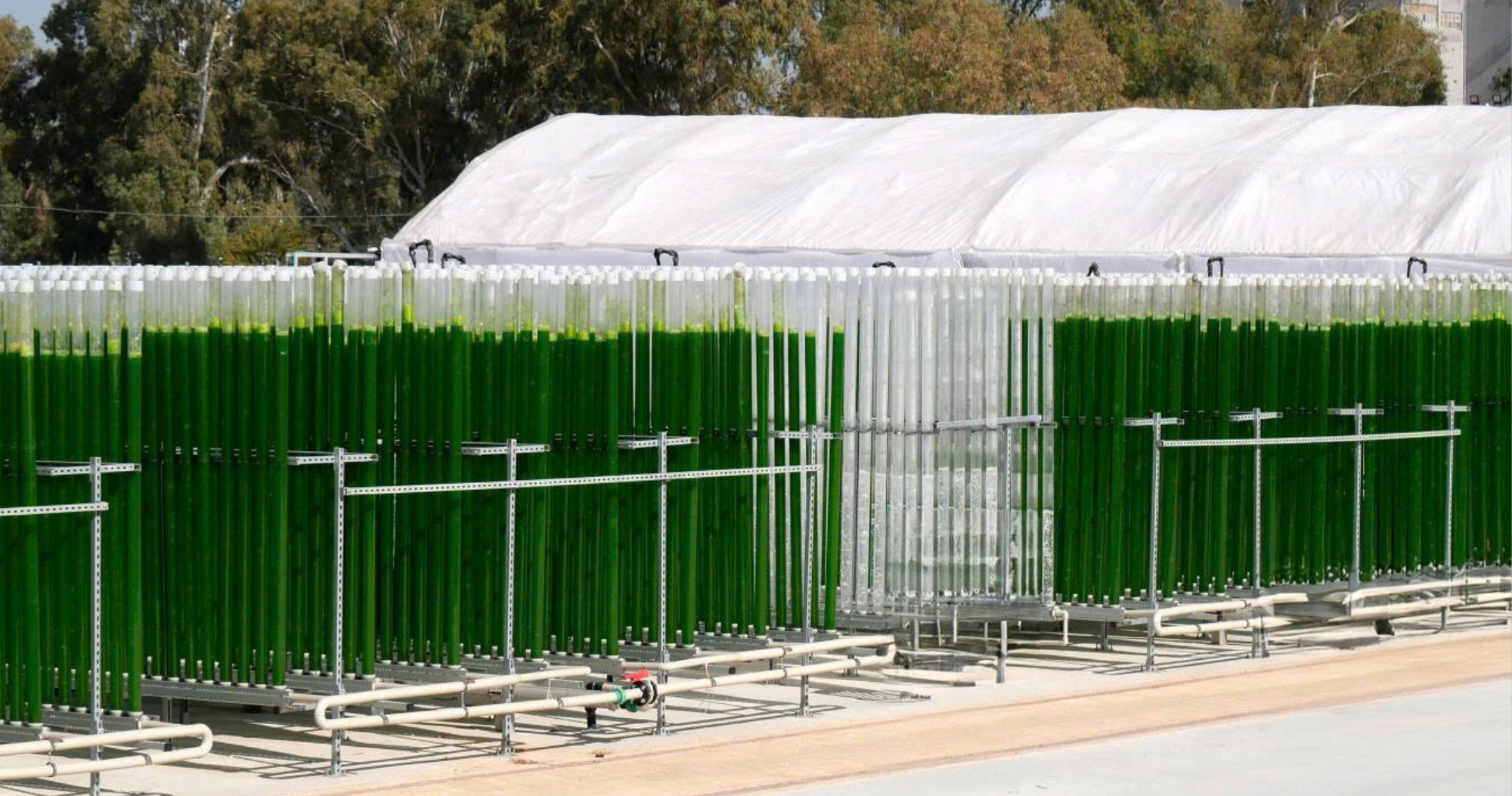
Today to ensure safety and stable nutrient content, Spirulina is usually grown under strict control systems of water, light and temperature, and then dried and used as powder or pellets.
Important point to understand: Spirulina is not a synthetic product, but a living organism, which produces natural nutrients through photosynthesis, similar to plants, but several times more efficient.
Why Spirulina is called a “superfood”?
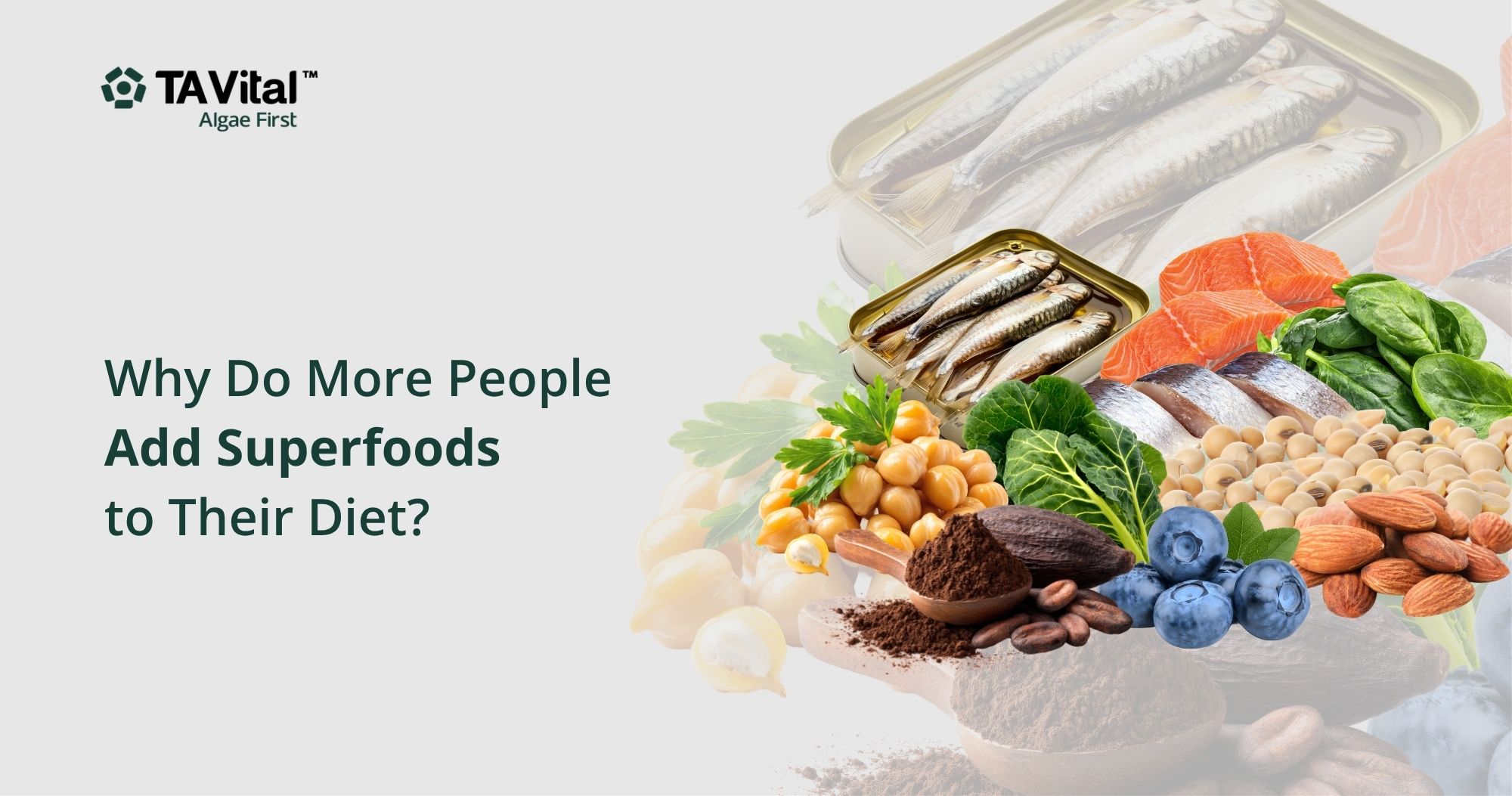
The term “superfood” is usually applied to foods that have high nutritional content per small serving. Spirulina meets this criterion very clearly.
In dry weight, Spirulina contains about 60 to 70% vegetable protein, together with vitamins of group B, iron, magnesium, zincand many valuable biological compounds. The peculiarity is that these nutrients exist in an easily absorbed form, without exerting great pressure on the digestive system.
Unlike food supplements that focus only on a single active ingredient, Spirulina is effective the whole- means that many micronutrients work together to support the body to function more stably every day.
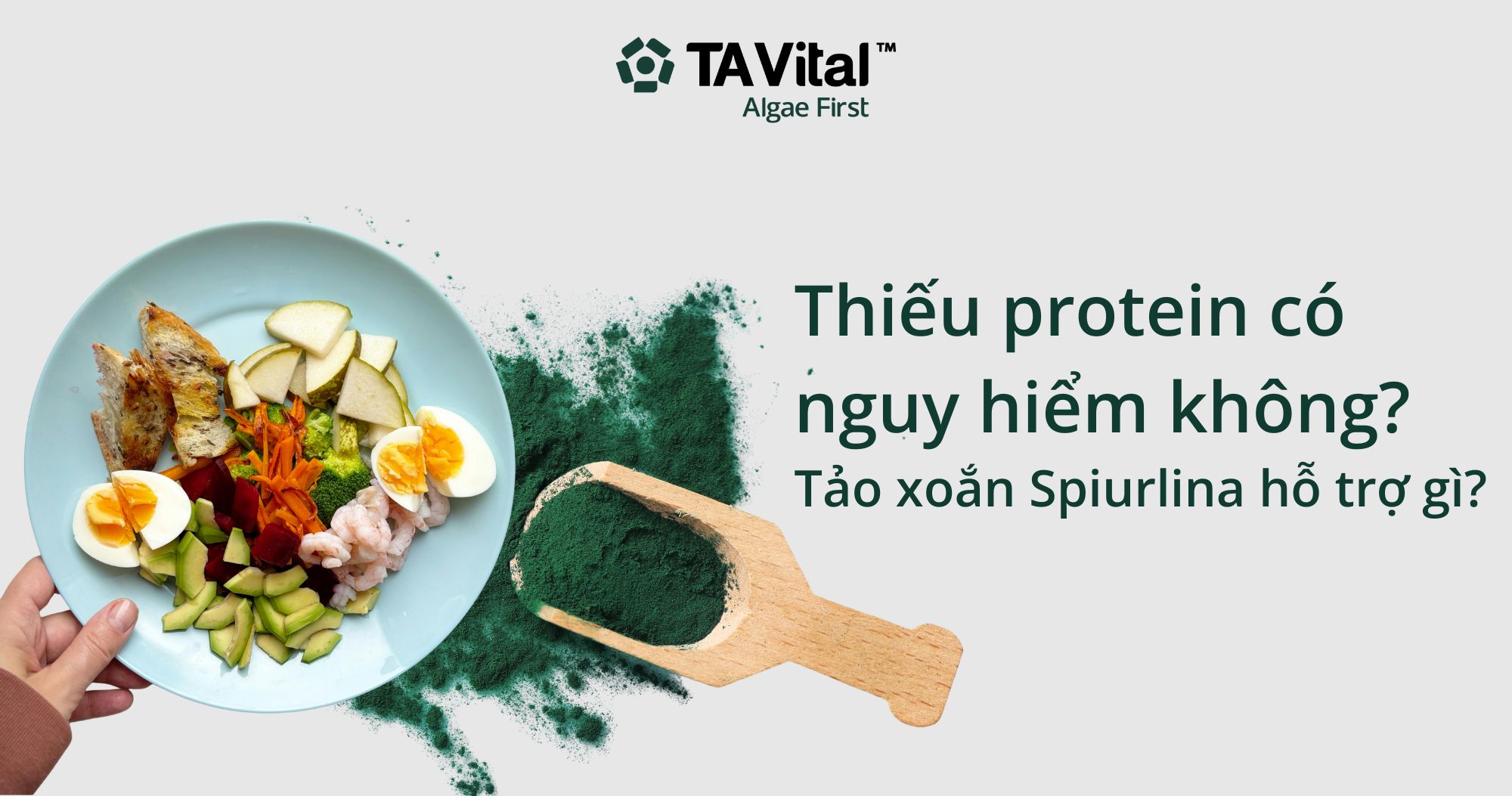
What is the difference between Spirulina protein?
Protein is one of the main reasons Spirulina is of interest. Not only is it high in content, the protein in Spirulina is also easily digested and suitable for vegetarians, vegans or those who restrict animal protein.
Different from many other plant protein sources, spirulina:
- Gluten-free
- Lactose free
- Less bloating, indigestion
Thanks to this, the protein from spirulina helps maintain muscle mass, supports physical recovery and reduces the feeling of fatigue, which is especially suitable for the current fast pace of life, capricious eating.
Phycocyanin and Chlorophyll - the core biological value of spirulina
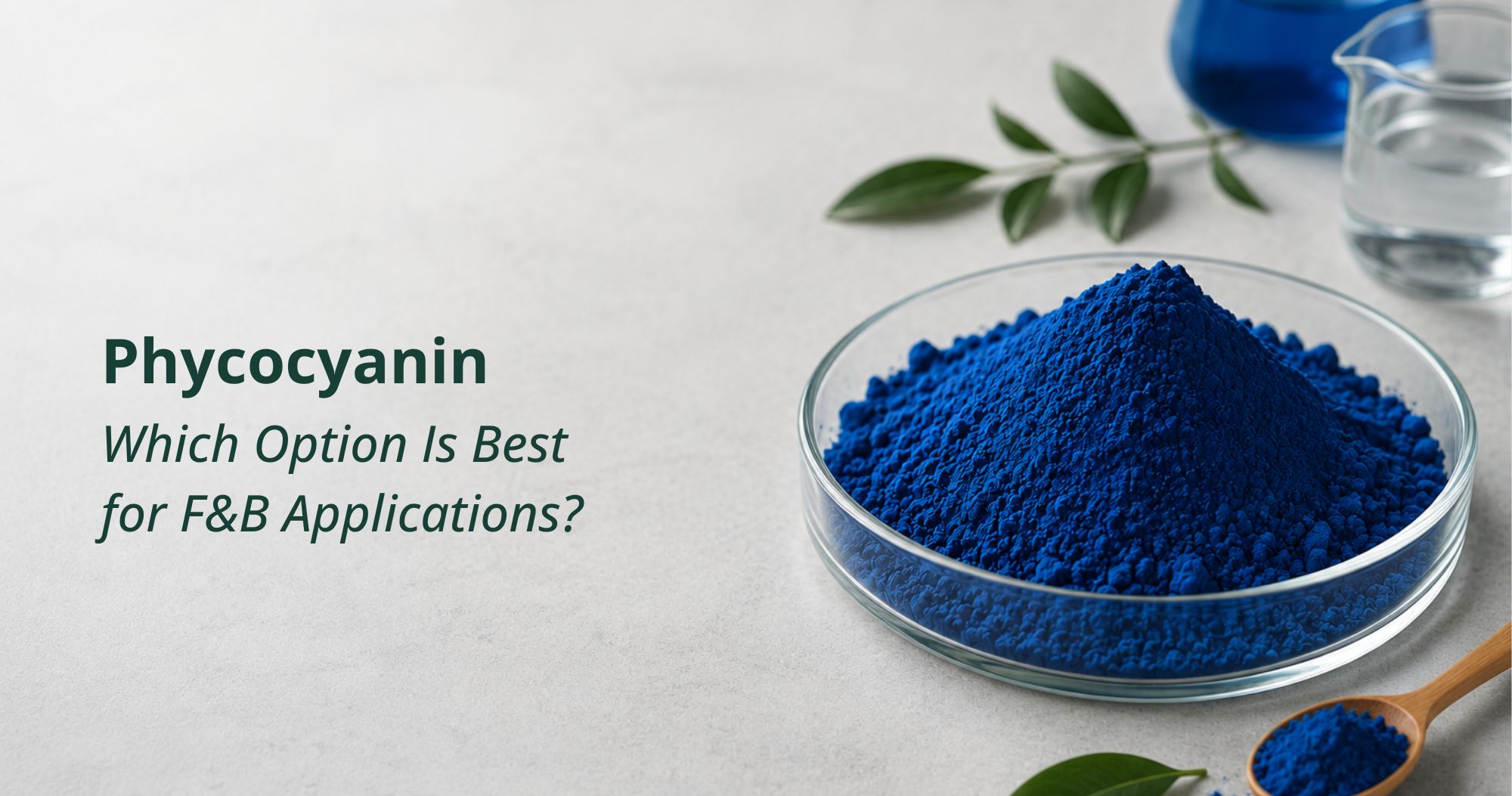
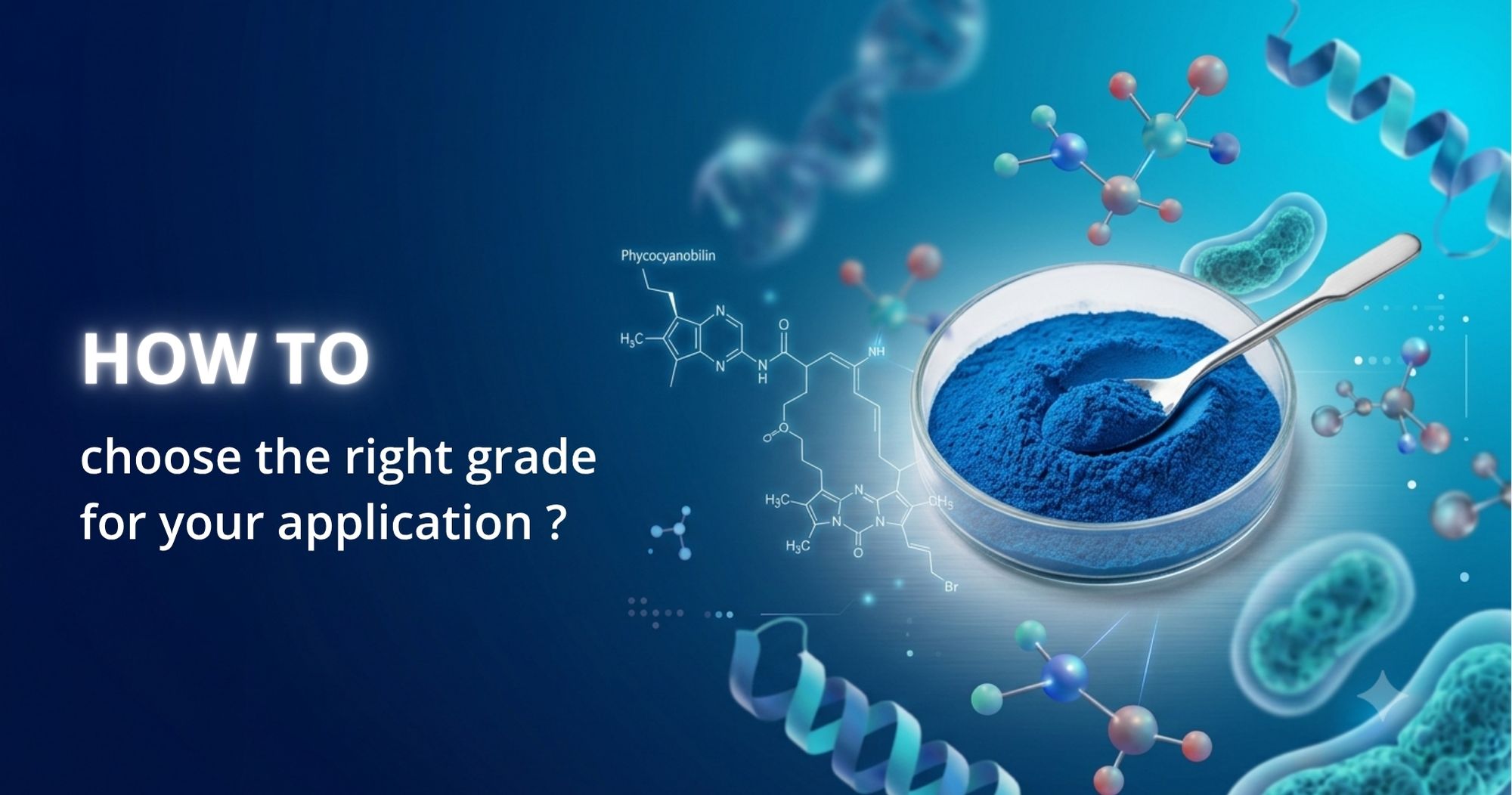
One point that makes Spirulina different from many other foods is the presence of Phycocyanin - a characteristic dark bluish tint. It is a natural antioxidant that neutralizes free radicals generated during stress, pollution and energy metabolism.
Chlorophyll (chlorophyll) Spirulina plays a role in supporting the body's natural purification processes, especially in relation to the liver and circulatory system. It is these two compounds that make Spirulina often mentioned in green living, minimalist living, and long-term health care regimes.
Spirulina Health Effects
Many studies show that regular Spirulina supplementation can support:
- Cholesterol balance
- Reduces oxidative stress and protects cells
- Supports blood circulation and energy metabolism
- Cardiovascular support
- Brain and mental support
This explains why Spirulina often appears in contents related to prolonged fatigue, poor resistance, or a sedentary lifestyle. Instead of acting as strong as medicine, Spirulina supports the body in a more gentle and persistent way.
Spirulina is suitable for modern lifestyles
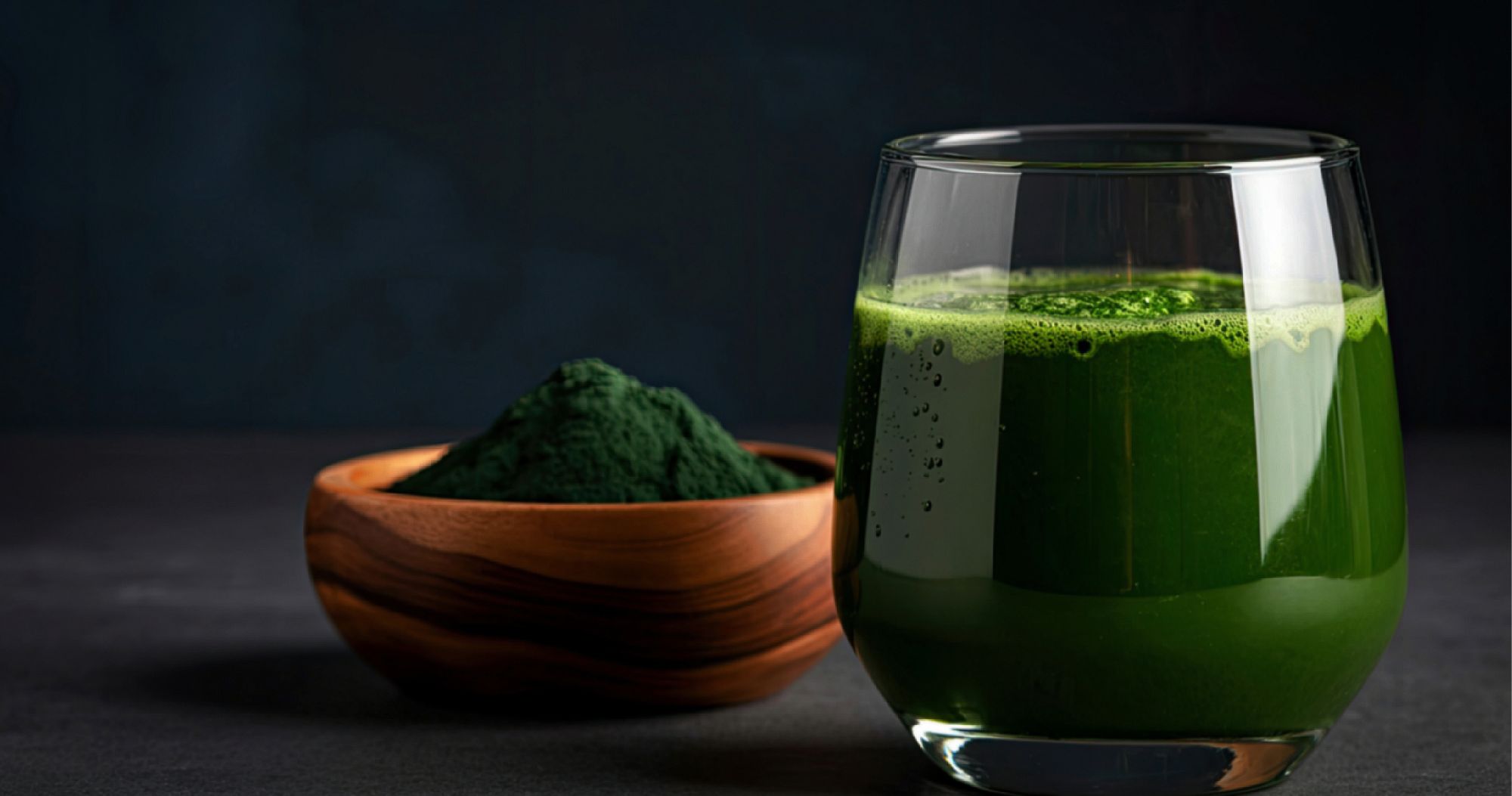
A great advantage of Spirulina is versatility. The powder or tablet form makes it easy for users to add to smoothies, morning drinks or snacks without changing too much of their lifestyle habits.
Spirulina is especially suitable for:
- Vegetarian, Vegan
- Mind-working, stress-prone
- Sports Trainer
- People who care about long-term health and the environment
How to use Spirulina
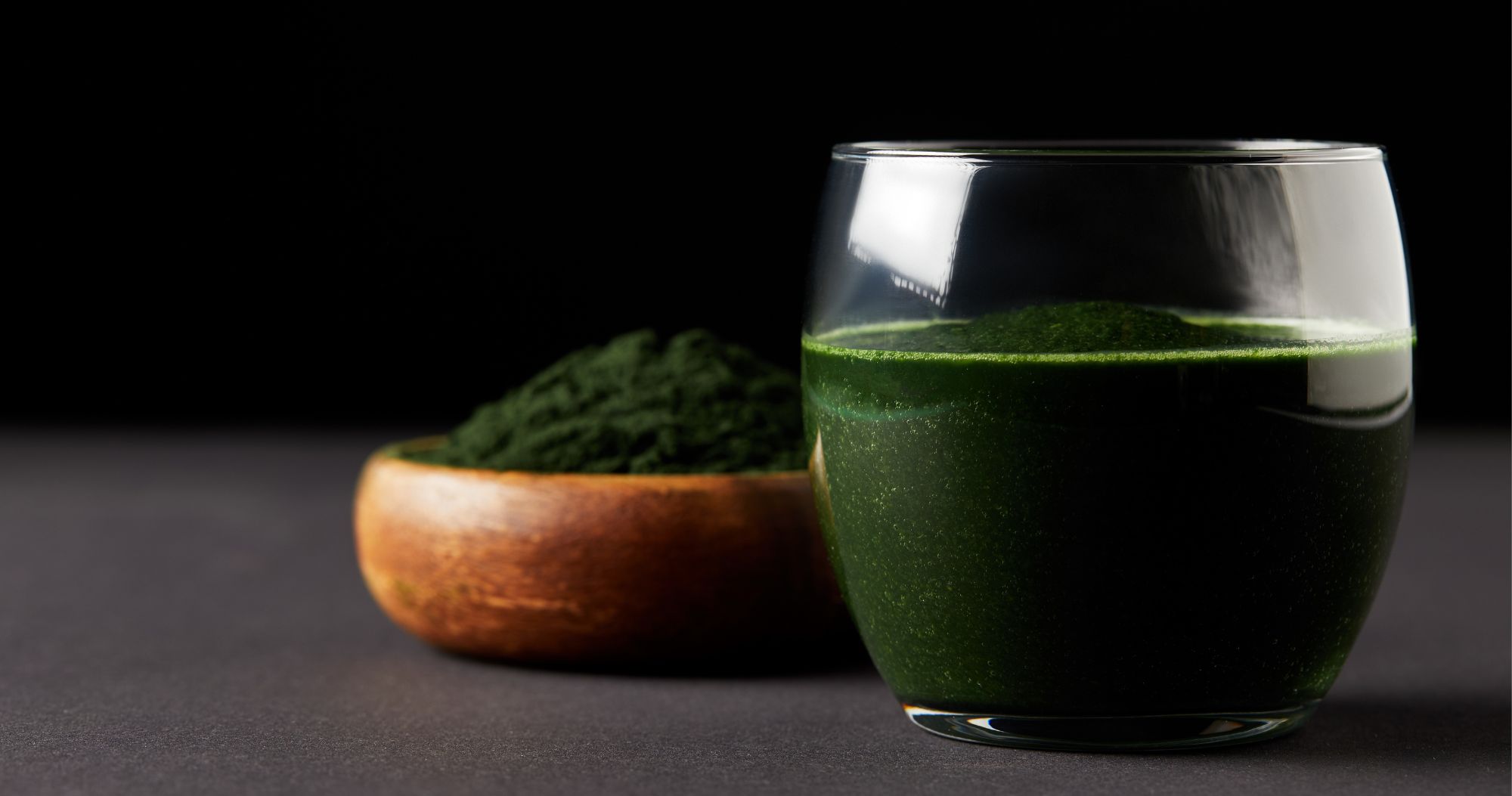
Spirulina can be consumed in powder, tablets or capsules. You can add Spirulina powder to smoothies, salads or everyday dishes.
With the direct oral form of capsules, the recommended dosage of TA Spirulina is 2 tablets/day (650mg pure spirulina powder), which can be used daily as part of the background nutrition
With this dosage, TA Spirulina helps the body maintaining a steady state, does not put pressure on the digestive system and is easy to maintain for a long time.

Spirulina and the trend of sustainable living
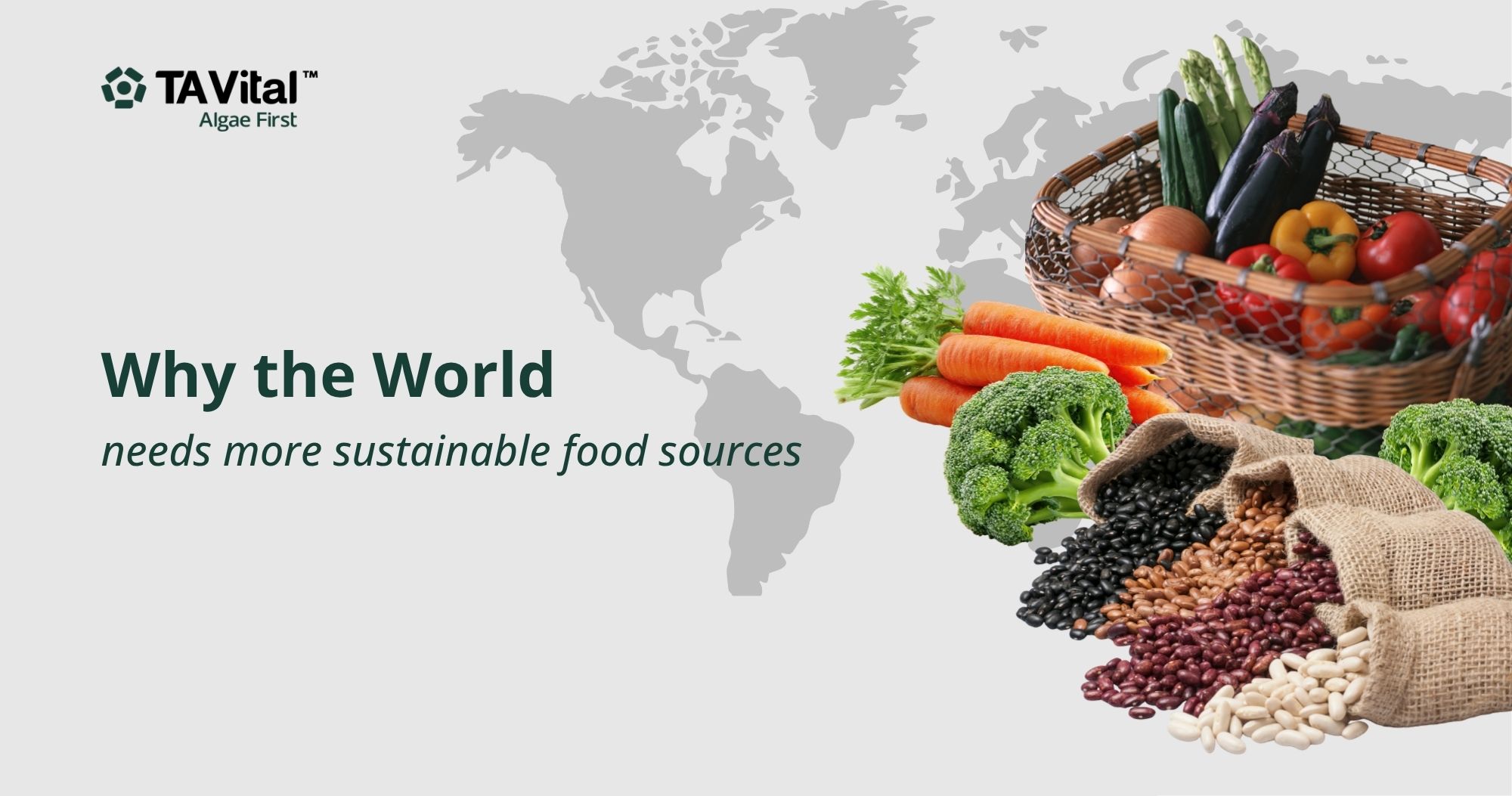
Compared to traditional protein sources, Spirulina cultivation is costly little water, less land and few resources more. This is why Spirulina is considered one of the potential nutritional solutions in the context of climate change and global food security.
The World Health Organization (WHO) once called spirulina the “ideal food of the future,” while NASA studies the microalgae for long-term space programs, not only for nutritional value but also for sustainability.
Spirulina Spirulina - the nutritional foundation for a healthy life
Spirulina is not only a rich source of nutrients, but also provides many health benefits for all ages in modern life. The addition of Spiurlina spirulina to the diet can help you maintain a healthy state from the inside and strengthen the health foundation for your daily life. Consider adding spirulina to your diet today to experience the amazing benefits algae brings.
.png)
.png)

.jpg)




.jpg)
.jpg)


.jpg)


.png)
.png)
.jpg)
.jpg)





.jpg)

.jpg)


.jpg)
.jpg)


.jpg)



.jpg)




.png)




.jpg)


.jpg)






%205%20l%E1%BB%A3i%20%C3%ADch%20n%E1%BB%95i%20b%E1%BA%ADt%20cho%20s%E1%BB%A9c%20kh%E1%BB%8Fe%20ng%C6%B0%E1%BB%9Di%20hi%E1%BB%87n%20%C4%91%E1%BA%A1i.jpg)


