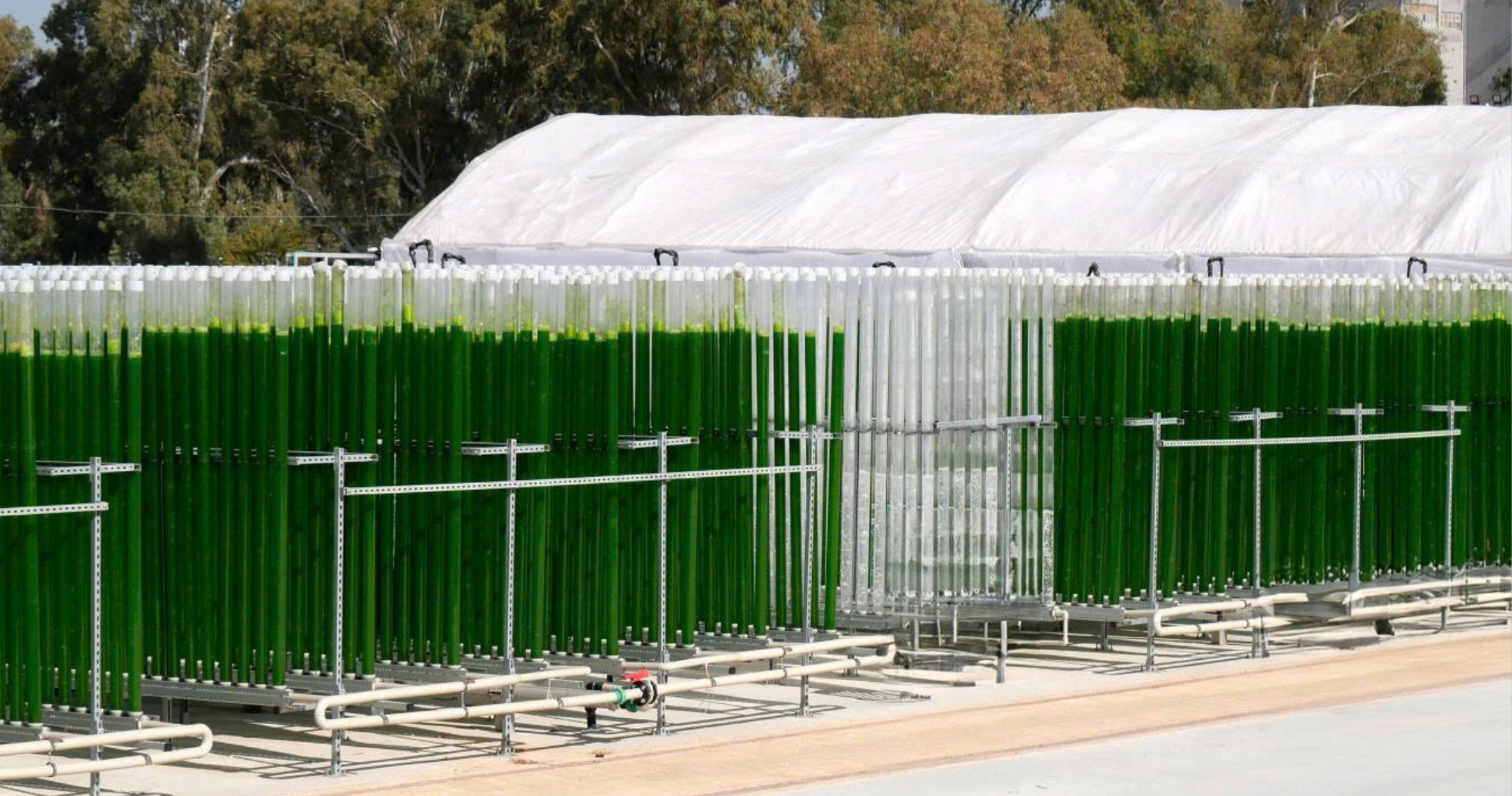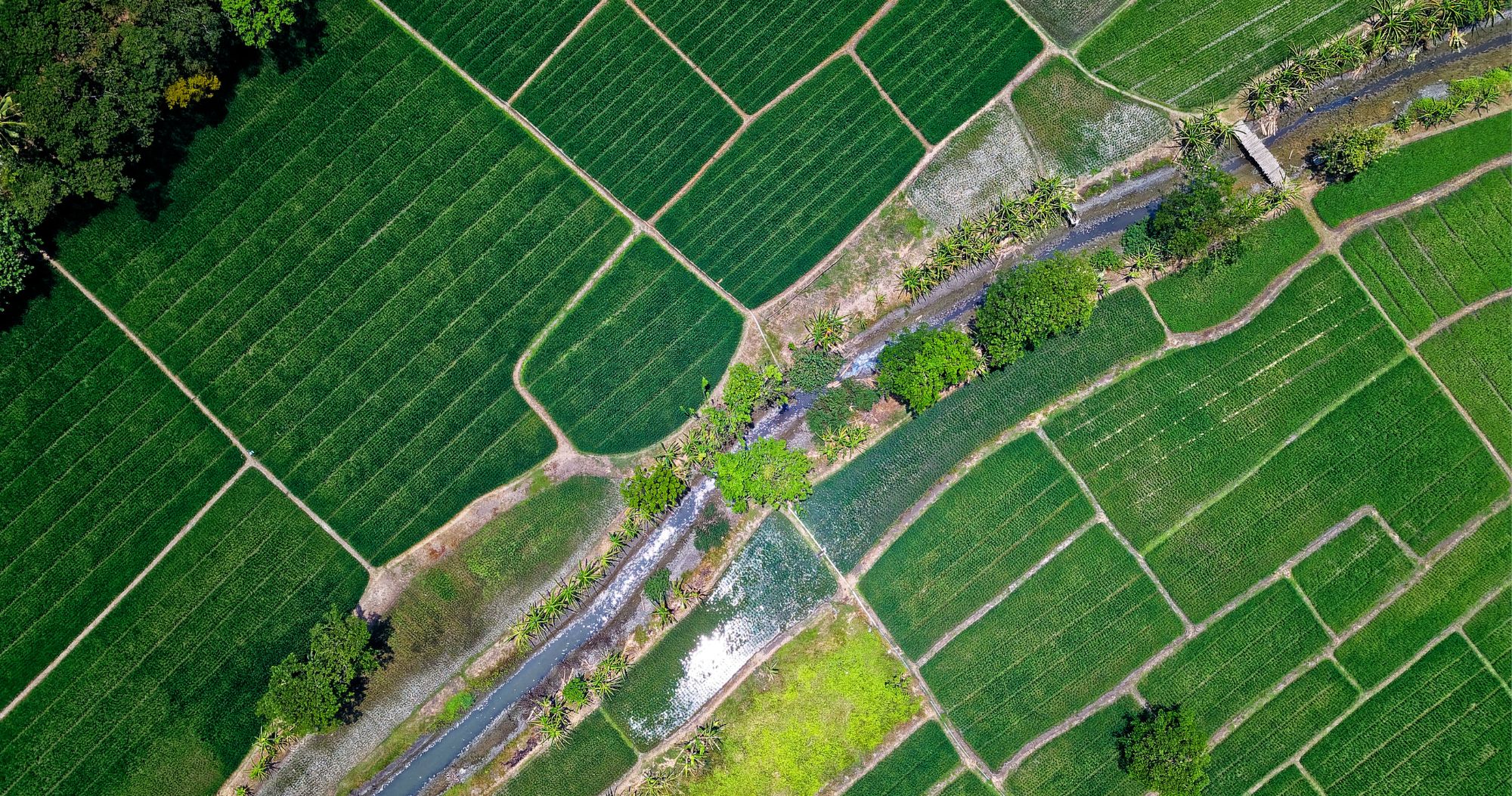
In a global context under pressure from climate change, environmental pollution and resource depletion, green transformation has become an essential strategy. In particular, in the industrial sector — which is a pillar of economic growth but also a major source of emissions — the green transition in industry is becoming increasingly urgent. This is not only an international trend, but also an indispensable path for Vietnam to integrate more deeply into the global value chain, towards a sustainable and high-tech economy.
IN. What is green transition and its role in industry
Green transition is the process of changing from a traditional production model — consuming a lot of energy, resources and big emissions — to a development model based on renewable energy, clean technologies and a circular economy. When applied to industry, green transformation in industry means the greening of the entire production process, the use of environmentally friendly raw materials, efficient waste management, and the application of advanced technology to reduce greenhouse gas emissions.
The role of green transformation in industry is not only about protecting the environment, but also in improving national competitiveness. Green and high-tech industries will become the new drivers of growth, replacing the traditional exploitation-consumption model that has shown many limitations.
II. Why green transformation in industry is inevitable
First, demands from climate change and sustainable development force industries to change. Manufacturing is currently one of the largest CO₂ emitters, and without the adoption of green transformation in industry, Vietnam's 2050 goal of Netzero is unlikely to be achieved.
Second, international markets are increasingly tightening environmental standards. Mechanisms such as the EU CBAM will directly affect exported industrial goods if green production processes are not demonstrated.
Third, the industry 4.0 trend has opened up a parallel opportunity between digital transformation and green transformation. Technologies such as IoT, AI, big data can optimize production processes, helping businesses reduce emissions while still increasing productivity.
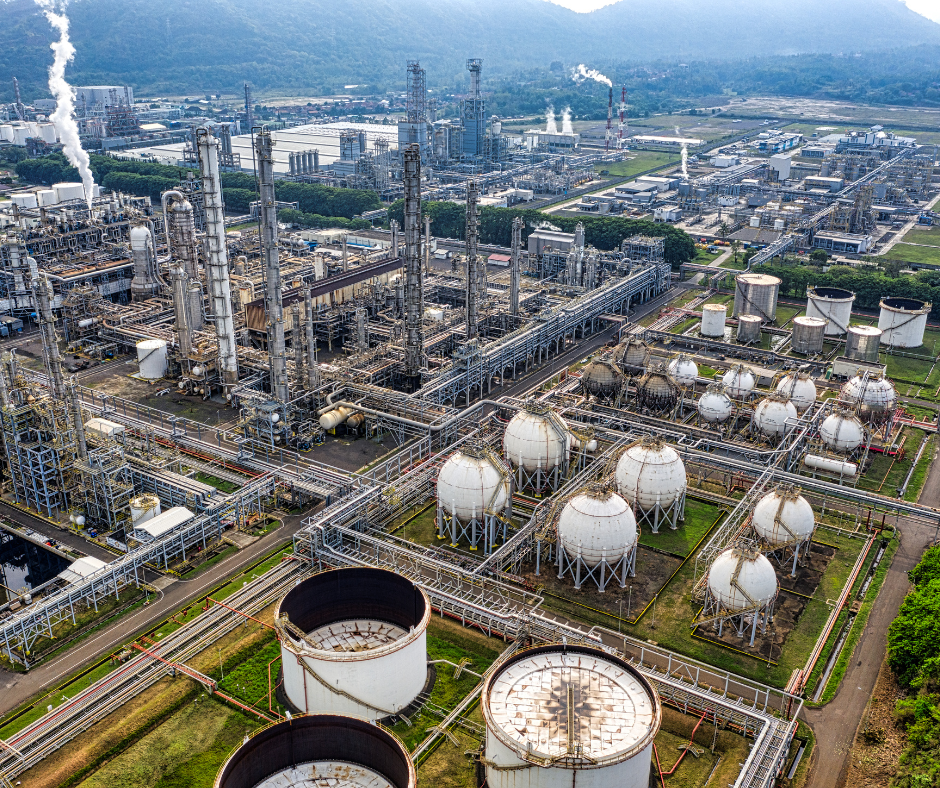
III. Benefits of green transformation for industry
1. With manufacturing enterprise
Enterprises implementing green transformation in industry can significantly save energy costs, thanks to the adoption of energy-saving technologies and recycling raw materials. In addition, green production helps enterprises meet ESG standards, attract international investment capital and enhance brand reputation.
2. With national industry
At the macro level, green transformation in industry helps Vietnam reduce dependence on fossil fuels, develop high-tech industries and form new value chains in the economy. This will not only bring sustainable growth, but also enhance Vietnam's position on the global industrial map.
3. With the environment and society
Green industry will contribute to reducing greenhouse gas emissions, limiting pollution and protecting natural resources. Society benefits from healthier habitats, improved public health, and the creation of more new job opportunities in renewable energy and environmental technologies.
IV. Challenges of implementing green transformation in industry
Despite the many benefits, the green transition in industry faces no less difficulties. The initial investment costs for green technology, modern production lines and waste treatment infrastructure are huge, making many small and medium-sized enterprises apprehensive. The supporting infrastructure, including smart grids and green logistics systems, has not been synchronized. In addition, the regulatory framework for green finance and carbon markets in Vietnam is in the testing phase. In addition, the perception of the green transition is uneven, many businesses still see this as a mandatory cost rather than a long-term growth opportunity.
IN. Solutions and execution strategies
1. High-tech applications
Industries need to step up the application of high-tech technologies such as AI, IoT, automation and new materials to both reduce emissions and improve production efficiency. This is an important pillar in the green transition in the high-tech industry.
2. Accelerating Industry 4.0 tied to green transition
Digital transformation needs to go hand in hand with industrial green transformation. The intelligent management system can track energy consumption and emissions in real time, helping enterprises to make timely decisions.
3. Policy and financial support
The state needs to perfect policies to encourage green finance, develop a transparent carbon market and tax incentives for businesses investing in clean technology. At the same time, strengthen international cooperation to learn experience and attract foreign investment capital.
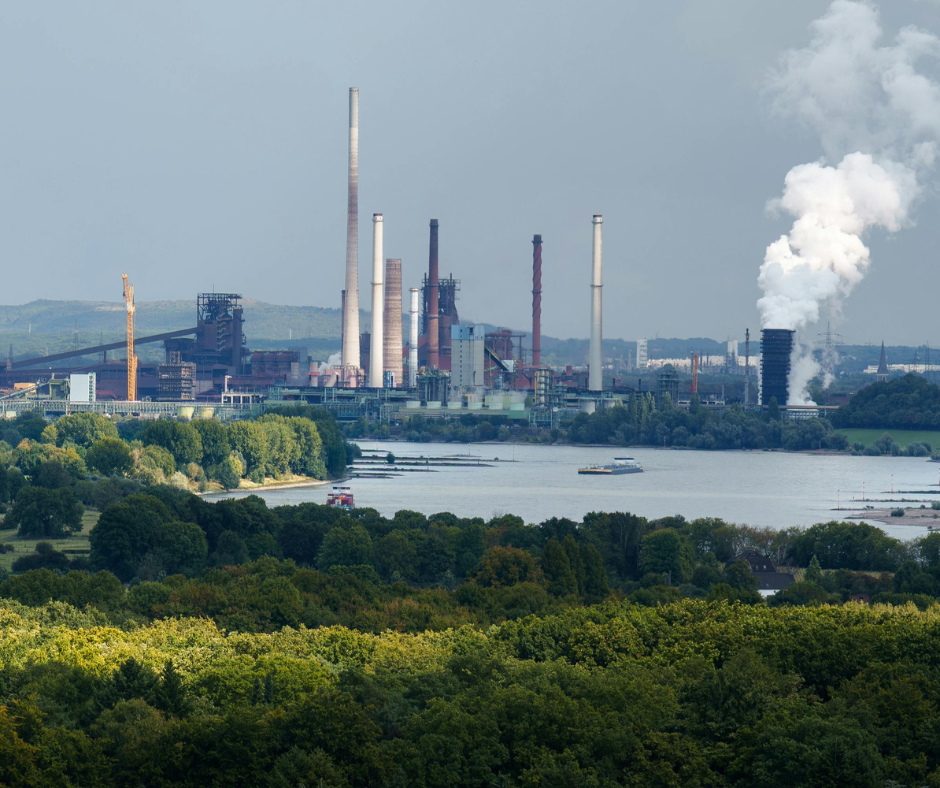
VI. Practical examples from Vietnam and the world
In Vietnam, many enterprises have embarked on the journey of green transformation in industry. VinFast invests heavily in electric vehicles and charging station ecosystems, contributing to the greening of the automotive industry. Vinamilk adopts an eco-farm model, taking advantage of waste for recycling. Sabeco improves production lines, saves energy and reduces emissions.
Worldwide, the European Union has implemented the Green Deal, which aims to reduce emissions by 55% by 2030. Japan develops hydrogen and fuel cell industries. South Korea implemented the K-Green New Deal, which combines high-tech industry with green development standards.
VII. Conclusion
Green transformation in industry is not just a trend but an inevitable requirement. This is the key for enterprises to improve competitiveness, the country to develop sustainably and society to have a healthier living environment. It's time for every business and industry to take proactive action, from optimizing production processes to high-tech investment and green standards compliance. Because green transformation is the foundation for a modern, sustainable and future-oriented industry.

.png)
.png)





.jpg)






.jpg)

.jpg)



.jpg)


.png)
.png)
.jpg)
.jpg)







.jpg)

.jpg)


.jpg)
.jpg)


.jpg)




.jpg)





.png)






.jpg)



.jpg)