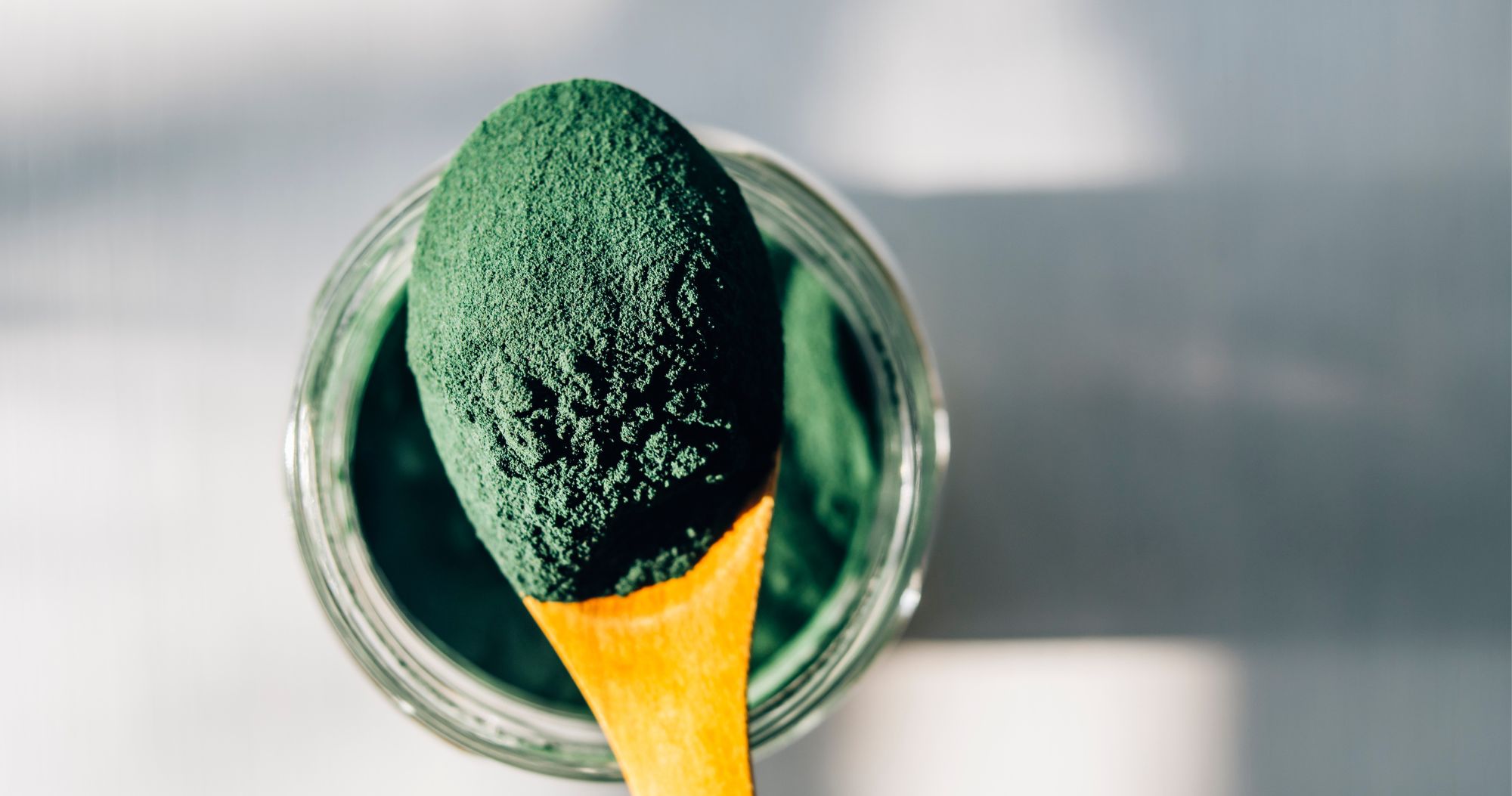
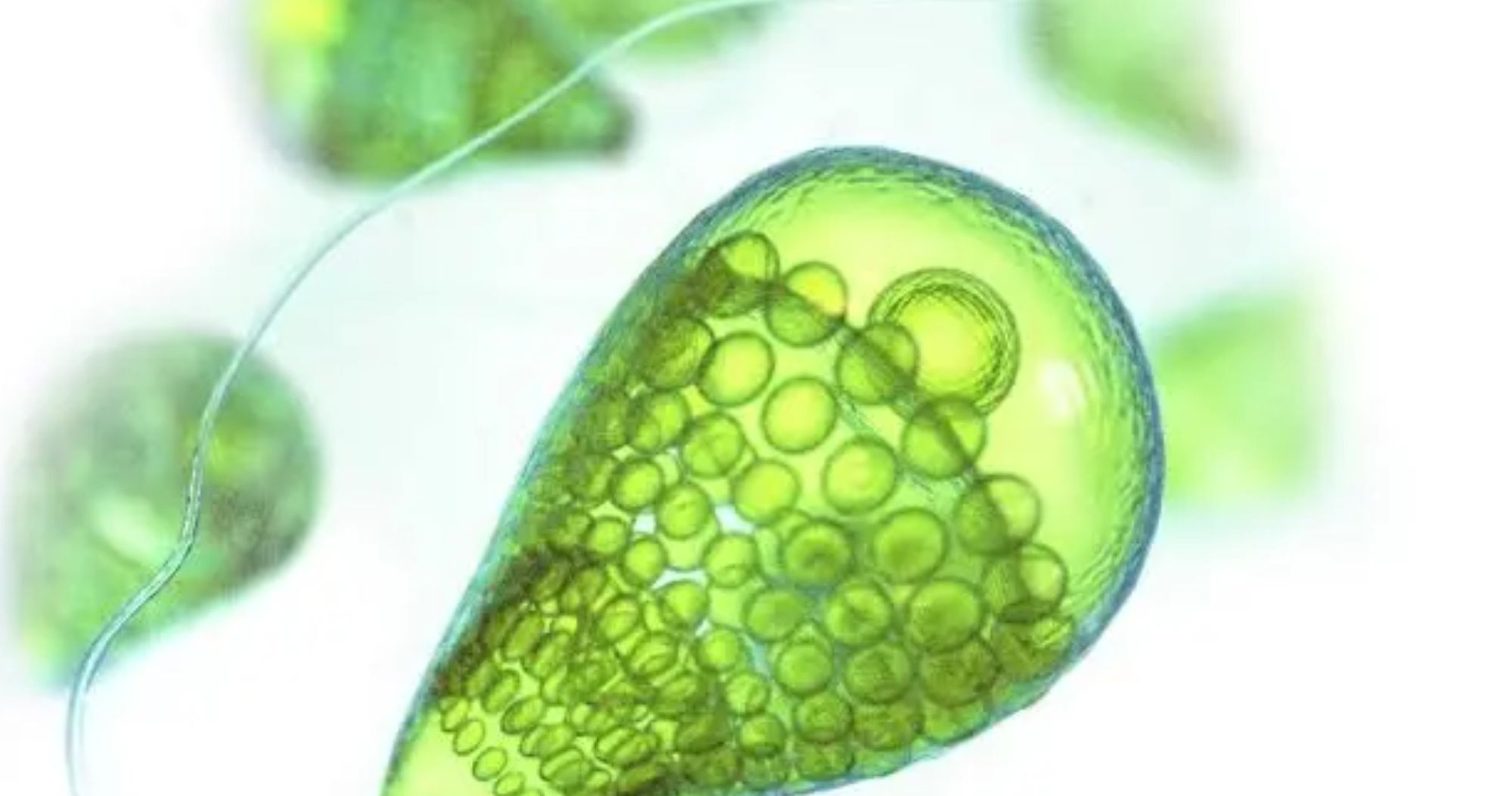
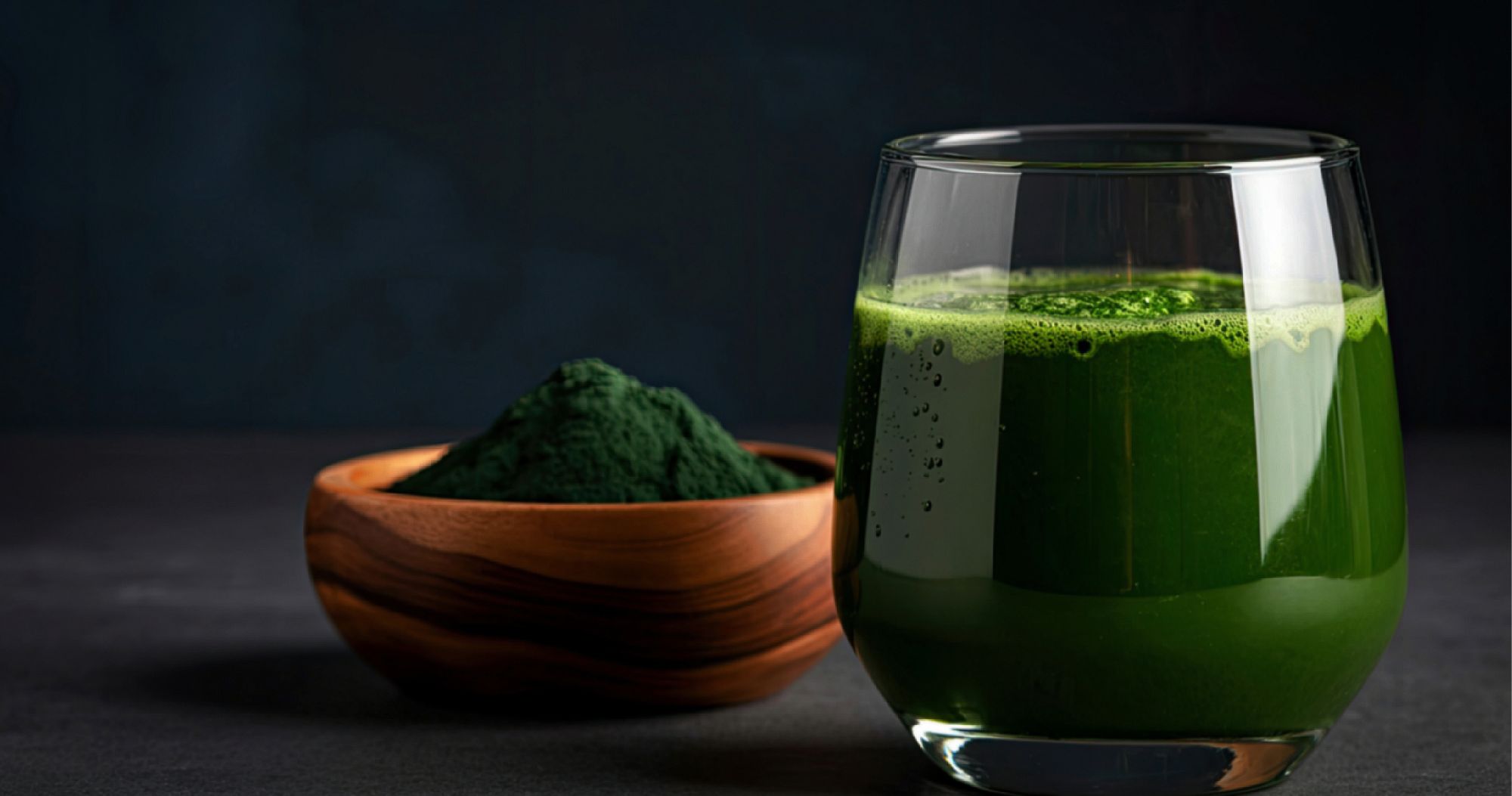
In recent years, Spirulina often referred to as a green “superfood” associated with a sustainable lifestyle and healthy nutrition. However, few people know that the value of Spirulina lies not only in its nutritional content, but also starts from its very special habitat.
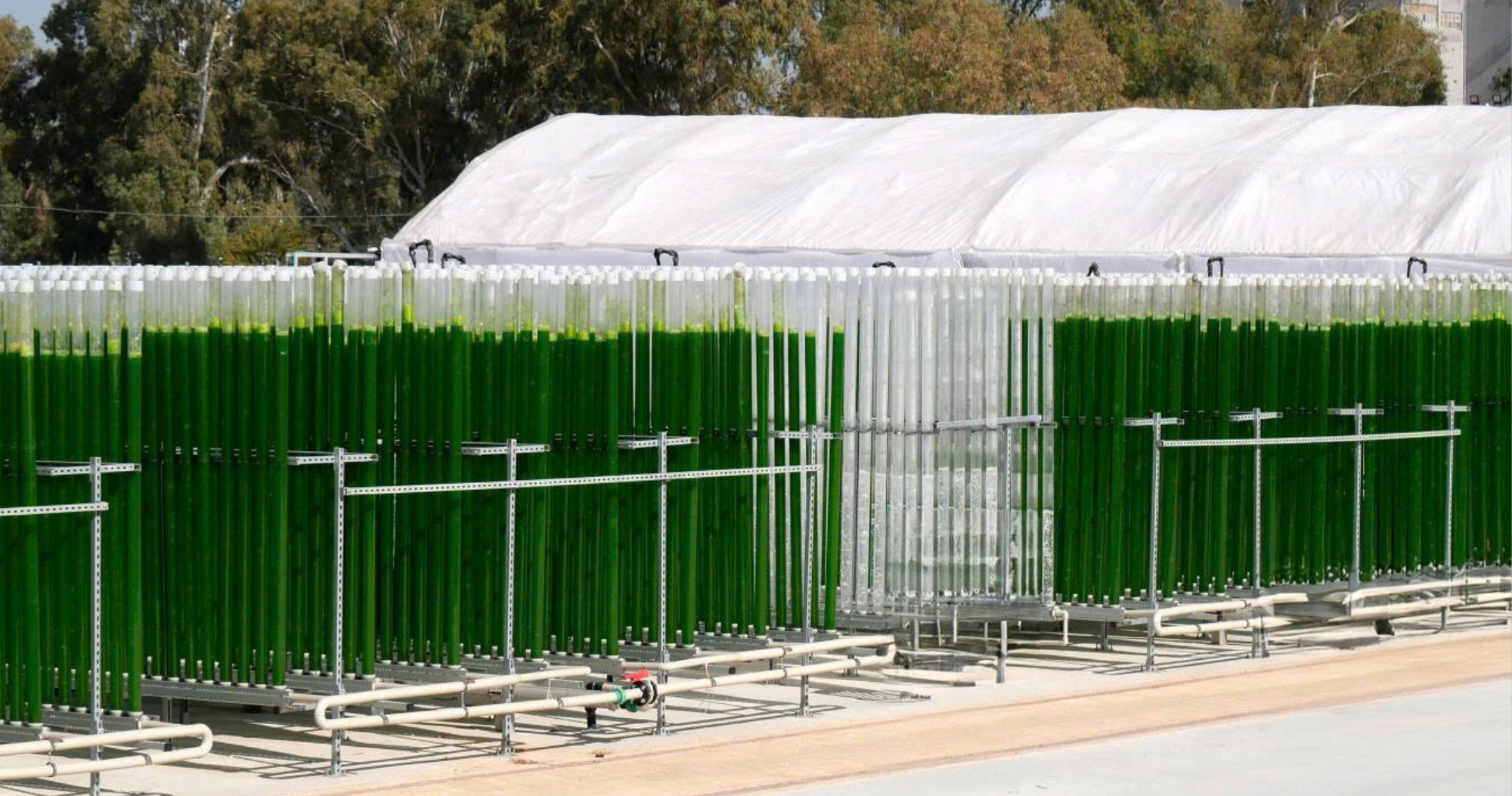
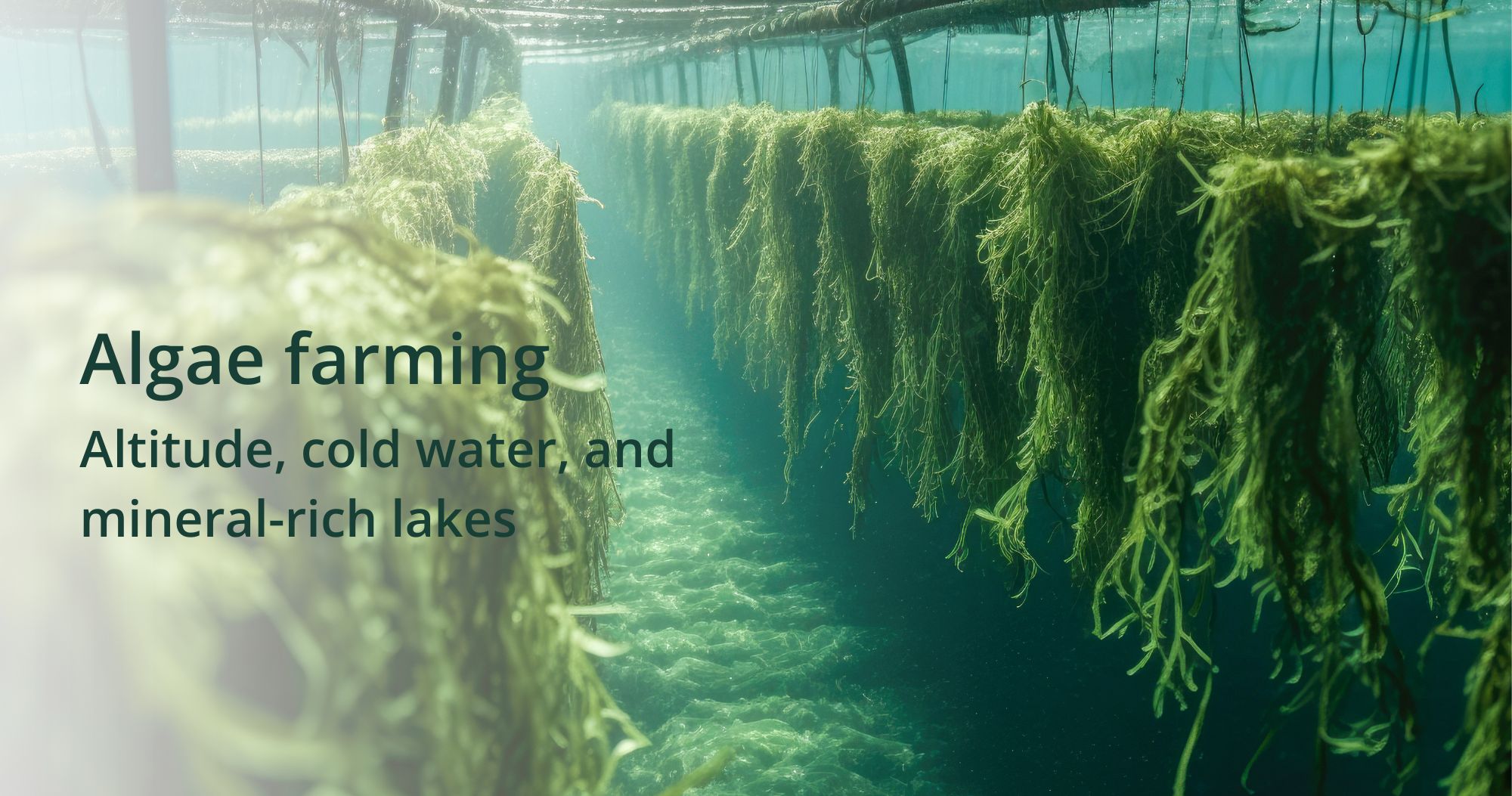
Spirulina does not grow in “permissive” conditions. In contrast, this microalgae thrives in environments where many other organisms are difficult to survive. It is this that makes a big difference in the purity, quality and absorbability of Spirulina when used as food.
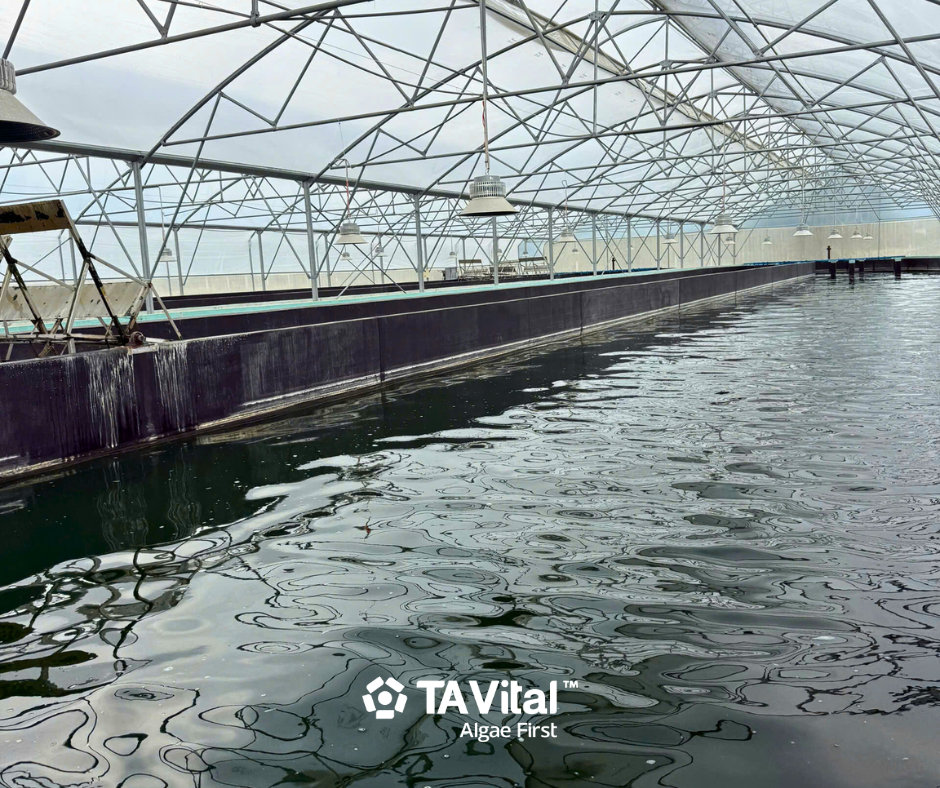
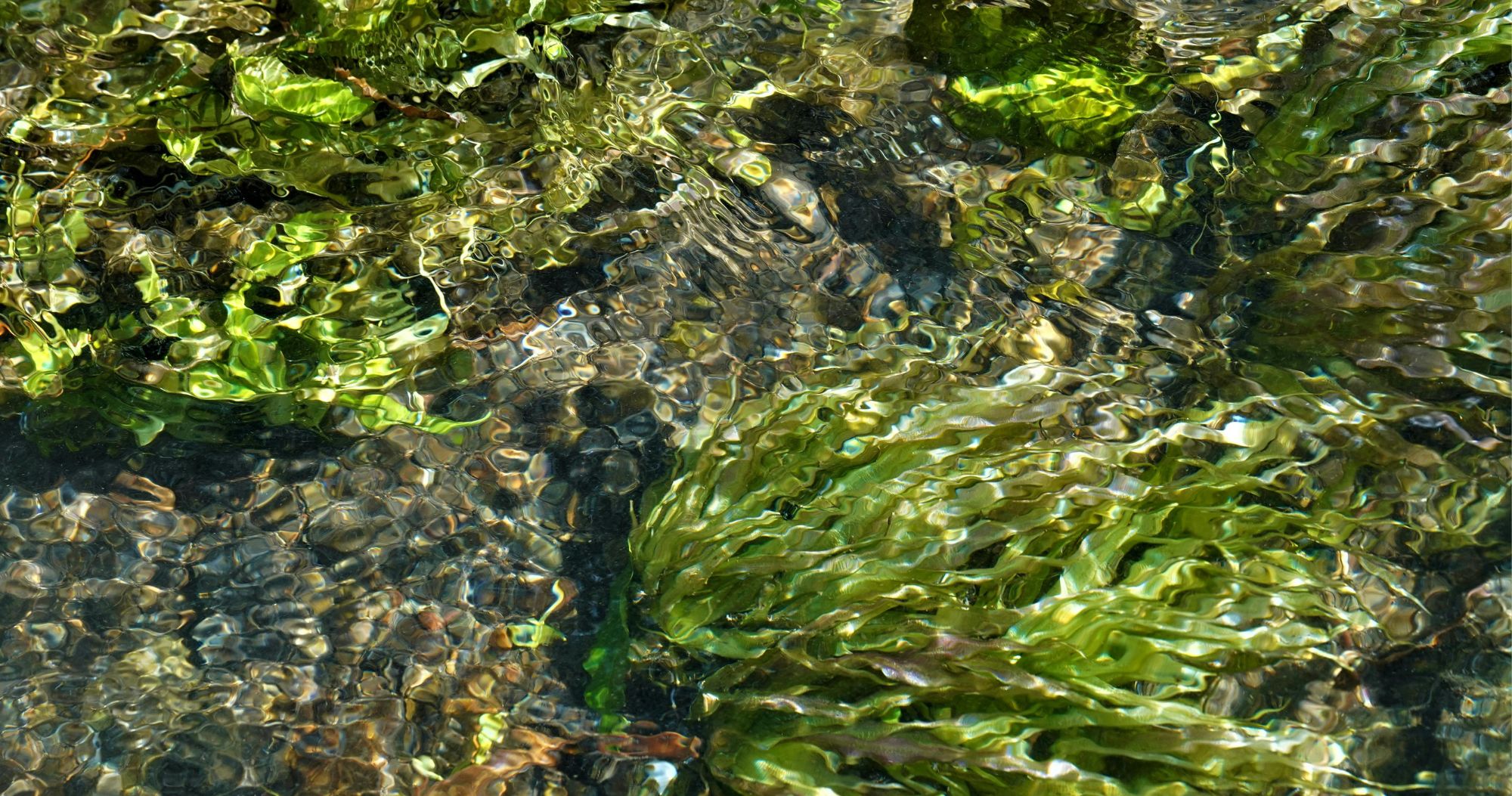
Spirulina lives in high alkaline water environment
Unlike many marine algae or aquatic plants, Spirulina grows optimally in alkaline water environments, usually with a pH higher than neutral.
Studies in microalgal biology show that Spirulina adapts well at a pH of about 8.5-11. In this condition, the majority of harmful bacteria, mold and nematodes are difficult to grow. It can be simply understood that the alkaline environment acts as a natural biological barrier, making Spirulina less competitive and contaminated.
This is very important if you look at Spirulina from a food perspective. A raw material grown in a low-contamination environment from the beginning reduces the risk of unwanted microbial residues, while better preserving the cellular structure and active ingredient during harvesting - drying - grinding.
Light - determining factor in color and active ingredient of Spirulina

Spirulina is a photosynthetic organism, so light not only helps it to live, but also directly affects biological quality.
When the lighting conditions are not suitable (too weak or too capricious), Spirulina may suffer from a decrease in pigment content, a yellowish or grayish pale powder color, and a more pronounced fishy smell.
Thus, the natural color of Spirulina is not only aesthetic, but also reflects the quality of growth in the growing environment.
Temperature - the boundary between good Spirulina and poor quality Spirulina
Besides water and light, temperature is a key environmental factor.
It is worth noting that environmental stress not only affects the growth rate, but also the experience of use. Poor-growing spiurlina often has:
- The smell is heavier
- Poor solubility
- Easy to cause a feeling of fullness
This is why Spirulina is the same, but the experience between the products on the market is very different.
What the habitat says about the quality of Spirulina
When you put the elements together - alkaline water, stable light and the right temperature, Spirulina can be seen as an “eco-cocky” creature but it is that pickiness that creates value.
In contrast, spirulina grown under poorly controlled conditions is prone to confusion, reducing biological quality, which in turn affects absorbability with long-term use.
Therefore, when evaluating Spirulina, it is advisable not to look only at the organic or natural label, but to understand in which environment it is grown and how it is controlled.
Spirulina - small creature that reflects the philosophy of sustainable living
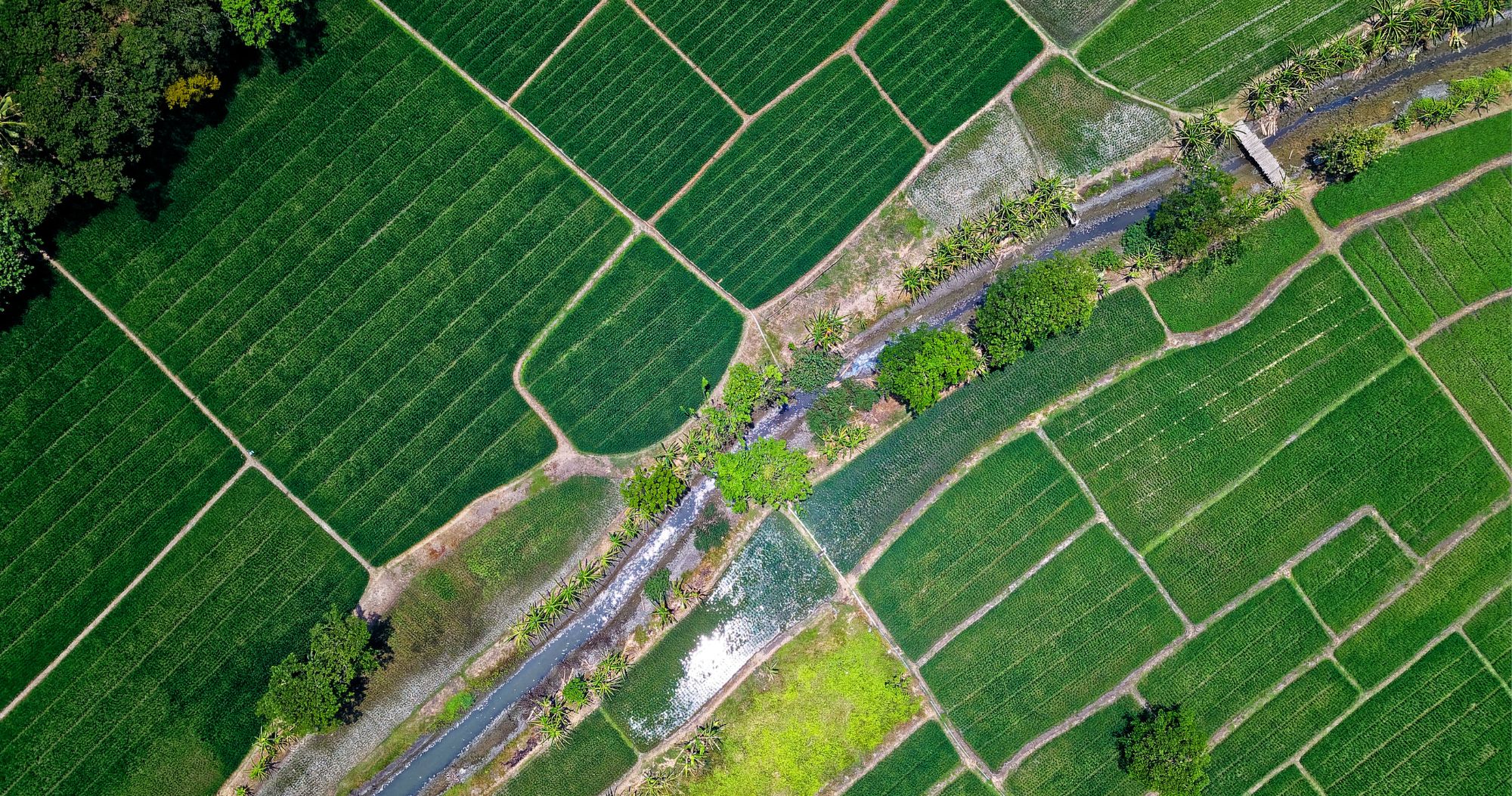
Spirulina does not need extensive arable land, does not compete with fresh water sources like traditional agriculture, but requires a properly understood and controlled farming environment. It is that balance that makes Spirulina an interesting symbol of sustainable nutrition.
Understanding Spirulina's habitat is also a way for consumers to gain a deeper understanding of the true value of the product they are choosing.
.png)
.png)
.jpg)



.jpg)
.jpg)
.jpg)


.png)
.png)
.jpg)
.jpg)




.jpg)

.jpg)


.jpg)
.jpg)


.jpg)



.jpg)




.png)




.jpg)

.jpg)