.jpg)
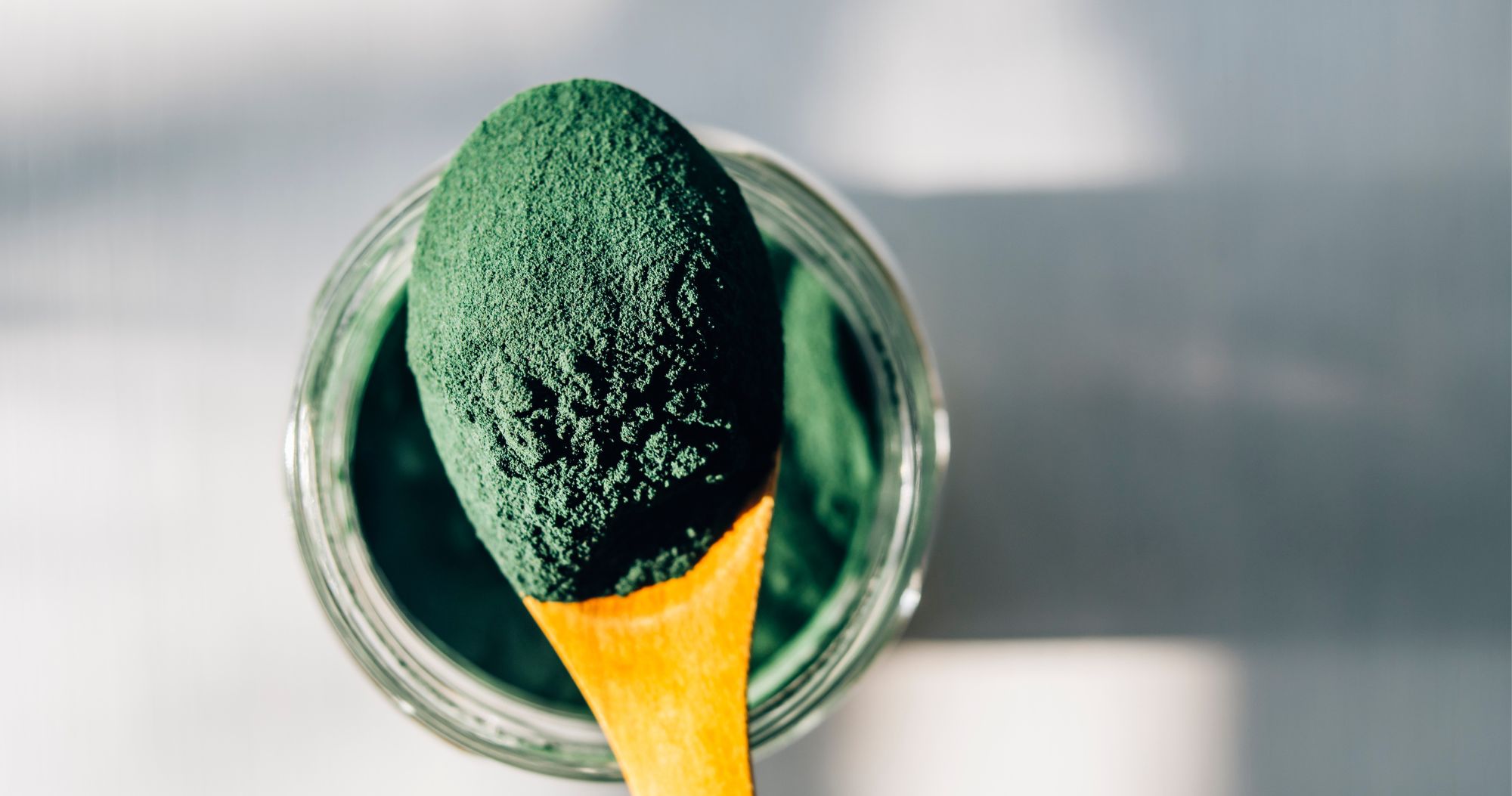
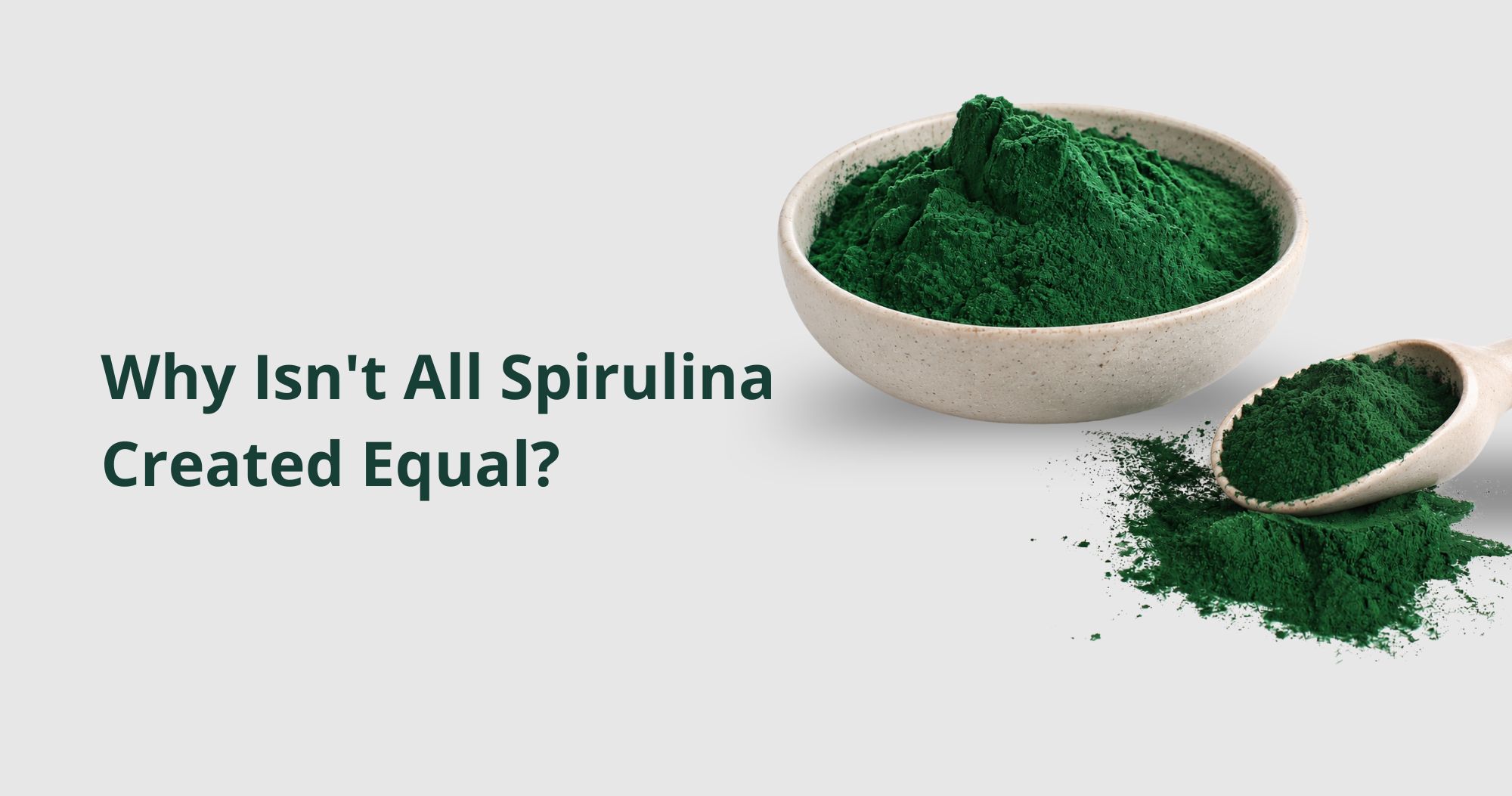
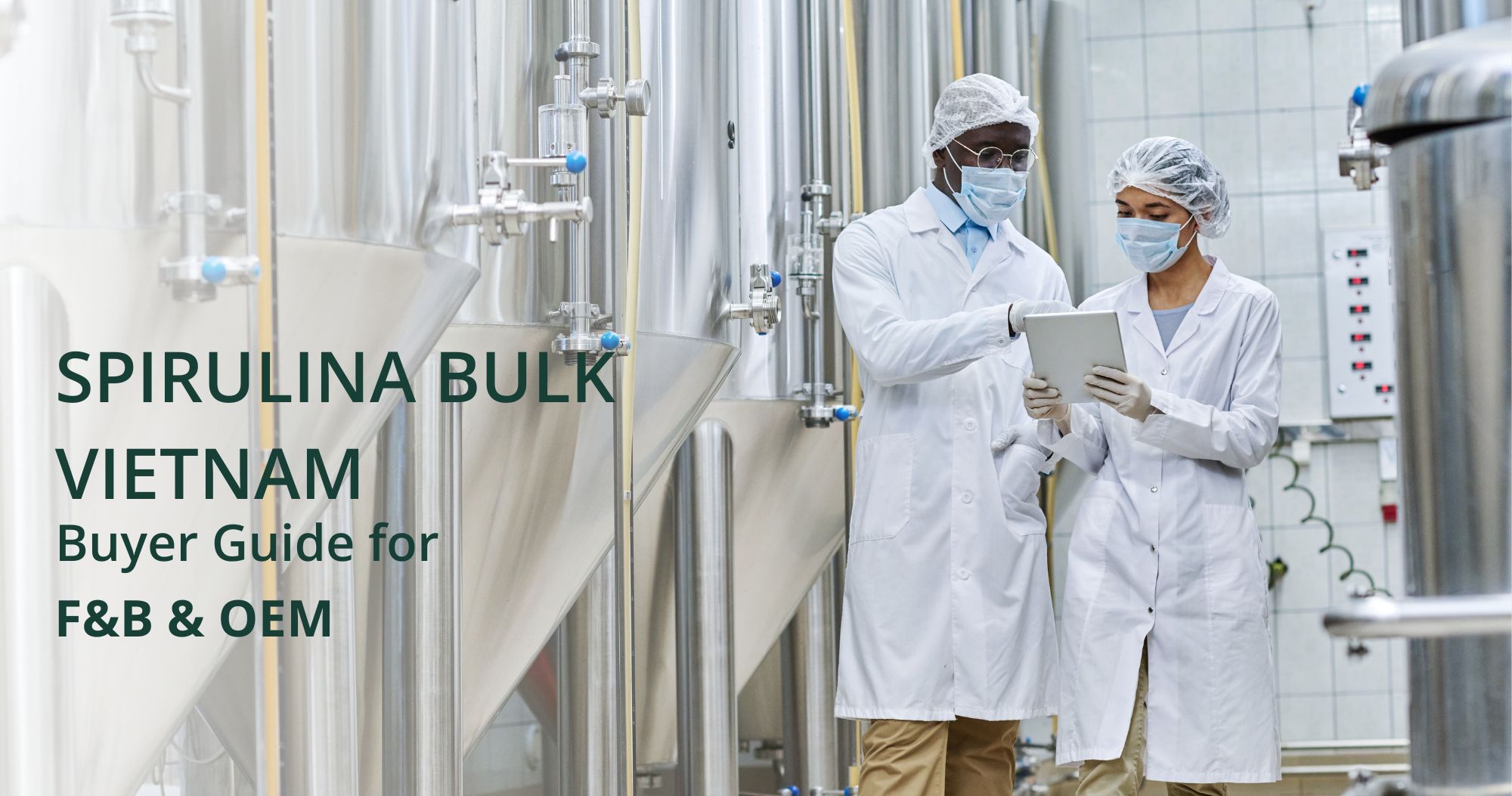
As consumers increasingly prioritize health and natural products, Spirulina powder is becoming a widely used ingredient in the food, beverage, and supplement industries. Beyond its high protein content, Spirulina is rich in valuable bioactive compounds such as phycocyanin, chlorophyll, and carotenoids, along with numerous essential vitamins and minerals.
For manufacturers, choosing a Spirulina powder supplier affects not only product quality but also production efficiency, quality control, and supply chain stability. Therefore, rather than focusing solely on price, businesses should evaluate suppliers based on more critical criteria.
1. Raw material quality and batch-to-batch consistency
For any food-grade ingredient, consistent quality is the top priority. Variations in color, texture, or nutritional composition between batches can compromise the final product, leading to increased costs for quality control or formula adjustments.
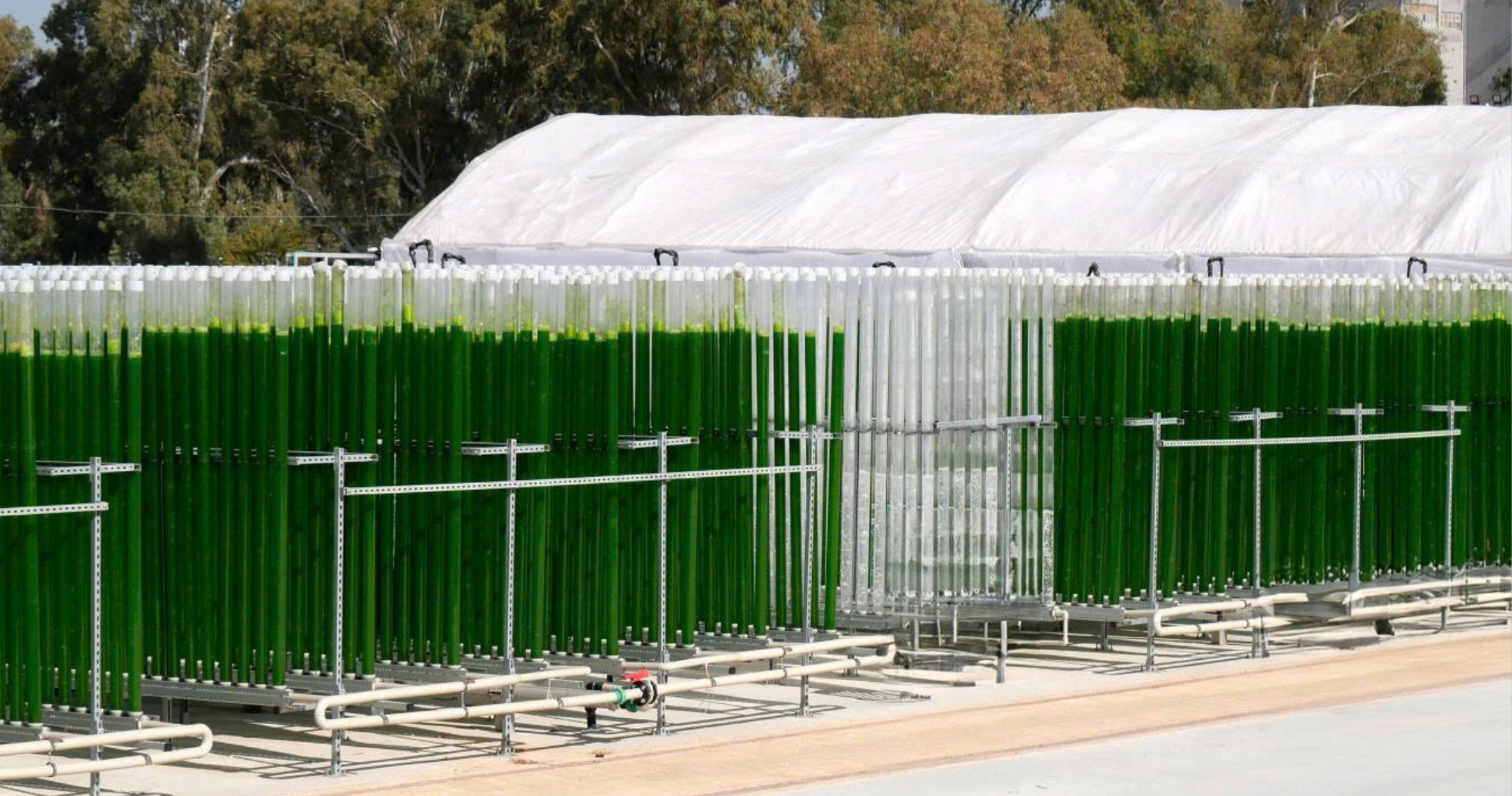
When sourcing Spirulina powder, businesses should prioritize suppliers with strictly controlled cultivation, harvesting, and processing procedures to ensure batch-to-batch uniformity. This is especially vital for large-scale manufacturers or exporters who must maintain consistent product quality over the long term.
2. Protein content and technical specifications
Protein content is a key parameter for R&D and procurement teams when evaluating Spirulina powder. Typically, dried Spirulina contains about 60–70% protein by dry weight, though this ratio can vary based on cultivation conditions and processing technology.
However, protein is not the only indicator of quality. Businesses should also consider other technical metrics such as moisture content, color, particle size, solubility, and relevant test parameters. A reputable supplier must be able to provide clear technical data to help businesses assess suitability for specific applications.
3. HACCP certification and food safety management systems
Food safety is a mandatory requirement in modern production. Before entering a partnership, businesses should verify whether the supplier implements quality management systems, with HACCP (Hazard Analysis and Critical Control Points) being one of the most important standards.
HACCP certification demonstrates that a supplier’s production process is designed to control food safety hazards from raw materials to finished goods. This also simplifies the supplier audit process, helps meet customer requirements, and supports exports to various markets.
4. Technical documentation and traceability
A professional supplier does more than just provide ingredients; they support businesses with a comprehensive system of technical documentation. This helps QA, QC, and R&D teams shorten evaluation times and minimize risks during product development.
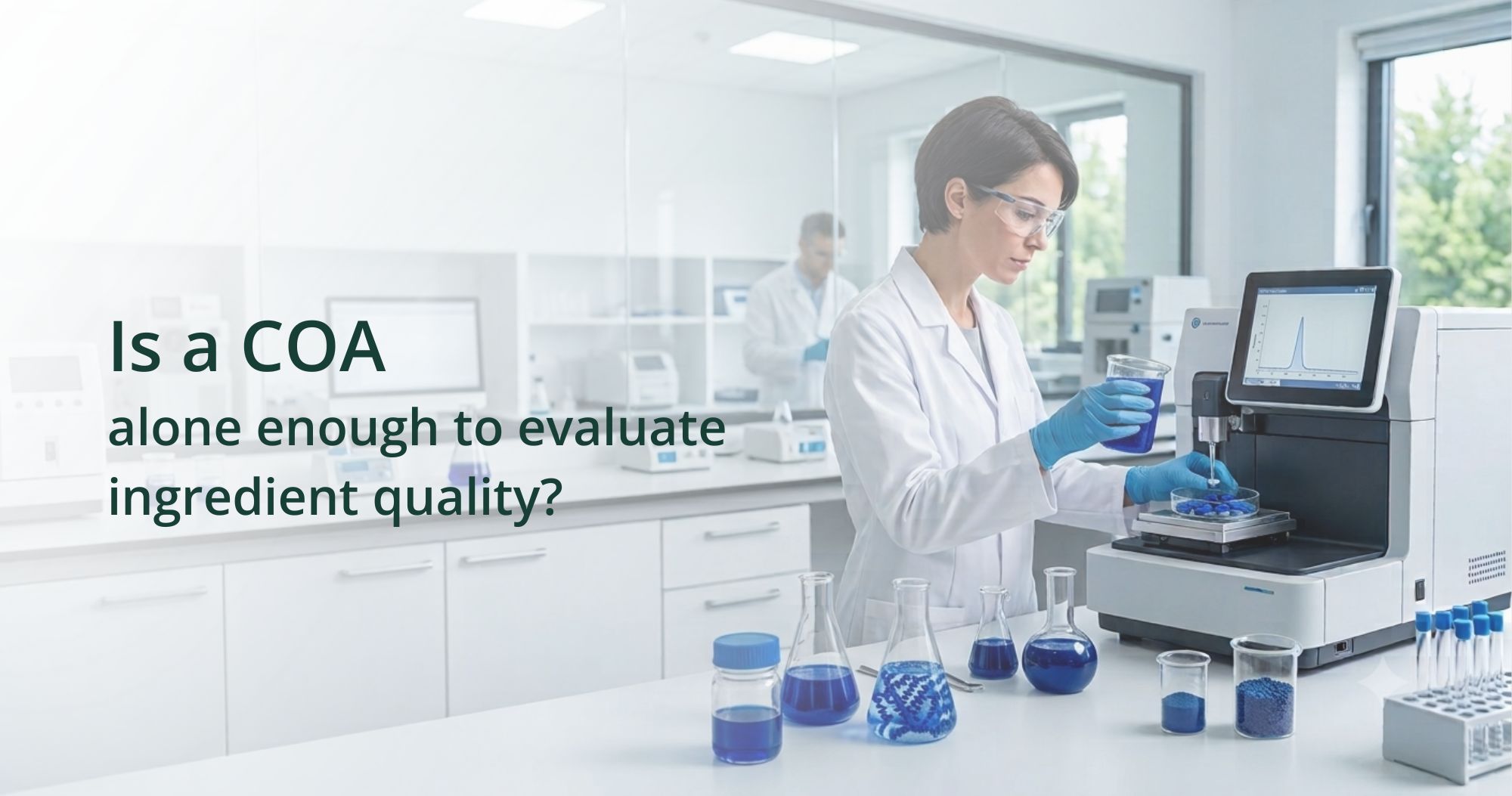
Essential documents typically include specifications, Certificates of Analysis (COA), packaging details, storage instructions, shelf life, and traceability records. The ability to provide complete documentation reflects a supplier's transparency and professionalism.
5. MOQ, supply capacity, and lead times
For procurement departments, MOQ (Minimum Order Quantity) is always a key consideration. During the product research phase, businesses often need only small amounts for testing. Conversely, when moving to commercial production, raw material requirements can increase significantly.
A supplier with a flexible MOQ policy helps businesses optimize testing costs while supporting scaling as production volume grows. Additionally, businesses should evaluate supply capacity, lead times, and the ability to maintain a stable long-term supply to mitigate the risk of production disruptions.
6. Technical support and partnership with R&D teams
In many cases, the value of a supplier lies not just in the quality of the raw material, but in their ability to provide technical support. For companies developing new products, receiving expert advice on applications, formulations, usage methods, or ingredient selection can significantly shorten research timelines.
An experienced partner will be ready to support your business during the raw material evaluation process, provide technical documentation, address quality standard inquiries, and collaborate with your R&D team whenever formula adjustments are needed.
7. Reputation and long-term partnership potential
Selecting a supplier is a strategic decision, especially for businesses with long-term, stable production needs. Therefore, beyond factors like quality and cost, businesses should also evaluate a partner's reputation, experience, and capacity for a long-term relationship.
A reliable supplier must have transparent workflows, provide prompt responses, ensure delivery schedules, and be ready to offer support when issues arise. A long-term partnership not only helps stabilize your supply chain but also creates favorable conditions for co-developing new product lines in the future.

8. Conclusion
Choosing a Spirulina powder supplier should not be based solely on price or protein content. A suitable partner must meet multiple criteria simultaneously, including consistent quality, food safety certifications, comprehensive technical documentation, traceability, flexible MOQs, supply capacity, and professional support services.
In an increasingly competitive market, partnering with a reputable supplier will help businesses optimize product development, ensure finished product quality, and build a sustainable supply chain. This is also a vital foundation for creating high-value products that meet the increasingly stringent demands of both domestic and international markets.
.png)
.png)





.jpg)

.jpg)


.jpg)


.png)
.png)
.jpg)
.jpg)





.jpg)

.jpg)


.jpg)
.jpg)


.jpg)




.jpg)




.png)







.jpg)



.jpg)