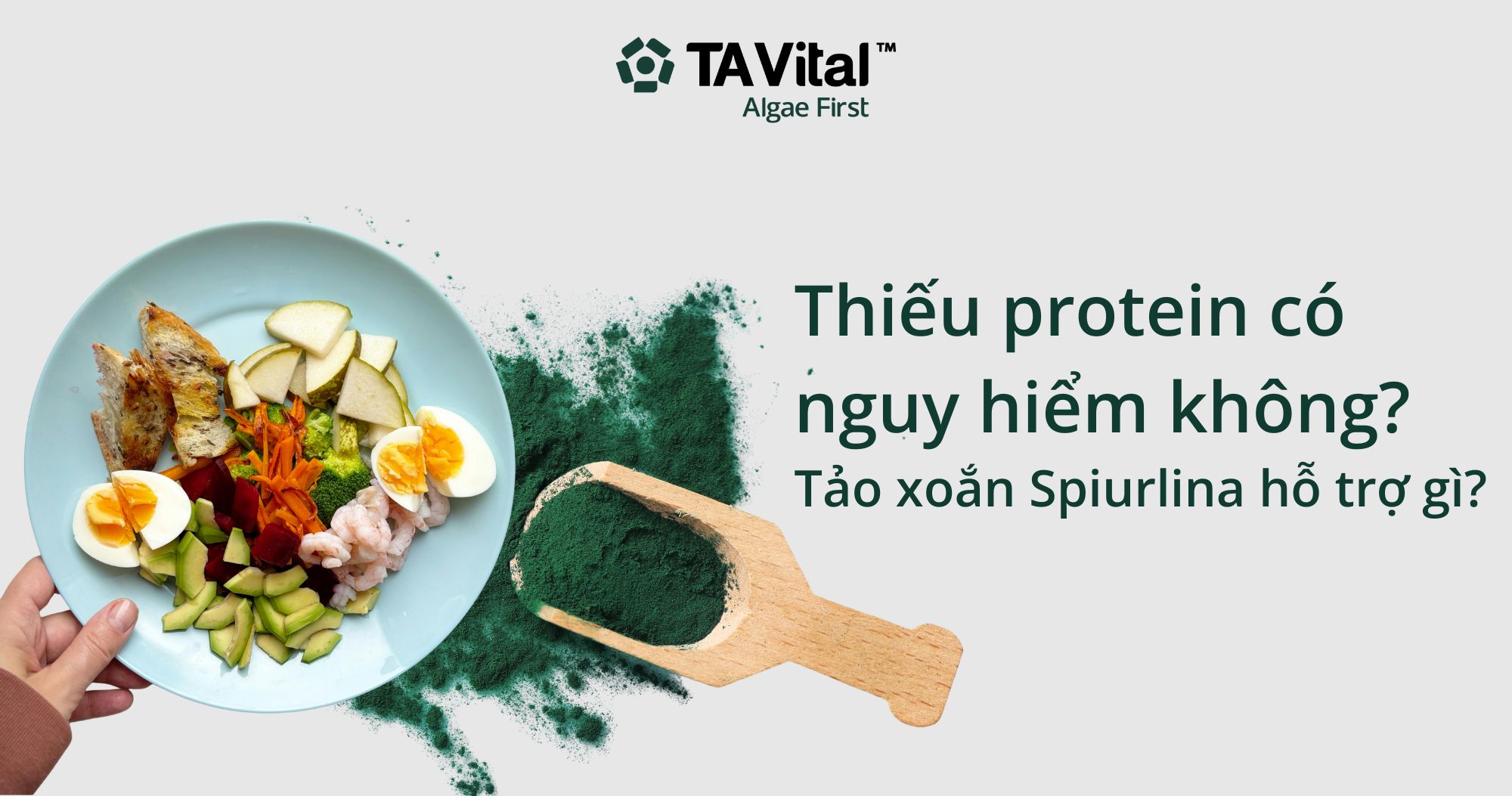
Protein is not merely a nutrient that builds muscle, as many people believe. In fact, it is one of the most crucial foundations of life – involved in cell structure, enzyme and hormone production, and maintaining the immune system. However, it's worth noting that protein deficiency is not uncommon, especially among those with irregular eating habits, dieters, or those following an unbalanced nutritional regimen.
You might just feel tired, weak, or have difficulty recovering after physical activity without realizing your body is "lacking the raw materials" to function. Spirulina is often mentioned as a quick nutritional supplement, but can it truly help solve the problem of protein deficiency?
Protein Deficiency – An Underestimated Problem

Protein deficiency occurs when your protein intake doesn't meet your body's needs. The causes can be varied: a nutrient-poor diet, an unbalanced vegetarian diet, skipping meals, or simply being unaware of your daily protein requirements.
It's important to note that protein isn't just crucial for athletes. Even in a normal state, the body constantly needs protein to regenerate cells, maintain muscle mass, and ensure biological functions run smoothly. When this supply is insufficient, the consequences won't stop at "mild fatigue."
Is protein deficiency dangerous?
In its early stages, protein deficiency often manifests with rather vague symptoms such as low energy, easy fatigue, and difficulty concentrating. But as this condition persists, the body begins to enter a more noticeable state of decline.
Muscle mass can gradually be lost due to insufficient building blocks for maintenance. A weakened immune system makes you more susceptible to illness. Skin, hair, and nails become weak and easily damaged. In particular, recovery after illness or exercise slows down – a sign that the body no longer has enough resources to regenerate.
At a more severe level, prolonged protein deficiency can affect metabolic processes and, in children, directly impact growth.
Spirulina – A Natural Protein Supplement Solution
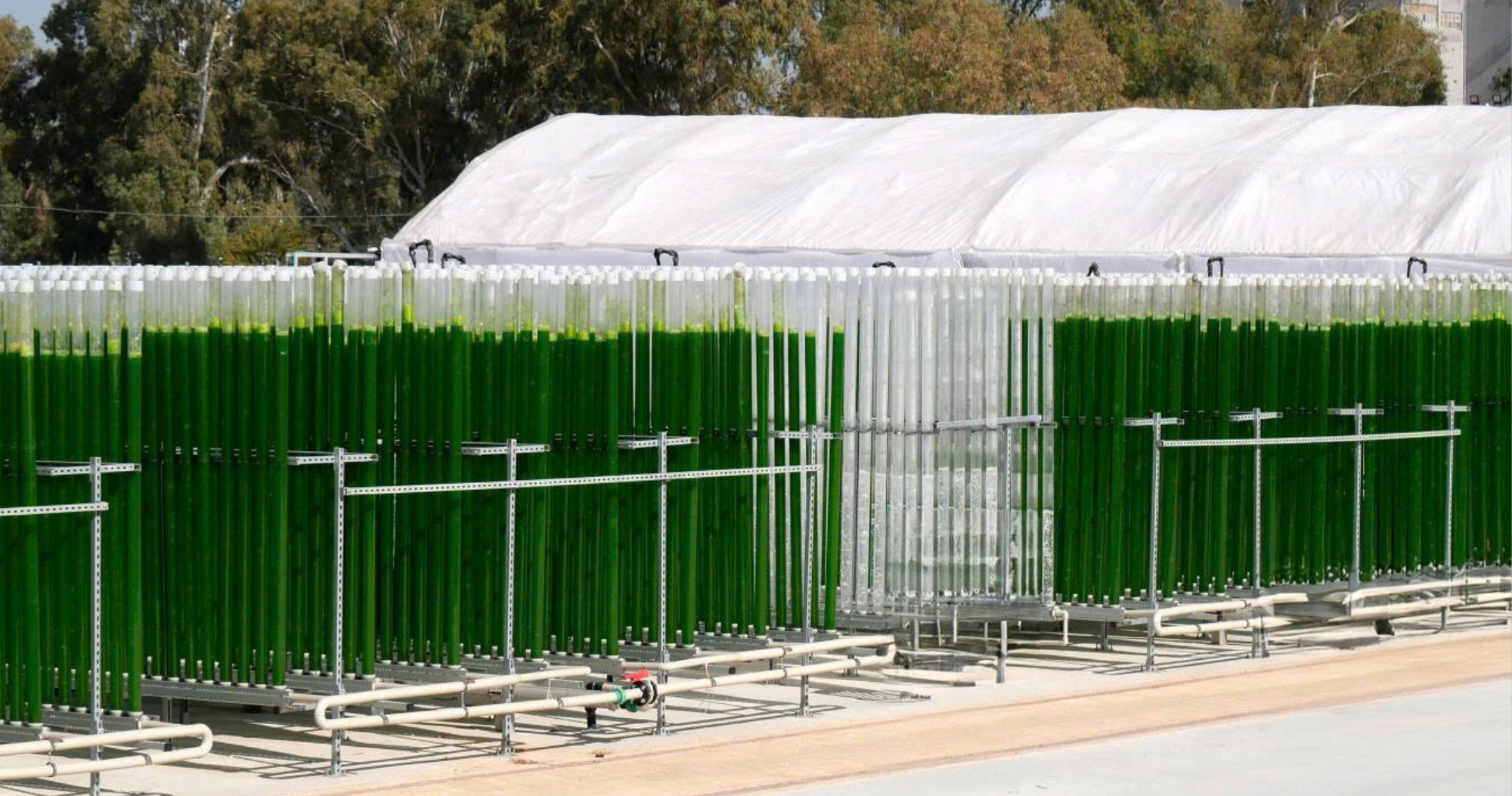
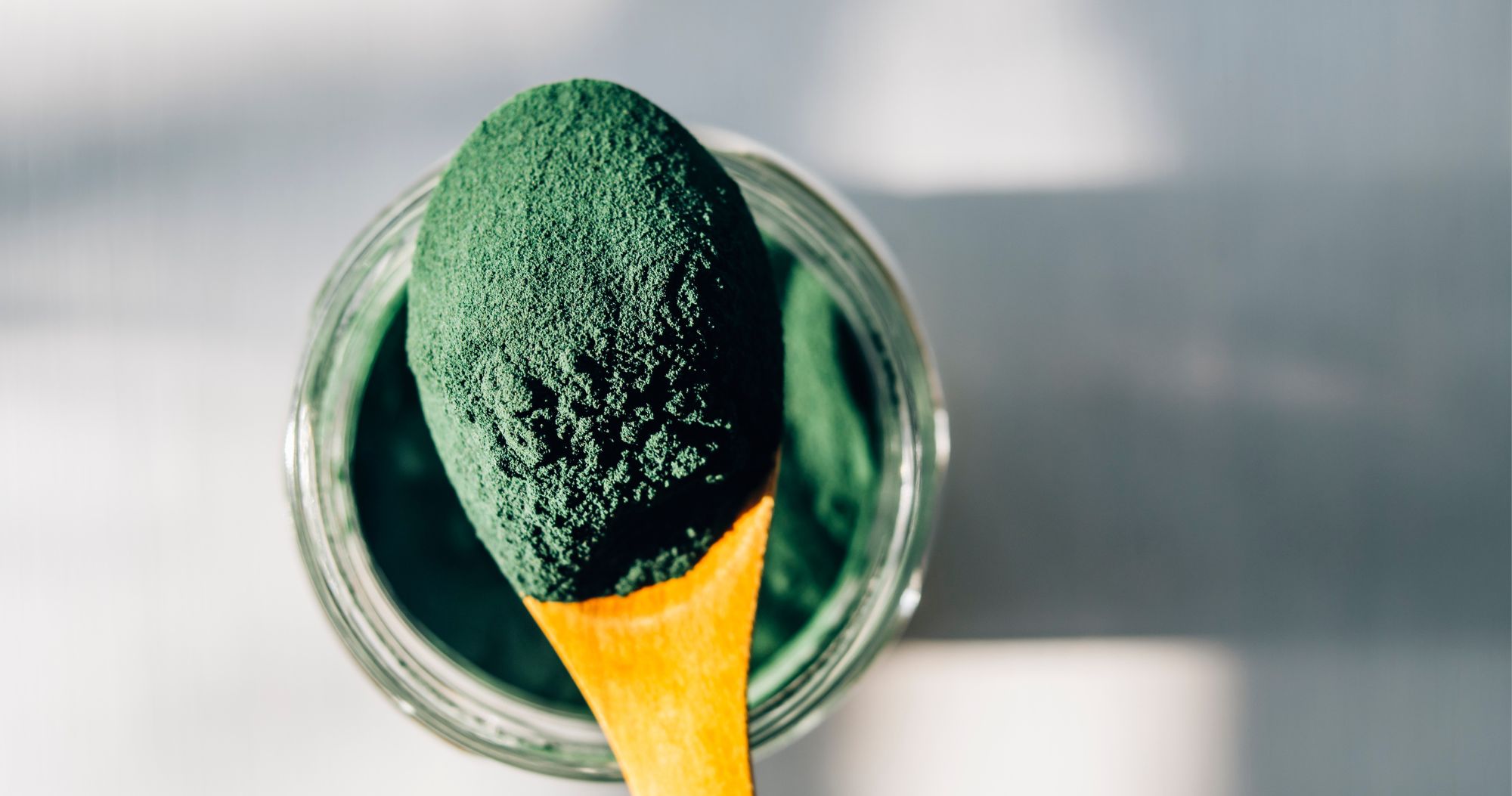
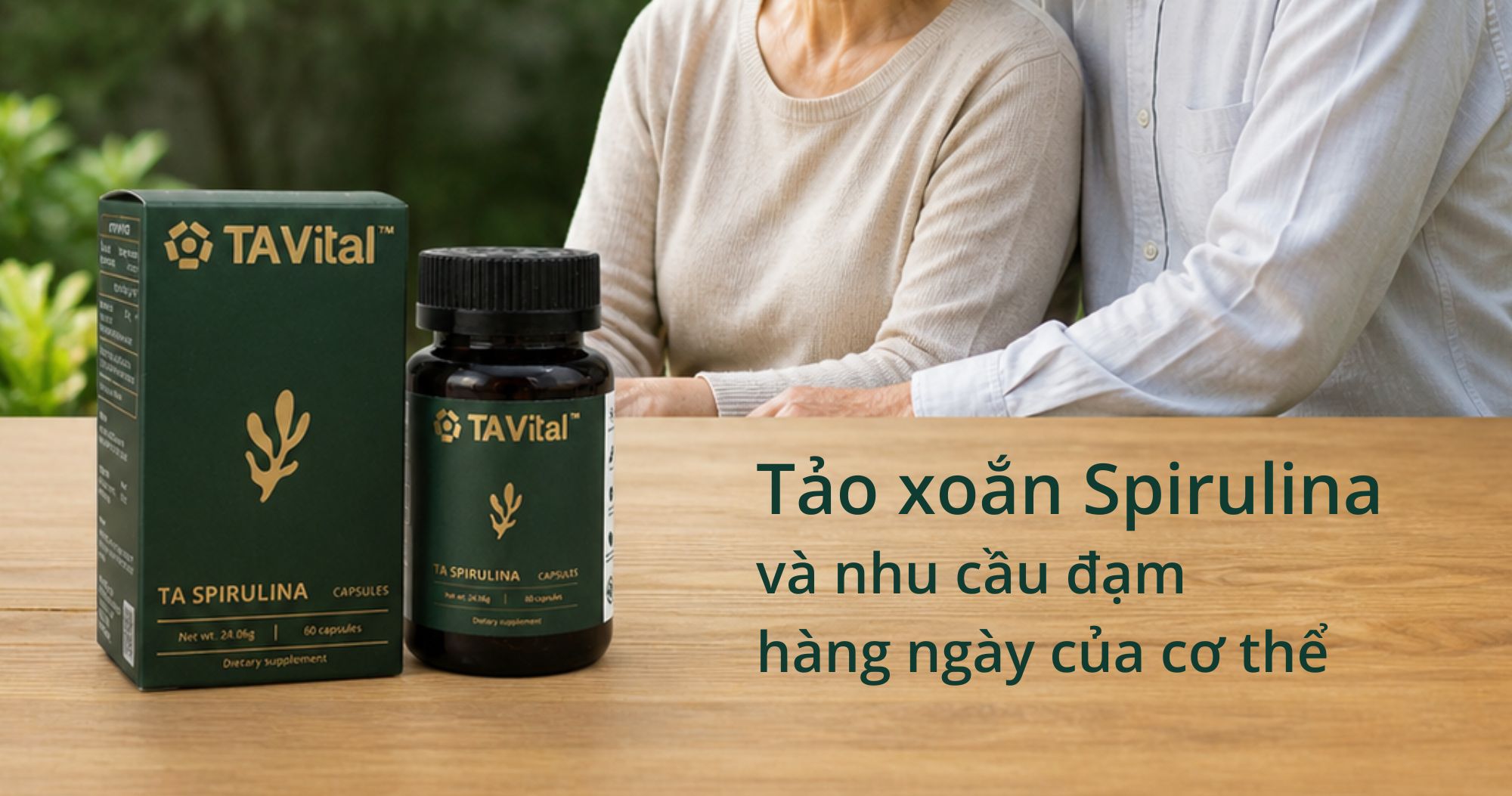
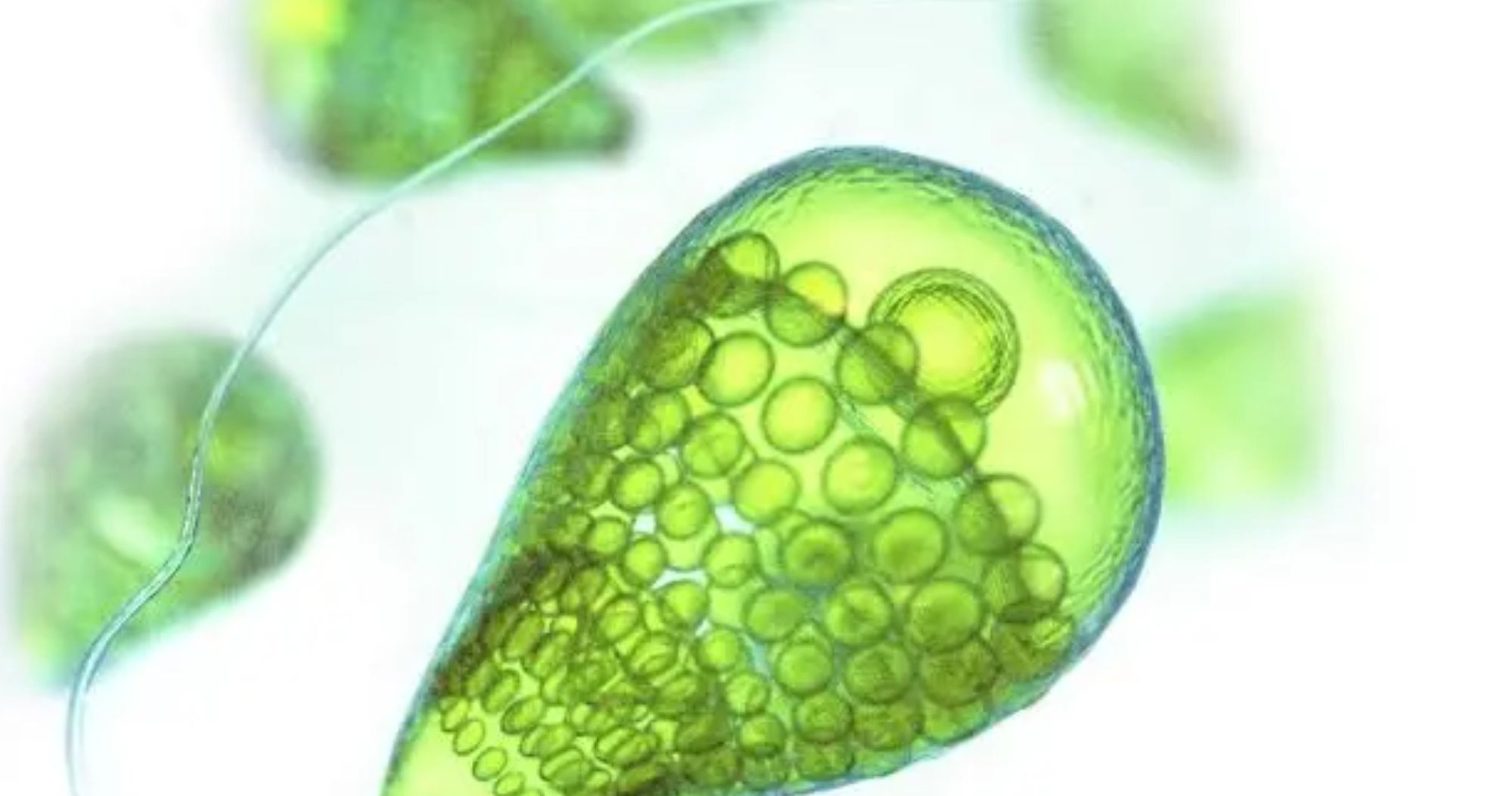
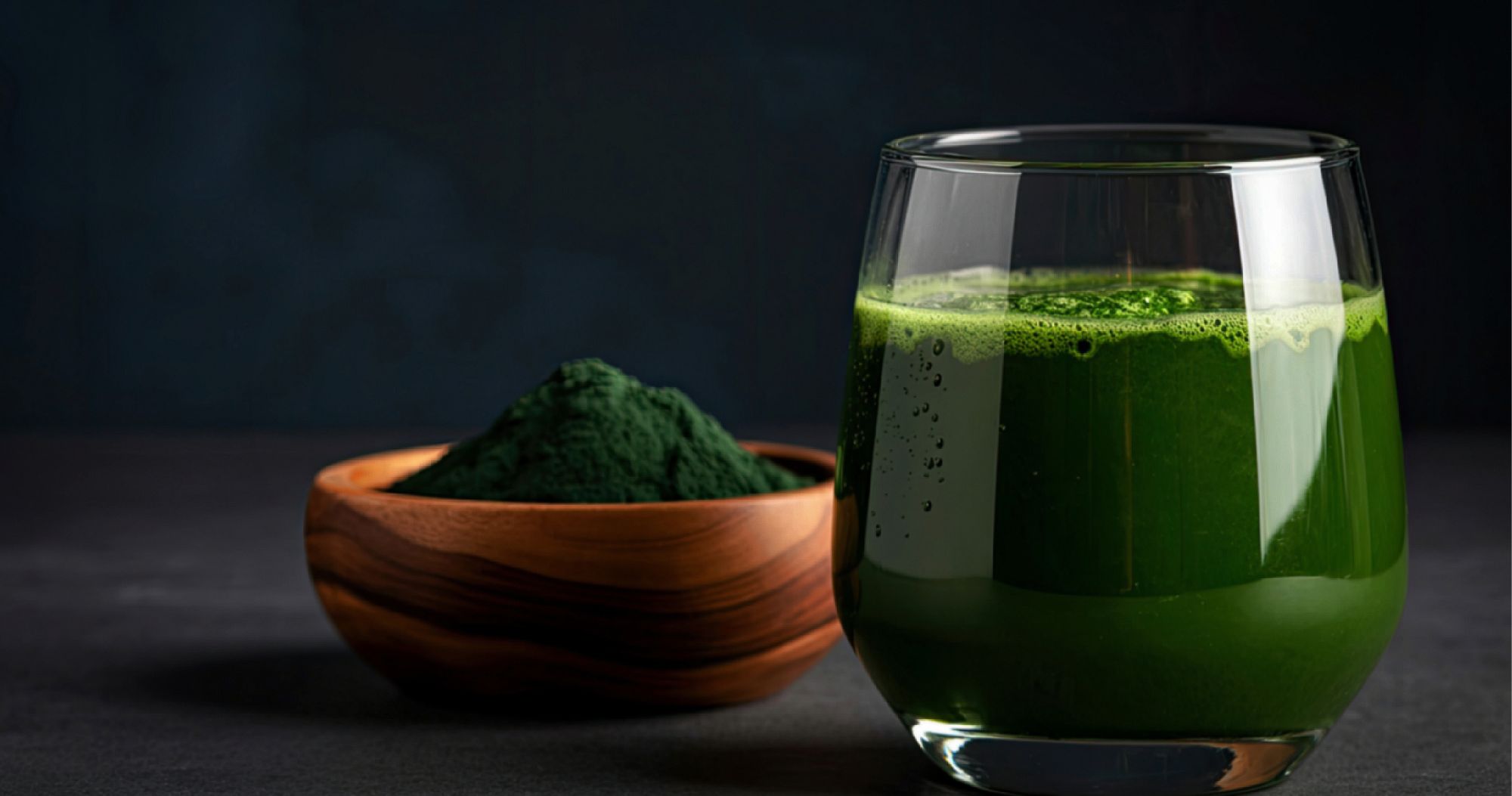
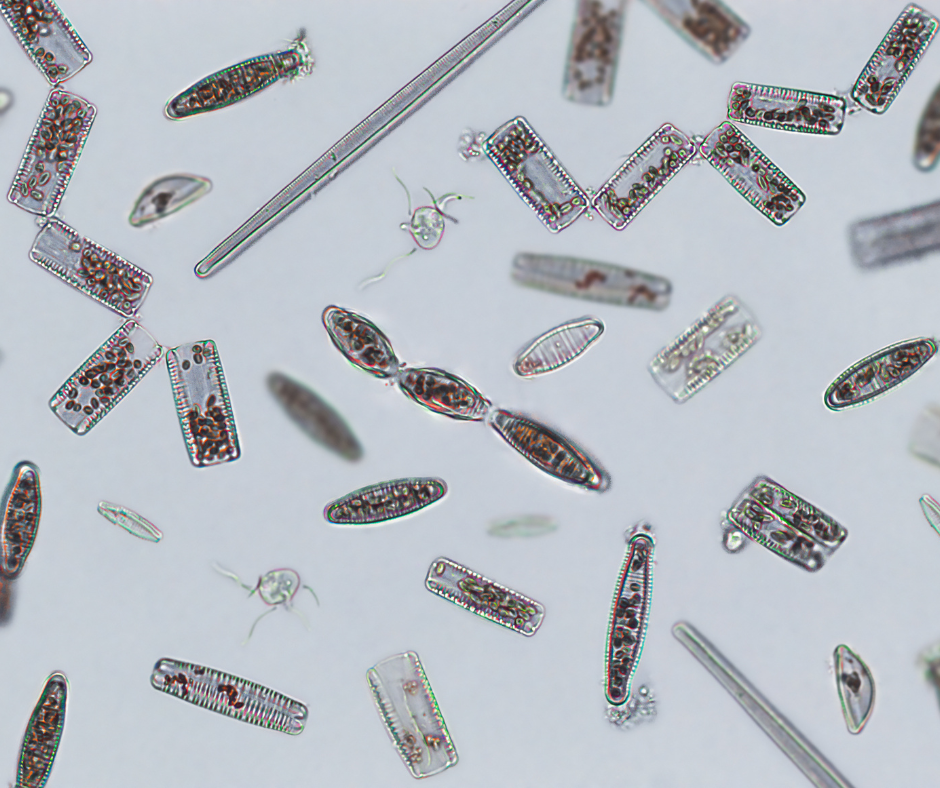
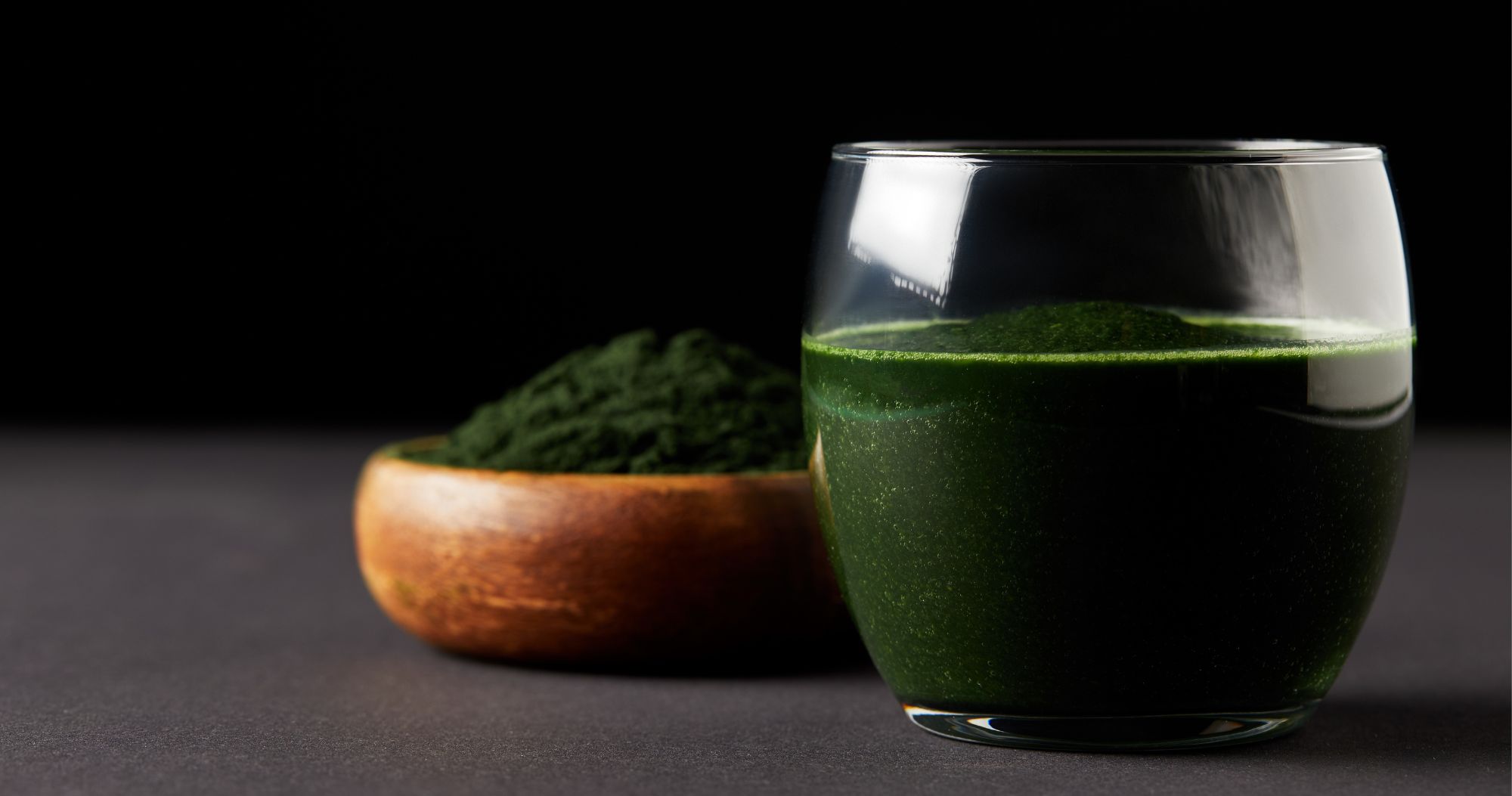
Spirulina (also known as blue-green algae) stands out as an exceptional nutritional source. It is a type of microalgae with a very high protein content – approximately 60-70% of its dry weight, along with numerous vitamins, minerals, and antioxidant compounds like phycocyanin.
Its remarkable quality lies not only in its protein content but also in its absorbability. Spirulina does not have the tough cellulose cell walls found in many other plants, making it easier for the body to digest and utilize nutrients more effectively.
Therefore, it is often considered a "quick and convenient" way to supplement protein, especially when dietary intake is not optimal.
How does Spirulina help when the body lacks protein?
Spirulina is not a complete protein replacement, but it plays a significant role.
Firstly, it helps supplement a concentrated amount of protein in a small serving. This is particularly useful for those who eat little, eat irregularly, or find it difficult to get enough protein from their daily meals.
Additionally, spirulina provides essential amino acids for tissue repair and muscle maintenance. When the body is in a state of mild deficiency, this supplementation can help improve feelings of fatigue and support recovery.
Beyond protein, the accompanying micronutrients in spirulina – from B vitamins to iron – also help the body function more efficiently, thereby indirectly improving energy levels and overall health.
Can Spirulina replace a primary protein source?
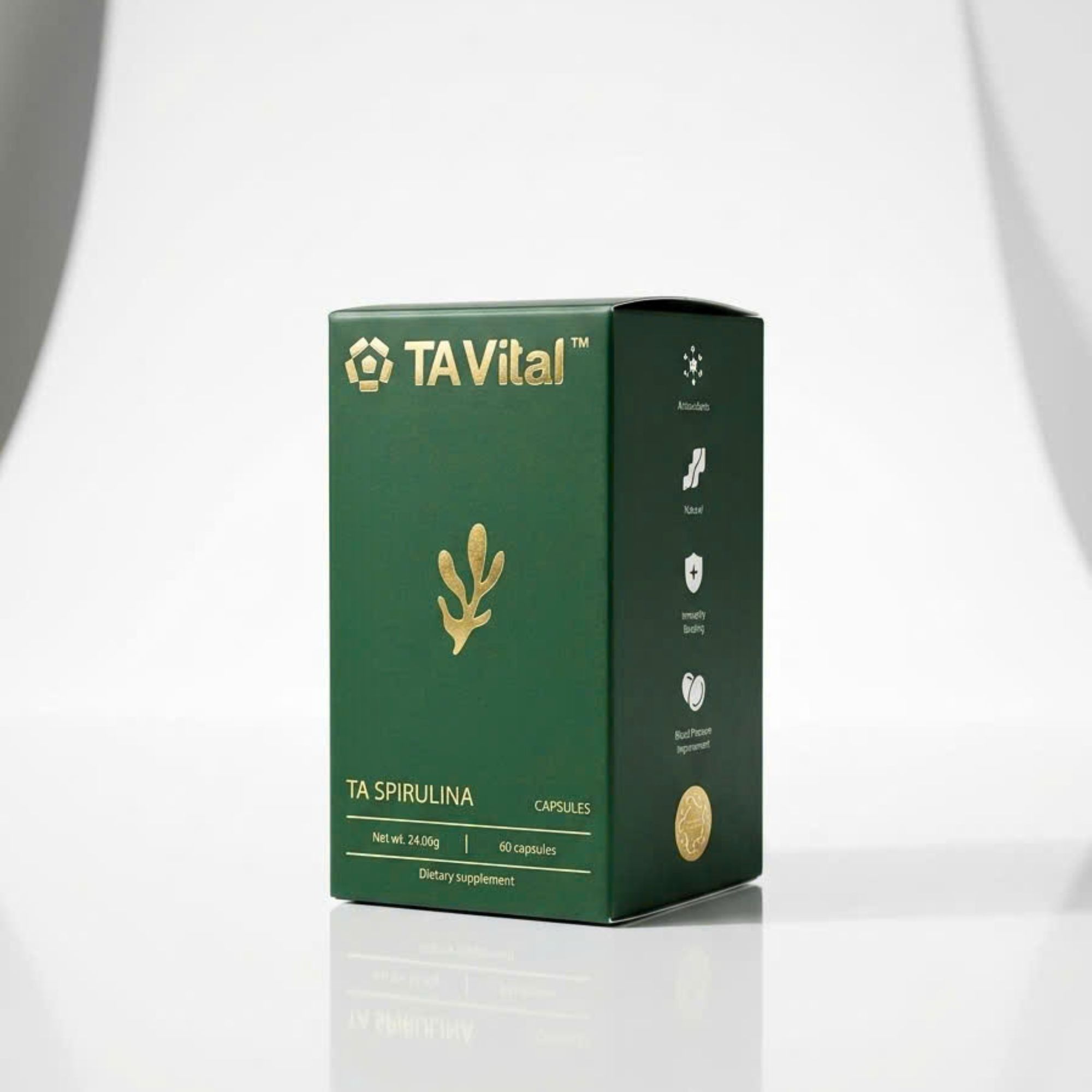
Despite its high protein density, the daily amount of spirulina consumed is typically very small, only about 1-3g. This means the actual protein you receive is just a few grams, which is insufficient to meet daily requirements that can amount to tens of grams.
Therefore, spirulina should be considered a supplement, not the primary foundation of your diet.
Compared to other protein sources, where does Spirulina stand?
Meat and fish provide complete protein in substantial servings. Whey protein is designed for rapid muscle recovery after workouts. Soy is a popular and easily integrated plant-based protein source.
Meanwhile, spirulina stands out for its high nutrient density and its ability to provide accompanying micronutrients. It doesn't directly compete with the aforementioned sources but rather serves to "enhance" overall nutritional value.
The right approach to avoid protein deficiency
The most effective approach remains building a diverse diet with various protein sources, both animal and plant-based.
Spirulina can be a useful piece in that puzzle, but it's not the whole picture. Proper integration, tailored to individual needs, is key to ensuring your body always has sufficient protein.
Conclusion
Protein deficiency is not a minor issue, and if prolonged, it can significantly impact health and quality of life. Spirulina, with its high nutrient density, can play a supportive role in protein supplementation and improving overall physical condition.
.png)
.png)

.jpg)


.jpg)
.jpg)

.jpg)


.png)
.png)
.jpg)
.jpg)




.jpg)

.jpg)


.jpg)
.jpg)


.jpg)



.jpg)




.png)




.jpg)


.jpg)