.jpg)
For years, synthetic colorants were the preferred choice for the food and beverage industry due to their stability and cost-effectiveness.
However, consumer trends are shifting as people increasingly prioritize products with natural ingredients, while food safety standards and regulatory requirements have also become more stringent. This is driving many F&B businesses to shift from "Artificial" to "Natural" in their product development strategies.
So, what is the driving force behind this transition, and which solutions are currently prioritized by the market?
1. Synthetic Colors Are No Longer the Optimal Choice
For decades, synthetic colorants were the go-to solution to ensure color consistency across product batches, extend shelf life, and meet large-scale production demands for F&B companies.
However, today's market has changed significantly. The rise of healthy consumer trends, along with increasingly strict quality and food safety standards, is forcing businesses to re-evaluate their ingredient sourcing strategies. Color is no longer just a visual appeal factor; it now reflects transparency, brand positioning, and a company's commitment to consumer health.
Consumers Are Increasingly Mindful of Ingredient Lists
While the majority of customers previously focused only on taste, price, or packaging design, they are now paying much more attention to the ingredient list. Reading product labels has become a habit for many consumers, especially younger demographics, families with young children, and those pursuing healthy lifestyles.
Claims like "No Artificial Colors", "Natural Ingredients", or "Plant-based" are increasingly well-received and have become key factors influencing purchasing decisions. Conversely, the presence of synthetic colors on packaging can make certain consumer segments hesitate before buying, particularly in premium beverages, functional foods, and wellness products.

"Clean Label" is Becoming the New Standard in the F&B Industry
Hand in hand with shifting consumer behavior is the rapid growth of the Clean Label trend. Clean Label focuses on using natural, easily recognizable, and transparent ingredients while minimizing unnecessary additives. The goal is to help consumers easily identify product ingredients and feel more reassured when using them.For businesses, adopting a Clean Label approach not only meets market demands but also enhances brand image and creates a competitive edge over rivals.
Growing Pressure from Regulations and Standards
In addition to market changes, the regulatory landscape is also undergoing significant shifts. Countries and regions such as the European Union (EU), the United States, and several Asian markets continuously update food additive regulations to improve consumer safety.In this context, transitioning to natural coloring solutions is seen as a proactive step, helping businesses adapt ahead of future regulatory changes.
Color is Not Just About Visual Appeal, It Builds Trust
In an increasingly fierce competitive environment, consumers do not just buy a product; they choose the values that the brand represents. A product that uses natural ingredients, maintains ingredient transparency, and aligns with sustainable development trends often earns greater trust and goodwill from customers.
2. "Natural" is Not Just a Trend, It Is a Technical Challenge
In reality, behind every product labeled "Natural" or "Clean Label" is a rigorous process of research, testing, and formula optimization to ensure product quality, manufacturing efficiency, and consumer experience.
Ensuring consistency across ingredient batches has become a challenge for F&B businesses. Unlike synthetic colors, which maintain highly stable quality through chemical synthesis, natural colors are typically extracted from plants, fruits, or microalgae, making them susceptible to farming conditions, harvesting times, and extraction technologies.
Natural colors are also sensitive to factors such as temperature, light, oxygen, and pH levels. During processing or storage, the color may degrade or shift if the formulation is not optimized, requiring R&D teams to conduct extensive testing to guarantee product quality.
Another challenge is scalability. Not all ingredients maintain stable quality when transitioning from the laboratory scale to mass production. If the raw material supply is inconsistent, businesses may have to constantly adjust formulations or face increased quality control costs.
For companies aiming for international markets, using natural colors also requires comprehensive technical dossiers, stability data, and safety documentation to meet strict regulatory requirements.
3. Phycocyanin – One of the Outstanding Solutions
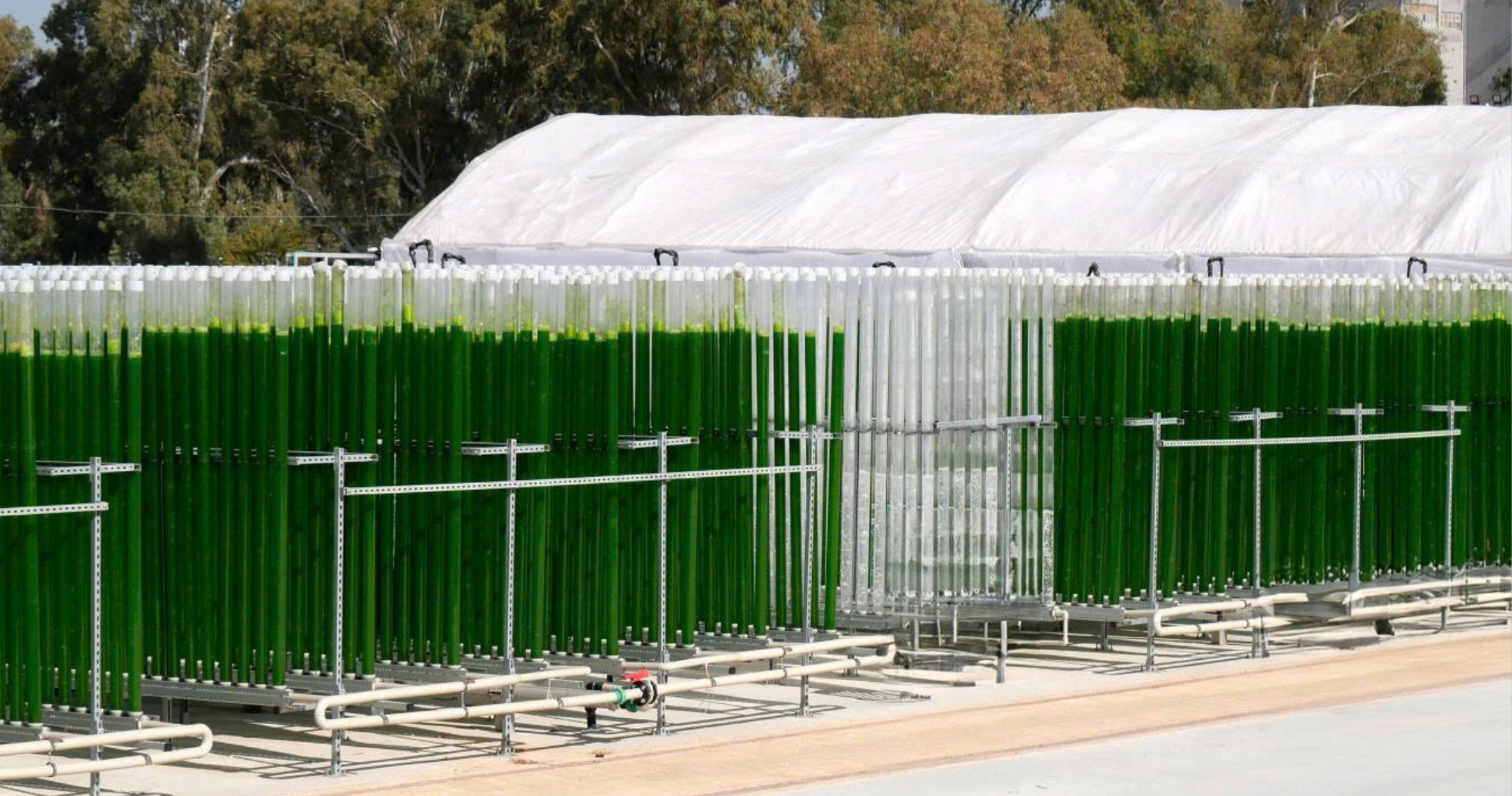
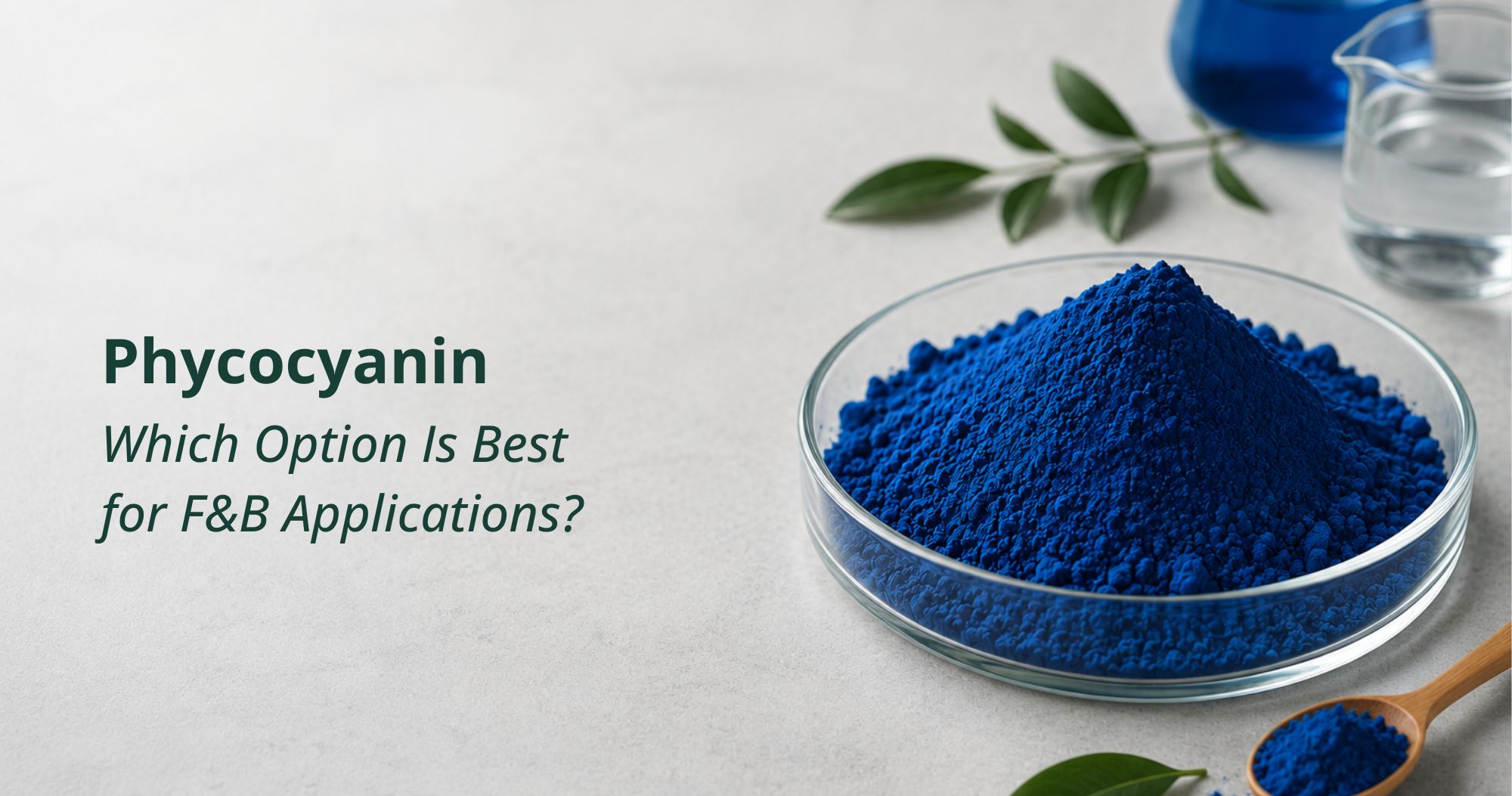
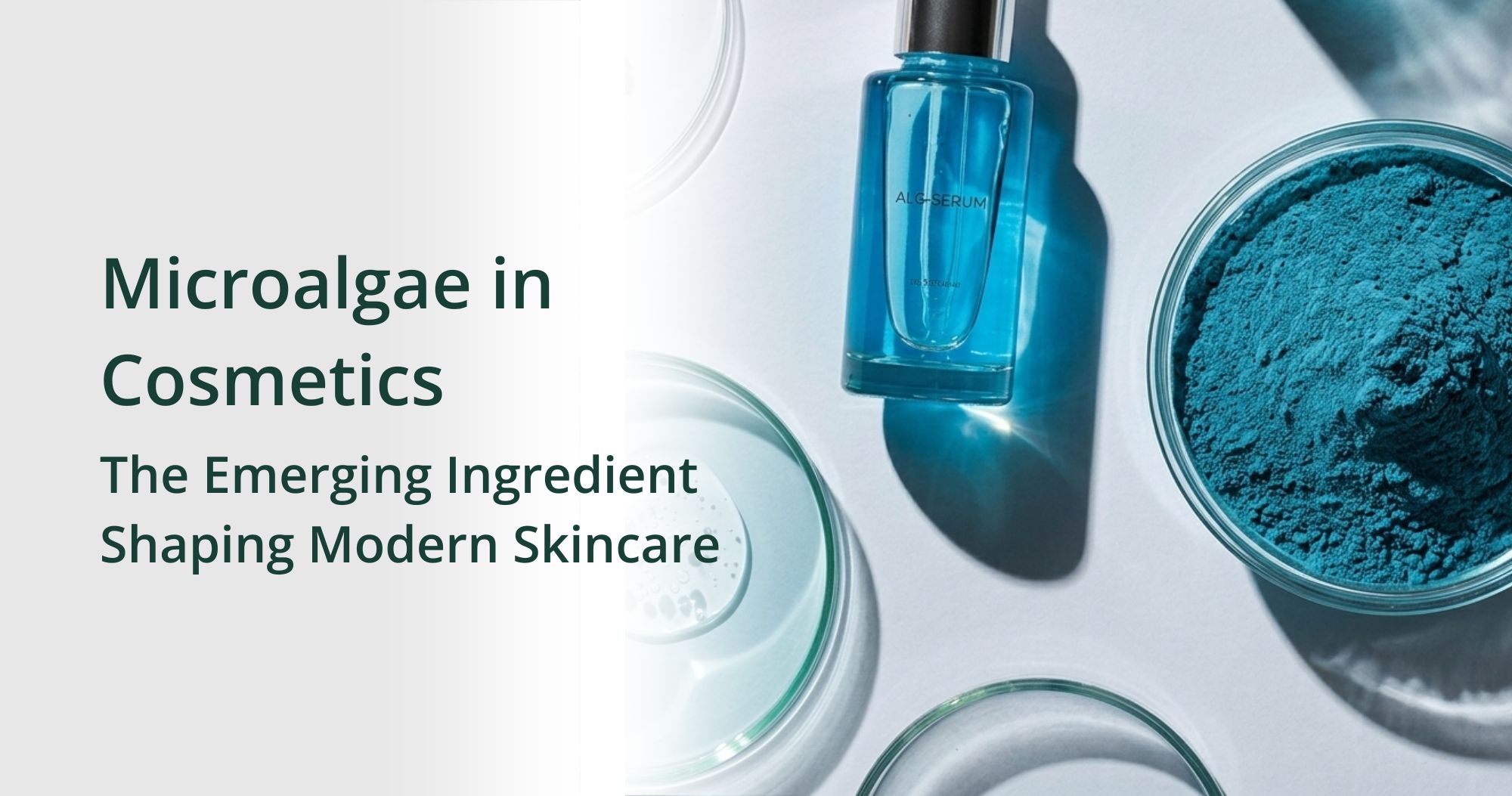
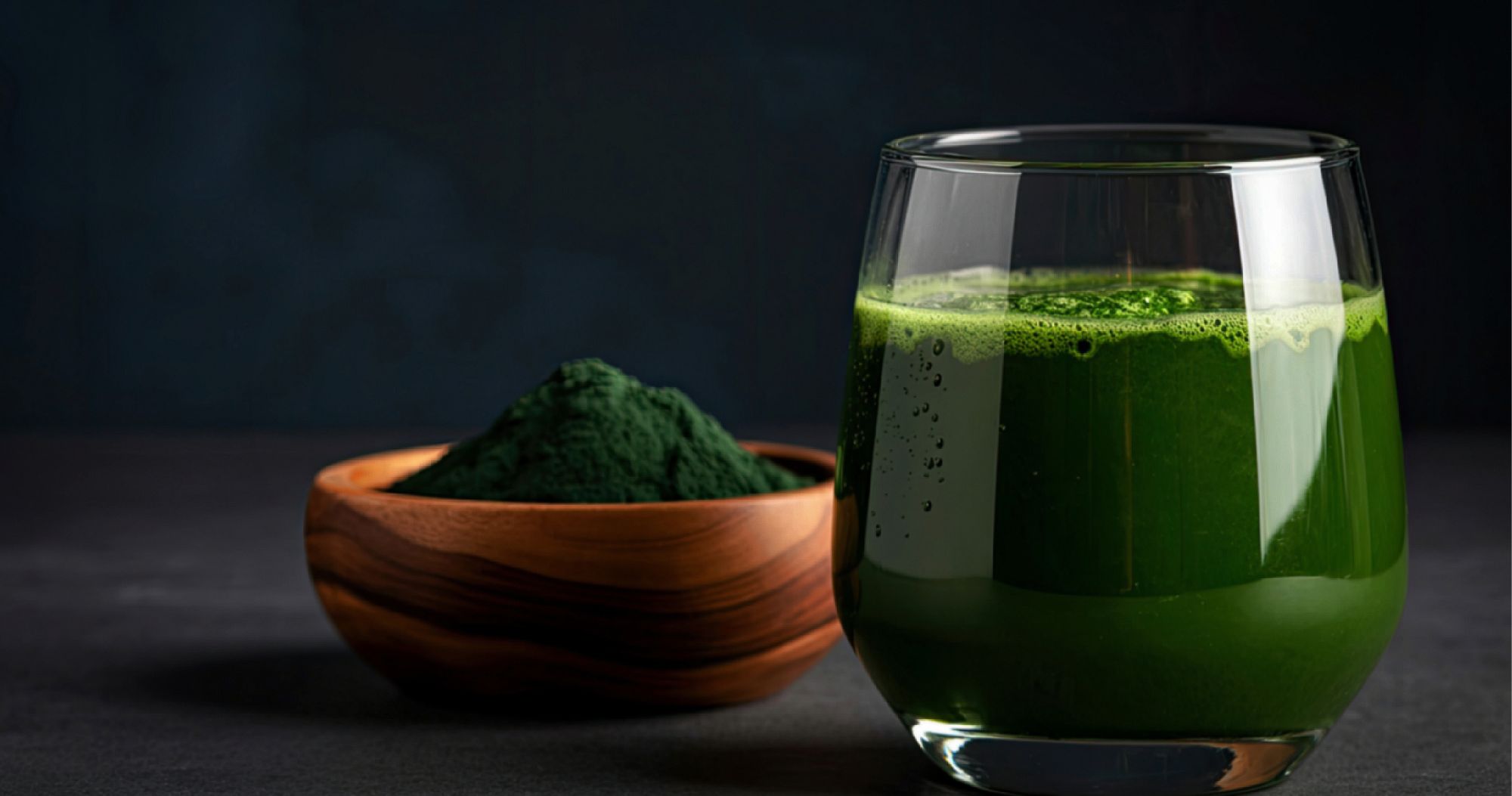
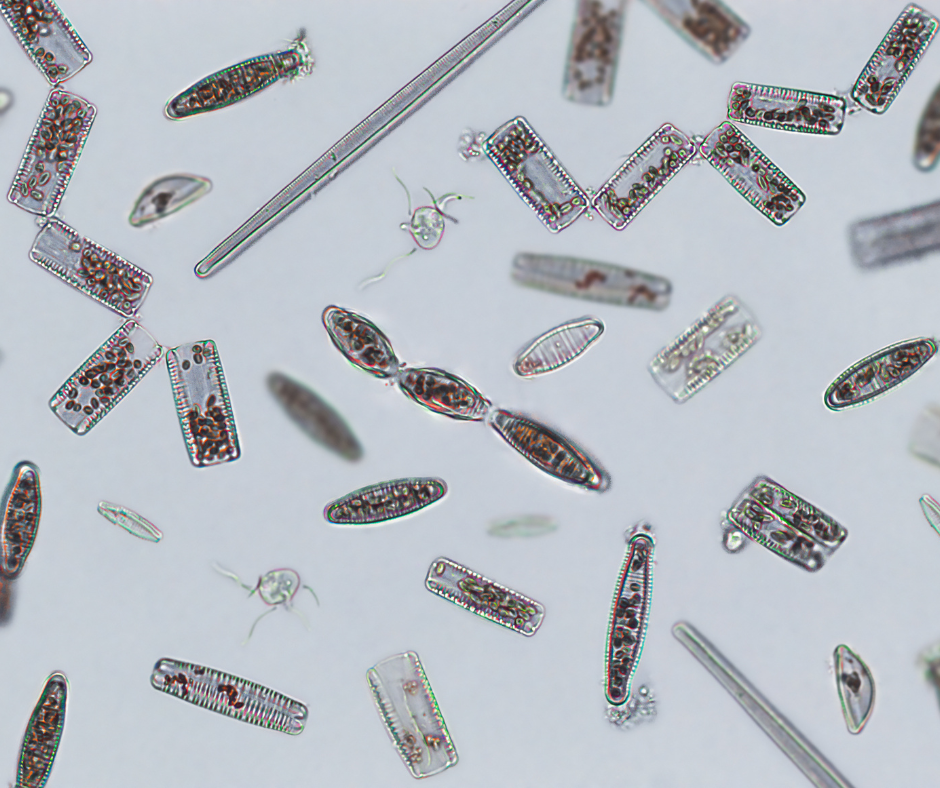
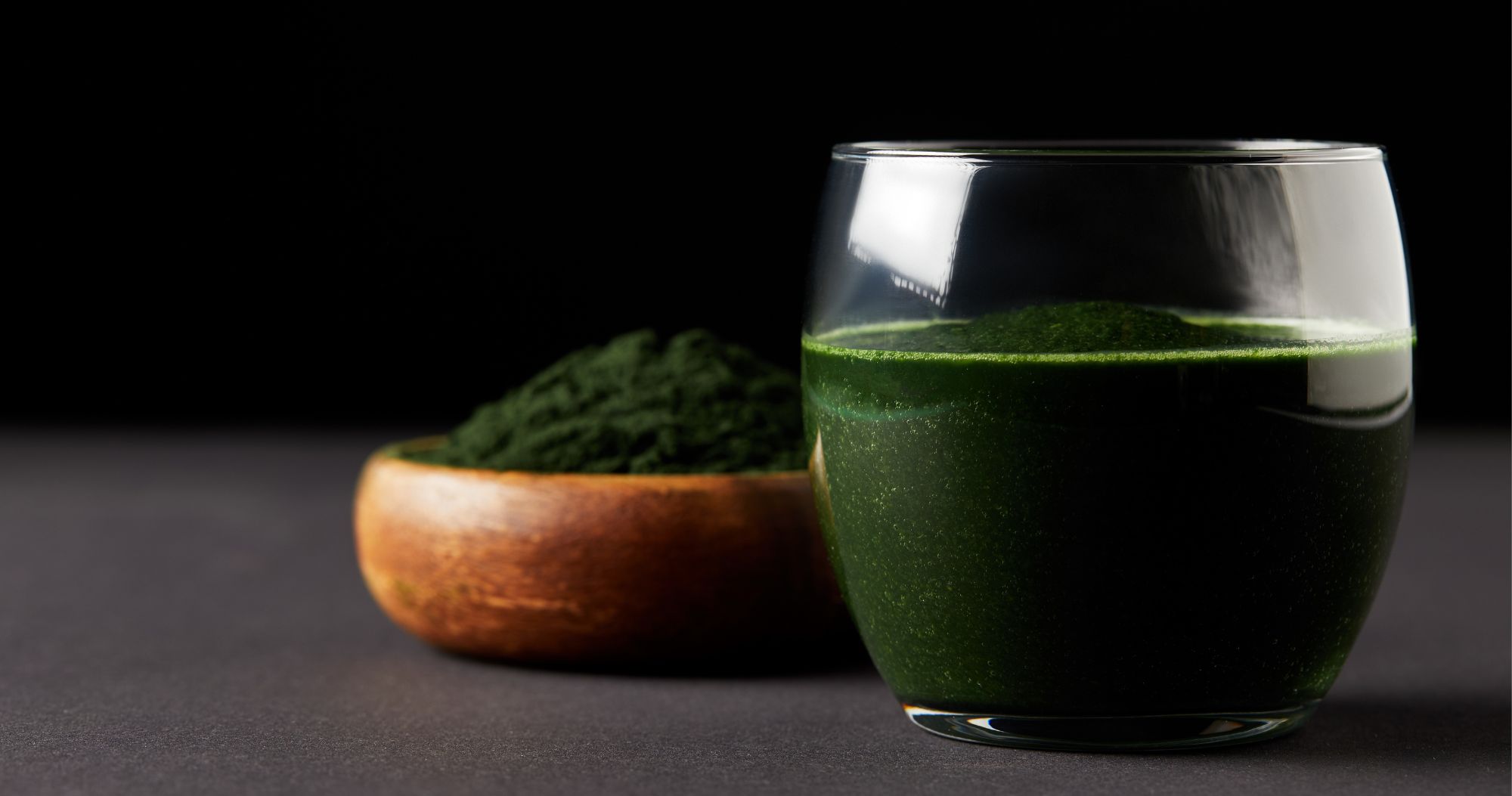
Phycocyanin is a blue pigment belonging to the phycobiliprotein family, extracted from Spirulina (Arthrospira platensis) microalgae. Beyond its role as a natural colorant, this compound is also known as a bioactive protein, unlocking great potential for applications in the food, beverage, and dietary supplement industries.
Compared to many other natural colorants, Phycocyanin delivers a vibrant, bright blue hue that elevates product aesthetics while fully aligning with "Natural" and "Clean Label" directions.
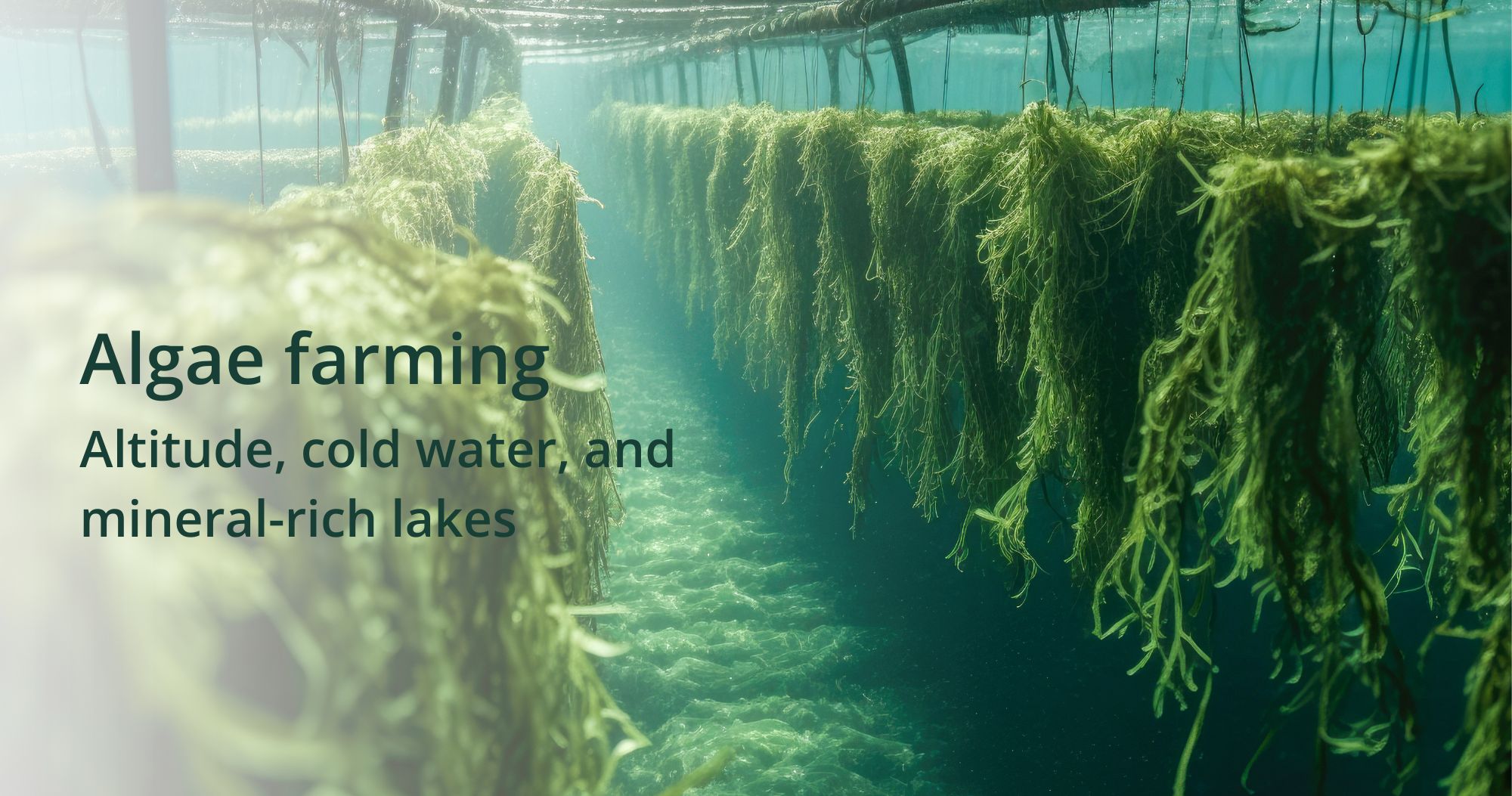
Furthermore, Phycocyanin fits perfectly into the sustainable development strategies that many businesses are pursuing. Spirulina microalgae grow rapidly and utilize significantly less land and water resources compared to traditional agricultural crops, helping reduce environmental impact. Therefore, utilizing Phycocyanin not only helps businesses meet the demand for natural colors but also demonstrates their commitment to sustainable manufacturing and innovation.

4. Key Considerations for Businesses When Choosing a Supplier
To ensure a successful transition to natural colors, businesses must select suppliers that offer a stable supply of raw materials, consistent quality, and comprehensive technical documentation. Key documents such as product specifications, stability data, and quality certifications will help shorten R&D timelines while meeting the regulatory requirements of target markets. A supplier's ability to provide technical support and application consulting is also a crucial factor in helping businesses optimize formulations and minimize risks during product development.
5. Conclusion
The shift from "Artificial" to "Natural" is becoming an inevitable trend in the F&B industry, driven by consumer demand, quality standards, and increasingly strict regulatory requirements. In this landscape, Phycocyanin stands out as a highly promising natural coloring solution due to its microalgae origin, vibrant hue, and perfect alignment with the Clean Label trend. To implement it effectively, businesses need to partner with suppliers that possess strong technological capabilities, reliable ingredient quality, and comprehensive technical support.
If your business is looking for Phycocyanin solutions or microalgae-based ingredients for the food and beverage industry, TA Vital is ready to support you with comprehensive technical dossiers, application data, and our team of experts. Contact us today for tailored solutions and detailed product information.
.png)
.png)

.jpg)



.jpg)

.jpg)




.png)
.png)
.jpg)
.jpg)







.jpg)

.jpg)


.jpg)
.jpg)


.jpg)




.jpg)




.png)





.jpg)



.jpg)