Ageing is a natural process accompanied by changes in the skeletal system, muscle function, and cardiovascular health. Alongside a balanced lifestyle, adequate nutrient intake plays an important role in maintaining health and quality of life as people grow older.
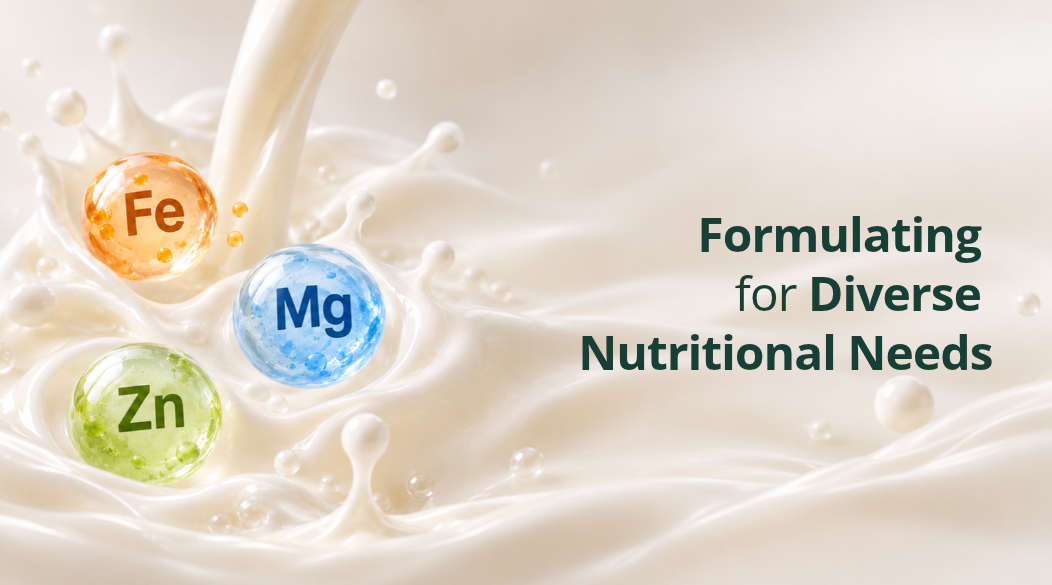
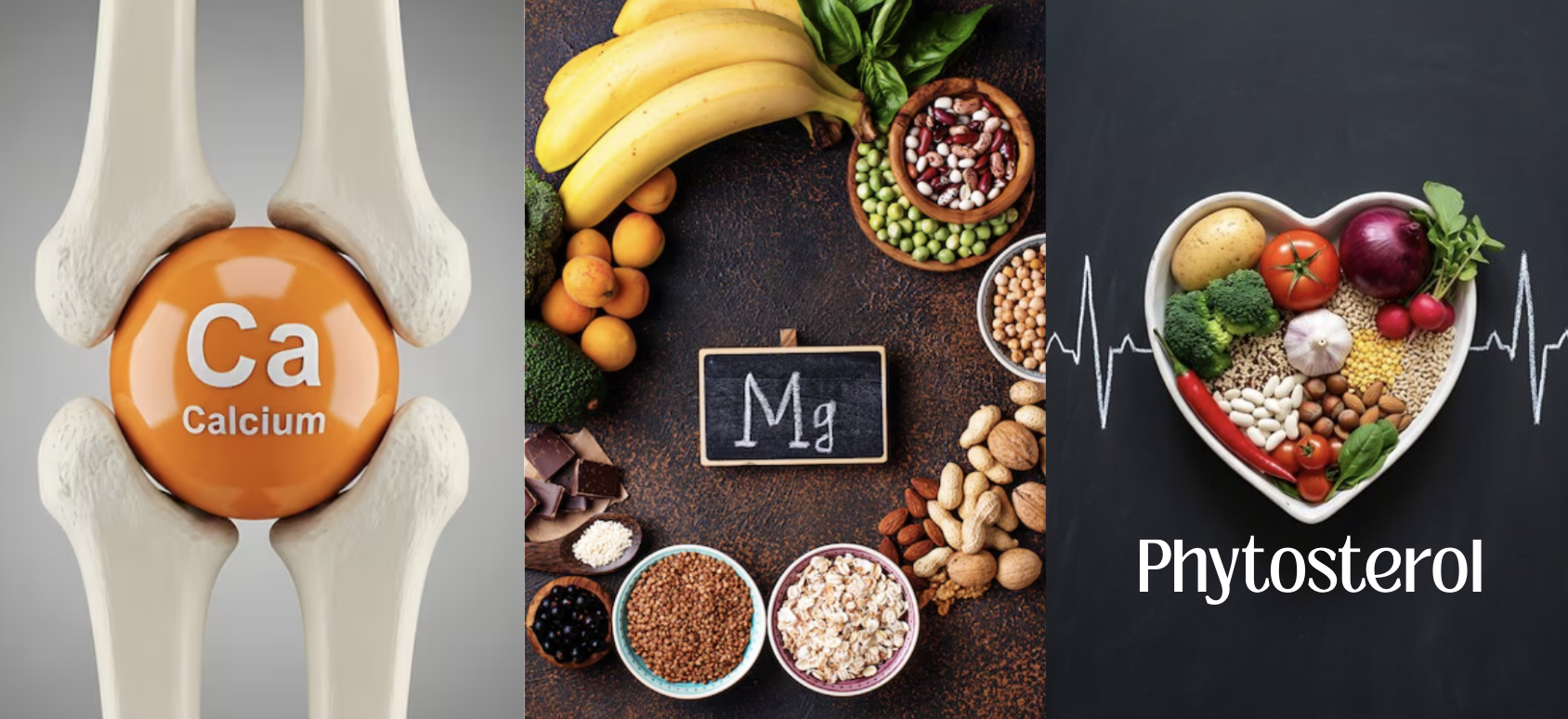
In the development of nutritional products for adults and older consumers, calcium, magnesium, and phytosterols are three noteworthy ingredients due to their complementary roles in supporting bone, muscle, and cardiovascular health.
Combining these nutrients in a milk-based beverage can enhance its nutritional value while creating opportunities to develop formulations that address multiple health needs in a single serving.
1. Calcium, Magnesium, and Phytosterols: Three Ingredients for Supporting Health as We Age
A nutritional approach to healthy ageing should consider various physiological functions of the body. Among them, bone health, mobility, and cardiovascular health are particularly important.
Calcium: Maintaining Strong Bones
Calcium is an essential mineral that forms the structure of bones and teeth. The body needs an adequate supply of calcium to maintain bone density and structure, particularly as people age and the risk of declining bone mass becomes a greater concern.
Adequate calcium intake through the diet is one of the key factors in maintaining long-term bone health.
Magnesium: Supporting Muscle Function and Energy Metabolism
Magnesium is involved in hundreds of enzymatic reactions in the body. It plays a role in energy production, protein synthesis, and the maintenance of normal nerve and muscle function.
For adults and older consumers, adequate magnesium intake helps maintain normal muscle activity, nervous system function, and essential metabolic processes.
Phytosterols: Contributing to Cardiovascular Health
Phytosterols are plant-derived compounds with a structure similar to cholesterol. When consumed in appropriate amounts, phytosterols can compete with cholesterol for absorption in the intestine, thereby reducing cholesterol absorption and helping maintain healthy blood cholesterol levels.
This is why phytosterols have attracted attention in the development of food products targeting cardiovascular health.
Combining calcium, magnesium, and phytosterols offers a multi-targeted nutritional approach, supporting bone health, muscle function, and cardiovascular health within a single nutritional product.
2. The Potential of Combining Three Ingredients in Milk-Based Beverages

Milk-based beverages provide a suitable platform for developing nutritional products enriched with multiple functional ingredients. In addition to their inherent nutritional value, these products offer convenience and can be incorporated into regular dietary routines.
By combining calcium, magnesium, and phytosterols, manufacturers can develop formulations targeting several health needs:
- Supporting bone health: Providing calcium to help maintain bone structure and strength.
- Supporting muscle function: Incorporating magnesium to meet the body's needs for a mineral involved in nerve and muscle activity and energy metabolism.
- Supporting cardiovascular health: Applying phytosterols in formulations designed to help reduce cholesterol absorption.
Rather than developing products focused on a single nutrient, combining ingredients with complementary functions can broaden nutritional value and create differentiation within product lines.
For products intended for adults and older consumers, this is a promising direction as health needs increasingly extend across multiple areas.
Beyond nutritional potential, tax policy is another factor worth considering when selecting a product platform. Under Vietnam's Law on Special Consumption Tax No. 66/2025/QH15, effective January 1, 2027, beverages falling within the scope of the regulation and containing more than 5 g of sugar per 100 ml will be subject to an 8% tax rate, increasing to 10% from 2028. Meanwhile, milk and milk products are excluded from the beverage category subject to this tax under the scope of TCVN 12828:2019. This is an important consideration for manufacturers exploring the development of milk-based nutritional beverages.
3. Key Considerations When Combining Calcium, Magnesium, and Phytosterols
Although these three ingredients have potential applications within the same formulation, they possess different physicochemical properties.
Calcium may increase the risk of precipitation under certain formulation conditions. Magnesium oxide has low water solubility, while phytosterols are poorly water-soluble and require an appropriate dispersion system to maintain uniformity.
For UHT-sterilized milk products in particular, developers need to assess ingredient compatibility during heat processing and storage.
Therefore, selecting suitable ingredient forms and technologies is essential to balancing nutritional objectives, product stability, and the sensory quality of the finished product.
4. Microencapsulation: Enhancing the Application Potential of Ingredients
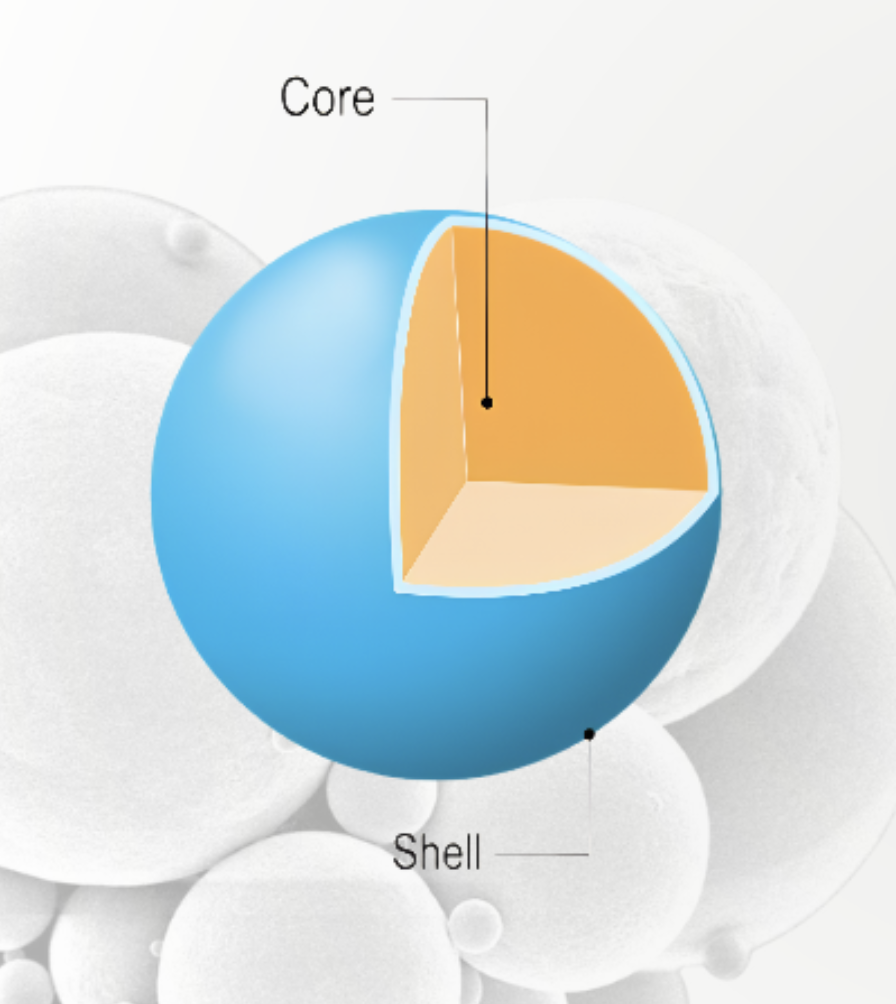
Microencapsulation is a technology used in the food industry to enclose active ingredients within suitable coating materials. Depending on the ingredient and encapsulation system, this technology can help protect components, improve dispersion, and modify their interactions with the formulation matrix.
For products combining multiple nutrients, microencapsulation offers several notable application possibilities.
Manufacturer-provided data reports that microencapsulated calcium demonstrated 41% higher bioavailability than conventional tricalcium phosphate in an in vivo study.
In addition, manufacturer-provided data indicates that microencapsulated magnesium can improve ingredient flowability and compressibility in powder applications.
These findings highlight the potential of microencapsulation to improve ingredient properties and expand their applications in nutritional formulations. However, actual performance should be evaluated according to the specific ingredient form, encapsulation system, and manufacturing conditions.
5. Developing Nutritional Products for Healthy Ageing
The growing need to maintain health as people age is creating opportunities for specialized nutritional products. Among these, milk-based beverages combining calcium, magnesium, and phytosterols represent a promising development direction, as they can address bone, muscle, and cardiovascular health objectives simultaneously.

To bring these formulations to market, selecting suitable ingredients and addressing formulation stability requirements are essential.
With its portfolio of functional ingredients and microencapsulation technology, TA Vital works alongside manufacturers in ingredient research, selection, and formulation development, helping create nutritional products that meet specific application objectives and quality requirements.