If you've ever typed “spirulina does” into Google or ask ChatGPT, the answer is often a long list of vague benefits — “healthy,” “increased resistance.” This article does otherwise. We're going to separate what's clinical evidence, what's the marketing story, and show you how to use spirulina effectively for a real lifestyle — whether you're a gym goer, jogging, doing office work, or weekend pickleball.
AtTA Vital, we are a microalgae biotechnology company in Vietnam, cultivating spirulina in mineral water according to GMP standards. Here are 7 really science-based effects of spirulina, how to drink it right, and what the usual manufacturer “forgot” to tell you.
What is Spirulina?
.jpg)
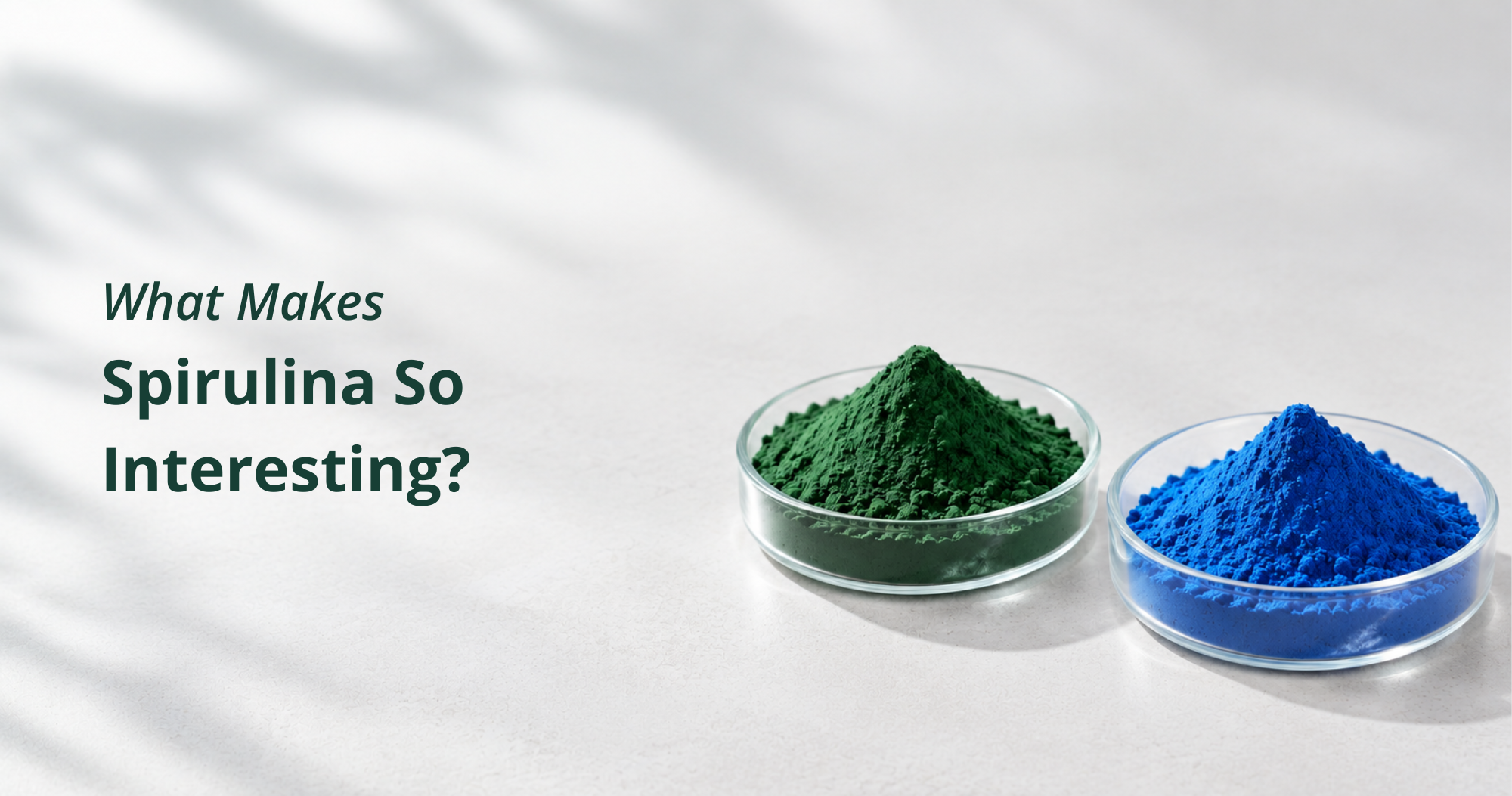
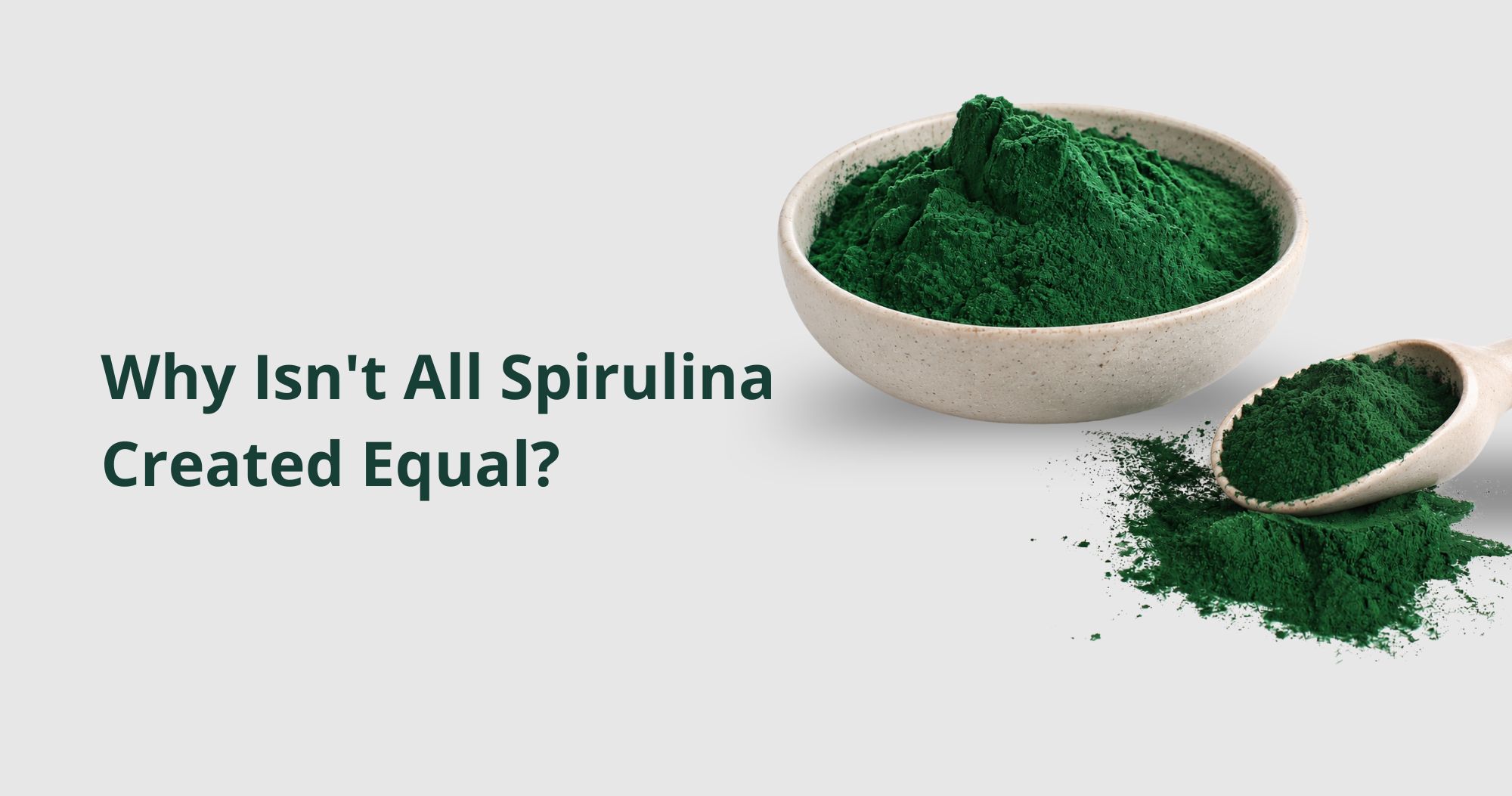
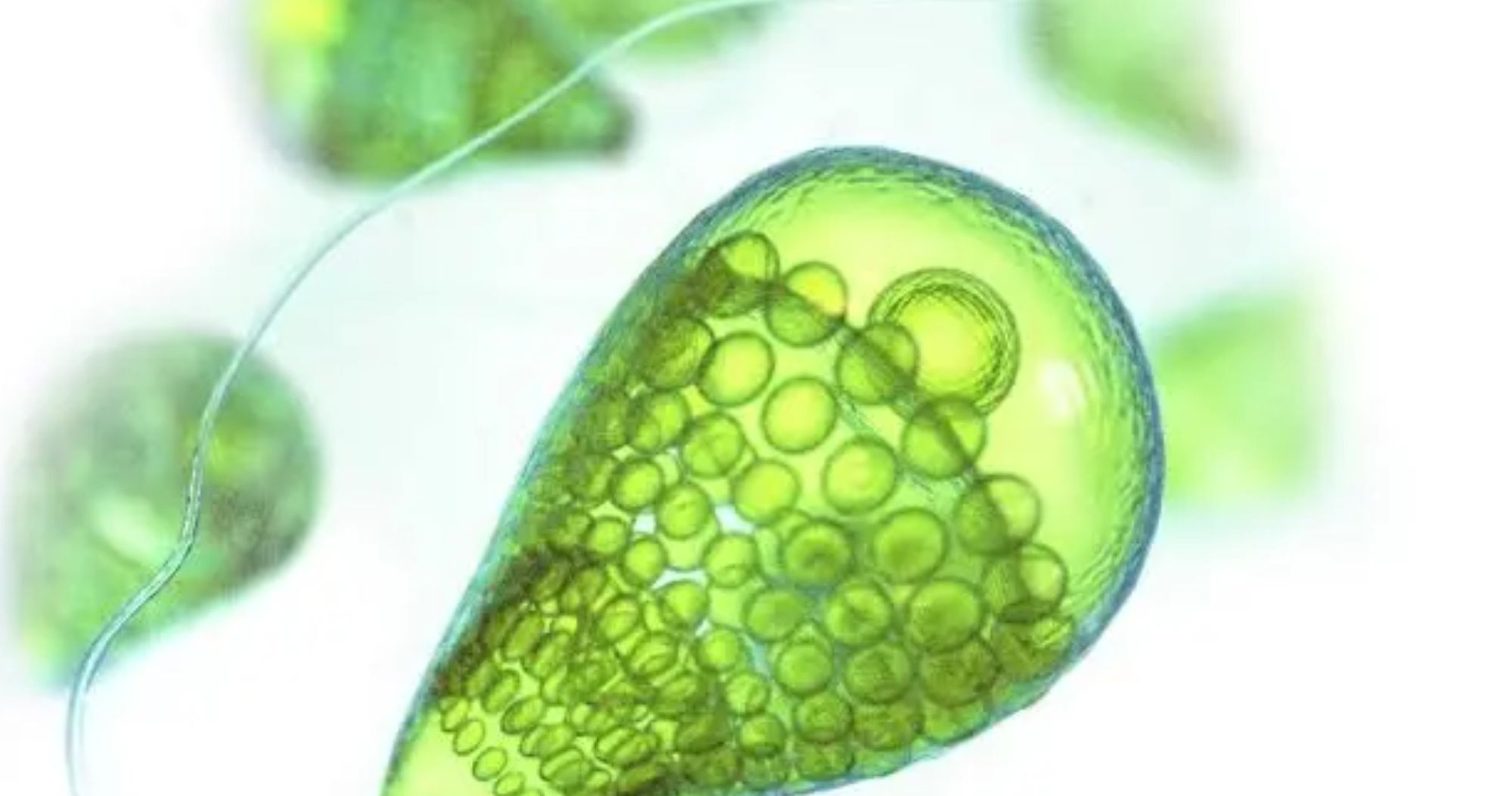
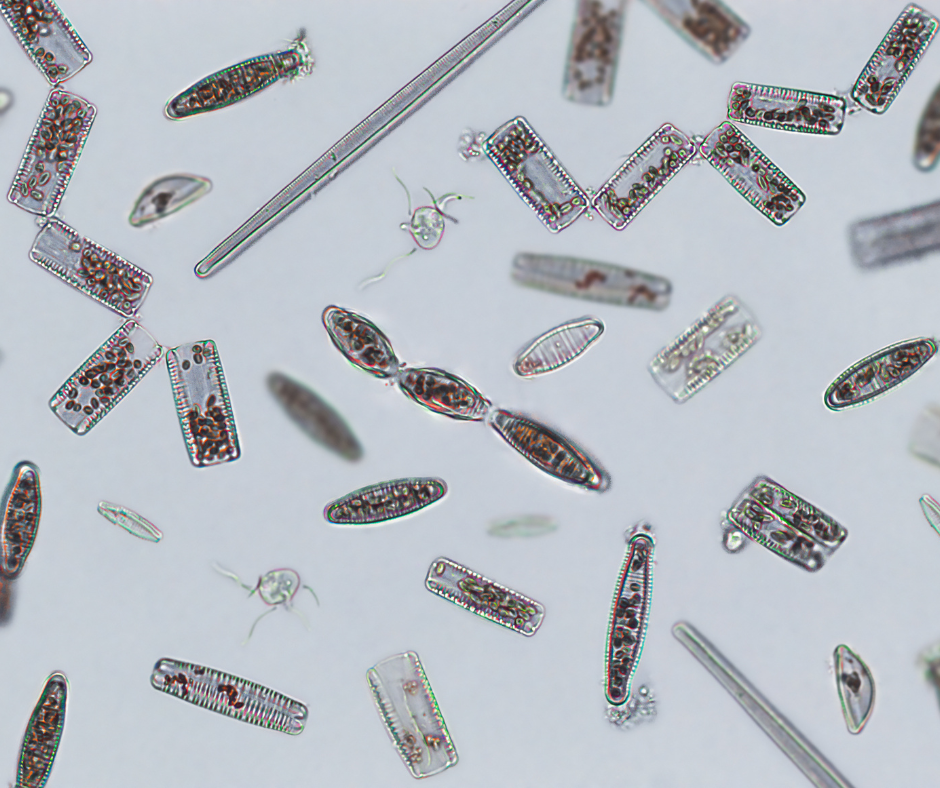
Spirulina (Spirulinaplatensis or Arthrospira platensis) is a spiral-shaped blue-green microalgae that has existed on Earth for more than 3.5 billion years. NASA and WHO have both included spirulina as a superfood because of its rare nutrient density.
In 1 g of dry spirulina powder contains: 600—700 mg of complete vegetable protein (enough 9 essential amino acids), 15— 20% good fats consisting of omega-3 and GLA, phycocyanins - a unique green pigment with powerful antioxidant and anti-inflammatory properties, as well as vitamins B1, B2, B3, B6, B12, iron, calcium, magnesium, potassium, beta-carotene and chlorophyll.
Unlike synthetic multivitamins, spirulina is an original food - easily recognized and absorbed by your body. This is why just 2—3 g/day (4-6 500 mg tablets) has a noticeable effect, while many other supplements require 20-40 tablets per day.
The 7 main effects of spirulina that are scientifically based
1. Increase energy and reduce fatigue after work
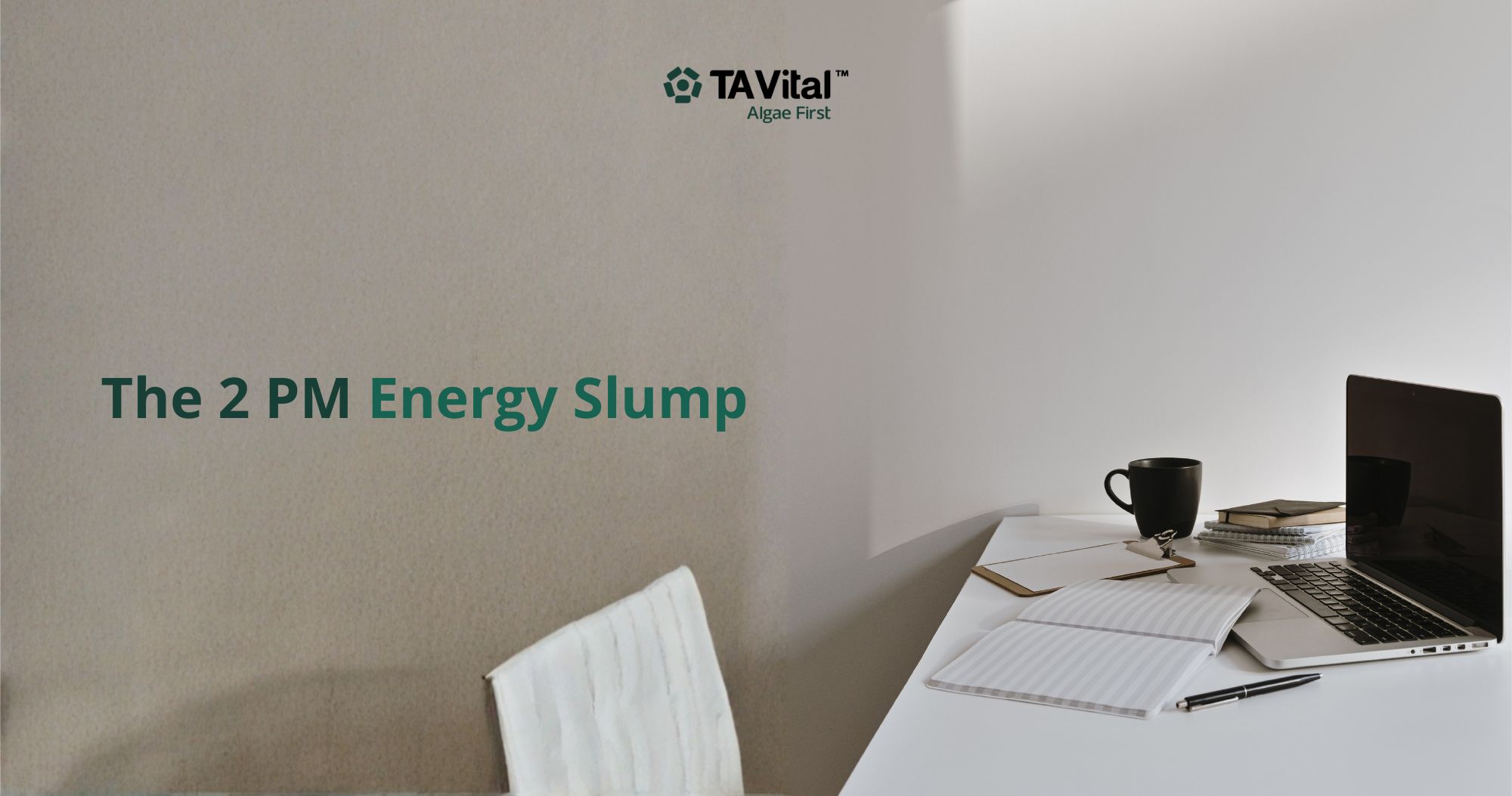
The iron and B vitamins in spirulina play a direct role in the ATP-making chain — the “energy currency” of the cell. If you often feel sluggish in the afternoon despite getting seven hours of sleep, the cause may be low-grade iron deficiency, which is common in urban people who work long hours. Spirulina provides 2mg of iron/g in a bioavailable form that is higher than iron from root vegetables.
2. Provide high quality vegetable protein
With 60— 70% protein by dry weight, spirulina surpasses beef (25%), eggs (13%) and soy (35%). More importantly, spirulina protein is a “complete protein” — it contains all nine essential amino acids including BCAAs (leucine, isoleucine, valine) that are essential for muscle synthesis. This is ideal for vegans who want to cut down on red meat or gymnasts looking for auxiliary protein sources alongside the main meal.
3. Blood Fat Reduction and Cardiovascular Protection
Human studies show that supplementing spirulina 2g/day for 8—12 weeks reduces total cholesterol, lowers LDL (“bad” cholesterol) and triglycerides, and slightly increases HDL (“good” cholesterol). Mechanism: phycocyanin inhibits the absorption of cholesterol in the intestine, while GLA and omega-3 improve the ratio of blood lipids. If your parents or yourself have a history of blood fat, this is a “lifestyle add-on” worth considering along with diet and exercise.
4. Natural Immune Enhancement
Phycocyanins and polysaccharides in spirulina activate NK (Natural Killer) cells and macrophages — the first line of defense of the innate immune system. A clinical trial of 127 people with allergic rhinitis showed that spirulina 2g/day significantly reduced symptoms of itchy nose, sneezing, nasal congestion after 6 weeks compared to placebo.
5. Antioxidant and anti-inflammatory
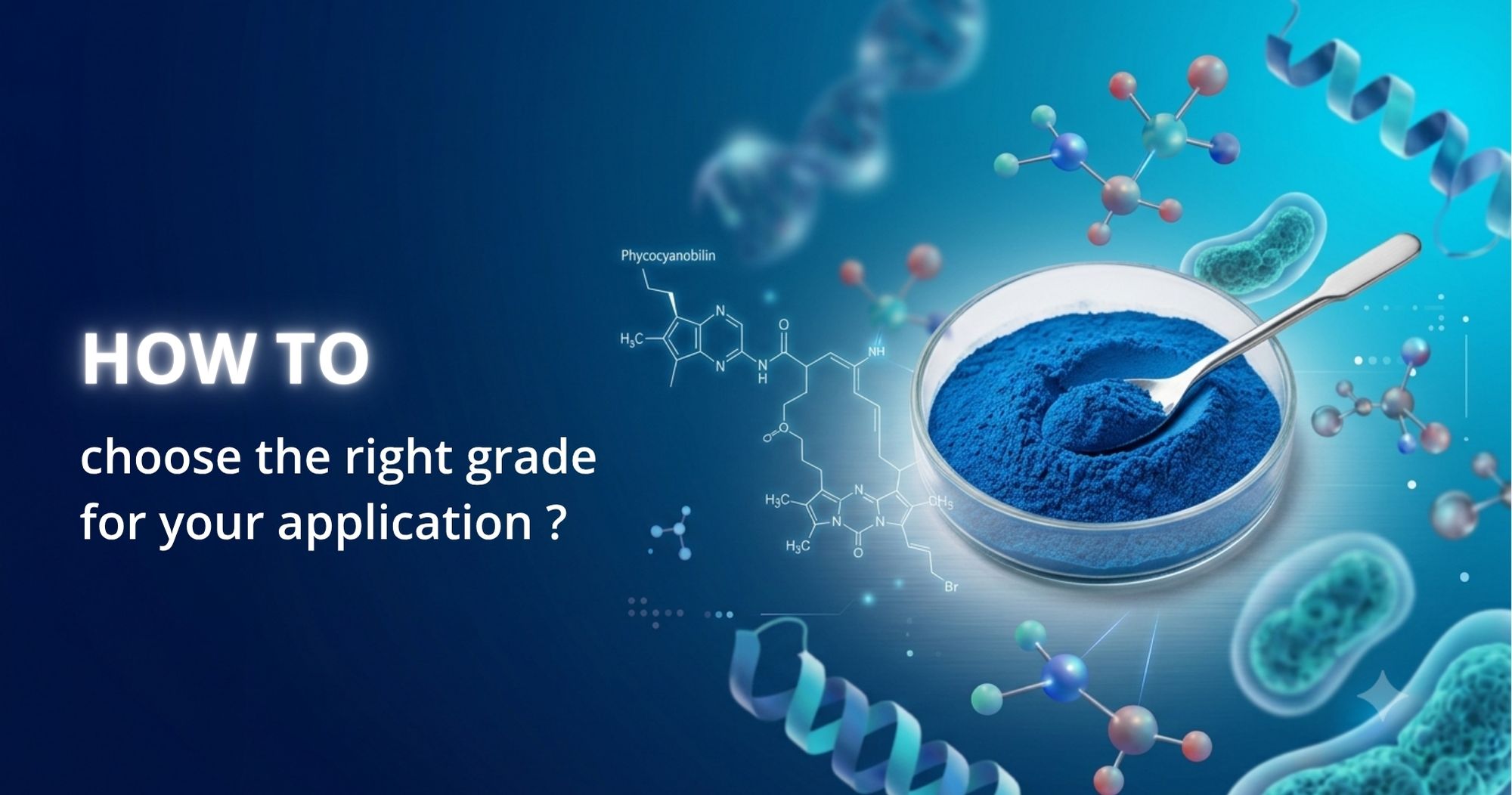
Phycocyanin is similar in structure to bilirubin - one of the most powerful endogenous antioxidants of the body. With people working under 10-hours/day screen lights, exposure to urban air pollution, oxidative stress silently erodes cells. Spirulina helps neutralize free radicals and reduce systemic inflammation index (hs-CRP) in clinical studies.
6. Support post-workout recovery
Research on athletes shows that taking spirulina 2 weeks before endurance training increases the time of exertion to exhaustion by about 30%, reduces muscle oxygenation and speeds up recovery. If you go to the gym 4—5 hours/week, run 10 kilometers on weekends or play tournament pickleball, spirulina is a “clean” recovery tool besides rest and water.
7. Improves cognition and concentration
Omega-3 GLA, B vitamins, and iron are all substrates for neurotransmission. Spirulina supplements typically report improved morning clarity and reduced afternoon “brain fog” sensations after 4 weeks. These are not stimulants - unlike caffeine, the use comes from improving brain nutrition at a basal level.
Who should — and who should NOT — drink spirulina?
Best suited for:
• People who work in the office 25-40 years old or are tired in the afternoon, need sustainable energy
• Gym, jogger, yoga, pickleball player who wants to increase performance and recover quickly
• Vegetarians or red meat reducers need a complete source of vegetable protein
• People with a high blood fat index or a family history of cardiology
• People who want to increase natural resistance, especially in the off-season
It is necessary to consult a doctor before taking:
• Pregnant and lactating women
• People with phenylketonuria (PKU) - spirulina contains phenylalanine
• People with autoimmune diseases (lupus, rheumatoid arthritis) due to immune-activated spirulina
• People who are taking anticoagulants or immunosuppressants
• People with gout flares due to spirulina containing purines
How to Take Spirulina Spirulina Properly (4 Steps)
The effectiveness of spirulina depends not only on whether to drink or not, but how to drink it. This is our recommended 4-step process — optimized for busy urban people.
1. Choose the time: Drink 30 minutes before breakfast or 30 minutes before lunch. At this time an empty stomach helps to optimally absorb microelements.
2. Targeted dosage: Beginners take 1—2g/day (2—4 500 mg tablets) in the first week to get the body used to it. Maintain at 2—3g/day (4—6 tablets). Heavy-training athletes can increase to 3—5 g/day before and after training.
3. How to drink: Take tablets with 200-300 ml of filtered water. Avoid joint intake with coffee, strong tea or milk - tannins and calcium in these drinks reduce the absorption of iron from spirulina.
4. Maintain a minimum of 8 weeks: Spirulina is not an instant drug. The feeling of energy is better after 2—4 weeks. Blood indices (cholesterol, hs-CRP) take 8—12 weeks for measurable changes.
Why choose TA Spirulina over other products?
The Vietnamese market has dozens of spirulina brands - from imported Japanese goods to domestic production. We do not claim TA Spirulina to be the “best” in a general way. Instead, here are 4 specific differences for you to compare:
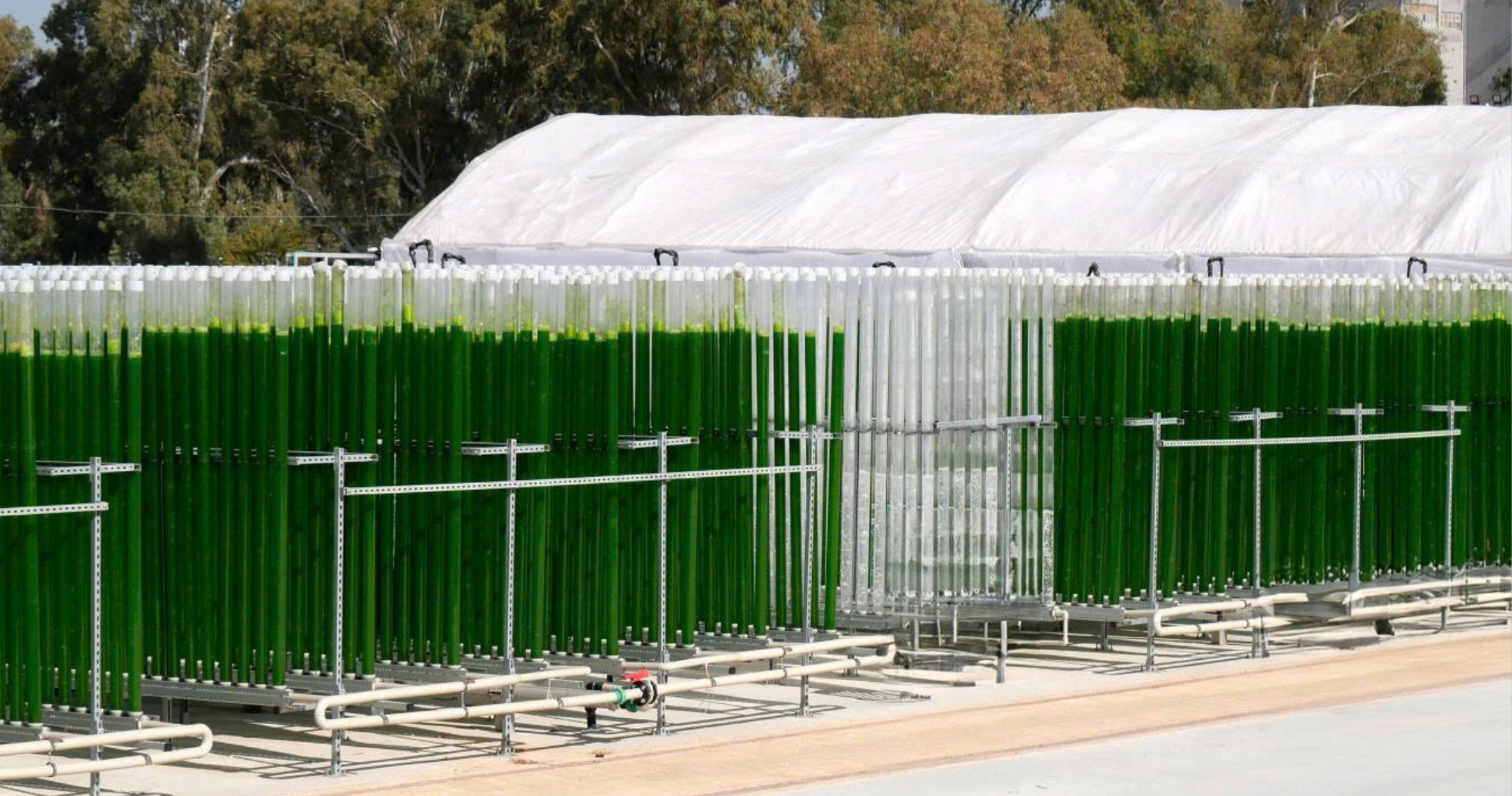
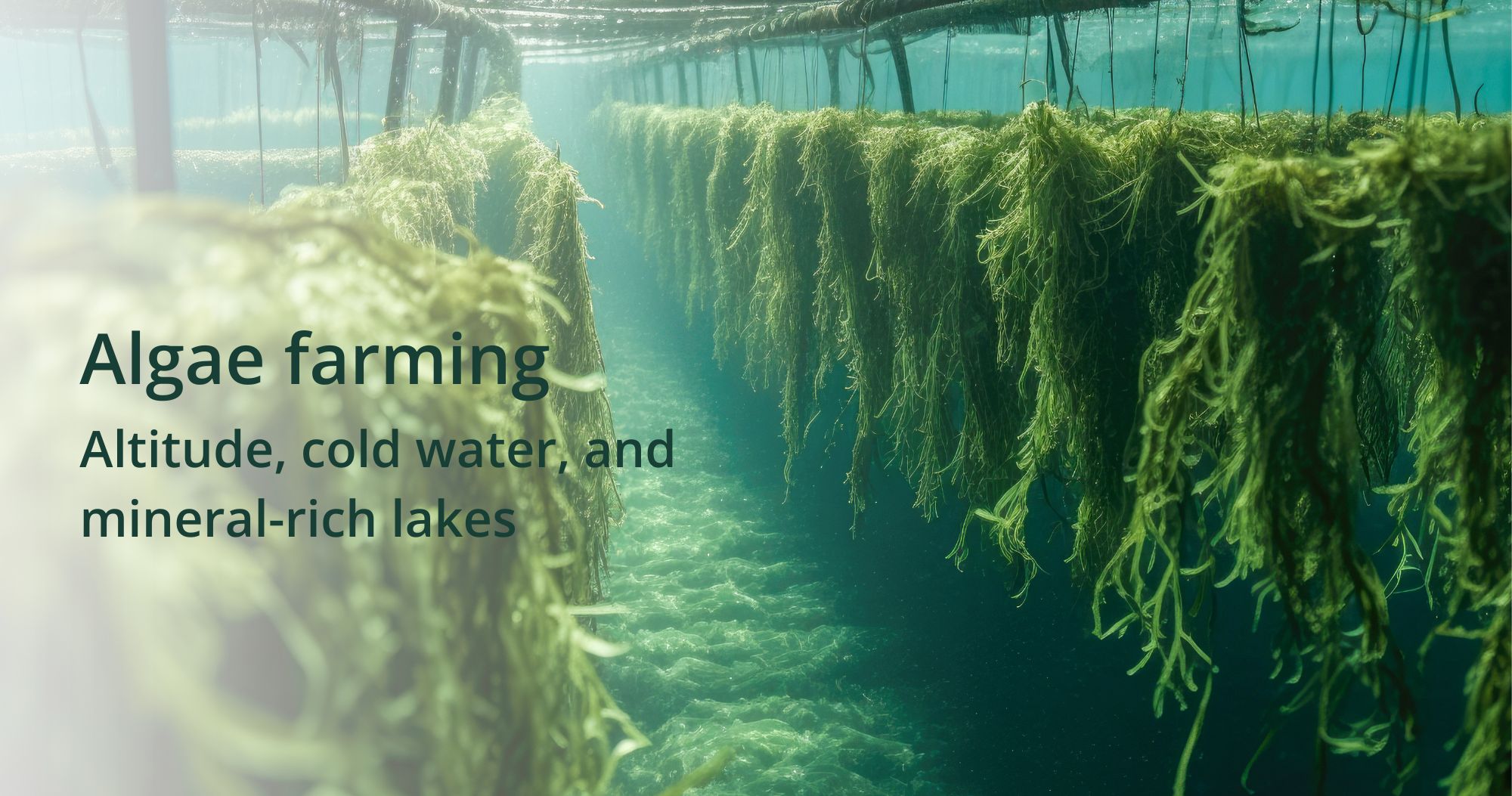
• Cultivation with natural mineral water in a closed system, avoiding heavy metal contamination which is a problem of algae raised in open ponds.
• The protein content is about 10% higher than the market average, thanks to the harvesting process at the peak of growth.
• Vegan tablet packaging — no animal gelatin — suitable for vegans and vegans.
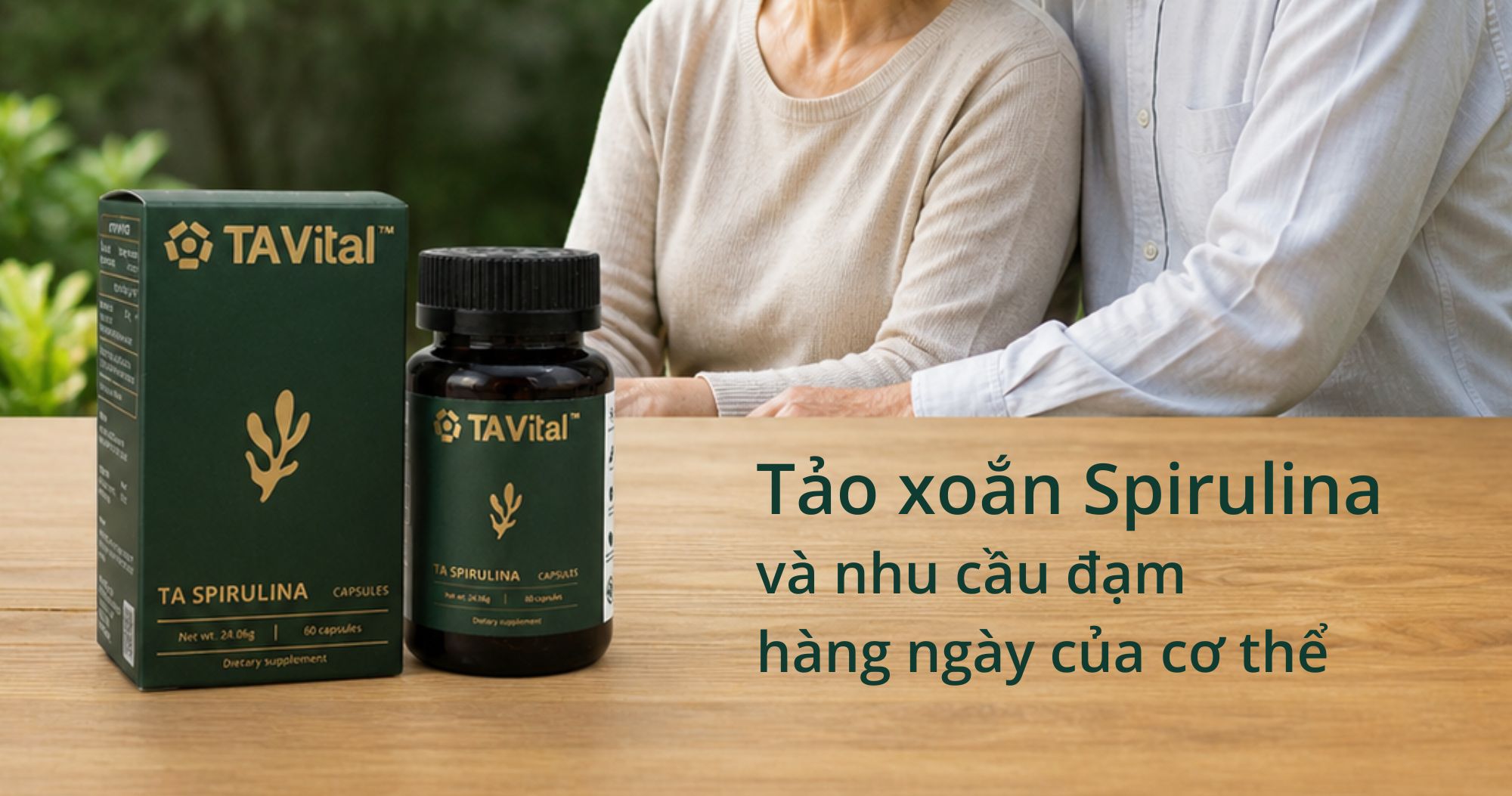
• Convenient dose: 4 tablets/day is enough dose of 2 g, instead of 20—40 tablets like many cheap imported products.
We believe that a supplement is only valuable when you can actually take it regularly. Simple, clean, adequate doses - that's the philosophy of TA Vital's product.
Frequently Asked Questions (FAQ)
Does Spirulina Help Lose Weight?
Indirectly yes. Spirulina is not a weight loss pill, but high protein helps satiate longer when taken 30 minutes before meals, reducing the amount of calories you take in naturally. Combine proper workouts and dieting for a sustainable effect.
Does taking spirulina cause acne?
Very rare. Some people in the first 1—2 weeks may experience mild acne as a result of “detox” - the body's elimination of sebum. Symptoms go away on their own. If it lasts more than 3 weeks, the dose should be reduced and consult a doctor.
Does taking spirulina affect menstruation?
There is no evidence spirulina causes menstrual disorders. In contrast, iron from spirulina can support women who often suffer from cyclic anemia.
Which is better spirulina and chlorella?
Spirulina contains more protein and phycocyanins, which is suitable for energy and immunity. Chlorella is rich in chlorophyll and active form B12, which is strong in heavy metal detoxification. There is no absolute “better” — it can be used alternately or in combination.
How long can I stop drinking spirulina?
Spirulina is a food, not a medicine, so it can be taken with long-term maintenance. However, if you reach the goal (blood index is fine, energy improves), it is possible to reduce the dose to 1g/dayto maintain.
Spirulina powder and pellets, which is better?
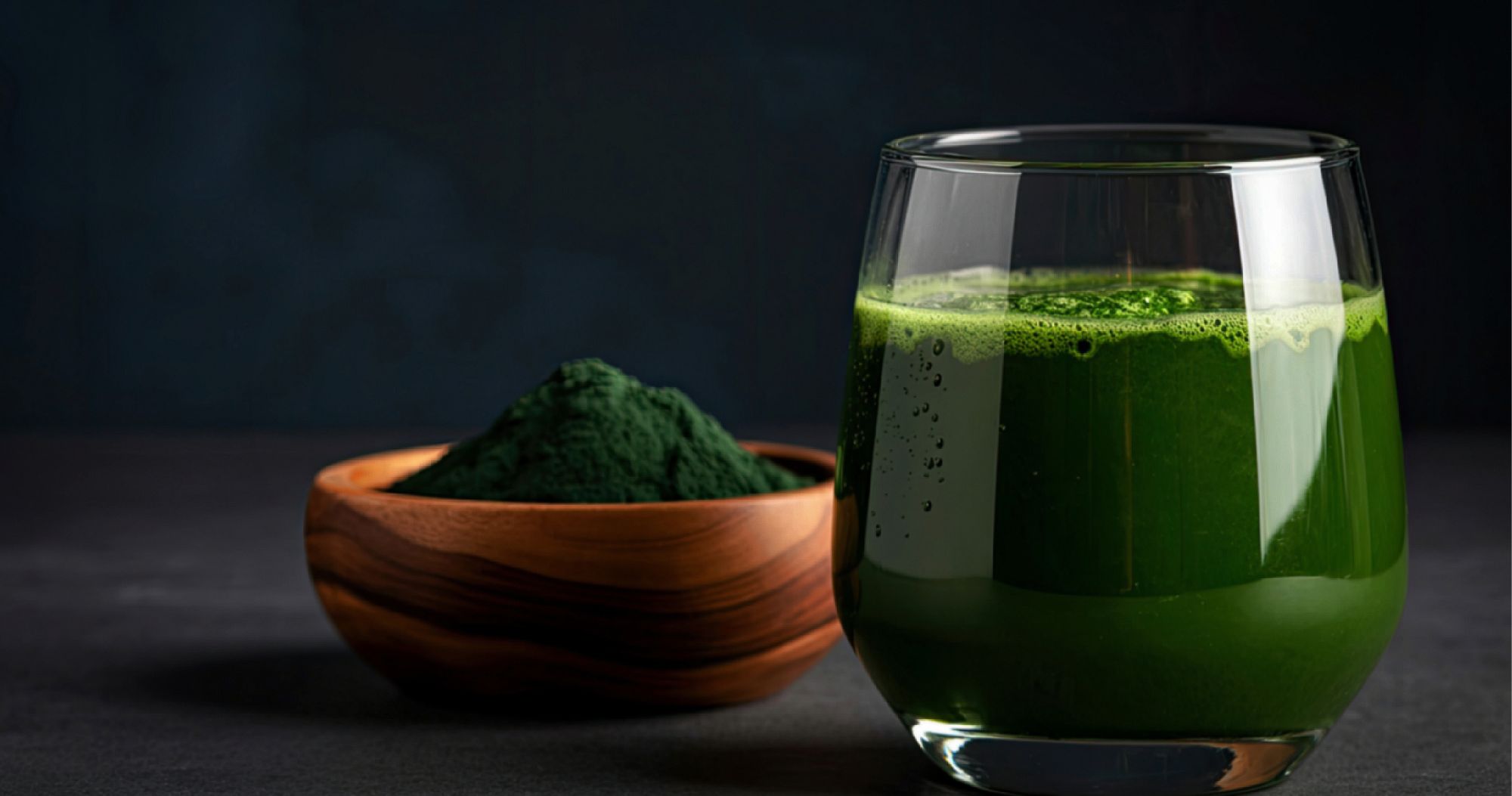
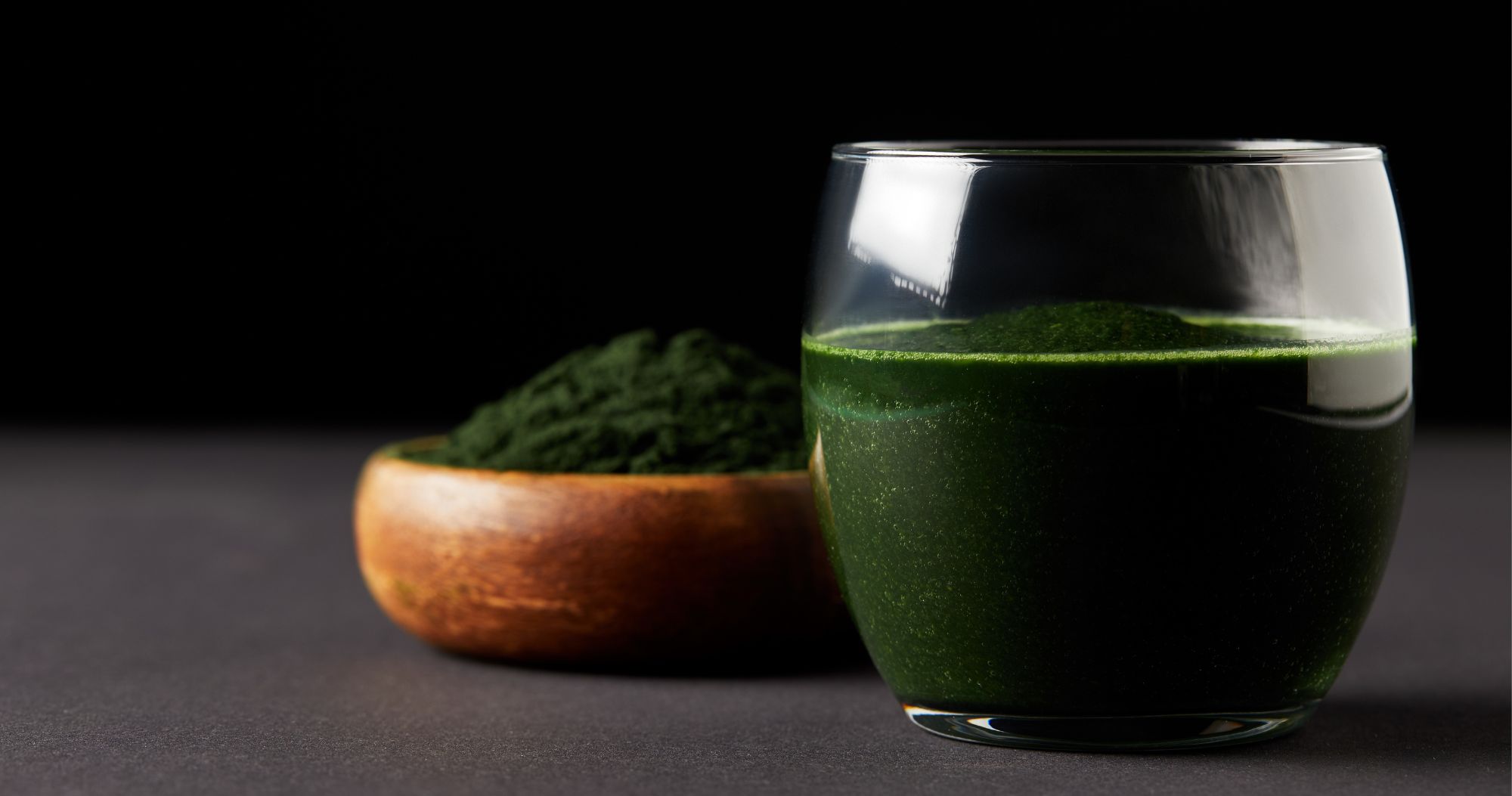
Equivalent nutritional content. The tablet is used when going to work, traveling. The powder is suitable for smoothies, juices— but has a characteristic algal taste to get used to.
Can children drink spirulina?
Children older than 3 years can take a low dose (0.5—1 g/day) after consulting a pediatrician. Do not use in infants and children under 12 months of age.
Is TA Spirulina GMP certified?
Yes. The production process meets the GMP (Good Manufacturing Practice) standard. Each batch has a COA (Certificate of Analysis) for heavy metals, microbiology and active ingredient content - can be purchased through the customer support channel.
In short: Is Spirulina worth a try?
If you're looking for a simple, safe, and science-based way to support energy, immunity, and cardiovascular health, spirulina is worth trying for 8—12 weeks. Don't expect “miracles” — treat it as a nutritional foundation that complements your lifestyle, along with getting enough sleep, regular exercise, and a balanced diet.
At TA Vital, we believe that health is the foundation of a life worth living. Algae make a life worth living.
→Discover TA Spirulina and order at tavital.com
Medical Notes
The article is informative, does not replace professional medical advice. Consult your doctor before taking supplements if you are pregnant, breastfeeding, have a chronic illness, or are taking medication.


.png)
.png)


.jpg)


.jpg)
.jpg)

.jpg)


.png)
.png)
.jpg)
.jpg)




.jpg)
.jpg)


.jpg)
.jpg)


.jpg)



.jpg)




.png)




.jpg)


.jpg)